• Skip to primary navigation
  • Skip to main content
  • Skip to footer

Teaching in Higher Ed

  • Podcast
  • Blog
  • SPEAKING
  • Media
  • Recommendations
  • About
  • Contact

Resources

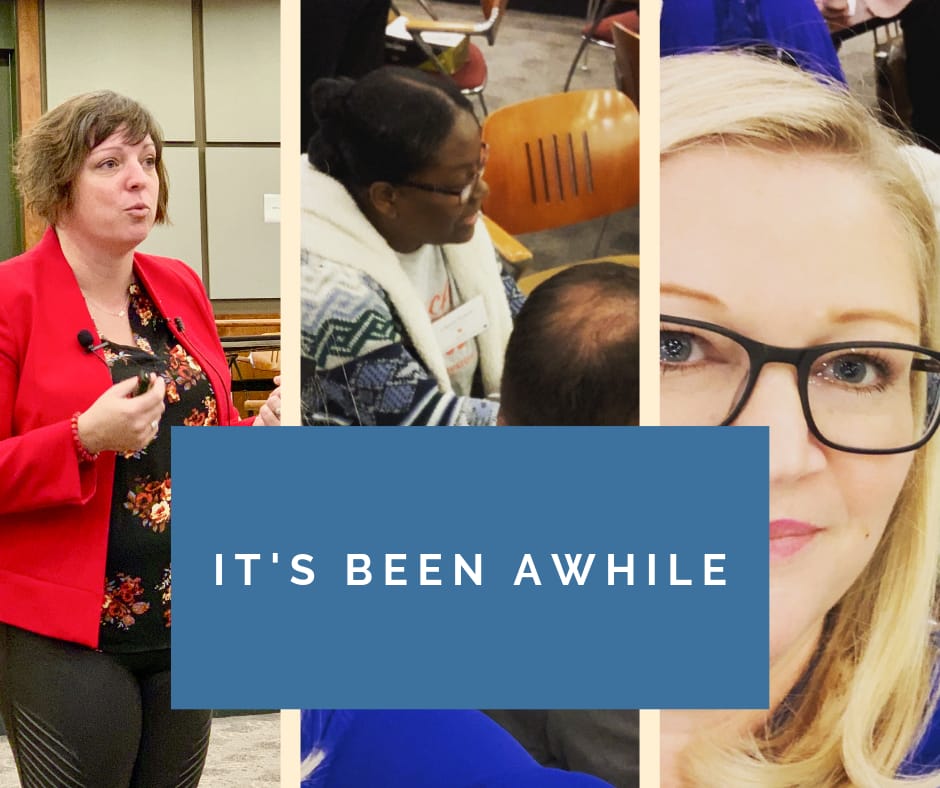
It’s Been Awhile

By Bonni Stachowiak | November 16, 2018 | | XFacebookLinkedInEmail

It’s been more than three weeks since I blogged (and the last post was a re-post of an article I had written on EdSurge, so I’m not sure it counts).

A lot has been going on…

Can Innovate Conference from The Online Network of Educators (@ONE)

On October 26, 2018, I had the pleasure of attending the Can*Innovate Online Conference, put on by the Online Network of Educators. While the event was created for community college faculty, it was equally relevant to those of us teaching in other contexts.

Here are just a few of the resources I recommend checking out:

  • Main Can*Innovate Schedule Page with Video Playback of All Sessions
  • Canva (Graphic Design Site) for Canvas Session Page
  • Surprise! Good Things Can Happen When Students Get Creative, with Laura Gibbs
  • Promoting Equity with EdPuzzle and Canvas Mastery Paths (Marvin Patton finally helped me comprehend mastery paths in Canvas)

I'm honored to have been invited to be the keynote speaker for the CCC Digital Learning day in 2019, which is also put on by the Online Network of Educators (@ONE). Please consider joining in on the learning with us on 2/28/19.

Creating Healthy Organizations Conference

On October 12-13, I presented at my institution’s Creating Healthy Organizations conference. Here are some resources and more information about each session I collaborated on.

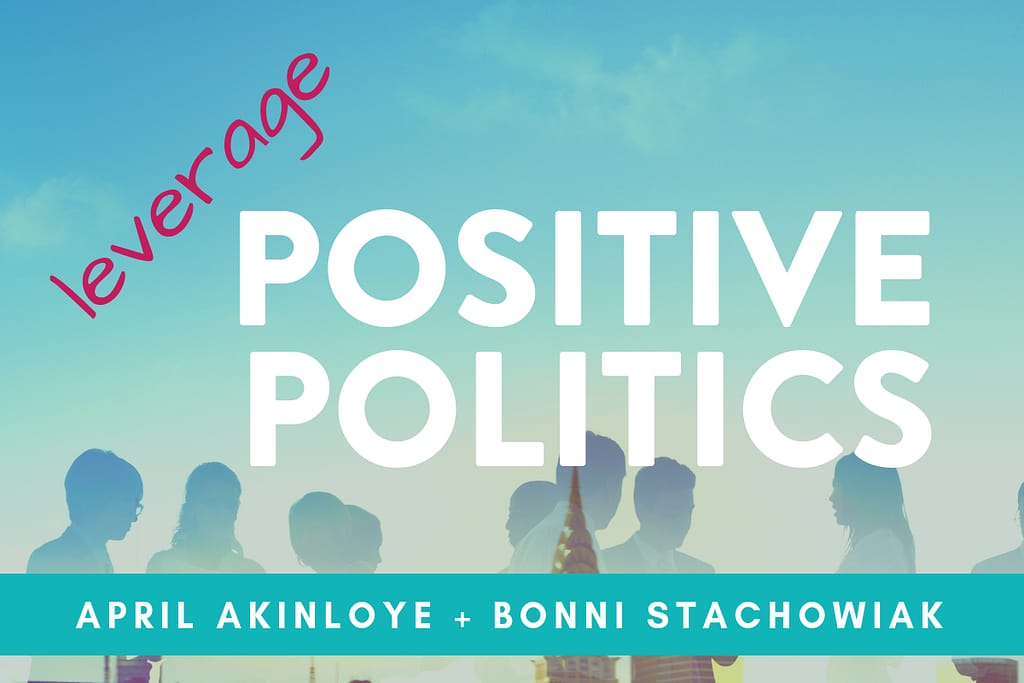
Leverage Positive Politics to Influence Change in Your Organization, with April Akinloye, PhD

Before transitioning to academia, I used to get asked to talk about organizational politics more than any other topic in my consulting work. I enjoyed collaborating with my colleague, April Akinloye, on this workshop. She’s our Chief Diversity Officer and was able to share the ways in which we might approach various people in our organizations when seeking to influence change.

Tools and Approaches to Maximize Your Productivity, with Dave Stachowiak, EdD

If that last name sounds familiar, it is because I’m married to that guy! It was great to present together – after not having joined forces for many years in this capacity.

On the resources page, the left side holds our ideas for how to be more productive, while the attendees contributed to the ideas on the right-hand side of the post.

University of Houston’s Learning, Design, and Technology Program

I was grateful to have been invited to facilitate at the University of Houston’s Learning, Design, and Technology Program. I gave two sessions:

CREATE: Practical Tools for Course Content Creation

I have got a resources page with the slide deck I used at the session, along with tools that I mentioned or demonstrated during the talk. One thing I didn’t share about publicly (as it was unlikely to be all that interesting), was how I attempted to be more playful in partially hand-drawing some of my slides. My intention in doing this was to show that we all have the capacity to create and it is most often our mindset that holds us back from achieving our potential.

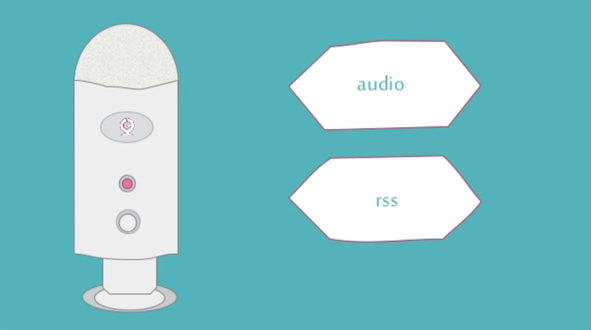
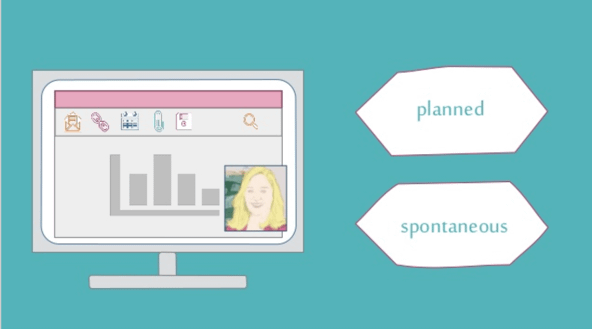
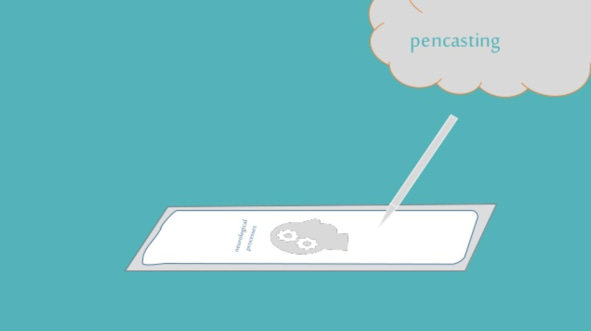
The images below are representative of the kind of experimentation I was using while creating the deck.

This is an image I “hand-drew” inside of PowerPoint, while looking at my Yeti microphone on my desk
I mostly “hand-drew” this slide in PowerPoint, except for the icons and the sketch of me
A “hand-drawn” image of pencasting – created in PowerPoint

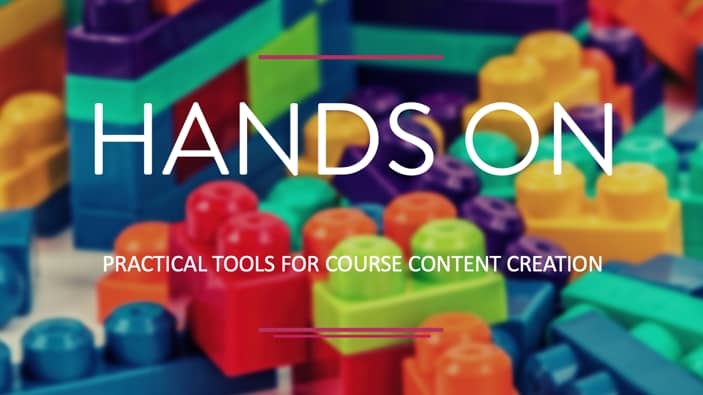
HANDS ON: Practical Tools for Course Content Creation

My second session was smaller, as they limited it to no more than 25 people who had registered in advance. I used an approach that the teachers use at our kids’ school called “planned possibilities.”

I had some ideas of the kinds of things we could experiment with during the session, which I displayed in a visual way on a slide.

Then, I invited them to add to the list with ideas that emerged out of some early discussions we had during the session. Then, I showed them how I would take this visual slide, turn it into a PollEverywhere image selection poll. Finally, they voted on the possibilities that were of most interest to them for our time together.

Laura Pasquini’s Keynote: What’s Your Story

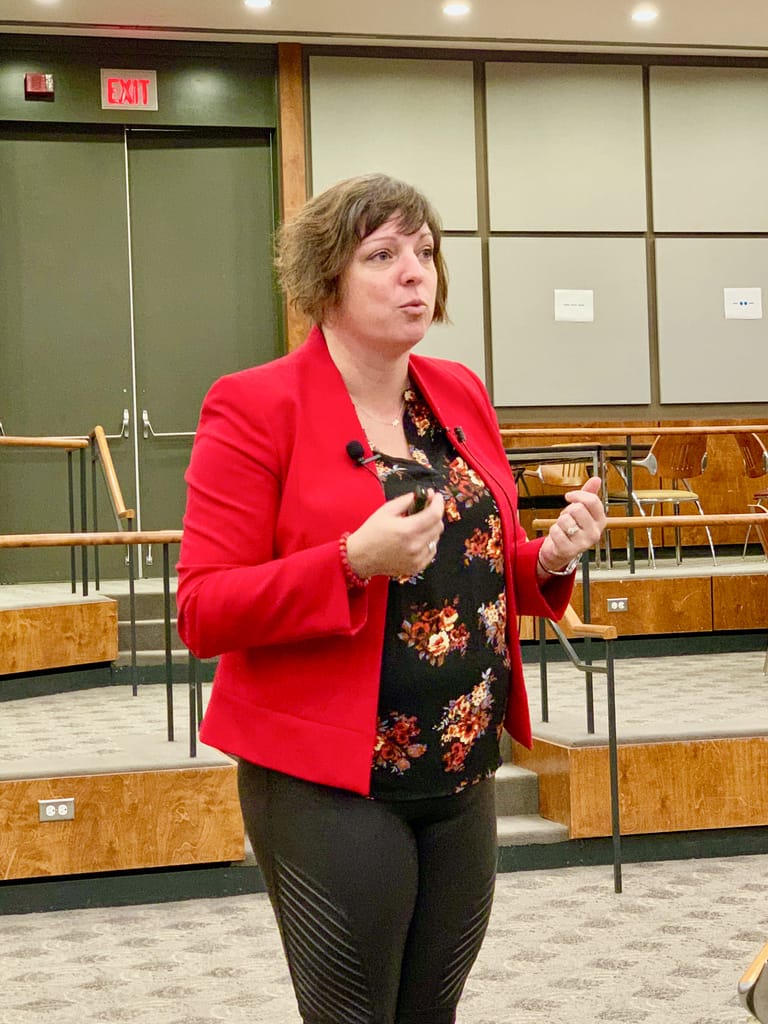
It was already an honor to get to join the University of Houston for their event. However, it was even more of a bonus that I got to meet Laura Pasquini in person.

I know Laura from Twitter. We have done some collaboration via online meeting spaces. But this was my first chance to meet her in “real life” (that’s supposed to be a joke – as what happens online is also a part of our lives).

I enjoyed Laura's cadence of presenting. She would present a flurry of thought-provoking ideas – but then would pause and give us room for reflection. One of my favorite tools she used was this one:

Table Topics

Laura hand-selected questions from the Table Topics deck that would most apply to our conversations. Between that interaction and the tremendous ITLD Breakout Game that the University of Houston team put on – I found such authentic opportunities to connect with the people who had gathered for the conference.

It's been a whirlwind couple of months, though I'm grateful for all of these opportunities to learn and teach. Thanks for reading through a little bit on what I've been up to…


Filed Under: Resources

Fumbling Toward Open Education

By Bonni Stachowiak | October 16, 2018 | | XFacebookLinkedInEmail

open education title graphic

“Bonni! Bonni! Bonni!” I heard echoing across the parking lot as I walked into work this morning. My friend stopped me in my tracks to share how much she got out of the recent Teaching in Higher Ed episode with Rajiv Jhangiani on Critical Open Pedagogy.

Like her, I was also incredibly inspired by the conversation with Rajiv. He can both spell out the magnificent vision of open education, while also still increasing our collective capacity to take practical steps to move closer to that set of ideals.

I sometimes feel like I am fumbling toward more of an open education approach in my teaching. However, people like Rajiv help me believe I’m at least moving in the right direction and that I possess some markers to guide my path.

The Critical Open Pedagogy episode with Rajiv aired while the 2018 Open Education Conference was occurring (#OpenEd18). While I couldn’t be there in person this year, I sure did get a lot out of the interactions that were happening on Twitter.

Below are just a few of the resources that were shared on the #OpenEd18 hashtag:

  • OER Training, by Billy Meinke: “A three-part training guide for bringing higher education instructors up to speed with Open Educational Resources (OER).”
  • OER: From Vision to Action, by Rajiv Jhangiani: “Keynote address at #OERVisionAction18 in Denver on August 2, 2018”
  • CADET – Caption and Description Editing Tool: “CADET is a free, downloadable caption-authoring software that enables anyone to produce high-quality caption files that are compatible with any media player that supports the display of captions. CADET does not require an internet connection in order to operate: it runs locally in any Web browser, so users do not need to upload private videos or proprietary content to servers or video-hosting sites in order to create captions.”
  • Accessibility, Diversity, and Inclusion: (part of the BCcampus’ open textbook self publishing guide) “For a textbook to be truly accessible, people of all abilities need to be able to access the content. This means designing a textbook that accommodates people with diverse learning styles and ensuring the content can be accessed by all, regardless of disability. It also means creating materials that include diverse viewpoints and voices. As you plan your textbook, contemplate how to design it so it is accessible, diverse, and inclusive.”

I have also been gathering open education bookmarks for over a year now. Other notable resources include:

  • Textbooks, OER, and the Need for Open Pedagogy, by Jesse Stommel: “Textbooks are a social justice issue.”
  • An Open Education Reader, edited by David Wiley: “A collection of readings on open education with commentary.”
  • 7 Things You Should Know About Open Education: Practices: “Building on open educational resources (OER), open educational practices seek to fully use the potential inherent in OER to support learning and to help students both contribute to knowledge and construct their own learning pathways. Such open practices provide the architecture and philosophical underpinning for fulfilling the promise of using OER to expand collaborative, inclusive, accessible, and active learning and related pedagogy. Open educational practices also give agency to students by giving them more control over the structure, content, and outcomes of their learning and by creating opportunities for them to create learning materials.”
  • What Makes an Open Lab ‘Open’?, by Robin DeRosa and Dan Blickensderfer: “As public universities divert resources into new kinds of learning spaces, they should promote collaborative and mutually enriching connections among students and institutions, write Robin DeRosa and Dan Blickensderfer.”
  • The Impact of Open Educational Resources on Various Student Success Metrics, by Nicholas B Colvard, C. Edward Watson, and Hyojin Park: “This article reports the results of a large-scale study (21,822 students) regarding the impact of course-level faculty adoption of Open Educational Resources (OER). Results indicate that OER adoption does much more than simply save students money and address student debt concerns. OER improve end-of-course grades and decrease DFW (D, F, and Withdrawal letter grades) rates for all students. They also improve course grades at greater rates and decrease DFW rates at greater rates for Pell recipient students, part-time students, and populations historically underserved by higher education.”

Your Turn

What open education resources have you found particularly useful?

Filed Under: Resources

Celebrating International Podcast Day

By Bonni Stachowiak | September 28, 2018 | | XFacebookLinkedInEmail

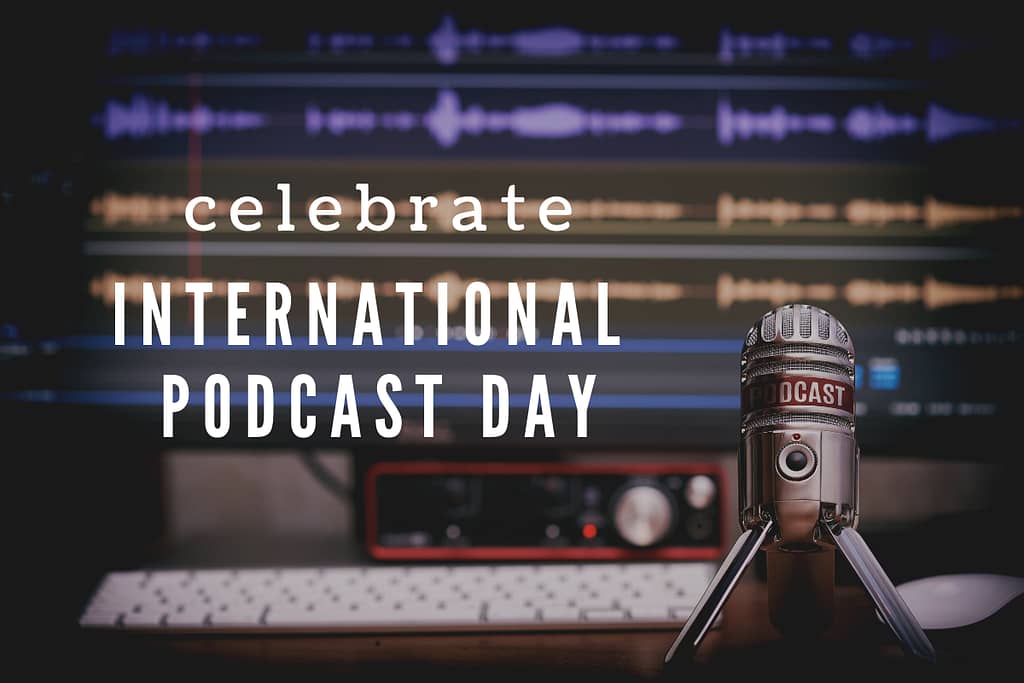
International Podcast Day

We need to grab every opportunity to celebrate these days. September 30 has been deemed International Podcast Day by whoever it is that determines such things.

I have written before about the transformative power of podcasts and am excited to share more about how to do International Podcast Day right.

Here are five ways to celebrate.

Listen to Podcasts

What better way to enjoy International Podcast Day than to listen to an episode or two, or three, or 40?

  • My 2018 list of favorite podcasts
  • My 2017 list of favorite podcasts
  • Bryan Alexander’s 2017 list of favorite podcasts
  • Top 13 Teaching in Higher Ed podcast episodes in 2017

Laura Pasquini has been curating quite a list of higher education podcasts since 2017. Learn more about her project and how to contribute a podcast to the list on the Higher Ed Podcasts site.

Help a Friend Discover Podcasts

There are still people who don’t realize how easy it is to listen to a podcast. People who use iOS (have an iPhone) likely already have a built-in podcast app on their phone without even knowing it is there. For Android users, finding a podcast app is just a couple of taps away.

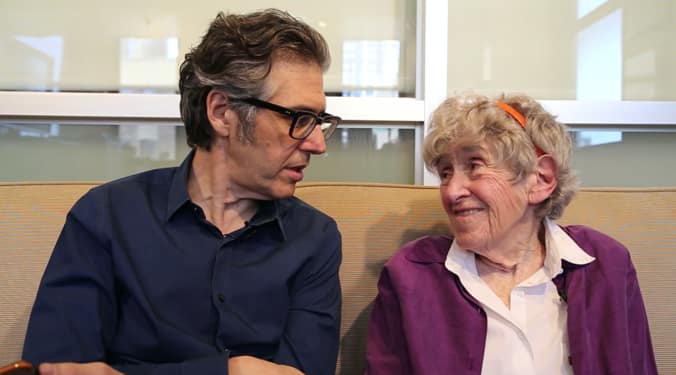
Ira Glass and Mary Ahern

Ira Glass and his late friend, Mary Ahearn demonstrate the simplicity of podcast listening in this delightful video.

Yes, you can listen to a podcast right from your computer via your web browser, but I find it so freeing to know I can take them with me wherever I go.

Instead of using the built-in Apple Podcast app, my preferred podcast catcher for years now has been Overcast, on iPhone, iPad, and Apple Watch.

Support a Podcaster

I’ve gathered a few different ways you can support Teaching in Higher Ed, which would apply to really almost any podcast you might want to support. We make a small amount on purchases you make from Amazon of books that are recommended on the podcast. It isn’t going to fund our retirement anytime soon but does sometimes take care of our podcast hosting costs on a given month.

Use Podcasts in Your Teaching

I get asked often about how to start a podcast. Much of the time, I try to talk people out of this step. Instead, I suggest starting by using already-created podcasts in one’s teaching and leveraging the broader podcasting community’s collective content.

If you are going to play a podcast in a class, I suggest finding one that is around 15 minutes or less. In those cases when I am unsuccessful at that, I typically schedule to have my class outside on that day and encourage us to get moving while we listen. We are fortunate to have our campus located right by Newport’s Back Bay, where there are beautiful flora and fauna to take in as we listen.

If you are able to locate an episode that is 15 minutes or less, see if there’s a spot within the audio where you can pause it and ask the students to respond in some way.

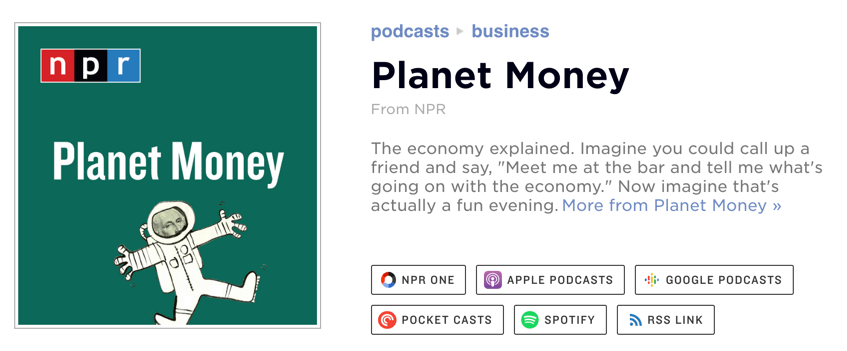
Planet Money Podcast

I like to use episodes of Planet Money, which always have such engaging story arcs to them. About halfway through, I pause the recording and ask my students to predict what happened next, or talk about what advice they would have for the individuals being discussed in the episode.

Your Turn

How will you be celebrating International Podcast Day? In what ways do you use podcasts in your teaching?

Filed Under: Resources

Resources for Better Slide Decks

By Bonni Stachowiak | September 24, 2018 | | XFacebookLinkedInEmail

Resources for Better Slide Decks

I received a question from a listener regarding making more engaging slide decks that I thought I would answer here on the blog.

“On one episode I listened to last year, I think you mentioned someone who has a website with suggestions for making better powerpoint presentations? Does this ring a bell? I've had a search on your website, but can't find it. I wanted to improve my approach to slide-making before the term starts shortly.”

Here are some ideas for you to take your slide-making to the next level. Thanks for writing in to inquire.

Podcast Episodes

  • Episode 33 – The Slide Heard ‘Round the World – Bonni and Dave Stachowiak talk about how to make your presentation slides more effective.

Blog Posts

  • Tools for Better Presentations, by Bonni Stachowiak
  • Top Presentation Slide Decks, by Mike Taylor
  • iPad Unleashed: My New Wireless Lecture Setup, by Doug McKee
  • Present at Work; Storytelling at Work, by Tomas Bay

Books

  • Slide:ology: The Art and Science of Creating Great Presentations, by Nancy Duarte
  • Presentation Zen, by Garr Reynolds
  • Presentation Zen Design: Simple Design Principles and Techniques to Enhance Your Presentations, by Garr Reynolds

Resources

  • Nancy Duarte’s site
  • Garr Reynolds’ Presentation Tips
  • 4 Tips and 1 Tool That Will Help You Perfect Your Slide Design, by Catrinel Bartolomeu

Your Turn

What advice do you have for creating more effective slide decks? 

Filed Under: Resources

Equity Conversations and Collaborations

By Bonni Stachowiak | September 9, 2018 | | XFacebookLinkedInEmail

Stachowiak Family Photo

Dave and I met while getting our master’s degrees in organizational leadership. Later on down the road, we both pursued our doctorates together. Our marriage is stronger, in part, because we speak a similar language when it comes to leadership.

Our similarities go beyond our common discipline. We are also both pretty geeky (the Apple Keynotes used to be considered a romantic date around here), enjoy learning right along with our children, and we each have the privilege of getting to host our own podcasts.

Dave’s podcast is: Coaching for Leaders

Over the years, he has been able to interview some of the big names from our respective educations and lifelong learning pursuits:

  • Peter Block (episode 328), author of The Empowered Manager: Positive Political Skills at Work (one of my all-time favorite reads from our graduate education, which recently had an update)
  • Susan Cane (episode 44), author of Quiet: The Power of Introverts in a World That Won’t Stop Talking
  • John Kotter (episode 249), author of Leading Change
  • Adam Grant (episode 238), author of Give and Take
  • David Allen (episode 184), author of Getting Things Done: The Art of Stress-free Productivity

Dave isn’t the only one in our family who gets to talk with authors we admire. I have been able to talk with many of the well-known writers in the higher education context for the Teaching in Higher Ed podcast, including:

  • Stephen Brookfield (episodes 147, 98, & 15), author of The Skillful Teacher (and a gazillion other books)
  • Ken Bain (episodes 146 & 36), author of What the Best College Teachers Do
  • Cathy Davidson (episodes 169 & 28), author of The New Education
  • Cathy O’Neil (episode 170), author of Weapons of Math Destruction
  • James Lang (episodes 92, 210, & 19), author of Small Teaching

Last week, I had the absolute honor of getting to speak to another author, but someone writing in a different context. My conversation for this episode had me talking with the civil rights activist DeRay McKesson about his new book:

On the Other Side of Freedom: The Case for Hope*

On the Other Side of Freedom

Usually, when I have interviewed authors in the past, friends and colleagues have shared in the dialog about the person’s work, before I get to speak to the author. This time, I finished reading On the Other Side of Freedom at around 9:30 pm the night before I was scheduled to speak with DeRay and wasn’t able to bounce ideas and thoughts with anyone, in advance.

He was gracious in the few minutes we spent talking before the interview started. I had seen on Twitter that it was Aretha Franklin’s funeral, but it did take me a minute to decipher what he was saying about being in a rush to check out of his hotel and get over to Aretha’s coming home.

I try not to write too much on this blog about all the times I get nervous to interview someone for the podcast. If I considered myself to be a magnificent writer, maybe I would perceive that these kinds of stories would be fascinating to people. However, I can’t really continue with this story without mentioning that my entire body was bursting with adrenaline at this point. I kept giving myself all these instructions about what to say and what not to say to DeRay with every passing moment.

When he brought up Franklin’s passing, I instantly flashed to my college days. A friend had been talking about how much she liked her music, only she pronounced her name “urethra.”

I seriously think we have been getting decades’ worth of laughs over this moment in time by now. In my brief, introductory conversation with DeRay, I kept telling myself, “Don’t say her name. Don’t say her name. You know you’re going to get it wrong and he’s going to have the worst first impression of you. Don’t say her name.”

This was all happening in the context of me knowing that I can get confused over words. I once stood in front of over 100 human resources leaders and asserted that “It was a speculum.” What I had intended to say was “spectrum,” but that wasn't what came out of my mouth. After my awkward pause when I tried to determine if I had just said what I thought I had said, my reaction generated more laughter than I may have ever experienced when speaking. I think everyone was relieved that I could have a sense of humor about my mistake. I may also have endeared myself to them with my brief mention of our many visits to see specialists in our quest to try to have children. I do still avoid ever using the words spectrum or Aretha in my talks…

Knowing DeRay was in a hurry, I quickly started the interview. Fortunately, there are no significant blunders to share with you. Andrew, our podcast editor, did what he always does – and gracefully wove together the conversation into a glimpse into just a few of the stories from DeRay’s magnificent book*. I’m so glad to get to share our conversation with this community and hope you will take a listen if you haven’t already. DeRay's assertion that we “can't fight for people [we] don't know,” is another reminder of the importance of understanding the context in which our students enter their educational experiences.

Another Source for Pursuing Equity

Maha Bali, Associate Professor of Practice at the Center for Learning and Teaching at the American University in Cairo (AUC), shared on Twitter this week about another source for pursuing greater equity in our teaching.

Maha and her collaborators (Catherine Cronin and Mia Zamora) have welcomed their respective students and the world into their course entitled:

Equity Unbound: Making Borders Meaningless

They describe Equity Unbound as:

“…an emergent, collaborative curriculum which aims to create equity-focused, open, connected, intercultural learning experiences across classes, countries and contexts.”

The themes they are exploring include:

  • Empathy and bias
  • Equity
  • Fake news
  • Privacy
  • Algorithms and data policies
  • Digital wellbeing

Even if you don’t have time to participate, I highly suggest browsing the overview of each theme and check out the site resources.

As DeRay asserted in the interview I had with him, gaining knowledge about an issue is just the beginning. Whether it is reading On the Other Side of Freedom, or diving into some of the topics explored on Equity Unbound, I look forward to hearing what you are doing to take those next steps into action.

Filed Under: Resources

  • « Go to Previous Page
  • Page 1
  • Interim pages omitted …
  • Page 3
  • Page 4
  • Page 5
  • Page 6
  • Page 7
  • Interim pages omitted …
  • Page 17
  • Go to Next Page »

TOOLS

  • Blog
  • Podcast
  • Community
  • Weekly Update

RESOURCES

  • Recommendations
  • EdTech Essentials Guide
  • The Productive Online Professor
  • How to Listen to Podcasts

Subscribe to Podcast

Apple PodcastsSpotifyAndroidby EmailRSSMore Subscribe Options

ABOUT

  • Bonni Stachowiak
  • Speaking + Workshops
  • Podcast FAQs
  • Media Kit
  • Lilly Conferences Partnership

CONTACT

  • Get in Touch
  • Support the Podcast
  • Sponsorship
  • Privacy Policy

CONNECT

  • LinkedIn
  • Instagram
  • RSS

CC BY-NC-SA 4.0 Teaching in Higher Ed | Designed by Anchored Design