• Skip to primary navigation
  • Skip to main content
  • Skip to footer

Teaching in Higher Ed

  • Podcast
  • Blog
  • SPEAKING
  • Media
  • Recommendations
  • About
  • Contact

Personal knowledge mastery

How to Go Back to School

By Bonni Stachowiak | March 26, 2019 | | XFacebookLinkedInEmail

Decorative picture of an ignition starting

This column was originally posted on EdSurge. It is reposted here with permission. The following is the latest installment of the Toward Better Teaching advice column. You can pose a question for a future column here.


Dear Bonni, My question is how to prepare yourself for a doctorate in leadership in higher ed, even when you are over 50! I am a former high-tech executive with an MBA, turned severe special needs elementary educator, mother of 7 (4 in college, 3 in high school) who is looking at that next step in my career. I am entering a doctorate in Leadership in Higher Ed program in the fall and am working hard at preparing myself. I have created what I’m calling my “prep syllabus” and hope to set a solid foundation for myself. I’ve filled my podcast app with 5 plus podcasts to learn about various challenges, trends and best practices. I would love to get your feedback on what should be in my “prep syllabus” and how to make that transition. Thanks so much!

—Maureen McLaughlin, returning student


While this column typically is focused on teaching, it is great to get to have it shift to learning for this question. How wonderful that you are taking these steps to be ready for this big transition. Here is some guidance on how to approach this season of preparation.

Conduct a Tools Audit

When I teach a course to doctoral students, I begin by inviting them to perform an audit on their technical skills. This process helps them discern the most essential features within the various applications that will best help them through their coursework and completing a dissertation.

The document I created for the doctoral students specifically identifies those applications that they will use most in pursuing their doctorates with that institution. Download this sample tools audit and customize it to meet your needs. Below are some links to help strengthen your capabilities in some of the fundamental applications I mention in the tools audit:

  • Master Microsoft Word using courses from Hoonuit or Lynda
  • Format more effectively and efficiently using tips from LifeHacker
  • Maximize the Capabilities of Zotero through these videos from Nicholas Cifuentes-Goodbody

If possible, correspond with someone at the institution where you will be attending to see if they have requirements about what word processor or references manager you need to use and be sure you maximize the time you spend learning those.

Develop Your Knowledge of Structures, Research and Writing Styles

In a doctoral program, the structures of your written work will be similar. You will develop many literature reviews and will regularly need to create similar structures for research papers. I have found the following people and organizations essential to growing my research writing skills over the years.

As you prepare to begin this journey, equip yourself with the tools you’ll need to support you in the process, re-orient yourself with the kinds of writing you will be doing and be ready for good enough to be good enough.”

Purdue Online Writing Lab: this website is one I keep open on a regular basis when writing in a formal, academic style. It features guidance on various citation styles (APA, MLA, Chicago, and more) and on how to list references properly. There are also exercises to practice the art of the academic citation. This video (by Nicholas Cifuentes-Goodbody) on developing outlines for larger writing projects is another great way to prepare for the kind of writing you will be doing.

Raul Pacheco-Vega’s website: This assistant professor in the Public Administration Division of the Center for Economic Teaching and Research in Mexico has written extensively on his website about academic writing. I suggest exploring the entire resources section here, including the advice on writing literature reviews, guidance for graduate students, and approaches for writing a research paper, book chapter or dissertation.

Oregon State University Research in Action podcast: one to consider adding to your queue, if it is not already there. Katie Linder, the host, has gathered together scholars who share about all different types of research methods, as well as how to deal with common challenges that occur (such as writer’s block, choosing a dissertation topic, setting research goals, and keeping yourself organized).

Acquire a ‘Good Enough’ Mindset

I used to travel to instruct in the doctoral program I teach in a couple of times a year. Once, I did not set boundaries well enough and found myself in a conversation with a doctoral student about her final paper, at the same time as I was supposed to be returning to the airport to fly back home that evening. I had told the class that I would not be able to stay after class, but that I would be available to answer any questions they had, once I returned home. But I did not stick to my word, and 45 minutes later, was frustrated at what had happened.

The student was unhappy with her grade and kept flipping through all the pages she had printed out with her highlights marking the discrepancies between my perceptions and her own. Flying home, without having had enough time to grab lunch on my way to the airport, I was angry with myself for not having left after the class was over.

Once I was back in our house and able to access wifi, I took a look at her situation. It turned out that the small number of points she was missing from the assignment had absolutely zero impact on her overall grade. She was still at well over the range of what was required to earn an A in the course. This was already evident to her through the grade book. The entire time we had been talking, I was assuming her goal was to earn a higher grade in the class. Instead, it was regarding a single paper and her wanting to have earned 100 percent in the class. To be clear, this fact would never have shown up on her transcripts or anywhere outside the LMS.

That example is a bit more extreme than what I typically witness. However, we can all struggle with knowing what is “good enough” on something and knowing when we should move on to other priorities. As harsh as it may sound, there are times when we need to do that with our families and friends. Being fully present for our loved ones is essential, but during this season of your life, it may be more helpful to think in terms of quality over quantity.

I came into my doctoral program thinking I was going to read every word that was assigned (I didn’t). While I did maintain my desired GPA, I had to think more transactionally than I would have liked to about finishing papers and working collaboratively with other students.

One of my doctoral professors used to tell us that he wanted us to be “famous by Friday,” in reference to writing our dissertations. His use of the word ‘famous’ was delivered dripping with sarcasm. Most people’s dissertations won’t wind up being highly cited. Once we finish them, however, we are freed up to have the time to do the work that may be more meaningful to us and potentially be more visible. The goal is not to try to change the world with our research. The aim is to be done.

As you prepare to begin this journey, equip yourself with the tools you’ll need to support you in the process, re-orient yourself with the kinds of writing you will be doing and be ready for good enough to be good enough.

Filed Under: Personal knowledge mastery

2018 Summer Reading

By Bonni Stachowiak | May 28, 2018 | | XFacebookLinkedInEmail

Books by Susan Yin on Unsplash
Photo by Susan Yin on Unsplash

Sara asked on the Teaching in Higher Ed Facebook group:

“What’s on your summer reading list?”

At first, it felt like she was asking just me, but I realized that she was probably asking everyone in the group. I think I got overly excited, initially, for two reasons:

  1. It has been a while since I felt giddy about writing a blog post and writing about the books I have been reading inspired me.
  2. I have always loved summer reading programs and posts and thought it would be fun to contribute to conversations like that.

When I was a kid, I used to sign up for every reading group I had access to in the summers. At the Carlsbad library, I remember we got to have some sort of paper creatures (fish, animals, etc.) that would appear with our names on them each time we read a book and shared it with the library. It was so fun for me to see evidence of the stories that had so captured my imagination during that season in such a visible and colorful way.

In this post, I’ll share some recent books that I think should be on your summer list. Finally, I will let you know what I am hoping to read this summer.

Recent Reads

I have enjoyed many of the books I have read recently. Any of these would make for great summer reading for those in higher education.

  • Educated, a Memoir – by Tara Westover
  • On Tyranny: Twenty Lessons from the Twentieth Century – by Timothy Snyder
  • The Hate U Give – by Angie Thomas
  • The College Classroom Assessment Compendium – by Jay Parkes and Dawn Zimaro
  • Everything Happens for a Reason: And Other Lies I’ve Loved – by Kate Bowler
  • iPhone Field Guide (only on Apple iBooks or via PDF) – by David Sparks

The books listed above are all excellent and are highly recommended. There was only really one book that I read recently that left me wanting more. The Year of Less really fits more into the memoir category and doesn’t really provide any practical advice to someone wanting to live with less. I suppose it could be said that I don’t have as much in common with her and therefore couldn’t find ways to take her experience and make it fit my own aspirations.

Summer Reads

I didn’t realize this until just now when writing this post, but all of these books are already in my Kindle app and just waiting for me to read or finish them.

Agile Faculty: Practical Strategies for Managing Research, Service, and Teaching – by Robecca Pope-Ruark – I have already started reading this one and am starting to get my head around ways we might take inspiration from the programming world’s practices and use them to make progress on multiple goals at once and with complex projects.

I’m Still Here: Black Dignity in a World Made for Whiteness – by Austin Channing Brown – I began reading this book a few days ago and am already captivated. Channing puts into words her experience of growing up as a black child in predominantly white schools and churches and then navigating the changes when spending summers in a mostly-black community. Her stories of transitioning into the workplace are full of stark reminders of the ways we make it challenging for people of color to thrive and have a voice in our white-dominated schools, churches, and workplaces.

We Were Eight Years in Power: An American Tragedy – by Ta-Nehisi Coates – I’m realizing as I type this how many of my summer reads I have already started. I love reading Coates’ writing, yet this one isn’t grabbing me as much. I find I would rather read present-Coates’ versus the articles he wrote during those eight years. It is still a wonderful book; I am just feeling even more captivated by some of the other books I have started and more of his recent articles and find I am not opening this book up as much.

Lifelong Kindergarten: Cultivating Creativity through Projects, Passion, Peers, and Play – by Mitchel Resnick – I think I saw someone mention this on Twitter and it looks wonderful. The more I see how our young kids’ teachers approach learning, the more I wish these techniques could carry across to teaching college and beyond.

Algorithms of Oppression: How Search Engines Reinforce Racism – by Safiya Umoia Noble – George Woodbury regularly comes through with great Teaching in Higher Ed podcast guest recommendations, including his idea to invite Safiya Umoia Noble onto the show to talk about her book. I left a message on her website a couple of months ago and haven’t heard back. Maybe I will try other methods to see if I can reach her and get her interested in coming on to talk about this important work.

Evicted: Poverty and Profit in the American City – by Matthew Desmon – I bought this book for my Mom for Christmas last year and she said it was very powerful. I have seen many news stories where Desmon is cited, but haven’t taken the plunge yet on his book. My understanding is that he tells stories of specific individuals who are in poverty to help us confront our misinformed beliefs about what it means to be poor in America.

Beneath a Scarlet Sky: A Novel – by Mark Sullivan – I don’t remember how I came across this book suggestion, but maybe because I had liked Unbroken and All the Light We Cannot See. From Amazon: “Based on the true story of a forgotten hero, the USA Today and #1 Amazon Charts bestseller Beneath a Scarlet Sky is the triumphant, epic tale of one young man’s incredible courage and resilience during one of history’s darkest hours.”

The End of Violence: A Novel – by Tom Drury – This one was recommended by John Warner on episode #172. From Amazon: “Welcome to Grouse County — a fictional Midwest that is at once familiar and amusingly eccentric — where a thief vacuums the church before stealing the chalice, a lonely woman paints her toenails in a drafty farmhouse, and a sleepless man watches his restless bride scatter their bills beneath the stars. At the heart of The End of Vandalism is an unforgettable love triangle set off by a crime: Sheriff Dan Norman arrests Tiny Darling for vandalizing an anti–vandalism dance and then marries the culprit's ex-wife Louise. So Tiny loses Louise, Louise loses her sense of self, and the three find themselves on an epic journey.”

I will also be doing a bunch of reading this summer to support my partnership with West Virginia University Press’ Teaching and Learning in Higher Education book series.

Teaching and Learning in Higher Education Book Series from West Virginia University Press

As you may recall, they provided financial support for the first 200 episodes’ transcripts of the Teaching in Higher Ed podcast. In exchange, I get the opportunity to talk with many of the authors of the series and read their books. Pretty fortunate, aren’t I? It’s like sending me straight into the briar patch.

How Humans Learn – by Joshua R. Eyler

Reach Everyone, Teach Everyone: Universal Design for Learning in Higher Education – by Thomas J. Tobin and Kiesten T. Behling

Teaching the Literature Survey Course – Edited by Gwynn Dujardin, James M. Lang, and John A. Staunton

I had already read and truly enjoyed Sarah Rose Cavanagh’s The Spark of Learning: Energizing the College Classroom with the Science of Emotion. Watch for a forthcoming blog post about it and check out the two episodes that Sarah has done with me about this book:

  • Episode 135: The Spark of Learning with Sarah Rose Cavanaugh
  • Episode 204: The Spark of Learning Reprise with Sarah Rose Cavanaugh

All of these authors are superb educators and I appreciate the opportunity to learn from all of them and pass as much as I can on to the Teaching in Higher Ed community.

Your Turn

What are you planning on reading this summer? Any recommendations for those looking for something good to read?

Filed Under: Personal knowledge mastery

2018 Podcast Greats

By Bonni Stachowiak | May 22, 2018 | | XFacebookLinkedInEmail

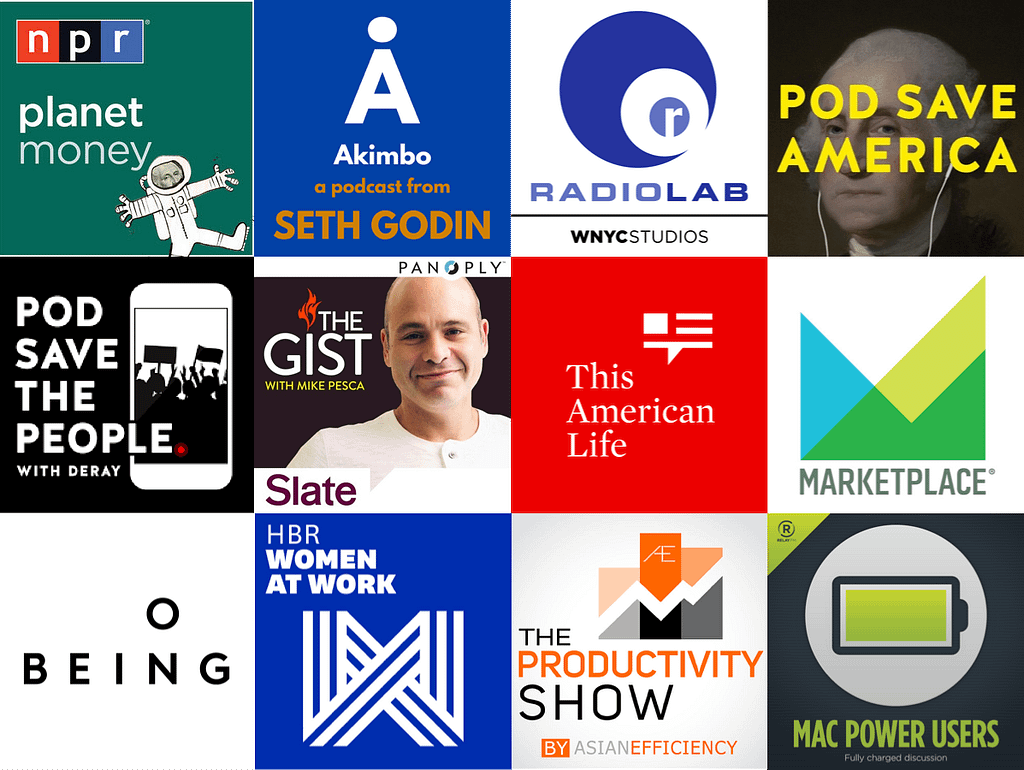
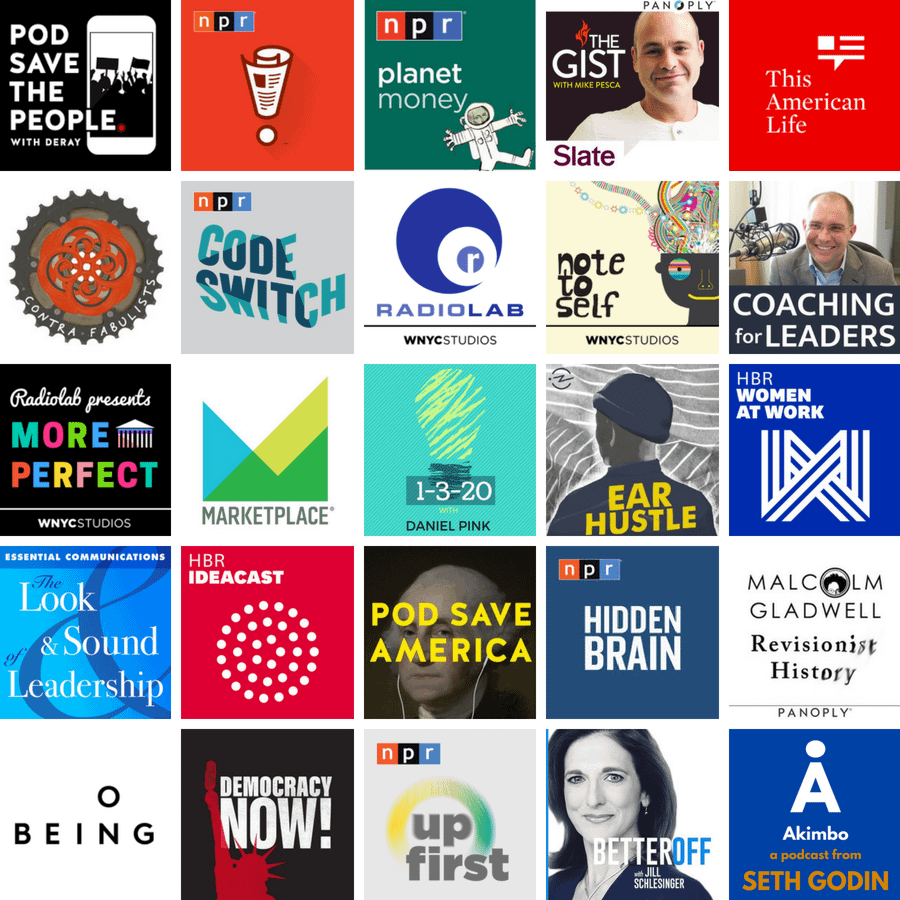
2018 Podcast Greats

When people hear that I have a podcast, they often ask me what podcasts I like to listen to… It is a harder question to answer, since it is like asking what books one has enjoyed reading. I find myself first wanting to ask, “How much time do you have?”

This post will already take hours for me to write. I won’t allow myself to consult my older Podcast Greats posts, lest I find myself changing my mind from their influence. However, you may want to have a look at them, or at some others’ lists of favorite podcasts.

My Past Podcast Posts

  • Podcast Greats for 2017
  • Podcasts’ Contribution to My Personal Knowledge Management System (2014)
  • Top Teaching in Higher Ed Podcast Episodes and Recommended Resources in 2017
  • The Transformative Power of Podcasts in the University of Texas at Austin’s FlowJournal

Others’ Favorite Podcast Posts

  • Bryan Alexander's Some Podcasts I'm Listening to This Month (2018)
  • Bryan Alexander’s Podcasts I’m listening to This Month (2017)
  • Katie Linder’s Current Favorite Podcasts (on her home page)
  • Listen and Learn: A Guide to Digital Learning Podcasts in Inside Higher Ed
  • The 2017 Dean’s List: EdTech’s 50 Must-Read Higher Ed Blogs in EdTech Magazine

My 2018 Podcast Greats

I listen to podcasts for an average of an hour a day. It varies greatly, depending on whether I have a long drive in store that day, or a large amount of dishes to do or laundry to fold.

Higher Education

The majority of the higher education podcasts I listen to are related to teaching. I also enjoy those podcasts that can help me be more effective at pursuing my goals and just having more joy in my life, overall.

You’ve Got This with Dr. Katie Linder – Such an uplifting an encouraging podcast – we can do this – with Katie’s help.

The Black Goat – “Three psychologists talk about doing science.” Great hosts (Sanjay Srivastava, Alexa Tullett, and Simine Vazire), talking through important issues in higher education (recent episodes were on finding a job in higher ed and starting out in a new job)

EdSurge On Air – They find terrific guests to interview about what’s happening in higher ed. I was even on an episode in Feb 2018.

Educate: APM Reports – Not restricted to higher ed, but high quality content about education at large

Leading Lines – “A podcast on educational technology, produced out of Vanderbilt Center for Teaching, the Vanderbilt Institute for Digital Learning, and Office of Scholarly Communications at the Vanderbilt University Library.”

Teach Better – Doug and Edward (the hosts) find such gifted educators to inspire us toward better teaching. I enjoy the end of each episode, where the guest shares a failure that provided a great learning experience. 

Tea for Teaching – Discovered this one very recently and have been enjoying it. Hosted by the individuals who lead the Center for Excellence in Learning and Teaching at the State University of New York at Oswego

AcademiGig with Drs. Katie Linder and Sara Langworthy – These two are so much fun to listen to and are encouraging for those exploring “gigs” outside of the traditional academic track. “A podcast for current and aspiring academic creatives, freelancers, and entrepreneurs.”

Ask the Flipped Learning Network – “A podcast for and about the Flipped Learning Network”

The Contrafabulists Podcast – with Audrey Watters and Kin Lane – “discussion of the latest technology (and politics of technology) news.” They regularly challenge me to think more critically about educational technology.

The Deeper Learning Podcast – There haven’t been many episodes, but check out #1 for an incredible, lesser known court case that “shattered many of the legal justifications for segregating public schools and laid the foundation for the famous Brown v. Board of Education decision.”

Student Caring – A current colleague of mine (David) and a former one (Daniel) encourage us to thrive in our teaching and better serve our students.

HybridPod – “Explores conversations of critical digital pedagogy, listening for ways to empower students and champion learning.” It’s been a year or so since I saw a new episode, but as soon as I do see one, I know it will be wonderful.

Context

I have become obsessed with the idea of context and how most of my failings as a teacher have involved my lack of it in some way. I try to regularly digest content that helps me expand my understanding of other people’s contexts. I’m thankful for friendships that help me do that, as well.

Code Switch – Conversations about race and identity

Pod Save the People – “Organizer and activist DeRay McKesson explores news, culture, social justice, and politics through deep conversations with influencers and experts, and the weekly news with fellow activists Brittany Packnett and Sam Sinyangwe, and writer Clint Smith” – this one goes to the top of my queue every time. Hear about the news from the context of black activists and influencers…

Ear Hustle – Explores a context most of us are unfamiliar with… “Ear Hustle brings you the stories of life inside prison, shared and produced by those living it.”

Politics and News

I’m grateful that podcasts are available for shows that air in other media channels (such as television and radio), as I love the opportunity to listen on my own schedule. These podcasts help inform me on how to vote, how to be a better citizen, and how to engage in some forms of activism to try influence within my community and beyond. They also help me stay informed on what is happening in the business world.

Up First from NPR – Just ten minutes of news to start your day with

Planet Money from NPR – Fascinating look at economics

The Political Gabfest – Three wonderful hosts take on the week’s top three political news topics and then each make a recommendation at the end of the show (a little thing they call “Cocktail Chatter”).

Radiolab Presents: More Perfect – Absolutely brilliant podcast about the Supreme Court. Haven’t seen an episode since January 30, 2018 and am missing them so…

Democracy Now – A podcast of the Democracy Now television show. Independent, global news.

The Economist: Babbage – Podcast on science and technology. I listen when the episode topic is of interest.

The Gist – This one has moved up in my episodes queue. Mike Pesca invites on a guest each time to explore a topic in depth. Then, he performs that he calls “The Spiel” – which is typically a humorous look at a topic related to politics, the news, or something totally unexpected.

Intelligence Squared U.S. Debates – Smart debates about current topics

APM’s Marketplace with Kai Ryssdal – Great way to catch up with the news, using a lens oriented toward business and economics

Pod Save America – “A political podcast for people not yet ready to give up or go insane… Breaks down the week’s news and helps people figure out what matters and how to help.” Hosted by three individuals who worked for the Obama administration: Jon Favreau, Jon Lovett, and Tommy Vietor.

Wait Wait… Don’t Tell Me! – Very funny game show done weekly to keep us up on the important and just plain bizarre news. I often skip the two middle segments: One where you try to figure out which story of three is the one that really happened and one with a celebrity guest where they quiz them on random stuff. I enjoy those parts, but there’s only so much podcast listening that’s available to me.

Under the Influence from CBC Radio with Terry O’Reilly – Fascinating stories about marketing. I regularly find episodes that relate to the classes I teach.

Social Sciences

My undergraduate degree was in social sciences and I still quite enjoy learning more in this discipline. In many ways, all the podcasts I listen to probably belong in this category.

Hidden Brain – “Shankar Vedantam uses science and storytelling to reveal the unconscious patterns that drive human behavior, and shape our choices and direct our relationships.”

This American Life – It was hard to know where to classify this one – It is a little bit of everything and some of the best storytelling I’ve ever encountered

Very Bad Wizards with Tamler Sommers and David Pizarro – “A philosopher and psychologist ponder human morality (warning: they self admittedly have “a market inability to distinguish sacred from profane”)

Revisionist History with Malcolm Gladwell – Each episode goes “back and reinterprets something from the past: an event, a person, an idea. Something overlooked. Something misunderstood.” 

Bonni and Dave podcasting

Leadership and Management

My doctoral degree is in organizational leadership, so it probably isn’t too terribly surprising that I have carried my interest in these topics beyond my dissertation.

Coaching for Leaders with Dave Stachowiak – Spoiler alert – I’m married to the host and am on the podcast once a month for our Q&A episodes. In the remaining three weeks, Dave interviews fabulous guests that challenge us to keep developing ourselves as leaders.

The Look and Sound of Leadership with Tom Henschel – Wish it came out even more often – great advice for leaders in every episode

Women at Work from Harvard Business Review – Only lasted for four episodes – but well worth a listen – excellent podcast

Lead to Win with Michael Hyatt – Solid leadership advice with effective storytelling throughout

WorkLife with Adam Grant – Only recently started listening and am enjoying every episode

HBR IdeaCast – Weekly podcast “featuring the leading thinkers in business and management”

Productivity and Personal Effectiveness

Another unsurprising area of interest is in productivity. In fact, I even wrote a book on the topic.

The 1-3-20 Podcast with Daniel Pink – 1 book, 3 questions, and it all takes less than 20 minutes

Akimbo: A Podcast from Seth Godin – “A podcast about culture and how we can change it. About seeing what’s happening and choosing to do something.” I find much of his content to relate to marketing, which isn’t surprising, given what he is known for…

Better Off with Jill Schlesinger – Terrific financial literacy podcast, sponsored by Betterment (a forward-thinking investment company)

The Productivity Show by Asian Efficiency – I don’t listen to every episode, but the topics that are of interest to me always contain excellent advice and resources

Getting Things Done – It doesn’t come out very often, but when it does, they take content from their paid membership and make it available to those of us who are waiting for the table scraps of productivity advice

Technology and Science

I worked for eleven years for a computer training company, right after graduating with my BA degree. My passion for technology started at that organization – and hasn’t ended. Only in recent years have I found more interest in science and am grateful for the podcasts that help me cultivate that curiosity.

Note to Self with Manoush Zomorodi – Really enjoy their discussion of technology that is more oriented to the ethics side of things and social change

Mac Power Users – Just plain techy fun for Mac users. I was even on an episode back in 2015.

Reply All – “‘A podcast about the internet’ what is actually an unfailingly original exploration of modern life and how to survive it.” – The Guardian

RadioLab – I wish they were my science teachers in my younger days. Who knows what would have happened?

Accidental Tech Podcast – “A tech podcast we accidentally created while trying to do a car show, featuring Marco Arment, Casey List, and John Siracusa. I don’t listen to every episode, but am

Parsing Science – “The unpublished stories behind the world’s most compelling science, as told by the researchers themselves.” Hosted by: Doug Leigh (a former professor of mine and friend) and Ryan Watkins. “Both are professors, at Pepperdine University and George Washington University, respectively. ”

Religion and Spirituality

Thank God for opportunities to reflect on my faith and to hear from people who get me asking even more questions…

On Being with Krista Tippett – On Being is one of my most treasured podcasts. Krista talks with diverse thinkers about “the big questions of meaning in 21st century lives and endeavors – spiritual inquiry, science, social healing, and the arts. What does it mean to be human? How do we want to live? And who will we be to each other?”

St. Mark Presbyterian Church – This is our family’s church community. When we wind up missing a service, it is nice not to have to have missed the sermon. “Our diverse congregation is comprised of people from different religious and non-religious backgrounds who are seeking personally authentic ways to live in faith today. We connect with others who are wrestling with questions about God and religion, who care about taking action on social justice issues and the environment, and how we can be agents of change and reconciliation in a world so in need of compassion and healing.”

God Complex Radio – I can’t recall who first told me about God Complex Radio, but I have thoroughly enjoyed every episode I have ever heard. They talk about race, social justice, non-profits that are doing transformative work, and religion.

House for All Sinners and Saints – My favorite episodes are the ones when Rev. Nadia Bolz-Weber is preaching. She’s like if Anne Lamott had a podcast and was also covered in tattoos.

Your Turn

What are some of your favorite podcasts? I’m almost afraid to ask this question, as you can no doubt tell I am behind on my listening queue 100% of the time… But, yet – I can’t resist learning about even more great podcasts.

It’s your turn now.

Filed Under: Personal knowledge mastery

My Modern Professional Learner’s Toolkit

By Bonni Stachowiak | December 4, 2017 | | XFacebookLinkedInEmail

My Professional Learner's Toolkit

Each year, I participate in Jane Hart’s Top 100 Tools for Learning survey. In recent years, she broke the list out into three categories:

  • Top 100 Tools for Personal and Professional Learning
  • Top 100 Tools for Workplace Learning
  • Top 100 Tools for Education

My 2017 votes included tools that fit into each of those three categories.

After publishing this year’s list, Jane Hart developed A Modern Professional Learner’s Toolkit for 2018. These are tools that pursue and support lifelong learning, such as social networks, web course platforms, news and curation tools, and communication and collaboration tools.

In this post, I share my professional learner’s toolkit, with links to the tools I use. At the conclusion of this blog, links to others’ posts with their own toolkits will be shared.

My Professional Learner’s Toolkit

Learning is central to my work and sense of purpose. I enjoy finding tools that help me locate resources that will contribute to my growth, synthesize and organize that learning in such a way as to have it be useful to me now and in the future, and then be able to share what I am learning with others.

Trusted Set of Resources for Problem Solving and Inspiration

The majority of my time taking in new information is spent within my preferred podcasting app: Overcast (iOS). I find podcasts to be an ideal way to learn, since I can take them with me wherever I go. My favorite podcasts are ones that I look forward to listening to each chance I get.

Wikipedia, YouTube, and TED Talks are other sources for inspiration.

Social Networks to Build a Diverse Personal Learning Network (PLN)

Twitter represents the majority of my personal learning network (PLN) connections. It is staggering to me how much I have learned from being in community on this platform. I also enjoy the opportunities to keep up with professional connections and former students on LinkedIn. Instagram is great fun for compelling photographs (like these from National Geographic and these that were #shotoniPhone). Pinterest is fun for ideas for our kids, as well as recipes that I never use (#aspirational). Facebook gets less and less valuable for me, though I am glad to be able to reach out to people when I have lost track of their email address.

Web Browser and Search Engine to Make the Most of the Web

I browse primarily on the Google Chrome browser. It tends to be the most compatible with the web tools I use. However, it is worth mentioning that the Apple Safari browser keeps coming out with cool new features that make me wonder if I should check it out. Google meets my needs as far as search goes, though I know this is an area I should explore more.

News and Curation Tools to Discover New Resources, Store, and Share

I have written and spoken extensively about my personal knowledge management (PKM) system. This post describes my PKM tools, including Feedly, Instapaper, and Pinboard. Recently, I have started reading more on Apple News. I am also getting tempted by the RSS reader Innoreader as a possible replacement for Feedly. Since it supports subscribing to students’ blogs and bringing them into a common feed, as described by Laura Gibbs on her Innoreader post.

Smart Devices for Ubiquitous Access to Content and People

Browsing content on my iPad is incredibly easy. I spend about an hour a day reading on the iPad, usually just before bed. My iPhone and Apple Watch are good companions, particularly for listening to podcasts. The AirPods represent one of my all-time favorite gadgets in recent years, as they make listening to content via my iPhone, iPad, or Apple Watch even easier.

Blogging and Website Tools to Share Ideas and Thinking

My blog is a self-hosted WordPress site on the FlyWheel web hosting service. Buffer helps me spread out content that I want to share on social media. On “good weeks,” I spend about an hour setting content up to be shared throughout the week.

Productivity Tools to Help Work Effectively

I have also shared quite a bit about my productivity systems over the years. Most essential to my productivity systems are my task manager (OmniFocus), my calendar (Fantastical), and my email “assistant” that moves unimportant emails out of my inbox (SaneBox).

Web Course Platforms to Acquire Knowledge and Skills in a Formal Way

Lynda.com has content for learning software, business, and creative skills. This link will let you try Lynda.com for ten days. If you wind up signing up, we receive a small referral. I am also really enjoying the course I am finishing with CreativeLive on storytelling through podcasting, with Alex Blumberg. You can get $15 off your first class using this link. I’m also taking Katie Linder’s The Academic Book Promotion Toolkit course, which is fantastic.

Personal Information System to Store Web Clippings, Experiences and Ideas, and Track Professional Development

Evernote is my tool of choice for when what I want to save is better being kept private. Otherwise, Pinboard is what I use under the News and Curation Tools (above). Evernote is also where I track my goals, and professional development pursuits.

Office Tools to Create Documents, Presentations, and Spreadsheets

I primarily use Office 365 applications for creating documents (Microsoft Word), presentations (PowerPoint), and spreadsheets (Excel). Most of my blog posts start out in a text-based, Mac writing app called Ulysses. That’s also where each podcast episode’s show notes begin, until they get moved over to WordPress.

Communication an Collaboration Tools to Interact, Share, and Learn with Others

At my recent keynote for the DET/CHE 2017 conference, I asked people what their favorite collaboration tools were. The web conferencing tool, Zoom, was given more than any other answer (by a lot). I’m a huge fan, as well. My second go-to collaboration tool (particularly when it comes to sharing) is Dropbox. However, Google Docs is a stand-out for it’s ease of use when wanting to collaborate on a document.

Other Posts on Professional Learning Toolkits

After Jane Hart's original post about her professional learning toolkit, many others have followed suit. Here are some of the posts that resonated with me and inspired me to share my toolkit:

  • My Modern Professional Learners Toolkit – Mike Taylor
  • Professional learner’s toolkit – Harold Jarche
  • A Modern Professional Learner’s Toolkit for 2018 – Modern Workplace Learning Magazine
  • My Modern Professional Learning Toolkit | LearnGeek
  • My Modern Professional Learning Kit – Activate Learning Solutions
  • LearnletsMy Professional Learner's Toolkit – Learnlets

Your Turn

What tools did I not mention that are stand-outs in supporting your learning?

Filed Under: Personal knowledge mastery

Podcast Greats for 2017

By Bonni Stachowiak | March 14, 2017 | | XFacebookLinkedInEmail

I had the great pleasure of talking with Bryan Alexander today for this week’s Teaching in Higher Ed podcast episode. “Bryan Alexander is an internationally known futurist, researcher, writer, speaker, consultant, and teacher, working in the field of how technology transforms education.”

As happens more than half of the time that I have interviews scheduled, I was incredibly nervous. It turns out that not only does Bryan Alexander know a lot about a lot of things, he’s also incredibly kind and warm.

After we were finished recording, I told him how much I enjoyed his recent post about his favorite podcasts. He said that he often listens to podcasts while chopping wood, caring for the animals that they raise on their property, or during his often-lengthy commutes.

While we have some podcast listening habits in common, I discovered that there are some shows that are among my favorites that he was unfamiliar with…

Since I last wrote about my favorite podcasts in 2014, there are still some of those same shows that top my listening preferences. It’s time for some updating to my list of podcast greats, inspired by Bryan’s recent post.

This time I've categorized them, those this proved to be a harder task than I anticipated. Many of them fit into multiple categories.

Teaching and Other Higher Ed Podcasts

  • Contrafabulists – Audrey Watters and Kin Lane describe their podcast (which has recently been re-named) this way: “Fabulists are fable-spinners and myth-makers. We are storytellers ourselves, but we poke holes in the hype and distortion of new digital technologies and the narratives associated with them. Contrafabulists are, as the name would suggest, against lying.” Each time I listen, I’m challenged to think more critically about the technology tools we use in attempting to facilitate learning, as well as what’s happening in the broader political, educational, and technological realms.
  • HybridPod | The Podcast from Hybrid Pedagogy – Host Chris Friend is a delightful guide for this “collection of casual, thoughtful discussions designed to challenge and make us all think carefully about how we work with students.”
  • Research in Action Podcast – Ecampus Research Unit | Oregon State University – If you teach any kind of research in higher ed, it’s worth checking out the Research in Action podcast, hosted by Katie Linder. It is also helpful, just to increase one’s knowledge of different types of research methods.
  • You've Got This – Katie Linder also hosts the You’ve Got This podcast, which is a short, inspirational look at building our confidence and competence at various aspects of a professor’s life.
  • The Teach Better Podcast – Doug McKee and Edward O’Neil are the fabulous hosts of the Teach Better podcast. They interview expert faculty from institutions such as Yale and Cornel. Each episode is a new perspective on becoming a more effective teacher. I’m still not sure how it happened, but they even had me on an episode once.
  • Leading Lines: A New Podcast on Educational Technology in Higher Education | Center for Teaching | Vanderbilt University – Derek Bruff, says that the Leading Lines podcast aims to “explore creative, intentional, and effective uses of technology to enhance student learning, uses that point the way to the future of educational technology in college and university settings.  Through interviews with educators, researchers, technologists, and others, we hope to amplify ideas and voices that are (or should be!) shaping how we think about digital learning and digital pedagogy.”
  • TOPcast: The Teaching Online Podcast | Center for Distributed Learning – The Teaching Online (TOP) podcast is an informal conversation between Thomas Cavanagh and Kelvin Thompson, with the goal of helping us teach more effectively online. I had the chance to meet them both at an OLC Conference and they’re just as engaging in person as they are on the podcast.

Shows that Stretch my Mind

  • Radiolab – I’m so grateful for having come across Radio Lab a few years back. It has helped to make me more curious about science and to feel like it is more accessible to me than I ever realized. One of my favorite episodes was about when things don’t go like you had planned: Be Careful What You Plan For – Radiolab. Useful lessons for when things don't go like we planned in our teaching.
  • This American Life – The producers at This American Life are some of the best storytellers I’ve ever witnessed in audio form. I really enjoy their humor on episodes where they share human failures, like what happens when we only have enough knowledge to be dangerous, or about some pretty awful (yet humorous) mistakes
  • Democracy Now! – A friend recommended Democracy Now years ago to help me expand my perspective of politics and foreign affairs. It didn’t disappoint and I now listen to episodes almost right after they’re released.
  • Very Bad Wizards – Speaking of listening right when episodes come out, Very Bad Wizards is a delight to have show up in my podcasting feed. A philosopher and a psychologist talk about life’s important topics, though I should warn you, in an often-irreverent way.
    My all time favorite episode is their 75th, where they had experts share about something they have changed their mind about in the past five years. I need to cling to the idea that we’re all capable of changing our minds on important issues, or I’m not sure I can bear our current political climate. I also enjoy whenever Paul Bloom is on the show, like this episode where they talked about the movie “Momento” – or this one where they talked about Paul’s book about empathy (with some movies about empathy mixed in to the conversation). Another memorable episode that stretched my thinking was this conversation with Robert Frank about luck. One last fun thing about Very Bad Wizards is the musical talents of one of their hosts, David Pizarro (Peez). Take a listen to some of his beats on SoundCloud.
  • Invisibilia : NPR – From their website: “Invisibilia (Latin for invisible things) is about the invisible forces that control human behavior – ideas, beliefs, assumptions and emotions. Co-hosted by Lulu Miller, Hanna Rosin and Alix Spiegel, Invisibilia interweaves narrative storytelling with scientific research that will ultimately make you see your own life differently.” They haven’t had a new episode in a long while, as of this blog post being written and I look forward to when more are to come. The other episodes are evergreen and are worth going back to hear.

Business and Management Podcasts

  • Marketplace – for years now, Marketplace has been helping me connect what’s happening in the world to how it relates to my students’ lives. It's stated purpose is to be focused on economics, but they go much deeper than that, in my experience. Anyone who wants to learn more about business would benefit from listening to this podcast.
  • Coaching for Leaders – Leaders Aren't Born, They're Made – I’ll admit that I’m married to the host, but this still is a fabulous podcast that helps us all become more effective at leading. If you want to receive a prescription of past episodes, based on your needs at a given time, try the section on productivity which includes episodes with David Allen of Getting Things Done, Deep Work with Cal Newport, and a discussion Dave and I have about personal knowledge management (PKM).
  • Under The Influence with Terry O'Reilly | CBC Radio – Isabeau Iqbal shared Under the Influence with me a few months ago and I’ve thoroughly enjoyed each episode since then. The host, Terry O’Reilly engages us about how marketing has been influencing us through the ages, often without us realizing it.
  • Planet Money : NPR – Hardly an episode of Planet Money goes by without me bookmarking it to use in some future class. It talks all about the ways that money is impacting the world. One of my favorite episodes to use in class is this one on How Fake Money Saved Brazil. I like to pause part-way through the episode and have the students predict how they think the experts recommended that Brazil’s leaders fix the problem.
  • On the Media Podcast – It isn’t as meta as it sounds – a show about media… But, it is helpful to look at the week’s events through the lens of the media and how it addressed various issues.
  • Political Gabfest – This is one of the podcasts that I save up to listen to with my husband, Dave, on our weekend commutes, together. The hosts talk about three different political issues that came up in the past week and then have an eclectic recommendations segment at the end of each show.
  • Stephen Explains the News – The premise of this show is that Stephen knows stuff about what's happening in the news  – and much of the time, Kayla doesn't. Stephen is a friend and a colleague, but even if he wasn't, I would be listening regularly to Stephen Explains the News. While it is sometimes a review of what's happening that I have some background on, I find Kayla's questions a good reminder of the topics that our students may also be confused about. Besides, they both have a wonderful sense of humor and their banter is entertaining.

Geeky Podcasts

  • Reply All – Gimlet Media – This podcast looks at technology and how it intersects with different parts of our lives. One of my favorite segments is what they call: “Yes, yes, no,” where they challenge each other to interpret something that has happened on the internet that may otherwise go unnoticed by the untrained eye.
  • Note to Self | WNYC – I just started listening to this podcast and have really been enjoying it. From the show’s website, “Is your phone watching you? Can wexting make you smarter? Are your kids real? These and other essential quandaries for anyone trying to preserve their humanity in the digital age. Join host Manoush Zomorodi for your weekly reminder to question everything.” I especially like their focus on privacy and how we can all better protect ourselves on the web.
  • Mac Power Users – Relay FM – If you use a Mac and you want to leverage it to be more productive, this is a great show for you. Back in 2015, I was on an episode, talking about how I use screencasting to provide richer feedback to my students.

In Community with Others

  • Another Round (anotherround) on BuzzFeed – When Peter Newbury was on Teaching in Higher Ed, he stressed the importance of us being connected with people who are like us and people who are different from us. Listening to Another Round, I get reminded not to touch black women’s hair in the funniest way possible. Side note: I didn’t need the reminder, but it was sure funny to hear.
  • Code Switch : NPR – another diversity-oriented pursuit comes from listening to Code Switch. From their website: “Ever find yourself in a conversation about race and identity where you just get…stuck? Code Switch can help. We're all journalists of color, and this isn't just the work we do. It's the lives we lead. Sometimes, we'll make you laugh. Other times, you'll get uncomfortable. But we'll always be unflinchingly honest and empathetic. Come mix it up with us.”
  • Revisionist History Podcast – this podcast by Malcolm Gladwell could have fit in any number of the categories I’ve created for this list of podcasts. I decided to leave it among those that help us live better in community with one another, since so many of the ways he presents the complex issues he shares about are toward creating more empathy among people with differing perspectives.
  • On Being with Krista Tippett — The Big Questions of Meaning | On Being – When I listed to On Being, I feel like I’m being healed in small ways. Based on others’ reactions to the show, I’m not alone in believing we’re all being healed, collectively, when we listen together in community. This episode with John Listen entitled Love in Action is just one of many inspirational episodes.

Podcasts that are Just Getting Started

These next couple of podcasts don’t have many episodes, but they represent the best of what podcasting has to offer.

  • LIFE101 – Real Stories about College Life – Mike Wesch is someone who has inspired me greatly in my teaching. He prescribes regular exposure to learning experiences, for us to remain empathetic to our students. He took this idea to heart with his podcast, LIFE101, by having his students give him assignments to tackle. I spoke with him more about the teacher becoming student on episode 118 of Teaching in Higher Ed.
  • The Deeper Learning Podcast – Orange County Department of Education – the first episode is about a little-known court case that paved the way for Brown vs Board of Education. My friend and former colleague, Jeff Hittenberger, is the host. He tells me more episodes are on their way and I have to fight to keep from hitting refresh on my podcast catcher to see if a new one is there yet.

I had no idea that this post was going to turn out so long, or that I listened to so many podcasts. Would you believe that this only represents about 60% of them?

As I started to chip away at this post, I realized I was going to have to be much more discerning in which ones I included, than when I first got started with what was supposed to be a relatively easy post.

What podcasts do you listen to that you recommend? Feel free to reply in the comments to this post, or Tweet with your recommendations under the hashtag #trypod.

Filed Under: Personal knowledge mastery

  • « Go to Previous Page
  • Page 1
  • Interim pages omitted …
  • Page 5
  • Page 6
  • Page 7
  • Page 8
  • Page 9
  • Interim pages omitted …
  • Page 13
  • Go to Next Page »

TOOLS

  • Blog
  • Podcast
  • Community
  • Weekly Update

RESOURCES

  • Recommendations
  • EdTech Essentials Guide
  • The Productive Online Professor
  • How to Listen to Podcasts

Subscribe to Podcast

Apple PodcastsSpotifyAndroidby EmailRSSMore Subscribe Options

ABOUT

  • Bonni Stachowiak
  • Speaking + Workshops
  • Podcast FAQs
  • Media Kit
  • Lilly Conferences Partnership

CONTACT

  • Get in Touch
  • Support the Podcast
  • Sponsorship
  • Privacy Policy

CONNECT

  • LinkedIn
  • Instagram
  • RSS

CC BY-NC-SA 4.0 Teaching in Higher Ed | Designed by Anchored Design