Follow the Teaching in Higher Ed Podcast
About this Episode
Mike Wesch describes his becoming a learner and what it taught him about teaching on episode 118 of Teaching in Higher Ed.
I’ve always picked things that are really hard and bring out fears inside me.
Mike Wesch
On episode 118 of Teaching in Higher Ed
Voices on this Episode


Show Notes + Resources
Recommendations from this Episode


Transcript
Bonni: [00:00:00] I have the honor today of speaking with Dr. Mike Wesch about experimenting and learning new things transforming our teaching and becoming the student.
Production Credit: [00:00:13] Produced by Innovate Learning, maximizing human potential.
Bonni: [00:00:24] Welcome to this episode of Teaching in Higher Ed. This is the space where we explore the art and science of being more effective at facilitating learning. We also share ways to increase our personal productivity so that we can have more peace in our lives and be even more present for our students.
Bonni: [00:00:50] Hello this is Bonni Stachowiak, I’m thrilled today to have the honor of speaking with Mike Wesch. He has been called the prophet of an education revolution by the Kansas City Star and also referred to as the explainer by Wired magazine. As you’ll hear in the episode he’s received the highly coveted U.S. professor of the year award from the Carnegie Foundation.
Bonni: [00:01:18] And even since receiving that award has described his own teaching as perhaps even limited back then and he’s going to really tell us about some of the ways his own teaching has transformed in this episode. After two years of studying the implications of writing on a remote indigenous culture and the rain forest of Papa New Guinea he turned his attention to the effects of social media and digital technology on global society and education.
Bonni: [00:01:50] If you have not seen his videos you are in for a treat and that would be one of the things I would tell you to do. Probably not right now you can listen and then as soon as you stop the episode go to teachinginhighered.com/118 and that will take you over to his YouTube channel. He has videos that have been viewed over 20 million times translated into over 20 languages and are frequently featured at international film festivals and major academic conferences. World wide. I have really been a big admirer of his for years. His work has meant a lot to me personally as a teacher and I’m just absolutely so thrilled to get to have a conversation with him and share some of his challenging ideas with you today.
Bonni: [00:02:38] Mike, welcome to Teaching in Higher Ed.
Mike: [00:02:40] Great thanks. I’m glad to be here.
Bonni: [00:02:42] I have been such a fan this fan feels like not even a big enough word I have admired your work for years now and I’m just so thrilled to have you joining us. And one of the things that really intrigued me as I sort of got back read familiarizing myself with your work is your ongoing quest to become the student. And I’d love for you to talk a little bit about your recent times and doing that as it relates to drawing.
Mike: [00:03:13] Drawing was maybe one of the breakthrough moments really because drawings always been really hard for me. I was a pretty good student so I was kind of like this you know a student and really I was one of those students who got frustrated when I didn’t get it.
Mike: [00:03:33] Drawing was… Might be… It’s almost embarrassing to say that because I don’t really want to be the guy who just always got A’s. But that’s that’s how it was for me. I was a good student. I always got A’s and I was pretty anxious about grades.
Mike: [00:03:47] And so I really did get a B in drawing in college and it was my only B when I graduated and I’m not good at it. So to take it on like I started that about three years ago that was an intentional thing I just thought you know let’s pick something that’s hard for me so that I can remember what it’s like to learn something hard.
Mike: [00:04:11] And it was immediately enlightening not just in terms of how was hard but also in the sense of how quick growth happened and how exciting it was to grow and how exciting it was to grow and get better without somebody constantly looming over your shoulders telling you what grade it was. So that was a big turning point for me and thinking about how I should be assessing my students and really sparked a lot of reflection in me and in how I should approach my students.
Bonni: [00:04:42] Did you have someone in the role of teacher or would you describe this more as a self-taught sort of adventure?
Mike: [00:04:51] It was self taught. Except that I really quickly got interested in animation and to learn animation and I started you know reading a lot online watching videos online. So there’s a dozen teachers out there that don’t even know me at all.
Mike: [00:05:09] They were just posted videos and I watched all their videos and learned how to animate. So I guess a lot of people would say that self-taught but there are a lot of people put a lot of time into putting those videos up and I’ve learned a great deal from this.
Mike: [00:05:24] That’s the other big insight I got from this was that when you’re really interested in something and you go after it there are all kinds of people all around you that sort of just come out of the woodwork who are interested in the same thing or can relate in some way and they give you a little tip here or there.
Mike: [00:05:41] So it wasn’t just on YouTube but everyone so you’d be just even at a party or something. Start talking about it and people will be like oh yeah you should check this out or check this out or look at this thing that I did and here’s how I did it.
Mike: [00:05:54] And I just felt really good to be sort of moving in the right direction not worrying about being the best at something just just knowing that you’re getting better and having a whole bunch of people around you who are also excited about it. And it’s struck me like OK this is this is was a good learning environment looks like and how can I bring that into my classroom.
Mike: [00:06:19] And it’s amazing like I thought I was a good teacher three years ago. By that time I won the national professedly year. So people are telling me I was a good teacher a boy and my teaching is so different, three years after that.
Mike: [00:06:32] And I think what it comes down to is I think I was a good performer and that it’s easy to sort of get prizes for that. But real teaching is really hard. Setting up the learning environment is really hard. Setting up a learning environment that works for multiple types of learners and people who are different places in their learning journey is really hard.
Mike: [00:06:56] And I think it’s a lifetime practice. I think I’ve I’ve come a long way in the last few years by becoming a learner and I’m almost obsessed with it now. And so I try to learn something new constantly is constantly remind myself of what that’s like.
Bonni: [00:07:13] What are some of the other things that you’ve gone back and have taken the role of learner and some other topics or skills?
Mike: [00:07:21] I started doing handstands and there’s a video out there to enhance and from my class I started learning how to swim. I’ve never been a good swimmer and I lost a good friend to a drowning accident when I was 17. I’ve had a lot of fear of water.
Mike: [00:07:35] So I’ve always picked things that were really hard and things that maybe bring out the years inside me and I’m actually sitting right next to you a violin right now that I just started playing. The first time today I had my first lesson today and one of my students came in and let me borrow her violin.
Mike: [00:07:54] So this comes back to my teaching has changed. I have these core lessons that I’m trying to teach and I kind of identified what these lessons are and then I realized that I could instead of just having test them with these lessons I could have the students practice these things through challenges and so instead of assignments they have challenges.
Mike: [00:08:14] So essentially 10 lessons in the class and then 10 challenges and we’re on the third challenge right now. And the third challenge is to try something new for 30 days. And so my new thing and I do all these assignments myself so my new thing is learning the violin. So that’s what I’m doing right now.
Bonni: [00:08:33] Sometimes when people get introduced to the idea of hey David it seems like an insult to the magnificent way you’ve just described it but the creative types of assignments that aren’t the traditional ones we’ve had some guests on the show talk about that in the past and sometimes the hesitation and I can I can sort of see this although I think we can push through it is that more difficult maybe to track or maybe more difficult to know whether or not the student actually really did what you asked them to.
Bonni: [00:09:04] Did they really try something new for 30 days or did they put it off and how have you grappled with that or is that even has that been a concern of yours when you’ve started to evolve this this way of giving assignments?
Mike: [00:09:16] Well it’s a really tricky thing but some of it comes down to your core philosophy of grading. And if your core philosophy of grading for whatever reason is to sort people out into the best and the worst it is a tricky road to travel if you don’t care about sorting people then this actually turned out to be the best kind of assignment.
Mike: [00:09:38] Because basically students get out of it whatever they put into it and their learning is going to be is going to reflect what they put into it and in that sense the grade almost doesn’t matter. And trying to inspire my students to want to learn. I set up these 10 challenges that are kind of intrinsically interesting. And if you do them you almost can’t help but learn by doing it and migrating them becomes a lot easier.
Mike: [00:10:07] Now these are just for my class and might not work for everybody else but just to give you an example of one would be the first assignment very low level assignment but it’s just to get people warmed up is to talk to a stranger and then you try to engage them in what we call big talk instead of small talk to you. You engage a stranger in some vague talk like questions about really big stuff and then you take a picture with them take a selfie with them and you post it along with your story about that encounter. And I look forward that the students are going to get 450 stories just by doing it.
Mike: [00:10:44] That is kind of good enough for the grade. There’s a lot of assignments so I don’t have to be super careful about. OK. That was the day that was needed all that kind of stuff because by the end of it there are so many assignments so many of these little things that they’re doing that they’ll mostly get sorted out based on how much effort they put into these things and whether or not they do them at all. I think that behind all of this is a really big discussion about what grading is really all about.
Mike: [00:11:13] And I’m not going to champion one ideology over another one philosophy over another. Instead I take the philosophy that grading can play a different role depending on the course and an intro level courses where 99 percent of the people are not going to become anthropologist in an anthropology class grading philosophy is going to be different than if I’m at a senior level class with 10 students who are all going to go to graduate school and I need to make sure that they know the anthropological theory and know how to apply it. I’m just going to take a different philosophy in the upper level class. I am going to kind of use the sorting mechanism as a motivator and I’m going to tell people exactly where they stand.
Mike: [00:11:56] But I also have a slightly different philosophy there which is you’re never really just a C student. Like I may have sorted you into this category early on but I actually tend not to use that word c or that letter at all.
Mike: [00:12:08] Instead I just say you’re not at A level yet. And then I help them get to that level. That’s how I run an upper level class. The lower level classes there’s so many students it would be too hard to give a lot of feedback to 450 people obviously. So that’s where I’m trying to create a system where the assignment itself is just intrinsically worth doing and hopefully everybody does it so that they can grow through it.
Bonni: [00:12:34] You said students get out of it what they put into it and I think sometimes phrases like that almost get lost as I watch your videos and I listen to your podcast and really have admired so much of what you do. I want to pause after every sentence and go did you hear what he just said.
Bonni: [00:12:51] And I kind of wanted to do that when you said that because I can just instantly when you said those words I had just my mind fill with examples of students that really put something special into an assignment and how today they are in a job that is directly relayed back to that assignment somehow. I love if you talk a little bit more maybe of some examples that you have when you say students get out of it what they put into it maybe give us a few examples that come into your mind when you talk about that.
Mike: [00:13:23] There are so many. I think what matters when students graduate is how they’ve changed not just their GPA. The thing is their GPA might get them an interview. It might get them into the short stack in a graduate school application thing but what’s going to actually get them in get them a job get them to the next job is who they are and the students who are actually learning for the sake of learning to improve themselves and not just learning to get the grade are the ones who are going to be the person who years down the line is doing what they want to do and sort of being an author of their own life.
Mike: [00:14:06] Whereas those students who are just trying to get the grade are always going to be looking for the next set of instructions and looking for the next routine that they can master and they’re going to be really good at routines. But that’s not going to take them very far.
Mike: [00:14:20] In today’s world I think today’s world really demands this capacity to to take on new problems that are never been seen before that are not so routine. I remember one student who told me the story about when she was eight years old she was in the backseat of her parents car and they were doing flashcards or mom was doing flashcards and she was sitting next to a 6 year old brother and her 6 year old brother was beating her on all the flash cards and she just decided at that moment that she wasn’t smart.
Mike: [00:14:52] And she went on into high school and was you know just played the role of the pretty girl who wasn’t smart. And she came to college and the pretty girl that wasn’t smart and just wanted to like recreate herself and and be something different you know and so she came to me one day and she told me the story and then she ended that story by saying you know Dr. Wesch I’ve been taking it so long I don’t even know who I am anymore.
Mike: [00:15:16] She’d been faking being the pretty girl who wasn’t smart. And all the while having these really deep thoughts that she just wasn’t bothering to share. So then you know in my classes she was just truly being herself and engaging in the assignments with all of her capacities and allowing those assignments to change her. You know they were I think all of us as faculty when we designed these assignments. We designed them so that people can learn from them.
Mike: [00:15:49] I don’t think assessment and sorting is normally very high on our minds. Or maybe it is for some people but for me it’s always like oh this will be great this will force them to think about these things and maybe you know force them to think differently about this aspect of who they are maybe open them up to a new idea that allows them to reframe the way they see the world all that kind of stuff.
Mike: [00:16:11] And she was allowing those things to happen by herself again and again through all of these assignments. And you know before you knew it she really was a very different person. She went on to co-create a video that made it a major film festival in France. She started her own business. I could go on and on just a long list of accomplishments. This all comes from an eight year old who thought that she wasn’t a smart kid. And I could tell story after story like that.
Bonni: [00:16:43] You just described such a significant transformation in one of your students. I’d love if we could talk a little bit about a transformation in your teaching. And I love the video that you have posted I’m going to play a little bit of it.
Bonni: [00:16:58] Now this is from a video you created called The Sleeper and you describe it as “a true story about a student who slept in my classes for years.” I’m only going to play the first part of it and then just talk a little bit about how you have transformed in your teaching. I guess I should say talk a little bit more.
Mike From The Sleeper: [00:17:20] “I’m pretty sensitive to student reactions in my classes. For better or worse. I really feed off of them I had one student who was just always sleeping. If he wasn’t sleeping he was giving me a strange dreadful look. And here I was armed with a dazzling HD screen with two million seventy three thousand six hundred points of light and the laser pointer. And I just couldn’t get through to them. Actually I have four screens. I mean I tried everything and the more I threw myself into it it hurt every time I saw him I couldn’t help but think I must be really boring. Nothing I say matters this class is meaningless. I’m wasting everybody’s time. Sometimes I just get mad. Who does he think he is. I just had enough and I was just ready to. I don’t know. And I went up to him and I said. You want to go to lunch?”
Bonni: [00:18:15] I would really encourage that people go to the show notes which will be at teachinginhighered.com/118 so you can finish the end of the story. But we’re going to give a little spoiler alert here because Mike I’d love for you to share how the story ends because it is certainly not what I thought it was going to end with when I started watching it.
Mike: [00:18:32] Oh yes. So we go to lunch and I just ask him you know straight up like why do you sleep in my classes. And he started describing his addiction to games and before long he was saying know it’s not just that I play games so that I make them and he started describing this game that he made on Hexagon cards with these mythological figures. And you know you sort of line them up and create different power relationships based on how they are lined up. But what really struck me was that he knew more about mythology than I did.
Mike: [00:19:03] And I teach a class on the mythology and I just started realizing man this guy has a lot of talents and a lot of knowledge that’s been completely overlooked and in many ways the education system has to find him in a certain way kind of box them in and forced him to be something he’s not. And in the whole process he’s taken on this really negative self identity.
Mike: [00:19:29] He doesn’t see himself as smart or effective or having many capacities or anything like that. And so then I just decided I really need to help him understand that he does have some talent here so I invited him to be part of a different class at this upper level class that I teach where there’s no lectures and no textbooks and no grades.
Mike: [00:19:53] And basically the whole class works together and everybody works on their weaknesses but also gets to leverage their strengths to create something really great together. And in that class we move into a retirement community and they actually study the retirement community.
Mike: [00:20:09] So he moved in with his game making capacities we decided to go ahead and make a game and so we had you know people who are good at video people get audio people who are good with photography people who are really good interviewers and you get all those people together and basically created a story where you play somebody has Alzheimer’s and you walk into the retirement community and you have all these memories come back to you and all the memories are based on real memories from people that we interviewed at the retirement community.
Mike: [00:20:42] And I was like a year and a half ago we’ve got most of the game put together just in the four months of the semester, which apparently is really amazing. This week I went to game makers conference and everybody I talked to was just shocked that we were able to put it together that fast.
Mike: [00:21:00] And now we’re still tweaking it and probably going to make it into like a virtual reality experience you know with like Google cardboard or virtual reality goggles of some kind. So it’s been a really amazing experience and to see David. David was the sleeper. To see him blossom and go from somebody who is just always really down on himself to somebody who felt like he had a real gift to give. That was really special.
Bonni: [00:21:31] Usually when we hear stories like the sleeper where I thought you were going initially was that he’s not asleep anymore that you transform something about your teaching that you were able to reach him in some new way that woke him up. And instead the way that I described it when I was describing the video when I recommended on our blog post said it’s about really an awakening within you as a teacher. Can you talk a little bit about that because he doesn’t stop sleeping at least not in that class correct? How did you wake up? How did how did he wake you up?
Mike: [00:22:07] So that story sort of is almost a parable of a larger thing that was happening at that time and that was that it wasn’t just him that I was having lunch with I was having lunch with lots of food. And the bigger backdrop of that was that I was nearing 40.
Mike: [00:22:23] And when I started teaching in my late 20s it was really easy to relate to students as I was in my late 30s. It was much more difficult and I found myself angry at students so that that moment when I’m angry at David that is sort of standing and I was being angry at all students. I was angry at them for sleeping in my class or not showing up or not doing the assignments not putting everything into it. I was really angry I would say I mean looking back on it I just felt like man what is wrong with these kids these days?
Mike: [00:22:53] I just felt like they’re so entitled and think they can just do nothing and get by. And I’d actually hear that a lot. You know that word “getting by” and it just would upset me so much. And this idea that you can sort of get by you know by doing this to get by by doing that. And I thought this is not about getting by is about changing who you are. You know and I would get so mad. So then I started just I thought man I’m just so disconnected I need to start getting to know my students again so I just had open lunches.
Mike: [00:23:22] You know the first five are probably the most that the ones that stick out in my mind the most and then the rest you know I did it for years. I still do them today and I’m sure I’ve had hundreds of lunches. I know the students and there is these key moments that add up to a total revision in my mind about who students are and what they’re going through.
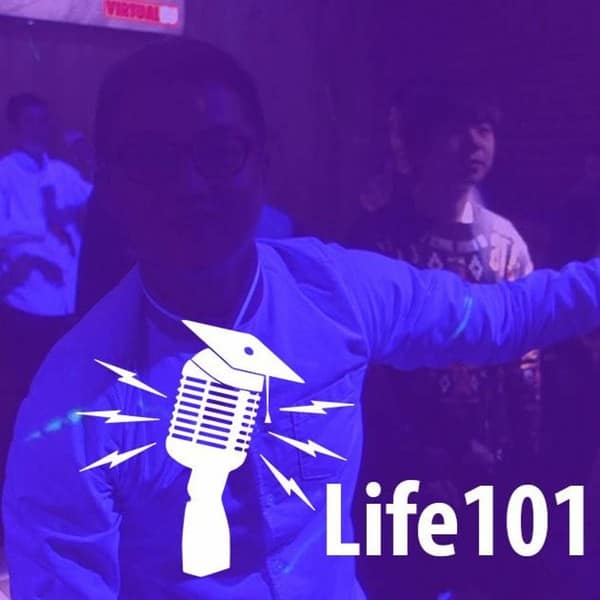
Mike: [00:23:44] And that actually leads the way toward life 101, the podcast I’m creating because after hearing all these stories I thought you know faculty need to hear these stories they need to know these complexities. And it’s it’s not something where I can just give you a list of things like let me tell you how students are and they give you a list of five things.
Mike: [00:24:04] Instead it’s it’s more about understanding the richness and complexity and all the stories that are unfolding in every little life that’s before you. And it’s really hard to just say what that is.
Mike: [00:24:18] But once you start talking to students it becomes like a feeling and that feeling. Comes with you when you come into the classroom and suddenly you’re not just staring out at a bunch of anonymous faces you can quickly anger you by being disengaged but instead you’re looking out at sea of stories.
Mike: [00:24:42] And you know that each one is complex and each person is doing their best given the circumstances and they’re trying to make a good life and the world is very confusing and overwhelming and all those things. And you. For whatever reason you guys have been thrown into the same room together. And. You might as well make the most of that. Paths have crossed.
[00:25:09] I guess the bigger shift is sometimes it’s me versus them. And sometimes it was them loving me – like thinking I was a great performer. But regardless, there was a separation. Whether it was a positive or negative one. The transformation came when I started to see you know we’re all just trying to figure this out.
Mike: [00:25:30] And that there are really different circumstances in which I would be the student and they would be the teacher. And I started kind of seeking those spaces out. So I just took my first violin lesson from a student and that was really fun and that is not just that, right? There’s also big life lessons to be learned and relearned as we all try to make a life worth living.
Mike: [00:25:55] So that then is also kind of where life 101 the podcast comes in is the ideas that we’re all sort of enrolled in life 101 and nobody is good enough to be the teacher. We’re all students here and now and then we’re going to teach each other a few things.
Mike: [00:26:12] And when you listen to the first episode you know you hear me doing these crazy things with students like I climb buildings I go to a frat party I go dancing in the college bar district and there are these great moments where are this flip you know and that the student becomes the teacher you know happens over and over again throughout the first episode.
Mike: [00:26:30] My favorite one of course is my dance teacher. The Chinese international student who teaches me how to dance. And I think this actually shows what I mean by the depth of this and what’s really to be learned is that it’s not that I didn’t know the moves. It’s not that I didn’t know how to move my hands and my legs and my arms. I didn’t have the courage and capacity to move them in that particular moment.
Mike: [00:26:57] And he sort of gave me that wisdom and helped craft the situation in such a way that I could blossom you know as a dancer.
Bonni: [00:27:10] I absolutely loved to picturing you dance. I don’t even actually ever want to see you dance because I love the picture in my mind. And I’m just what you created so many incredible vivid pictures in my mind through that absolutely beautiful work of art that you put together and this is one of the songs that you include in the podcast it’s called…
Bonni: [00:27:32] Well it’s funny because you said that you thought that they were saying teach me how to boogie – which is completely what I thought they were saying to you and tell you much it’s Teach Me How to Dougie. Yes? Right.
Mike: [00:27:44] Yeah.
Bonni: [00:27:45] And I loved every song that you played. Some of them really went back to my college days I think you and I are about the same age I think I’m five years older or something but the whole Closing Time I forgot who the artist is of Closing Time but some of the music would take me back to my college days and then some of it clearly connects with today’s college students.
Bonni: [00:28:04] I was playing this song to my students and I had no idea it would elicit such a reaction because they’d come in the class and they’d look to try to figure out where the source of the music was because they couldn’t actually believe I was playing this song. And I asked later on is there like curse words or something? And apparently it’s a big dance like it was a dance craze or something there’s a dance that goes with it or something. Would you talk a little bit about how you put the music together? How Much of it was the students that are working with you on the project and how much of it was you? I’m just curious.
Mike: [00:28:36] First episode is all me – every microsecond of that is me. And I just threw myself in learning something new you know I’m trying to do a podcast. And I mean it took me like six months to learn how to do it and edit it and piece it all together. And so at first it was all me and is really designed to get students excited about the project as well as faculty with the idea that maybe there would be some follow ups done by students or faculty so that it wouldn’t just be me producing in the long run it would be other people as well.
Mike: [00:29:12] And it definitely worked. You know I now have like 35 student volunteers. I have a line of students waiting to be interviewed or willing to take me on my next adventure. So there’s a lot of stuff in production and there’s a lot of people interested and we’re not sure yet how quickly we’re actually going to get another thing out. It’s just hard to piece together a really good story.
Mike: [00:29:35] But every day I’m doing an interesting interview so suddenly those lunchtime talks I had with students are now in studio recording and they’re analyzed there and I’m doing all of that. You know this is really still mostly my project but there are some students that I’m training who are involved in side projects and things like that. So it’ll will grow into more of a balance students faculty thing but right now it’s pretty much just my project and the first episode is all my work.
Mike: [00:30:05] The song choice is actually where all all mine except for the fact that a lot of those are just things that came up during the night. You know so I’m just walking through spaces and trying to learn how to dance and going to different bars and those are just the songs that were playing and it was sort of bizarre how appropriate they were throughout the night. So if you listen to the first episode I’m constantly analyzing the lyrics of the songs and they seem to always be strangely appropriate to what’s happening.
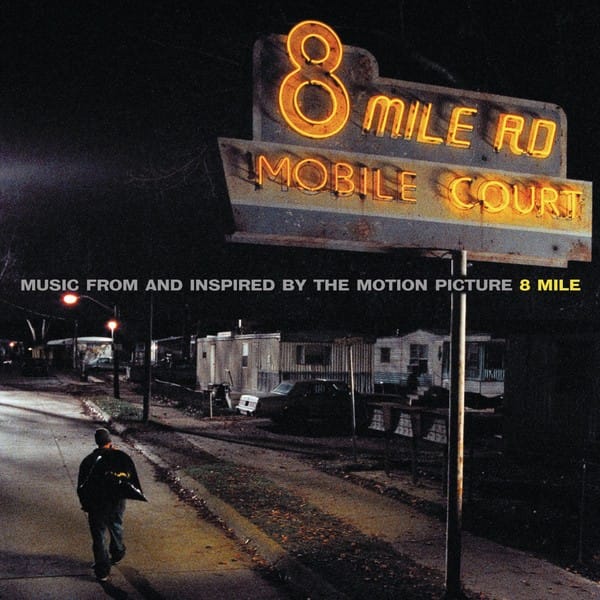
Bonni: [00:30:34] The other one was the Eminem song Lose Yourself and I’ll just play a little bit in case people have heard it.
Bonni: [00:30:41] Because these lyrics were just priceless in terms of you only get one shot… And just that sort of tenacity to get what it is that you want. Just go for it. (song plays)
Bonni: [00:31:04] So great That’s one from my youth that it really.
Mike: [00:31:08] Just a plug for the podcast. You have to listen if you’re listening right now because the Chinese international student actually does it acapella and it’s amazing to hear him hear him do it.
Bonni: [00:31:20] I couldn’t remember his name. Of course he stands out so much to me as a character but in the credits for the show for that first episode of Life101 I when you say acoustic and then mention is that.
Bonni: [00:31:32] And I thought he was looking for it on the internet. Apparently you haven’t. Because the way it comes up is your podcast. He doesn’t. He hasn’t gone like full school on YouTube yet or anything as a solo artist that was so much fun. I loved hearing that. You know he learned English that way right?
Mike: [00:31:47] Yeah. And I just came out during the interview. You know we were just doing the interview and he started telling me how he learned English by watching YouTube videos and particularly watching Rap videos and these stop and he said you know the first thing I learned I could sing a little bit for you and he just started singing it and it was just so appropriate.
Mike: [00:32:08] And then that led us into this big discussion because I didn’t get into this in the podcast but when I was his age that song was brand new and I was coming into the job market so I was about go on stage at Kansas State here to try to get the job and I to go in front of 400 students and give a lecture and they were essentially going to vote on who got the job. And that song was my anthem for that whole preparation. You know as I just constantly thought about OK I’ve got to lose myself I only get one shot at one opportunity.
Mike: [00:32:42] It was all playing there in my head. And then to hear him reflect on how it meant something to him at the same age you know he you come to the K-State basically the same age but as a student from China and how you know here he is abroad in a very different place.
Mike: [00:33:01] This is really powerful you know because there’s words in there like, “He opens his mouth but the words won’t come out,” you know. And that lyric is so powerful for him as a student who’s struggling to speak English. It was just a really beautiful interview and really made the night seem even more special. You know to have been sort of to share that moment with him where he taught me how to dance and get to interview him later and hear this whole back story that in so many ways connected to my own backstory is really great.
Bonni: [00:33:34] This is the time in this show where we each ticket to give some recommendations and I’m going to recommend things that are really related to this episode. I’m going to put some links in the show notes to some of the songs that you have in the episode that I really do think the lyrics just are magnificent and worth going to listen to even if it’s not people’s necessarily their style of music it’s really some masterful lyrics.
Bonni: [00:33:57] And I’m also going to recommend of course that they go and listen to the first episode of Life 101 and then take their first assignment from you Mike to go and try something new and you’ll you’ll know that you’re learning something new if you’re incredibly uncomfortable and incredibly uncomfortable. Pick something a little bit harder. It’s really really tough. And as Mike said it just is amazing how it can change our teaching when we put ourselves in the role of learner. Mike what do you have to recommend to people today.
Mike: [00:34:29] I’ll do similar ones but slightly different. So one is go check out. I also am blanking on the creator of Closing Time right now. But he had a little show. If you look up “closing time the real meaning.” He explains the real meaning of closing time. It is sort of a funny way. It’s really cool. That’s a good thing to watch.
Mike: [00:34:49] And then I would also recommend a little Ted talk that is just called Try Something New for 30 Days and it’s three minutes long and it’s a guy who started trying all these different things and how it changed his life.
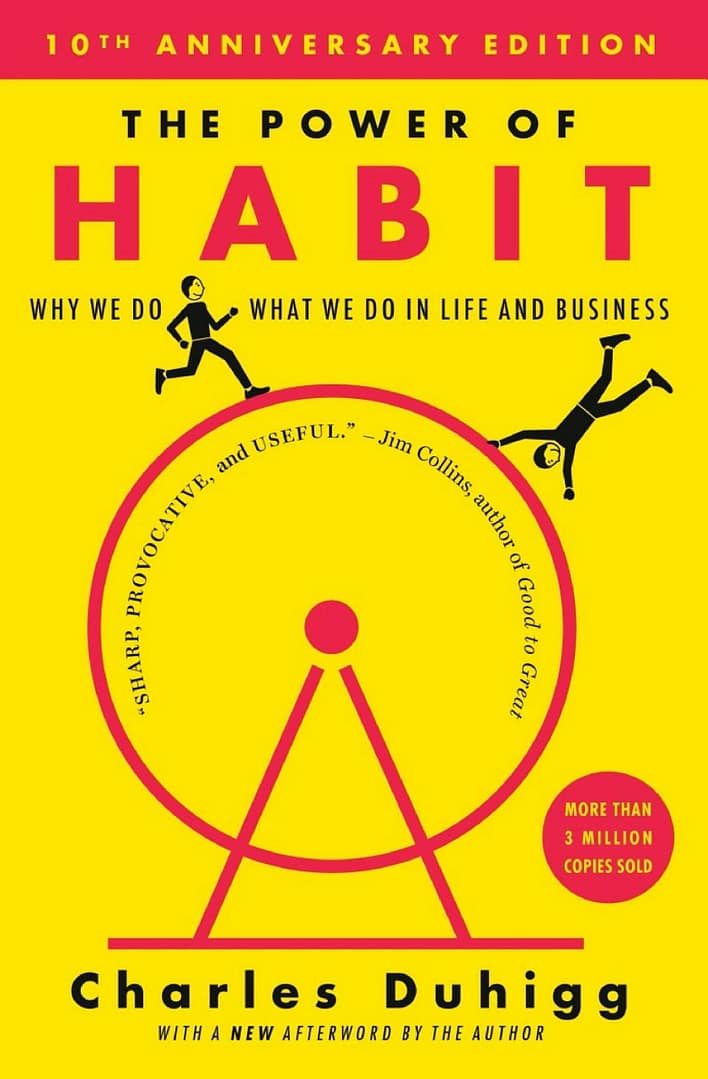
Mike: [00:35:03] And along with that disposition there is a really popular best seller right now called The Power of Habit basically gets into the science of what it’s like when you try something new or when you break a habit and you break sort of the routines that you’re normally in and it describes these things called keystone habits which are things that can essentially sort of jolt your brain or your your entire routine in such a way that trying new things actually becomes easier.
Mike: [00:35:34] So the first thing you try might be difficult like say you want to take on exercise every day but if you start exercising every day that might actually be a keystone habit that then makes everything else you want to try a lot easier.
Mike: [00:35:46] And that’s been my experience is that once I started trying new things it actually became a lot easier to try other things and I would not worry about time because the way the one thing I learned about trying new things since I’ve been trying new things is that the way we calculate time is completely wrong. We tend to think of time as a fixed asset and how can I try something new I already don’t have enough time. How could I fit 30 minutes more into my day.
Mike: [00:36:14] The real asset that we need is energy and you’ll find all kinds of time where you’re just less than motivated not moving 100 percent and that ends up being lost time but when you’re trying something new there’s something that just inspires you and elevate your energy and suddenly you start finding time like in the cracks and you suddenly feel like you have a lot more time than you ever thought you did.
Mike: [00:36:43] So just give it a shot. Just 28 days. Life is too short to not experiment. So take four weeks and just dedicate yourself to doing something new every day for those four weeks and see what happens. I bet that you’ll find that you actually do have the time that you actually have maybe more time than you thought.
Bonni: [00:37:01] Well Mike I will tell you I said this before we started recording. You are just someone I have admired so much. And what an exciting day to get to talk to you and hear about your teaching and you have so much wisdom and I just really appreciate you sharing that with this community.
Mike: [00:37:16] Thanks a lot.
Bonni: [00:37:18] Mike and I both mentioned the song Closing Time during the episode and it seems like a really fitting way to close our episode together so I will break with tradition. And this one is dedicated to Mike as I know it reminds both of us of. Times in our past and for him times in his present. Times in his future as well. Thanks so much to Mike for joining me today on Teaching in Higher Ed and thanks to all of you for listening and I hope you’ll take our challenges seriously and we’ll get in touch on Twitter and let us know what you’re trying out and contact information will be available on the show notes at teachinginhighered.com/118.
Bonni: [00:38:02] And I’d love to hear from you as well find out what you’re experimenting with if you have ideas for future shows. As always I welcome those at teachinginhighered.com/feedback and also really request that if you are enjoying the show you can help others discover it by giving it a rating or review. It’s like a hard thing to do. It’s actually not that hard. Go into iTunes or whatever services that you listen to the show and there’s a place where you can just click to give it some stars or to write your negative feedback about it as well.
Bonni: [00:38:33] Thanks so much for listening. I really enjoy connecting with so many of you so many of you through email through Twitter and hearing about your journey in becoming more effective at facilitating learning. Thanks again and I’ll see you next time. Time for. Places to go.
Teaching in Higher Ed transcripts are created using a combination of an automated transcription service and human beings. This text likely will not represent the precise, word-for-word conversation that was had. The accuracy of the transcripts will vary. The authoritative record of the Teaching in Higher Ed podcasts is contained in the audio file.