Follow the Teaching in Higher Ed Podcast
About this Episode
Maria Andersen shares about how learning is not a spectator sport on episode 177 of the Teaching in Higher Ed podcast.
The world is not as cut and dried as the problems we see in text.
Maria Andersen
On episode 177 of Teaching in Higher Ed
Voices on this Episode


Show Notes + Resources
- Thanks to George Woodbury for recommending Maria to be a guest on Teaching in Higher Ed
- busynessgirl.com
- Mobile apps for education
- Wolfram Alpha
- Maria’s Speaking / talk menu
- Vilma Mesa’s Publications at University of Michigan
- Episode #168 with Teddy Svoronos
- Video: Why is math different now
Recommendations from this Episode

Idea
Cookbooks as gifts
Resource
Last Resort Grill
Resource
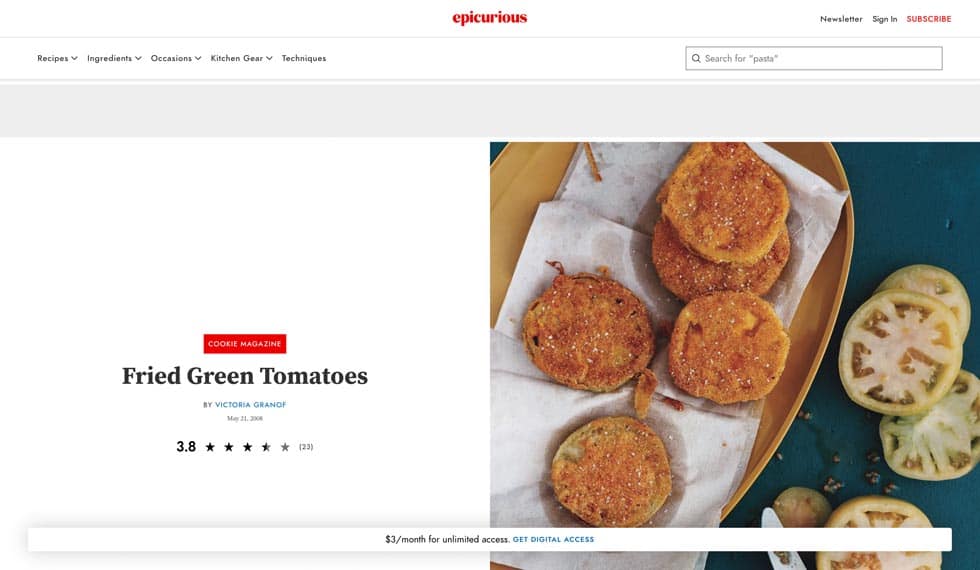
Fried green tomatoes
Product
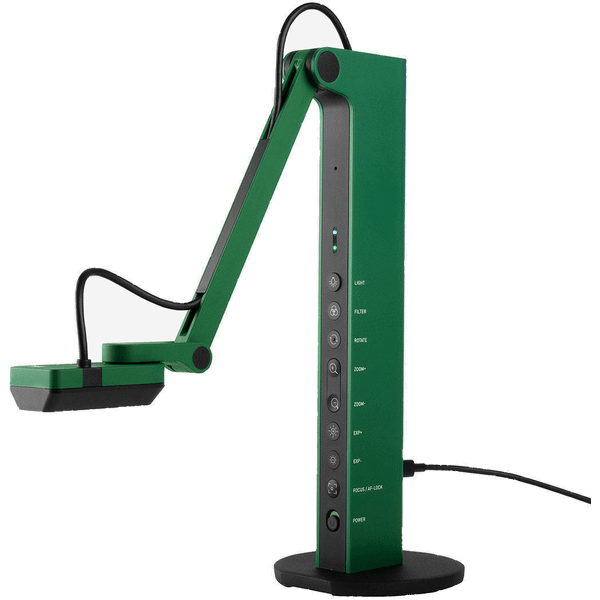
IPEVO USB document camera
Transcript
Bonni: [00:00:00] Today on episode number 177 of the Teaching in Higher Ed podcast, Maria Andersen shares about how learning is not a spectator sport.
Production Credit: [00:00:12] Produced by Innovate Learning, maximizing human potential.
Bonni: [00:00:20] Welcome to this episode of Teaching in Higher Ed. I’m Bonni Stachowiak and this is the space where we explore the art and science of being more effective at facilitating learning. We also share ways to improve our personal productivity so we can have more peace in our lives and be even more present for our students.
Bonni: [00:00:48] I was at a speaking engagement recently and while they were reading my bio they mentioned that line we can have more peace in our lives and a number of people in the audience burst out laughing which was make me laugh. So yes we do get busy. And today’s guest has a website busynessgirl.com so she certainly knows a thing or two about that.
Bonni: [00:01:10] Maria Andersen joins me today. Thanks to George Woodbury’s recommendation. Thank you for suggesting her as a guest. She’s spent 14 years teaching at the college level, 16 years writing curriculum, and six years developing digital products for learning. She built iPad games to teach algebra, launched the campus network platform, taught a movie on social media, built adaptive learning platforms used by McGraw-Hill, and worked as the director of learning design for Western Governors University. Maria is a software developer and CEO of a startup, a consultant, an author, a speaker, and a learning futurist. She holds degrees in Math, Chemistry, Biology, Business Administration, and Higher Education Leadership. Maria, welcome to Teaching in Higher Ed.
Maria: [00:02:04] Thanks for having me.
Bonni: [00:02:05] Well I was introduced to you by George Woodbury and was just grateful for the introduction. And before we start talking about today’s main topic I wondered if you would share a little bit. I was digging around on your Web site and having so much fun just exploring all the resources that are up there and one of them really caught my eye.
Bonni: [00:02:26] Could you talk a little bit about Wolfram Alpha because it’s never come up on the show before and how you make use of that in your teaching and then of course we’ll dive into the main topic for today?
Maria: [00:02:37] Yeah absolutely. So Wolfram Alpha has been around for gosh maybe like eight or 10 years now and it’s search engine that also accesses like all the world’s public data.
Maria: [00:02:52] So they have curators who you know intentionally build up the data that that Wolfram Alpha uses so you can do things like search for the population of a city you can find how big a college is like anything involving numbers you can you can pretty much just do a search for or you can compare two things with a comma between them.
Maria: [00:03:11] So I think it’s great for classes because whenever we want to like look at a real graph of something or find some data and talk about trends or things like that we can just search for the data right there.
Maria: [00:03:22] And there’s some really fun things that happen in real data like breaks and breaks and that data in sudden jumps and you can kind of speculate on you know what really happened.
Maria: [00:03:32] Textbooks are all about you know these beautiful smooth curves. But that’s not the real world. So Wolfram Alpha has been really a fun a fun way to bring that data into the classroom easily.
Bonni: [00:03:42] It’s been a few years since I looked at it but it piqued my interest especially because of your background and expertise in terms of your disciplines. And is it is that one of those That’s pretty good at natural language. Or do you have to know exactly how to ask a question.
Maria: [00:03:58] It’s really good at natural language input. So like a lot I mean a lot of math students will use it to get help with problem solving and you know what it does differently than a calculator is.
Maria: [00:04:10] And for example it’s the graphing calculator you have to put in the exactly correct syntax and tell it what you want. I want you to solve this I want you to find a zero. Apply it to graph it you know like from an athlete you just put in the function in some form and it will process it figure out what you’re looking at and then rather than you having to tell exactly what you want it to do it just does everything I can think of.
Maria: [00:04:32] So if you give it in equation for a line it gives you the intercepts it tells you the slope it writes it in multiple forms it does everything it can think of that it’s got in its brain with that mathematical function. So it’s very different than a calculator. You get kind of the whole exploration space instead of just the one thing you told do.
Bonni: [00:04:52] When I was reviewing your bio it’s it says (I’m going to assume it’s true – I’m teasing you) says you hold degrees in math chemistry biology. Business Administration and higher education leadership. Wow that’s a lot of degrees. Can you talk a little bit about sort of your pursuits in those areas and how…
Maria: [00:05:14] Sure.
Bonni: [00:05:15] …they got you to where you are thinking today…
Maria: [00:05:18] So I mean the first three degrees I did at once when I was an undergraduate so those math chemistry and biology and there was you know some overlap between those degrees you take chemistry for biology and you had to take math for chemistry and it was kind of my way of not being bored in college.
Maria: [00:05:35] So I just took a lot of classes every term. I was also going to a college where it didn’t cost you anything more to take 21 credits than 15 credits so once you paid for 15 everything above that was free. So I just figured well you got a better deal if you took more courses.
Maria: [00:05:49] It was possibly a slightly crazy way to go about doing it. But so you know so I kind of did the whole stem you know degrees thing and then went on to my graduate. I started actually as a chemical engineering major in grad school and discovered that chemical engineering was not for me it just wasn’t social enough. I didn’t have enough interaction with people weighing coal in a lab was just not exciting.
Maria: [00:06:17] So you know I quit and I remember somebody saying Well getting an MBA is never a bad idea. I kind of ended up with an MBA based on that premise that you know getting an MBA is never a bad idea. But you know I worked part time as a teacher during that time teaching community college classes. I really fell in love with it and then I was like wait. But I want to teach community college.
Maria: [00:06:40] So I wanted to teach math in particular. And so then I discovered you had to get a master’s in math to be able to teach at a college. So that was by – what was that? – five degrees was a master’s in math.
Maria: [00:06:52] And then I managed to stay out of school for I went on to be a professor and managed to stay at a school for about a year. And then I thought I would go back and get a Ph.D. And at the time I thought I might go into administration.
Maria: [00:07:06] And so I did my Ph.D. in higher ed leadership had a nice program in Michigan where you could do a lot of the courses via online or weekend classes so I could you know work full time while doing that. And so that’s how I ended up with the higher education leadership degree.
Bonni: [00:07:21] And what did your experience taking online classes not just in that program but in any of your experience and know you’ve taught and also participated in MOOCs I mean what is sort of an overarching theme that we all need to be telling ourselves when it comes to online learning?
Maria: [00:07:38] So I think I’ve become a little bit nervous about online learning for for one kind of fundamental reason and that’s that I feel like we’ve made online learning really transactional and we’re missing the transformational piece.
Maria: [00:07:56] So we talk in leadership classes about the difference between transactional leaders and transformational leaders that transactional leaders are always just making an exchange with you. You do this and I do this for you right.
Maria: [00:08:05] And I feel like online learning has become very task list oriented. And it has been for good reasons you know we’ve done it all in this kind of pursuit of getting more students to succeed in online courses which is a great reason to do it.
Maria: [00:08:19] But I’m afraid that in that task of fighting of all of the are that transact defying however you’d like to say it of all of the things that happen in an online course we’ve kind of take in any joy or excitement out of the learning it’s a very rote you know like do this do this do this you’re done with the unit you know like and it just repeats like Week after week after week.
Maria: [00:08:42] And I wonder today whether people take online courses and have those moments where they decide to change their career because of the online course they just took or they develop a lifelong love of poetry or humanities or you know something because of an online class they just took or if it’s really we’ve started to treat online classes like you know working at a fast food restaurant you just go to work.
Maria: [00:09:08] You do the tasks you have to do when you leave. Right? And so I feel like we need to put a little bit of attention back into that idea of spark and transformation and what really engages learners in makes them excited about the content.
Bonni: [00:09:24] Let’s give some examples then of what would be things that we might do that might fit under the category of transactional I’m guessing quizzes. I do a quiz every week in my online class that’s probably going to fit as transactional What are some other ways that we’re just checking those boxes. We’re asking our learners to check the boxes.
Maria: [00:09:44] I think one of the most famous examples which is considered like a wide which is widely considered like a best practice in online courses is the good old: “Make one post; respond twice.?
Bonni: [00:09:58] Oh yes.
Maria: [00:10:00] I mean isn’t that transactional?
Bonni: [00:10:01] Oh no. It’s three times don’t didn’t ever tell you it’s three times respod three times.
Maria: [00:10:06] Oh its three times now and there’s only a paragraph or a word reqirement. So the first response like it must be 200 to 300 is a word with words you know proper punctuation etc. which of course we all use normally on the internet proper punctuation right. That was sarcasm by the way.
Maria: [00:10:25] And you know so I look at those and you watch what happens in an online course. You know you’ve got 30 students in the discussion three of them make a very insightful 300 word post and then the other 27 in the class read those three people’s posts and kind of like paraphrase it and the poor instructor has to go through and read like 30 of basically the same thing right.
Maria: [00:10:50] And then they all respond on each other’s posts. I mean it’s just transactional where you see these these rarely do more than capture. I am punching the right buttons at the right time and I think they’re really simple practices. We can take two to change that.
Maria: [00:11:03] Right. Like for example just taking a class of 30 and making it into six groups of five people where each group has to answer the question within that group. Well now at least three people with each of those groups has to actually make the original responses. They can’t see each other’s responses in the class. Right?
Maria: [00:11:20] So just just doing that makes the conversations more interesting but even better than that would be offering a choice of the discussion you can participate in.
Maria: [00:11:30] So now rather than here’s the one discussion you must participate in here’s six topics that relate to what we’re talking about. Pick the topic that’s actually of interest to you and discuss.
Maria: [00:11:42] You know this question within that context. So for example let’s say we were trying to get the students to talk about nutrition a particular type of situation. Or you could have a one discussion oriented around nutrition for people with autism.
Maria: [00:11:57] You could have another one around nutrition for people with cancer and other one around nutrition for athletes and other one around nutrition for new moms. Right. And probably your students are naturally going to gravitate towards the discussion that is actually relevant and interesting to their life. Right?
Maria: [00:12:13] And that’s going to potentially be that transformational moment in the online class where somebody says wow I didn’t realize that nutrition connected you know with all of these things and this one that’s of particular interest to me. Right now I’m interested in the subject. I just don’t think we get that with these global one size fits all discussions that happen in online courses. And that’s what I think is really the the key when I say that we’ve moved too far to transactional and we’ve we’ve lost transformational.
Bonni: [00:12:41] A big pattern that I’m seeing in this too and I’m sure you’ve heard this phrase is transactional been about those throw away assignments and the throw away assignment would be. Well I just turned this in to my professor no one else is going to see it not even the other students in the class but let alone anyone from the public sphere is never going to see it.
Bonni: [00:13:01] And it’s not geared toward my own goals and pursuits and passions and changing them into the transformational where you talked about giving some more agency having it be toward some broader goal I have mentioned on recent episodes and right in the middle of having my doctoral students right and this is my first time and their first time doing an Open textbook.
Bonni: [00:13:24] And you describe this so well as like I have no idea what the due dates are for this. I know we need to move along it’s only an eight week class it’s not like that many choices but I don’t know is that week two is it week three we’re going to have to see what happens together and that’s going to be clunky and it’s going to not be perfect.
Bonni: [00:13:43] And it’s not all out there but they are so motivated and excited about what’s possible because it goes beyond something they’re going to submit just for this class.
Bonni: [00:13:52] And in that particular case I also have the frustration where they only want to work on things related to their dissertation because it’s a dual track kind of program. And so there’s always this tension where I’m teaching a technology and leadership class and you want to write about your dissertation but it’s not about technology.
Bonni: [00:14:07] So there’s there’s that but the friction is gone because they see even something even bigger than their dissertations that they might walk away with. It’s really fun. That feels transformational. I was going to mention one other thing too I’ve found that sometimes giving another choice besides writing a response.
Bonni: [00:14:26] So I’ve been having fun using FlipGrid which is just one of the many tools that people can use to record video and they just added a new feature I haven’t tried yet. And that’s that. Yes I can set up these pre-defined discussions but there’s also a little thing that’s just this class has an idea.
Bonni: [00:14:43] So it’s a little empty show for things that don’t fit neatly into the topics that I thought of in the first place so I can’t wait to try that in future classes because I guess it’s not going to show up on my existing ones.
Bonni: [00:14:55] But next time I add a new thread then there will be this little. Yes the little threads that I have planned out but then any time someone just has an idea they can go up there and start a whole different conversation and I just love what’s possible when we open up whether in discussion boards they talk about sort of the what’s that called the lounge or the just an open space for things that don’t fit into any of these predefined topics.
Maria: [00:15:20] Yeah I think I think there’s also the possibility that we should consider bringing back synchronous time and online classes. It doesn’t have to be a time that 100 percent of the class can meet but I think that there’s a lot of value that happens in synchronous time.
Maria: [00:15:34] We learn to have you know conversations like we’re having with each other in real time is just totally something that students will have to do in the job world in meetings even if they’re virtual employees. We have meetings like this in real time right.
Maria: [00:15:47] And I think that in that real time environment you you wander the conversation wanders more into topics that just don’t happen structured asynchronous time.
Maria: [00:15:58] And so we miss out on those those opportunities to really explore topics with students and. I really am a fan of bringing back you know a requirement in some online courses it’s probably not appropriate for all of them but certainly totally appropriate for some especially courses like language or. Political science or you know even mathematics like it’s really good to have problem sessions with students where they do problems in the sessions like and get real time feedback on what they’re doing right.
Maria: [00:16:28] But I think you know there’s a there’s a place to say like OK well you know we’re going to have three online Synchronoss sessions a week. You need to attend one at a variety of days and times so you have some choice and which one you attend. It’s up front it’s in the syllabus. You know this is a requirement of the class.
Maria: [00:16:45] And I you know there’s always going to be a student who can’t do it and you have to you know make some kind of adjustment. But there’s always face to face students who can’t make the test and who can’t you know beat to class on time and things like that and we make adjustments for them so you know just because there’s a student that’s not going to fit that schedule doesn’t mean you shouldn’t do it right.
Bonni: [00:17:03] Let’s talk a little bit about how when we do get them in those synchronous sessions what do we have to help them learn. Just like you talked about with discussion boards we’ve gotten so used to that in classes. OK there’s going to be discussion and then reply to three people. And in my experience. OK I show up to the online session and I put myself on mute.
Bonni: [00:17:25] That’s the first thing they’ll do and I’ll be like what. Why did you put yourself on mute. And it’s often because that’s what they’ve been told to do. The very first thing is to mute myself because oh my gosh what if my dog barked or something.
Bonni: [00:17:37] I’m like I don’t mind it if the dogs barking all the time. Yes please put yourself on mute but if your dog occasionally barks I’d rather have that and have you feel like you’re sitting right here with me.
Bonni: [00:17:47] So what are some other ways we have to help people unlearn things when they actually do join these synchronous sessions.
Maria: [00:17:53] So I think the very first thing we have to helppeople unlearn is we have to help the faculty unlearn lecturing. Yeah I think the simple rule around a space like this is the faculty member is not allowed to lecture. They have to plan some kind of activity that will happen in this space. That does not involve them holding the mike the whole time.
Maria: [00:18:12] And so you know with math we do problems and a problem session. So it’s like. Eight hour post a problem up on the on the white board and everybody has a chance to work on it on on their own. And as you start to either depending the length of the problem have them start using the chat window. I mean we don’t use chat windows enough in these sessions. We should use it more.
Maria: [00:18:31] Some of us don’t feel super comfortable talking on a mic but you can get them to start chatting in steps of their answers or you know their opinions along the way. And then you know calling on students opening the mike to particular students you know making them all responsible that they could be called on.
Maria: [00:18:47] And if they get called on it’s their turn to talk. Right. But I think number one is tell faculty member that the purpose of this session is 100 percent. Not to lecture to the students. They have to find something else to do.
Bonni: [00:18:58] And if they wanted to lecture what do we tell them like OK but I need to teach this piece that I got to lecture.
Maria: [00:19:05] If you want to lecture then record it.
Bonni: [00:19:06] Yeah.
Maria: [00:19:06] You don’t need to do this synchronously then right.
Bonni: [00:19:09] Yep.
Maria: [00:19:09] Just record it in small chunks and put it up in the class somewhere. But that that’s not what the purpose of a synchronization is it shouldn’t be for face to face classes and it shouldn’t be for online classes. If we have the luxury of time in person with our students then we should be doing things that are active in those in those sessions. We should avoid you know talking to her students as much as possible.
Bonni: [00:19:31] How do you respond to people who are uncomfortable about online synchronous or asynchronous just just not being as effective as face to face learning.
Maria: [00:19:40] So I’ve used for years this example of a study that was done by Vilma Mesa out of.. I’m not sure if it was Michigan University Michigan or Michigan State.
Bonni: [00:19:51] Well we’ll have it on the show notes. Yes we will.
Maria: [00:19:55] But anyways she did this study where she mapped what happened in classrooms. So she mapped every interaction between the faculty member the student student a student etc. over a time period of an hour.
Maria: [00:20:06] And so you would look at these these heat maps of classes and you would see you know stars for every question that was asked and who asked it. And then bubbles for every student that answered a question or when the instructor answered a question.
Maria: [00:20:19] And what you see from this these maps and it wasn’t actually what she set out to study but I use these naps all the time just to prove a point is going up. Typically every classroom there’s about three students responding to the instructor and the rest are basically lurking in class from the instructor point of view what that does is create this feeling that your class is super interactive because for you it’s super interactive you’re asking questions and fielding questions and answering questions all the time.
Maria: [00:20:47] Right. It is super interactive but the majority of your students are just watching the show. You have no idea what they’re learning in that class or not. You know in these larger lecture halls they leave their computers open and you know probably there’s a good 20 percent of the class that’s like completely checked out of that lecture time.
Maria: [00:21:06] Right. So if you’re not doing something that’s more active and engaging the students in class than then lecturing to them then that’s not a good use of the time they could have watched it.
Bonni: [00:21:17] That reminds me of Teddy Svoronos. He was a past episode he teaches at Harvard and he teaches statistics so it would make sense that he tries to measure every single thing in his class.
Bonni: [00:21:28] But just this I am going to go look this article up and again I will post it in the show notes but just this idea of one of the things he brought up in that I’m cognisant of as well as we’re not very good at our own heat maps just like you just pointed out like in our heads.
Bonni: [00:21:42] It feels like an entirely different experience than what the students actually experience because we just can’t rely on ourselves as good objective measures of how engaged in our classes are. And then how does online then help us be better at that.
Maria: [00:21:58] So I don’t know that it necessarily helps us be better at that. But I mean in some cases it does theoretically more students are interacting because they’re participating in discussion boards et cetera.
Maria: [00:22:08] But if it’s not a high quality discussion board participation I don’t know that it’s actually much better than that nodding in class at a school right. So I guess my point is simply that when people say that online is it is you know somehow a degradative version of in class it is maybe a degradative version for those three students who normally interact with you.
Maria: [00:22:27] But the other 27 it might actually be an upgraded version from watching a lecture. Right. So I think it’s just there are different formats and they have different strengths and weaknesses and different students might flourish in one environment versus the other.
Bonni: [00:22:44] One of the things that you talk about being so important is allowing students to explore more. Can you talk about why that’s so important and then give us some examples from your classes and how you’ve helped students do that?
Maria: [00:22:56] Yeah absolutely. So I always like to come back to kind of this idea of how we play a video game because videogames are so engaging right. So when you are learning a new videogame let’s say we’re we’re learning how to play the latest incarnation of Super Mario Brothers.
Maria: [00:23:11] Right. So the way we do it is we like open up a level and we start exploring and we sometimes we get killed. We start over and sometimes we you know make it a long way down and saying path and then kind of dead end ourselves back up. Sometimes we run out of time sometimes we learn where secret things are. You know but we do a lot of exploration and learning how to pass that level. Right.
Maria: [00:23:36] Now contrast that with the experience if if I were to like hand you this game but before you started to play I told you exactly how to complete the level. Like where all the good things how do you what should you avoid How should you move how should you you know if I basically gave you all the cheat codes upfront the level isn’t actually as much fun to play. I mean you get through it but it’s not as much fun as if you actually got to explore it on your own.
Maria: [00:24:04] And then when you get to the next level if I don’t tell you how to play. You missed out on all the experiences that you would have had had you explored it yourself. Right.
Maria: [00:24:12] So you no longer know how how to interact with some of the things on the screen that you learn by accident in the first level, if I didn’t give you the cheat codes, right? And I think we run that danger in our content march in education.
Maria: [00:24:26] So we have like every class has become bloated with content. And we feel all this pressure to get through more and more content as the fields get bigger and bigger.
Maria: [00:24:35] And so we tend to just like try to kind of download all that information to students in as fast a method as possible rather than letting them have the space to actually explore and learn some of the material you know on their own and find their own dead ends in their own exploration spaces.
Maria: [00:24:52] So an example of this I’ll use an example for math. Some semesters I have students do something called an exploration on their problems. So I radically reduce the number of problems they have to do. And then on the problems that they do have to do they’re required to do something outside of what they were asked.
Maria: [00:25:14] So let’s say the problem says to graph a function. So the answer would be the graph function but they have to do something else. They can’t just graph it so they can find a maximum of a minimum they can try to figure out what the slope is somewhere on the function.
Maria: [00:25:28] They can tell me what happens if they add something to the function or subtract something from the function. They can tell me how to turn the function upside down and backwards. They can do anything they weren’t asked to do and the original problem.
Maria: [00:25:41] But this opens up a conversation space that we don’t normally have. And the world is not as cut and dry as the problems we see in text there’s extra information there’s you know there’s chances to to do things with data with problems that they would normally normally have experienced.
Maria: [00:26:00] And it is these exploration spaces that actually allow students to transfer what they learn to other subject areas and higher level classes. So if we never let them explore these regions around the nice tidy little boxes of problems we put in classes and in textbooks we’re really in trouble we’re not teaching them how to transfer the content. We’re not teaching them how to level it up to a higher class.
Bonni: [00:26:24] I would have loved to have had you as a math teacher somewhere in my educational experience because what happened was and actually we saw a video of someone from I think it was Cornell. I will look it up and post it in the show notes because the school that my kids go to they want to teach them how to think about math not how to perform a series of functions that don’t make any sense to them.
Bonni: [00:26:47] And they gave the example in the video and I won’t do it justice but of how you know I learned how to do long division where you know you’re carrying these numbers and you’re doing these things.
Bonni: [00:26:56] But like I don’t I can’t explain to you why. I just know that that’s how you do it. But I could never tell you why they want to help kids today think about math. And so you’re you’re saying Yeah I do in this particular function I’m asking you to perform this but at the same time just asking you to play with what’s there.
Maria: [00:27:16] That’s really it. I think we should allow students to play a little bit more with the concepts we’re teaching. So like for example if it was a history class and we were learning about a particular time period allowing the students to each take on some kind of persona in that time period you know.
Maria: [00:27:31] I’m a I’m a female child I’m a teenage boy I am a mother of five I am a. Farmer I’m a soldier. You know like if you take on this persona during this time period what is life like for you. You know we learn history through the perspective of what we get in textbooks but what we get in textbooks tends to be the history of famous people. Right. And not this like. What would it like be like to be an average person during this time period.
Maria: [00:27:58] You know like there are so many interesting perspectives we can play with throughout multiple subject areas and we just don’t do enough of it. And that’s I think what makes the subjects relatable and interesting and again that ability to have the transformational experiences where you really suddenly get why you’re learning something.
Bonni: [00:28:18] One last thing I did want to share with you is can you talk a little bit about the importance of reaching an impasse.
Maria: [00:28:25] Yes so there have been numerous studies that look at this idea of when is the ideal time for students to actually remember a content that they may learn. And and so it turns out that that the ideal time to be given new content is that a moment of impasse and that is a moment where you end up stuck confused a little bit frustrated you can’t figure it out yourself.
Maria: [00:28:50] That moment we all turn to YouTube and you know search for the video to help us fix the dishwasher or the video to help us solve a problem we’re stuck on or something like that.
Maria: [00:29:02] And that is actually the perfect moment to learn it. And what’s so hard about classroom instruction and even I would say you know a lot of online forms of instruction is that we tend to treat learning like it’s a nice linear path and whatever I feed you you will learn right.
Maria: [00:29:18] Whatever I present in front of you whatever you’re told to read will read whatever you’re told to watch you watch straight. But even if you do those things even if you read the text and you’re supposed to watch the videos when you’re supposed to you don’t actually learn until you engage with it.
Maria: [00:29:33] So until you do something else and so it turns out that the moment the perfect moment to actually deliver those videos and readings is the moment when somebody recognizes they’re stuck.
Maria: [00:29:44] And so we should actually think about how we can design more stock moas in situ online classes. And that’s a really hard one because nobody particularly likes to be stuck until they get past stuck. So like he asked educators like why did you become a teacher. Why did you become a professor.
Maria: [00:30:02] A lot of people say oh well what was the aha moment. Clearly like I became a teacher so that I could see students having aha moments right in. When does an aha moment happen. It happens after the moment you were stuck. Right. And so you know we have to figure out how to how to build that into classes especially in online classes.
Maria: [00:30:22] I think our first inclination is online teachers was all to watch for every question that appeared in a course and make beautiful responses via video and load those into the Course rate but what that does is it also means that you never actually are stuck for more than like half a second because there’s always an answer right there right. And so without that struggle and you know that moment where you actually get delivered the. You know you struggle a little bit and then you see an answer.
Maria: [00:30:48] I think we’re we may actually be doing a disservice to students by not letting them have that a little bit of that struggle themselves and that’s that’s a really tough ballads. It’s actually the same balance we struggle with in building video games.
Maria: [00:31:00] It’s a struggle between frustration and boredom. If you’re too bored you stop playing the game. If you’re too frustrated you stop playing the game. If you somehow manage to balance that just right you keep going right.
Maria: [00:31:14] And I think that that’s you know the joy we get out of learning is the the just right balance if it’s if we’re too bored if there’s always an answer for us if there’s always you know the perfect you know resources we get kind of bored with the classic what what how fast can I get through this.
Maria: [00:31:30] Right. On the other hand if you get too frustrated if you can’t figure out the answer if there’s not an instructor to help you if there’s not you know peers to help you you can also get too frustrated. I think this is something we need to revisit in our courses a little bit.
Maria: [00:31:43] And maybe we still make the perfect videos but we hold back on giving them to the students until somebody actually asks for one right rather than just making it a perfect you know here is every answer you could ever want to have real life isn’t about having every answer to every question. Sometimes you have to search and ask and talk to people.
Bonni: [00:32:03] I think I’ve been really guilty of this in some of my in some of my own teaching because you do want to be helpful in you. It’s hard to watch people get stuck. I mean it’s funny because I was thinking even as you were talking I was like oh and then. But then in the quiz you can have it right there in the video.
Bonni: [00:32:18] But then I’m thinking but you’re not teaching them to get themselves unstuck if you provide it too much like oh you only got stuck for two seconds. Here’s the you know versus like what are some ways that you could go explore things that you’re going to be able to explore outside of this class.
Bonni: [00:32:35] And part of that’s building the community and trusting that that all of us together are going to be far better than me just providing the answer that’s already pre-done look so pretty and you know specially designed.
Maria: [00:32:47] Well it’s really tough. It’s really tough because we’ve we’ve all done it. We’ve all done the thing where we like made every possible beautiful answer because you’re right. But I think that that’s potentially problematic for learning especially long term learning.
Bonni: [00:33:05] Yeah this is actually good it segues nicely into the recommendation segment because people might remember that I’ve been doing some travel and have some coming up as well to do some keynote talks which has been really fun but I was telling my husband when I got back that he has to stop spoiling me so much when we traveled together because that’s mostly when we travel.
Bonni: [00:33:24] And it’s like I get to the airport and I’m like I know that but the tickets on my watch because it’s on the Apple Watch and everything so it just feels so weird to like not have a ticket in my hand I’m not confident in my travel because he’s been doing too much of it for me when we’re together and I’m like I’ve got to be able to do this by myself.
Bonni: [00:33:43] So we haven’t had that balance between frustration and boredom because I still still like a little kid in my travel. But speaking of my travels I had such a great trip to the University of Georgia. And my recommendation I have two of them today. One is that I got invited with Nic Holt, Helene Halstead, and some other people from the University of Georgia to this amazing restaurant that I so wish I could tell you the name of but I didn’t write it down.
Bonni: [00:34:09] But what I did write down is I tried for the first time fried green tomatoes. Oh my goodness. It was absolutely so delicious. If you’ve never tried fried green tomatoes before you got to find a restaurant somewhere where you live and I can’t even tell you if you live in Georgia which one should go to because I forgot the name of it but I’m sure that they can follow up and I can put it in the show notes once I get that information.
Bonni: [00:34:32] And then the second recommendation. They were so kind and gave me a gift of a few different items related to the University of Georgia including a cookbook from the all community there and I just thought well what a nice gift to give someone because it reminds you of that trip it’s specific to that geographic region the kind of foods that they eat there.
Bonni: [00:34:54] So it will always remind me of that but it’s also the gift that keeps on giving. Because now I can cook dishes and get the kids involved and just remember that special trip and try out some foods I haven’t tasted before so thank you to Helene and to Nic and everyone just for making my trip there so wonderful and I thought those were such kind gifts.
Bonni: [00:35:13] And I think I’m going to try to find a cookbook that’s local to me here that I might be able to give to someone as a gift in the future I thought that was really thoughtful. Sometimes I have a hard time coming up with good gifts so that’s tucked them in my back pocket is a good gift for people. So I will pass that over to you Maria for your recommendations.
Maria: [00:35:30] Ok so I’m going to recommend the IPEVO high definition USB document camera. It costs 100 bucks and it is exactly what I was looking for for the last year. I used to use a PC to do all of my online math stuff and I had it down cold and everything worked great.
Maria: [00:35:50] And then I had to I had the misfortune of switching to Mac five years ago and now I like a lot about the Mac. But what I don’t like about the Mac is it’s really hard to do any kind of online math on a Mac.
Maria: [00:36:01] And so actually somebody recommended I was I was expressing my woe to somebody else recently and she said hey did you know you can just buy a document camera for 100 bucks and hook it up to your computer by USB.
Maria: [00:36:14] And I’m like You’re kidding me because you know my memory of document cameras is like these thousand dollar you know machines people put in the classrooms right. Years ago I had no idea you could buy a document camera for 100 bucks.
Maria: [00:36:27] So it turns out you buy this document camera you plug it into your computer you install a little piece of software and you can record it will do all the recording for you. You can record yourself you know doing problems on a piece of paper it’ll do a picture and picture like from your computer and the document camera.
Maria: [00:36:42] It’s amazing. And so now I don’t have to try to mess with like finding the right software to you know make my Mac into a tablet which is never going to happen or to hook up a tablet through my Mac to do the recording. I just I just use this little document camera is great.
Bonni: [00:36:58] It seems like one of those things to as you were sharing about it that people could have at their institution and share between multiple faculty because we have a lot of math factulty.
Maria: [00:37:06] Totally.
Bonni: [00:37:07] Who want something exactly like this. But in their case I stupidly maybe naively told them we like the iPad but sharing an iPad between multiple people and then trying to upload files it just seemed really messy this to seem so clean.
Maria: [00:37:22] Yeah. Well the thing is I already have this software on my computer to record videos right. So all I need is a way to get the handwritten work to the computer and it’s good right. Yeah. And it turns out to be pretty clunky to do it via iPad and the tolerance and the quality of the writing on the iPad is just not as good as doing it on paper. Like after years of doing everything via you know a PC tablet which was great. The problem now is that the two in one touch screens don’t function like the old PC tablets did.
Maria: [00:37:52] So they you know they pick up your your hand the side of your hand. They they aren’t is as clean as what we used to use with the old PC tablet. So. I’ve just found that this is great. Like I could not only record myself writing a problem but I can take my phone graphing app and just stick it on the same platform next to the problem I’m working on they can see the the screen it’s got something that blocks the overhead lights from being recorded. It’s just it’s like the best 100 bucks I’ve spent this year I think.
Bonni: [00:38:21] I hadn’t even find the issue of light. That does sound really cool. Well hm. Might have to have something on my holiday gift list. It sounds really awesome.
Maria: [00:38:31] But I think writing about sharing it you know having it in like a center for teaching and learning where anybody can come in and just start recording something they want to record it even off of the computer that’s sitting there. It’s just a great way. You know you’d have to be gone for a day and you need to record a lecture or something. You’ve got whatever you need.
Bonni: [00:38:50] Well Maria It has been such a pleasure getting introduced to you and I’m so energized after our conversation I’m excited to build the show notes for this episode which will be at teachinginhighered.com/177. And thank you so much for your generosity and being on the show.
Maria: [00:39:06] Oh I’m happy to be here it was fun.
Bonni: [00:39:08] And if people want to follow up with you they can find out information about you and your startup and other things links that they might want to go to at the show notes as well and I encourage people to follow you on Twitter as well.
Maria: [00:39:21] Thanks.
Bonni: [00:39:23] Thank you Maria once again for being on this episode of Teaching in Higher Ed. The show notes will be at teachinginhighered.com/177. If you have yet to subscribe to the weekly e-mail update you’ll get all the links to the things that Maria and I talked about in an email along with an article on teaching or productivity.
Bonni: [00:39:44] You can subscribe at teachinginhighered.com/subscribe. And if you have any suggestions for future guests or topics you can do that at teachinginhighered.com/feedback. Thanks so much for listening. And there are some great guests coming up in future weeks I’m excited to introduce to you and I’ll see you next time.
Teaching in Higher Ed transcripts are created using a combination of an automated transcription service and human beings. This text likely will not represent the precise, word-for-word conversation that was had. The accuracy of the transcripts will vary. The authoritative record of the Teaching in Higher Ed podcasts is contained in the audio file.