Follow the Teaching in Higher Ed Podcast
About this Episode
Saundra Y. McGuire discusses how to teach students how to learn on episode 132 of the Teaching in Higher Ed podcast.
Physical activity is really important to having the brain operate at peak efficiency.
Saundra Y. McGuire
On episode 132 of Teaching in Higher Ed
Voices on this Episode


Show Notes + Resources
- Teach Students How to Learn* by Saundra Y. McGuire
- Louisiana State University’s Center for Academic Success
- Mindset: The New Psychology of Success* by Carol Dweck
- Bloom’s taxonomy
- Earnest Everest Just
- ACUE’s Course in Effective Teaching Practices
- 150 ways to increase intrinsic motivation in the classrooms* by James P. Raffini
Recommendations from this Episode
Article
Holiday Gifts for Leaders by Dave Stachowiak

Product
Handy Head Massager

Book
Yoga for Wimps by Miriam Austin
Book
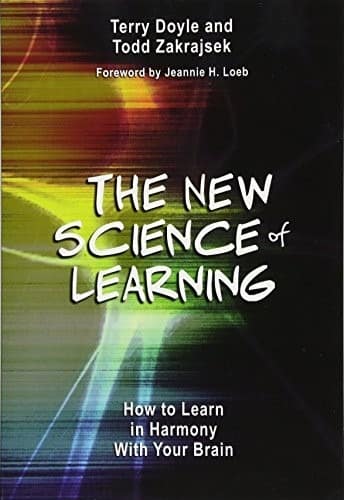
The New Science of Learning by Terry Doyle and Todd Zakrajsek
Book
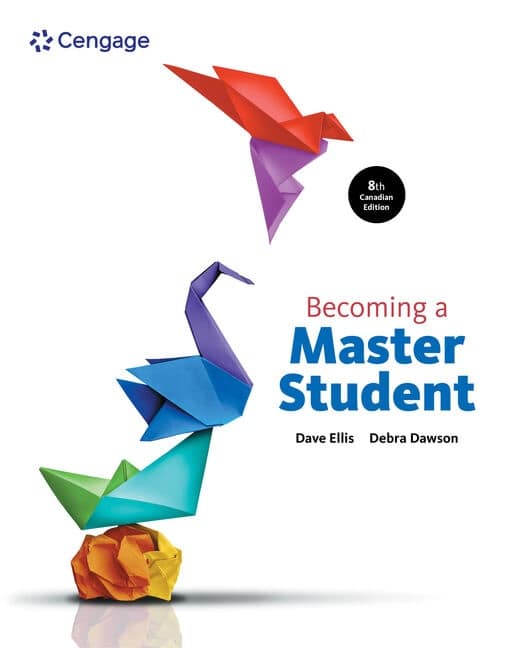
Becoming a Master Student by Dave Ellis
Article
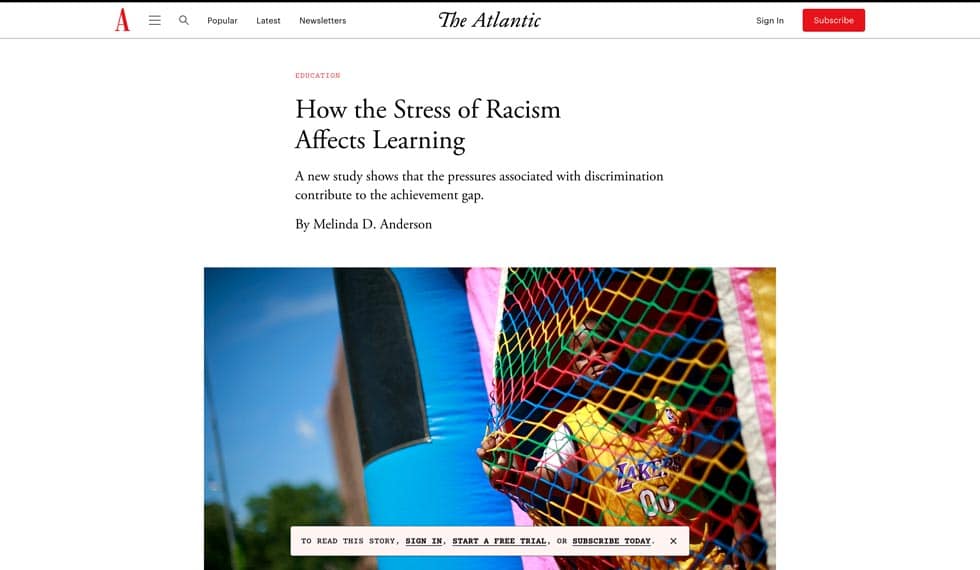
How the Stress of Racism Effects Learning by Melinda D. Anderson, in The New Yorker

Article
Saundra McGuire: Strategies to Teach Students How to Learn
Transcript
Bonni: [00:00:00] Dr. Saundra McGuire discusses how to teach students how to learn. On today’s episode number 132 of the Teaching in Higher Ed podcast.
Production Credit: [00:00:13] Produced by Innovate Learning, maximizing human potential.
Bonni: [00:00:22] Welcome to this episode of Teaching in Higher Ed. I’m Bonni Stachowiak and this is the space where we explore the art and science of being more effective at facilitating learning. We also share ways to increase our personal productivity so we can have more peace in our lives and be even more present for our students.
Bonni: [00:00:49] Today’s guest Dr. Saundra McGuire was connected with me through the ACUE organization and she is an expert consultant for them in the area of engaging under-prepared students. She is the director emeritus at the Center for Academic success at Louisiana State University in Baton Rouge and she also formerly held the positions of Assistant Vice Chancellor and Professor of Chemistry. Prior to that she spent 11 years at Cornell University where she received the coveted Clark Distinguished Teaching Award. She’s been teaching chemistry working in the area of learning and teaching support and mentoring students for over 40 years. Saundra, welcome to Teaching in Higher Ed.
Saundra: [00:01:41] Thank you so much branning for having me. I’m really excited to be here today.
Bonni: [00:01:46] I know that you have had a great career in higher ed and one of the things just one of many that you have really learned to stress is how important it is for us to really be teaching our students how to learn. Saundra, can you tell me when that first started to have you seen in your career just how important that is?
Saundra: [00:02:07] Yes. Well, actually, I can tell you that teaching students how to learn are effective learning strategies and really didn’t know the importance of that and started to do that with students until I got to LSU, which was about the 30th year of a 43 year career.
Saundra: [00:02:26] And so I didn’t always know this I was a chemistry professor and I always knew the importance of helping students understand concepts and recognizing that there were concepts beneath concepts and that they needed to know between the lines information.
Saundra: [00:02:42] But the idea that you could actually teach them how to learn was something that came to me relatively late in my career and I can tell you in fact when I first heard the term teach students how to learn which is ironically just a little bit but the title of the book when I first heard that phrase I really thought that was the most nonsensical phrase on the planet.
Saundra: [00:03:04] I’m thinking, “Teach students how to learn? How are you going to do that if they don’t know how to learn? And you teach them how to learn, you’re not going to learn it because they don’t know how to learn.”
Bonni: [00:03:14] It is cyclical.
Saundra: [00:03:15] It didn’t make any sense to me but now I understand what that means to extend the learning process. Teach them that learning is not an activity but a process – is not something you do the night before a test – and it was actually when I came to LSU as director of the learning center there that I started to really be responsible for talking to students about increasing their learning.
Saundra: [00:03:42] And I started reading a lot of information and there was a wonderful learning strategist who was there Sarah who was fantastic and she really taught me a lot about this.
Saundra: [00:03:55] And when I saw some of the things that she was doing with students and I started reading everything I could get my hands on and I started trying out the strategies but I could tell you that initially I didn’t really think they would work I thought the strategy were too easy I didn’t think students would do them.
Saundra: [00:04:09] But as the weeks and months passed and students were coming back telling me that they had been flunking exams and now they were making A’s on the exams I really became a believer in how easy it is to teach students these fundamentally basic learning strategies that typically they haven’t learned by the time they get to college.
Bonni: [00:04:32] I think that some of them are almost counter intuitive and even for us as faculty we try not to think of ourselves as so far apart from our students that they really can be. Well I mean I think I think one that I know of which is not necessarily teaching our students how to learn but just the importance of sleep being one example that it seems like one big of a deal would it be if I lost out on sleep.
Bonni: [00:04:54] That’s something that it seems like, “Oh. The longer I stayed up to study the better off I would be the next day and more prepared I would be for my exams.” So that’s kind of one of those counter-intuitive…
Saundra: [00:05:03] Exactly. And I remember thinking the same thing. And so I addressed this in the book but the importance of getting enough sleep proper nutrition of getting exercise. There’s so many students especially around final exam time when they are in cram mode and they have so much to do and they just give up their gym routine.
Saundra: [00:05:23] But we now know that physical activity is really so important to having the brain operate at peak efficiency that these are really important. And as you say it’s pretty counter-intuitive because students think well the more time I put into this the more hours I spend on it the better the outcome will be when that is really just not the case.
Bonni: [00:05:47] One of the techniques that I’ve been really enjoying in using a lot in the last couple of years is retrieval practice and that’s one of those things where they’re pulling it out of their heads instead of me trying to cram information into their heads and trying to get them to pull it out of their heads.
Bonni: [00:06:01] And that’s one of those things I’m actually encouraging them to spend less time but do it more often. So I’ll tell them, you know, “I want you every single day for 10 minutes to do this. Not three hours for one day but just every day for 10 minutes pull out this little flashcards.”
Saundra: [00:06:15] Yes. And the way that I help students develop a strategy for doing this. Well I start with asking them a reflection question. The question is would you work harder if you were trying to make an A on a test or if you knew that you had to teach the information to the class to prepare the class for an upcoming exam or for going over all of the important concepts in the course paying particular attention to the more the more difficult concepts to make sure everyone understood. For which task would you work harder?
Saundra: [00:06:50] Students always say they would work harder if they had to teach the information. OK. And I tell them that absolutely that’s true for most people and I ask them why they said [that]. “Well I have to really know if I have to teach it.” Or they’ll say, “I have to be able to answer questions,” and so that’s actually a great way of pretending that you’re teaching information is a great way to practice that retrieval of the information.
Saundra: [00:07:15] Because if you’re pretending you’re teaching something if you get to a part that you don’t totally understand you’re going to get stuck at that point and then you know that you don’t totally understand that and you can go back and you can reread that information or study it again to make sure that the next time you go over there you are in a much better position to retrieve that information that you thought you could retrieve easily. But when you pretended that you were teaching the information you saw that that was not the case.
Bonni: [00:07:43] One of the things that I know is really important to your work is what we should be thinking about as faculty when students are not doing well what’s what’s the what’s the paradigm that we should have and what are some of the challenges that we have with getting our heads wrapped around that?
Saundra: [00:07:58] Yes well I think a lot of faculty have the same problem that I had the first 30 years of my career when if I had a student who flunked my first two Organic Chemistry exams if they came to me and said well what should I do.
Saundra: [00:08:14] And they thought that they were on their way to becoming a brain surgeon. I would ask well what’s your backup plan here. I didn’t think that they would be able to be successful but now I think that we really need to take heed to the wonderful work that Carol Dweck a cognitive psychologist out of Stanford has done on mindset and the idea that you have a certain amount of intelligence that you’re born with. She calls that a fixed mindset.
Saundra: [00:08:43] The other view is that you can grow your intelligence with your actions. And so you can literally make yourself smarter so you could have an IQ test score of 70 when you’re third grade but then have one 10 120 when you’re 10th grade. If you learn those things are tested on an IQ test.
Saundra: [00:09:03] And so I think that it’s important for us as faculty to recognize that students who may be failing our courses measurably are not failing because they are not capable but they are failing because they don’t have strategies to successfully master the information. And that was new to me because I really did think that there were certain students who were smart enough to excel in the physics the philosophies the economics of the world.
Saundra: [00:09:36] And then there were other students who were put on the planet to do something else other than those that I consider those very challenging disciplines. And I now no longer believe that at all.
Saundra: [00:09:46] I think that all students have the ability to excel but many of them need to be explicitly taught the learning strategies which the successful students have learned at some point along the way. It might have been in elementary school. There are now some students who have a study skills course in middle school and high school where they learn these strategies.
Saundra: [00:10:09] But I think it’s important for us to recognize that it’s very easy to teach students at any level I’ve worked with undergraduate students graduate and professional school students and these very simple strategies for example previewing the material that’s going to be covered in class before you go to class.
Saundra: [00:10:27] Reviewing what happened in class as soon as class is over so that you can make sure that you’re starting that process of moving the information from short term memory where it went after you’d heard it for the first time in class into long term memory where you’re going to be able to retrieve that information and use it later on.
Saundra: [00:10:47] And when students are taught these simple strategies which by the way most of us faculty including myself don’t really have the language to explain in detail to students but once we acquire that language and discuss it with students students are able to to really appreciate it and implement it.
Saundra: [00:11:05] And I’ve seen students scores go from 30 28 on the first two Tests to 80s and 90s on tests after that. One young man in chemistry had a 42 on his first test and he got hundreds on everything after that.
Saundra: [00:11:18] And that was very eye opening to me and that’s one of the things that I would like most faculty to recognize that we don’t have to tell students dropped the course. We can help them get the learning strategies that will help them excel even if they’ve been failing miserably.
Bonni: [00:11:34] I’m hearing two themes from you. I’m hearing the importance of us helping our students recognize this but I’m also hearing we’ve got to recognize that ourselves as faculty that we have a tendency to put labels on students they’re capable they’re not capable of that.
Bonni: [00:11:50] That this mindset can actually help us free our students from the trap that we will sometimes put them in. What was something that changed her mind about it? What do you remember as a powerful force that got you to start thinking that you might be wrong about the capabilities of some of your students?
Saundra: [00:12:06] Yes. Well and it was actually at LSU when I started teaching students these very simple strategies moom taxonomy teaching students about Bloom’s Taxonomy is also a very powerful tool which I did not do for the first 30 years of my career because I had learned Bloom’s Taxonomy as a construct for us as faculty to use to target our teaching to target our assessments.
Saundra: [00:12:32] But I never taught it to students. But then when I got to LSU they were teaching it very successfully the students. And so then I started explaining students from sexology and they immediately got it. In fact the most common reaction I would get is wow I wish I had known about this in high school.
Saundra: [00:12:50] And so it was a way to help them view what they had been doing just straight memorization memorizing formulas memorizing definitions and seeing how that was not getting the level of learning especially in the STEM courses because I work with a lot of them students of the chemistry professor.
Saundra: [00:13:09] But that wasn’t getting them to the analysis – the application – even the evaluation that they needed to be where they were failing at those levels because they never even knew that those levels existed. All they knew to do was to memorize information.
Saundra: [00:13:26] And so when I started teaching students parents and students started coming back to me telling me that they were making straight A’s on these exams where they’d been flunking the course before that really got my attention and it helped me to understand that there really is something here.
Bonni: [00:13:44] Some of the people who were listening may not have heard of Bloom’s Taxonomy although I know a lot of a lot of people have but but why don’t you just give a sentence or two on on what it is but also what happens when we move up in Bloom’s Taxonomy what how our teaching transforms and then how our learning transforms.
Saundra: [00:14:00] Wonderful yes. Yes. The cognitive scientist Benjamin Bloom back in 1957 worked with a group of educators and they tried to analyze the types of activities that go on in learning and so they came up with Bloom’s Taxonomy.
Saundra: [00:14:20] The it’s been revised now and I’ll just give you the revised levels but the base is remembering so straight memorization and then up from that is understanding and the way I explain it to students is if you’re remembering you’ve memorized definitions formulas ways of doing problem forbade them.
Saundra: [00:14:40] But if you understanding if somebody says well how would you explain that in your own words or can you explain this to your 80 year old grandmother or your eight year old nephew you could do that if you at understanding and then the next level is applying.
Saundra: [00:14:53] Where now you can answer questions you’ve never seen before you can work problems you’ve never seen before because you understand the concepts and the information and then the next level is analyzing where at this level you could take any concept and break it down into simpler concepts.
Saundra: [00:15:13] So if I were to ask you to give a three minute mini lecture on Buffer solutions for example in chemistry you could tell me about the need to have weak acids as opposed to strong acids. You could tell me about the common ion effect. The Henderson-Hasselbalch equation. Because now you can analyze these concepts and see what’s underlying them.
Saundra: [00:15:32] Then the next level is evaluating. So you could look at two ideas two theories two ways of approaching something and evaluating whether one is more likely to be effective than another.
Saundra: [00:15:45] And then at the top is creating where now you can come up with your own ideas your own theory your own ways of approaching things. And now let me say that I am well aware that when Bloom developed this – Bloom and colleagues – he didn’t really see it as a hierarchy.
Saundra: [00:16:03] And there are a lot of educators who really don’t like to see it presented as a hierarchy. And I understand that but I like to present it to students as a hierarchy because I want them to understand that having some knowledge for most people is prerequisite to understanding and doing more complex tasks.
Saundra: [00:16:24] And so if students understand Bloom’s Taxonomy then most of them one of the questions I ask after going over Bloom’s Taxonomy. Ask them to think back to their high school experience and let me know if what the highest level was. They typically have to operate in high school to make A’s and B’s in their classes.
Saundra: [00:16:44] And the most common responses I get are ones and twos and there are the occasional threes and fours but mostly ones and twos and them though when I asked them since most of the students that I talk with have been in college for a while in fact I really urge us as faculty to have learning strategies talk with our students after they’ve gotten to develop that from the first exam or quiz.
Saundra: [00:17:10] Because before they get that most of them don’t think that they have any need for this information because they’ve done well in high school and they memorizing has served them very well so I recommend that we do it after the students get the results back from the first test. So they’ve already been in college for a while.
Saundra: [00:17:28] So then I asked them knowing now what you know about Bloom’s Taxonomy. What’s the lowest level you think you need to consistently operate to make the A’s in college that you are totally capable of making and they will tell me for five or six years in many cases because those students who have to do independent projects recognize that now they have to create their own processes.
Saundra: [00:17:53] And so it allows students then to move to higher levels by using strategies that will help them to master the content to go through the activity of paraphrasing the information to look at the problems that they haven’t seen before. So we have to move into those higher order thinking skills that they would not even know existed without having a discussion about Bloom’s Taxonomy.
Bonni: [00:18:22] I’ve had a lot of people critique Bloom’s Taxonomy as well. And one of the things I’ve heard people say is that if if we’re just spending an entire classes on remembering and understanding that we’re doing a disservice in terms of motivation because when we get to creating that’s often where people can have that spark of reason why this particular discipline might be of interest.
Bonni: [00:18:48] And then we might see that we’re lacking. Gosh well if I’m goin to be capable of creating and going down this path that is I can now see is so intriguing to me it’s a mystery to unravel to be able to do something less then I can go backward and go well if I was going to do that then I would need to be able to remember this understand. Apply this.
Bonni: [00:19:08] So I’ve heard people argue to sort of flip it on its head a little bit and start with creating and then we kind of fill in the gaps. There’s just one way of someone resolving their own critique with it. But I think ultimately we know these are really complex things we’re trying to do to change our students own mindsets and then also help them with their learning. Talk a little bit then about motivation because motivation is such a key factor for our students.
Saundra: [00:19:32] OK. Yes but I want to go back to what you said about the instruction. It’s a very very important point because I often hear also that the fun is actually in the creating and I do think that every situation is different.
Saundra: [00:19:45] And so it is important for the professor or the instructor to determine if we can start at creating in this particular situation and then have students walk back to understanding what they need to remember.
Saundra: [00:19:58] But I find it very often that if we start at the higher levels then students get so frustrated because they can’t create because they don’t have the basic knowledge that it really does kill the motivation.
Saundra: [00:20:14] And so I find that more often starting with the basic information that they can master and then moving them up the ladder as opposed to starting at the higher levels that I think we will lose fewer students if we do it that way. Not always because there are certain disciplines for example art or certain creative disciplines where students can come up with a very good product without understanding the basic concepts behind what they’re doing and they can walk it back. So I think it’s important to look at every situation individually.
Bonni: [00:20:53] I wonder if it isn’t isn’t necessarily about me as your student creating, but just to know what’s possible. I think about chemistry because that is something, Saundra, I’m afraid to admit that’s one of my… I might know close to nothing about.
Bonni: [00:21:07] If I had had a professor like you who could just show me what’s possible… I don’t have to be able to do it. I don’t have to be able to create but just to share what is possible. What are chemists thinking about? What are they creating? What are they experimenting with? To light that spark for me before memorizing concepts that I don’t understand the relevance of them. I guess that’s more of of where I think we can really do a better job for our students.
Saundra: [00:21:34] You’re absolutely right because so many of the people who are inspired to do science is because they know that there’s the next great drug to treat a disease now that it has no treatment and this is what chemists do. This is what scientists do. And many of them are motivated by the idea that I will be able to create something and then they’re motivated to do what many people think are the more mundane tasks of just memorizing the information. Absolutely right.
Bonni: [00:22:05] That’s something I’m working on right now with I teach introduction to business class quite often and it’s one of the things I’ve been critical of in my own teaching is that the examples that I have given in that class in the past just in the beginning when we talk about entrepreneurship I will tend to give examples of Steve Jobs and Bill Gates of the world.
Bonni: [00:22:25] And oftentimes names that students would have heard of but I’ve been really challenged by many of the guests on the podcast to look at the stories that I share. And then any recommended reading or articles or examples I need to have more people of color in there and I know that that’s the area of weakness. So now it’s been fun.
Bonni: [00:22:43] I’ve actually heard about a need to order the book but a really good book of women of color who are entrepreneurs that have thought yes here’s just one way to get some more diverse examples so that people who look at creating – now they’re obviously not going to be creating their own businesses from the start. But to show them what’s possible and then I want them to see people that look like them and not only the white guys that are the famous entrepreneurs.
Saundra: [00:23:09] But that’s so important on so many levels. I was just speaking at a university in California and I spoke with an African-American young lady who is a chemistry major. And so she is a biochemistry major.
Saundra: [00:23:23] And she said that she on her own did a lot of research about Ernest Everett Just who is a famous African-American biologist and she said that she knew that she needed to create a role model that she could look up to to serve to motivate her to know what is possible.
Saundra: [00:23:43] So you are absolutely right that whenever we can bring those into courses it really helps students and I’m going to say it not only helps the students of color but it also helps to shape the opinions and attitudes of the other students about what people from all different groups can accomplish.
Saundra: [00:24:03] Because we see so many negative stereotypes out there about so many different groups of people that when you can see provide those examples of very successful persons from all different backgrounds then it has a very big impact on majority students in addition to the under-represented minority students. Absolutely.
Bonni: [00:24:24] I know you have something to share now about how this all relates to motivation because if we don’t have that piece we are still in trouble.
Saundra: [00:24:31] Exactly. Yes. Well in fact there are two chapters in the book on motivation is one where students can do to motivate themselves and then what faculty can do to motivate students. And one of the things I find.
Saundra: [00:24:44] And not just I find but the research indicates that the one of the most important things in determining how much effort someone is going to put toward a task is the efficacy ideas that you have if you think that you can be successful then you will expend energy trying to do it or trying to do it.
Saundra: [00:25:07] But if you think that there’s no way you’re going to be successful then you’re not motivated to spend any energy on that. And so I find that teaching students these very specific learning strategies teaching them about metacognition which I have found is really really effective in helping students start to analyze their own thinking and the definition is more involved than just simply thinking about your own thinking.
Saundra: [00:25:35] But when I talk with students that’s the way I presented and they’re intrigued by the word metacognitive metacognition and metacognitive learning skills are learning strategies in a way that they know that when we talk about study skills very often we say we’re going to teach students study skills.
Saundra: [00:25:52] But I find that their eyes glaze over if we’re just talking about study skills but they’re interested in metacognition and so when we talk with them about how they can really think about their own thinking they can analyze that thought process.
Saundra: [00:26:06] They can determine if they’re just memorizing information or if they are trying to think of new ideas even if they are doing consciously doing retrieval practicing retrieval of information as opposed to not doing that. Those are things that really increase the belief in students that if they do these things then it might make a difference because they see that it’s very different than what they were doing before.
Saundra: [00:26:33] And so then when they try these strategies and they work and they do better and then they’re more motivated to continue to do it. And so that’s a big part of motivation. But I it’s Linda Nilson who said that in the academy it is our job to essentially create the motivation in our classrooms.
Saundra: [00:27:00] So basically she’s saying that unlike most of us who say that well as I said motivated students these students would be doing very well and with no success is that in the academy we can create that motivation. I think part of it is what you were saying earlier showing students examples of possibilities what things can happen in our disciplines and that’s a really big part of it.
Saundra: [00:27:25] Now James Raffini wrote a book 150 Ways to Increase Intrinsic Motivation in the Classroom. It’s a wonderful book and he wrote it for the K-12 audience. But I find that the strategies of the 150 the strategies that are there for direct the high school students are very very applicable for college students also.
Saundra: [00:27:52] And he talks about five different things that are very important for addressing motivation. And one of them is that students like anyone wants to feel that you’re successful you’ll be successful when you are trying to attempt. One is that people like to have fun with what they’re doing. People want to be part of a team effort.
Saundra: [00:28:15] And so there are environments that we can set up in our classes where students are working together in teams. You’ve probably seen this put students in teams and give them a task and they just take off. And so those are some of the ways that I think we can given the what we know about motivation increased the motivation in our classes.
Bonni: [00:28:35] Before we go to the recommendations segment I know that you have one final piece of advice that we don’t want to leave this whole discussion with and that is is there a right way or a wrong way to do this.
Saundra: [00:28:48] I’m so glad you asked that. There is absolutely no right or wrong way to do this. Now I always say though that there are some prerequisites and one I think the most important one is that you have to believe you have to believe that it is possible for a student who is flunking the test of course one week to ace the the subsequent exams or evaluation tool assessment tools.
Saundra: [00:29:19] If we teach them those learning strategies and as you heard earlier I did not initially believe that but I think it’s so important because we believe it’s possible when we can help students believe that it’s possible.
Saundra: [00:29:34] And when we can instill a sense of hope and belief in students then they will do things that they would not do otherwise. So we have to believe that it’s true. The next thing is we really do have to have the language to explain to students very explicitly what these learning strategies are.
Saundra: [00:29:52] And there’s an excellent resource. They are becoming a master student and we can have a link to that. But there are a number of learning strategies. The website for the learning center at LSU has lots of assessments and workshops that students can take to get more insight into Even things as simple as how they take a multiple choice test how do you take an essay test and I think we have time I’ll just give you one quick tip that so many students have found so helpful.
Saundra: [00:30:22] A multiple choice test the way most people approach that is they read the question and then they read the possible answers and try to select the correct answer from the possible answer.
Saundra: [00:30:34] But a more efficient and effective way to do that is to just read the question and then before you look at any of the possibilities determine what the answer is. And then when you look at the possibilities you’re looking for the answer that you have already determined is the correct one. And the reason that works so much better is in a multiple choice test. All of the incorrect answers are known as distracters.
Saundra: [00:31:01] And so they are there to distract you from the correct answer. But if you know the correct answer is and then you’re looking for that you’re much more likely to be successful on multiple choice test. And so it’s important for faculty to know what these strategies are to be able to teach them to students.
Saundra: [00:31:19] And I think the final thing that is a prerequisite is not letting students give up when they have done very poorly because many students have seen lots of students who when they flunked their first test they decided that oh I must not be very smart.
Saundra: [00:31:37] I had a young lady in Honors Chemistry who had made a low D on the first Test in chemistry the first test and calculus and she told me that she was talking to her mother and they had both decided that maybe she was high school smart but not college smart no.
Saundra: [00:31:53] And this is what happens to a lot of students. And so I think we as faculty have to believe that when we teach students the strategies that all students can excel.
Bonni: [00:32:05] Thank you so much. I think I intuitively had tried to have students think about that in terms of multiple choice but I’m going to go look at that strategy a little closer because I think that’s one that I can definitely use in my teaching.
Bonni: [00:32:17] This is the point in the show where we each get to share some recommendations. And I just wanted to mention that we were connected via the ACUE which is pronounced ACUE and that is a organization that has a course to help us faculty in our professional development and specifically there is an interview that I want to recommend people go listen to you have you talking further about strategies to teach students how to learn. So I’m going to link to that in the show notes and just want to thank Jeff and the other people there for introducing us and getting you on the show.
Bonni: [00:32:52] And my other recommendation is something completely different and that is that we are getting into the somewhat stressful time of the semester for many of us and my husband Dave put together a holiday gifts for leaders post and I mean the link to that in the show notes.
Bonni: [00:33:12] And there’s a couple that I really want to call out there toward the bottom of his e-mail or the the link I’ll be posting to. And this sounds silly but there’s a wonderful handy head massager which looks like a torture thing but it actually just massages your scalp really nice because I know when I’ve been looking at the computer for too long and doing too much grading my I get my scalp gets really tense and it’s a really really good one to get some good stress relief that way.
Bonni: [00:33:40] And then there’s the there’s a book all these has That’s funny titles but there’s a book called Yoga for Wimps: Poses for the Flexibly Impaired and it’s very prescriptive you flip through the Table of Contents and say you know do I have lower back pain. Do I have neck pain. Do I have in there. They’re all very easy stretches that you could do in your office and or you know a home office or anything like that that just help us target key areas we want to be more relaxed we want to reenergize ourselves it’s a really fun fun way to do that too.
Bonni: [00:34:12] So I’m going to be again linking to Dave’s post and specifically suggest that you scroll all the way bottom to the bottom to the categories for health. There is Yoga for Wimps, There’s the head massager and there’s actually a stretching book too that’s a really good one too. So those are my recommendations I know you have some for us as well.
Saundra: [00:34:30] Yes well there are a couple of books I mentioned already Becoming a Master Student by Dave Ellis. And there’s a book that came out in 2013 the New Science of Learning: How to Learn in Harmony with your Brain. That was written by Terry Doyle and Toad Zakrajsek. And that is a book that is very easy to read. And students love it and it helps them really connect the effect of learning strategies with what exactly is happening in their brain.
Saundra: [00:35:01] And I would like to recommend that and the link again to the Learning Center at LSU which has a lot of information but I came across a wonderful article that came out just last August was in October but it’s how the stress of racism affects learning.
Saundra: [00:35:21] And I mean I knew about the idea but the actual research that shows that the constant stress that many of our students are under because of the micro aggressions that we talk about really can significantly impact learning. This came out October 11th in the New Yorker. And these authors were saying that this is possibly one of the causes of the achievement gap that has not been been really looked at before. And I found the article fascinating and so I’d like to recommend that people take a look at that.
Bonni: [00:36:00] Well Saundra, I am so glad that we got connected and you have so much wisdom I hope this is just your first of many visits to the show because it’s been such a pleasure getting to know you through this and getting to learn from them.
Saundra: [00:36:11] Yes and I would love to come back and I guess my parting words to faculty out there would be I spent the first 30 years of my career not knowing anything about it. But the last 13 have been so much fun because of my knowledge of this information and how I’m helping so many more students. And so I really encourage you to jump in to this area because it really is very very satisfying and gratifying.
Bonni: [00:36:38] Thank you for motivating us today.
Saundra: [00:36:41] Well thank you Bonni.
Bonni: [00:36:43] What a great opportunity it was to have Saundra on today’s episode. And what a great opportunity it was to have all of you listening. Thanks so much for joining me on this episode of Teaching in Higher Ed.
Bonni: [00:36:55] If you would like to make a comment about today’s episode add in your own insights or other suggestions. You can do that at teachinginhighered.com/132.
Bonni: [00:37:07] And you also can subscribe to an email list that I do each week where you get the show notes with all the links of the stuff that Saundra and I talked about coming into your inbox automatically without remembering how to go to that show notes so you can do that at teachinginhighered.com/subscribe and when you subscribe you get a free guide with the ed tech essentials those are 19 tools that help you integrate teaching and with your pedagogy and also with your productivity. You can do that at teachinginhighered/subscribe as a reminder. Thanks so much for listening and we’ll see you next time.
Teaching in Higher Ed transcripts are created using a combination of an automated transcription service and human beings. This text likely will not represent the precise, word-for-word conversation that was had. The accuracy of the transcripts will vary. The authoritative record of the Teaching in Higher Ed podcasts is contained in the audio file.