Follow the Teaching in Higher Ed Podcast
About this Episode
Lisa Burgess, Idelisa Ayala, & Vanessa Hormann discuss creatively teaching biology on episode 326 of the Teaching in Higher Ed podcast.
We tend to do a lot of social media interaction. At the end of each lab we have hashtags.
Vanessa Hormann
On episode 326 of Teaching in Higher Ed
Voices on this Episode

Show Notes + Resources
- Video: Everyday Biology at Broward College
- Article: Getting Creative with Biology
- Research Brief #13: Course Completion Gap Closed for Black Students and Gap in Passing Courses Closed for Pell-Eligible Students Taught by ACUE-Credentialed Faculty at Broward College
- Everyday Biology #WHATSTHEPOINT
- Link: Everyday Biology book
Recommendations from this Episode
Transcript
Bonni Stachowiak: [00:00:00] Today on episode number 326 of the Teaching in Higher Ed podcast, I’ve got three wonderful guests joining me: Lisa Burgess, Idelisa Ayala and Vanessa Hormann, all joining me to talk about creatively teaching biology.
[music]
[00:00:18] Production Credit: Produced by Innovate Learning, maximizing human potential.
[music]
[00:00:27] Bonni: Hello, and welcome to this episode of Teaching in Higher Ed. I’m Bonni Stachowiak. This is the space where we explore the art and science of being more effective at facilitating learning. We also share ways to improve our productivity approaches so we can have more peace in our lives and be even more present for our students. Today’s guests were introduced to me through my partnership with The Association of College and University Educators, or ACUE.
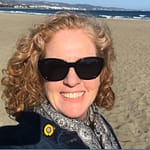
ACUE’s courses and community site feature many of teaching and learning top experts, faculty developers, and practitioners to showcase evidence-based teaching practices. Here is a brief introduction of the three guests who I can’t wait to have you hear this conversation with them. First off, Idelisa Ayala is an associate professor and she was born and raised in Caguas, Puerto Rico, and she’s always been fascinated by science.
She holds a BS degree in chemistry from the University of Puerto Rico, Río Piedras Campus, and a PhD in biochemistry, molecular biology and biophysics from the University of Minnesota, Twin Cities campus. She spent one year as a post-doctoral fellow at the University of Florida in Gainesville. She had been working at Broward College as a full time faculty member since August of 2003 in the department of biological sciences. She absolutely loves her job and she teaches genetics, molecular and cellular biology, microbiology, biology for science major students, and biology for non-science major students.
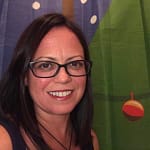
Next up we have Vanessa Hormann. She’s an assistant professor of biological sciences. She was born and raised in Suriname, South Africa. Dr. Vanessa Hormann earned her PhD in integrative biology from Florida Atlantic University. She has been a biology professor at Broward Colleges, Central campus, for over 10 years, and teaches a wide range of topics, including non-majors biology, anatomy and physiology, molecular and cell biology, and genetics. Dr. Hormann’s teaching philosophy centers around making lecture topics relatable to the students’ field of study while encouraging active learning and critical thinking.
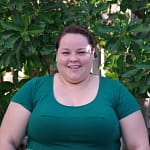
Last we have Lisa Burgess. Dr. Burgess has been with Broward College for 20 years and is an associate professor. She’s a graduate of Broward College herself, and then she went on to earn a master’s degree from University of Florida in pharmacology and a master’s in biotechnology and molecular biology from John Hopkins University. Professor Burgess’ teaching philosophy centers around application, discovery and diversity.
She teaches courses online, face to face and remote. Courses include lectures and laboratories for biology, microbiology, and medical and veterinary entomology. Courses include: lectures and laboratories for biology, microbiology, and medical and veterinary entomology. Idelisa, Lisa and Vanessa, welcome to Teaching in Higher Ed.
[00:03:54] Lisa Burgess: Hi.
[00:03:55] Vanessa Hormann: [inaudible 00:03:55] for having us.
[00:03:56] Lisa: Yes. Thanks for having us.
[00:03:58] Idelisa Ayala: Thank you.
[00:03:59] Bonni: I’m glad you could join me today. My daughter, who is six, was in here. She said– we’re kind of transitioning her out of the room, but I was asking her if she knew what biology was, and she did not. Since she’s six, this was fun for me, so I could explain what biology was, and then this probably is the last conversation we ever have where I know more than she does about the topic.
[laughter]
I’m pleased to be talking to all three of you, because you really do have a teaching philosophy that I think is so important. It’s almost like we have to forget some things that we’ve learned along the way in order to help people learn the things that we’re so passionate about. I’m so excited about today’s conversation. Thanks in advance for your time.
Let’s start then. Speaking of our daughter who is six, maybe you were 6, maybe you were 16, maybe you were 60. Tell us about a time when you can remember first growing curious and passionate about the discipline of either biology or perhaps science more in general. Let’s start with Lisa.
[00:05:08] Lisa: Oh, it was an exact moment for me. I had a family friend, I was probably in, I think 3rd grade. It was in 3rd grade, and it was a family friend who was a biologist. My mother was a secretary at a biotech company in the ‘70s. She had a friend that worked in the lab there that would always come to our house and visit and she would always try to introduce me to things and she brought me a microscope. It was a real microscope that I guess their lab was getting rid of. She brought me a microscope and she brought me slides.
She was doing cancer research on rats, so there were liver, cross-section liver and all these crazy stain slides of tissue and all of those sort of things, then she taught me how to make a wet mount, and that just opened up a whole new world to me and I was forever in the local strains and dirt and anything I could find to put under a microscope. I did for about two years. I think my mother got a little worried, but I just found the microscopic world totally fascinating. I had no idea that it existed and that was it. I just went from there.
[00:06:15] Bonni: Idelisa, what do you remember about your first interest in the subject of science?
[00:06:19] Idelisa: I remember I was in 10th grade and I was taking a chemistry class, which I was very nervous about. I had a fantastic teacher, very young. She just had obtained her master’s degree in chemistry, and she was very passionate about teaching us on the chemistry concept. The following year when I took biology, that’s when everything made sense and I knew right there and then that that’s what I wanted to be. I wanted to be a scientist. I remember that that’s it. That this is what I’m born to do.
[00:06:55] Bonni: We’ve heard in Lisa’s story something that took place outside the classroom, in Idelisa’s story, something that took place in a classroom. Vanessa, I know your story takes us on a little bit of a different path as well.
[00:07:07] Vanessa: That’s right. I’ve always enjoyed science, but I think my true love didn’t really ignite until I was about a junior in college. Part of that is because I started off pre-med because my favorite aunt was a pediatrician, but I didn’t really realize how much I could enjoy biology until I was a junior and I met my future grad advisor, Dr. Kumi, and his passion in delivering his knowledge of biology of cancer really opened up my eyes to the world of biology. It really made me want to taper down and be more specific in my studies and step away from the pre-med path and go more into the research and teaching path of biology.
[00:07:49] Bonni: I loved hearing all three of your stories. I love how different that they are. I love how vividly you remember them. We also tend to remember in our teaching, at least I hope we do, the times when we really experienced failure. I would love to have you think for a bit about a time when you came into the classroom with all this passion that had been ignited in you, in some of your cases, such a long time ago, and kind of a miscalibration for the amount of interest and passion and curiosity you already came into that space with, and how the students maybe weren’t quite having all their bags packed ready to go on this journey with you for the class. [laughs] Lisa, I know you’ve got a story on this one.
[00:08:35] Lisa: Yes. It was probably my- I would say my third year teaching and I went into a biology majors course. I was so excited because I had just taken this graduate course in molecular biology and I had all of this information about cell pathways and I was so excited about teaching them all about the RTKs and all of these great things.
I get in there and I’m writing all over the board and I’m walking around the room and I’m all passionate and loud and just really into it and I look– I don’t remember the beginning of it looking at all of the students themselves, but all of a sudden, I turn around and I’m like, “See, it works like this.” They all just looked at me and I swear to God, most of them, their jaws were just on the table, just like, “What did I walk into?” [laughs] I looked at them and I said, “You guys didn’t get any of this, did you?” and they all were like, “Nope. No.”
There were a few of them that were like, “I’m just going to pack up and drop now.” I just went so over their head, which I think is a pretty rookie thing to do, you know what I mean? Third-year teacher. I said, “Okay, you know what? Why don’t you guys just go?” I ended class early. I went to my office, took a couple of deep breaths and said, “Okay, we’re going to readdress this subject when we come back.” That’s what I had to do. I had to just stop and I couldn’t regather them. It was too late.
I think I lost a couple of students that semester. They dropped after that. Even though I said, “Hey, we’re going to come back and revisit this in a different way,” I just threw it all at them at once, I was so excited about it and they were not. [laughs] They did not have that same interest. I’ll never forget it. I must’ve turned beet red. I was embarrassed, I was mortified, but I got over it and I’m a better instructor for it though. They taught me a lesson that day.
[00:10:25] Bonni: The way that I’m asking the question, I’m realizing I’m asking it as if it’s in the far distant past. One of the things I’ve discovered in my teaching is we’re still quite capable of bringing those same things into the class. My field of study is very different from yours. At least it feels very different to me and that is leadership. One of the things that we talk about in studying leadership is how teams are formed and they go through these stages of forming, storming, norming, performing, and then a journey eventually.
Although if you say it with a New York accent, then they can all sound like the same word, so if you try that out with your accent. The reason I bring that up is that I’ve written a little bit about how they’re- not the identical patterns I just described, but a rhythm to a given course, and that there just are sometimes days where we’re just not feeling it. Usually, I can fake that feeling because I really do think that if we bring that energy, even if we don’t feel it, but if we still just bring the behavioral elements in, we can have that be infectious in the class, but sometimes there’s just nothing that can be done with the group.
[00:11:33] Lisa: I have admitted it. I have said to students, “You know what, guys? I am just not feeling it today. I am so sorry that I am not that level.” I always try to bring a lot of energy, so when you just don’t have it that day, I just tell them, “I don’t have it today, so let’s get through this.” Usually, they’ll be like, “I don’t have it either.” It’s helpful to admit that.
[00:11:55] Vanessa: Another thing to keep in mind is, besides as a professor, you might have an off day, it’s also to think about the composition of the class. I think it’s just so important. Are you teaching a morning class, an afternoon class, an evening class, and BC just has such a wide variety of students that at nighttime, usually, you have more of an older crowd, whereas during the day, it’s more of the younger crowd.
So your teaching style has to continuously adapt because that great lecture that worked in the morning, it’s not going to work in the afternoon, especially when it’s around five o’clock and everybody’s hungry, they’re getting ready to go home. You’re always continuously adjusting, but that’s one of the great things about being a professor. You’re never bored.
[00:12:39] Lisa: That’s true. We were talking about it yesterday and we were talking about how our morning and afternoon classes are really high energy and those students really want to engage and have conversations and discussions. It’s really easy to even sometimes get off-topic, but then I get to my evening class and they’re like, “Okay, what do I need to know? Give me the bullet points. Let’s get through this.”
They don’t mess around. They are very focused on the content and what they have to do to be successful. They want nothing extraneous, whereas my younger crowd, really, they’re hungrier for that. Vanessa brought that up yesterday in a conversation and I was like, “Oh my God, that’s so true. I teach them very differently.”
[00:13:18] Bonni: We’ve all got stories about times when we’ve come into the classroom and not been met with the same passion that we bring. Some of this is because of the energy levels that you were just talking about, the circadian rhythms, et cetera, but some of it is because of relevance. So many of us have taken classes in science and just not seen ourselves in there, for a whole bunch of reasons, the context that we bring, the things that we’re interested in, not able to see how they might be reflected there. I know all three of you have really been able to identify that and you started a collaboration, which we’re going to spend some time talking about now. Vanessa, tell us about Everyday Biology.
[00:14:01] Vanessa: Our little lab manual that we love so much. Everyday Biology was initiated by Lisa, who I remember barged into my office and said, “Listen, the lab manual that we have for non-majors biology, it’s no good. We need to get something new. It needs to be updated, it needs to be more relevant.”
So, we all gathered together and the concept was to create a lab manual that not only had obviously the content of basic biology for the non-majors, but gave lots of examples of how it could relate to their everyday lives, including some experiments that could be done at home so that the students can actually see, “Hey, what I’m doing in the classroom actually corresponds with what I see on a day-to-day basis, and that biology is not something to be intimidated by, but it’s something that surrounds us on a continuous basis.”
[00:14:52] Bonni: Can you give us a couple of examples of stuff that I could do at home? I’m just curious about that part. I will confess I didn’t read my homework before today’s interview. I’m just curious.
[00:15:00] Lisa: It’s okay.
[00:15:02] Idelisa: One activity you can do at home is isolate DNA from strawberries using alcohol.
[00:15:08] Bonni: Okay. Now you’re making me– You’ve piqued my interest. We actually have strawberries growing in the backyard right now. I don’t know that we have any– Oh no, no. Our daughter did just take one off the– I think we could do that. All right. Lisa, how about you?
[00:15:21] Lisa: Let’s see, we do– one of our labs, our biochemistry lab is all about food chemistry. We designed it around nutrition labels so that students could understand a nutrition label and where all those factors are coming from. One thing they can do is take iodine and test different fruits and vegetables in that looking for starch and complex sugars.
[00:15:40] Bonni: Vanessa, you’ve got one too, yes?
[00:15:42] Vanessa: Yes. Our very first lab is actually all about the scientific method. Lisa came up with the great idea of doing experiment that most of us have seen before, which is mixing the Mentos with Diet Coke, as well as different sodas … the reaction that occurs
[00:15:58] Bonni: What have you found when you teach the scientific method and it’s perhaps using your materials or may be before your materials even existed, are students most common misunderstandings about the scientific method, maybe something they learned along the way, then now realize doesn’t actually fit with what the scientific method actually is?
[00:16:17] Lisa: For me, it’s that they think it’s a linear process and it’s not. It’s a never-ending process. The answer to one question just opens up 10 more. They think it’s this start and end and it really doesn’t end. That’s a big point for me that I try to get across to them, and you can grow with it.
[00:16:39] Bonni: Idelisa, how about you?
[00:16:40] Idelisa: One misconception that they have is that they think it can only be used in a science lab. I always tell them, you can use these in your daily life when, let’s say, you turn your TV on and it’s not turning on, there goes your scientific process, let’s go through hypotheses what could be wrong. Test one variable at a time. That’s one of the misconceptions. They think it’s only used in science by scientists.
[00:17:04] Bonni: I’m cracking up at your example because that’s something we tried to overcome with our kids at an early age and they’re finding out who their school teachers are this Friday. They had had a summer program called GEAR UP to get them ready to go back to school. I told our son that I had a hypothesis.
I was trying to explain because I don’t want him to get his hopes crushed, but the teacher who had him said, “I’m so looking forward to getting to know him this year.” As of this recording, they’re going to be getting to know each other via Zoom, not via sitting in a classroom. I’m like, “She probably wouldn’t have said that if she was never going to see him.”
[laughter]
Again, I didn’t want to crush his little soul and he turns out to have a different teacher, but we talk a lot about hypotheses and yes, I do think it’s helpful to think about that it’s in lots of different contexts, and then how would you test for hypothesis. Yes, I think that’s great, but I do see that, especially Lisa, what you talked about with it being a linear process, I think I’m probably still guilty of thinking that in terms of scientific studies, et cetera, but, of course, with everything we’re living through now, hopefully, that misconception could be broken for so many of us, for sure.
You came up with this lab manual, Everyday Biology, you no doubt had to think a lot about, talk a lot about collaboration because you don’t do something not magnificent without some, I hope, stumbles along the way and figuring out a rhythm of working together and how to collaborate. Lisa, what did you discover about collaboration along the way with your colleagues?
[00:18:37] Lisa: That’s a trick question because the two ladies that I’m working with are absolutely amazing and we kind of all agree on everything. We don’t really have a lot of disagreements. There’s not a lot of things we don’t see eye to eye on in this manual, on this project. The idea of collaboration for me, it came up, I can’t do this on my own. I knew that Vanessa had actually had already addressed this particular course a few years earlier and had been met with a lot of resistance. I just got so fed up with walking into that lab and students were just bored and it was boring for me.
I really wanted to make it more interesting for me to get excited about it, to have that level of energy. The college had been doing this contextualization project with a lot of our gen ed courses, so it was just this perfect storm. I went to Idelisa first because Idelisa and I had collaborated on a few things earlier in another course.
I said, “What do you think about rewriting this, and let’s make it relevant.” I wanted something that these are freshmen biology non-majors, gen bio type of students. I said, “This class should not be hard. It shouldn’t be a mini-majors course. This should be something that they walk away from and go, ‘Wow, that was pretty cool.’” That’s all we’re asking from them. We were talking about it and we were like, “Oh my God, Vanessa has the best idea. She’s so creative.” Kind of the art creative part of it.
We asked her to join us. In collaboration, I found that you really have to listen to the other people and work with people that have strengths, different from your own. That was really important too. Idelisa is meticulous, so everything is always perfect and edited well and written well. We have three different writing styles, but she was able to show us how to conform it into one so it looked like one person wrote the manual. Vanessa just has this creativity and organization that’s really impressive. I’m just really loud and get the publisher. It just came together. Part of it is just the two ladies I’m working with.
[00:20:48] Bonni: Sometimes I noticed that when people are first writing collaboratively, that they are hesitant to touch anybody else’s stuff that they’re working on. Especially when I’ve worked on open textbooks with doctoral students, that’s where I find it actually the most prevalent, where there’s so much where they’ll put comments, but it’s like, “You could actually just delete that or change that.” They can’t quite get in the level of trust sometimes that it takes to be like, “No, you can actually change that.”
Most of them will save those changes. I know you used Google Docs for your collaboration, but really, any collaborative writing tool, the track changes part, like it’s still a history of your document will still be maintained. Did you find any of that where you had to realize, it’s going to be okay to modify each other’s stuff, especially trying to get it in one voice, that kind of thing, or did that just emerge naturally?
[00:21:40] Lisa: That came for me– Vanessa is laughing, because that came for me. I believe Vanessa is remembering dice and die. [laughs] In our Mendelian Genetics lab, we do the classic roll the dice type of thing. Another thing that students can do from home, and it’s that classic explanation of probability and those sorts of things. I am a little older, and so I would call it ‘dice.’ I was using dice, and Vanessa kept arguing with me-
[00:22:08] Vanessa: [crosstalk] die, I was like, “What is this?” It’s like … [00:22:10].
[00:22:09] Lisa: -“I think it’s die.” We just had this back and forth. Now, eventually, we just looked it up and it was correct.
[00:22:18] Bonni: Let the dictionary decide.
[00:22:20] Lisa: Yes, we went there. It was one of those things that I was like, “No, it’s dice.” I was hanging on to such a silly thing, but Vanessa was correct and Idelisa is coming in and I– With Idelisa, I always know– I’m like, “Oh, no, she’s right.” I had to let that go and I think that’s when I realized, “You know what? These ladies are amazing, and they’re going to have my back.”
They weren’t trying to change it. It wasn’t even constructive criticism. It was like, “Come on, Lisa. This is how it should work.” There’s a lot of give and take. It helps that we’ve worked together for a long time and we know each other very well. I think my favorite part of all of it is that I’ve made two really terrific friends out of it too and we look forward to collaborating on other things in the future.
[00:23:04] Bonni: I’m seeing a theme that I’d like to name that has just emerged, not from what you’re saying, but from what you’re not saying. That is, we’ve got to keep our sense of humor. I take my teaching very seriously but I really try to not take myself very seriously because if I start to take myself too seriously, it becomes about me, and it’s not about me. It’s about them. [laughs] I’m seeing that humor as a way to foster collaboration. Because if we do take ourselves too seriously– I’m ready for Lisa, you to be right. I want to go look it up because I’m still convinced that you were right. [laughs]
[00:23:41] Lisa: No, Vanessa was right.
[00:23:43] Bonni: The other thing I wanted to share too, which you just brought up a perfect segue for me is to talk a little bit about remote learning. You were mentioning the dice. It reminded me of our daughter. I keep talking about her today. I promise this is not normal for me in the episodes, but so much of it because they just went through this remote learning process. For me to have gotten to see the transformation really of their teachers in the spring to their teachers now is something I also know that you’re good at. That’s this idea.
One of the days, I sat– We have a set of stairs that there’s like a halfway point and there’s a bench there. She’s got her little iPad there, and she’s got a deck of cards, and they’re having her flip through the deck of cards, and they’re asking each kid, “Well, what came up for you next on the card?” They all have paper and pencil and they’re writing down.
Just this idea of instead of trying to pull her into the screen, which that– I mean, no one’s ever going to be as good as the things that could pull her into the screen, they love Minecraft right now, but to instead try to pull the teacher and the other learners into their context, so this whole idea of contextualization. I know you’ve been doing this a lot longer than there has been more of a opportunity to do remote learning.
I’d love to hear you share a little bit about your thoughts around bringing that context into the learning, but especially as it relates to remote learning. I feel this sense from you that it’s all remote learning because we’re taking it with us wherever we’re going into our various contexts.
[00:25:18] Lisa: I’ll start with that one. In contextualization, one of the things that we agreed on at the beginning of Everyday Biology, in terms of contextualization was, what do we want them to walk away with? That was the really big question. Do we want them to walk away with a lot of scientific knowledge, or do we want them to walk away with what Idelisa said, understanding the world around them and being able to incorporate science in their everyday life, which is why it’s called Everyday Biology.
We sometimes have gotten a little bit of criticism in that some of our experiments are elementary or they’re high school level, but you know what, that’s our student body coming in and it addresses our students very well. I think our students appreciate that the experiment is not that hard because the experiment is just something they touch and do. It’s the concept behind it and how they can use that knowledge when they move forward.
So, contextualization is a way for us to give them a scientific skill set that they can utilize throughout their lives, reading a nutrition label, understanding some statistics and probability, understanding a little bit of genetics, and how things are inherited, and all of those sorts of things, it was a really big concept for us. It was what are they going to walk away with, and what are they going to use with this knowledge.
[00:26:44] Vanessa: I also want to add that something that makes our lab manual unique is the fact that we tend to do a lot of social media interaction. At the end of each lab, we have hashtags. Some people are looking at us weird like, “Why are you doing hashtags?” Well, because if we know something about our current student body, especially the younger ones, is that they love to share everything. So that we encourage them, “Take out your phone. Take pictures of your results. Do a little hashtag.”
Each of us had to set up a Twitter account, which was like a whole another experience, because we want to keep engaging the students outside the classroom. It’s so important for students to know that teaching doesn’t stop when you’re like, “Okay, class is done. Goodbye.” We want you to keep being engaged with the material throughout the day, and just keep encouraging using all these different key terms and concepts that you’re learning in the classroom and bringing them into your real world.
[00:27:36] Bonni: How much do you find students do that? Are you following the hashtag in any way, or hashtags, and are you able to respond and see their world as it happens?
[00:27:46] Idelisa: Yes. The first time I asked them to do the hashtags, and they had to tag me, they had to tag the lab manual. I even asked them to tag the college, why not? Half of my students did it. They were actually very excited about it and they were retweeting. I even had to set up an Instagram account because it turns out, the younger generation, they love the gram than tweeter. We had to move things to that way too in order to have them participate in the social posting.
[00:28:20] Lisa: Another thing we did was we created- it’s just a design element, but we created fun names for our labs. “You are what you eat” and “Zombie apocalypse” and things like that. We did the same thing with our hashtags. We tried to make our hashtags kind of, “My cat’s a genius,” I think that was my favorite. We were talking about cat genetics. We tried to make of- I don’t want to say whimsical, but a colleague of mine used the term one time, edutainment, which sounds derogatory but really isn’t. It’s an engagement tool. That’s really what a lot of that was about too.
[00:28:59] Bonni: I get really, really not happy about like, “Oh, no, let’s never engage people. Let’s be so, so serious that no one can ever possibly become even remotely interested in what we have.” I just think that that’s not fair. I was really interested in what you said too about getting criticism about it being at the high school level. I’m actually really interested in even going even younger than that.
I will typically have on tests, “Explain this as if you were talking to an eight-year-old,” because a lot of times when you are thinking at a younger or less advanced level, that’s actually when things can fall apart in a good way. You can see that people have actually memorized words or concepts, and they actually don’t mean anything to them. I watched a video which I posted two eons ago and probably can’t find, sorry listeners, but about the way that teaching math has changed.
I learned long division, and if you ask me to explain the steps of long division and why we do them, I can’t tell you why any of these steps exist. All I can tell you is, okay, well, first thing you do, and then you carry the one, and then you do this, but it makes no sense to me other than, “Well, that’s what you do.” If that’s all my scientific knowledge exists of, are things that I’ve memorized, I’m probably not going to have the kind of curiosity to go and invent new things and cure different types of cancers, et cetera, because I can’t carry me forward enough.
I’m glad that you’ve persisted through those criticisms because you are really able to reach a lot more people. I can also picture you being able to teach to the tails that expression of, the more really beginners that otherwise will be left behind, but also, who’s to say that you are what you eat? Can’t be if I have just been an A student my whole life, that there wouldn’t be ways to go beyond what you’ve suggested and to try some different variables or challenge myself in unique ways, but you haven’t locked me into it.
[00:30:57] Lisa: One of the things we added is- it’s a lab manual. Of course, there’s a lab report section at the end where students report their data and answer questions and such, but then, after the lab report, we added a section we call the big picture. The big picture are some critical thinking or bioethics type questions. They’re questions that get the students to think about what they just learned and apply it to everyday life. I’m going back to the genetics lab just simply because it’s one that I worked on, but in the genetics lab, we talk about cat coat color genetics and dog color genetics and such.
One of the questions is simply if you were a dog breeder and you were in a very small town, why is it important that you found a dog from outside of your town to do breeding, or why is it important in the genetics of those animals to do that? We try to take scenario type questions or everyday world questions and get students to use what they just learned about in the lab section of it and apply it in a non-scientific way. How does this relate to the world? That was a key component of the contextualization.
[00:32:05] Bonni: This is the time in this show where we’re about to get to recommendations, but before we do, we want to hear from today’s sponsor, and that is TextExpander. What TextExpander lets us do is say goodbye to repetitive text entry, typing the same thing over and over again, or the spelling and message errors, and even sometimes trying to remember the right or appropriate thing to say in a given context. With TextExpander, you can say the right thing in just a few keystrokes. It’s way better than copy and paste because it’s right there.
Anytime you’re typing, you can just type in whatever you’ve established as a snippet for something. If I type T-I-H-E, I can press spacebar and that expands out to Teaching in Higher Ed. That’s just a simple example. You can program in those yourself, but you also can download samples from their samples, sometimes are just general ones that are helpful, but also you can get one specific to education as well. If you go over to textexpander.com/podcast, you can take 20% off your first year with TextExpander, and I’d encourage you to try it out.
It really can save some time, and what that means is it frees us up for writing things that take more time. I give an example of writing letters of recommendation. If I’ve got the template stuff all figured out, then I can spend more time actually with the more nuanced things of why I’m recommending them for position, et cetera. I would highly encourage you to try out TextExpander, see how easy it is to get started, and head on over to textexpander.com/podcast. Thanks once again to TextExpander for sponsoring today’s episode.
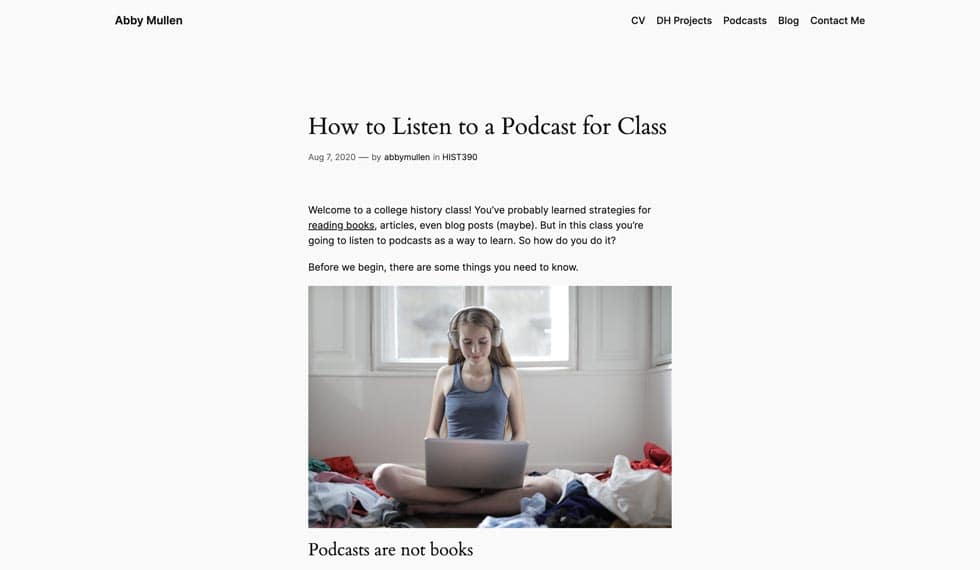
This is the time in the show where we each get to share our recommendations, and I have one. Since so many of us are going to be doing remote teaching online learning, maybe for the first time, maybe for the 50th or 100th time, I know a lot of professors are using podcasts right now. I’ve used them many times in my own teaching, and I’m excited about doing again this fall, but I found a wonderful blog post by someone named Abby Mullen who wrote How to Listen to a Podcast for Class. The whole entire post is all about things I wouldn’t have remembered to tell students about listening to podcasts.
She talks about how is listening to a podcast different than reading a book and what are some of her recommendations for listening to them. I just thought it would be an excellent thing to link to because even though more and more students have listened to podcasts, there’s always going to be a few who haven’t and I think it will make them more accessible for students who haven’t listened, and even those who have, maybe they’ve never listened for a class before and they’re nervous about will they be able to retain the information. I’m excited about sharing that for this podcast episode but also with my students this fall. I’m going to pass it over to Idelisa for your recommendation.
[00:34:57] Idelisa: My recommendation is I normally use Kahoot in my remote learning classes. We use it for reviews. Students love it. They feel engaged. I actually hold a session when we are going over the Kahoot. I share with them the link, and they’re able to go over those questions again. I feel they’re more engaged in the classroom and more successful in their exam.
[00:35:18] Bonni: I have a quick question for you. It’s a selfish one, but I suspect it’ll apply to others. Sometimes when students are early to using Zoom, or faculty for that matter, they kind of get lost with their windows. If you have them pull up another document or maybe their browser pops up in front of the Zoom window, they don’t know where they are. I find this to be particularly the case if they’re on a smaller laptop screen, so maybe they’re having difficulty managing their windows.
Are you having them access Kahoot on a browser on a computer, or are they typically then looking at you on a computer and then pulling out their phone? How logistically do you set up a Kahoot?
[00:35:57] Idelisa: We use Blackboard Collaborate. I share my screen with the Kahoot with them. So, they are looking at their computer for the question and then I tell them that they need to download the app on their phone because it’s easier, rather than them toggling back and forth between different screens.
[00:36:15] Bonni: I hadn’t thought about the app. I have had people do Kahoots on their browser, on their phones, but I think I had forgotten that there’s an app. Do you ever have them or their phone is too full and then they need to use the browser anyway?
[00:36:26] Idelisa: Yes, and then I tell them, “Well, then go into your Safari or Chrome or whatever browser you have on your device, and go into the URL, into Kahoot.it, and they enter the PIN number and they can work from that.
[00:36:39] Bonni: I saw something just two days ago about Kahoot that now they’ve limited the number of people who can participate in the Kahoot on their free plan. I think their free plan got a little less generous, but it really is a fun tool and really can be so engaging for sure. Thanks for sharing that with me. It’s been something that I wanted to try, some of these polling tools because they can be so good.
The ones that are built into tools like Zoom, Blackboard Collaborate, not as good, the polling tools. Nowhere near as fun. It’s fun to be able to bring something else into it as well. All right, Lisa, you are up. What is your recommendation?
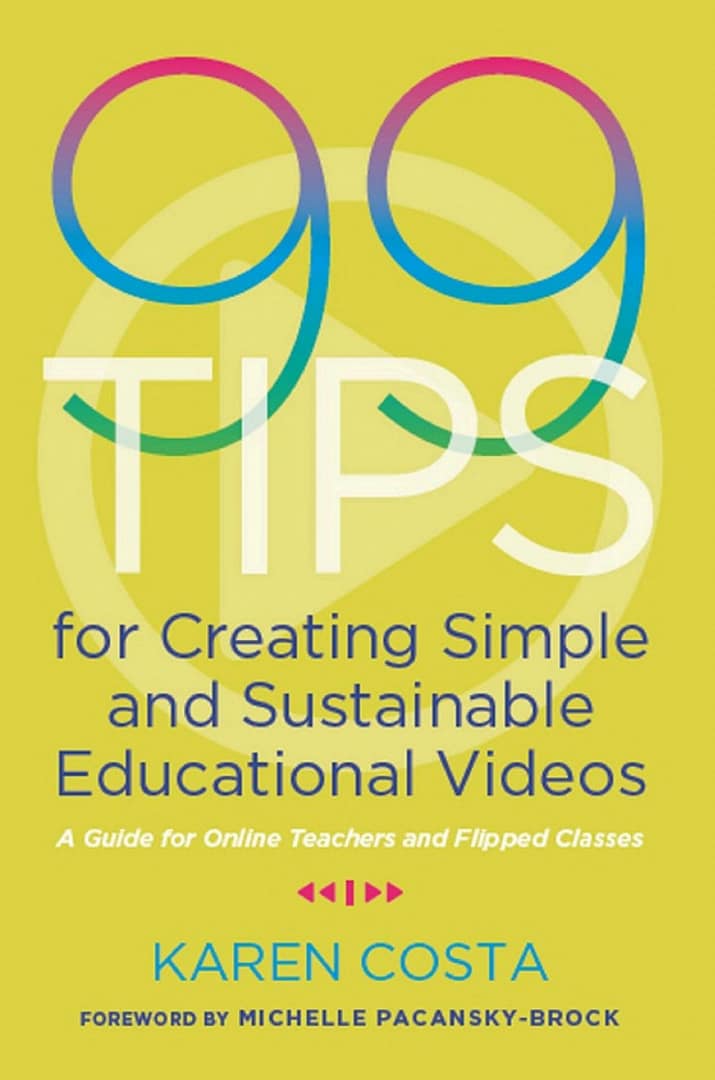
[00:37:14] Lisa: Well, with all of the remote learning and everything that we’ve all been preparing for, I actually saw a book recommendation from Mike Wesch on YouTube. He’s an incredible video creator, and he’s ACUE sponsored as well. It’s 99 Tips for Creating Simple and Sustainable Educational Videos by Karen Costa. It’s a great book because she combines why videos are important and how well they work. She also talks about humanizing as an instructor.
What really was the catcher for me is she talked about some research that she read about validating a student as a student, and it reminded me of that kind of, they call it imposter syndrome, that you’re doing something that you’re good at or you could be good at but you don’t think that you are, you think you’re an imposter, and that students very often feel that way.
I really see that in our student demographic, particularly, that a lot of times, especially older students come in and they’re like, “This is not working for me,” and through video, being able to address that and validate those students as students, and using video to communicate because our students are so visual now.
On top of, I guess, the pedagogy behind it, she also talks a lot about how to do it. It was kind of the first book that didn’t just talk about why it’s good, but it was like, “Okay, here’s great software. Here’s a type of microphone.” Some of the logistics that oftentimes in training in classes and such we miss. It’s the perfect combination to be able to create a tool and be comfortable doing it.
[00:38:54] Bonni: She’s also such a good person to me. I follow her on Twitter and just not take herself too seriously. Sometimes the best videos are the most playful ones and the ones where we’re allowing ourselves to not be as perfectionistic as we might be. That creates this mirroring sentiment of, “I’m telling you, you belong here. I’m telling you, you can do this. I’m also telling you that failure is a part of learning, and guess what, I’m going to be failing along with you sometimes too.” All right, Vanessa, how about you? What do you have to recommend today?
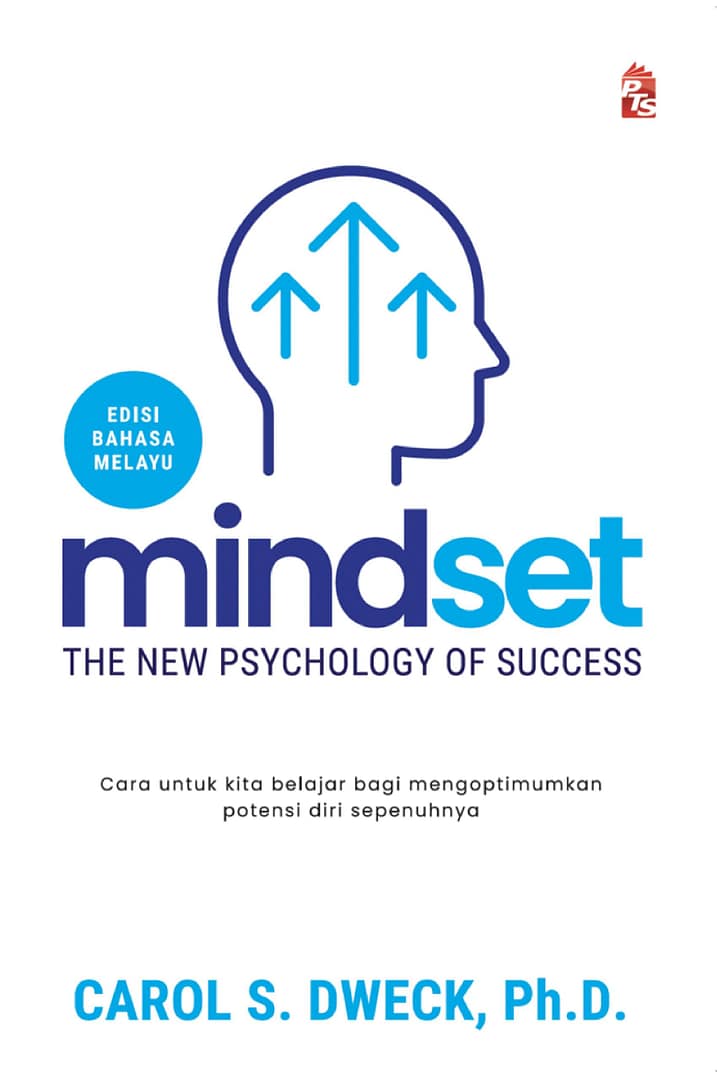
[00:39:26] Vanessa: I am currently reading a great book. It is by Dr. Dweck, and it’s called Mindset: The New Psychology of Success. It discusses the fact that at our core, we can basically be divided based on what they call a fixed mindset, meaning that you believe that your intelligence, your skill checks, those are all … related, so you can’t really grow from it. It is what it is.
Opposite to that would be the growth mindset, which is you’re willing to explore, learn new skills, and when something fails, you don’t give up but you try to find an alternative way and tackle the problem. This book was recommended at a symposium to me, and I really feel like, especially now that we are going from a face to face to more of a remote setup, I have students that email me and say to me, “I don’t think I could do this, I don’t want to do an online class.”
So it really kind of goes into the psychology of when I answer to student and when I give them examples, or when I create my assessments, to keep in mind that you don’t always have students that are really open to the process of being remote and online, and trying to come up when you contextualize with assignments that will hit the student that think they can do it, and those that are a little bit hesitant towards the process.
It’s been a very interesting book to read. It also shows you that, the way you deal with your students not only from an assessment aspect, but even when you answer their emails and you give them examples, you really have to think about the students point of view and try to answer it, it’s best to individualize it.
[00:41:00] Bonni: Idelisa, and Vanessa, and Lisa, thank you so much for coming on this episode of Teaching in Higher Ed. I’ve had such a great time talking with you today and I’m so excited to share the episode.
[00:41:08] ?Lisa: [laughs] Thanks, Bonni.
[00:41:11] Idelisa: Thank you. Thank you.
[00:41:12] Bonni: Great, thank you. Wonderful.
[00:41:12] ?Vanessa: [inaudible 00:41:12].
[music]
[00:41:17] Bonni: What a pleasure it was to talk to all three of today’s guests and to get to laugh with you and think creatively about our teaching together. Thanks to Idelisa Ayala, Vanessa Hormann, and Lisa Burgess for joining me for today’s episode. Thanks once again to ACUE for introducing us and helping with the preparation for the episode. I really appreciate all of you listening and being a part of the Teaching in Higher Ed community.
If you’ve yet to subscribe to our updates, you can head on over to teachinginhighered.com/subscribe and you’ll receive occasional updates. Been a little behind on them lately, those of you who subscribe already know that. You’ll also get a copy of 19 educational technology tools to help you in both your teaching and your productivity. Thanks so much for listening and I’ll see you next time.
[music]
[00:42:10] [END OF AUDIO]
The transcript of this episode has been made possible through a financial contribution by the Association of College and University Educators (ACUE). ACUE is on a mission to ensure student success through quality instruction. In partnership with institutions of higher education nationwide, ACUE supports and credentials faculty members in the use of evidence-based teaching practices that drive student engagement, retention, and learning.
Teaching in Higher Ed transcripts are created using a combination of an automated transcription service and human beings. This text likely will not represent the precise, word-for-word conversation that was had. The accuracy of the transcripts will vary. The authoritative record of the Teaching in Higher Ed podcasts is contained in the audio file.