Follow the Teaching in Higher Ed Podcast
About this Episode
Isabeau Iqbal shares about the peer review of teaching on episode 131 of Teaching in Higher Ed.
Formative peer reviews of teaching offer the opportunity for growth for both the reviewer and the reviewee.
Isabeau Iqbal
On episode 131 of Teaching in Higher Ed
Voices on this Episode


Show Notes + Resources
- UBC’s Centre for Teaching, Learning, and Technology’s Formative Peer Review of Teaching Resources
- Isabeau Iqbal’s Publications on Peer Review of Teaching and Dissertation
- Josh Eyler and others tweet about Faculty Owl Days at Rice University
- On Being Observed by David Gooblar
- Vanderbilt University Center for Teaching’s Peer Review of Teaching Post
Recommendations from this Episode

Transcript
Bonni: [00:00:00] On today’s episode of Teaching in Higher Ed number 131 Isabeau Iqbal shares about the peer review of teaching.
Production Credit: [00:00:11] Produced by Innovate Learning, maximizing human potential.
Bonni: [00:00:20] Welcome to this episode of Teaching in Higher Ed. I’m a Bonni Stachowiak and this is the space where we explore the art and science of being more effective at facilitating learning. We also share ways to increase our personal productivity so we can have more peace in our lives and be even more present for our students.
Bonni: [00:00:48] If you have been teaching in higher ed for any length of time you have probably already had someone come and review your teaching for one reason or another or you have the threat of it coming in at some point in the future. It’s something almost all of us will face.
Bonni: [00:01:05] And today’s guest is able to help us both be better at it as a participant in the process. And also if we’re someone that’s going to facilitate this process for someone else to help them with their own growth and development.
Bonni: [00:01:20] I’m so happy to be welcoming today Isabeau Iqbal. She’s an educational developer at the Center for Teaching, Learning and Technology at the University of British Columbia and she’s involved in various formative peer review and teaching initiatives there. She also consults with instructors on teaching and learning matters and facilitates processes and workshops designed to improve teaching and student learning and Higher Education. Welcome to the show.
Isabeau: [00:01:51] Thank you Bonni.
Bonni: [00:01:53] And I would love if you had one more time pronounce your name because I’m not sure I got it the first time but I want to make sure that everyone gets to know you and has the proper pronunciation.
Isabeau: [00:02:03] You did a great job so it’s Isabeau Iqbal.
Bonni: [00:02:06] I love it. Thank you so much. And for anyone listening that’s always wondered how the heck you pronounce my name it’s Stachowiak and my husband Dave works for Dale Carnegie training and he always says we should picture us cooking which is hard to do if you know us because we don’t do a lot but standing in front of a stove and we stutter a little bit so it’s “sta-Hove” and we’re cooking an “E” and a “yak”. Do you have any tricks for yours?
Isabeau: [00:02:32] Not too many. I try to tell people to think of “E” like “eek”. I saw a mouse. And then at the “Za” is fairly easy and bow as in bow tie. Isabeau.
Bonni: [00:02:46] It’s so important whenever we meet people to help them break down our names especially if we have difficult ones to pronounce I guess because it just makes it somewhat easier. I do that all the time for my students that I work with to help them break down my crazy to pronounce last name that I always have to make a joke about how I married into it. They can laugh with me and then feel more comfortable.
Bonni: [00:03:06] Well I’m so interested in today’s topic I told you over email that of course I have had my teaching evaluated before and then many times in my career I’ve been a part of just not even in the higher ed context but just I used to manage trainers and evaluating their teaching and helping them develop.
Bonni: [00:03:24] But I was laughing because it just didn’t occur to me that this would have been something that someone would have written an entire dissertation on which you have and I mean of course it makes perfect sense to me now that I know about but it’s just I’m so excited to talk to someone who has such in-depth knowledge and I’d love to hear how you first got interested in studying this topic.
Isabeau: [00:03:42] Yeah that it really came to me just a bit by by fluke. I’ve been working at the Center for Teaching, Learning and Technology for a number years and I had two colleagues who saw the need to develop some new some resources around peer reviewed teaching. And then they invited me to join them in offering the workshops and so over time I became really interested in the conversations that were taking place in the workshops and I also ran a community of practice for a while on peer review teaching teaching being so interested that as I was picking a dissertation topic this is the one that I was really drawn to.
Bonni: [00:04:24] And let’s start out by just really defining what is the peer review of teaching.
Isabeau: [00:04:29] Sure so I’ll quote a formal formal definition and as you know throughout our conversation we’ll talk a bit more about that. So peer review teaching has been defined as informed assessment by colleagues or peers of teaching related activities for the purpose of fostering development or making personnel decisions.
Isabeau: [00:04:50] So that definition right away points to the fact that there are different types of pure views of teaching and the terms that your listeners might be familiar with or form it is pure view teaching and summit is peer review teaching and formative is really about fostering professional growth in teaching it tends to be what’s meant to be confidential process something that happens between a reviewer where you read it’s voluntary.
Isabeau: [00:05:19] And as I mentioned really focused on professional growth and the summative which if you imagine it continue on would be on the opposite side of the continuum is about making evaluative decisions for the purposes of tenure or promotion. Merit pay.
Isabeau: [00:05:38] And in those cases the results are are not confidential they’re public. Often it’s a department head or committee that’s one that’s looking at things comparing to other people either in the department or the program and then making really high stakes decisions.
Bonni: [00:05:58] I was mentioning to you before we started recording. I have never had anyone review my teaching for any other purpose besides summative. And as you’re sharing those distinctions it makes perfect sense to me that those two things can and should exist.
Bonni: [00:06:16] But I’m trying to just envision you know tut talk to me about some of the ways in which the formative offers strengths that the summative doesn’t and some of the stories that you’ve just been able to see people have their teaching transformed.
Isabeau: [00:06:30] Yeah I think the best case scenario is where an individual would have had the opportunity to have several formative peer reviews of teaching before being reviewed summatively. And formative peer reviews of teaching really all for the opportunity for growth for both of her humor and the reviewee.
Isabeau: [00:06:58] I’ve heard this over and over and I think sometimes reviewers especially if they’re new reviewers are surprised at how much they will learn and get out of the process when they are invited into someone’s classroom.
Isabeau: [00:07:17] So we’re talking now third peer review teaching and it can be such a growth experience for for both parties. It speaks to the importance of having the right match. So I always feel that it’s such a privilege when someone invites me into their classroom to look pure observation.
Isabeau: [00:07:40] And I make sure to let people know that because it is often a private space and I feel that when someone trusts me enough to invite me in and just a you know a good peer review for a peer review teaching process involves critical careful matching.
Isabeau: [00:08:02] Also what we call pre observation discussions so if I’m invited in to a classroom we have a, the instructor and I have a conversation ahead of time. Talk about some of the things that matter when it comes to approaches and design of the teaching and often they’ll share with me things that maybe in addition to things that are going well things that they find really challenging and I feel like people are really potentially vulnerable when when they subject themselves to to a peer group you are teaching. They don’t really know how it’s going to go. And then after that would be the the classroom observation.
Isabeau: [00:08:51] There’s many different ways of doing peer reviews it may not involve the classroom observation but the most typical one way to do it is then an observation of the classroom teaching and then a post observation conversation where let’s say within two weeks the reviewer and reviewee we that’s the terms I use would meet and talk about what happened.
Isabeau: [00:09:15] And you know as a reviewer we may walk away we have a bunch of other things to do and we reflect on in on what happened in the reviewee we may be feeling very very anxious even if they’re a good teacher and a strong teacher. It’s still I have seen that nervousness so I think approaching process very gently and with a lot of care is so important.
Bonni: [00:09:42] You know that my husband has a podcast called Coaching for Leaders and of course a lot of the conversations there are about coaching. And one of the things that we find out about the practice of coaching is that the person that I’m coaching needs to want to be enter into this relationship and wants to be coached.
Bonni: [00:09:59] Otherwise I mean you can’t coach someone who doesn’t want to be coach. Is there any element of that with peer review of instruction because I know that at least in some institutions this is not necessarily something that the person has asked for the something that has been required of them? And I know there’s some lots of ethical questions here.
Isabeau: [00:10:19] Yeah. So there are formative peer reviews of teaching that are truly voluntary. And then there are others that even though the formal formal definition is that it’s voluntary what it actually means is that you know thou is required by the department to have done in two formative peer reviews of teaching before you do your sort of peer review teaching. And in that case it’s more what you’re describing. So.
Bonni: [00:10:52] Actually more of what I was describing was not what you’re saying because I actually but that I think would be healthy because the structure then is ensuring that I don’t have all of my evaluations my entire career be summative.
Bonni: [00:11:06] But that sounds like you’re describing a process that says no we want to require that you have two formative before you got to summit. I’m talking about, “Wow. My class is going so badly so many students have complained that now I’m required to have someone come observe a class because I’m really failing in my teaching,” and this would – particularly would be if I was early in my career.
Isabeau: [00:11:28] Yes. So in this case the scenario that you’ve just described where things may not be going very well in the classroom and then you get told as an instructor that one of your peers is going to come in and essentially assess what’s going on and hopefully work together again to towards get dressing some of the issues that may be met with with some relief I think most maybe more often it’s not with defensiveness and a lot of fear.
Bonni: [00:12:05] Yeah I know that I get fearful even though I have more than a decade of great teaching evaluations that it’s not like I’m wondering if this is the right field for me. But it’s just it is an incredibly nerve wracking thing especially because I always want to say it’s not always like this and I don’t mean because it’s going so poorly but just because every class is so distinct for me that it’s so hard when someone just sees it’s like you know your entire life or they just see one picture one little snapshot. It’s really it’s really it can be nerve wracking.
Bonni: [00:12:38] And I know that I’ve heard some really good advice about if we’re the one being observed some of the things that we can do to make that process better I’m trying to remember that I think it was Gooblar who writes for The Chronicle, I’ll have to look it up see if I can find it in the show notes how we could respond as the one being reviewed do have any thoughts on that advice for us if someone is coming to sit in one of our classes how we might approach that.
Isabeau: [00:13:03] Yeah I think so. Just as you said despite the fact that you might have decades of experience and high student evaluations of teaching it’s still nerve wracking. So I think my advice to someone who is about to be peer reviewed is to make sure you have at least one conversation with your reviewer ahead of time because I think establishing rapport and being able to talk about what’s happening in your classroom is is important for both of you to be able to to hear that.
Isabeau: [00:13:43] So for the interviewee to be able to express what’s what’s going on for the reviewer to be able to ask questions and to really help to map out the process because there’s best practices and peer review. But often those don’t get followed.
Isabeau: [00:13:58] So what often happens is that there’s no conversation ahead of time. The reviewer may appear sometimes with the interviewee even knowing there are cases where where that happens suddenly a reviewer appears in a person’s classroom because some departments feel that the element of surprise is preferrable over the element of being planned so that the instructor doesn’t fully script out everything and for their for their classroom that day that is really very nerve wracking for an instructor and also just to point out reviewers often feel nervous too. Even though one might think that they hold most the power the power dynamics in an interview situation are pretty complex.
Isabeau: [00:14:54] So yeah back to your question about advice. Make sure you help build rapport and establish a relationship before. I mean part of this is also determining whether you’re good for one another and a review. We are depending on the practices in their department. Can can have some say about who they want to be paired up with less so for a summer. But but for formative Typically yes.
Bonni: [00:15:18] It was David Gooblar and I can’t believe I actually remembered that because this is from the back when, when was this written? Was a while ago. When my brain actually works that surprises me.
Bonni: [00:15:27] Anyway one of the other pieces of advice that I really liked he said was to acknowledge that the persons there. Yes. I mean in my classes there were 30 people it’s not like they’re not going to notice the person sitting in the back of the room they’ve never seen before, to acknowledge that they’re there and and that really helped. At least my most recent evaluation helped just as all feel better about it. And the students and I could explain to them why he was there and how important it is at our institution we have a high quality education and how much we learn from each other.
Isabeau: [00:15:57] Yeah. Some instructors do that. The class before they’ll let their students know that there will be a guest and what that’s about some of them do it the day of you may have noticed a new face in the class you know that and be able to explain it and frame it in terms of their growth as a as a teacher or maybe the requirements of the you know the department or the program.
Isabeau: [00:16:20] And you know which also reminds you that back to the nervousness piece and sometimes a reviewer has to rush off right after and you know go to another class or meeting and when possible, I think it’s a really nice thing for the reviewer and the reviewee just to be able to touch base at the end of the class and for the reviewers to just say a few encouraging words.
Isabeau: [00:16:44] Because sometimes our face may be make it seem like we’re thinking one thing when perhaps that could be completely interpreted by the by the you see as discontent or who knows what. So you know a warm smile and an encouraging words just to connect with one another right after is a great idea.
Bonni: [00:17:08] That’s so important. I learned very early in my career that – [laughing] it sounds so silly, but… But, the better someone was doing as a presenter at getting me to learn something incredibly new for me – that really challenged my way of thinking – the more likely I was to look like I was horrified because I get these little crinkles in my eyebrows and I’d be furiously taking notes and all that meant was, “Wow. Oh my gosh I’ve never thought about it that way before,” and “Oh this is so,” but the expression completely was disconnected from what I was actually experiencing.
Bonni: [00:17:41] And I think I think I perceive that I’m generally a person who is pretty transparent that my facial expressions and body language do tend to match but not in that particular instance where I had to condition myself. Now literally when I’m watching him someone give a presentation I’m going: Are your eyebrows up? Are we smiling? And then even taking notes to be recognized that that can be a really threatening thing for some people even just the act of taking notes.
Isabeau: [00:18:07] “Why are you writing so much?” Oh my gosh. And which reminds you we’re talking about the other piece that I think is really important in that pre- conversation is to talk about what your goals so you are the person being reviewed. What are your goals what motivated you to request this for you and even if it wasn’t requested. What are you hoping to get out of the process.
Isabeau: [00:18:32] Because let’s say you know Bonni you’re going into somebody’s classroom. You you could potentially be observing 20 different things going on because of the experiences that you have and maybe only one thing really matters to that instructor will mean the last thing you want to do is overwhelm them with a whole bunch of recommendations. But if you can in good coaching fashion really focus on what it is that they want to get out of the process and really make that whole peer review teaching cycles center around that. I think it’s just so much so important.
Bonni: [00:19:09] That’s really powerful. I’m I’m looking forward to learning more about that preprocess because that’s not something that I’ve experience and also not something I spent a lot of time. I can see how much of a difference something like that would make.
Isabeau: [00:19:20] So do you just out of curiosity have you experienced the post process because sadly that piece often doesn’t happen so someone will come into the classroom. Maybe there’s a pre conversation. There’s a classroom observation and then there’s no conversation that happens after. Now of course this tends to be much more the case for summative. But that I just feel this is almost criminal.
Bonni: [00:19:49] Ten years ago was the last time I had the post conversation. So that’s to say it’s been a while. I must say this is not the last time I was evaluated. And I think because I have a fairly healthy confidence in terms of that I’m in the right line of work that that that is somewhat more OK but it’s still not ok.
Bonni: [00:20:07] I mean I think as leaders in higher ed if we are responsible for evaluating someone else’s teaching and I think might as well have not done it at all.
Bonni: [00:20:15] And to not close the loop with them because the gift that you can give them it’s like you told them I’m going to give you a gift but actually then you never give the gift to take it back then.
Isabeau: [00:20:24] Yeah yeah. It’s so true. And then you know when we consider the summative peer review teaching it’s one thing for the reviewer to close the loop with the with the reviewee and and to. I always encourage the reviewer to share what they’ve learned in the process so it’s not this one directional thing that happens that the reviewee also sees a let’s say to put in your language you know the gift that they have also given to the reviewer.
Isabeau: [00:20:56] Often what happens is that there’s no closing of the leap at a higher level. That is the department head or Program Chair who we know is reading that report or we hope is reading that report because it was required from a policy standpoint. You know how meaningful it would be for them to send a quick note to the instructor and say Hey I just read the report you. So glad that things are going well are exciting to read about the innovative things you’re trying in your classroom and that’s why often people get people being instructors get quite cynical about the process especially in the summit is peer reviewed teaching because it just seems to evaporate into the ether.
Bonni: [00:21:50] In the last year or two I will occasionally see flurries of tweets and the the most recent example would be from Josh Eyler who is the Director of the Center for Teaching Excellence at Rice University. They do something and I don’t remember what it’s called. But at Rice it’s a it’s an entire week of classes where U.S. professors go and sit in each other’s class and there’s a name for it. And that’s always a hash tag.
Isabeau: [00:22:17] Open classroom.
Bonni: [00:22:18] OK. And then I think they do that at Yale too, a different name. So I’m starting to see things like that that I’m getting really interested in that I think would be helpful for my institution. Is that an example of the peer review of teaching?
Isabeau: [00:22:31] Definitely the open classroom which is the term that I’ve been familiar with it is is most definitely a type of peer review of teaching and I think it’s a really exciting initiative. I’ve heard of some departments taking that on simply because because they recognize that it’s it it’s great practice and a wonderful way for colleagues to get to know each other and what’s happening in each other’s classroom and to share you know good practices.
Isabeau: [00:23:05] And then other times it becomes something more formal like what you’re mentioning where it’s actually a university wide initiative. And when I’ve spoken with colleagues who has had a hand in organizing this type of initiative it seems like it’s really positive.
Bonni: [00:23:24] I really get captured. I want to go to everybody’s lectures just from seeing the tweets that make out there it looks really fascinating. I’ll try to find some examples of these kinds of initiatives if I can maybe I’ll send a quick email to Josh too and find out the name of it because I am just not being able to find it through my Google at the moment.
Bonni: [00:23:44] But yeah they sound really really like a great thing but also just to bring the community together and to maybe shave off some of the negative sides of this because I think that you are celebrating the excellent as opposed to punishing people who are really struggling and not. I mean punishment should never be a part of it but when we focus I guess on the bottom 20 percent for lack of a better example I mean you’re just missing so much of an opportunity of what we can learn from one another.
Isabeau: [00:24:11] Yeah for sure. And I think that there’s so many potential benefits to pure view of teaching. And I have heard from from many people that I’ve worked with about about the growth and how exciting it was to develop something together or talk about something together you know with the with respect to their teaching and sometimes it ends up being more of an ongoing relationship where there is neutral mentoring that that happens over time so it can go in a whole bunch of different ways.
Bonni: [00:24:52] Is there anything I haven’t asked you yet about the peer review of teaching before we go to the recommendation segment?
Isabeau: [00:24:58] I think we were chatting a little bit beforehand. But you know if someone in an institution where this isn’t happening and they’re curious to know about it there is a lot of information. And I know you’re going to be linking to some to some sites that have really well developed and resources there.
Isabeau: [00:25:18] And so I would say that if this is something that an individual is interested in there are a lot of people with huge amounts of experience doing this sense. And so to reach out.
Bonni: [00:25:31] I’m so glad that you brought that up and by the way anyone that wants to get to the show notes for this episode they’ll be teachingathighered.com/131. And Vanderbilt has an incredible post all about peer review of teaching and if you wanted to get started doing something like this that you pretty much couldn’t go wrong by starting there. And then of course also looking at your dissertation as well be a good a good sort of grounding for people to begin this process.
Isabeau: [00:25:59] Yeah. So no I think that I think we’ve covered some of the hot spots.
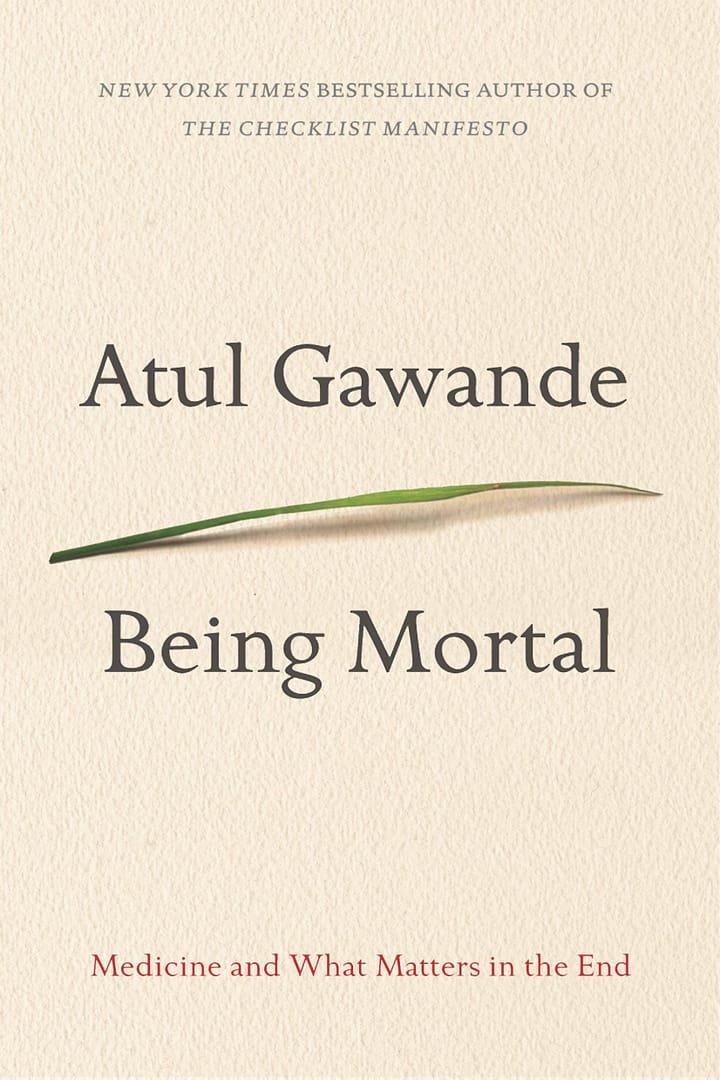
Bonni: [00:26:05] This is the point in the show in which we each get to give some recommendations. And I wanted to share about a book that I read and I’ve been hearing about this book for a very long time it’s by Atul Gawande. And I first read his book called The Checklist Manifesto and I’ve talked about that on previous episodes in fact did an entire episode about checklists a while back.
Bonni: [00:26:27] And so I knew he I knew he was the kind of author who just is such an exceptional writer. I mean who could think that you could make a book about checklists riveting that you can’t wait to turn the page. Well he has done that with medicine. He’s a he’s a surgeon but he also has his own experience with the death and dying of family members. And so he can take the professional but also blend it with his own powerful personal stories.
Bonni: [00:26:55] And so he wrote a book called Beyond Mortal: Medicine and What Matters in the End and I had both read an article I believe he wrote in The Atlantic when the book first came out and had heard a lot about I mean it’s been recommended for a long long while now but I kept staying away from it because I thought that well I’m not really cause I thought I already had gotten the point because what it is is gosh you know we spend so much medicine the very last you know couple of days or weeks of someone’s life and that that may not be the best quality of an end of life experience.
Bonni: [00:27:29] So I thought like well there’s so many wonderful books to read out there. This one’s a bit on my list of ones I want to read but it just didn’t bubble up until this trip that I took to the OLC conference had lots of time to catch up on my reading but I was completely. This book has that but it has so much more to because it’s looking not just at the last couple of weeks of one’s life but really even before that.
Bonni: [00:27:52] And I do have a family member who is starting to show some real signs of needing additional care in their lives and so they ended up being far broader than I expected. I thought it was just going to be like days weeks kind of thought of stories. And it’s it really is about you know sort of the last chapters in our lives and he is such a brilliant writer. If you’ve not read his books before he’s so good so I recommend Being Mortal: Medicine and What Matters in the End.
Isabeau: [00:28:20] I remember hearing your podcast on the Checklist Manifesto wondering how geeky I could be to be getting so excited. So it’s on my list of things to read but it was it just seemed like a really good read. Do you have another one?
Bonni: [00:28:38] Oh no. That’s it. It’s your turn. I’m sorry. I was listening so intently to what you were saying. I forgot to ask you now what do you have to recommend?
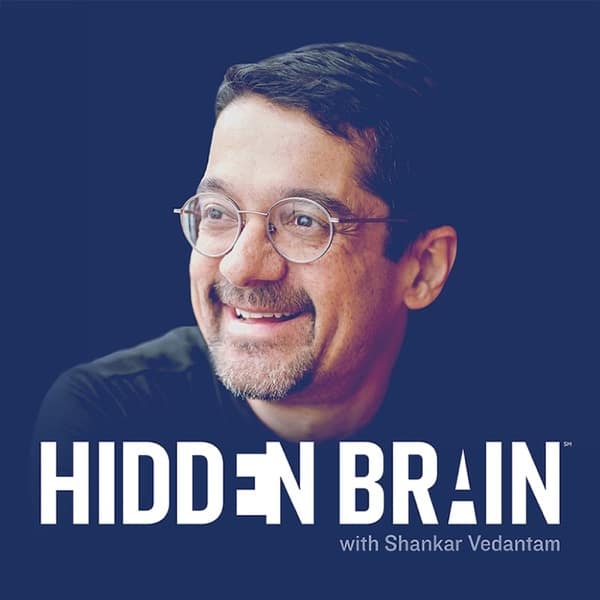
Isabeau: [00:28:48] Didn’t want to jump in without you being finished. So I have a few things to recommend. So when there’s two podcasts that I’d like to recommend and one is The Hidden Brain which is an NPR podcast which is just fabulous. Do you listen to that one?
Bonni: [00:29:02] No. I was, I’m laughing because I’m like that’s not what I need, my queue is so full. But it sounds so good. Tell us more.
Isabeau: [00:29:10] Well it really looks at some of the unconscious patterns that drive human behaviors. Take for example and this is relevant because we were chatting a little bit before the show started. He’ll look at AirB&B and patterns of response or reaction to people with let’s say recognizably black names (if there’s such a thing) versus what might be a name we associate with more about a white person. So I mean that’s just one example. But he’s he is the host way of storytelling and the team. They just produce such an amazing podcast. It’s really wonderful.
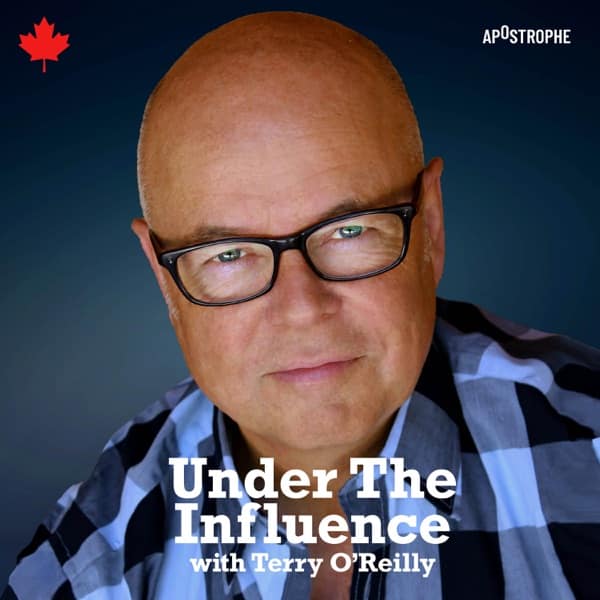
Isabeau: [00:29:53] And then another one which I think you might like and I absolutely love this one it’s called Under the Influence and it’s by Terry O’Reilly. It’s produced by the CBC Broadcasting Corporation and looks at again psychology how with marketing and advertising and it is so well done and it has a short season. Can’t remember where he is when he starts up again but the episodes are about 30 minutes long and they are brilliant absolutely brilliant and so I thoroughly enjoyed those two podcasts.
Bonni: [00:30:30] I’m kind of cracking up because I don’t think Andrew is going to be able to edit out my childlike excitement that I just showed while you were talking because I’m teaching a consumer behavior class in the spring and I did share about this previously when I had on the author of teaching what you don’t know that because I was just about to experience that last year I taught it for the first time so I’ll be teaching it for the second time coming up.
Bonni: [00:30:53] And I love taking students out of the classroom and having them listen to a podcast and go for a walk together. It’s such a nice thing to do and of course we’re right here in beautiful Southern California. They can go walk on the bay in Newport Beach it’s so beautiful.
Bonni: [00:31:10] And this sounds perfect as if it’s 30 minutes that’s just exactly the right length and this will be a class that we look at these kinds of issues so I’m so excited about that I’m excited about both of them about what is really a treat for me.
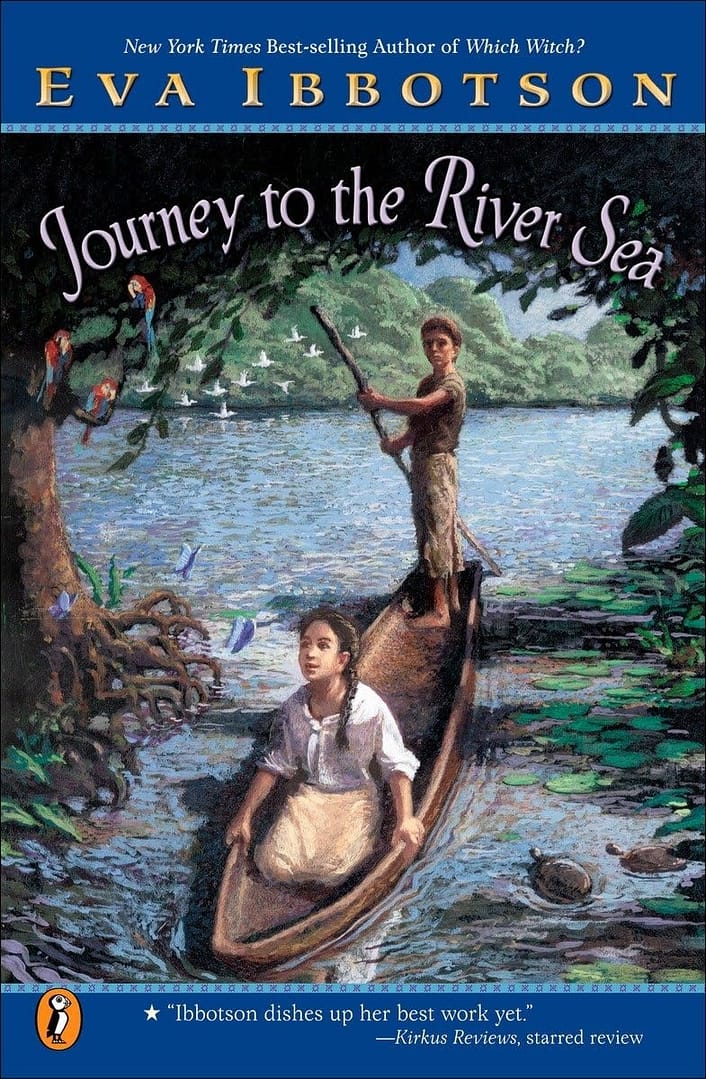
Isabeau: [00:31:20] It is so good. And then the other one is, it’s a book so or an author Her name is Eva Ibbotson and she writes children’s books and I have a 15 year old and an 11 year old and I’ve read her books out loud to both my children and have just loved them in both cases.
Isabeau: [00:31:42] With my younger child right now to re read these books and revisit them and she is a beautiful writer and some of the books that we have enjoyed the most her Journey to the River Sea, Star of Kazan, she’s written a number of others. I highly recommend those. Whether you have children or not she’s just a wonderful author.
Bonni: [00:32:05] She sounds wonderful. I’ve definitely got her added to the list. Well, you have such good ones for me. It’s like you picked him out just for me. There you go. Well it has been so fun getting to know you and I didn’t actually say that at the start of the show but I feel like I already know you just because you’ve been such a loyal listener and part of the community. You’re not a quiet listener, I mean in the sense of I’ve heard from you regularly and you’ve really contributed to making what this show is today and I know you’ve been doing the same thing for days my husband with his podcast too. We both really value you because you just help us do a better job be better at what we do.
Isabeau: [00:32:40] Well thank you. You both do outstanding work.
Bonni: [00:32:43] Well, thanks. It’s such a pleasure to get to talk to you and I look forward to the conversation continuing.
Isabeau: [00:32:48] Thanks Bonni.
Bonni: [00:32:51] Thanks once again Isabeau for coming on and sharing with us about the peer review. If you would like to review this show (see what I did there?) – it would be wonderful to help others discover the show you can do that on iTunes it’s super easy just to put a number of stars up there to write your reflections on what it’s like to listen to the show and thanks so much for listening.
Bonni: [00:33:16] If you want to have all the show notes that we type up for these episodes along with a blog post or higher ed in a single email delivered to your inbox every week you can subscribe at teachinginhighered.com/subscribe and when you do you’ll receive a copy of the guide 19 tools to help you use technology in your teaching and productivity. And that all happens automatically and again just a single week so I hope you’ll consider joining in the conversation. Thanks so much for listening. I’ll see you next time.
Teaching in Higher Ed transcripts are created using a combination of an automated transcription service and human beings. This text likely will not represent the precise, word-for-word conversation that was had. The accuracy of the transcripts will vary. The authoritative record of the Teaching in Higher Ed podcasts is contained in the audio file.