Follow the Teaching in Higher Ed Podcast
About this Episode
Norma Montague shares of her experiences going from awareness to action, interrupting bias in the classroom on episode 618 of the Teaching in Higher Ed podcast.
One thing that my work on inclusive teaching focuses on, is really being able to understand your learner's motivations.
Norma Montague
On episode 618 of Teaching in Higher Ed
Voices on this Episode


Show Notes + Resources
- Norma Montague at Wake Forrest University
- Episode 425: Inclusive Teaching with Viji Sathy and Kelly Hogan
- Inclusive Teaching: Strategies for Promoting Equity in the College Classroom, by Kelly Hogan and Viji Sathy
- Quiet: The Power of Introverts in a World That Can’t Stop Talking, by Susan Cain
- Mind over Monsters: Supporting Youth Mental Health with Compassionate Challenge, by Sarah Rose Cavanagh
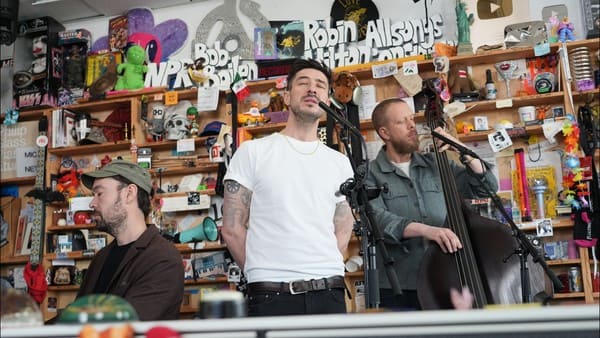
- Tiny Desk Concert: Mumford and Sons
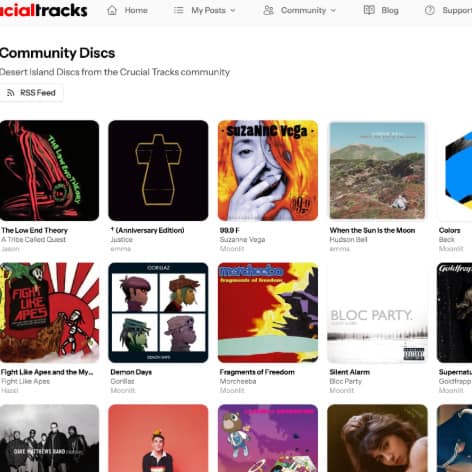
- Crucial Tracks
- Alan Levine’s Cool Tech RSS Feed
- Mix It Up Scratch Off Date Nights
Recommendations from this Episode

Transcript
EPISODE 618: From Awareness to Action: Interrupting Bias in the Classroom
Bonni Stachowiak [00:00:00]:
Today on episode number 618 of the Teaching in Higher Ed podcast, From Awareness to Interrupting Bias in the Classroom, with Norma Montague.
Bonni Stachowiak [00:00:15]:
Production Credit: Produced by Innovate Learning, Maximizing Human Potential.
Bonni Stachowiak [00:00:24]:
Welcome to this episode of Teaching in Higher Ed, I’m Bonni Stachowiak, and this is the space where we explore the art and science of being more effective at facilitating learning. We also share ways to improve our productivity approaches, so we can have more peace in our lives and be even more present for our students. In today’s episode, I’m joined by Dr. Norma Montague, Associate Professor of Accounting and Senior Associate Dean at Wake Forest University School of Business. Norma brings, as you’ll hear in this interview, a rich and varied teaching background, from teaching at community colleges to a correctional facility. And all of these experiences have shaped her deep commitment to reflective and inclusive teaching.
Bonni Stachowiak [00:01:20]:
As you’ll hear, we explore how hidden biases can show up in our classrooms, what it means to conduct a classroom audit, and practical ways to ensure students feel seen, supported, and challenged. Norma shares powerful stories and strategies for fostering belonging, rethinking participation, and continually improving our teaching with intention. Norma Montague, welcome to Teaching in Higher Ed.
Norma Montague [00:01:51]:
Thank you. I’m delighted to be here.
Bonni Stachowiak [00:01:53]:
I was recently asked to write a forward for a book, and I’ve never written a forward for a book. So first, the first step was, what is the difference again, between a forward or a preface? All this to say, I ended up getting to write and reflect and think about, over about a month’s time, of my very first experience teaching as an adjunct. And I know you also have your own experience of your very, very first time teaching as an adjunct. And I invite you to do a forward of your own for the episode we’re having now and tell us about that experience.
Norma Montague [00:02:34]:
Oh, my goodness. So if I think back, it was almost 30 years ago now, and I had been working at a public accounting firm. I think you know this, that I was an accountant and I had the opportunity to teach at a community college. And I really didn’t have any formal training in education. So I thought back to who were my favorite teachers and what did they do? And I thought, I need to be engaging, I need to be well prepared. So I spent days writing out my notes, and as the day came closer and closer, I spent the last two days, not refining my notes, but throwing up from how anxious I was about getting to the classroom. And it really, it turned out just fine. It was an exciting, invigorating experience to be in front of the students.
Norma Montague [00:03:33]:
And from day one, once I got over the nausea, it was- I was hooked, and I made the transition from public accounting to teaching.
Bonni Stachowiak [00:03:44]:
What are some of the memories that you have about those favorite teachers and what they did? Any big themes that you can reflect on today?
Norma Montague [00:03:51]:
Gosh, I think the ones who are the most memorable for me are the ones who got to know me, the ones who knew I was in class. It was the, the professors, instructors, even tutors who helped me feel seen and heard and took time to get to know me and to learn my… to really understand my learning style, to motivate me. And that’s one thing that my work on inclusive teaching focuses on, is really being able to understand your learner’s motivations. Because it’s not a one size fit all. People have different styles and different backgrounds. They bring different experiences, stresses. Just like I had my favorite teachers, they have theirs. And so it’s really important to understand where the students are, and how I can design a learning experience that can meet them where they are as well.
Bonni Stachowiak [00:04:50]:
And we certainly don’t want to turn those early years at that community college, we don’t want to turn those students into a monolith because that would be going against being inclusive teachers. But what are some of the things you can tell us in general about the students that you taught back then?
Norma Montague [00:05:05]:
Yeah, so in my first year at the community college, I quickly was exposed to a really diverse range of learners. So during the day, I taught students who were recent graduates from high school, so they were in the 18 to 20-year-old range. Some had good study habits, some didn’t have the same resources that others had, but they were just post-high school, still learning to shape their study habits. In the evening, I taught adult learners, and so they came with a very different mindset and background to the classroom. They also were very exhausted by the time they got to class at 6 pm. Many of them had full-time jobs and families, and so they were motivated to make the most of their time while they were there. Now, interestingly, in that first year at the community college, when I interviewed, the dean asked me how I would feel about teaching inmates. And this is back when behavioral interviews were gaining popularity. And I thought, “oh, okay, they’re just testing me”.
Norma Montague [00:06:15]:
They’re asking to see how I might respond to an incarcerated individual. And I said, “Well, I would have absolutely no problem teaching at a prison, provided the students had the resources that they need, that they were sufficiently motivated, that they were going to prepare”. And I didn’t hear anything else about it until I received my first teaching assignment. And I had my schedule, I had my courses. I was going to teach the locations. And next to one of my courses, financial accounting, is that HCI? And I looked at my map again, this is in the 90s.
Norma Montague [00:06:50]:
We didn’t look things up online, and that I couldn’t find HCI on my map. I went to the department chair, and I said, ” Well, where’s building HCI?” And he said, ” Oh, that’s Harnett Correctional Institute”. And I thought, oh, my gosh, they were serious about the prison. And so that was one of the most fulfilling experiences that I ever had. And I taught at the prison for four years. And tying this back to motivations, every single student has a different motivation. And so here I was with a group of students who had at some point disappointed either children, parents, spouses, friends, and they were looking to be, to feel valued, to feel recognized, to feel important.
Norma Montague [00:07:45]:
So it was really a memorable experience to go into a group, to work with a group of students who were eager to be seen, eager to be validated and affirmed in their efforts. So that was a really unique experience that helped shape my approach to teaching.
Bonni Stachowiak [00:08:03]:
And we’re going to fast forward now through the magic of our memories, and invite you to share about an experience later on in your teaching, where you started to have some data that may have shown you that your teaching wasn’t quite living up to your values in terms of wanting to be inclusive, in lots of senses of that word.
Norma Montague [00:08:28]:
Yes, so, given the many different students that I’ve worked with over the years, I really felt like I was an inclusive teacher. And then I signed up for a peer learning community here at Wake Forest University. And the focus of the peer learning community was inclusive teaching. And one of the things that they challenged us to do was to think about opportunity gaps in our classrooms, also known as equity traps. And I thought, well, I don’t think I have any of those. And one of the activities that we engaged in was a classroom audit. And we had another faculty member come into our classrooms and map out the classroom and the gender distributions. They did an audit of how many times I called on different students.
Norma Montague [00:09:24]:
It was eye-opening to receive the report at the end that I was calling on male students more frequently, and they were taking more of the airtime in my classroom than I even realized. And so the report included a breakdown of gender, and ethnicity, race. And it was just really interesting. And it wasn’t that I favored a particular demographic. It’s that sometimes the same students raised their hands, and it was just easy for me to call on those that were proactively engaging in the discussion, or sometimes they answered without even raising their hands. And some of my other students, who might require a little bit more time to process or maybe they are not as comfortable with the English language, they might have been taking time to process what I was saying, think about their response. They needed a little bit more time to translate back to me, and they were not having an opportunity to engage in the class discussion. So that was, that was eye opening for me.
Bonni Stachowiak [00:10:31]:
As I hear you reflect on your story, and thank you so much for the candor there, it’s reminding me of, I by the way, I also have had similar situations where my classes would be recorded and going through a type of audit, or using one of those ways you keep score on the kinds of questions that are asked and who is talking and for how long and classifying them. It’s always fascinating. It can be tempting for us to think about these things in terms of ourselves and thinking, I mean, you said, you said so confidently, I didn’t think I had any of those things. And most of us, most of us, you know, on certain seasons of our life, might have absolutely believed similarly. And the temptation is then, if we, we think about ourselves as individuals, is then to try to apply an individual quick fix.
Bonni Stachowiak [00:11:30]:
You know, I don’t want to put words in your mouth but, but horrified to discover that you don’t seem like a person who would have wanted to have called more on the males. But the way that you told that story has some nuance in it that I want to make sure listen listeners picked up on. Because I heard you recognizing yes, of course, all of us should recognize the parts in which we contribute. Yes, but also recognizing we exist in systems. And so you were starting to describe some more systemic things. As you said, sometimes they would raise their hands and they were the only ones who were and sometimes they would even say it without it.
Bonni Stachowiak [00:12:10]:
So I wanted to call attention to a distinction that I heard there and it reminded me of some of the reading I’ve done and thinking and working that, instead of trying to overcome our biases solely and fix them, perhaps what it might look like to interrupt them. And that doesn’t mean it’s an either or thing. It’s a yes and, please, by all means, let’s be self-aware. Let’s have these systems, let’s have someone come in and audit our class. I know many universities have set up data where you can see where those opportunity gaps or equity traps may exist with grades. I know a lot of universities looking at those DFWs. And are the DFWs disproportionately turning out to be X, Y or Z demographics? But I’m curious now about what ways, yes, of course we could, we could hear and learn from you attempting to be self-aware about those biases. But I’m also curious if this word interrupting is at all. Were there strategies and techniques that you were able to employ that yes, helped correct the thinking, but also actually could interrupt the bias that then doesn’t have to rely on human beings to entirely overcome our biases, which I’m not sure I think we ever can do. So that was a really long question. I apologize.
Bonni Stachowiak [00:13:31]:
But anything on interrupting biases?
Norma Montague [00:13:36]:
Yes. So I think the very first thing is awareness, as you mentioned. And I just noted, I did not even recognize that I, you know, I was not aware of some of my biases. For me, I mentioned the peer learning community, and that was really helpful because when we started that group, the very first question was, ” Who is included in your classroom?” We had a hard time answering it. And the facilitator said, actually, let’s think about it this way. Who’s excluded in your classrooms? And when you start going through and thinking about who’s excluded, you really have to think about how they are excluded. And when you start sharing stories with peers, there are different examples that might resonate with you. For example, one of my colleagues said, I think maybe student athletes are potentially excluded.
Norma Montague [00:14:39]:
And I thought, well, why is that? Well, they have additional pressures on them. They sometimes have to miss class. They spend a lot of time preparing in between games on buses. They don’t have the same comfortable environments to study. They don’t have the same amount of time. And I thought, okay, I can see how that is an opportunity gap. So how do we close that opportunity gap? And I think that’s the question. And that might be reaching out to those student athletes, maybe having flexible deadlines for student athletes.
Norma Montague [00:15:18]:
So the closing of the gap, I think, is really helpful to just exchange ideas with colleagues. One of the ideas that I learned from a colleague who had recommended a book was the idea of rebranding office hours as student hours. And I’d never really thought about this. So what does a student today think that an office hour is? Is that when the professor just sits at the- in their office and catches up on work? Or is there a way to simply communicate to students these hours, this time is for you. So let’s call these “Student hours”. And earlier I said, you know, it’s important for me to meet a student where they are. Well, let’s take that literally and think about where I am. I’m a senior associate dean in a business school.
Norma Montague [00:16:10]:
My office is behind glass doors, behind a receptionist, and I’m typically dressed in a suit. Is that a barrier for a student? Is that intimidating for a student to come up in their jeans and their casual clothes, go up to a receptionist and say, I’m here to see Dr. Montague? They might just not even come because they don’t want to go through and have everybody looking at them, or they’re looking at people working in glass offices. So those student hours, I tend to hold them outside of my office. I think it’s also important to help students understand that there are different ways to engage with student hours. And this is from a, this idea is from a book that I read, Inclusive Teaching, by Hogan and Sathy. And they recommend helping students understand how they can interact with you. So they have a sign on their office that says for student hours: we greet, we meet, we work.
Norma Montague [00:17:14]:
And so if you want to just come by, and greet me and just chat, you can schedule a five-minute meeting. Or if you need traditional help, you might do a WeWork meeting. So I think it’s important to help students understand what those student hours are for and how they can get the most out of them.
Bonni Stachowiak [00:17:37]:
That is such a great example. I’m loving so much of what you just shared because part of it was, you mentioned that you had heard about this in a book, and I instantly thought, I wonder, as soon as you shared what it was, I wonder if that’s Kelly and Viji’s book. And sure enough, you have said that. But there’s a sense of you coming together in community, being vulnerable enough and being surrounded by other colleagues presumably also willing to be vulnerable about what they’re experiencing. And then also recognizing we don’t have to do this on our own, and we don’t have to reinvent this. There are a lot of people who are studying these things and who are looking at these and, and just the way in which you two brought it back to helping people be not even just welcomed. You’re, you’re not, you’re, you’re unwelcoming yourself. You’re deciding that my current context is not very welcoming.
Bonni Stachowiak [00:18:32]:
So I’m going to go to a place that would be more comfortable potentially, but also then helping them even see what might this look like? What, what could this experience look like so they understand how to maximize the opportunities to get to connect. I want to, for a moment, go back to the- what you had your, you came, you had someone come in and do the audit. What. What did you do then when you discovered that you were calling more often on male students than females? What were some of the strategies you took? Or what did you do next?
Norma Montague [00:19:04]:
So I, before I answer that question, I want to share also that I took some inspiration from another profession.
Bonni Stachowiak [00:19:10]:
Oh, please.
Norma Montague [00:19:11]:
I went. I went to a doctor’s appointment, and the doctor came in and said, do you mind if I have a scribe? And I thought, well, okay, no, I don’t have a problem with a scribe. And she said, the reason I have a scribe is because I want to listen to you. I want to be able to really hear what you’re saying and focus on this visit, not be distracted with writing things down. Well, it also serves another purpose. And every time I go back to that doctor, she has reviewed those notes, and she’ll ask me about the project that we talked about last time and how my boys are doing. And so she has built- established this personal rapport with me that engenders trust and, you know, this feeling of familiarity, and she really cares about me.
Norma Montague [00:20:02]:
So I took a page from that book, and I said, you know what? I’m going to have a TA in my class. Someone who’s there at the beginning of class, someone who’s there through the end of the class. And the TA’s role is to take notes, she’s the scribe or he. And every time students give examples or they answer questions with personal anecdotes, I now have a record of that, and I can study it, review it, and really get to know my students. So, how this ties back to the audit is almost like I have a continuous audit now, because I’m able to review my notes and see, oh, I heard from Mary today. Or, you know, I really haven’t heard from James in a couple of classes. Let me make sure that I touched base with James and see, is he keeping up or is something going on? And sometimes I find that students aren’t very confident.
Norma Montague [00:21:03]:
They don’t feel safe, or they feel a little vulnerable to speak up in class. So I’ll reach out to that student in advance and give them a little warm call, give them a warning that I am going to call on you in class today. And I’m going to ask you about this. How do you feel about this question? Do you have any? Can I help coach you through it because I really want to bring you into the conversation. So that’s one approach. I also vary the ways that students can participate in class so, you know, using polling questions or some pair and shares, group work.
Norma Montague [00:21:39]:
Those are ways where students can still contribute, feel heard, feel seen, and be able to participate in a way that makes them more comfortable. Because when students feel safe in the classroom, then they’re going to contribute, invest. That’s when I find that I can really increase their rigor and challenge them more. And as long as they feel supported, most of my students rise to the challenge.
Bonni Stachowiak [00:22:07]:
Your story could not have been any more perfect for not relying on some instant cure for our biases, but instead to interrupt them. And your story also, is emblematic of not thinking that we just fix this and then we’re done. That we continually need to build systems and structures that don’t rely on human failures, but that instead can have a little bit more neutral observations being made, in this case by a teaching assistant, in order to continually gauge, not solely based on demographic groups, but your person by person.
Bonni Stachowiak [00:22:45]:
Because every person that’s in those classes matters, and every person that’s in those classes wants to be seen and- But that they would have different default settings themselves, right? About how comfortable they might feel. You’re reminding me that actually Viji Sathy, one of the authors of the book that you mentioned, Inclusive Teaching, she recently mentioned on social media that she has reread, or is in the process of rereading, a book by Susan Cain. It’s called Quiet: The Power of Introverts in a World that Can’t Stop Talking.
Bonni Stachowiak [00:23:19]:
It doesn’t surprise me at all that Viji would have been reading that book. And also that you just described a situation where. And one of the things I remember vividly that that Susan Cain talks about in that book is it’s not that introverts don’t want to talk, and it’s not that they can’t talk. They will do better being able to reflect and think, they’ll take a pause. The introverts in the room are the people who want to listen to a lot because they have taken that thoughtful approach and, and have considered it internally before they’re prepared and then energized to share that externally.
Bonni Stachowiak [00:23:46]:
And I’ll put a link in the show notes in case anyone isn’t familiar with the book. It was put out quite some time ago, but it’s still timeless. I think one of those things, the Power of- It’s called the title by the way, I should say the subtitle because it’s so perfect, Quiet: The power of introverts in a world that can’t stop talking. And what Norma just described for us, this idea of a warm call. Do you want to talk a little bit more about, in case people haven’t heard this expression, what a cold call is, what a warm call is, and how these ways of thinking about calling on students, anything else that comes up in your own teaching context of how you think about when you call on students and how and what kinds of things come to your mind now?
Norma Montague [00:24:39]:
Yes. So the cold call for it, for me, how I utilize the cold call is you’re in class and you, you just ask a question. So, “Bonni, how do we depreciate this fixed asset? What method should we use, and what are the tax implications?” So, just in the classroom, Bonni does not know that I’m going to ask her. The warm call is just giving the student a little bit of notice that this is coming. Sometimes I do it the day before, sometimes I do it even during class, where I will say, all right, we haven’t heard from any- from everybody, and haven’t heard from Bonni yet. So I am going to get to you and maybe you could about how and I prompt them and give that person who needs the extra time to process, that space to process. Or I might say, well, I haven’t heard, I might think I haven’t heard from Bonni.
Norma Montague [00:25:34]:
I know that, you know, it’s a little bit out of her comfort zone. So I will say, okay, we’re going to break out into groups to pair and share. If I have not already heard from you, then I’m going to expect to hear from you here. But that way they’ve had a chance to test out their answer with a partner, and that also builds their confidence.
Bonni Stachowiak [00:26:00]:
In the book Mind Over Monsters by Sarah Rose Cavanagh, she really stresses, it’s a book about mental health, and she stresses that support and challenge need to go together. One without the other is not the, not the way to go as educators. And what I love about the warm call is it’s respecting people’s differing communication styles, different comfort levels, etcetera, while still applying that challenge. You aren’t not calling on students because they’re uncomfortable. You are just giving them a heads up so that they can engage in a way that might be most relevant to them.
Bonni Stachowiak [00:26:44]:
I have done this frequently with, if any version of Think Pair Share, and there’s of course so many versions of how we might do that, but to try to give someone a heads up, hey, I want to hear from you. But then also to leave a little bit of pressure on the rest of the room, and to leave it out there that I’m- we’re going to hear first from, we’re going to break up into groups for you to discuss this. And then I’m going to call on this person first and then a couple others, too. So we’ll get some input from people over here, too.
Bonni Stachowiak [00:27:12]:
Because it’s kind of like if you think that you might be asked to share, I’m not, not doing this in some threatening way, but just to, just to make sure we all have the expectation that we are in this together. This is a learning community, and we are all going to be expected to contribute to it. But it’s, it’s in a, it’s very subtle, isn’t it? I’m curious if there’s anything else that you want to add before we get to the recommendation segment about this role of the TA. What else might those of us who have TAs be thinking about ways that they can serve?
Bonni Stachowiak [00:27:45]:
And I love your medical example, by the way. I was, when you were telling a story earlier, I was thinking of, I, oh, gosh, I’ve had so much medical stuff going on with my family, which I’ve shared briefly on other episodes and stuff. And I thought, you’re not going to talk about medical stuff because you’ve already, you know, like, like, I don’t want to say nobody cares, but it’s just like you’ve already told medical stories. Don’t tell a medical story on this. And then I was like, well, Norma brought up medical things.
Bonni Stachowiak [00:28:11]:
So anyway, I’m curious what you’ve got for us in terms of other ways we might think about, not necessarily just TAs, although that, I mean, I think there’s a lot we could do there, but just other strategies for us about offloading things appropriately to be able to be more inclusive on our teaching.
Norma Montague [00:28:30]:
I’m trying to think of ways beyond- let me go back to the TA. Yeah, my students, they feel like the TA is part of the, the group. Like, they really get to know the TA as well. And that’s just another safe person who’s there to support them and get to know them. And sometimes they will go to the TA before they come to me because they feel like, okay, this is someone closer to me, more like a peer, but it’s connected to the professor. So they might say, do you think that Dr. Montague would do an extra review session? Or do you think that you could tell her that we don’t understand this concept? So, there’s someone there who just creates another connection to me, and I think that’s another benefit.
Norma Montague [00:29:23]:
But really, those, those class logs are so helpful because the students, I don’t know that they even realize that I have those. And I look at them before class, and I can remember, okay, Jennifer mentioned that she was late to class last time because her roommate was sick and needed her help. And so I can come in and say, well, how’s your roommate? And I genuinely mean it. So it’s not insincere, but it does create that connection where the student knows, wow, she really cares about me. She cares about my roommate.
Norma Montague [00:29:58]:
She’s an empathetic, caring professor, who’s taking the time to get to know me. And those logs now serve me for years to come. You know, I forget those personal students, and there are times where I need to reach out to an alum for something. Or maybe I remember this alum was from Florida, and now I have a student who’s just starting and would like a connection to somebody from Florida, or maybe a job connection. But it does- it’s my Rolodex, for those who remember what a Rolodex is.
Bonni Stachowiak [00:30:33]:
That’s fantastic, the way that you’re describing this. I heard two things in what you just shared. The first thing I hear is reducing. Really? It’s an intimidation. It’s a power differential is what it is. You seem so approachable to me, and yet I also think of myself as incredibly approachable.
Bonni Stachowiak [00:30:55]:
And I had a student once, years ago, tell me they wanted to interview me for some assignment. They were in student leadership, and they had to do it. And she. This young woman looks me in the eyes and says, well, you were the least worst person to. To have chosen from all of our business faculty. What she meant by that in context was the least intimidating. I mean, that. So, like, she was terrified. She said she was nervous. Speaking of throwing up, you know, she just, like, this was incredibly challenging for her to do. I would have told you if you had asked me. How would she feel about coming in?
Bonni Stachowiak [00:31:28]:
I thought, well, of course she would be. I mean, look how- look at me! Look how approachable I am. Ever since that day, which it may- it still makes me laugh, obviously to this day. But ever since that day, I have to recognize I am nowhere near as approachable as I perceive myself to be by students. It just- there is a power differential there that no matter what I might ever attempt to do to reduce those barriers is just going to exist. So you’ve given us this example with the TA where you have, again, it comes back to interrupting the systems, not trying to put it all on yourself, as if you could cure or fix that about yourself. That’s kind of baked in a little bit, especially because you’re not just yourself, but you’re every teacher they’ve ever had, until they get to know you. So that, that you can’t really erase that from all students’ memories, and just expect that they would somehow trust you enough to feel that level of safeness.
Bonni Stachowiak [00:32:17]:
So you’ve, you have appropriately built this structure up, where they can get what they need in other ways. And to have another person that could be, that they could perform help-seeking behaviors with, as it relates to your class, and just how, how powerful that is. And then just, I heard you as you were talking about the TA, recognizing the valuable role that they play in your ability to be present to that very class session that you’re planning.
Bonni Stachowiak [00:32:50]:
You know, preparing for all the things present that day, but then even present in the future, for how you might be able to connect students with alumni. I mean, it’s just, it’s just really lovely. So thank you so much for all these examples. Before we get to the recommendations segment, I wanted to take a moment and thank Poll Everywhere for being such a great partner with me for an entire year. I get the fortunate role of getting to share with you about twice a week, a tip on how to use Poll Everywhere, or services like it to engage our students. The one I’ll be sharing today is one of my favorites. I didn’t wait too long to share it with you.
Bonni Stachowiak [00:33:35]:
And that is, you’ve probably seen these before. Nine different boxes, like the Brady Bunch style, for those of us who remember the Brady Bunch. And each one has a different photo. I have seen it with cats. How are you feeling today on a scale of cat and nine different cat faces? Or it might be Muppets, and actually there’s a lot more than nine boxes for the Muppets one. Many, many different Muppets to get a sense of how you’re feeling, and how these can work on Poll Everywhere is, you can have a tappable or a clickable image. So if you’ve got the nine boxes of the cats and you’re feeling like the one in the middle, then you can tap or click on that middle image and register that.
Bonni Stachowiak [00:34:25]:
My suggestion on this one is it’s great to hide people’s responses, and give them a minute before you show where everybody landed, and be willing to toggle on and off the responses so people can get a sense. Because if you’ve got a lot of people going, then the entire cat or the entire Muppet may be all filled up. And you want to give people a chance to weigh in on how they’re feeling. I like to do this one a lot, where I’ll do a scale of cat, how are you feeling today on a scale of cat? And then I made up a scale called a scale of bike. And there’s all kinds of fun things you can do with tappable or clickable images. And thanks once again to Poll Everywhere for being such a wonderful partner and giving me this opportunity to share about how powerful it is to engage learners.
Bonni Stachowiak [00:35:20]:
I’m going to have us now share our recommendations. This is the time in the show where we each get to share our recommendations. And I have a musical one. I know I’ve recommended Tiny Desk concerts before. I continue to love Tiny Desk concerts. I think that the YouTube algorithm just has me all figured out, so when a new one comes up, here you go, pops up to the top of the list.
Bonni Stachowiak [00:35:39]:
This one is Mumford and Sons. And I even think I, I’m almost positive I’ve recommended some live. I really like them performing live. So I believe I’ve done another song that they performed live that I just keep coming back to. But yes, this Tiny Desk concert has four of their songs. I believe three of the four I recognized, and one was new to me. But it wouldn’t even matter if you didn’t know.
Bonni Stachowiak [00:36:03]:
It’s just gorgeous harmonies, beautiful folk, folk rock, kinds I don’t even. I can’t classify them. I’m sure many people have, but I can’t. Just really good listening, and it’s a fun concert. They don’t talk a lot during the concert, but it is fun. They share a couple of things. They, you know, welcome people in and then at the end it’s just a lovely, lovely Tiny Desk concert. Of course, I shall admit to you, I have never seen a Tiny Desk concert that I didn’t like. So you should take that under consideration before clicking on the link and following my advice.
Bonni Stachowiak [00:36:33]:
And then the second thing I wanted to recommend, and final thing I want to recommend is, that I- listeners, if you’ve been listening for a while, you know that I love music. And just love, love, love it. I, about a hundred percent of the time in my life, have a musical soundtrack that plays in my mind, in my imagination. And I came across a social media website because you’re probably thinking like, wait, really? We need another social media website?
Bonni Stachowiak [00:37:05]:
But hear me out here. And I want to first mention, I heard about it on Alan Levine’s Cool Tools RSS feed. So every time he bookmarks a cool tool, technology tool, I automatically have it come into my RSS feeds, which I absolutely love.
Bonni Stachowiak [00:37:23]:
So this is this social media is called Crucial Tracks. And how it works is every day, should you choose to, but a maximum of once per day. They’re really big believers in let’s not overwhelm ourselves with just 20, 30 posts, whatever, just everyone that is, that belongs to this community, just once per day, a maximum can share an important song in our lives. And I’m going to read from their description here: Crucial Tracks is a music journal with a simple idea. Share the important songs in your life. Every member gets one post per calendar day. And what they have is they have daily prompts.
Bonni Stachowiak [00:38:09]:
And if you can’t think of what song you might want to share, they’ll have a prompt for that day, which you can either use or use one from their back catalog of prompts, or come up with one of your own. Maybe there’s just been a song playing on the music track of your head that has nothing to do with whatever they want to recommend.
Bonni Stachowiak [00:38:27]:
They call this, by the way, Slow Social Music Community, and that’s, once again, the just one post per day. And I’ve had such a great time going through their prompts. And they had what? One that I recently did was, what’s an intro instrumental song that you like a lot? And another was, I didn’t actually do this one, but I saw other people’s posts about the first concert that they ever went to. I can’t remember the first concert I ever went to. So I didn’t, I didn’t.
Bonni Stachowiak [00:38:58]:
I didn’t participate in that one. And so that’s my recommendation, and if you do end up joining or checking out Crucial Tracks, I’d love for us to follow each other. Because of course, music and this sounds like something for you, it’d be really fun to follow each other and to get to be introduced to some new songs through that, too. So I’d love to hear from anybody who does decide to have a look at Crucial Tracks and maybe even join yourself. So now I’m going to pass it over to Norma for whatever she would like to recommend today.
Norma Montague [00:39:26]:
Okay, so I have what I think is a very fun recommendation. It is a product, a box that is called Mix It Up Scratch Off Date Nights, and it includes 52 date night challenges. So you have a year’s worth of date night ideas. And what’s fun about it is that they are small cards the size of a normal playing card, but they are more like a lottery ticket. And so you don’t know what the idea is. So my husband and I commit to scratch one off together every Monday. So we have an entire week to figure out how we’re going to incorporate the activity, and most of the activities, they don’t cost a lot of money. It’s designed to be $30 or less.
Norma Montague [00:40:16]:
So I have my, my card from this past Monday. And our date night is to be a sketch artist. So each of us has to take a piece of paper and a pencil and sketch your partner. In the background, also sketch three things that they love the most, and then don’t forget to pin it to the fridge when you’re done. And so it’s just- they’re cute ideas for how to connect, and it just gives us something to look forward to each week. So they’ve been a lot of fun.
Bonni Stachowiak [00:40:50]:
Do you have any others that you would be willing to share? I’m so curious.
Norma Montague [00:40:54]:
I’m a scratch. Another one.
Bonni Stachowiak [00:40:56]:
I meant, like, ones that you’ve done already. I hate to ruin your scratching.
Norma Montague [00:41:01]:
Oh, that’s okay. We have 52 of them.
Bonni Stachowiak [00:41:06]:
This is real-time listeners, real-time. The suspense, here we go!
Norma Montague [00:41:11]:
And it’s like winning, winning a prize here. Okay, this one requires more effort. For this one, you have to find the nearest zoo and spend the day looking at the animals. Find the type that best represents your relationship. And so that might be one that- our zoo’s about an hour away, maybe we have to do it online and find a virtual zoo.
Bonni Stachowiak [00:41:36]:
What do you do then? If- do you have any, like, I’m trying to think of what it would be like. I’m gonna pass, like. Like, do you get to pass them if it’s just like-
Norma Montague [00:41:43]:
Oh, no, there’s no passing. It would be too easy to say no, and then we’d get out of. I’m a rule follower. We’re gonna follow the rules for the 52 weeks. But I’ll tell you one more. Create a homemade pizza using $5 and at least three toppings. Using metaphors, come up with reasons for how each topping translates to your relationship. So there’s that prompt that helps you connect with your partner.
Bonni Stachowiak [00:42:16]:
Oh, I love it so much. Well, thank you so much, I’m cracking up. For listeners who may not, I mean, I think it came out pretty clearly in the conversation, but Norman’s discipline is accounting. That’s what I mean. She mentioned the class that she teaches earlier as well as it coming out in her bio. But we leave it to the accountant to make sure that every card gets used and we don’t get to pass these things. You’re not, not taking shortcuts on this one. So fun.:
Norma Montague [00:42:43]:
We take a little bit of liberty sometimes, but we tried. We tried to do it.
Bonni Stachowiak [00:42:49]:
Norma Montague, thank you so much for joining me on today’s episode and for bringing all these ideas, and principles, and integrity to today’s conversation.
Norma Montague [00:42:58]:
Well, thank you so much for having me. It was a lot of fun.
Bonni Stachowiak [00:43:03]:
Thanks once again to Norma Montague for joining me on today’s episode of Teaching in Higher Ed. Today’s episode was produced by me, Bonni Stachowiak. It was produced by the ever-talented Andrew Kroeger. And if you’ve been listening for a while, and you haven’t signed up for the weekly Teaching and Higher Ed update, I encourage you to head over to teachinginhighered.com/subscribe. You’ll receive the most recent episode show notes, as well as some other resources that go above and beyond those foundational resources. Thank you so much for listening, and I’ll see you next time on Teaching in Higher Ed.