Follow the Teaching in Higher Ed Podcast
About this Episode
Bethany Morrison shares civic professionalism and how disciplinary identity shapes civic discourse on episode 632 of the Teaching in Higher Ed podcast.
Democracy needs to be born every generation. We can't just assume it... Every generation, we have to kind of rebirth it, and it has to happen in our schools.
Bethany Morrison
On episode 632 of Teaching in Higher Ed
Voices on this Episode


Show Notes + Resources
- Promoting Democracy, Fostering Skills (Bethany Morrison, CRLT Substack)
- Selecting Classroom Activities for Promoting Democracy (Bethany Morrison, CRLT Substack)
- Promoting Democracy Teaching Series (Ginsberg Center)
- How My Profession Influences Policy: Assignment Guide and Instructions
- A Framework for Planning and Facilitating High-Stakes Discussions
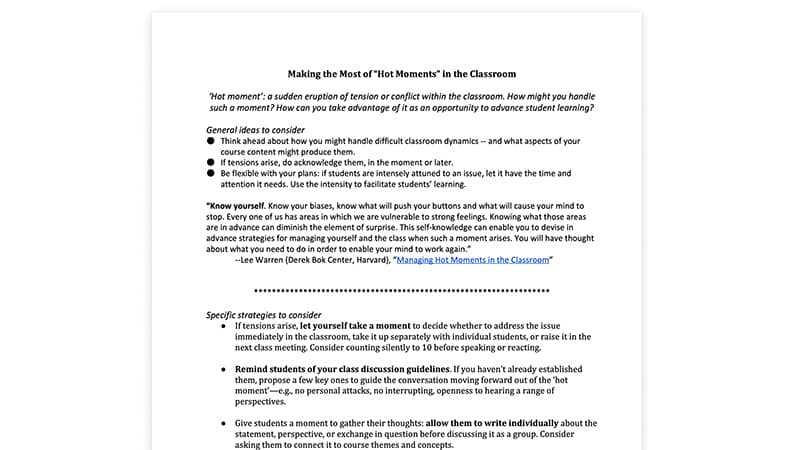
- Making the Most of “Hot Moments” in the Classroom (CRLT Handout)
- Talking Maize & Blue (University of Michigan)
- Center for Research on Learning and Teaching (CRLT)
- Ginsberg Center for Community and Civic Engagement
- Dignity: Its Essential Role in Resolving Conflict, by Donna Hicks
- UMICH Votes
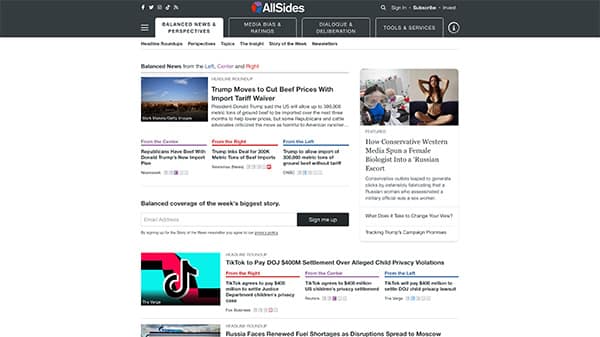
- AllSides
- Finch
Recommendations from this Episode
Transcript
EPISODE 632: Fostering Skills for Civic Life with Bethany Morrison
Bonni Stachowiak [00:00:00]:
Today on episode number 632 of the Teaching in Higher Ed podcast, fostering skills for better civil discourse, with Bethany Morrison.
Bonni Stachowiak [00:00:12]:
Production Credit: Produced by Innovate Learning, Maximizing Human Potential.
Bonni Stachowiak [00:00:21]:
Welcome to this episode of Teaching in Higher Ed. I’m Bonni Stachowiak, and this is the space where we explore the art and science of being more effective at facilitating learning. We also share ways to improve our productivity approaches so we can have more peace in our lives and be even more present for our students. My guest today is Dr. Bethany Morrison. She’s the assistant director and an adjunct instructor at the University of Michigan’s Center for Research on Learning and Teaching.
Bonni Stachowiak [00:01:01]:
She co-leads the Promoting Democracy Teaching Series, a collaborative between CRLT and the University of Michigan’s Ginsburg Center for Community and Civic Engagement, which helps instructors across academic disciplines bring civic learning into their courses. This past semester, as you’ll hear in our conversation, Bethany taught an asynchronous Introduction to American Government and Politics course where, on top of her full-time role, she designed a capstone assignment she calls How My Profession Influences Policy. Students used it to explore everything from beauty professionals and the tax tip credit, sports journalists and the FCC media ownership rules, actuaries and the Social Security Trust Fund, and a whole long list of other connections that were so new and surprising. In our conversation, Bethany introduces the idea of civic professionalism and shows how disciplinary identity can become a foundation for civic identity. We talk about preparing for those hot moments in class, the value of asynchronous structures that allow students to think before they speak, and what it looks like to model the language we hope our students will use to talk about hard things in the future. Bethany Morrison, welcome to Teaching in Higher Ed.
Bethany Morrison [00:02:35]:
Hello. Thanks for having me.
Bonni Stachowiak [00:02:37]:
As we are getting started, I’m going to invite you to take us back in time. Would you take us back to 2024 Halloween night? And really, one of those moments I’m sure you want to reflect on as just a pivotal moment of success. I say as someone who can so relate to this story.
Bethany Morrison [00:02:56]:
Sure. So in the US in 2024, in October, we were a few weeks away from the US presidential election, a very big moment in our democracy. There are lots and lots of folks who feel very strongly about both the candidates. And I also should mention in this story that I have twin— at that time, they would have been 6-year-olds. And we were going trick-or-treating in our neighborhood. We live in a suburban neighborhood. It is ideologically diverse. And I had, at the time, I hadn’t noticed, but looking back, I was kind of reflecting on how weird it is that this one time in our, you know, we’re pretty new to the neighborhood.
Bethany Morrison [00:03:37]:
One time we’re getting out there and really interacting with our neighbors also happens to be one of the most heated moments in the American political cycle. And on top of that, my kids, they knew how I was going to vote, and they knew I felt strongly about how I was going to vote and how my spouse was going to vote. And so they were reacting to the signs they saw. At that time, it was the election was between Kamala Harris and Donald Trump. And they were reacting in our neighborhood as they walked up to the doors to ask our neighbors for candy. And in this story, I think you’re referencing, they, on their walk up the driveway, booed a sign. And I was really— I didn’t know what I would do at that moment.
Bonni Stachowiak [00:04:16]:
Yes, I can. I can imagine because we have all these thoughts about how we would maybe want that time to have gone and then, I mean, all the context of it as well. Well, we’re going to come back to that story as we close out our main interview. So we’ll press pause on it for now.
Bethany Morrison [00:04:36]:
Sure.
Bonni Stachowiak [00:04:36]:
But I’d like listeners to get a little bit of a sense before we start talking some more about strategies, but just around values. And I’d love for you to share a bit about John Dewey and how his work shows up for you and your work, but also within the context that you work too. There’s some shared appreciation for his work and rootedness.
Bethany Morrison [00:04:59]:
Yeah. And so, so I don’t have a background from a school of education. You know, I’m a political scientist. So the main way I’ve interacted with John Dewey is this particular piece he wrote, I think, I don’t know, 1920, where he was writing about how democracy needs to be born every generation. Like, we can’t just assume it every, you know, that it just will continue on and on and on. Every generation we have to kind of rebirth it, and it has to happen in our schools. And he’s really highlighting that public purpose of universities. And that’s really a guiding principle for me in the work I’m thinking about doing or the work I am doing.
Bonni Stachowiak [00:05:34]:
And it sort of to me adds some color back to the story of your kids.
Bethany Morrison [00:05:39]:
Yes, absolutely. Sorry, I should have made that connection. I was thinking about how my kids, 6 years old, they hadn’t learned how to interact in a community setting, and what kinds of things would be appropriate to say. And I think values, I’m glad you said that word in particular because there were 2 values going on at that moment. There was the part of me that wanted to be a respectful neighbor and live in a community that doesn’t agree. But then I was also the part of me that’s trying to not be my Midwestern repressed self and tell my kids, you can’t talk about the things we care about. So, you know, to say that politics are off the table. So there was a really- it wasn’t a clear-cut situation because I wanted them to know that we believed the things we believed, that it was important to us.
Bethany Morrison [00:06:20]:
And also, how do we hold those beliefs and share them with others and also be in a community where not everyone’s gonna agree with us?
Bonni Stachowiak [00:06:27]:
Next, I wanna ask you a little bit, ’cause it’s so relevant to these stories that we’re bringing up, is a project that your university worked on because so much of this is preparation. Because we can better handle these situations if they show up in our lives in our relationships, but also in our teaching. And it has to do with this project called Talking Maize and Blue. Would you tell us a little bit about this project? And then I’ll read a quote from a colleague of yours, Paul Resnick. But first we should share with listeners what this is.
Bethany Morrison [00:07:00]:
So I’m telling you this as a person at Michigan, but who wasn’t directly involved in the project. I kind of saw it afterwards, but it was a pre-orientation or pre-first day of class orientation, kind of those trainings that all incoming students have to do. But it was around the idea of kind of building the expectations for students of what it’s going to be like to be on campus, and how it’s kind of normalizing the idea that we’re going to talk about big ideas. It’s okay to disagree and kind of practice setting those expectations. You can only do so much in a, in a thing like that. But I think one of the things that really stuck with people was that there was an interactive component. Where you could answer- I think the question was about pizza and what you liked on your pizza- but some interactive moments where students could see how other people had answered the question, and kind of just visualizing differences of opinion in the class or in the incoming class.
Bethany Morrison [00:07:51]:
And I’ve done that in my own individual classes, wanting to help students see, like, look, we don’t all agree on this stuff. Usually I’m not talking about pizza. Usually I’m talking about what we think about whether the government should regulate businesses when there’s environmental concerns. And I think students can assume that everyone’s going to be like them when they go to the next place they go to. And so that’s kind of the neat thing about Talking Maize and Blue is that it automatically sets the standard, you know, the expectation. This is something that we’re going to do here at Michigan and showed students in a nice interactive way that we’re already going to be times where we disagree, and that’s okay and normal. It’s a cool program.
Bonni Stachowiak [00:08:25]:
I’ll read Paul Resnick’s words here then.
Bethany Morrison [00:08:27]:
Sure.
Bonni Stachowiak [00:08:28]:
This program, Talking Maize and Blue, is grounded in the idea that disagreement isn’t a problem to be solved. It’s an intellectual opportunity to be cultivated. We want students to understand that not everyone around them thinks the same way, and that’s not just okay; it’s part of what makes Michigan extraordinary. And I just love, I love this idea of when you’re in solidarity with other people, it creates a lot more opportunities for students to learn at those deeper levels. And I’m very inspired by your modeling for us what preparation can look like there. And would you tell us a little bit about the kinds of preparation we might want to make before students even get there, but specifically around community norms and how we might set those together with students?
Bethany Morrison [00:09:25]:
Yeah, so I mean, if you’re teaching a course where you’re going to— I mean, you anticipate that there’ll be a lot of discussion, whether the discussion is going to intersect with policy or social issues or politics or other things that people feel very strongly about. One of the principles that we often recommend is setting some community discussion guidelines, kind of talking together as a classroom community about how we want things to go when those hot moments come up later. So agreeing early on, when things are cool, how do we feel about instances when this happens, or that happens? It’s great when we can do it together as a, as a community. Sometimes that doesn’t happen based on your context. Maybe you as the instructor provide a few and then get some feedback on what folks think about it. But I think one of the things I’d wanna highlight if we’re gonna bring this up is that it’s super important that that’s not a one-off.
Bonni Stachowiak [00:10:17]:
Mm-hmm.
Bethany Morrison [00:10:18]:
It doesn’t work if it’s a one-off. Students forget it just like they forget the syllabus. So the idea is that this is something we’re gonna come back to and come back to. We’re gonna, you know, when you know this particular class period’s gonna be at salient and possibly one that could bring up conflicts, like you bring it up again and you practice language to say in a hot moment, let’s stop and take a look back at what we said we would do when these kinds of things come up. And so I think that’s a practice that’s in your toolkit for situations where you know that students might disagree. And disagree strongly.
Bonni Stachowiak [00:10:48]:
Oh my gosh, yeah. I’m hearing you say 2 things. One is it’s a toolkit for us and to have that language as part of our repertoire. And then 2, that it’s a toolkit for them. And if they don’t ever see it again, then they’re not going to be able to access these tools in the class, let alone being able to access these tools in the future when it really will help them in their lives. You used a word which I don’t want listeners to miss. You didn’t say if it happens; you said when it happens. And would you share a bit more about the kinds of prep that you do when you’re going into a situation?
Bonni Stachowiak [00:11:30]:
Where you can anticipate, I mean, you might be teaching a class for, you’ve taught it multiple times, or you just know this is a topic that in general creates some different perspectives. What kinds of things in addition to- and by the way, I want listeners to know the show notes are gonna be rich, rich, rich with all kinds of resources. Bethany’s been very generous, not just to us, but I mean, such a contributor on her campus to equip us for doing this, including this framework that we’re talking about. But what other kinds of things are you doing to prep for that?
Bethany Morrison [00:11:59]:
So I really wanna highlight a resource that my colleague made. I didn’t make it, but we use it in our programming around integrating democracy and civic learning in the classroom. And that’s the hot moments facilitation strategies for hot moments. We have 2 different frameworks. One is about planning a discussion, you know, a discussion that you’re going to have, you know you’re going to have, you know it’s going to be high stakes for students. That’s like the framework for planning. But then lots of times we have hot moments come when we don’t expect them. And so we didn’t plan for it.
Bethany Morrison [00:12:30]:
And the facilitation strategies for hot moments that my colleagues made is the one that I really want to highlight. You know, go in the show notes and find that because that I think is really great because it gives folks practice language to have in your back pocket when it happens. Because when it happens to me, I panic. And I know that when I was a younger teacher, when I was teaching as a graduate student, my strategy would have been to just ignore it and go, continue on. And I didn’t realize at the time that by ignoring it, I was actually making a choice. And what I was saying was that it was okay. Whatever was said was okay. Yeah, I was afraid, you know, and that- I know why I did it, and I know why people do it now, but I love that that guide gives you specific language.
Bethany Morrison [00:13:12]:
And one of the scripts in there is about our classroom norms, but there are other scripts in there too. Like, you know, it seems so obvious, but knowing in your toolkit is giving yourself permission to take a break. Your first move if you’re panicking is: let’s take 30 seconds. Everyone, kind of jot down what you’re thinking right now. And I say 30 seconds; it can be 30 seconds, but instructors also have permission to say, you know, this is a big topic, feelings are really strong right now, I need the day, I’m going to come back next Thursday. And when we come back, let’s talk about this more. And that’s acceptable response and acknowledges what happened- that it was important to talk about- but gives you space. Other scripts in there talk about rather than asking a student who might have been hurt how this hurt them. Language to model the instructor talking through it and kind of saying, okay, I think what you might have been meaning to say was this, but I want you to know that for some folks this word means X. So kind of giving language for the instructor to articulate the issue rather than asking a student in the classroom who might have been affected by the language to speak up.
Bethany Morrison [00:14:14]:
It’s a great guide.
Bonni Stachowiak [00:14:15]:
Oh my gosh, it’s fabulous. And I appreciate the distinction too for people less familiar with these materials. So when they do go to the show notes, they can identify it. I’m going to read just some of these questions because they’re, they’re so powerful. I think back, and I go, man, I wish I had had this, you know, earlier in my career. I heard you say, or I heard you suggest, dot, dot, dot. Did I understand that correctly? What did you mean by X? Or, I heard you saying Y. Is that what you meant to say? I mean, those 2 alone, but I’ve got a couple more that we’ll link to.
Bonni Stachowiak [00:14:53]:
And this one is, similarly, we can model language to explain the impact of this kind of statement with, when I heard the phrase, or when I heard this word X, it distracts me from the other points you’re trying to make because— and when I read that one, Bethany, the first thing that came to me is, I loved when I first got to learn about dignity. Donna Hicks is the researcher and writer that I read from, and I loved Donna Hicks’ work so much that I read not just one of her books, but 2 of her books back to back. And I mean, I just gobbled those things up, because it reminded- her work on dignity, if we allow our emotional responses to these kinds of things to unintentionally inflict dignity violations on other people, it is nearly impossible to come back. I’m not going to say it is impossible because I actually have seen it, but my goodness, we’re making our jobs harder than they need to be in terms of that. And I just think assuming the best of others, that they didn’t mean what we think they obviously must have meant, but I mean, just to—
Bonni Stachowiak [00:16:01]:
Leave room for growth and not inflict those dignity violations. This was one I wanted to memorize for myself and get some practice on, because I know it would take some time for me to be able to use this as well as I could. And then I’ll read the last one, and I want to hear more from you about other tips you have for using these kinds of statements. But the last one I have here is: I don’t think this is what you intended, but… So other ideas for us if we would want to actually make use of this, because I don’t think we read the handout and then, and then walk in, and it goes perfect, you know, the first time we try it.
Bethany Morrison [00:16:38]:
So before the 2024 election in August, a couple of colleagues at my teaching center and colleagues at our Center for Community and Civic Engagement did a retreat for faculty who wanted to integrate civic learning and the election and the policy implications of the elections into their courses across the curriculum. And when we talked about this guide, what we recommended was that they pick 5 scripts, like 5 specific scripts, write them out, practice them. It’s much more doable because, you’re right, that’s— it’s a couple of pages long. I don’t know if I would remember everything. So that was our, you know, our recommendation is pick 5, practice the scripts. And then have them in your back pocket. So for what it’s worth, that’s, that’s where I would start.
Bethany Morrison [00:17:23]:
I think the other place I would start is what I had said a little earlier, which is that remember that not saying anything has, has meaning too. So if you don’t say anything, you are making a decision, and students are going to read that to mean it was okay. And so doing something is better than nothing. But, you know…
Bonni Stachowiak [00:17:40]:
I know some of the teaching that you do is asynchronous. And any ideas for how to modify this if the student is potentially only really addressing you in an assignment, but you start to recognize this is an opportunity for growth, and, and maybe you are or are not having a hot moment yourself, even though it’s quote unquote only the two of you in the room at that moment?
Bethany Morrison [00:18:05]:
So this semester was the first semester I’ve taught completely asynchronously. I taught Intro to American Government to mostly non-majors. And so it was a, it was a learning curve. I was surprised at how, how well my students did. And we did video discussion boards followed by written kind of discussions afterwards, and it didn’t really come up. I think we had the opposite challenge, and this would probably be true for other faculty instructors hearing this podcast, which is that the problem is not that I see lots of hot moments; it’s that I can’t get students to disagree at all. And I had that challenge with my students interacting with each other, is that they were very nice to each other.
Bethany Morrison [00:18:40]:
They really struggled to, to, to have a disagreement. And so that’s a different set of challenges. In my one-on-one feedback work with students, I think I use the same scripts. You know, I think I would say, here’s another way to interpret what you said, or the same kind of idea of kind of using it as a teaching moment to say, “you know, talk about the underlying script in my head”, kind of saying like the underlying assumptions of what you’re saying are this, but what if you had this assumption, you know, or same kinds of scripts and Those are not really hot moments as much for me as teaching moments. I think that if I do feel very strongly, I’m lucky, I’m in a very privileged position where, in general, students can say things that are pretty politically strong. And I, because a lot of them don’t personally affect my life, I have some distance. And so I’m really lucky, and that’s not true for everyone. And it might not always be true for me, right? People’s situations change.
Bethany Morrison [00:19:31]:
But if I did find myself really activated, asynchronous teaching is great because I can step away until I’m not activated. You know, I can tell I need to pay attention to my body and the fact that my body’s really tense and I’m upset, and then remind myself to walk away and, and get some distance.
Bonni Stachowiak [00:19:47]:
I— this is just a hypothesis. I don’t have any evidence to back it up other than my anecdotal evidence, but I think sometimes when teaching asynchronously, the preparation that is required to think and process things is sometimes built in. So that, yes, I mean, I definitely have experienced what you’re talking about, where the conflict that you wish would come up, doesn’t. But I can also say that I just get less of the seemingly careless kinds of statements that maybe someone’s thinking aloud while they’re doing that, that just the way that it’s structured, I think I get it a little bit less. I was also going to say that my advice to people would be, you don’t want to have that be the first time they’re hearing rich feedback, for you. So those of us that are teaching online and especially in asynchronous environments, it goes so much better if they’ve already heard so much from you, feedback and, oh, this was interesting. Oh gosh, gosh. And then it’s like, oh, I know you now.
Bonni Stachowiak [00:20:45]:
And gosh, this thing that you have just written, or you have just said in your video, it doesn’t really match with the person I know.
Bethany Morrison [00:20:52]:
Yeah.
Bonni Stachowiak [00:20:52]:
I’m curious, did I miss something? Or, you know, maybe you see it differently than how it just came across to me. But they already have had safe feedback from me that it’s not just kind of coming out of left field, like, wait a minute, all I got was sort of checkboxes from this person or grades, which have their own emotional baggage behind them for, I’m going to say, maybe close to all of us, you know, in the world. So that’s an important factor to be able to cultivate these practices. And speaking of time and space to think deeply, what are the ways that you like to incorporate those times for reflection into your classes to build up these muscles?
Bethany Morrison [00:21:31]:
So, so like I said, this was the first time I taught asynchronously. We had— I decided to just stick with the traditional Canvas discussion boards. And so we had weekly discussions, and then we also had weekly— I called them quizzes. They’re reading engagement quizzes, but they were— these were the times where I thought about asking students questions where they might want to reflect about their personal lives, or their personal connections, was in these independent reading engagement quizzes. And then when I was designing the discussion boards, I wanted to be really careful to not create a discussion prompt that required them to self-disclose. Like taking yourself back a couple of steps from something you said earlier, is that, I’m teaching intro to American politics and, in terms of building that foundation, we didn’t talk about polarisation or political ideology, or political parties until week 10. So that only- did they have lots of experience with me as an instructor and feedback for me, but they also got to know— they were in small— we made them— I put them in smaller groups, so they had this 5 or 6 people that they were watching their discussion posts, and they had seen a number of them before we got to the stuff that felt really personal. That was one thing on my mind, is that I was making sure that the discussion posts, which I think were reflective, especially the videos— a lot of folks were reflecting aloud— they were not— it wasn’t necessary to self-disclose. Some students did, but it was built intentionally to not have that component.
Bethany Morrison [00:22:50]:
And then even in my, my weekly independent writing, those engagement quizzes, I provided 2 options. I had a, like, a disclosure option and a non-disclosure option. And this is really important in my field, in political science because students really worry that if they disclose their politics to you, you’re going to, it’s going to affect the way you grade them and perceive them. And this is actually true in all fields probably, but in political science scholarship of teaching and learning, we talk about it a lot. This fear that there’s some sort of bias if you share your beliefs. And so I wanted to make sure— some students wanted to share and wanted to talk about it with their peers and with me, and other students felt, I’m going to take the option that shows that I understand the concepts and I can apply them, but not about me.
Bonni Stachowiak [00:23:32]:
Is that something that is done explicitly to them multiple times so they can see your ethic behind it?
Bethany Morrison [00:23:38]:
I mean, so yes and no. So in the— I don’t think they noticed that in the discussion post-props. For example, when we did political parties, and we learned that political parties represent coalitions of people, of groups. So Republicans traditionally represent business interests and Democrats traditionally labor, but there’s like a bunch of groups under that. Instead of asking them to think about their own lives or what they saw around them, I asked them to look at 2 candidates running for governor in Ohio and look for language that showed that. So that was an intentional choice to keep it. You could choose either one, the one you agreed with, the one you didn’t agree with. I wouldn’t know.
Bethany Morrison [00:24:13]:
I don’t know if they knew that that was an intentional design choice. But, you know, in the, in the weekly readings, reflections, quizzes, I did kind of say that this is the personal disclosure option and this is the non-personal disclosure option. And, and, and I articulated why. I don’t know if they knew, but—
Bonni Stachowiak [00:24:29]:
That’s so good that you’re able to provide that modeling for them, both in terms of in your discipline and then also in how you’re facilitating the class. Well, there’s one last big thing for us to explore before we get to the recommendations segment, and that is this idea of civic professionalism. Would you tell us what it is and how it can be so helpful in generating more curiosity for students?
Bethany Morrison [00:24:53]:
Yeah. So as I mentioned earlier, this Promoting Democracy Teaching Series course planning retreat, and in that retreat, faculty from across the disciplines were trying to figure out how they were going to integrate the election, policies that are impacted by the election, just civic skills building more generally into their courses in 2024. And everyone submitted an artifact for what they did. And I had 2 faculty members submit artifacts that showed me that what they were asking their students to do was to engage in their national professional organization’s code of ethics or other things in their organization’s kind of documentation of what they believe. So one of them was a nurse and a nurse, a faculty member in nursing. Another was a faculty member in social work. And I thought this was so cool. I was like, oh, they’re, they’re kind of, they are like leveraging an identity that these students are already building to build this citizenship identity.
Bethany Morrison [00:25:44]:
‘Cause saying if you wanna be a social worker, this is part of our code. This is what we think. We have a responsibility to our clients to do advocacy for things that affect them. And so I thought it was, I thought I was genius, and I was like, I’m noticing something that hadn’t, you know, been noticed before. But then I had shared this with someone I met who’s faculty in social studies education at Eastern Michigan. And she told me, oh, there’s a word for that. And that’s civic professionalism. So it wasn’t my idea.
Bethany Morrison [00:26:10]:
I kind of saw it on my own inductively and then found out that other folks, particularly in social studies education, were talking about it. So the idea is that kind of what I said before: it’s this idea that for many of us, you know, when we’re thinking about our civic participation outside of voting, a lot of times that happens through our professions. Not always, you know, if I’m a mom and I’m on the school board, that’s civic engagement. But if I’m sharing my expertise to city council, in state testimony, or this idea that my skills are being used for my professional skill set to serve the community at large. So, for instance, when our students in the School of Information use their coding skills to build a platform about Michigan’s voting data in 2024, that’s using things that they developed in their profession for civic purposes. And so that’s kind of the idea, is this idea that we’re going to use our knowledge and our civics, our skills from our careers in these contexts of contributing to our communities, whether they’re communities policy at the federal or state level, or just our community in terms of service.
Bonni Stachowiak [00:27:13]:
It is so fun when you, you start to make those connections in your own mind and your own approaches, and then you go, oh wait, there’s, there’s this whole world out there I didn’t even know I could go explore. I’m harkening back to our dear friends, Stephen and Carrie Moore. They so often have put on political awareness nights, and it’s always so fun. They have these friends who I only know them through them. And then I only ever see them at these political awareness nights. So I don’t have any sort of ongoing friendship opportunities with them, but they do come from such differing backgrounds. So one is a social worker, and one is a nurse.
Bethany Morrison [00:27:50]:
Yeah.
Bonni Stachowiak [00:27:50]:
And there’ve been some times we will have our booklets out and trying to decide how to vote? And it’d just be like, I have no idea, because it’s just such an unusual particular— sometimes it’s the bond measures that’ll come up, or just be like, I mean, I just don’t have enough. And it’s fascinating to see the way—
Bethany Morrison [00:28:08]:
Yeah.
Bonni Stachowiak [00:28:08]:
I mean, another one I should mention, someone who’s a teacher in the K through 12 context that really brings in a lot of fascinating things too. And I will also just mention, lovely when that kind of opportunities to disagree. These happen to be people who we all share the same values. That helps too. But to be able to have that be safe. Yeah.
Bethany Morrison [00:28:30]:
If we have the time, I would love to tell you one more story, kind of, connected to the civic professionalism thing. Which is that after I saw what folks were doing in the, in the, this retreat, you know, like the School of Social Work and the School of Nursing, I decided, I wonder what would happen if I did this in my own class as a political scientist teaching an introductory American government class? Most of my students, especially I’m teaching asynchronously, most of them are not majors, but I’m not sure any of them were majors. I think the closest thing I had to majors were I had a couple of student teachers who were in social studies education. And so I wondered, I kind of could leverage what I learned from what they did and create an assignment where I asked my students to think about how their profession or, you know, the professions they envision themselves in, how they’re— how that profession intersects with the political and civic world. Like, how are they trying to influence policy? Why are they trying to influence policy? And I thought maybe we could start, you know, as the first step with the professional associations. And it was the coolest assignment I’ve ever done. And it was— I mean, I had a student who wants to be a horse breeder, and I had software engineers. I had someone who wanted to be an actuary.
Bethany Morrison [00:29:40]:
And like, I mean, it was— An art student who wants to be a character designer. And I was nervous. I took a gamble, and I even said, I’m 99% sure that this is going to work out. I had some students in high school who were in vocational programs, a cosmetology student. I was worried, but I really thought it would work. And it really did. Most, for the most case, most of the time, students could go to the professional associations that represented that future profession and find pages that showed work around policy advocacy. And it was so cool, and I learned so much.
Bethany Morrison [00:30:13]:
And it’s one of the— one of my favorite assignments I’ve ever developed.
Bonni Stachowiak [00:30:17]:
I love hearing your voice describe it and just imagining what that was like for you. What a totally seemingly random collection. And I mean, I’m getting curious, and I have no desire to be a horse breeder, but I’m very curious about someone who does, you know?
Bethany Morrison [00:30:32]:
Right, right. Me. I never thought about that before.
Bonni Stachowiak [00:30:33]:
And I want to read their paper or see their presentation. That is fabulous. Well, we’re going to rewind a little bit. You had us start out with Halloween of 2024, preparing for a contentious election. And I just love how you reminded us earlier, we don’t have to have gotten it all right then. We can press the pause button, or we can even kind of sort of press the rewind button and start again. Would you tell us a little bit about how you, kind of, followed up after that day and thought about it, since you mentioned a little bit where the kids were a little more focused on the candy perhaps than any life lessons they might’ve gotten that night?
Bethany Morrison [00:31:13]:
So yeah, I think on Halloween night, my, my kid— I didn’t— I can’t tell you that the story ends with this brilliant life lesson to my kids because they were on a sugar high and it— they had other kids around and they were just running, and I’m just trying to keep up and keep their hands away from dogs we don’t know. And that was a win. And I should also say that maybe this is the political scientist in me. I thought it was really cool. I thought, could you imagine if this were like kind of institutionalized, that every October before a big election, we have to be out in our community interacting with folks. So I really think it’s— yeah, I think about this a lot, particularly at the political side, just thinking about how ideology is kind of becoming more and more correlated with where we live. And so that I’m a person who lives in a suburb, and so I’m still in a place where that happens a lot. So anyway, that’s on my mind a lot.
Bethany Morrison [00:32:00]:
I think that was really cool. I think when I left that experience, I was really, again, thinking about those 2 values, which is that I want my kids to be able to not boo at someone’s preferred candidate. In my head, you know, it was like we were booing for a sports team we don’t like. And I don’t think they could tell the difference, right? They were 6. I don’t think they understood that that wasn’t the same. But I also wanted them to, you know, live our values and be able to be proud of the things we believe in. And so nothing major happened in that one moment, but I did start to think even before the election that year, like I started to talk more about why we were voting for the person we were voting for, and why we weren’t voting for the person we weren’t voting for.
Bethany Morrison [00:32:38]:
And I don’t know if it worked. They were 6. We’re still— now they’re 8. We’re still working on it. But they go with me to vote. We vote at their school. I have not taken them to protests, but I’ve talked about protests and when we’ve done it. And through our faith community, there’s a lot of social justice going on.
Bethany Morrison [00:32:53]:
And so it’s going to be— it’s not going to be one event, right? Just like I don’t believe that civic learning happens in one class. It’s going to be something that we integrate as a part of our education, a part of parenting. Someone recently shared a podcast series with me about civic parenting. And I haven’t listened to it yet, but I’m so excited because it’s about this topic of how do we do it as parents kind of throughout their lives? And so that’s how that story kind of wrapped up. It’s not a big thing, but kind of a steady kind of pulse on my mind.
Bonni Stachowiak [00:33:21]:
Well, this is the time in the show where we each get to share our recommendations. And my recommendation is to go and have a look at the Hot Moments handout that Bethany recommended, or she shared earlier. And I’m gonna give us all a little homework assignment. Pick one, two at the most. You’re not allowed more than two. Pick one, pick two. If you would like, please feel free to email me, and I’ll pass on the message to Bethany. Try it out or even just write it down.
Bonni Stachowiak [00:33:53]:
Practice it with a friend, practice it with a safe, trusted colleague, and start to incorporate it in, and see how it goes. And we would again love to hear from you, even if there’s just one that really resonates that you feel like, yeah, I could do that. We would love to hear from you. So my recommendation is to go check out the Hot Moments framework, and at the very least, get one, start to commit it to memory. And if you have a moment, if you’re teaching in the coming months, would love to hear how it goes as you experiment with it. I just think that’s a wonderful thing. Shrink it down. Don’t make this so big that you don’t actually do it.
Bonni Stachowiak [00:34:28]:
And I was going to mention too, Bethany used the word feeling fearful. And sometimes people will talk about nervousness in a similar way, like, oh, you know, how do you get over nervousness? And I think: Never. Like, I mean, I still feel nervous talking to Bethany today. And so it’s not like the fear will never go away. But at least in my experience for navigating hot moments, the fear is still there. It’s because it’s things I care about. They’re very associated with my values and my sense of who I am as a person and the kind of world that I want to live in. But what tempers it a bit, it doesn’t go away.
Bonni Stachowiak [00:35:07]:
Is just the hope that I experience that there’s something on the other side of those hot moments that’s worth pursuing. And it makes me feel a little bit more confident while still feeling either angry or scared or whatever emotion might be evoked in there. So I wanted people to recognize that, at least in my experience, the emotions never go away. I just don’t know how that would necessarily work. But when I watch other people doing this well, it looks like they don’t have the emotions, just like, because we don’t always see behind the scenes and behind the curtains. And, and I, again, this is not my area of research, but I just, I haven’t known anyone who is devoid of feelings when these things are happening because we’re, we’re human beings. Yes, there are more logically oriented people than emotionally oriented people, but, but still, like, it’s, it’s still there because you care about it. And yeah, but yeah, try it out.
Bonni Stachowiak [00:36:02]:
Let us know how it goes and, and check it out. And also so many of the other references and resources that are in the show notes. I want to encourage you to check those out. All right, Bethany, I get to pass it over to you for whatever you’d like to recommend.
Bethany Morrison [00:36:14]:
I do. For me as well, I wanted to say that it never stops being nerve-wracking. And I think this idea— it’s— they’re hot moments for a reason. The stakes are high. Students have risks that they’re taking. There’s risks that we’re taking. And for me, and I don’t— I think just like you, I don’t know any faculty members who are just like, this is easy, I’ve got this. Like, no, they’re stressful for a reason.
Bethany Morrison [00:36:34]:
These are important things that we care about. And that students care about. So I had 2 recommendations. I thought I would pick one that was more professional and in the realm of my work as like a faculty developer and as an instructor. And then I thought I’d pick one that would be fun and life-related. So on the work side, I wanted, I want to share an activity that I did and the website that kind of gave me the idea. So I think the website is called, it’s called AllSides. I don’t know if it’s allsides.com or .org.
Bethany Morrison [00:37:02]:
But I’ll share it with you. But what it is, it’s kind of about news media bias and kind of articulates a spectrum of that and has some framing language around it. And does that— they do this— one of the things that they do on their website, they call it a headline roundup. And they show on the— they show a topic that’s in the news, and they kind of show you what’s the headline in a left-leaning news source and a center-leaning news source and a right-leaning news source. You can see the different headlines on the same topic. And that inspired me in my class to have students do a headline audit themselves. What was in the news that week? I kind of gave them some, like, some choices about where they could go to get news on the left and on the right that was also not paywalled to them. And then I had them kind of reflect on, like, could you find the headline? Because that’s one thing is that, a lot of times the students could see the No Kings rally happened around that time.
Bethany Morrison [00:37:52]:
And some students who looked on the left-leaning site could find it right at the top, and then they would go to the right-leaning, and it was there, but they had to search the search bar to find it. So that, you know, and then also they talked about the language in the headline and what does that language communicate? When we talked about, for example, that was when the birthright citizenship case was being argued at the Supreme Court. And on the left-leaning side, the students saw the language after oral arguments that the justices, the Supreme Court justices, were skeptical of the Trump executive order. And on the right-leaning web source, the headline was about the fact that Trump was there in court that day. And they still talked about the questions in the article, but it was at the bottom and not in the headline. And the reason I had them do this, and the reason I want to share this idea with you all, is because this idea around affective polarization, this idea that it’s not just that we’re disagreeing with each other, that our positions are further and further apart, it’s that we, the affective part where we don’t understand each other, we have really strong negative reactions to someone on the other side. And we think that we don’t understand where they’re coming from.
Bethany Morrison [00:38:50]:
And you can start to have stories about them that are kind of take away their humanity. And I think that, you know, one of the things that we attribute affective polarization to is echo chambers. The idea that our news sources, they’re all the— we read the same ones over and over again. And then we’re in social media bubbles where we talk to the same people. And I’m guilty of this. I did the headline audit. I hadn’t done one, and I was shocked. I was like, and I know this, I know this.
Bethany Morrison [00:39:16]:
And still, having myself do it. And after that, I know over the rest of the term, I did it a couple more times because I was just curious. And it really helped me, helped me think about why you might— if you’re someone who went to the No Kings rally and you talked about everyone you knew went to it, and the whole idea behind the No Kings rally was that we don’t want our president to be a tyrant. It’s really easy to say, well, the other side is okay with that. They’re okay with tyrants. They’re okay with kings, you know, and to just see that one side was talking about it in their newspaper, the other one didn’t mention at all because it wasn’t the most prominent news story to them, it really helped me remember that, okay, like, that’s probably not what’s going on. I imagine if we did talk, then they would also agree that kings are bad and we don’t want tyrants. So it’s just an interesting activity that I thought was really successful with my students and also a big reminder for me.
Bethany Morrison [00:40:03]:
So even if you don’t teach, do it yourself. Go in. AllSides will help you kind of see some spectrums of like, where you could go for news to do this activity with yourself and do it every once in a while, particularly when you feel yourself getting really angry at the other side. So that was my professional, my professional one. Can I tell you my other one, or did you want to…?
Bonni Stachowiak [00:40:22]:
Oh, of course. Yeah.
Bethany Morrison [00:40:24]:
Okay. So on the personal life side, I don’t, you have a lot of recommendations on your website, so I don’t think you did this one, but if you have, then you can cut this.
Bonni Stachowiak [00:40:32]:
Never gonna cut it. It’s so fun when someone recommends the same thing because then it just means we all have to pay attention to it more.
Bethany Morrison [00:40:39]:
So do you know about the Finch app?
Bonni Stachowiak [00:40:41]:
No.
Bethany Morrison [00:40:42]:
Okay, so the Finch app is a, like, a wellness self-care app, and it is a gamified self-care and wellness app. And so when I found it, it was around the time I had been thinking about alternative grading and assessment. And I had, you know, someone introduced gameful pedagogy to me. And one of the ideas in gameful pedagogy is that in traditional grading, everyone kind of thinks that they’re starting from 100. And the only place you can go from there is downhill. And, and gameful pedagogy, the idea is that you’re starting from zero and everything you do is taking you up to the line where you get the C and then to the B and the A. It’s only up. So Finch is like that for wellness.
Bethany Morrison [00:41:22]:
I’m one of those people who would say to myself, I’m gonna run 3 times a week. And then the minute I missed one, I just felt like a failure because I had a commitment and I didn’t make the commitment. And it was like going from 100%, and the only way I could, only thing I could do was maintain or go down. But Finch, you can set your own goals. They have some ideas, some wellness ideas, but I go in and set goals like, eat a protein for breakfast or take a walk in the morning. I also have relationship goals like play with my kids for 10 minutes. So I have a bunch of them, and I don’t have to do all of them, but every time I do one, it adds points till I get to this threshold, and my Finch, that’s kind of an important part I’d missed, forgot to tell you, is that there’s a, I have a Singe. It’s like my little bird friend.
Bethany Morrison [00:42:08]:
And every time I reach the goal every day, they get to go on an adventure, and they go out in the world, and they learn something. They come back to me, and they tell me what they learned, and they grow. And then you also, when you reach your, the threshold, you get rainbow stones, and the rainbow stones let you buy clothes and furniture for their little home. And it’s been so positive for me because I’m one of those people who quits, because I feel like a failure. And I don’t feel like a failure because it’s a— it’s like I’ve got some choice. I don’t have to do everything. Like, even on days that I don’t reach my goals, there’s like options where I could do a meditation and get some extra points. And it just makes it for me— and it won’t work for everyone— for me, it’s just been really helpful for me to stay positive about reaching my personal goals.
Bonni Stachowiak [00:42:51]:
That sounds amazing. And I do—
Bethany Morrison [00:42:53]:
It’s wonderful.
Bonni Stachowiak [00:42:54]:
I do love birds. So you’ve captured my imagination here. Well, this has been such a joy to get to talk with you today, and I hope we have a chance to do it again in the future because I feel like we only skimmed the surface of it. So delightful to be connected with you, and thanks for all these incredible resources.
Bethany Morrison [00:43:13]:
Thanks for having me.
Bonni Stachowiak [00:43:16]:
Thanks again to Dr. Bethany Morrison for joining me today. Today’s episode was produced by me, Bonni Stachowiak. It was edited by the ever-talented Andrew Kroeger. If you like a quieter, more creative way for us to stay in touch between these episodes, I would love to invite you to the Field Journal. This is my entirely revamped weekly email that goes out to the whole teaching and higher ed community. In each issue, I offer a short reflection on what I’ve been listening to, reading, trying, wondering about, and exploring. Sign up at teachinginhighered.com/subscribe.
Bonni Stachowiak [00:44:02]:
Thanks for listening, and I’ll see you next time on Teaching in Higher Ed.