• Skip to primary navigation
  • Skip to main content
  • Skip to footer

Teaching in Higher Ed

  • Podcast
  • Blog
  • SPEAKING
  • Media
  • Recommendations
  • About
  • Contact
EPISODE 633

Everyday Acts of Facilitation with Beth Cougler Blom

with Beth Cougler Blom

| July 30, 2026 | XFacebookLinkedInEmail

https://media.blubrry.com/teaching_in_higher_ed_faculty/content.blubrry.com/teaching_in_higher_ed_faculty/TIHE633.mp3

Podcast (tihe_podcast):

Play in new window | Download | Transcript

Subscribe: Apple Podcasts | Spotify | RSS | How do I listen to a podcast?

Beth Cougler Blom on how teaching and facilitation skills are built in life’s ordinary moments — noticing, saying hello first, and staying curious.

Quotes from the episode

When you love what you do, you see it everywhere.

When you love what you do, you see it everywhere.
-Beth Cougler Blom

I’m here in Canada, and I’m on the West Coast, and there’s so many people learning here all the time about how to be living and working in a diverse community.
-Beth Cougler Blom

If we hone our noticing skills, then we can notice what’s going on with ourselves when we’re teaching.
-Beth Cougler Blom

When I make a mistake, often, I’ll tell the group, because that’s how we all learn too.
-Beth Cougler Blom

Resources

  • Everyday Acts of Facilitation, by Beth Cougler Blom
  • Design to Engage, by Beth Cougler Blom
  • Facilitating on Purpose Podcast
  • BCB Learning Inc.
  • Scarlett Johansson Has a Trick for Answering Questions (Dorie Clark)
  • How Librarians Find Their Next Read (Instagram)
  • ClassPass
  • Jazzercise
  • Your Brain on Art, by Susan Magsamen and Ivy Ross

ARE YOU ENJOYING THE SHOW?

REVIEW THE SHOW
SEND FEEDBACK

ON THIS EPISODE

Beth Cougler Blom square

Beth Cougler Blom

Facilitator and Learning Designer

Beth Cougler Blom is a facilitator and learning designer who, along with her team at BCB Learning Inc., works with client organizations to help them design and facilitate great learning experiences and meetings, both in person and online. Beth is the author of Design to Engage and Everyday Acts of Facilitation and is the host of the Facilitating on Purpose podcast. Learn more about Beth, her team, and their work at bcblearning.com.

Bonni Stachowiak

Bonni Stachowiak is dean of teaching and learning and professor of business and management at Vanguard University. She hosts Teaching in Higher Ed, a weekly podcast on the art and science of teaching with over five million downloads. Bonni holds a doctorate in Organizational Leadership and speaks widely on teaching, curiosity, digital pedagogy, and leadership. She often joins her husband, Dave, on his Coaching for Leaders podcast.

RECOMMENDATIONS

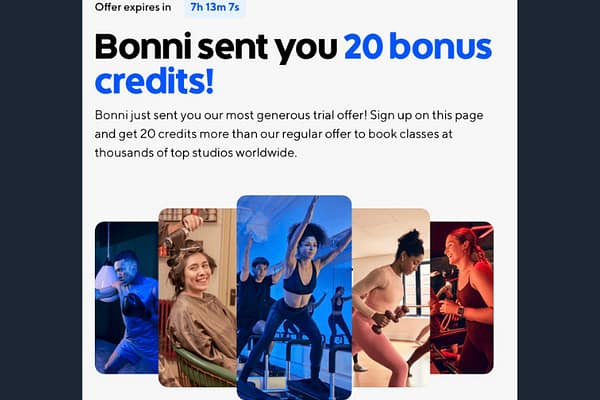
ClassPass

ClassPass

RECOMMENDED BY:Bonni Stachowiak
Jazzercise

Jazzercise

RECOMMENDED BY:Bonni Stachowiak
Get involved with your local arts council, or make art in any form

Get involved with your local arts council, or make art in any form

RECOMMENDED BY:Beth Cougler Blom
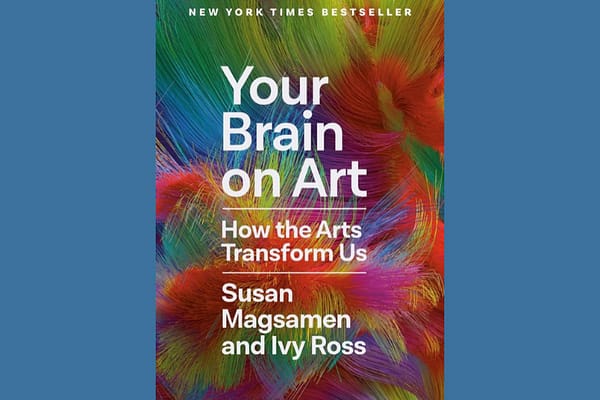
Your Brain on Art, by Susan Magsamen and Ivy Ross

Your Brain on Art, by Susan Magsamen and Ivy Ross

RECOMMENDED BY:Beth Cougler Blom
Woman sits at a desk, holding a sign that reads: "Show up for the work."

GET CONNECTED

JOIN OVER 4,000 EDUCATORS

Subscribe to the weekly email update and receive the most recent episode's show notes, as well as some other bonus resources.

Please enter your name.
Please enter a valid email address.
JOIN
Something went wrong. Please check your entries and try again.

Related Episodes

  • EPISODE 359Design to Engage
    Beth Cougler Blom square

    with Beth Cougler Blom

  • EPISODE 001Three things my children have taught me about teaching
    Man wearing glasses and a sports coat smiles warmly

    with Dave Stachowiak

  • EPISODE 002Still not sold on rubrics?
    Man wearing glasses and a sports coat smiles warmly

    with Dave Stachowiak

  • EPISODE 003Lessons in teaching from The Princess Bride
    Man wearing glasses and a sports coat smiles warmly

    with Dave Stachowiak


EPISODE 633

Everyday Acts of Facilitation with Beth Cougler Blom

DOWNLOAD TRANSCRIPT

EPISODE 633: Everyday Acts of Facilitation with Beth Cougler Blom

Bonni Stachowiak [00:00:00]:

Today on episode number 633 of the Teaching in Higher Ed podcast, Everyday Acts of Facilitation, with Beth Cougler Blom. 

Bonni Stachowiak [00:00:12]:

Production Credit: Produced by Innovate Learning, Maximizing Human Potential. 

Bonni Stachowiak [00:00:21]:

Welcome to this episode of Teaching in Higher Ed. I’m Bonni Stachowiak, and this is the space where we explore the art and science of being more effective at facilitating learning. We also share ways to improve our productivity approaches so we can have more peace in our lives and be even more present for our students. Beth Cougler Blom is a facilitator and learning designer who, along with her team at BCB Learning, Inc. helps organizations design and facilitate great learning experiences and meetings, both in person and online. She’s the author of Design to Engage and most recently, as we’ll be talking about today, Everyday Acts of Facilitation: Learning to Facilitate Through Life’s Ordinary Moments.

Bonni Stachowiak [00:01:19]:

And she hosts the Facilitating on Purpose podcast. In this conversation, Beth and I explore how the skills we use to teach and facilitate get built into the ordinary moments of everyday life, noticing a quirky poster on a neighborhood electrical box, being the first to say hello at a nerve-wracking first meeting, choosing curiosity over judgment with a stranger on a bus. We talk about what it means to be a participant observer of our own lives and how paying attention changes the way we show up for our students. Beth Cougler Blom, welcome back to Teaching in Higher Ed.

Beth Cougler Blom [00:02:03]:

Thank you so much for having me. So nice to see you again.

Bonni Stachowiak [00:02:06]:

So nice to see you as well. You have a premise for this most recent book of yours that I need to admit to you I was on board with from the very beginning. Your premise that the whole world around us offers up these opportunities for us to be able to learn more about teaching and facilitation, and also to offer more to the world through our teaching and our philosophy. So you tell us that facilitation is in many ways just as much of a philosophy as a job title, and you’re going to be giving us the lens of facilitation, which of course is something that so many of us think of as our role as educators. You talk about these micro-moments that accumulate over time, rather than thinking about courses or sort of the bigger building blocks. Tell us about when did you start seeing facilitation in more of these micro-moments kinds of ways?

Beth Cougler Blom [00:03:12]:

Well, I think that when we love what we do, you know, we’re passionate about our field, right? As a learning designer and a facilitator, I’ve been passionate about the field for a long time. And started my business and been doing that for a long time. And so you can’t unsee it sometimes, right? You know, swap in something else, some other career, right? When you love what you do, you see it everywhere. And so over time, I just started to connect the dots of, oh, how did I— you know, and people will ask you, how did you become this? And you tend to go, well, I took this course and that course. And then there are all these other moments that I started to think about in the everyday where, oh, I think that that was something that taught me facilitation skills, or that was something that— it’s really just communication skills, isn’t it? So many times there are so many things that even from when I was a little kid, I realize now it was laying the groundwork to doing this type of work and just got excited about what that would look like to present those ideas to a wider public, but also kind of test it for myself and think, did I really do this through everyday acts of facilitation, become this thing that I am, this learning designer and facilitator, and I think I did.

Bonni Stachowiak [00:04:29]:

When I first graduated from college, in fact, the very next day, my first professional job out of school was as a computer instructor. And looking back, I mean, the stresses of how much our identities can be somewhat disrupted. If I’m not a student anymore, who am I? But then also it was that first week was, they called it train the trainer. And I was actually removed halfway through the train-the-trainer because they had an emergency, which I quickly learned was not that out of the norm. But by an emergency, it was an emergency need for computer training. And I guess I was excelling in the train-the-trainer enough that I got brought in to start teaching actual clients early. But I can think back to being so overwhelmed, but also so full of joy. I mean, there were so many opportunities to learn new technology and to apply it in all these different contexts across all these different kinds of organizations.

Bonni Stachowiak [00:05:33]:

But okay, here’s the embarrassing part, which I feel like I just, I’m going to get it out of the way, Beth, early in our conversation.

Beth Cougler Blom [00:05:39]:

Okay, lay it on me.

Bonni Stachowiak [00:05:42]:

Everywhere I went, just as you said, you can’t unsee it. I would be in the bathroom thinking about how you would teach someone how to use the bathroom and, like, how long to properly wash your hands for. I mean, everything, everywhere I would go, was an opportunity to think about how you might help others be able to have access to a skill or to new, new knowledge and that kind of thing. So I could so relate to this delightful, delightful read. I want to invite you to take us somewhere. Could you take us to the streets of Victoria and talk about some of your everyday acts of facilitations that you were able to kind of apply that lens to?

Beth Cougler Blom [00:06:24]:

Mm-hmm. And at the time, I didn’t even think that it was facilitation. I was working at the volunteer center here, Volunteer Victoria. And I think my daughter was really little at the time. I mean, she’s 18. So we’re going back quite a few years. And maybe I was caught up in the busyness of motherhood. And sometimes you can’t see anything else, right? The forest for the trees.

Beth Cougler Blom [00:06:46]:

But I was feeling a little bit bored with life. And I decided to do this project on my blog called A Year of New. And I was an early blogger, so this could have been— well, I started in 2005 blogging, but it could have been around 2010, maybe, I want to say. And I decided to do all sorts of things, like I rented a Mini Cooper and I went to a tarot card reader and all sorts— I tried espresso, like all sorts of things. But one day I decided to buy a bunch of lottery tickets and get some quarters. This is when we still used quarters for parking meters. And I went around the streets of Victoria, and I plugged people’s parking meters for them. And I gave random people lottery tickets just as these random acts of kindness sort of day.

Beth Cougler Blom [00:07:35]:

And looking back, I thought, yeah, that was an everyday act of facilitation. I was really trying to craft some sort of moments for people. And again, didn’t call it facilitation at the time, but I was trying to spread something like that movement did when it came about.

Bonni Stachowiak [00:07:51]:

When I read about these examples, it got me thinking right away about the kinds of risks that you had to take in order to create those experiences, those micro-moments for yourself and for other people. One of the ways that you encourage us is to be the first to say hello. It’s such a seemingly small thing, but it can have such big consequences. Talk about why that matters so much and why it can be so hard, and perhaps even in unexpected ways for so many of us.

Beth Cougler Blom [00:08:27]:

I guess as someone who I could describe myself as an extroverted introvert, you know, I definitely get my energy back from being alone, and yet I’ve chosen to do this teaching, training, facilitation type career. But at the heart, I have a shyness to me, as I think so many people who choose actually teaching and facilitation work. I think a lot of us would say that maybe at heart we are introverts. And so, but we’ve learned how to do this extroverted thing and work with groups. But so many of us could use someone to invite us in. And we talk a lot about the word invitation, don’t we? We’re inviting our participants, we’re inviting our students to do something. And some part of that is that they can say no to us, I think, right? There’s a whole other conversation there, but—

Beth Cougler Blom [00:09:14]:

If someone invites us in as a person, then it makes it easier for us, doesn’t it? So why can’t we do that for others? And when people walk in our classroom, when they walk in our training rooms, if we’re the one that welcomes them and invites them in, you know, then it makes it so much easier for people. Like, they feel— it’s about belonging, I think, too. Like, aren’t we really just trying to help people feel like they belong in the environments that we’re in, whether it’s in a workplace?

Beth Cougler Blom [00:09:44]:

Not even in a training room or a classroom, but can we just help people feel like they belong in the workplace or in the community setting or in the home, the family dinner, whatever? There’s so many applications.

Bonni Stachowiak [00:09:56]:

I want to be careful how I ask this second part of the question because so much of this can be cultural. And of course, when we break a cultural norm, sometimes that can be a wonderful thing. And then in other cases, it’s not going to turn out to be necessarily the most life-altering experience. It’s not going to create the kind of transformation we might have meant to, but I would suggest that you’re encouraging us to at least take some small risks around this. How can we take this, be the first to say hello, maybe to start to build up some inoculation for when being the first to say hello doesn’t quite get the warmest response we were hoping for? How can we kind of build up some muscles around this practice?

Beth Cougler Blom [00:10:43]:

Yeah, the risk-taking. Hey, I mean, even just going to— I can’t remember if I used the story in the book or not, but because I had so many stories that I couldn’t fit in, right? But they started a radio society here in my town, and I went to the meeting of the, you know, the inaugural meeting to talk about getting this radio station going. And there’s— I think we’ve all been in that situation where we go into the room as a participant or an attendee of some kind, and we don’t know anyone there, and we just kind of all take a seat, and we’re sort of nervous, and we are looking around like, do I know anyone here even? And I didn’t. And I just thought, oh, that woman over there looks friendly. And I decided to try it out, right? I’m going to be the first to say hello. And luckily she was responsive. And some people aren’t, are they? So we try, but not to, not to stop trying, I guess, is what I try to think. Like, I just—

Beth Cougler Blom [00:11:38]:

You know, it is, it’s about accepting other people in the world too. Like, we’re not going to be everyone’s cup of tea necessarily as someone who teaches or facilitates, right? Or just someone in the world. Like, not everyone’s ready to be connected with, but we try, and we try again.

Bonni Stachowiak [00:11:54]:

And you mentioned the phrase “accept others”, and that’s another encouragement that you have, an invitation to use that word again, that you have for us, and for yourself. It can be so hard to read other people, and we’re going to get it wrong most of the time. You encourage us to choose curiosity over judgment. What are some of the ways that you have sought to retrain your brain to be able to withhold that judgment in real time? And what are some of the other ways that you practice this?

Beth Cougler Blom [00:12:28]:

I think the back-end learning, right? Like, there’s so much that we can learn to help us stay in the state of curiosity. There’s so many resources; there’s Bonni, you and I are both podcasters. I mean, there are tons of podcasts, books, articles, social media profiles where we can engage with people who are different from ourselves. And so, especially right now, there’s so many things that we can do to break down those, I don’t know, thought barriers, even? Like if we don’t know who these other folks are, like when we learn more about them, it makes it easier to connect, right? So I don’t know, I guess so many of us, and I’m lucky I’m here in Canada, and I’m on the West Coast, and there’s so many people learning here all the time about how to be living and working in a diverse community. I’m so benefiting from Indigenous perspectives these days. And, you know, but you know, you’ve had all the topics on your podcast too, right? Being trauma-informed and—

Beth Cougler Blom [00:13:31]:

Learning across cultures, like I started my work in that area by going abroad. And yeah, there’s, I don’t even know, I could say 100 things, right, for all of these different questions. But let’s just look around and try to learn from each other. And there’s so many ways to be open to doing that.

Bonni Stachowiak [00:13:50]:

When I feel like I’m utterly failing at this practice, I will try to even use a little bit of humor. And I’m going to try to be careful because some, it’s not, as my mother-in-law would say, not really dinnertime conversation. Let’s just say that. But we have a— and we’ll just say we live right at the intersection of 2 cul-de-sacs, so I’m not going to specify which one it is. So I could be really meaning referring to any one of a number of people, but down one of those 2 roads is a person who might have just decided to exercise perhaps a little bit of freedom on our autonomy and are just deciding to squeal their— screech their wheels every time they’re coming and going from the neighborhood. It’s really, really lovely, you know, just to have that piercing sound come through every part of our home multiple times a day. And I don’t— I’m not curious. And yes, I’m holding a ton of judgment in this case, but I still will try to keep my sense of humor.

Bonni Stachowiak [00:14:54]:

And with our kids, it’s kind of been an an ongoing joke for us, but we will just assume— it comes up a lot when we’re driving, we’re in the car together, and if something happens, maybe someone cuts us off or this, and I’ve mentioned it before on the show, we’ll say, oh, that person’s probably experiencing explosive— and then I won’t finish the sentence, but you can, you can guess. They need to get to the bathroom real quick, real quick. So in this case, we’re not even in the car, and I’m like, they definitely— that’s probably what’s going on. And one of my children will be like, “But see, they’re squealing and then squealing the next way and then the next way, and then they got out and they hopped on there, whatever”. And, and I mean, so obviously that’s not what’s going on, but I kind of think if I can just kind of try to keep a sense of humor, but while I’m doing it, I’m also trying— I don’t know what this person’s experiencing. You know, I mean, I don’t, I truly don’t know. And there are cases where, yeah, I would it would be necessary to walk down there and say, can I— is there a parent in the house? I don’t, because I don’t even know who’s driving in this particular case, but this kind of a thing. But in this case, it seems to be we’re just making loud noises.

Bonni Stachowiak [00:16:04]:

We’re not actually risking the safety of— as far as I’ve observed it so far, I’ve not felt compelled to go and create an opportunity for healthy conflict. Let’s just say that. But I want to, in my mind, try to retrain it. To be more curious and withholding of judgment, even though, I mean, I’ll tell you, I’m failing in every instance cuz I like, I just don’t see, you know, it’s, I truly don’t see a reason why this is necessary.

Beth Cougler Blom [00:16:30]:

But, but you’re so right. Like to, it’s hard to get to curiosity right away. You know, sometimes we go through that mental exercise of 3 other things that we thought before we remembered to get to curiosity, and, that’s just part of being a human being, isn’t it? And I think parenting, you know, I think we’re both parents, and those conversations we have with our kids are ripe for opportunity to, you know, sometimes I model poor behavior as well. And then I have to kind of realize, oh, right, that’s not what we want to do here. But there’s so many conversations I think I’ve had with my daughter where I really hope I’m trying to encourage both of us to think about what else might be going on. Yeah. And the same happens in our more formal facilitated situations, isn’t it? Because in the book, I always tell a story or tell multiple stories about the everyday life thing, like the neighbor down the street, but then try to make those connections to, well, what does that mean for us when we’re more formally facilitating meetings or workshops or courses? And we can so easily judge our students, can’t we? We can so easily judge our participants just right off the bat.

Beth Cougler Blom [00:17:38]:

And how do we peel it back and slow ourselves down and kind of try to get to that place of curiosity? What is actually going on for this person? Or what could be, right? Like bringing empathy to the whole situation. Yeah, it’s hard. It’s hard. It’s not easy work, as we know, right?

Bonni Stachowiak [00:17:57]:

I was watching a clip from Dorie Clark, who I follow on LinkedIn and also has been on my husband’s podcast before, Coaching for Leaders. And I’ll put a link to this in the show notes for anyone who’s interested. She shared about the way that Scarlett Johansson handled someone asking her an inappropriate question in an interview. And even that one, she uses humor, and it kind of allows for her to retain her strength in it without a more defensive thing. Kind of, it would’ve been easy to sort of put her in a box, and it, I don’t know, it’s just kind of a good example where humor can be helpful. But of course we have to be so careful with these things.

Beth Cougler Blom [00:18:43]:

Yeah.

Bonni Stachowiak [00:18:43]:

And speaking of being careful, you encourage us to get really, really good and never be done getting good at noticing. You have a chapter that is literally titled Notice Everything. Tell us about your experience following a mysterious Abraham Lincoln poster in your neighborhood, just to see where your curiosity led.

Beth Cougler Blom [00:19:13]:

This was also so many years ago when I, you know, I was renting in a certain neighborhood here in Victoria, and well, actually, I suppose my kiddo sometimes thinks that I don’t notice things, and I’ve said that in the book. Sometimes your teenager goes, oh, you don’t pay enough attention. But I really do think that I mostly walk around the world noticing things and maybe sometimes noticing the things other people don’t. So one day I saw this poster that was taped on just one of those low electrical boxes in the neighborhood. And it was a, I want to say like a spray-painted stencil kind of thing that had a picture of Abraham Lincoln. And it said, “stovepipe hats are underrated”. And it had an email address there. And I was going, what is this? And I think because I had a blog at the time, like I used blogging to help me notice more of what was going on in the world.

Beth Cougler Blom [00:20:11]:

And so, like, maybe many of us who have had a blog at some point or another or are writing something, right? Like writing articles or whatever. I thought, okay, I’m gonna see if I can email this person and see what’s going on. And the person wrote me back and wrote me back in character as if they were Abe Lincoln. And I don’t have it in front of me, but they were like, yes, they’re abolishing the Confederacy in Fairfield, this neighborhood of Victoria. And I think they liked cheese and fruit, or they you might have it in front of you, but just this sort of quirky individual that I never did figure out who they were, but they were posting these posters around about Abe Lincoln. And I’m Canadian, like, this is in Canada. So Abe Lincoln was not our president, right? So someone just chose to do this and was, you know, you wonder what the purpose was, but noticing that thing. And then when I got the email back from “Abe”, it does, it adds a sparkle to your day, and you think, “Who is this weird and wonderful person out there just having fun and crafting some sort of experience for those of us who might walk by?” So there’s always— there have been so many instances of those kind of weird and wonderful things that have happened in my life, and in the book I tell some of the stories for sure.

Bonni Stachowiak [00:21:28]:

What are a few strategies that we can use to enhance our ability to notice what’s around us?

Beth Cougler Blom [00:21:35]:

Well, there’s a presencing piece I’m always trying to work on myself. And even these days, I’m trying to learn how to meditate, you know, and whatever that looks like, right? It can be different for so many of us, but just slowing down and staying in the present moment and recognizing the thoughts. And like, so often we’re thinking about the past, or we’re thinking about the future, aren’t we? And we’re not really thinking about and paying attention to what’s going on around us. And in Everyday Acts of Facilitation, I really try to encourage us to think that it’s all about metacognition, you know, that we’re in the moment, but we also have to be above the moment at the same time, particularly when we’re trying to actually develop facilitation skills that, you know, I said to you, you’re going to be on the stage in that conversation, but I also want you to be in the balcony watching yourself on the stage. So it’s kind of like cultivating the dual perspective of being in the moment and watching and noticing what’s going on in these moments as we go through life. And that’s how we develop awareness, isn’t it? About communication and how we are in the world and maybe how we can support others too.

Bonni Stachowiak [00:22:48]:

So true. I also think of the noticing, the ways in which it can be infectious. I have these 2 colleagues, I’ve talked about them once on the show, but in case anybody missed the story, it’s too precious not to share. Their names are Amini and Paul Huang. And when they met each other, as in before they were married, their names were Amini Huang and Paul Huang. They had the same last name.

Beth Cougler Blom [00:23:16]:

Yes.

Bonni Stachowiak [00:23:17]:

And just happened to get offices next door to each other. And so they’re just delightful people and have a somewhat newer relationship, uh, marriage than some of us that have been married for decades now. It’s been fun to see them fall in love and create such a precious relationship. But I got to go for a walk with them a few months back, and it’s at Back Bay here in Newport Beach, California. And I mean, it’s just the wetlands are there, there’s all these different habitats there, and it is— I saw that place because I have hiked there so many times before, but I saw it with renewed eyes. And I don’t think I’ll ever go there again without thinking of those 2 individuals, and particularly Amini, she would just notice every single thing that she saw along the way. There were these tiny snails, the smallest snails I’ve ever seen in my entire life, that were attached to these branches, these very dried— this dry brush that was there. And I would have just plowed right on.

Bonni Stachowiak [00:24:23]:

We’re moving, right? We’re going, we’re going for a walk. This is, you know, I would have, I would have thought more about forward movement as the goal.

Beth Cougler Blom [00:24:31]:

Hmhmm.

Bonni Stachowiak [00:24:32]:

And I would’ve completely missed it. But sure enough, when I was there with another friend recently, I, you know, I definitely stopped and looked, oh, are the snails here today? And it just helps you to be around people who are very good at noticing in different contexts. And I think that can be something that can help, especially for me, but anyone who relates to this, just to be able to slow ourselves down is when we’re around people like that. And you mentioned young people; the younger the better, as far as being able to notice the things and stop and, wow, look at this leaf. Isn’t this the most amazing leaf you’ve ever seen in your entire life?

Beth Cougler Blom [00:25:09]:

Yeah. To recapture that joy, right? And maybe some of it is about taking away technology, even though we love our technology. But, and we love, you know, I love listening to podcasts. We do this thing, don’t we? And we also listen a lot, but I really have to remind myself every time I go for a walk on my own, I can’t listen to a podcast. I have to just be in the world. And the same goes for being out and about. Like when we go for a dinner on our own, if we’re on a business trip or teaching a workshop at a conference in a different city, and you go for a dinner alone, don’t just have your nose in the book or have your AirPods on the whole time because then we invite ourselves to have different situations happen, right? People will talk to— people talk to me all the time because I guess I look approachable and so on. But again, we can translate these skills into the classroom or the training room because if we hone our noticing skills, then we can notice what’s going on with ourselves when we’re teaching.

Beth Cougler Blom [00:26:10]:

We can notice what’s going on with our students, right? We may not always know exactly what it means, what we’re noticing, but then maybe we can open up the conversation, can’t we? And maybe it brings us closer together. But certainly that noticing ourselves, if we, we can notice when it feels hot on the back of our neck or something, right? Or our pulse starts to quicken or whatever that somebody’s— well, I was in a group of facilitators that we were convening for like a 3-day facilitation kind of conference, a small conference the other week. And there was some heavy topics going on. And I started to notice 2 or 3 people starting to leave the room.

Bonni Stachowiak [00:26:52]:

Yeah.

Beth Cougler Blom [00:26:53]:

You know, and I’m going, I think that person’s crying. I think this is really landing a lot more heavy for those of us in the room than these facilitators thought. Really, really skilled facilitators, right? And so this opening up of noticing and getting out of our own heads really, I think, can help us connect better with each other because then we can go figure out, hey, do you need to talk or do you need— So we can, we can do that. We can’t be therapists to our students, can we? Like, there’s a line, and I talked about this in my first book too. I mean, there’s a line we can’t cross, but in facilitation and teaching, there are lots of things that we can do to be empathetic with ourselves and with others to, I think, be more effective at our roles. So yeah, where is that line, right? I think we maybe need to go farther down that road towards empathy than a lot of people really tend to start out doing.

Bonni Stachowiak [00:27:46]:

One final invitation I’d like to ask you to share about before we get to the recommendations. It’s to be human, as in to recognize that we are going to make mistakes. What can you tell us that you’ve learned through these everyday facilitation observations and learnings that you’ve made about showing up as fully human?

Beth Cougler Blom [00:28:11]:

Yeah, well, I think maybe my family comes to mind as well, right? Like, we can make mistakes as parents. I know I’ve made mistakes as a sister, as a wife, as a daughter. And certainly I’ve made mistakes in my facilitation practice and have had to have those conversations with either the client or participants. Luckily, not often, right? Like we’re, you know, we can get skilled in what we do and try to avoid mistakes. But when I make a mistake, often I’ll tell the group because that’s how we all learn too. Oh, hey, oops, forgot to do that there. You know, it doesn’t have to be a big deal. But when I’ve made here and there a more egregious mistake, I mean, absolutely ripe for reflection and more learning.

Beth Cougler Blom [00:28:55]:

And how do I just keep going and learning from here, right? I often say like, the folks can’t see me. I’m a white middle-aged woman from Canada. I don’t know everything, and there are things I can’t see. And so in this book, I think I’ve said it, and I have certainly talked about it in some of the conversations I’ve had since publishing it, that my everyday is not your everyday. My everyday is not her or his everyday for all the people around the world. You know, we have so many different experiences. So I always want to invite people just to reflect and try to notice more and, I don’t know, recognize our privilege and all those things, right? So that we can be better humans in the world. But it’s a journey.

Beth Cougler Blom [00:29:37]:

But that’s the exciting part too, I think, right? So many things that we can learn to get better at what we do.

Bonni Stachowiak [00:29:41]:

This is the time in the show where we each get to share our recommendations, and I have one that has brought me so much joy in recent months. And that is through a service called ClassPass, and it is designed for fitness and wellness opportunities to give you, in many cases, a little taste test of whatever it is, and you can go and try out different kinds of wellness types of experiences. Where I have been enjoying it the most is actually going to Jazzercise classes. And I know I’ve mentioned that in recent episodes, talking about my adventures. I’ve been able to go down to the Jazzercise that’s in Oceanside, which is where my mom lives. And so we have a great time going a couple times a month together to that Oceanside location. If you happen to be anywhere near that Oceanside location, you want to go with us, you just let me know. We’d be happy to arrange a time with you. And then, recently, I just discovered another location that’s actually closer to me, and it makes it more practical for me to get to even more than I’m able to get down to Oceanside.

Bonni Stachowiak [00:30:53]:

And that is in the beautiful Dana Point, California. And their facility is on the beach. It is on the ocean. I mean, you look, and they call this— it’s a nickname. I don’t know if it’s officially called this; maybe it is, but there’s a beach that they call Baby Beach. And it’s because it is a protected area of water where you don’t get the waves. So if people have small children, it’s a safer place for them to get to go, and get into the saltwater and all of that. But I absolutely love going there.

Bonni Stachowiak [00:31:27]:

The community of people are so kind and gracious, and so many of the things that I read about in Beth’s book and that she’s been talking about today, I didn’t even have to be the first person to say hi, because that culture that they have there is you couldn’t even— you, you’d be hard-pressed to be the first person because people are so welcoming. And some of you might be thinking, oh my gosh, Jazzercise, aren’t those people all old? And isn’t that like such an old thing to do? And certainly it has been around a long time. In fact, my mom was part of Jazzercise when it was first created. When the creator of it had her first classes, it was at a junior high school that was right by our house. And so my brother and I would always go; we’d go walk around the junior high while she was doing the classes and everything. So she’s been involved with it pretty much from the very beginning. And I love it because yes, there are some people who are older than me, but what an inspirational thing to be surrounded by people who are strong, who are caring for their bodies in that way, but also caring with such community for one another. And it’s really been powerful.

Bonni Stachowiak [00:32:33]:

I do also know that they have sought to kind of rebrand themselves and, you know, attract— they do have some classes, I guess, at some things that are more geared toward younger people. But yeah, you might go, and you might look around and go, I might be the youngest person here. But to be that committed to one’s health is just wonderful. It’s really, really wonderful. So I wanna recommend ClassPass. I keep saying I’m gonna go- I haven’t tried these saunas that are the red, red, I was gonna say red velvet. No, that’s a kind of cake.

Bonni Stachowiak [00:33:04]:

The red light, red, I don’t know this.

Beth Cougler Blom [00:33:07]:

Yeah, infrared.

Bonni Stachowiak [00:33:08]:

Yes, there we go.

Beth Cougler Blom [00:33:10]:

Infrared.

Bonni Stachowiak [00:33:11]:

Yep. I haven’t tried it yet. And Dave tells me he’ll go with me for the first time, ’cause it just kind of seems like, how does that even work? I don’t even know. But anyway, that’s available through the ClassPass. I could use my points for that. Apparently that’s all the rage these days, but again, haven’t tried it yet. But it is just kind of fun to— I sign up for the lowest plan I possibly can, so it doesn’t hit the pocketbook too much, but you get to sample these different things. And then if there’s something that you decide you really want to commit to, then generally speaking, then you can go and like sign up directly with whatever that provider is.

Bonni Stachowiak [00:33:41]:

That was my long-winded thing. Just 2 things I’m very excited about these days and having so much fun with. And Beth, I get to pass it over to you now for whatever you’d like to recommend.

Beth Cougler Blom [00:33:51]:

I was going to recommend something completely different, but what you said made me think to mention I’ve been volunteering with my local arts council for several months. And it was part of my effort to have an excuse, quote unquote, to get away from my computer and connect with people in real life and in person. And I’ve been volunteering in the gift shop. And I’ve been benefiting so much from enjoying art, appreciating art, talking with artists. I’ve taken a couple of the little art classes that I felt like I could do as, you know, mostly a non-artist. I sew a little bit, like I upcycled denim bags, but, you know, I’ve never painted really, or like I just have not done that. I’ve been such a cognitive, in-my-head kind of person, right? So it’s been really lovely to meet these mostly older women.

Beth Cougler Blom [00:34:46]:

Maybe it’s the same; maybe it’s the Jazzercise group that’s also at the Arts Council. But just, they’re lovely. And a lot of them are 70 and 75 and 80, and they have amazing lives that they’ve led. And they have all of these different types of media that they work with. And they’re so inspiring because a lot of them are truly lifelong learners. They’ve got some medium that they’re really expert in, but they’re often trying all these different other things and going to each other’s classes. And anyway, it inspired me to also read a book called Your Brain on Art, which I’m about maybe halfway through, so I think I can recommend it. It’s quite great about the impact of art on our lives and how we need it so much and, and why it’s beneficial in so many different ways.

Beth Cougler Blom [00:35:31]:

So yeah, enjoy art. We need it.

Bonni Stachowiak [00:35:34]:

What got you thinking about volunteering at the local arts council? Do you remember what the impetus was?

Beth Cougler Blom [00:35:37]:

I just saw that they were asking for volunteers on Facebook. It was just a random thing that I saw. And I thought, yeah, I can do that, because actually I’ve had a few health issues over the past year, and sitting at the computer is not always easy for me. Yet that’s so much a part of what all of us do, right? We sit at our computers so much. And so trying to get out and do more in-person facilitation has been part of my desire too. I mean, I still teach online and do online work, but just trying to balance it more, I think, in my life. And certainly to stand and talk with visitors about art at the art gallery seemed like something that would be easy to do, right? It’s local, and it was free, and I get so many benefits from it, and I hope I’m benefiting them as well.

Bonni Stachowiak [00:36:28]:

The aspect of your story that’s particularly intriguing to me is, if you had first suggested, without going into some of the examples you provided, oh yes, volunteer at your local arts council, I would’ve thought, well, I could never, like, I have nothing to offer. I haven’t even ever taken a class, you know, at a college level on art history or anything. I mean, I would have nothing to offer. And you didn’t go into it with that. You went into it with a self-awareness and seeing this ask for volunteers, well, here’s what I would have to give. And it sounds like from what you’ve said, it’s not an expertise in art necessarily.

Beth Cougler Blom [00:37:02]:

No.

Bonni Stachowiak [00:37:03]:

But that you kind of saw that, gosh, organizations like that need all sorts of skill sets and aptitudes and expertise. And I’m also hearing— you share that we can break out of some of our habits and boundaries if we take those kinds of risks too.

Beth Cougler Blom [00:37:20]:

Absolutely. Yeah, it’s just, again, being the first to, to try something. And I know, going back to the book, I have a chapter where, you know, encouraging people to get out of their comfort zone. And, you know, you talk about Jazzercise, I talked about Dance Temple. So it’s very similar, isn’t it? Like, let’s just kind of keep pushing ourselves, especially as we get older, to do some of these new things. Yeah, there’s so many benefits.

Bonni Stachowiak [00:37:44]:

Oh, I love it so much. Well, what a delight it has been to get this opportunity to speak with you again. And I, you, you sort of talked a little bit about your year of new, and then you were just ending by sharing about your dance temple. Can you go back to your year of new as we close out the episode? And is there any other example you can think, where you’re like, if someone was going to try something new, here’s one or two examples, like here’s just a fun thing to try. To try something new from your experience that year doing those new things?

Beth Cougler Blom [00:38:17]:

Oh my gosh, I have to page back in my memory. What else did I do that year?

Bonni Stachowiak [00:38:23]:

I suppose it’s almost not fair of me asking the question because part of your point is just the micro-moments add up to the thing. We don’t have to, like, you know, reinvent the entire world, but just having that orientation toward experimentation is so healthy for us, right?

Beth Cougler Blom [00:38:41]:

I think so. And I, you know, I don’t wanna give the false impression that, you know, when I go and rent a Mini Cooper, not everyone— that’s not within everyone’s reach to do that kind of thing, right? To pay something or even to buy an espresso. I mean, it’s a few dollars, but that’s not within everyone’s reach. And there, we shouldn’t have that mindset that it needs money to go out and try new things, or to be this different way in the world perhaps. So the opportunities are all around us, aren’t they? Like even when we’re out on a hiking trail and we don’t have our AirPods in, and someone comes towards us, and they look like they might want to say something, or they’re birdwatching and you want to talk about birdwatching. I mean, that’s the crafting of a connection that you would’ve never had if you just breezed by or you ran by them on the trail with your headphones on. So it’s being open to the possibilities sometimes, and that’s free. 

Bonni Stachowiak [00:39:33]:

Oh yeah. Bird people and librarians, you’re just statistically likely to have an incredible person on the other side of either or both of those attributes, for sure.

Beth Cougler Blom [00:39:43]:

It’s funny that you mentioned librarians. I just saw something on Instagram, I think, about how librarians choose book club books. And one of them, they had put somebody on a revolving— what do they call that? A swiveling chair. And they were lying down on the chair, and the other librarian was spinning them, and they had all the books around them like a clock around on the ground, and they were just spinning the librarian to see which direction they picked so they could pick the book for their book club. So I thought, oh, these librarians, they have too much fun sometimes, right?

Bonni Stachowiak [00:40:13]:

Well, I’m going to do my best to find that video because I did, I think I might’ve even sent it to my friend Jim, who is our senior director of our library. So I’ll try to find it. And if I can find it, I’m definitely going to put that in the show notes because it was so hysterical. But Beth’s description was very, very good. Well, Beth, thank you so much for joining me again. Thank you for this wonderful book, for all the journeys I felt like you took me on, and you’re going to be taking so many of your readers on. Just thank you again, and thank you for the example that you are for us about how we can take our teaching skills and bring them out into the world, both to keep becoming more of who we want to be as teachers and also to bring more good into the world.

Beth Cougler Blom [00:40:55]:

And vice versa, right? That we can learn how to teach around us in the world by having these experiences and making them happen for ourselves. So thank you so much, Bonni. It’s a pleasure to see you again and have this chat.

Bonni Stachowiak [00:41:08]:

Thanks once again to Beth Cougler Blum for joining me on today’s episode. Today’s episode was produced by me, Bonni Stachowiak. It was edited by the ever-talented Andrew Kroeger. I’d like to extend an invitation to you to receive the Field Journal each week. This is where I share what I read, tried, wondered, and engaged with that past week. You can sign up at teachinginhighered.com/subscribe. Thanks for listening, and I’ll see you next time on Teaching in Higher Ed.

Expand Transcript Text

TOOLS

  • Blog
  • Podcast
  • Community
  • Weekly Update

RESOURCES

  • Recommendations
  • EdTech Essentials Guide
  • The Productive Online Professor
  • How to Listen to Podcasts

Subscribe to Podcast

Apple PodcastsSpotifyAndroidby EmailRSSMore Subscribe Options

ABOUT

  • Bonni Stachowiak
  • Speaking + Workshops
  • Podcast FAQs
  • Media Kit
  • Lilly Conferences Partnership

CONTACT

  • Get in Touch
  • Support the Podcast
  • Sponsorship
  • Privacy Policy

CONNECT

  • LinkedIn
  • Instagram
  • RSS

CC BY-NC-SA 4.0 Teaching in Higher Ed | Designed by Anchored Design