Follow the Teaching in Higher Ed Podcast
About this Episode
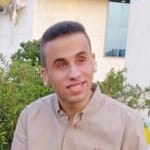
Yasser Tamer discusses ways of being intentionally inclusive on episode 477 of the Teaching in Higher Ed podcast.
Students are not actually advised to memorize or even to learn a theory by heart, but they are advised to reflect.
Yasser Tamer
On episode 477 of Teaching in Higher Ed
Voices on this Episode

Show Notes + Resources
- Cultivating Compassionate Community to Foster Academic Integrity? (with @YasserTammer), by Maha Bali
- Video: MYFest22 Syllabus Accessibility Jam with Alexandra Gazis and Yasser Tamer
- Video: The Experience of a Visually Impaired Student Yasser Tamer, The American University in Cairo, Egypt
- Business Model You: The One-Page Way to Reinvent Your Work at Any Stage, by Bruce Hazen, Timothy Clark, Alexander Osterwalder, Yves Pigneur, + Alan Smith*
- The 7 Habits of Highly Effective People, by Stephen Covey*
- Soliya
- Intentionally Equitable Hospitality series through Equity Unbound
- Write Good ALT text
- Syllabus as Manifesto: A Critical Approach to Classroom Culture, by Adam Heidebrink-Bruno
Recommendations from this Episode
Transcript
Bonni Stachowiak [00:00:00]:
Today Bonni episode number 477 of the teaching in Higher Ed podcast. ways of being intentionally inclusive with Yasser, Thomas. Welcome to this episode of teaching in higher ed. I’m Bonni Stachowiak, and this is the space where we explore the art and science of being more effective at facilitating learning. We also share ways to improve our productivity approaches so we can have more peace in our lives, and be even more present for our students. Yes, sir. Is a highly motivated undergraduate student at the American University in Cairo. AUC where he’s pursuing a major in English and comparative literature and a minor in educational studies. Yasser is deeply passionate about education and mentorship, which led him to explore various avenues in this field. In 2022, Yasser completed the online dialogue facilitation program with Soliya, which further enhanced his skills in this area. Yasser is a dedicated advocate for equity and inclusion. His commitment to those values was evident in his work as a co facilitator for the intentionally equitable hospitality series, a virtual workshop that explores praxis related to these themes. He also serves as a disabled activist, providing inclusive advice to individuals and advocating for equity and equality for himself and his colleagues. Yasser multidisciplinary interests and passion for academia make him a versatile and dynamic individual as you’ll hear in this episode. He strives to make a positive impact in the world through both his academic pursuits and his advocacy work. In his leisure time, Yasser can be found listening to chill music or watching football matches. His dedication to his goals and his commitment to excellence make him a valuable asset to any team or organization.
Yasser Tamer [00:02:22]:
Yes, sir. Thomas, welcome to Teaching in Higher Ed. Thanks, Bonni, for having me in this podcast to really feel honored to be here today and to to speak about, hopefully insights that will benefit you listeners.
Bonni Stachowiak [00:02:36]:
I was so glad to be introduced to you through Maha Bali, who, as you know, has been on the podcast many times in the Yasser. And we just got to hear a little bit about you through your bio. I’d I’d love to find out a little bit more about your college at experience Yasser by asking you, what memories do you have of the dissonance between what you thought that college might be like for you before you were in it and then how it turned out to be. Well, thanks for this, for this question. You know, it’s
Yasser Tamer [00:03:09]:
I’ve been studying in 2 different colleges. I’ve been studying in a local college at my country. I’m based in Cairo. And then I moved to the American University in Cairo. So the the the whole thing, the whole idea that college was a place to continue what school did is to provide students with information and then leave them alone without preparing without giving them the skills they that they need. However, it turned out to be very different, turned out to be, you know, your study skills to apply to your own life, you study skills, to have it shape shaping your experiences, developing your character, impacting your life on a personal, professional academic, and even societal level. I’m not I’m not gonna limit limit the horizon in this in this regard.
Bonni Stachowiak [00:03:59]:
Yeah. I was one of the tensions that certainly many people that I talk to is this And I think anytime we get into dichotomous thinking, we’re in in a little bit of a danger zone when we think it has to be one thing or another thing, but there’s this tension between college needing to be worth it in terms of measures that tend to be more financial versus it being worth it for society for the common good for, really, for for a much more
Yasser Tamer [00:04:31]:
I guess. I I think this this, gets back to the teaching dichotomies that people use to take used to use to apply to their own classrooms because back 20 years ago before I was even existing here. So It it was the idea of teaching with a pen and paper and teaching in a kind of an old fashioned obsolete way, but now you have an idea of technology, and we came to new to to learn many different terms with came to know critical AI and critical and digital literacy and digital skills. The the the digit the know how the digital skills and know how as well So we have blended learning. 20 years ago, we haven’t really known about that. So I think that really affected colleges. people who are not concerned about students who cheat. So if if you can have students sit in a classroom, you make sure that they don’t have any papers or any other unauthorized material, you wouldn’t worry about anything and you conduct your exam and you go and and correct it, and that’s it. But nowadays, you are not really in this in this horizon. Your horizon has Bonni broadened your horizon is now you’d be thinking even differently as a teacher, and thus your students also think differently. You think how improve you the the critical thinking, the critical understanding of the the the the topics, the the the, you know, the perception of themselves, And as we see now, the the education is now central to reflections. Students are not actually advised to to memorize or even to learn a theory by heart, but they are advised to reflect. And if they reflect well, you know that they understood the concept 1.
Bonni Stachowiak [00:06:22]:
One of the things that stood out to me in your bio was you describe yourself as a highly motivated undergraduate student. This is something that a lot of faculty care, a lot about what we might be able to do to help foster motivation in other people. Although we, as you might imagine, have such different perceptions about what parts of motivation come from within and what parts of motivation can come from others. And just speaking of dichotomous thinking, of course, it is not one thing or another. But would you speak about one thing that’s really you’ve found over these years has helped you or one thing that has hurt your motivation just to help us faculty think a little bit more critically about what we might do to help foster motivation in students.
Yasser Tamer [00:07:11]:
Well, I myself struggle of this point because I work in in group projects with classmates and students and I also attend classes and see and work in different projects. I struggle at this point too because students are not engaged in the material they are dealing with. And that’s another shocking fact. Why did you enroll in this Yasser? while you’re not interested in it. So the idea that really makes me a motivated person is that And that’s what I advise everyone to do, even faculty, even students. Do whatever you are interested in. You don’t to go and take the score class because it will fulfill a category in your liberal arts education. And then you don’t have because you’re now in undermining the learning and environment, you’re now not only risking yourself because you hadn’t hadn’t had enough of the learning opportunity that the class offers, but you’re also risking other the students’ opportunities without your engagement. You’re making life more way difficult for others to engage in the classroom. You know, you might we might have a student who’s really good at the subject because of a group project, we could they they’ve gotten a B plus without, instead of an a or an a minus instead of a of an a or c instead of a B, that’s because why? Because the the the the relied on people who do not think about what they study If I can talk about more specifically about myself, what shaped these motivations to grow and nourish, I would say, you know what? Because having a plan, having a kind of what you wanna do in in life, and you know what’s actually, what’s the the end result of what we’re gonna do. It’s not about the undergraduate degree or the graduate studies, or it’s not about this. It’s about Okay. What I’m gonna do with it afterwards, what I’m gonna use the skills that I learned in this after I graduate. do I have do am I really concerned about graduate studies and attending graduate school. Am I concerned about securing, an office job and going and making a life? warranting, good salary. So it’s about the plan. It’s about the, as the business people say, the business model canvas. So the business model is the model that the business will use. So that’s the life model that the person has to prepare for it’s not really something scientific to do have a live model, but it’s even if it’s in the one in one and one’s head, it’s just plan that exists here and there that you know, what you’re gonna do. And if you don’t know, you quit because it’s in vain, it’s devoid of any meaning.
Bonni Stachowiak [00:10:06]:
Yeah. There’s a there’s an expression that I believe was started by a a rider in the leadership space named Stephen Covey. But I but I I know peep other people have said it as well, and the expression goes the map isn’t the terrain. and just this idea that you could you could have an idea that you’re gonna go and and and walk this way and and turn right. But you don’t know if it’s raining or if there’s a hill that doesn’t doesn’t show up as somebody’s giving you directions. And so I think about that in terms of our plans for myself as someone who’s thirty years older than than you, not wanting to to hold too tightly to my plans, wanting to have them, but also wanting to continually be expanding my imagination for what’s possible. And it’s one of those things that I think, at least in my experience of of mentoring and getting to to be alongside people who are younger than me. They think that we have it all figured out if we’re older or we or we had it figured out all along that there was this perfect path that we followed and we knew in advance. And so having goals can be so powerful for us to have that motivation you describe and and yet to be able to discern when there might be something new that that is beyond our current understanding, I think, is really fascinating.
Yasser Tamer [00:11:34]:
wanna, you know, when students decide having, ideas of our our plans for themselves and then the plans become changeable or they wanna alter something, it doesn’t really it doesn’t hurt. You change something because you’re now developed. And that’s not not not a big deal. That’s actually what should be because we’re not a machine. We’re not even the AI learns. So how about us as humans, we should learn And if I say, okay, I’m gonna work this and this and this and when I graduated, I I actually figured it out that, no, I’m not really fitting to the space. So that’s me shift or drift a little bit. So it makes a good a good difference to have something, to have the basis. Instead of going shallow, of going without any plans, without any goals, you don’t know anything. People studying At least in my culture, everyone wishes that their, sons and daughters are to become meds med medical professionals or engineers, and everyone fights for the the engineering manager and the the the medical major. But what afterwards? The either the way that they find it difficult to be employed in a place, and therefore, they start to say hey, I’m gonna shift, or the student, him or herself, is not interested to continue, and therefore, they say, I’m quitting, and I’m coming back to study law. Which is fine, by the way, quitting is not a problem. Mhmm. But, you know, if you left the student to choose their own pathway, And I like the word choose the pathway not to choose the the the major because pathway involves a lot of dichotomies, involves skills, attitudes, even places, even lifestyles, even everything. So you let students choose their own pathway. And that’s what’s make what makes it unique for everyone to to be here, to to to learn and to grow and to nourish.
Bonni Stachowiak [00:13:34]:
I mentioned earlier in the conversation about having the opportunity to meet you. You were one of the co facilitators of the intentionally equitable hospitality series. And it’s been mentioned in a number of times on the podcast. I had such a great experience. But would you talk a little bit about what your role was as one of the co facilitators? What were some of the things that you were responsible for and energized by and and and wanting to facilitate learning through.
Yasser Tamer [00:14:04]:
Well, I’m always motivated and passionate about everything that I can link, include, and accessibility to. So It was when I I I actually knew, Doctor Maha, the first place, and then I knew about the intentionally equitable story. I I’ve gone with myself to read the the book chapter, intentionally a horrible solidarity as a critical instructions. And I’m hope I’m hoping I’m saying that the name right It’s it’s about knowing how to be equitable, but let’s make it more accessible. Let’s find the challenges that that make that really henders the IEH to be accessible. So when we facilitated this session, we were more interested to bring accessibility into the discussion. So that was the my first mission. That was what I really aimed at. And then I was doing everything that anyone else can do it, which is the role of inclusion that I’m included. I can do. I can synthesize learning from the shops after collecting the work the Google docs from the breakouts and seeing the input of the participants. I can use this and make a synthesis, make a summary, make a note about what participants had said. So it it it could be published in anywhere. I also was managing the zoom. So I was sitting in the chat like anyone else. I was interacting with people. I was going through the breakout rooms, talking to many different folks, seeing what they are doing, discussing here, and discussing there, going to see you if any issuer arises. So it’s not about having a specific rule because, totally blind and It’s about having the idea that, okay, I’m I’m here to to help co facilitating this and making this project more successful. and also bringing my expertise, which is accessibility and disability advocacy into the work and into the discussion. And I think we we’ve done this in a in an in an excellent way. We have made a synergy, a combined interaction between the the equitable hospitality of any learning spaces and ensuring that these learning spaces are equitable and have an accessible at the same time.
Bonni Stachowiak [00:16:22]:
I was trying to describe to Maja about my feelings because I have certainly been to other events that were under that umbrella of IH previous to this this one that was conducted earlier this year. But This one, for some reason, I felt so much more what you just described, Yasser, that I was able to bring my full self to it and and feel like I was contributing and learning so much. It it’s it’s just such a fun thing, but it’s very hard for me to describe what what that is like. And we, of course, sometimes bring our areas of specialty or unique perspectives, and it such a beautiful community to be a part of. Not necessarily in that community specifically, although it certainly could be What are some of the things that come to mind for you, Yasser, that we tend to be challenged most when we’re trying to come together in communities like this? And maybe we could speak specifically virtual communities that we get in our own way when it comes to accessibility.
Yasser Tamer [00:17:28]:
let me tell you a story in Spring 21, it was my 1st semester, and it was actually the — dynamic period of time in which the ARC, the ministitution, was preparing itself to move from the online to the offline modality in fall. So I came from an online Arabic medium of instruction to a fully English medium of instruction. I I was aware of the language, but, you know, having the academic higher education and Yasser was not really present. And it was virtual. and it was, you know, how I’m gonna sustain in this. And that’s was the first challenge is that what are the inclusive practices that you as an instructor, a faculty developer, an educational administrator, Anyone who’s involved in the learning space design, what are the inclusive practices that you are taking here to make sure that whenever you are hit or let’s make let’s use another word whenever you are having any person with visual impairment, learning disability, mental problem, a dd, ADHD, or whatever. What are the inclusive practices that are you that you are gonna take? Are you prepared, or are you gonna be upset about it? But when you say, gonna welcome this, or would you say, okay, no, I’m gonna I’m I’m not ready. So I’m sorry. So that’s that’s what it’s really about, that you felt included, you felt that you are bring you are brought in the community because we had ensured the the the learn, the inclusive practices, we’ve done the ATL text in the docs, we’ve done the different formats, We’ve been making sure that our slides are accessible to everyone to read, our fonts, our sentences from the from the meetings, You know, break rooms were also inclusive. Inclusivity is not about, by the way, providing access in the the technology sense, but making sure that the people who are present can bring unique perspectives. And as you said, you you’ve been able to do that. You’ve been able to feel your own self while interacting with people from different backgrounds, from different cultures, and That that was because the inclusive practices with the the studying of the design of the workshops was there and was piloted as many different times in accordance with different scenarios and what will happen in this situation, what will happen in that situation. All in all, as I said, it’s all about having inclusive practice in your work. By the way, it’s not an only an education if you are an engineer and you’re designing your building. So if you have an inclusive practice, you will do a ramp with the correct standards You will do an elevator with the correct space. You will do an architectural design with the correct colors. So a person with an ADHD will not be upset or will not be evoked when they evoked when they when they see the cars.
Bonni Stachowiak [00:20:39]:
I used to have such an ignorant way of feebly attempting to be accessible in my practices, which was to think that Well, in this particular class, I don’t have someone who is dot.dot.fill in the blank. And and therefore, I don’t need to do those things. And of course, that you you know, that’s very ignorant of me, but thankfully, we’re always learning and growing And so now I think a lot about and as I saw this being fostered so well by you and the other co facilitators of that that Ieh experience that it’s an ongoing thing. First, we need to be preparing Not just that there might be someone of a particular demographic, but that these things help so many in so many different cases, And our imaginations aren’t big enough. So it’s an ongoing thing that we do. And then it’s also that we are never done, and I saw that so beautifully demonstrated. I can’t remember which specific exercise it was. I wish, Yasser, sir. I could remember that well, but But there was a time when someone was either using an analogy. They were sending us out into Google Docs, and you described so well. they were trying to foster, but it it just wasn’t it it wasn’t I don’t know if translating is the right word or It was just entirely being perceived differently by you. And I just saw all of us really coming together to be able to be very open and frank about what each of us are experiencing. And we know what our goal is, what the aim is to be this more equitably hospital hospitable. But it’s that intentionality that we just can’t ever stop being intentional because it’s as we are going together that we are going to not just make mistakes, but also have opportunities where things could be better that just go a little bit beyond our imagination. And once you build up that level of trust, in community that we don’t have to take it personally. It can be a joy to hear from another person’s perspective and then have all these people coming together to just want to be doing better for each other. it was really, really a great experience. And it’s fun to hear you talk a little bit about Are there other challenges that are coming to mind for you where we just get in our own way? You know, let me mention a point
Yasser Tamer [00:23:09]:
when you said, like, people do not care to implement the strategies for inclusive, for any inclusive opportunity or for being in as inclusive as possible. We are all learning even, I mean, from me as a disability advocate, sometimes a consultant when I work on projects or when I review any anything. I learned because I am not really a computer version of the 12,000,000 books that were really written about the severity series and and severity studies with, accessibility and with all this, you know, I’ve been we’re always learning. So but but what we always say is that you try. And when you try, you will find someone to correct it because if you didn’t try, no one will know that you are you’re able to you’re able to do it. And therefore, if I see a professor, was not really implementing a good accessibility design to their course. I’m not gonna tell them I’m not gonna tell them, hey, implement an accelerated strategy. because that’s not the rule that’s the rule of disability centers. But if I see them try, I’m gonna say, hey. That was so interesting that you did this. So if there is a better way to do it, and then you and I would learn how to do this. And I say, hey. Let’s there there is another there might be another blind person or another disabled person might feel preferred to do this and this and this. And then another learning emerges, or, in another semester, the professor comes and experiences another case different from mine, and they say, Oh, wow. I learned something new. So the purse this person was preferring braille, but this other person would prefer preferring for example, digital digital material or soft copies. I think what we what we’ve done in the IEH is this we all brought our own unique perspectives into the the into the workshop. And we said we blended them all together to make it as you say, grab what you are able to or grab what you can. You grabbed what you can learn from this. You reflect it as you might as you wish you sought learning in that area in which you felt you might need to learn about. So that was about it. We we didn’t care to to theorize or to come up with things that are complicated for people, but we care to to root practices or to cultivate community practices. That’s the more accurate definition that I can use to cultivate tractors that later culminates in the development of IH and, hopefully, which culminated in more development of access and accessible IH. in the future. As as by the way, I I just never is never an end. It’s like, we it can be developed and developed. And I can develop it. and some other person can come up and say Christensen lack this clarity in this point, so let’s develop more.
Bonni Stachowiak [00:26:05]:
Where I see us in terms of of the spectrum of wanting to be more inclusive in our teaching is that we we can sometimes become more educated and and and more aware. But then it turns into kind of this transactional thing and whether whether or not we’re talking about being inclusive with regard to disability or or or cultural dynamics, race, and ethnicity. we will sometimes then move into a space that can be more transactional where we’re expecting other people to educate us about these things versus this beautiful shared responsibility where we have these aims and goals and values that were each giving and and receiving as opposed to to more of a of a transactional thing. So I I I did appreciate getting to be part of that. What
Yasser Tamer [00:26:59]:
why why this happens because we have come up to realize that the accidental barriers now are so apparent. That’s why you are expecting shared responsibility from us as visually as disabled people. to come up and educate because we ourselves would wish to remove all the attitudinal barriers and you as non disabled folks wish that when you deal with us, we won’t confront you. So it’s about removing the attitudinal barriers and eliminating all the recurrent themes of, wrong discourse in equities because wrong discourses can sound, you know, easy and done. You know, here is a wrong discourse, and that’s what we we Yasser. We come across it, but but we didn’t Tamer took much care about it. But now, you know, a room with this course can can can make it really, really different. and disability and language is another area in which I’m not gonna really delve now because, like, it’s it it will drift us away, but It’s about the attitudinal diaries.
Bonni Stachowiak [00:28:11]:
Yeah. I I really appreciate that I’ve built up enough trust with people who have been listening to the podcast for a long time where I will occasionally it hasn’t happened much, but occasionally have someone reach out and say that my language that I might have used on an episode isn’t aligning with my values that they’ve come to know me to have. And that’s so nice to have been in community. You know, some people are newer listeners kind of thing. But if people have been listening for a while, we might email each other. Maybe we’ve even met before. And when you’re vulnerable enough to be in a public space like the one you and I are in today. Yes, sir. And I know you’re in public spaces in other ways too that we’re we are gonna have times my gosh. might hopefully, we’re gonna continue to be learning and shaping our values and wanting those values to align with our behaviors and how we go about in this world and wanting to build trustworthy relationships
Yasser Tamer [00:29:07]:
so that we can just be holding each other accountable toward those those broader aims. Actually, it happens to all of us. It happens to all of us as people. Mhmm. I’ve I’ve fallen into the trap of generalizing quite a few times before. And that’s I’ve I’ve I’ve said all so and so and so and so cannot do this and all and so and so and so can do this. And this is really horrific. You can’t really fall into the trap of generalization because that’s defi defiies that conventions of good dialogues. So with regard to language, you know, language and values are so so strongly correlated. Let’s let’s put it that way. And everyone has their own mere opinion to say you you’ve you haven’t used the correct language or I have used the correct language, but there is there are sometimes standards. The like, what I struggle in my I’ll give an example, a brief one. What I currently struggle from here is that when people say blind, so blind when translated into literal Arabic, it gives a very rough connotation, gives a rare a very rough meaning that is really, if emotionally unwise. Let’s put it also that way. I’ll say it emotionally unwise. So people do not like to say blind and blind in Arabic and and and and standard Arabic, not colloqu with Arabic. So means a very, very unwise word. They do not like it. but I say that’s the standard language that everyone can use. So this Yasser doesn’t align with the value. but it does, in a way, shape the experience of this person who’s in front of you. You cannot really frame the term. because you can’t you are you are concerned about the person’s emotion. Yeah. That’s an example.
Bonni Stachowiak [00:30:58]:
Hopefully, we — Oh, it’s okay. I feel like what you weren’t you weren’t kidding me that there is so much more we could talk about here. I I was thinking about this conversation with you today and wanting to be very respectful of you and your time and and and to care for you well. And wondering if if I’ve been giving examples all along, all along, so
Yasser Tamer [00:31:20]:
hopefully we do not drift from what we — Oh, yeah. Yeah. Yeah.
Bonni Stachowiak [00:31:24]:
Yeah. But, I mean, that I when I was in college, I used to take care of a a deaf boy and I knew I had taken sign language classes from the age actually of seven. I not a lot, but I would go and sit with my mom when she was taking community college. sign language Yasser, so I could speak to a two year old. I couldn’t speak to an adult. But that’s even evolved over time where Hearing hearing impaired to some people is considered to be disrespectful. And then to other people, it is more descriptive as in as in to say that someone is deaf would would be very it it it just depends on culture. It depends on the person. Depends on the part of the world that we’re talking about here. But that’s why when we get together, it can be so helpful where we get to know each other’s values and and have relationships over time such that we could be having the conversations where I just had a conversation with my husband Yasser week. And I he had said something at our Tamer market. And about 5 minutes later, I thought, I don’t Bonni seem like I’m nitpicking you, but I’m sure that that thing that you said really aligns with your values. And I loved it because we could he would go, yeah. It it it probably didn’t. And just we’d we’re very safe together where we can just be Having those conversations doesn’t have to be a big thing, and we can learn how to love and respect each other better.
Yasser Tamer [00:32:46]:
Yes. Yes. Indeed.
Bonni Stachowiak [00:32:47]:
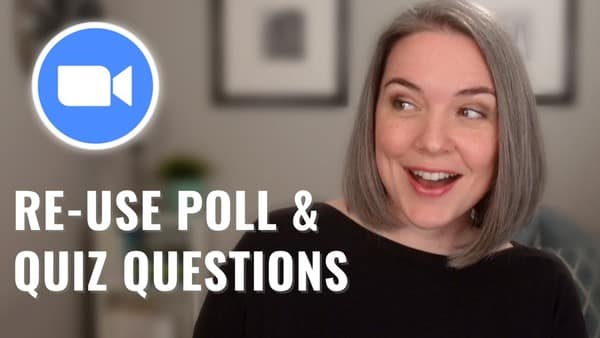
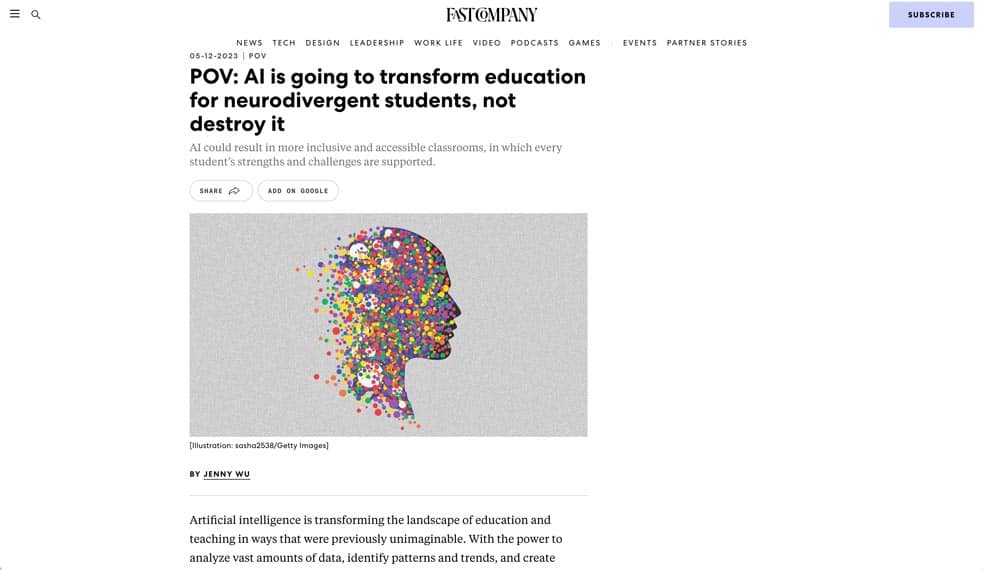
Well, this is the time in the show where we each get to share our recommendations. And I have 2 quick ones, and then I’ll pass it over to you. Yes, sir. I I believe you said you’ve been listening to some of the episodes about artificial intelligence. And speaking of things, we don’t want to think about in dichotomous terms. We’ve had lots of conversations here on the podcast, and those will continue. I found an article that the title is point of view artificial intelligence is going to transform education for neurodivergent students. not destroy it. And this is in a fast company, and there are just some ideas in here of how artificial intelligence might level the playing field for neurodiverse individual and some examples from whether it’s chat, GPT, or the software Soliya, which will let you create infographics or images. And I want to be continuing to expand my imagination and to the extent that getting to have conversations and sharing resources with this community is helpful in that. I’m just looking forward to people reading this quick article about it. And then the second thing I’d like to share is just a quick video about Zoom’s poll library and meeting templates. So I really enjoy using polls in all kinds of ways in my teaching. I have tended to shy away from using polls on zoom before because I thought you would and maybe this used to be true. You’d have to recreate them every time, and that’s just not time efficient. So I would end up using another tool, like, pull everywhere or something else. And so this video by Kat Mulvehill, she shares about a way that we can repeat a poll or a quiz question in zoom and save time by using either the poll quiz library or meeting templates. And in this video, she shares both types of options and then which one she prefers to use in her own practice. So those are just 2 quick kind of unrelated, but both digital, digital things that I think would be good for people to check out. And, Yasser, they’re all it over to you for whatever you would like to recommend. You know, if you’re gonna allow me, some a few seconds,
Yasser Tamer [00:35:05]:
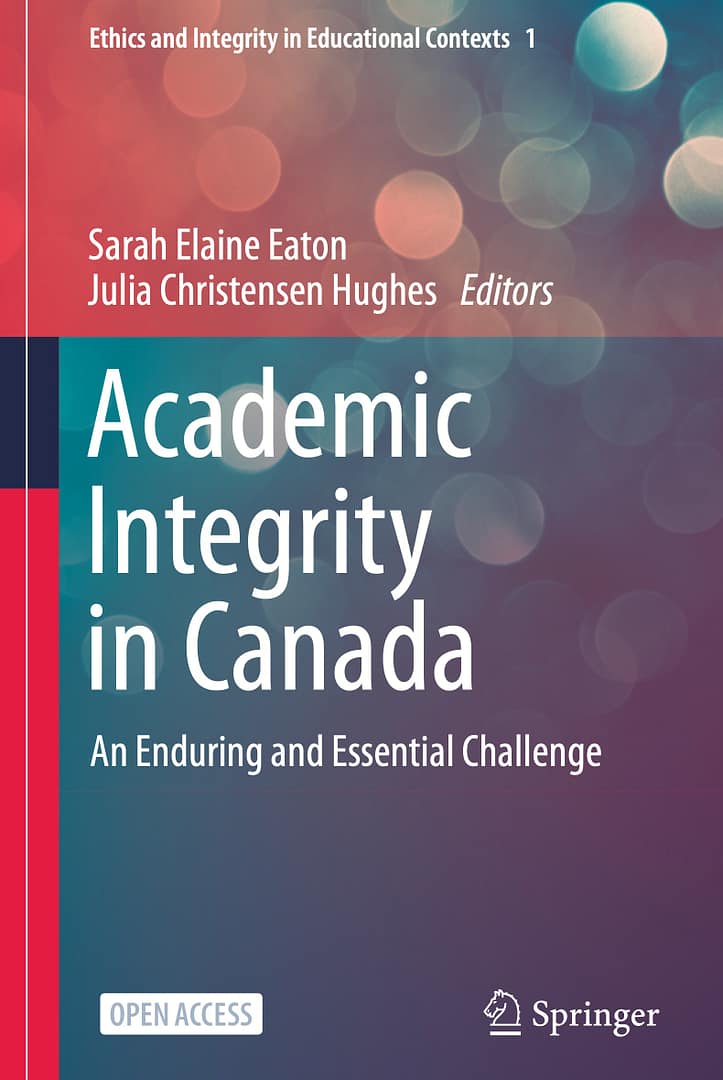
but that’s just a story. which I found really funny and, concerning at the same time, and that’s what I would recommend people to think about, especially educators, and business professionals and all who’s involved in the learning and teaching industry. So, there is a YouTuber who removed their video, and they feed it all the content, which is equivalent to 2500 or something hours. They feed it into an AI platform, and they made this this AI based on this training data. they made one minute to be equivalent to $1. So if you can if you wanna talk with this video creator with YouTuber who is an AI now, you would pay a dollar for talking to this person. And this is really intelligent by because the videos or the dataset that was provided to to the platform, to the AI platform is huge because she flock every single detail in her life. So now when you tell her, she’s she her name is Karen. Can’t remember. Karen White, but if you now come to talk to her about, let’s cook. She will respond because her videos included cooking videos, and it was really Other other than funny, it was shocking. I was shocked about can we include can we Christensen AR teacher in the same sense? Can we create an assessment teacher? Like, if I’m not satisfied, if my assessment is not inclusive again, let’s come back to this. Can I go to an AI assessment person, created person, and say, let’s assess together based on the criteria that I will teach, and by the way, a, I learned. So if I correct it at, now it will not be wrong tomorrow. So that was my first recommendation is so then deeper into this. The second is kinda related is the academic. I still haven’t read it due to workload that, we’re fascinated by the idea of doctor Sarah Eaton on Twitter of researching, proctoring of mothers, and people who have caring duties, child caring, care caregiving duties, it was really wonderful to, to see how she wrote about proctoring, and then she deviated somewhere, somehow to academic integrity and, on those ways.
Bonni Stachowiak [00:37:26]:
So yeah. Yes, sir. It’s been such a pleasure to get to have this conversation with you today and also the ones that I got to have as part of the IEH series. And I look forward to other opportunities to engage because I think we’re both connected with Maha, and there’s much in store for our future. Our future opportunities to connect. I appreciate your generosity and the ways you help us perceive things in new new ways. Thank you so much. And it was, it was so honored to be here today. Thank you. Alright, everybody. I’m gonna sneak one more recommendation in here. Yes, sir. And I have gotten off of the line now, but we were talking more about language and intentionality. And he shared about a hybrid pedagogy article called Syllabus as Manifesto: A Critical Approach to Classroom Culture. So I’m gonna add that one into the recommendations. And thanks, Yasser, again, for coming on the show. Thanks to everyone of you for listening and being a part of the Teaching in Higher Ed community. Today’s episode was produced by me, Bonni Stachowiak. It was edited by the ever talented Andrew Kroeger podcast. Production support was provided by the amazing Sierra Smith. And if you have yet to sign up for the weekly email updates from Teaching in Higher Ed, you’ll get the most recent podcast episodes, show notes, as well as some other resources that don’t show up on the normal show notes pages. So head on over to teachinginhighered.com/subscribe. Thank you for listening, and I’ll see you next time on Teaching in Higher Ed.
Teaching in Higher Ed transcripts are created using a combination of an automated transcription service and human beings. This text likely will not represent the precise, word-for-word conversation that was had. The accuracy of the transcripts will vary. The authoritative record of the Teaching in Higher Ed podcasts is contained in the audio file.