Follow the Teaching in Higher Ed Podcast
About this Episode
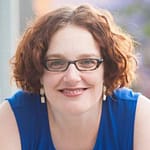
Bronwyn Harris shares stories about students who were incredible, some of whom aren’t in our classrooms and some of whom are, on episode 148 of the Teaching in Higher Ed podcast.
If we start thinking of all kids as our kids, things are going to be much better.
Bronwyn Harris
On episode 148 of Teaching in Higher Ed
Voices on this Episode

Show Notes + Resources
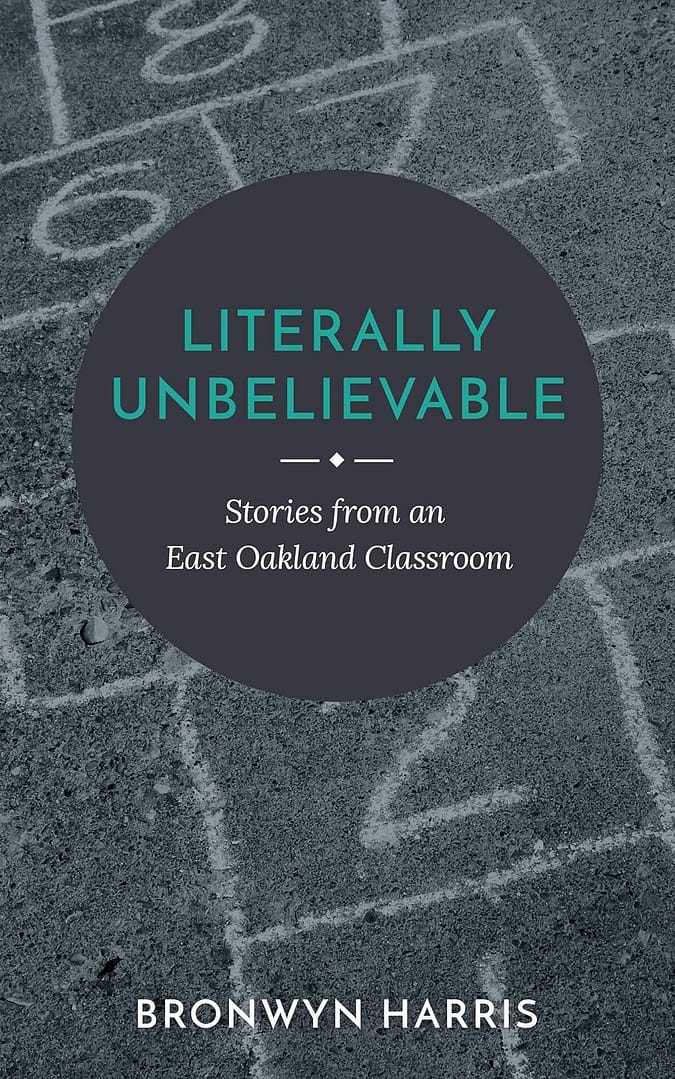
- Literally Unbelievable by Bronwyn Harris*
- Serial Podcast
- Urban Promise Academy – Oakland
- Kevin Gannon on TIHE Episode #52, “Students aren’t our adversaries.”
Recommendations from this Episode

Resource
B.A.C.A. San Diego Chapter

Resource
Harbor House Ministries
Book
Literally Unbelievable by Bronwyn Harris
Podcast
This American Life #562: “The Problem We All Live With”
Podcast
This American Life #563: “The Problem We All Live With”

Resource
Donors Choose

Resource
Bikers Against Child Abuse (B.A.C.A.)
Transcript
tihe148.mp3
Bonni: [00:00:01] On today’s episode of Teaching in Higher Ed number 148 Bronwyn Harris shares stories about students who were incredible some of whom are in our classrooms and some of whom are not.
Production Credit: [00:00:15] Produced by Innovate Learning, maximizing human potential.
Bonni: [00:00:24] Welcome to this episode of Teaching in Higher Ed. I’m Bonni Stachowiak and this is the space where we explore the art and science of being more effective at facilitating learning. We also share ways to increase our personal productivity so we can have more peace in our lives and be even more present for our students.
Bonni: [00:00:53] Today’s guest Bronwyn Harris began her teaching career in East Oakland in January of 2000. She taught first graders who had already gone through one teacher and six substitutes during that school year. In the first five minutes of teaching one student threw a book at her head and she realized she had no set curriculum with which to teach them. In addition she was a quote roving teacher meaning that she moved classrooms every three weeks teaching at the school did not get easier as she transitioned into teaching third grade.
Bonni: [00:01:26] But the students were incredible, creative, thoughtful, loving, angry, at risk, misunderstood, valuable and overlooked. After eight principals in less than eight years, Harris had to face the fact that she couldn’t keep working in such an environment and left the school district but has stayed in touch with many of her students during her time teaching. Harris would tell many of her middle class white friends about what was going on at her school and found that many of them didn’t believe her. Which is how the title of the book came to be. This also strengthened her resolve to write down the true story is so that people would know this side of life in the Bay Area. Bronwyn welcome to Teaching in Higher Ed.
Bronwyn: [00:02:12] Hi Bonni. thank you for having me.
Bonni: [00:02:14] Well I’m so glad that we have been connected by our mutual friend, Emily Penner. She is a professor at the University of California Irvine and she first introduced me to your wonderful book and I feel in some ways like I already know you from having to read these stories of your life and just thank you so much for being willing to come on the show today and talk a little bit about this book and these important stories.
Bronwyn: [00:02:38] Oh you’re very welcome. I’m really happy to be here.
Bonni: [00:02:42] One of the things that I kept wondering and it’s not addressed in the book and nor should it have been because it would be a story for another book or another article. But I wonder if you would share a little bit about your own self-reflection on deciding whether or not to tell these literally unbelievable stories and any other rules you had for yourself in terms of telling them absolutely.
Bronwyn: [00:03:03] So I started writing these as a blog linking said I think I think you mentioned the title of the book it’s literally unbelievable because people just couldn’t believe me and I started writing all these things down as a blog first to document it and assure myself that this was actually happening and show people what was happening.
Bronwyn: [00:03:23] And at some point I got the idea of writing a book and one of the first things I thought about of course was it was really important to me to be respectful of my students. That was absolutely the number one thing. And to be respectful of their families and their community which you know I had been welcomed into but I was not a part of the community. I was a white person who did not live in East Oakland. So I was welcomed into many people’s homes and lives.
Bronwyn: [00:03:49] So one of the things I did when I started compiling all the material from the blog into a post is go through all the students that I could still be in touch with. Most of them were adults at that point and I asked them you know I didn’t need anybody’s real name but I asked them if it was OK if I use their stories. And everyone except one person said it was OK. And one person said even if I changed her name she didn’t want to be in it. She was very private. She didn’t want any of her experiences to be in the book so I took those out and there were some really good stories in there but it was you know she’s she’s still in my life. She’s a part of my life and that was very important to me that she did not feel disrespected.
Bonni: [00:04:30] I have a friend who is involved in the fight against human trafficking and obviously they have to have similar care for victims. And it’s sometimes hard in terms of when you tell these unbelievable stories then not wanting them to become.
Bonni: [00:04:48] I don’t I don’t even know what the right word is but sensationalized or to the point where oh isn’t that an interesting story some people talked about the podcast called Serial which looked at a murder trial and you know the young woman who had been murdered her parents are still alive and and they were critical in the media just saying you know people are finding entertainment in our daughter’s death. And I thought oh you know that these are the kinds of questions we have to ask so what did you think about in terms of I’m telling these stories because what were you hoping your readers would do with with these sometimes horrific stories.
Bronwyn: [00:05:20] I wanted to bring awareness because these were all kids who had voices. You know I wasn’t giving them a voice. They had a voice and they were you know sometimes brilliant and sometimes funny and sometimes heartbreaking but I think I wanted to amplify their voice because they were often not heard.
Bronwyn: [00:05:40] And one student actually told me when the book was coming out she said I’ve waited my whole life for people to know these things and we’re finally being heard. So I really want it. There’s so many people who read you know even just a mile or two away from where I was teaching who had no idea what a different world it is what a different quality of education that is you know within the same school district just a vastly different quality of education.
Bronwyn: [00:06:08] And this came with its own pitfalls. You know I’m a middle class white person writing about this. So I would I tried to be very careful in my tone of voice in my you know making sure I had respect making sure I didn’t use words that could be seen as judgmental. But I’m sure there are times I failed. And one of the reasons I self-published is that I wanted those mistakes to all be on me and not you know have a publisher changing my work.
Bronwyn: [00:06:35] My editor and I worked really hard to set a certain tone one of respect and that was you know maybe one of the most important thing for me to be able to tell these stories and show people the reality while not turning the kids into sort of a stereotype you know turning the kids into all these poor minority kids that we need to say I don’t want to do that.
[00:06:59] One of the things that keeps coming up for me over and over again in my own teaching is the importance of context and especially I guess the importance of me recognizing how little I sometimes know about my individual students context could you talk a little bit about the context that most of your kids lived in on a day to day basis.
Bronwyn: [00:07:21] Absolutely. And I think it’s important to mention a couple of things about my contacts coming in so I came in as a middle class white person from Petaluma which is a suburb went to UC Davis. We’ve never had a lot of money but we never struggled for food and we were never about to be evicted. And I thought that teachers were there to help me and that police officers were there to help me and that I was going to college you know that was all. Those are all things that I thought when I was a kid.
Bronwyn: [00:07:48] And I was not prepared and my teacher preparation classes for anything like East Oakland. You know I walked into these classes and a couple of things in the book I think really describe the context and one is that we had a class discussion about need versus want and the kids were categorizing you know what I mean and what to want. You know toys are wants and food is a need. And they put housing in the want section because to them you can live without housing they have plenty of relatives who live on the street or who couch surfer who lived in shelters and that was not an impediment to staying alive.
Bronwyn: [00:08:24] And that just floored me that housing could be considered you know not a basic need but that was that was part of their context. And I found there none of them quote unquote seemed homeless. But you know a lot of them were staying in families houses were they weren’t on the lease you know there were three people on the list and there were nine people staying in the house or something like that or you know they were switching time between different family members or they had lived in a shelter.
Bronwyn: [00:08:54] Another thing that I was not prepared for that was part of the context was that at the time I don’t think it changed that much. But at that time in the early 2000s this part of East Oakland was we talk about majority minority school. This was 100 percent minority. I never taught a white kid. I never had a white student. And in fact the first year when I was there and I taught first grade you know these are six year old. And I was not prepared for this.
Bronwyn: [00:09:23] And I started saying something about Martin Luther King and you know he’s an idealistic young teacher and I said something about how great it was that you know Martin Luther King and people like him made it so that black kids and white kids could go to school together and a little 6 year old looked at me and she said Teacher What are you talking about black kids and white kids don’t go to school together.
Bronwyn: [00:09:46] And I was stunned and I didn’t know how to respond and at the same time another kid jumps in and says well there ain’t no white kids. And I said What do you mean. And he said there’s only three kinds of kids there’s black kids, Mexican kids, and Chinese kids. And at that point all of my Vietnamese kids started yelling about don’t call them Chinese and you know sort of evolved but thought about it later.
Bronwyn: [00:10:09] They had never interacted with white kids ever to the point where at this age they weren’t really sure white kids existed they’d seen them on TV. And one kid very intelligently pointed out that there were white teachers so white teachers had to come from somewhere so there must be white kids somewhere. And it was just floored me. I had never seen that kind of segregation. I had never been the only white person in the room and this was normal life. They you know this is what they thought was normal.
Bonni: [00:10:42] You write in your book. “Really I promise kids will live up or down to your expectations”. How did you view the role of setting and or having expectations when it came to your students.
Bronwyn: [00:10:56] You know after a couple of years going to teaching third grade I started realizing how many of the kids by third grade had already had an ingrained judgment of themselves that wasn’t good. And so the first day of school I would say OK you know I’ve been cloture I put your head down I want you to raise your hand if you’ve ever been called bad by a teacher. When you raise your hand if you’ve ever been called stupid by a teacher.
Bronwyn: [00:11:17] And both those questions 100 percent of the boys would raise their hand. And most of the girls and all the black girls raise their hand and I would realize how much power as teachers we have. And I would say something to them like I’m going to make mistakes and I’m going to make you mad. You’re going to make me mad but I promise I’ll never call you bad. Never call you stupid because you’re not.
Bronwyn: [00:11:39] And sometimes that would make all the difference. I had one student who I sat down who was had some processing disorder so he he wasn’t great at school but he was very smart. And I finally sat him down and I said listen you’re trying to outsmart me and I want you to know that I respect how smart you are but you need to understand that I’ve been to college. There are things that can teach you. And having this kind of honest conversation with them changed the whole dynamic.
Bronwyn: [00:12:09] He he was so excited that I thought he was intelligent was excited that I said it out loud and he looked at me and he said yeah you’re right I think I can actually learn from you. So a lot of times just saying things out loud would help the kids because they had internalized all of these negative ideas about themselves. I would also tell them you know I really expected that I expected them to graduate from fifth grade expected them to graduate from 8th grade I expect them to graduate from high school. And some of them have never heard that before.
Bonni: [00:12:42] One of the heartbreaking but heartwarming things that you talk about in the book is this wonderful trip that you got to take with the kids to the beach. Could you tell us a little bit about that story.
Bronwyn: [00:12:54] Sure. Those kids were really special to me. I had the older one in third grade and I called him Jorge in the book and his little brother’s name was Luis and Jorge was a very special kid. He was born to a 14 year old undocumented immigrant from El Salvador who at 14 I think already had had drug and alcohol problems.
Bronwyn: [00:13:16] So Jorge became the default adult in that family and his grandmother had custody of him quite a bit at the time but his grandmother didn’t speak any English and was illiterate in Spanish. So he took on so many responsibilities and he was a child who in second grade he called his teacher who is a friend of mine. He said How can I learn how to be good because other people have parents who can teach them how to be good. And I don’t have that. So I need to learn how to be good. And he had that kind of self-awareness.
Bronwyn: [00:13:50] He also told me in third grade he said. Ms. Harris I figured something out. When your mom’s on drugs she forgets she loves you. You know it’s not that she doesn’t love you with that she forgets which just broke my heart. So when he wasn’t in my class anymore. A friend and I took him in his little brother’s Exploratorium you know we got all the sign forms from the parents and everything. They had never been to San Francisco. No that’s not true. They had been to San Francisco once with a second grade teacher you know. He had never been on these kinds of outings with a family member and we took him to the Exploratorium and then we had some time after we settled to the beach and the kids got really excited.
Bronwyn: [00:14:27] They’d only been to the beach once with that previous teacher and we said OK we’re still the same couple and they had no idea they’d never built a sand castle you know. And so just letting them run around and they got soaked and they got Sandy and we ended up having to call my brother who lived nearby to bring extra clothes but you know this Jorge had been the oldest in this family.
Bronwyn: [00:14:50] He always had this posture where it looked like he was carrying a really heavy burden where his shoulders were set like with you had the whole weight of the world on him and this day you know he ran around and rolled in the sand and made sand castles and threw his name on the sand and you know he just looked like a little kid it was so exciting to see him look like that.
Bronwyn: [00:15:12] So I kept in touch with him and we do these outings once in a while. And he had after he left fifth grade he went to a middle school in Oakland that was not well known for being good or respecting students. And he as a child was a child who really picked up right away on someone’s lack of respect for him just immediately.
Bronwyn: [00:15:38] So he when the teacher disrespected him he took that as a cue that he could disrespect the teacher. And he finally got a disciplinary hearing which is the first step in kicking a kid out of a school in Oakland and his teacher didn’t show up to the hearing. And I took him and his mom so we technically won the hearing but the district said you should probably change his school anyway. So they found the school for him which is just a wonderful school called Urban Promise Academy.
Bronwyn: [00:16:06] And the vice principal there who is now a principal at an elementary school in Oakland Jorge walked in and I don’t know what this person did. I don’t know if you want to be named He still works in Oakland but he won over the respect immediately and he called me and he said I have a young man in my office who says that if I want to know anything about his life I should call his third grade teacher. So I’m calling you. And I went to visit him at that school and he was just a changed kid.
Bronwyn: [00:16:36] You know they wore uniform and he was smiling and he looked lighter and it was just wonderful and the staff cared about him and it’s just absolutely beautiful. And he was there for a few months and then he was walking to his grandma’s house which she did often with his friend and his little brother and his friend who I called Johnny in the book was shot by some kids in the neighborhood who had actually been threatening Jorge’s family and what his mother had called the police several times asked to speak to a Spanish speaking dispatcher said that his family was threatened to shoot her kids and she kept saying what the police told her was unless someone said we can’t do anything and you know that’s hearsay.
Bronwyn: [00:17:30] But I’ve heard Oakland police say similar things to me. So I don’t think it’s out of the question. So these people came There’s about eight thirty nine o’clock at night it’s just gotten dark and they shot Johnny who was 13 or 14 at the with eighth grade and Jorge tried to help him and couldn’t help him and he watched his friend die. He was also in eighth grade he was 14.
Bronwyn: [00:17:56] So you know this incredibly traumatic thing happened that no one should ever have to deal with. He’s 14 and he runs home there almost at his grandmother’s house he runs home. The police came and the police and the first thing they did and before putting any of this in the book I checked it with so many people to remember to make sure that my memories weren’t exaggerated. And it really you know it really did happen this way. The police the first thing they did was take him immediately to the house of the alleged shooter to identify them.
Bronwyn: [00:18:26] And the whole family saw him. So now he’s in danger. His whole family is in danger. And then they dropped him off at his house and left him. So you know the whole family is in shock. Their friends just been murdered. They watched it. You know they’re in danger. They don’t know what to do. The next they’re out in paper and I called them and said What can I do.
Bronwyn: [00:18:48] And the mom said they’ve taken him they take him to the police station and they had taken Jorge with 14. They take him away in handcuffs. She kept asking if he was a suspect and they kept saying no. But they took him away in handcuffs and they questioned him most of the night the day after. And he was 14 and she kept telling me you know he need to mom they can’t keep him he’s a minor they need. He needs his mom and they kept him until I called an attorney friend called them and immediately he was released.
Bronwyn: [00:19:19] So after this he’s not just grieving and traumatized he’s also just furious. You know as you can understand and they never got a lot of help the D.A. paid for them to live in a hotel for a week because they were in danger and then the funds ran out. That was at and Jorge just had been doing so well at this you know this school and she was graduating from eighth grade in high school and you just went off the rails and it’s understandable. But she had tried so hard to do everything right.
Bronwyn: [00:19:53] And then this happened and you know not only did he see his friend murdered. He was treated so badly by the authorities that he got really angry. You know he’d start leaving me these messages where he’d just leave me voicemails where he cursed me out to get out of my life. And he finally changed the phone number and I lost track of him and that’s where it was when I was writing the book. And when I was writing the book I thought you know I was really scared to look it up because I had already lost two kids one to violence one to a drunk driver that I knew of.
Bronwyn: [00:20:24] You know I knew there were a lot more that I hadn’t lost that I don’t know. And I was afraid to look them up but I Googled him and I found an article about how he attempted to shoot a police officer. He was in prison and a journalist friend of mine found where he was and I wrote to him.
Bronwyn: [00:20:43] And we have that was about eight months ago probably and getting his prison number was not easy. But I got it and I wrote to him and he said he was just really surprised to hear from me and we’ve been writing letters ever since. And I found out what happened in those years that I lost touch with him which was you know he just he got so angry he didn’t care anymore. He dropped out of school. He joined a gang. He had to do a number of things.
Bronwyn: [00:21:10] Thankfully I believe not actually kill anyone but a number of other things as initiation for the gang. He moved in with his mom and she introduced him to using meth. So you know fast forward a couple of years. And 18. High on meth. And shoots at a police officer and you know I feel like this was 100 percent preventable if we had had better resources for him when he was younger. But since being in prison he has left the gang which put his life in danger and made him get transferred to another prison. He started working on GED. His mom passed away. He’s really trying to make a better life for himself. And I just actually got to go visit him on Saturday. And so we wanted to write a book now about his life and about his mom’s life. So we’re very just the very beginning of starting working on that.
Bonni: [00:21:59] Thank you so much for sharing about him not just today but also in the book it’s powerful and it’s nice to I guess have a little bit of an update but as you said it’s so hard just thinking about how so much of this could have been prevented if if he had access to what should be the basic level of resources he really has.
Bronwyn: [00:22:20] I mean I think about you know I’m in the Bay Area and Palo Alto right now has a pretty high suicide rate unfortunately. And every time there’s a suicide in one of the Palo Alto schools they bring in grief counselors and trauma counselors you know as they should. And you know my kids when they see someone killed violently they didn’t have anything. They literally all they had with their classroom teacher and we weren’t trained for that.
Bonni: [00:22:43] When you started telling the story I think there was a point that I don’t want to miss as listeners it’s kind of easy and I suppose probably our human brains have to make it easy easier for us to listen because when you talk about your stories being literally unbelievable they are to a mind like mine does that does that make any sense at all.
Bronwyn: [00:23:02] Yes it really does. It would have been literally unbelievable to me before I had moved to Oakland.
Bonni: [00:23:07] One of the things that you said though was just Jorge’s ability to know whether or not a teacher respected him. And that’s one of the things that I don’t have any extreme examples to share from my classroom like what you have just described but I regularly have to fight with myself and remember what Kevin Gannon who’s been on this show a couple of times before talks about and that is that students aren’t our adversaries.
Bonni: [00:23:35] And that’s when when they do stuff that just pales in comparison to throwing a book at your head. But when they do sort of like get on their cell phones or have expressions on their face or seem unengaged that that is so often. Ninety nine point nine percent of the time has nothing to do with us. But if our response is with them as adversaries you don’t respect me you don’t care to pay attention. Young whippersnappers today they’re going to feel that. And then it’s a cyclical experience of people who don’t respect each other and it’s very hard for learning to occur in a place like that.
Bronwyn: [00:24:15] But is absolutely right. And it’s really easy I’ve seen so many teachers get into that mentality of the students being your adversaries and the best principal I ever had told us when she said don’t ever ask a student you know why are you behaving this way and when you want to know the answer because there’s a reason behind everything they do.
Bronwyn: [00:24:36] And most of the reasons are really sad and some of them are you know just developmentally appropriate you know teenagers are teenagers and most children are small children and you know there’s always a reason. And if you can work as a teen I mean it sounds so simple and it’s really hard to do. But it’s always effective. And the other way is just never ever effective.
Bonni: [00:24:59] I was sharing with Jackie Parke who’s a friend and a colleague and also a former guest on the show about your book. And she was telling me that she often thinks not just about who’s in our classes in higher education but also about those who are not there. And I wonder if we could just close this part of the show with you sharing about a student who isn’t in our college classes now but who you really wish was.
Bronwyn: [00:25:26] Yes. And let me think of a student name real quick because I’ll talk about her and I have not asked your permission. Let me call her LaShaye LaShaye is the young woman I have been in touch with again recently and she has filled me in more on her childhood. I had her in third grade and I knew at that time her grandmother was raising her and she was angry and she was smart and she was self-critical.
Bronwyn: [00:25:54] And she you know she we had lunch fairly recently and she told me that I was the first person to tell her she was smart and she had been one of those kids who had bounced around foster homes and she had a number of sort of self-harm issues and she was really smart and you know I I didn’t succeed as much as I’d like to with her. I would have liked to but we got her into you know she started writing a lot more to express herself.
Bronwyn: [00:26:25] She started using journaling and she liked to read and she told me that in fact she wants to read a book some day and she had never thought that she could write until third grade when we started. And then she never forgot that. And you know she has a story like many other kids she barely graduated from high school. She was in a high school where she was really overlooked. She didn’t have a lot of the high school unfortunately in Oakland.
Bronwyn: [00:26:53] If you don’t have a parent to advocate for you and or if you’re any kind of behavior problem and I don’t like that term but then you really just you really fall through the cracks the guidance counselors don’t have time for you. Teachers don’t want you in their classroom. And I suspect that’s what happened to her because she’s really just a wonderful person and she barely graduated.
Bronwyn: [00:27:19] She may have been the first person in her family longtime to graduate from high school but and then she easily could have gone on to college. But so many things got in the way. She didn’t have a guidance counselor because her guidance counselor left halfway through the year. She didn’t know how to apply for college. She didn’t know how to apply for financial aid. She didn’t even know she would have made it financially even to go to a community college and she didn’t know how to apply for that.
Bronwyn: [00:27:41] She didn’t know how to fill out the FAFSA. And in fact this was not her but I had another student who tried to go to community college applied for the FAFSA and the community college turned her down. She wasn’t a resident of California and the unfair thing is she’s never been outside of California. So just the bureaucrat if you don’t know how to fight anything bureaucratic you’re not going to be able to go to college if you don’t have someone to help you apply. You’re not able to go to college even if you get into college. There’s still the pressure to work and help support your family. There’s the fear of going away from your family and then in this young woman’s case it was a case she had a child because she didn’t she didn’t know how not to do.
Bronwyn: [00:28:24] You know this is the pattern that had happened in her family and then she keeps saying you know I’ll go back to school or go back to school. And of course the older she gets the harder it is going to be. And I think that we have really lucked out by not getting her an education. She talked about having wanted to be a social worker and she would have been amazing. But at this point I think she’s about 24. I think it’s pretty unlikely that she’ll go back to school. She has at least one kid maybe two. I can’t remember. And yes she just she had so much to offer she was a critical thinker. She loved learning and she just there every obstacle you can think of gotten her way.
Bonni: [00:29:06] What do you share about one of your students who did beat the odds and did wind up going on to college.
Bronwyn: [00:29:12] Yes. And I love this story. This is I call her Rosa in the book. She was in my first third grade class. Her parents had both come from Mexico and neither of them had finished. Neither of them had done middle school. Her dad was his family actually couldn’t afford shoes for him. So he didn’t finish kindergarten because that was the level of poverty there coming from. He was too embarrassed to go to school without shoes.
Bronwyn: [00:29:36] And her parents both ended up in California. Know that they had a few kids and her mom even though her mom I don’t think had finished sixth grade or maybe she had just finished sixth grade somehow really instilled the love of learning and rougher. And then it happened with her two siblings but it happened with her and she was a wonderful student. She went on to one of the new small schools in Oakland the small school models which had their pluses and minuses. But this one was pretty bad and they had a really high teacher turnover high administrative turnover.
Bronwyn: [00:30:12] A lot of lockdowns for shooting. You know was in a really bad part of Oakland. And she graduated she was the valedictorian and she got into UCLA and she went to UCLA and she started doing really poorly in school because she wasn’t prepared for that. And a number of my students who made it into college dropped out their freshman year because they just weren’t ready academically or ready to be away from their family.
Bronwyn: [00:30:36] And Rosa did one of the smartest thing I have ever heard of which is even though you know she was one of the first in her family to ever go to college I think the first in her immediate family I think she may have had some you know second cousins who have been to college too even though there’s all this pressure on her to stay and succeed. She came home and she went to community college and she learned study skills. And she got herself ready to go back to UCLA and that decision was I mean just so mature of her and she went back to UCLA and I got to see her graduate a couple of years ago and it was amazing. It’s absolutely amazing.
Bonni: [00:31:15] That must have been quite a celebration.
Bronwyn: [00:31:17] Yes. It really was.
Bonni: [00:31:19] This is the point in the show where we each get to give our recommendations. And I was going back to my highlights that I made in the book when I was reading literally unbelievable. And one of the things that you recommended is also something I’d like to recommend and that is a couple of episodes of the This American Life podcast. It was episodes number 562 and 563 and I linked to it in the show notes which are going to be teachinginhighered.com/148 and these episodes were called The Problem We All Live With. And I was sharing with you Bronwen that I actually had to confirm with you that I was remembering the right episodes because the biggest takeaway that I had from listening to these episodes was just the inherent problem when we forget that we are a part of a larger system.
Bonni: [00:32:09] And it was just this absolutely horrific parents meeting in a school that didn’t want their kids to go to school with those kids or have those kids is essentially like arguing for segregated schools because I want access to the better resources for my kids and not seeing any value in diversity or value for the whole of the community and how much better off things when an entire community is better educated. So I wondered if you would share a little bit about why you recommended it in the book too but I also echo echo your recommendations.
Bronwyn: [00:32:43] Right. And that’s what hit me too was these parents speaking. And for me I’ve had a number of friends and acquaintances who are not hateful like that but they’re not going to choose their neighborhood schools. So I think it’s much easier for all of us even those of us who we consider ourselves progressive and enlightened and not racist. It’s much easier for people to think about well yeah but how will this affect my child.
Bronwyn: [00:33:09] You know it might be good for the greater community. I mean there’s a huge value in educated white parents sending their kids to neighborhood schools because those parents are the ones who know how PTA work and can get funding for the schools and can make the schools you know live up to what they need to be but they don’t want to send their kids there and to an extent I understand that and I think that’s really human.
Bronwyn: [00:33:31] But if we start thinking of all of the kids as our then it makes a huge difference. You know sure don’t put your kid in a place where they’re going to be in danger. But having a white person be a minority does not mean they’re in danger. You know sending them to a school with slightly lower test scores test scores are very much just a reflection of the parent’s income. It doesn’t mean they’re going to be in danger. And that’s something I really struggle with with a lot of the you know progressive white people I know who make these choices and they don’t sound like those parents on the podcast. But it’s a little bit and people are going get mad at me for this but it’s a little bit of the same thing. You know looking at you know my personal children rather than the whole community and if we looked at the whole community we’re all going to be so much better off.
Bonni: [00:34:19] One other thing I wanted to actually do things I want to recommend before I pass it over to you. Bronwyn is. I really would recommend that people pick up your book. I don’t ever recommend anything on the show that I haven’t either read myself or a product that I use and it’s just it’s a wonderful book it’s Just A great read and actually by the way I didn’t even mention this. You were able to obtain an endorsement from one of my all time favorite authors and that’s Anne Lamott. I was blown away.
Bronwyn: [00:34:47] I was. She e-mailed me and I thought someone was playing a trick on me to tell you the truth. And she tweeted it. And I know she’s absolutely one of my favorite authors ever.
Bonni: [00:34:55] So pick up the book and then the other thing I was going to mention is that I have just received my husband and I received some thank you cards from a donation that we made on Donors Choice and Donors Choice is a website where teachers can post about names they’d like to do whether it’s with technology or with just if they had extra access to resources and the particular project we donated to was so cool because it was a teacher in a very poverty somewhere in Santa Ana I believe and she wanted to buy those baby eight robots and teach trigonometry to her students. And we got to get thank you cards from some of the students and they were talking about how controllable these robots were and how much fun they had. And we got to see some pictures and everything.
Bonni: [00:35:37] So Donors Choice is just a small way. It’s not enough by any means but if you just feel a little bit like Gosh I’d like to do something at least you can have education experiences that people could do if we were able to give a little bit to fun things so I would check out donor’s choice.
Bronwyn: [00:35:53] Right. A slight correction is Donors Choose and you can find it that way. And I absolutely love it. I was one of the pilot teachers in the Bay Area for that. And the kids would just get so excited we got more presents. You know in the present for all educational and they love the people who donate 300 shoes. Thank you know to get the kids to love making the thank you notes because they actually so grateful so it really is such a good organization. I love it.
Bonni: [00:36:24] I’m so glad because I didn’t obviously talk to you about it before we started recording and obviously if I had you would have corrected me before this. But how neat that you were able to be a part of it as well so I can feel even that much better about recommending that. So thank you.
Bronwyn: [00:36:38] You know in fact at my old school people who don’t know me still have all the supplies that say my name on it because the teacher you write your name on everything and you know I left it at school when I left. And so everybody still has all these amazing supplies you know all these years later.
Bonni: [00:36:53] Oh that’s wonderful. I remember your story about the paper to somebody donate the paper and got a paper for a life. One of my favorites. Well what do you have to recommend today.
Bronwyn: [00:37:05] So I have. I was actually going to recommend Donors Choose. So I don’t know if I can have her last. I to know I have a couple of more I can do.
Bonni: [00:37:12] Sure.
Bronwyn: [00:37:13] These are in my book. And one of them is something that I found out about through my editor my editors wife is a part of this group in San Diego and it’s Bikers Against Child Abuse International BACA for short. And this is and I hope if they listen to this I hope that I am doing this justice. But I’m sure they can correct me right in and correct me if not. But it is a group of motorcyclists whose goal is to and this is a quote.
Bronwyn: [00:37:42] The goal is to say for create a safer environment for abused children so they all are bikers. And you know the interviews I’ve seen are very much stereotypical bikers and a lot of people with leather vest and big beards and that kind of thing. They’ve had extensive background checks and training and they provide physical and emotional support for children who have been abused and they do things like escort them to court sit in court while they’re testifying. So they can’t be intimidated to stand guard around their house at night.
Bronwyn: [00:38:11] And you can see as a kid the idea that you have these you know big like bearded leather clad motorcyclists supporting you you would feel a lot braver and I just love it. One of the really smart things they did is they don’t fool the kids their real names because then they can get subpoenaed so they they tell their kids the road names because you can’t subpoena somebody like you know written named Road Hog or something and the kids get their own vests and the kids get their own road names and get to be part of the call. You know they’re part of the biker family. So it’s a really unique way of. You know supporting and protecting kids who have been through really horrific abuse.
Bonni: [00:38:51] I’m looking at the website. That’s fun looking at the pictures.
Bronwyn: [00:38:55] No I found out about it I just got so excited I just love it and also recommend the organization that I used to work at and I left to write this book and it’s local. It doesn’t have branches everywhere so it’s not you know this is not going to be something that applies to a lot of your listeners but they can look at a Web site it’s called Harbor House Ministries and the Web sites HHministries.org.
Bronwyn: [00:39:19] And it’s in one of the poorest parts of Oakland. It’s been there for a long time and it’s literally is just a big house that was built in the early 90s. Hundreds I think. And it is nominally a Christian group but they have a secular afterschool program. They have ESL classes for adults. They have food distribution and they really try to help the needs of the whole family. And when I was working there I was the director of education when we had kids who were refugees from Iraq and we had you know kids were living in poverty. You know who are seventh generation Aucklanders.
Bronwyn: [00:39:52] And we had kids from I think 16 different countries when I was there. Plus Native American and African-American kids and they all learn to get along just fine and to play and their parents appreciated it because they got academic help and we employed a lot of the youth in the neighborhood it’s just a wonderful wonderful group. And they’re always in new determination. But also if you’re local you can contact them and just go check it out and see what they’re doing because it is such a cool hopeful place especially right now with everything going on.
Bonni: [00:40:26] I love that phrase that you just used a hopeful place we need more hopeful places and you’ve given us a more hopeful place in writing this book and having the courage to do it. And I can only imagine in terms of your own transition and navigating your way through it’s been rough but thank you so much for the gift that you’ve given us and for being on today’s podcast to share a little bit about it.
Bronwyn: [00:40:47] Thank you.
Bonni: [00:40:52] Thanks once again to Bronwyn Harris for sharing about Literally Unbelievable. Your stories are so powerful and important to helping us be more aware of what students are in our classrooms and also which ones are not. If you are listening to Teaching in Higher Ed and enjoying it it would be helpful if you would consider writing a review on iTunes or whatever services that you use to listen to the show. It really helps spread the word and get more people listening and being a part of the community. You can do that on iTunes or whatever services you use to listen. Thanks so much for listening and I will look forward to seeing you next time.
Teaching in Higher Ed transcripts are created using a combination of an automated transcription service and human beings. This text likely will not represent the precise, word-for-word conversation that was had. The accuracy of the transcripts will vary. The authoritative record of the Teaching in Higher Ed podcasts is contained in the audio file.