Follow the Teaching in Higher Ed Podcast
About this Episode
Annemarie Perez shares about bridging the culture gap in the classroom and other broad thoughts about cultural competence on episode 119 of Teaching in Higher Ed.
What is normal for me and my culture is not universal.
Annemarie Perez
On episode 119 of Teaching in Higher Ed
Voices on this Episode


Show Notes + Resources
Recommendations from this Episode

Idea
Find a non-profit that might help your students with resources for professional dress
Resource
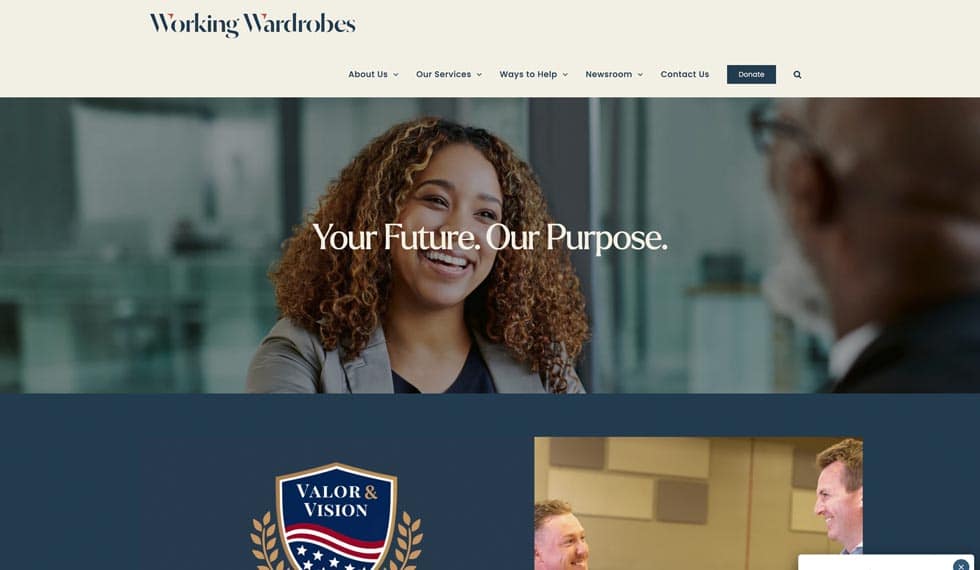
Working Wardrobes
Book
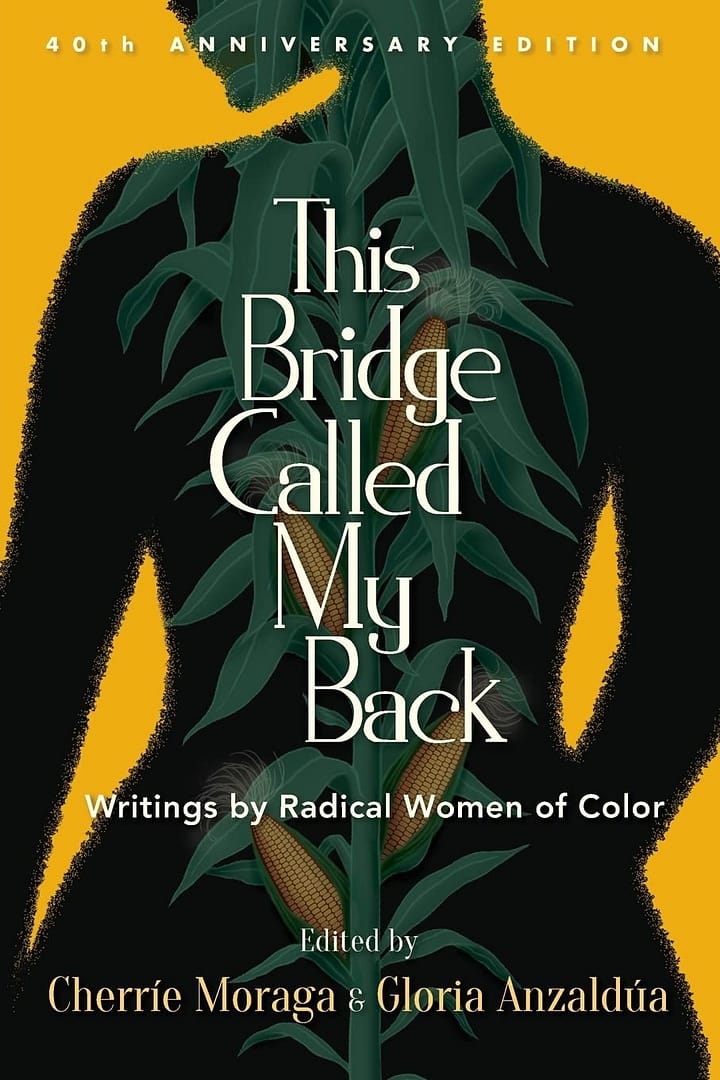
This Bridge Called My Back: Writings by Radical Women of Color, Edited by Cherrie Moraga and Gloria Anzaldua

Movie/TV
The Great British Baking Show
Book
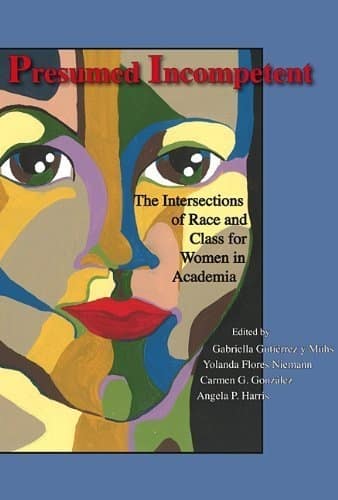
Presumed Incompetent: The Intersections of Race and Class for Women in Academia by Gabriella Gutierrez y Muhs (editor) and Yolanda Flores Riemann (editor)
Resource
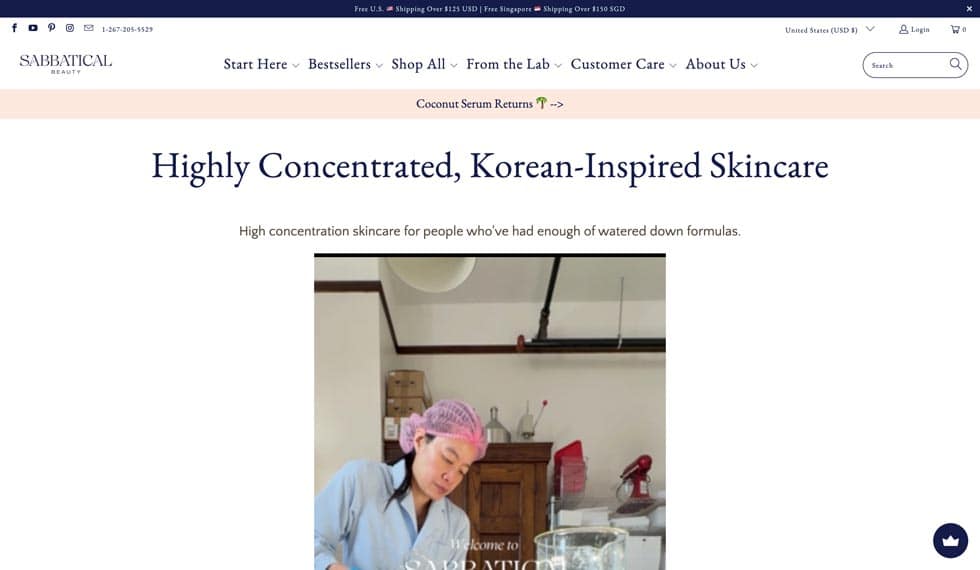
Sabbatical Beauty

Idea
Overhead transparency

Resource
Hofstead’s national culture dimensions
Transcript
Bonni: [00:00:00] Dr. Annemarie Perez shares about Chicana/Chicano and Latina/Latino culture and other broad thoughts about cultural competence today on number 119 of Teaching in Higher Ed.
Production Credit: [00:00:18] Produced by Innovate Learning, maximizing human potential.
Bonni: [00:00:30] Welcome to teaching in Higher Ed. This is the space where we explore the art and science of being more effective at facilitating learning. We also share ways to increase our productivity approaches so we can have more peace in our lives and be even more present for our students.
Bonni: [00:00:59] Today I have the privilege of welcoming to the show Dr. Annemarie Perez. She teaches interdisciplinary studies and Chicana Chicano Studies at CSU. That’s California State University Dominguez Hills and is the coordinator of their humanities program. Her specialty is in Latina Latino Literature with a focus on Chicana feminist writer editors from Nineteen sixty five to the present.
Bonni: [00:01:29] She’s interested in digital humanities and digital pedagogy work and it’s intersections and divisions with ethnic and cultural studies and one of the things I’m going to just briefly share before I get her on the line here is from her blog which I will link to in the show notes at teaching in higher ed dot com slash 119. And it is her teaching manifesto which is something that emerged as she participated at the digital pedagogy lab at Summer Institute at the University of Mary Washington.
Bonni: [00:02:05] And from what she describes on this post again which I linked to is Sean Michael Morris asking them to really grapple with some questions about their own pedagogy and their their real sense of what it means to teach. And she writes the following. There are not enough voices engaged in Chicana Chicano studies in this university in this state in this country in the world are artists. Our people are under attack and it is pretty much been ever so. Yet there is so much that is significant in Chicana Chicano thought in literature art and in our own lives. I teach what I do the way I do because I want us to see it and talk about it together. I want my classes to add to and be a part of this collection. To hear the voices from our past and amplify them I want your voices to be amplified. Your word to be read your art to be seen and so there is a lot for us to look at to read to watch to uncover. It is work and it is amazing.
Bonni: [00:03:17] Annemarie, welcome to Teaching in Higher.
AnneMarie: [00:03:19] Hello Bonni. It’s so exciting to get to talk to you.
Bonni: [00:03:24] We were mentioning before we started recording that we already feel like we know each other and I’m just so glad that I get to have this conversation with you today someone that I feel comfortable talking to. So thank you for spending your time about this really important but tough to talk about topic.
AnneMarie: [00:03:39] No. I’m very excited and I feel I felt for the last since I heard your podcast with Jesse Stommel on on Twitter. I which he’d made. I don’t know if you realize but he’s made listening to that podcast part of the teaching Twitter class. He does through the digital pedagogy as when I heard that podcast and then went back and I’ve been listening to them going backward and I feel a little bit like a stalker.
Bonni: [00:04:11] Yeah well I have felt that and we really have to talk you know Jesse is so great. I didn’t realize he was assigning it. But I do associate you a little bit with that crew because I know you’ve had a chance to participate in some of their events and some of the important conversations that they’re having at the digital pedagogy lab.
Bonni: [00:04:30] Let’s talk first just about culture. Because you have studied about some specific types of culture. But let’s back up just a minute. And what kinds of things come up as you think about why it’s important for us as educators to understand a little bit about culture.
AnneMarie: [00:04:48] Well I think and you know this is I in many ways I’m very provincial. I was talking to my partner about this last night because I’m going to be teaching costs on Los Angeles next semester and I’ve taught them before and I’m very much from Los Angeles in fact I’m fourth generation Angeleno. And so I don’t have family in any other part of the country. I hadn’t been east of Arizona.
AnneMarie: [00:05:18] When I when I started college in fact when I got accepted at Ohio State University I thought I was going to Oklahoma because I had mixed up the two states in terms of their location because everything east of the Sierras just was was never land for me.
AnneMarie: [00:05:37] So I do tend to think of Los Angeles as the center of the world. And as I’ve become less provincial and traveled more I’ve realized you know the world has lots of centers you know Los Angeles is an important world city but you know so so is Beijing.
AnneMarie: [00:05:59] So is Mexico City so is London. So you know and having been to London a few times I wasn’t shocked when I went to Paris because I expected it to be like London. You know two old European cities and they’re completely different. And you know I’m sure if I went to Rome I would have the same experience. And so I I think we are so immersed in our own culture.
AnneMarie: [00:06:26] You know I am so immersed in Los Angeles culture and so much a part of it that I see I have to remind myself that what what is normal for me what is my culture is not universal and I think that’s a particularly hard thing for Americans because you know America is such an important country on the global stage and we have influence in so many different places in the world.
AnneMarie: [00:06:59] And in you know whether it’s financial military you know you can just go on and on and cultural and to realize no you know there are people. People have have different values different our different languages and what we see as as the norm or our own is not in for for a variety of people and certainly you know I’ve had to realize that about my students for example.
Bonni: [00:07:34] One of the cultures that you have studied extensively is the Chicana Chicano and Latina Latino cultures. And one of the things you shared is that there’s common confusion about the difference between those two. So would you describe a little bit about that and perhaps the importance of that.
Bonni: [00:07:52] A At the end and the o at the end in case someone is not familiar with that.
AnneMarie: [00:07:56] Sure. And the discussions of gender and gender nonconforming have added a whole other layer to that in the next couple years. But I’ll get to that in a second. I’ll start with myself. I am I am Chicana and I am Chicana. You know in its traditional and there there are a variety of definitions but the the definition that comes out of the Chicano movement is someone born in the United States of Mexican descent who has a resistant Polytech who who has a resistant politick to us assimilation and I within that I am Latina.
AnneMarie: [00:08:43] So some some Chicanos and Chicanos don’t don’t opt to use the term Latino or Latina. They feel it’s it’s too big an umbrella and the Latin idea comes from the colonizer whereas Chicana the noise comes from the indigenous. In fact that’s why you sometimes see it rather than starting with the C.H. starting with an axe.
AnneMarie: [00:09:11] But I think there’s some there’s some very valuable things about about seeing that the Latino label and Latinos are basically refers to people from Muhl us Latino refers to people in the United States whose are from Mexico and Latin America Central and South America.
AnneMarie: [00:09:35] And then there’s the term Hispanic which I don’t use even though I teach Hispanic serving institution and part of the reason for that is that it’s not me it’s not a very accurate term for me. As I said I’m fourth generation and I’m not Spanish speaking.
AnneMarie: [00:09:57] I didn’t grow up speaking Spanish. I speak Spanish like someone is six years old. I am you know my my great grandparents came to Los Angeles from Mexico. And so my dad was the only one of his generation who who spoke Spanish and no one of my generation is fluent. So I and I feel a great deal of self-consciousness and shame about that even though I know there’s all kinds of reasons for it.
AnneMarie: [00:10:31] But you know being Spanish speaking in Los Angeles in the 1960s was not considered a positive thing. Parents were told not to speak Spanish with their children. And you know that it would it would it would ruin their educational opportunities.
AnneMarie: [00:10:48] And in fact when my dad who went to Loyola High School in Los Angeles was in high school in the 60s in L.A. Spanish was not considered a college preparatory language so it wasn’t actually taught in schools. We had to take French.
Bonni: [00:11:07] When the people maybe you have to fill out a form. Yeah I guess I think I’m recalling correctly that most forms wouldn’t have Chicana on there they wouldn’t have Latina. It’s going it’s going to put you in a box literally. Who’s going to put them in a box.
AnneMarie: [00:11:23] I do for census purposes I do check Hispanic. Yeah and you know it’s it’s a census term it was created by you know by Reagan and partly in response to the the activities of the Chicano movement in the in the 1970s and it was seen as a less. A less radical term.
AnneMarie: [00:11:52] The other problem with that is if you try to conjugate it in the Spanish So you go Hispanic go but Hispanic those are people from this particular region in Spain. So you can’t actually use that to just you can’t you can’t actually take the term into Spanish without kind of changing the meaning. So and then for a long time if you.
AnneMarie: [00:12:23] Chicanos were considered part of the Chicano. So you know that’s why the movement in the in the 60s and 70s is referred to as the Chicano movement and the argument was Chicanos were were part of that. And what happened as Chicano feminism emerged. Simultaneous actually simultaneously with the movement is you start seeing Chicana as agitating for the split. Not all of your comments but some of them you know.
AnneMarie: [00:12:57] So that’s why you see the Chicana/o except now as we’re becoming more concerned with or more able to see gender as less of a binary and more of a spectrum. Some of it particularly some of the younger Chicano/Chicana activist and Latino/Latino activists are taking away the and the O and instead putting in X and so would be pronounced I think Latinx and that’s just to you know not not force the gender binary. So, yes there is.
Bonni: [00:13:39] What are some lessons then that you would want to tell educators that we can draw from these distinctions that you just shared. What are some things that you see people sometimes inadvertently doing in our own teaching that you want to caution us against that. That because so much of what you just described is identity.
AnneMarie: [00:13:59] Yes.
Bonni: [00:13:59] And how we don’t want to be insulting to someone else’s identity. What lessons should we draw from this wonderful distinction that distinctions that you’ve drawn for us.
AnneMarie: [00:14:10] Well I think I think one of the lessons from cultural studies generally is that what’s really important is just like finding out and pronouncing people’s names properly which I know you have talked about quite a bit on the show and which I always you know have this stabbing moment of fear you know and I when I had looked at my class list because even even with the Spanish surnames I have my Spanish pronunciation isn’t great and I I hate mangling people’s names because names are important and identity is a part and what it comes down to is not naming other people and calling them. X or y you know not me not saying to my Mexican-American student Oh well you’re Chicana because she may not identify as Chicana and that that is her own realization to come to.
AnneMarie: [00:15:20] And you know the same with you know there’s the same sort of although different split within the African-American community as to who identifies as black and who identifies as African-American and I have made. I used African-American so exclusively that I referred to as a British actor is African-American. Cause he is not black but he’s not he’s not in any way African-American.
AnneMarie: [00:15:51] So I think I think one of the things we have to take the time to do is to find out how people identify themselves and realizing that throughout our lives our identity evolves. I mean I don’t have children but it’s fascinating to me how how motherhood or Parenthood actually changes my friend’s identity and how they see themselves.
AnneMarie: [00:16:20] So I think I think it’s seeing seeing identity is somewhat fluid and ultimately as an individual’s right to to call themselves.
Bonni: [00:16:31] In a class that I teach that is of all things on sales. I teach them about relationship building and building rapport with people and one of the things that I caution them against is don’t say Do you have kids. Are you married. I mean that just for someone who didn’t get married until I was 34 let’s just say that’s a better question from before I got married. And same thing with we you suffered from infertility as a family earlier. Seven and a half years.
Bonni: [00:16:58] And the. Do you have children just could really hurt. On certain days. And I’m wondering because because the other thing you’re sharing is I wouldn’t want to say you know where are you from or what are you and what are you is kind of very offensive like if you have an unusual sounding name that I’m not accustomed to pronounce it I don’t want to say you know where are you from or what are you like.
Bonni: [00:17:24] Because because identity goes so much more than race and ethnicity and culture is a quibble and question that you could think of that’s kind of like. Tell me about your family because Tell me about your family could mean so many different things and you really can find out a lot about another person. Is there something like that a question that would be more broad that could help to have some of these conversations about people’s lives and their identities.
AnneMarie: [00:17:50] That’s a really good question and I never really thought of it before. I see teaching as I do at Cal State Dominguez Hills You know because most of the students are local. I one of the things I ask students just as a way to get to know them and making a connection with them since I’m from L.A. myself is all I ask them where they went to high school.
AnneMarie: [00:18:17] I guess as I get to know them as individuals then then it does feel comfortable and it feels very different to ask the question you know where are you. Where. Where is your family from originally or are you now how many generations have you lived in L.A. you know and and finding that out as as I’m sharing information about myself is a lot different than then. You know just asking where are you from and hearing. Well I’m from here.
Bonni: [00:18:57] One of the things I think about as we start talking about culture is this tension between how helpful it can be to learn more about someone’s culture and then but also if taken too far then we start to stereotype people.
AnneMarie: [00:19:15] Right. I think one of the dangers is assuming that you know for example that I am I’m Latina and therefore because I do this this is a Latina thing to do. And that all Latinos or most Latinos do that for instance one of the things you mentioned to me when we were talking about doing this program is you know the cultural expectations around around funerals.
AnneMarie: [00:19:44] And that is true in my family. You know that when my great grandmother died I was at Ohio State University. And I you know flew home right away and the expectation was that I would be home for a week or two. But my my mother is third generation Irish-American and that expectation would have been on me from her side of the family too.
AnneMarie: [00:20:11] And so I always assumed it was a Catholic thing. You know that that we put a lot of emphasis on on the rituals surrounding birth but particularly death and this idea of us being being together and being kind of the glue that holds the extended family together. Are these coming together at life events. You know but I don’t know. You know but I could see that people in Ohio and some of my instructors in Ohio may have assumed that I was doing that because I am I am Latina.
AnneMarie: [00:20:56] But it’s really the way my family is on on both sides so you know I always joke that I am you know my culture is I’m I’m from Los Angeles and I’m culturally Catholic but now I’m not sure if that even answers the question.
Bonni: [00:21:14] Oh no. Yeah. Well one of the other things that comes up and this is this this challenge because if we leave our students where they are when they join as a freshman if we leave them there we’re really doing them a disservice. And in some ways I see my role as wanting to and I’ll just risk it and say to acculturate them in some ways to a business context.
AnneMarie: [00:21:48] Right. And you know I think that partly is is especially true in your discipline because you you’re preparing people for a particular profession or you or you know a range of professions. But the students who are are majoring in business one would assume want to go into business and then they’re at a U.S. school. They they would be considered that they’re preparing themselves for a U.S. business community.
AnneMarie: [00:22:21] I actually used to come up against the side taught for several years in a class called rhetorical arts at Loyola Marymount University and it was a class that combined kind of first year writing and also speech and presentation which was challenging.
AnneMarie: [00:22:44] But but part of it was that the students had to give give presentations and my brief for teaching the class was that they were supposed to wear business attire.
AnneMarie: [00:22:57] And of course I got some pushback for some of the students on now and then I started thinking about it and I was like actually that’s not quite right.
AnneMarie: [00:23:09] So when I came up with instead for their final project instead of telling them they needed to wear business attire was they needed to find out what the what the because what they were doing was they they had had to research and come up with a proposal that would make something in the digital world better.
AnneMarie: [00:23:32] And it could be an object they were creating it could be a campaign it can be really anything and they should prepare their presentation as as if they were going to make their pitch in front of a grand for it. And so part of doing this was researching Well if I’m if I’m coming from say the performing arts how would someone coming from the Performing Arts be expected to dress if they were coming up before a grand or end.
AnneMarie: [00:24:01] And I kind of help them think through that because I think I I think otherwise if we don’t do that aside from some people’s you know national cultures we’re also not giving help to students that are first generation college students and maybe changing their social class by going to college and not really know.
AnneMarie: [00:24:35] Well you know if you just tells somebody to dress up what they wear if they’re not aware that you know know what I’m saying is I I expect you to wear business attire. This is what business attire looks like. Then you know they might show up dressed. What would be perfectly appropriate if they were going to a club because that’s dress. That’s the context where they dress up. So yeah.
Bonni: [00:25:04] It seems really helpful that you instead of making that about on your terms as one individual with your own ideas of what that should be as to put it on some sort of an external entity that they could look to. And how wonderful that you’re teaching them. Gosh this isn’t about my rules of life or my rule of giving presentations but go out and learn the cultural norms in whatever area it is you’d like to pursue. That seems really helpful.
Bonni: [00:25:33] The other thing that I’ve really been wanting to challenge myself to do in recent years is find a way to help those students who just don’t have the resources to go out and buy a suit to do their business interview.
Bonni: [00:25:45] And by us there is a nonprofit called Working wardrobes and I have donated to them before. Both clothing as well as monetarily. And then also participated in some of their events but I would suggest to myself and to anyone who’s thinking about this too that there’s probably a nonprofit in where you live that provides career wardrobes to all different sorts of audiences.
Bonni: [00:26:10] And why not try to build some sort of partnership with them where some of our college students who are from a lower socio economic status who might really benefit by having professional clothes that they can go out when they go out to interview that sort of thing. So I would I guess I should move dust into the recommendations said that I didn’t even know I was going to recommend that but check out any nonprofits by where you live that do that.
Bonni: [00:26:34] And then I was going to mention a couple of other recommendations too there’s the Hofstead’s National Culture Dimensions which are to me a great way of providing language around talking about different cultures and some of you may have heard these terms there’s power distance individualism masculinity uncertainty avoidance long term orientation and indulgence.
Bonni: [00:27:01] And if you go onto their Web site which I will be linking to in the show notes at teachinginhighered.com/119 you can go and see the different dimensions of various countries it’s really interesting to look at. And I think actually you can take a free assessment to where you could look at your own because as Annemarie was sharing about it’s not like we’re just this one dimension of our identity.
Bonni: [00:27:28] And you could see how much you fit the general things about your country that you’re from and where some of the differences may be where you might have seen your own cultural differences start to root up.
Bonni: [00:27:39] So that would be another recommendation and then the last one actually comes from Annemarie you shared with me about a book he recommended that we have the authors on the show and I am so pleased to report that one of the authors will be on an upcoming show. The book is called Presumed Incompetent. And since you recommended it to me Emory Why don’t you share about what it is and why you think it’s important for us to read as educators.
AnneMarie: [00:28:05] Yes Presumed Incompetent was put together by over a period of years it’s really an incredible labor I think of both love and scholarship. Basically the experiences of women of color in academia. And so how race gender and class intersect really it’s working intersectional communism and it basically uses a combination of bringing together a lot of sociological social science studies psychological studies with auto ethnography as as these women tell her own stories or each other’s stories and about how inhabiting the body of a woman of color in a field where you know all you have to do is Google professor and you see a bunch of white Tweetie man what does it mean to you to inhabit the body of a black woman or a Chicano woman in front of in front of the classroom in the faculty room.
AnneMarie: [00:29:15] And how does that kind of feed a sense that yes that you’re less competent than you you didn’t deserve to be where you are. All of these things so it’s a it’s a wonderful book. It’s a heavy book. I had to read it. I read about the first 20 pages of it and then I found myself feeling just too emotional about it. And I had to put it aside and I read it in Burse over a period of a few months.
Bonni: [00:29:48] Thank you so much for recommending it. And I’m looking forward to speaking with Yolanda Flores very soon.
AnneMarie: [00:29:55] And I’m looking forward to hearing that interview. I’m very excited.
Bonni: [00:29:58] What do you have to recommend today.
AnneMarie: [00:30:00] Well I have I have three things. The first is a wonderful book of of early intersectional feminist thought by Cherrie Moraga and Gloria Anzaldua. The book is called This Bridge Called my Back was out of print for several years and has been brought back into print by Sunni press and it is even though it was written in 1981 I am always struck by how well my students relate to the book because a lot of a lot of the essays in it and poems and stories were written by women in their in their early 20s or in some cases even in their teens so definitely This Bridge Called my Back.
AnneMarie: [00:30:50] If you read it years ago pick up a new copy if you haven’t read it you know it it’s available and it can be assigned for classes again because it’s back in print.
Bonni: [00:31:03] Wonderful.
AnneMarie: [00:31:04] The next one is a friend of mine Adeline Koh who is a just brilliant scholar in the Digital Humanities took a sabbatical last year. She had gotten tenure. It was time for her sabbatical. And she is such the Type A personality that in in getting away from her discipline you know and taking a break at the advice of everyone who said you know take a break in your work. She started a cosmetic company which is called Sabbatical Beauty. I got to name it. So I feel certain proprietary. And she basically makes small batch beauty products surgeons and creams and masks that have a high level of actives.
AnneMarie: [00:31:56] You know whatever that means. But whatever makes the magic happen and yeah it’s it’s just everything I’ve gotten from sabbatical beauty smells wonderful. It seems to work on my my skin. So anyway I suggest people go and just check out sabbaticalbeauty.com.
AnneMarie: [00:32:17] I think we may have lost her as an academic she’s just loving running her own business. And then the third thing is just totally for fun which is if you haven’t found it yet I believe it’s on BBC America or you know whatever shady parts of the Internet you find things on that great tradition.
Bonni: [00:32:37] I’m thinking…BBC America is shady??
AnneMarie: [00:32:42] No BBC America, you might go and look for it on shady parts of the internet. The Great British Bake Off is just incredibly fun. I think it’s everything that reality TV should be. You know it’s it’s fun it’s kind it’s it’s wonderful to watch it’s just a a you know baking contest with you know amateur bakers from all over Britain. But you know you don’t. It’s not exploitative. The way that reality TV can be it’s just really fun and you get to watch people make cake. You know what could be better.
Bonni: [00:33:24] That cracks me up so much. The woman who developed the revamped Teaching in Higher Ed web site. Her name is Naomi. She is a friend of mine. We work together and sometimes do side stuff like that. When we were both so exhausted just as we finished off the revamped the summer are ways to unwind I was watching Mr. Robot and she was watching the great British baking show. That’s the only other reference I’ve ever heard to it. It sounds delightful. It totally is.
AnneMarie: [00:33:49] It totally is. It’s and it’s just kind of magic in you know you also get a sense of what summer is like in in Britain because they signed on on the grounds of the British country house and in a tense you know big big tent. And sometimes it’s just like getting down rain. And sometimes it’s really hot. You know and they’re trying to get you know icing to set and it’s just it’s it’s wonderful.
Bonni: [00:34:21] Well Annemarie and it’s been such a great pleasure to talk to you today and I feel that you’ve given us such a good foundation for the conversation that will be in the coming weeks with Yolanda and I just really appreciate your time both today and then also to also just participate in the teaching in higher ed slacke channel and over Twitter. You’re a wonderful resource to me and to so many others and just thanks so much for your time.
AnneMarie: [00:34:44] It’s been huge fun. I was very very nervous. And you made this quite painless and a lot of fun.
Bonni: [00:34:51] Oh I’m so glad. Well thanks for joining me hopefully it’s not the last time.
AnneMarie: [00:34:55] OK.
Bonni: [00:34:56] Thanks to Annemarie and thanks to all of you for listening. I hope we’ll go to teachinginhighered.com/119 and consider joining me in picking up the book that I mentioned presumed competent in preparation for my conversation and looking forward to with Yolanda.
Bonni: [00:35:15] In the coming weeks and if you have yet to subscribe to the weekly update from Teaching in Higher Ed it’s just a single email each week it automatically brings in the show notes and all the links to the things we talk about on the show into your inbox.
Bonni: [00:35:29] And in that same email is an article about either teaching or productivity written by me. You can subscribe at teachinginhighered.com/subscribe and you’ll also get a copy of ed tech essentials 19 tools that will help you facilitate learning using technology and boost up your productivity. Thanks so much for listening and I’ll see you next time.
Teaching in Higher Ed transcripts are created using a combination of an automated transcription service and human beings. This text likely will not represent the precise, word-for-word conversation that was had. The accuracy of the transcripts will vary. The authoritative record of the Teaching in Higher Ed podcasts is contained in the audio file.