• Skip to primary navigation
  • Skip to main content
  • Skip to footer

Teaching in Higher Ed

  • Podcast
  • Blog
  • SPEAKING
  • Media
  • Recommendations
  • About
  • Contact
EPISODE 612

Make Learning Visible with ePortfolios with Lynn Meade

with Lynn Meade

| March 5, 2026 | XFacebookLinkedInEmail

https://media.blubrry.com/teaching_in_higher_ed_faculty/content.blubrry.com/teaching_in_higher_ed_faculty/TIHE612.mp3

Podcast (tihe_podcast):

Play in new window | Download | Transcript

Subscribe: Apple Podcasts | Spotify | RSS | How do I listen to a podcast?

Lynn Meade uncovers how to make learning visible with portfolios on episode 612 of the Teaching in Higher Ed podcast

Quotes from the episode
Anytime I teach portfolios, it's really big that we talk about audience and purpose. Who is your audience and what is your purpose?

An ePortfolio is basically a curated collection of student work. It includes reflection, and it's usually across the college experience.
-Lynn Meade

Anytime I teach portfolios, it's really big that we talk about audience and purpose. Who is your audience and what is your purpose?
-Lynn Meade

There's something particularly lovely about seeing student or faculty members' written comments about my work. Both the critiques and those comments that build me up, and how very powerful they are, and how much they mean to me.
-Lynn Meade

It's not about the tech. The most important thing is, am I writing? Am I able to think about myself? Am I able to reflect about myself?
-Lynn Meade

Resources

  • Building a Professional Portfolio (OER Book) by Lynn Meade
  • University of Arkansas Student Portfolios (portfolio.uark.edu)
  • Award-Winning ePortfolios Highlight Student Talent and Career Readiness
  • Fulbright College Team Outlines ePortfolio Initiative
  • Multiple New U of A ePortfolio Resources Available for Students and Faculty
  • Beyond a Resume, Part One: ePortfolios in Higher Ed (podcast)
  • Beyond a Resume, Part Two: ePortfolios in Higher Ed (podcast)
  • ePortfolios Overview (AAC&U ePortfolios Topic Page)
  • Poll Everywhere
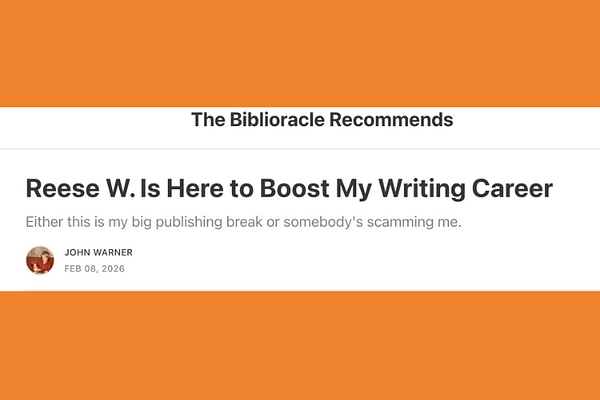
  • Reese W. is Here to Boost My Writing Career, by John Warner
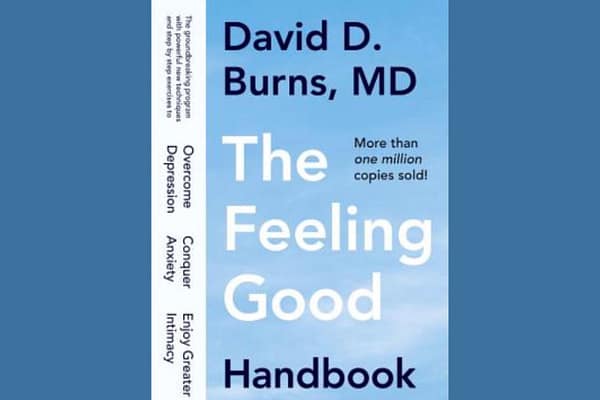
  • The Feeling Good Handbook by David Burns
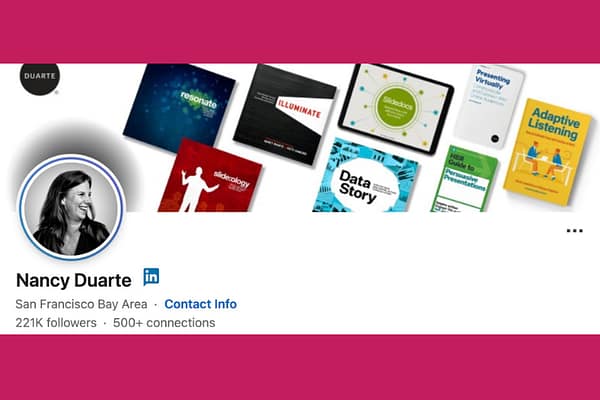
  • Nancy Duarte on LinkedIn
  • Video on Box Breathing

ARE YOU ENJOYING THE SHOW?

REVIEW THE SHOW
SEND FEEDBACK

ON THIS EPISODE

Lynn Meade

Teaching Associate Professor

Lynn Meade’s passion for teaching began in elementary school, where she spent summers turning old textbooks into homework assignments for her friends. That early love of learning has only deepened over time, shaping a career devoted to helping others grow. She believes learning is most effective when students understand why content matters and how it applies beyond the classroom. Often describing herself as the “fertilizer” that helps others grow, she views teaching as the intentional cultivation of potential—sometimes by encouraging, sometimes by challenging, and sometimes by removing the weeds that interfere with learning. A Teaching Associate Professor at the University of Arkansas, Dr. Meade creates courses that help students bridge the gap between academic learning and career readiness. Through her work with the Fulbright Learning Community, she equips faculty with innovative strategies to strengthen student learning. As a Success Coach, she champions students who need additional support, helping them navigate resources, build confidence, and persist toward their goals. Dr. Meade led the AAC&U ePortfolio Institute at the University of Arkansas, a role that sparked multiple campus initiatives and resulted in the creation of Professional ePortfolio, an open educational resource she authored. She has also authored Advanced Public Speaking and coauthored two faculty-focused guides, Coaching Connections: Helping Students Navigate Their College Experience and Peer Observation of Teaching: A Practical Guide for College Teachers. In addition, she has delivered more than 100 presentations on teaching and learning. At the heart of Dr. Meade’s work is a deep belief in growth—helping people look inward, recognize their strengths, and unleash their potential so they can, in turn, contribute meaningfully to the growth of others.

Bonni Stachowiak

Bonni Stachowiak is dean of teaching and learning and professor of business and management at Vanguard University. She hosts Teaching in Higher Ed, a weekly podcast on the art and science of teaching with over five million downloads. Bonni holds a doctorate in Organizational Leadership and speaks widely on teaching, curiosity, digital pedagogy, and leadership. She often joins her husband, Dave, on his Coaching for Leaders podcast.

RECOMMENDATIONS

Reese W. is Here to Boost My Writing Career, by John Warner

Reese W. is Here to Boost My Writing Career, by John Warner

RECOMMENDED BY:Bonni Stachowiak
The Feeling Good Handbook by David Burns

The Feeling Good Handbook by David Burns

RECOMMENDED BY:Lynn Meade
Nancy Duarte on LinkedIn

Nancy Duarte on LinkedIn

RECOMMENDED BY:Lynn Meade
Video on Box Breathing

Video on Box Breathing

RECOMMENDED BY:Lynn Meade
Woman sits at a desk, holding a sign that reads: "Show up for the work."

GET CONNECTED

JOIN OVER 4,000 EDUCATORS

Subscribe to the weekly email update and receive the most recent episode's show notes, as well as some other bonus resources.

Please enter your name.
Please enter a valid email address.
JOIN
Something went wrong. Please check your entries and try again.

Related Episodes

  • EPISODE 486Design for Learning
    Jenae Cohn

    with Jenae Cohn

  • EPISODE 362Language Learning Ideologies
    Emma Trentman Square

    with Emma Trentman

  • EPISODE 438Learning Out Loud
    Karen Caldwell square

    with Karen Caldwell

  • EPISODE 427Learning in Uncertainty
    Dave Cormier Square

    with Dave Cormier


EPISODE 612

Make Learning Visible with ePortfolios with Lynn Meade

DOWNLOAD TRANSCRIPT

EPISODE 612 : Make Learning Visible with ePortfolios with Lynn Meade

Bonni Stachowiak [00:00:00]:

Today on episode number 612 of the Teaching in Higher Ed podcast, Making Learning Visible with ePortfolios, with Lynn Mead. 

Bonni Stachowiak [00:00:12]:

Production Credit: Produced by Innovate Learning, Maximizing Human Potential. 

Bonni Stachowiak [00:00:20]:

Welcome to this episode of Teaching in Higher Ed. I’m Bonnie Stachowiak, and this is the space where we explore the art and science of being more effective at facilitating learning. We also share ways to improve our productivity approaches, so we can have more peace in our lives and be even more present for our students. I’m grateful to be welcoming to the show today Dr. Lynn Meade. She’s a teaching associate professor at the University of Arkansas, and she creates courses that help students bridge the gap between academic learning and career readiness.

Bonni Stachowiak [00:01:06]:

Through her work with the Fulbright Learning Community, she helps faculty with innovative strategies to strengthen student learning. As a success coach, she champions students who need additional support, helping them navigate resources, build confidence, and persist toward their goals. Dr. Meade led the AAC&U ePortfolio Institute at the University of Arkansas. —a role that sparked multiple campus initiatives and resulted in the creation of Professional ePortfolio, an open educational resource she authored. She has also authored Advanced Public Speaking and co-authored two faculty-focused guides: Coaching Connections: Helping Students Navigate Their College Experience and Peer Observation of Teaching: A Practical Guide for College Teachers. In addition, she’s delivered more than 100 presentations on teaching and learning. Lynn Meade, welcome to Teaching in Higher Ed.

Lynn Mead [00:02:07]:

Thank you so much for having me.

Bonni Stachowiak [00:02:09]:

I know that you and I share something somewhat in common, and I would love if you would share this story. Would you talk about the early origins of your interests in teaching?

Lynn Mead [00:02:21]:

Well, I’ve been a teacher all my life. I taught the— when I came home from kindergarten, I would teach the 4-year-olds their ABCs. And whenever I was in elementary school, I had the great joy of bringing 3 quarters to school, and using those quarters to buy the spelling book, the history book, and to buy also the math book. And I bought them, and I went home, and I made homework for all my friends. And that summer when they came over, then I would distribute homework sheets to them. I have always loved it. It’s what I’ve always wanted to do, and fortunately, I found opportunities to do so throughout my life.

Bonni Stachowiak [00:02:59]:

I was recently with my son. He, he has such a vibrant curiosity, and also will get really focused on things. So he was focused on making a little bit of extra cash, and he helped me with the scanning project. And this brought forth all of these memories of my learning experiences in college, and they’ve just been sitting there, Lynn, in the big thick, you know, the manila folders inside those little file folder things. They’ve been sitting there forever, taking up space. But I don’t know, just something about holding the pages and seeing the writing. On a, on a sad note, and this person’s no longer alive, and it is more of a complicated story than this particular example will give, but had written on there, “Why are you failing to me?” I was just like, no wonder this person scared me while I was in college.

Bonni Stachowiak [00:03:51]:

I was getting kind of probably confusing and terrifying messages like that. But then there’s other where just the, the edifying words—

Bonni Stachowiak [00:03:58]:

it’s amazing to me, Lynn, just, just a short few words, how edifying they both were to me in so many cases, and then continue to be as I look at them all this way. All this to say, Lynn, I’m saddened by how much of our role as teachers, and students’ learning, gets locked behind learning management systems, and it’s really at that assignment level. And you’re here to tell us today about something that really helps with that.

Bonni Stachowiak [00:04:30]:

Tell us what you’re here today to tell us about, and why it is so vital to us as a potential avenue for not having things getting locked away in either literal filing cabinets or digital, behind digital walls?

Lynn Mead [00:04:45]:

Yes, I’m here to talk about professional ePortfolios. If you don’t know, an ePortfolio is basically a curated collection of student work. It includes reflection, and it’s usually across the college experience. It’s a little bit different than just a scrapbook, which I have some of my old materials in, and it’s different than a journal where you write reflections. It brings those two things together, and I think that’s very, very important. I think what happens a lot is students do— I call it a brain dump, for lack of a better word. I think we, we dump a lot of things in their brains, and then they dump those things back to us on the test, and then they walk out the door, and they dump the material in the symbolic trash can, never to think about it again. And I’m amazed, just like you said, how many times students will do an assignment.

Lynn Mead [00:05:38]:

It’s through the learning management system. It’s locked there forever. They— students don’t see it again. Even sometimes papers. I’ll have my students, I ask them to pull up an old paper and they’re like, “Oh, I don’t have it, I’m not in that class anymore.” And so they don’t have access to it. So it’s gone mentally and physically for them, which is just an interesting concept that I think we’ve never had before.

Bonni Stachowiak [00:06:02]:

And there’s also— I don’t want to take us too far off track, but this idea that our interactions, either with our learning or with pursuit of gaining knowledge, are really more ephemeral and transactional. So I have like long tried to convince people why digital bookmarking can be such a wonderful practice for our own sensemaking, but it’s very hard to describe to people, not only students, but really a lot of people, because there’s not really that sense that having artifacts like that could be useful if I wasn’t right in the middle of a transaction that really required it. And so I don’t wanna make it, again, I don’t wanna take us too far afield, but I mean, you’re even talking about like, I don’t have that file anymore. And I’ve always just been like, obviously I still have giant manila folders, which we are digitizing now, but even in my own digital life, I’m a packrat when it comes to those things, you never know! When in my case, of course, my undergrad is what I’ve been talking about, that’s the paper-based stuff, but I have digital copies of papers from grad and my doctoral work. And that’s stuff that’s really interesting to go back and revisit, and reflect on at various periods and inflection points in our lives.

Lynn Mead [00:07:22]:

I think so. And for me, there’s something particularly lovely about seeing student or faculty members’ written comments about my work. Both the critiques and those comments that build me up, and how very powerful they are and how much they mean to me. Even reading, after all these years about, wow, look at me, I did something, I did it well, and I had to work really hard for that. And I think looking at that really helps me to reflect again on the learning, and that sometimes the learning is in the struggle.

Bonni Stachowiak [00:07:55]:

One of the phrases that comes up a lot in this work is: making the learning visible. Would you share about an example that can help us really visualize what does that look like to make it, to make it visual?

Lynn Mead [00:08:10]:

I want to start with a little bit of a story, I was teaching a class, and I asked them a question and they, they couldn’t answer it. And I thought, this isn’t even hard, why do they not know? And what I was doing is I was teaching them about NACE, the National Association of College and Employers, and how they have these competencies, and how students who graduate with these, they are meeting the expectations of employers. Things like communication, teamwork, professionalism, and there’s a list. So I thought, I’m gonna give them a worksheet with all of these names on it. I’m gonna hand it to them, and I’m gonna say: Tell me where you have learned about teamwork in your college experience. Give me an example.

Lynn Mead [00:08:52]:

And I looked out there, and no one was writing. Someone raised their hand and said, “well, but what do you mean?” Well, communication. When have you learned about communication in college that you can tell others about? These are juniors and seniors. They couldn’t think of any examples. And I realized we’re teaching them these things, I know we are! I am, and my colleagues are, but they aren’t making the connection that they have those sorts of things. And so that’s where I— it just became really important to me to help students to see for themselves first that they have indeed learned these things, that they have examples of where they’ve learned these things, because how else are they going to be able to later tell employers in job interviews or grad schools that they know these things at all.

Lynn Mead [00:09:47]:

And that’s where it became really, really important. And so, because I teach professionally portfolios, we actually start with the career competencies. They have to pick 3. There’s a huge brainstorming day where we’re like, “okay, have you ever done teamwork?” No, I don’t know. No, no. Have you ever done a group project? Oh yes, I’ve done several of those. Okay, tell me about the group project. What did you do? Oh, I sent out the, the messages.

Lynn Mead [00:10:11]:

I put the material together. Is that communication? Yes, tell me about that. And so I just think they haven’t had an opportunity to stop, reflect, realize that that actually counts as learning. It’s just a checklist of saying, I did the project, I made my grade that way. And I realize that it’s, it’s not that hard to teach, but you have to stop and pause. But I also want to elaborate on the fact that that’s true of faculty, too. Sometimes we’re so busy making sure that we write the assessments and do the things that we aren’t taking the time to reflect and say, how is this going? How are they learning? What am I learning about them, and the process in doing so? So I do think that it’s very, very valuable that we do. We stop, we pause, and we reflect.

Bonni Stachowiak [00:11:01]:

I love that you said that, and I know later on we’ll be discussing a little bit how faculty might use portfolios in their own work and their careers. ‘Cause I think it’s, when we have this huge separation like, oh, students, they can’t, you know, it’s like, we often don’t slow ourselves down enough, and then also don’t have necessarily always the structure to know what that might look like. So, to have a portfolio that might not have a lot in it today, but that we create this practice of reflection along the way, how helpful that can be. Talk more about how learning portfolios can help us with our goal setting, that longer-term vision for, you mentioned the competencies, or whether it’s faculty or whatever. How do having a discipline of putting that work and making it visible for that longer term, how does it help us think that way and, and structure things that way?

Lynn Mead [00:11:55]:

I think it’s really important. Again, I teach career portfolios, and when they’re building them, there’s this moment at first, I don’t have these skills, and then we brainstorm, and they write about them, and they write what they have, but then they also pause and go, oh, I need more of— what am I going to show an employer? And I’m amazed at how many of my students will sign up for an internship while they’re in my class, realizing that this is something that I need to do to build myself professionally. So sometimes it is that reflection moving forward about, what do I need more of? I also teach faculty how to build ePortfolios, and I think that’s important for them as well. They’ll realize— I’m amazed at how many University faculty have never done any kind of, just like thinking about their, their teaching methodology, why they do it the way that they do, their teaching philosophy. And when we start building those, they’re like, oh, I’ve just sort of just taught, right? Without pausing to go, what is the overarching theme that I have?, And how is that going to relate to what I’ve done in the past, but also moving forward to build towards that philosophy in all of the things that I do?

Bonni Stachowiak [00:13:05]:

A big broad concern that so many of us have is around authenticity. And what are you finding, what are you thinking about when it comes to artificial intelligence, and how that might be an inhibitor to students authentically being able to share what they’re capable of, and what they’ve been able to produce, and how it might or might not be helpful?

Lynn Mead [00:13:27]:

First, I teach my students to use AI. I teach them how to do it right, and how to do it well, and I teach them how to use it as a writing companion. And I don’t know about you, but my husband should get an honorary degree in communication for all of the papers of mine that he proofed and the homework of mine that he helped me check and the projects that he helped me refine, or the speeches that he listened to through the years, right? But not everybody has that person. And I remember hearing Jose Bowen speak one time, and he talked about how big it is of an equity tool, that now everybody can have that person, that guide that can help them, and assist them. So I don’t want to say that AI takes it away from us. I— what I can do is to say I feel like we need to teach responsible use of AI. And I think one of the things I teach my students is, writing always begins and ends with you. You have the first word, you have the last word.

Lynn Mead [00:14:29]:

And so it has caused me to go back to paper and pen a bit. I bring brainstorming sheets, and we fill out clusters and we, we write about the topic of the day. Me, tell me about your leadership. And they’ll make bubbles about the leadership experience. And then I make them get up across the room, go shake hands with somebody and say, hi, I’m Lynn Meade, and this is how I’ve been a leader. So they have to talk about it. So they write about it and then they talk about it. And then I allow them to type their first draft, and then they show their first draft to a peer who then gives them feedback, and then they edit it again, and then they’re allowed to take it to AI and only ask specific questions.

Lynn Mead [00:15:07]:

Help me make this sound more professional. Help me work in this metaphor. How can I end this better? I also make them turn that in to me, and then they have to combine it, and then at the end, they take all of their work to a professional. So when my students build their portfolios, they have to find 3 professionals in their field who will look at their portfolio and then give them feedback on it. So for me, I’m teaching them a writing process. I’m teaching them something that I think will stick with them throughout their careers, and I’m teaching them how to build a portfolio. So I feel like it’s a little bit of both, right?

Bonni Stachowiak [00:15:45]:

I appreciate your emphasis on them talking about it. To me, that’s often a way of being able to show up with confidence, with our competencies at the core, and with that level of authenticity and, of course, professionalism. That’s part of what you, you know, was embedded in the way that you shared it. How do I make this be better? But when it’s totally disconnected and you meet someone whose, you know, writing sounds absolutely nothing like the person that you’re talking to, we’ve got some work to do. And I know that for you, as a communication educator, you’re looking at those things. You know, how are people showing up when they share verbally, how are people showing up when they write? Anything else you want to say about the aspect of that maybe I should have us explore a little bit more about how the talking might even be augmented by some interaction with an AI tool, the ability to go talk about, you know, talk to these 3 professionals or to have conversations about the work that I’ve done and is represented in this learning portfolio?

Lynn Mead [00:16:56]:

Well, I think there’s a couple of things happening. The first, there’s the talking to the peer, and I think that helps them to gain confidence talking about themselves. So they’re writing about themselves, and they’re a little nervous about that, and they’re talking about themselves and they’re a little nervous about that. But then we’re starting to practice those things rather than hoping my students know how to do those things. I’m teaching the skills they need to do those. So when they do that next step to write to a professional, I have a draft email they can use, but then I show them how to use AI to maybe fine-tune it to their skills, because they’re going to do that in the workplace, and then they’ll do that, and they’ll send it out to a professional. We also look at ways to help write thank you letters using AI, how you write it first, and then you can supplement it with AI to make sure that it sounds professional, because they’re still learning to write on some of those levels and they want to look good in the professional world that way. Again, I think it’s both-and I think building writing confidence, and speaking confidence is a powerful tool.

Lynn Mead [00:17:57]:

And one of the other ways I use AI to turn back is they will write their essay or whatever, whichever section we’re working on— resumes right now, whatever it happens to be. Then I’ll have them put in AI, pretend that you’re a recruiter, reading my about me statement on a portfolio. Tell me about this person. And then they have to see what something else would say about them. And that becomes a really powerful, more reflection. They are reflecting about what is that image, how am I projecting myself that way? And again, I think it is about the process, and I think it helps them to think on a deeper level as they are reflecting on a deeper level about who am I, how am I presenting myself, and what do these things that I have learned mean?

Bonni Stachowiak [00:18:42]:

In addition to the potential to leverage artificial intelligence, what are some other technology tools, or maybe, maybe not even technology tools, but just tools that might benefit someone looking to build a portfolio?

Lynn Mead [00:18:55]:

Well, I think people often think, oh, electronic portfolio, e-portfolio is all about the tech. And to me, that’s the least important thing, right? The most important thing is, am I writing? Am I able to think about myself? Am I able to reflect about myself? There are lots of programs out there that will sell you prebuilt portfolios. You can build websites for free with ads that can get scary because you don’t know what ads are going to show up. And that, I think, is a problem. You— our university provides a web building tool that way. Whatever it is, I think as a teacher, if you were teaching it, unless it’s a technology class, you need to pre-build some sort of shell so that students don’t have the fear of tech moving into it, that they can just— they can focus on, this is what I’m learning, this is how I’m learning it, this is making my learning visible. And then usually I will show them— we’ll have a day, it’s like, oh, now you can take this tech and get fancy with it, or you can leave it plain like it is. And that can also be a skill set that you can say if you do expand on it.

Lynn Mead [00:20:00]:

I’ve even known faculty members who simply have them put their portfolios in a slideshow. Because that slideshow can then be sent to people. So again, it doesn’t have to be about the tech. It can use tech, and obviously the technical degrees will build portfolios showing off their tech, but mostly it doesn’t have to be.

Bonni Stachowiak [00:20:19]:

And what about— I, I know many universities have taken approaches for how to— and I don’t even know if this is the right way to say it, Lynn— but sort of future-proof it. So I graduate, and back to my learning management the example that I gave earlier, I can’t get back in there, and I can’t get to my student work and the papers I did, so how are you or other universities that you’ve partnered with thinking about, gosh, students are going to need their work to be visible beyond graduation? 

Lynn Mead [00:20:48]:

Yes.And so I think there’s a couple points here. First is that students are thinking about that, right? Because the portfolio they build for me is a snapshot in time. It’s where I’m at, and what I’m thinking now. It shows what they’ve learned and what it meant to them in that time. Gives them a chance to show their work, what it is, and why it matters. But I found this amazing quote thinking about this question, and it’s from Sophia Bush, and it says, “You are allowed to be both a masterpiece and a work in progress.” And so I want them to see that they are that masterpiece and they have something to show, but the work in progress is me telling them what they can do with that portfolio after college. And I have students who use it to get promotions. I have it for some, they just keep it as almost like a scrapbook.

Lynn Mead [00:21:33]:

This is my college, this is what I’ve learned that way. For me, the last assignment that I have for them is to show them how to download their portfolio from the university system to save it so that they can use it anywhere and upload it anyplace else. And I think there’s some advantage to that. I know sometimes people will build portfolios in the LMS, but then it lives there forever. And even I think that’s true of some of the specialty programs. I think it benefits students that we pick something where they’re going to have access, at least for— and, and the argument has been made that after 2 years most students don’t access it, but I think you— it’s— we’re capable of giving it to them. Why not, right? A way that they can use it. 

Bonni Stachowiak [00:22:14]:

We’ve mostly been talking about students. What about faculty? What guidance do you have for those of us in faculty positions for how we might think about the power of portfolios in our own career progression?

Lynn Mead [00:22:30]:

Anytime I teach portfolios, it’s really big that we talk about audience and purpose. Who is your audience and what is your purpose? And I think for faculty, anytime you build a portfolio, you need to ask yourself that. Because if it’s for promotion and tenure, they’re going to have really specific sorts of things that they’re looking for. If it’s for a department that you work in and they— it’s a requirement, then you need to know that requirement. And so why I have ideas of what it should be, it really needs to be what works for you, right? Because it’s a tool to do that. But just like students, it allows you to show what you know. And in any portfolio, you’re looking at reflection is what, so what, now what. What I had the students do this assignment, so what, what does that look like, now what? And it needs to go beyond your V— I mean, they have your VIVA.

Lynn Mead [00:23:21]:

They have, usually some sort of assessments from students or from peers. So then you have to say, well, what else is there? And to me, I like to use it as a way to show the things I do in class. I was just having a discussion with some other faculty members. And we were kind of laughing about how oftentimes we’re evaluated by people who’ve never seen us teach. They’ve never been in our classrooms, and they have no idea. Oftentimes, they don’t even ask for documents of how we teach. And so all they have is maybe a number from students or maybe a peer observation if you’re lucky. So this is my chance to show people what I do in the classroom.

Lynn Mead [00:24:00]:

And so for me, showing those artifacts- One of the examples I have is I took students, I was teaching public speaking, I wanted them to understand the concept of the Roman agora. The closest thing we have today in our world is the farmer’s market, where the politicians go, and people are selling their products, and they’ll tell you about them. So they had a field trip, we went there, and then there was a jeweler nearby, and they went to the jewelry shop, and they showed us how to do some metallurgy, how to make alloy, and it was fascinating. I said, look at that, that was a demonstration speech. Did you ever think that that would be a demonstration speech? And they were like, oh, well, no, that’s really interesting. Did you ever think persuasion speech looks like a politician standing at a farmer’s market giving flyers? Well, no. And so it helped them understand what speech was in the wild. And my portfolio, I could show pictures of that.

Lynn Mead [00:24:49]:

I could talk about what students thought about it, share some of their reflections. And secretly, this is just me, but secretly, whenever I, I have things in my portfolio, I want whoever’s reading it to go, “oh, that’s interesting, maybe I can steal a version of that for my class”. Or, “oh, if my son comes to this school, I want to make sure he takes Dr. Meade, because she does innovative things”. And so if we’re thinking about the audience, we kind of have to think about what’s going to stick with them and what’s the most interesting. So we tell our story our way. In a way that’s engaging for them.

Bonni Stachowiak [00:25:24]:

Speaking of telling your story your way, what a powerful example! I’m never going to go to our farmer’s market and look at it the same way again. And you’ve piqued my curiosity, and I’ve got to go. I’ve already got things I want to look up after we get off of our time together today.

Bonni Stachowiak [00:25:45]:

And you’re reminding me that when we start to learn new things, so students coming into your class, And then you can see examples of it in today. I mean, that just creates those neural connections that, that’s just, it’s very sticky as some learning scientists would call it.

Bonni Stachowiak [00:26:04]:

And then you were also reminding me, I’ve had Ramey Khalil on the show many times in the past, and for listeners not familiar with his work, he does a lot around annotation. And ever since reading some of his books and his work, and he does the annotated syllabus too, then it’s like everywhere I go, I’m like, every time I see annotation, I’m like, he pops into my head.

Bonni Stachowiak [00:26:24]:

And that’s really helpful, like you said, to have it pop into my head. “Oh, Lynn. Oh, she’s that one that does such creative things in her teaching, like taking them to the farmer’s market”. I was going to say one other thing too, that you mentioned looking at who’s your audience, and then what’s the purpose, and especially if the purpose is promotion and tenure. If your university is willing to or does already provide for you, whatever rubric gets used, then if you can really make it super user-friendly— if they— again, not all universities share those rubrics. I have an opinion about that, but perhaps it’s not speaking of relevance to my audience.

Bonni Stachowiak [00:27:07]:

Nice to know how you’re going to be measured in advance. If you do get that, though, to have it where— is there maybe a hyperlink button or something, or just something that can stage it for the people who will be filling out that rubric and make it really clear, does that heading on my portfolio match that same heading that I know that they’re going to be filling out on their rubric? And even if they don’t share the rubric with you, I guarantee you in your faculty handbook or similar documentation, there is criteria that’s listed there. And so if you can really help make it translate— I was going to say one other thing too. So when I was up for full professor, I knew it was really important to have had published a book, and solo author. It’s not the only way, but that’s a way, and so it could have looked from the title of my book like it wasn’t in my discipline, when in fact it was, because I had waited a very long time to apply for professor until I had achieved that. But I had a little— I made a little graphic of “This is my discipline”. And then under that discipline, like a big umbrella, is this thing.

Bonni Stachowiak [00:28:13]:

And then under that umbrella is this thing. And that is what this book about is about. But oh yes, you might see the word teaching in there, but it’s actually not a book about teaching, even though it is for educators. So I literally just, because I knew that people aren’t going to be familiar with my discipline, and if I just had that little graphic in there that showed, you know, here’s what this discipline looks like. So you see my doctoral degree, and then you kind of see some you come on down there. So we kind of have to educate people. It’s back to what you said earlier, and is prolific in so much of your work of making the work visible. So you’re making visible to people looking at your learning portfolio, whether it’s an employer or whether it is a member of your promotion and tenure committee that’s going to be evaluating that way is just so, so helpful.

Bonni Stachowiak [00:29:01]:

So I’ve been sharing a lot because you’re getting me so energized. What else do you want to make sure that we’re thinking about as faculty making use of a tool like this?

Lynn Mead [00:29:10]:

And I do think there’s— it comes with a warning that if you include any student work, you get their permission. Because for teaching portfolios, even I’ve seen people on LinkedIn say, “oh, I got my faculty evaluations, here’s what a student said.” And I’m thinking, did you ask? Are they okay with that? And how would you, you know? And so make sure that if you do include evidence of student work, that the student knows their work’s being used. I think that’s a big, a big thing for me. But the other thing is there’s just so many things that we don’t think to share. Have you created an assignment that’s unique? You can include that on there. Do you collaborate with others? Because someone who hasn’t been in your class doesn’t know the way in which you collaborate with other teachers to create things, and you’re able to talk and to share. And also, since I put together my teaching portfolio, I’ve started being a much bigger picture taker.

Lynn Mead [00:30:01]:

Because let’s face it, people look at the pictures and then they read the headings, and then they decide whether to read the rest. And even if you’re on a promotion and tenure committee, there’s a lot of documents you’re looking at, and I think those pictures help tell part of the story. And I encourage my students to, to do the same, right? If you can take some pictures of something happening in your class, get the students’ permission, and include those sorts of things. So when I took my students to the square, we have pictures of them talking to politicians. We have pictures of them at the jeweler’s, and then that was fun, I sent them to them. They had copies of them to share with their family, to put on their Instagram,

Lynn Mead [00:30:37]:

and then I asked their permission, and we did a news article, and it was on the portfolio. So again, just thinking about how you can curate your own work.

Bonni Stachowiak [00:30:46]:

One last question, and this one’s going to be so fun, because you’re going to get to point people to the show notes. There are a lot of resources that people can go, make use of, and we’re going to have tons of links in those show notes. What are, what are a couple of things you want to spotlight for people to go check out from all the work that you’ve done here?

Lynn Mead [00:31:05]:

Well, I think one of the things is we were part of an ePortfolio institute, and we learned lots of wonderful things. And, as we were thinking about building this course and even making it available for the whole university, so they could do portfolios, I was looking for a student-facing portfolio book, and I couldn’t find it. I could find a lot of books saying why portfolios were good, or things that teachers should do who teach them, and those were wonderful. And so what we did was we wrote the book. And so we wrote an open education resource book, which basically means it’s free. So any educator who wants to use it and pull only 2 chapters to use for their class, or for an assignment or for something they’re doing they can do that. And I really hope that’ll be a useful resource for, for many people.

Bonni Stachowiak [00:31:49]:

And I can assure you that it is. So that’s my— that’s our word to make sure that we go to go there.

Bonni Stachowiak [00:31:54]:

And a lot of other links there with Lynn’s work. I’m so excited. By the way, Lynn and I met, I got to sit in her incredible session at the Lilly Conference in San Diego. And I understand that Lynn will be speaking at a future, at least one. I’m going to imagine we can probably make it plural because I imagine that won’t be your first and only time at Lilly Conference.

Lynn Mead [00:32:16]:

Yeah, I’m very excited to be speaking at Lilly Conference in Ohio coming up.

Bonni Stachowiak [00:32:21]:

So great. So great. Before we get to the recommendations, I am excited to share that Teaching in Higher Ed is beginning a new partnership with Poll Everywhere. A couple times a month, you’ll hear a practical tip for incorporating polling into your teaching, using the kinds of features that Poll Everywhere makes possible. If you’ve been listening for a while, you might remember I used to do this with TextExpander and talking about how TextExpander, text expansion tools can support our work. And I’m bringing that same spirit of experimentation, and curiosity to polling, and cannot wait to be sharing with you a couple times a month: Here’s the first tip. Do it!

Bonni Stachowiak [00:33:05]:

I know, I know, it sounds simple. Do it, run a poll! Every time you introduce a poll, you’ll likely notice a shift in attention. I know that I do. There’s something about being invited to participate that changes the energy in the room, and it can be— or on Zoom too, by the way— it can be something really simple, or it actually can be something that really contributes to being able to gather data that’s looked at over time. Super simple or everything to like a more engaging way to compare results over time, all kinds of stuff that can be done. So I’m going to suggest, though, for this one, try something a little bit novel, maybe playful, something that sparks humor, delight, or even a bit of surprise.

Bonni Stachowiak [00:33:51]:

It can relate directly to the class content. That’s typically how I do it. However, not everyone does that. On episode 599, David Gublar shared that sometimes he asks questions that aren’t tied to his content at all, and his students, once they’re in a groove during the semester, they end up asking him, “Why haven’t you done it yet?” They rave about it, and they expect and delight in that continuity that he has. Do what works for you in your unique context, but use a poll in some way that sparks curiosity and wonder. And if you have ideas about how you’re incorporating polling into your teaching, I would love to hear from you. Email me at feedback@teachinginhighered.com. More tips to come. 

Bonni Stachowiak [00:34:45]:

Well, this is the time in the show where we each get to share our recommendations, and I have to tell you, Lynn, I needed a laugh. It has been hard, It has been hard personally, It has been hard, just, you know, that little gestures around meme that gets overused, but it’s so true. And so, um, John Warner totally delivered. And I’m going to only read a little bit of it.

Lynn Mead [00:35:05]:

Cause I think, I think otherwise I could get carried away to listeners, but I just want to give listeners and Lynn, a little flavor here.

Bonni Stachowiak [00:35:11]:

So this is off of John Warner’s newsletter called The Biblioracle Recommends, and the title of this piece is called Reese W. Is Here to Boost My Writing Career. Either this is my big publishing break, or someone’s scamming me. John writes, what writer would not be thrilled to have this person show up unbidden in their email inbox. And so this is a screenshot of Reese W., and the picture of Reese W. looks remarkably identical to, you guessed it, Reese Witherspoon. And the contact details on this screenshot are Reese’s Books Club at gmail.com. And then we’re back to John writing here.

Lynn Mead [00:36:03]:

I At first I was skeptical, but look at that email address.

Bonni Stachowiak [00:36:07]:

I zoomed in on the photo and yep, that’s definitely who I think it is. And he zooms in, and of course it is her. You can tell now. He writes, what does Reese W want? To talk about my book. And this is now Reese. This is Reese, of course, in air quotes here. Hello, Biblioracle. I’ve been reading your book and sincerely admire the care and attention evident throughout your work.

Bonni Stachowiak [00:36:35]:

If you’re open to it, I would welcome the opportunity to connect briefly regarding something I believe may be of interest to you. Thank you for your time and congratulations on the book. John writes, I’m beyond excited, but then I remembered I’ve published 9 books and she didn’t say which one she was interested in. She got back to me pretty much right away. Reese writes back and clarifies, oh, it’s the future of public education. Anyway, you get the general idea.

Lynn Mead [00:37:01]:

I’m going to read just a few things. Let’s see, it proceeds on to the back and forth and the back and forth, and I’m gonna keep going.

Bonni Stachowiak [00:37:13]:

Oh well, you know there’s always the catch, right, Lynn? There’s always the catch because, you know, okay, like we tell our children, nothing in life is free. If it’s free, that means you’re the product. So this— hey, this is coming from Reese again, Reese W, as you— lest listeners forget. There’s a one-time participation fee of $100, which helps cover hosting, promotion, and the work involved in thoughtfully introducing the book to an engaged audience. No ongoing costs or obligations beyond that. If that sounds aligned, I’m happy to provide the options and tailor things to what feels right.

Lynn Mead [00:37:51]:

So John, I promise I’ll stop in just a second because you are going to need to click and read this.

Bonni Stachowiak [00:37:55]:

John writes back, Reese, Sorry for being slow to reply. Please don’t take it as a lack of interest. I had to zip out for a workout and shower, mostly the shower, tbh, while the front desk changeover was happening at the Y. Nick can’t stay even a minute past the hour because he has to do the senior citizens’ aqua aerobics, while Lindsay is always at least 10 minutes late because she has to drop her kid at Bonnie’s bouncy hour class, and there’s always a little separation anxiety. That gives me a window to sneak in without having a membership, you see. Anyway, that all sounds reasonable.

Lynn Mead [00:38:31]:

Do you swear it’s a one-time fee?

Bonni Stachowiak [00:38:33]:

How do I send the money? You get the general idea. It’s such a hoot. It just— it’s one of those posts I just scroll and scroll and the laughter just keeps bubbling up more and more. It’s a delightful piece. Always love reading John’s writing. And if you need a good laugh, I cannot recommend this piece enough, and now I get to pass it over to Lynn for whatever she wants to recommend.

Lynn Mead [00:38:54]:

Well, I’d like to recommend the book that I use in a lot of my classes, or at least parts of it. It’s called The Feeling Good Handbook by David Burns. It is a book on cognitive behavioral therapy. I am not a cognitive behavioral therapist, but there are parts in it, particularly the first part of the book is You Can Change the Way You Feel, and it talks about twisted thinking and automatic negative thoughts. Talks about how we say things like, oh, I should work out, meaning I’m not going to work out, I’m just going to make myself feel bad. How we have this all-or-nothing thinking. And this is particularly important for students. I use it in my portfolio class when we talk about having writer’s block, and we talk a lot about it in my public speaking classes because they’re afraid of public speaking.

Lynn Mead [00:39:39]:

We talk about it in navigating your personal and professional growth, but at the Center of all of those is how we talk to ourselves and how that influences our ability to reach out to try to do things. And it’s got some fun ways of looking at it, and it’s got some really good activities that way. I actually have several things. The other thing, stealing from Jose Bowen, who said there’s people you should be friends with on LinkedIn, and I think you should be friends with Nancy Duarte. I saw your I hope I didn’t say her name wrong. I saw your husband was also friends with her. I think she’s got some really good things to say where I teach career-related stuff. I think there’s something magic and gold about saying, “I’ve noticed,” as you reach up to someone to shake their hand, because conversation starts and keeps going.

Lynn Mead [00:40:26]:

And so that works good for both us and for students. And the final one, because I do teach it to my students and I practice it myself and I did it right before this podcast, is box breathing. And I will send you a link that you can include. And if people don’t know what it is, you just imagine a box and you breathe in for 4 seconds and you imagine your mind tracing a box and you hold it for 4 seconds and you imagine the top of the box and then you exhale for 4 seconds and you imagine it going down and then you hold it for 4 seconds. And imagine it going across. And that can relieve so much of your racing heart from speaking, from when that imposter syndrome kicks in, from whether you have writing or test anxiety. When teachers are doing a class on something that they’re a little uncertain about, or going into a tough meeting, it can be a really powerful tool, I think.

Bonni Stachowiak [00:41:27]:

I love that so much. I was breathing, in case you couldn’t tell.

Lynn Mead [00:41:30]:

Listeners probably couldn’t tell. It was good to know that I was breathing, but I was actually breathing through the box breathing. Cause I’m—

Bonni Stachowiak [00:41:36]:

I needed that today. So that’s wonderful. And Nancy Duarte, whose work is wonderful. And I can’t wait to check out David Burns’ The Feeling Good Handbook. It’s so nice to be connected with you, Lynne.

Lynn Mead [00:41:47]:

I still need to process through my—

Bonni Stachowiak [00:41:49]:

all the ideas that you sparked in just the short time I got to spend with you in your session at the Lilly Conference. And thank you for your generosity and coming on here. And I really hope that people will check out the show notes and go look at the resources that Lynn has so generously shared with us today.

Lynn Mead [00:42:06]:

Well, thank you so much for having me on. It’s always fun to talk to you.

Bonni Stachowiak [00:42:12]:

I appreciate it. Thanks once again to Lynn Mead for joining me on today’s episode of Teaching in Higher Ed. Today’s episode was produced by me, Bonnie Stachowiak. It was edited by the ever-talented Andrew Thank you so much for listening. And if you haven’t signed up for the Teaching in Higher Ed update, that can be your time where you don’t have to remember to go look at the show notes, but you can receive a single email in your inbox that has those show note links as well as some other things above and beyond, like discussion questions and related episodes. So head over to teachinginhighered.com/subscribe. And thank you for listening. We’ll see you next time on Teaching in Higher Ed.

Expand Transcript Text

TOOLS

  • Blog
  • Podcast
  • Community
  • Weekly Update

RESOURCES

  • Recommendations
  • EdTech Essentials Guide
  • The Productive Online Professor
  • How to Listen to Podcasts

Subscribe to Podcast

Apple PodcastsSpotifyAndroidby EmailRSSMore Subscribe Options

ABOUT

  • Bonni Stachowiak
  • Speaking + Workshops
  • Podcast FAQs
  • Media Kit
  • Lilly Conferences Partnership

CONTACT

  • Get in Touch
  • Support the Podcast
  • Sponsorship
  • Privacy Policy

CONNECT

  • LinkedIn
  • Instagram
  • RSS

CC BY-NC-SA 4.0 Teaching in Higher Ed | Designed by Anchored Design