Follow the Teaching in Higher Ed Podcast
About this Episode
Maha Bali, Autumm Caines, and Mia Zamora share about community building activities on episode 349 of the Teaching in Higher Ed podcast.
Community is more than just a gathering of people in a room. It is a sense of caring about one another and for something.
Autumm Caines
On episode 349 of Teaching in Higher Ed
Voices on this Episode




Show Notes + Resources
- Maha’s story regarding: OPPORTUNIYISNOWHERE
- Community Building Resources
- OneHE
- Equity Unbound
- Do unto students as they would have done to them, by Maha Bali
- Synchronish learning (referenced in this Inside Higher Ed article, which quotes Sean Michael Morris)
- An Ethic of Caring and Its Implications for Instructional Arrangements, by Nel Noddings
- The Language of Care Ethics, by Nel Noddings
- From Twitter Thread to Model to Keynote #OpenEd20 & #MandL20, by Maha Bali
- Intentionally Equitable Hospitality in Hybrid Video Dialogue: The context of virtually connecting, by Maha Bali, Autumm Caines, Rebecca J. Hogue, Helen J. Dewaard, Christian Friedrich
- Liberating Structures
- The Zoom Gaze, by Autumm Caines
- Spiral journal
- TROIKA
- Pass the paper
- Surrealist Free Drawing Introductions
- Some safety considerations for online community building, by Kate Bowles
Recommendations from this Episode
Book
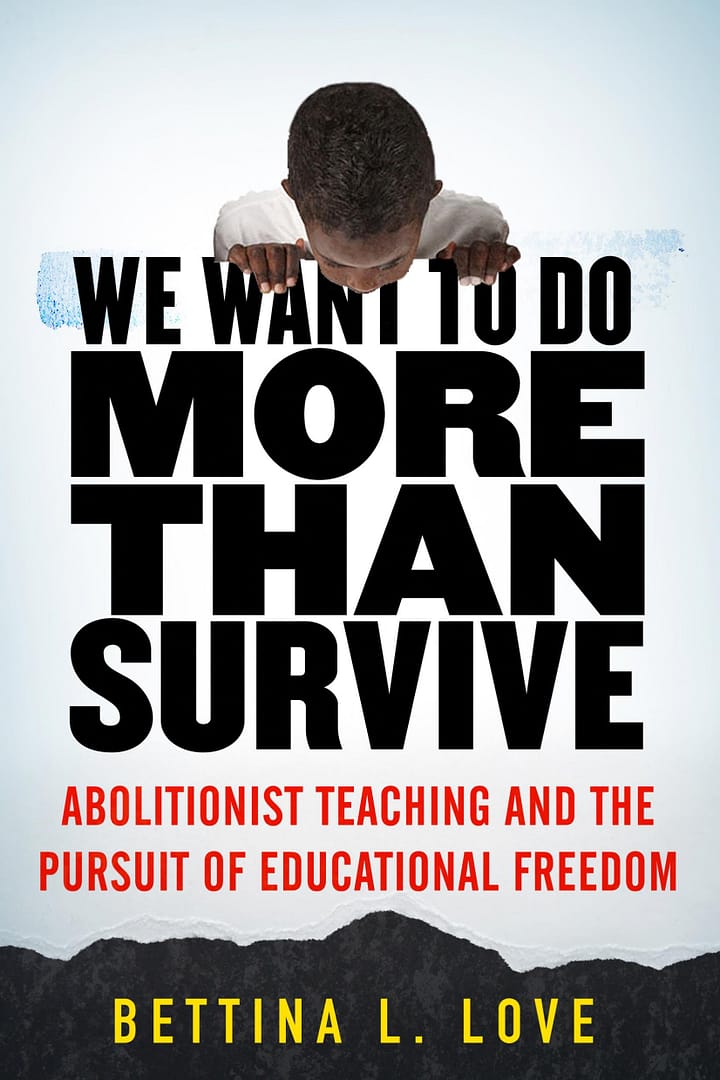
We Want to Do More Than Survive by Bettina Love

Podcast
Tai Asks Why
Podcast
Goodnight Stories for Rebel Girls
Podcast
Flash Forward
Book
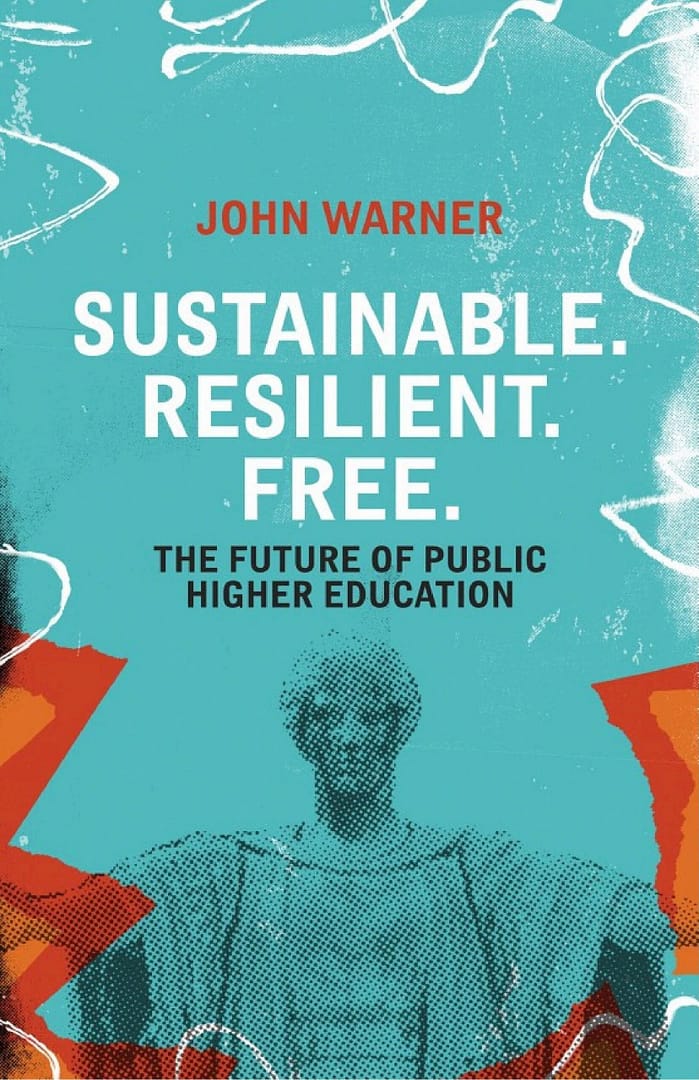
Sustainable. Resilient. Free. by John Warner
Book
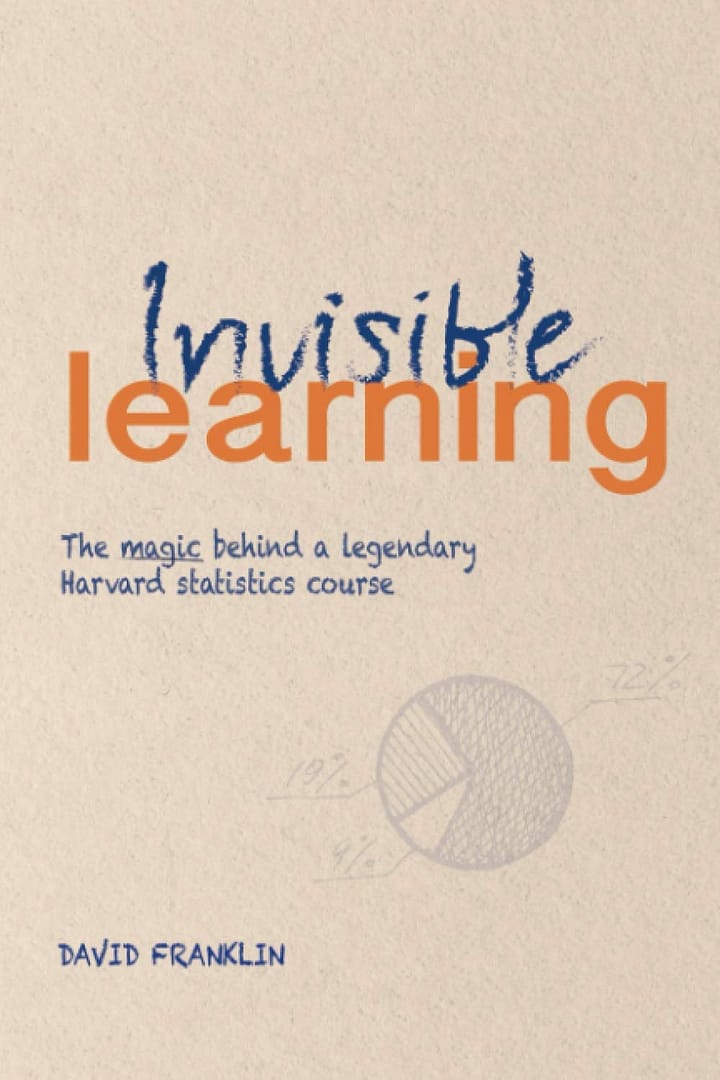
Invisible Learning by David Franklin
Podcast
Brains On!

Idea
We want to hear from you

Resource
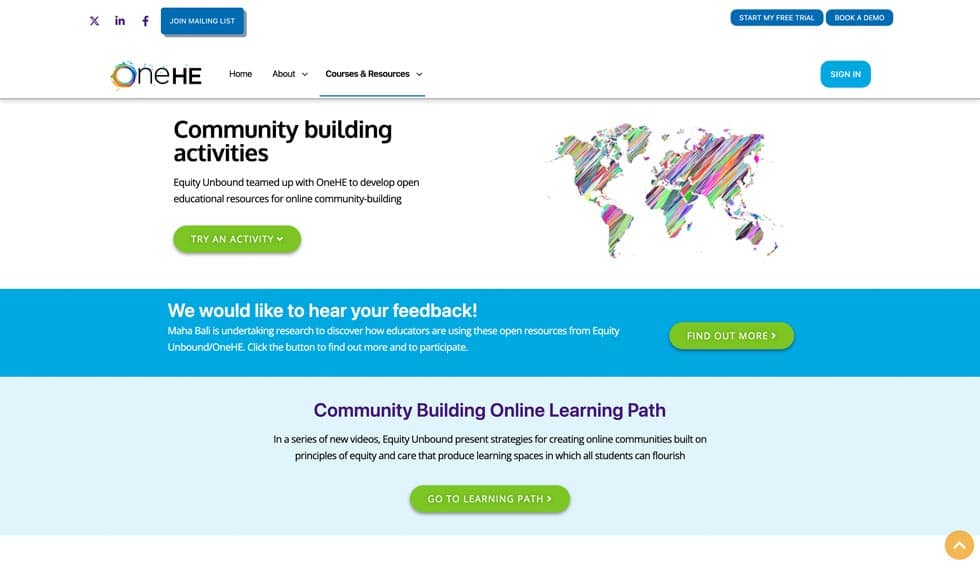
Community Building Resources
Resource
Propose a Community Building Resource
Transcript
[00:00:00] Bonni Stachowiak: Today on episode number 349 of the Teaching in Higher Ed podcast, I have three wonderful guests joining me, Maha Bali, Autumm Caines and Mia Zamora to talk about community-building activities.
[00:00:17] Production Credit: Produced by innovate learning, maximizing human potential.
[music]
[00:00:26] Bonni: Welcome to this episode of Teaching in Higher Ed. I’m Bonni Stachowiak and this is the space where we explore the art and science of being more effective at facilitating learning. We also share ways to improve our productivity approaches so we can have more peace in our lives and be even more present for our students. Welcome to this episode of Teaching in Higher Ed, I’m Bonni Stachowiak, and this is the space where we explore the art and science of being more effective at facilitating learning. We also share ways to improve our productivity approaches so we can have more peace in our lives, and be even more present for our students.
Joining me for today’s episode are Maha Bali, Autumm Caines and Mia Zamora. They’re going to be sharing about some community-building activities that I think are really going to inspire you and allow you to have access to some really great resources for building community, especially in online classes. Maha Bali is an associate professor of practice at the Center for Learning and Teaching at the American University in Cairo. She is into learning, into writing and into connecting, and she is also the co-founder of Virtually Connecting Equity Unbound and Socially Just Academia.
Autumn Keynes is a critical instructional designer at the University of Michigan-Dearborn where she also teaches. Autumn is part technologist, part artist, part organizer and part designer. On her Twitter profile, she refers to herself as Autumn Canes is a liminal space. This is really expressive of her fascination about the meaning of who we are, and the places that we inhabit, her fascination with silence and giving room.
We are also joined today by Mia Zamora. She’s an associate professor of English, the director of their master’s in writing studies at Kean University. She is also the co-chair and co-founder of Equity Unbound, and of Networked Narratives. Mia, welcome to Teaching in Higher Ed, and Autumn and Maha, welcome back to Teaching in Higher Ed. I’m so glad to be talking with all of you today.
[00:03:05] Mia Zamora: Thank you for having us. It’s such a thrill to be with you, Bonni.
[00:03:09] Bonni: As we begin today’s episode’s theme of building community, I want to just share a reaction of the opposite of that in one of my classes. This was probably five years ago or more. I always try to think about the first day of class to do something different, that might surprise them or make them get a little preview of this class isn’t going to be quite what you were used to before. I remember so distinctly one of the students in the class saying, “Oh my gosh, thank you so much for not having each and every one of us go around the class and introduce ourselves, because I’ve done that like six times today.”
You think of all of these times when some of us have experienced what are often called icebreakers, and they’re intended to do something but it doesn’t quite map to ultimately resolving those intentions that are had. Maha, I know you’ve got a story of an icebreaker gone wrong that will get us into what this resource that you’re curating isn’t all about. Let’s start with what we don’t want to do when it comes to building community.
[00:04:19] Maha Bali: This is an icebreaker that someone tried with me. I was an undergraduate student doing Model United Nations and someone was coming to give us a workshop. This person is actually someone I love very much and we’re still in touch and he’s a wonderful person, but that icebreaker was awful. Basically, I wrote in the chat what he wrote on the board. Bonni, what do you see when you read this?
[00:04:42] Bonni: I see opportunity. You’re getting me with my glasses now. Opportunity is now here.
[00:04:50] Maha: Right. Does anyone see it differently?
[00:04:53] Autumm: When you first put it up, I saw opportunities nowhere.
[00:04:56] Maha: Exactly. If you’ve seen me present, I actually use this a lot as an icebreaker. I say, “Why do you think I’m showing you this?” I talk about how you can have different perspectives on the same thing, and something can look, sometimes as an opportunity. Sometimes it looks like it’s not going anywhere and how we need to be patient to try to see both points of view. The person who was doing this icebreaker said, “Oh, well, those of you who saw nowhere, those are the pessimists, and those who saw now here are the optimist.” I’m like, “Come on, it’s a visual thing.”
What person walks into a room to people who are in the Model UN, so they’re already active leaders and their institution and doing extracurricular activities, and just labels people as pessimists based on this silly activity. I hated him, and he’s such a wonderful person. I got to know him later. He’s like very into citizenship and activism. He’s been a guest speaker in my class. That day, it really turned me off. I don’t even remember anything he said after that, because I was one of the labeled pessimist people. That was a horrible icebreaker to me. It’s interesting, because I took it, and I use it in a different way that isn’t at all like he used it. I never forgot it.
[00:06:10] Bonni: Oh, yes. The intent there probably was to try to help people see that people see things differently. Instead, we just label people into two groups, and one was, “good” and the other was, “bad”, not a great way to build community. Mia, would you share a little bit about the resource that you’ve all been curating and developing together?
[00:06:31] Mia: Sure. Essentially, we’ve pulled together curated community-building activities. They’re open educational resources, specifically looking at online community building. There’s a partnership here between Equity Unbound, which is a network which aims to create equity-focused, open and connected learning experiences. That partnership between Equity Unbound is with OneHE, another online resource for learning, and also Teaching in Higher Ed.
We’ve teamed up these two entities, these two networks to really focus on what it takes to have people connect in online communities, and to move beyond just that sense of coming together in a room and then having a talking head and a lack of connection, and to feel a sense of dynamism with the others in the space through activities, through listening, through all kinds of reflection, et cetera. That’s what this collection is all about, is taking that Zoom grid and making it a dynamic, interactive, connected experience for people.
[00:07:50] Bonni: I absolutely am enthralled by your word choice there of dynamism, and would say that most people would not express their experiences in online attempts to build community using that word. I’m so excited to be hearing more today. Maha, tell us a little bit about how this resource came about.
[00:08:10] Maha: We were in a virtually connecting session that was in this conversation after a conference Autumm was facilitating, and there were several of us there. Towards the end of the conversation, someone brought up the fact that a lot of people were panicking about how they were going to build community online. A lot of us who had been in online education for a long time knew how to do this, but for some reason, that wasn’t connecting with people who were having to do this in the fall semester, possibly, because a lot of online education beforehand was asynchronous. Whereas, this time round with the remote learning, there’s so much synchronous video.
People were so scared that they wouldn’t be able to build community online. What we were saying in this conversation is that, “Oh, maybe each of us has an idea or two, and maybe let’s crowdsource and do something with them to share them with the world.” One of the thoughts that we had, I think Autumm and I especially, and we went back and talked to Mia about is like, we don’t want to ask more effective labor people where already faculty developers are already doing a lot of effective labor. Let’s try to get funding for this.
We thought of several different spaces, and we actually did apply to other spaces. Then, we thought of also OneHE. OneHE is an organization that’s a global network of educators focused on teaching quality, and I’m on their advisory board. I knew that they wanted to create courses to support people with teaching and learning, especially online, but I talked to Mia and Autumm, and we decided that I propose this idea to them and, I would see if they’d be willing to fund it. I said, “I’m going to work on a quick timeline. We need to have it open.” It’s not like a paid thing. Autumm came up with this awesome idea to actually try a couple of the ideas, the activities that we wanted to do so that they can see what it is and they can see that it’s probably not something they’ve seen before.
I think it really caught their attention and they were like, “Okay, we’ll give you this amount of money. How many do you think you can do, and what kind of timeline do you want to work on?” We started working on those. First of all, it was mainly the three of us and some of the people who were in that call, in the Virtually Connecting call. Then we were like, “Let’s think of who else might be interested in joining us.” Some people proposed, and sometimes we reached out to people. That’s how we grew.
[00:10:26] Bonni: Oh, I love it. You talked a little bit about that early experimentation, and I know that you had people coming alongside you. I could see some of this taking place on social media pretty transparently, so that was really fun to see. You also had a very special experimenter early on that we actually get to hear from now. Early on, as the group was starting to experiment with some of these community-building exercises, they had a little help from, I guess what we might best call an experimenter, someone that helped them see what was working and what wasn’t working. Her name is H, and H is here with us today. Hello, H.
[00:11:04] H: Hi.
[00:11:05] Bonni: Tell me, H, what do you remember about the first activity you did or one of the early, early ones that you did? What do you remember about it?
[00:11:14] H: I remember like the–
[00:11:16] Maha: The spiral journal?
[00:11:18] H: Yeah. I like the gratitude.
[00:11:22] Maha: You like the gratitude journal. What do you like about the gratitude?
[00:11:25] H: I just like that we get to see what we like about it. Well, you don’t get to see what you like about …
[00:11:34] Bonni: H, that’s one of the things I’ve been trying to do in this new year, because I wasn’t doing a lot of journaling. I decided to just write down even just a few things that I was grateful for. You know that can actually make our our gratitude grow even bigger when we do that.
[00:11:52] Maha: Remember the first time we did gratitude, one of the things you were grateful for in 2020. The Minecraft?
[00:12:00] H: Oh, yes.
[00:12:02] Bonni: What do you remember?
[00:12:04] H: I like The Minecraft with … It’s very funny.
[00:12:10] Bonni: Yes. I keep talking about that H, because I’m really so happy that our kids get to know someone who lives so far away from us, and it went from them not really understanding how it’s a different time in the world for different people. They have grandparents that live in a different time zone. They didn’t really understand that until they met you. Then, especially our daughter, especially Hannah, so that she would- she’ll say all the time, “What time is it in Egypt?” That cracks me up that, that never would have been possible without their friendship with you. You’ve taught them so much, and they enjoy their time with you so much, and it’s fun to have you all learning. Now, why do you think being able to build community is so important, H?
[00:12:58] H: Maybe it means like, communicating with people more, and socialize with maybe.
[00:13:04] Bonni: That sure sounds right to me, H, and how important that is, especially today when we’re not always able to see each other in the same ways that we were used to before, how important it is. H, is there anything else you want to tell us about what you did to help them figure out if these things were working or not?
[00:13:24] Maha: Remember when we were doing– We did a drawing activity with Autumn where we drew each other.
[00:13:30] H: Oh, yes. I don’t know what you drew, just …
[laughter]
[00:13:35] Maha: Do you remember the one we did with Mia, where we were asking, how are you feeling in different ways, like either through the picture, or like, if it worked well?
[00:13:45] H: Yes.
[00:13:46] Maha: I think you used to tell us you love that, which one was your favorite? The one with the picture or the one with the words?
[00:13:53] H: Ah, now that’s hard. I think the one with the pictures, because it tells you like what do you feel in a way that you can see.
[00:14:07] Bonni: That’s such an important exercise to be able to do, to recognize how we’re feeling, because sometimes our minds get us mixed up, and we think we’re angry but we’re actually sad. I think exercises like that can be so important. I saw this picture on Twitter the other day, H, and it had you rate how you were feeling according to nine different cats, and they all had these different facial expressions, though. Were ridiculous, and I have to find out where I saved that to.
[00:14:35] Maha: You love cats, so yes, you would love that.
[00:14:38] Bonni: If I ind it, I’ll send it to you. All right. Well, enjoy your time playing Minecraft, H. It was great getting to talk to you this morning. Bye.
[00:14:47] H: Bye.
[00:14:48] Bonni: Maha, as I was preparing for today’s episode, I came across an article that wasn’t hard to find because, as of the time of this recording, I think it’s pinned to the top of your Twitter account. It struck me in a different way today, because I realized that instead of the golden rule, which is, do unto others as you would have them do unto you, I actually, a lot of times in my life, I’ve heard people in a manipulative ways say things like, “Oh, well, that wouldn’t have bothered me.” When I was in college, we lived with six of us, and one of the six got a dog that’s like the worst behaved dog I’ve ever seen in my entire life.
Just thrashed the lawn and ate people’s clothing, and just a pretty horrendous dog. Then she’s like, “Well, it wouldn’t have bothered me if one of you would have gotten a dog,” that kind of thing. The phrase that you say, “Do unto students as they would have done unto them.” Would you talk a little bit about why you chose to put the golden rule on its head, in this instance.
[00:15:57] Maha: This is actually a Nel Noddings quote, that I hacked for the title. I actually think the Times Higher Education hacked it as the title of the article. I don’t think it was the title that I chose, but it’s such a good title, right. Mia and I are working on an article together about equity care. We’ve been talking about this equity care matrix, and what it means to have equity without care and care with equity. I’ve been reading a lot of Nel Noddings, because, of course, she writes a lot about care.
That’s where that comes from, and it comes from, that it’s not enough to put yourself in someone’s shoes, like see what they want, not what you would have done if you were in their shoes, because you’re not them, and they have a different perspective. I think in the context of the pandemic, I thought that was really important because, if you’re doing well in the pandemic, don’t imagine how other people are dealing with it. Everyone’s context is different. Everyone’s going through it differently. Listen to them and understand from them what it is that they need.
A lot of times, faculty talk about students as if they know better in this patronizing way that is meant to be caring. It’s under the guise of care, that I know what’s best for you, so I’m going to challenge you with this rigor so that you can do better, so you can survive in the world, but they’re actually harming them. That’s where that comes from. This process of building community so that you can have this opportunity for them to feel safe telling you, because it’s not enough to tell students, “I want to listen to you.” You got to build the trust so that they will talk to you and be candid with you, and not fear the repercussions.
[00:17:31] Bonni: I remember so vividly last semester, that– I don’t require cameras to be on some of you today’s episode have influenced me in that way over many years now, even since before the pandemic, and so, I didn’t require it. This young woman never had her camera on. Sometimes, we would talk after class, and occasionally, she’d turn her camera on. At one point, I saw this flash of that– wait, that looks like the window outside my office. I couldn’t be. I didn’t understand, because our campus was primarily closed down. I thought, “I don’t understand, why is my brain playing tricks on me?”
I wasn’t trying to catch her being there when she’s not supposed to. It turned out that she actually was on our campus. I’m not going to too much of the reasons why, but some of it in terms of not having access to bandwidth at home was one of the drivers of that her being in that place. It just made me so glad that, again, that I had learned that previously, there was a lot of awareness of other people’s context that’s going on right now that I felt at least I could be a little bit ahead of why some people would choose not to. Although, that question still continues to really float around in my mind.
I want to hear a little bit. Let’s start with Autumm on this next question. I want to hear a little bit about what you see as the importance of building community, and perhaps also, Automm, if you can– I think sometimes people want to build something that they call community, but isn’t quite what really truly building community, why is it important?
[00:19:12] Autumm Caines: Oh, wow. That’s a great question. Thanks, Bonni. I guess I’m hearing a little bit of what is community. I guess you could argue that just, we’re all together. We’re in this class. It’s a community, not necessarily, but I can’t complain. I think community is more than just a gathering of people in a room. It’s a sense of care for one another. It’s a sense of caring both about one another, and maybe for something. I think that’s where learning communities can really differentiate themselves in that, we’re all learning together. The subject or the topic or the content of the course, that we’re all unpacking together and learning from one another.
I think it’s really important for the learning process, not that some people don’t learn alone, some people can definitely learn by themselves, but I think when we do learn together in community, it’s something really powerful because of that sense of care that we can build for one another, as well as for changes that we can make in the world based on the things that we’re learning about. It doesn’t come easy. I think you can do things to encourage it. I think that you can do things to cultivate it, but it’s not something that you can guarantee. It has a lot to do with the personalities in the room.
It has a lot to do with the way that people interact with one another, but I think there are some activities, there are some structures that you can create that either make that easier or can make that harder. That’s what we’re trying to do with these community-building resources, is to curate some things that make it so that people can feel heard. As you start to get bigger in community, I think it gets harder as well as trying to build a community with 10 people is different than trying to build a community with 20 people or 30 people or 40 people or 50, or 100 people.
A huge part of building community is letting people be heard, letting people feel like their voice is a part of this bigger thing. Especially when you start getting more people involved, it becomes really difficult to let everybody be heard. There’s different ways that you can do that. There is the classic, everybody go around and tell us something about yourself that gets really problematic with bigger groups, plus everybody does it. It gets old after a while. Finding new ways to help people think about things, having new ways for people to offering them the microphones, so that way, they get a chance to speak a little bit, and responding to them, and making sure that they understand that they have been heard and that they feel heard earlier.
[00:22:07] Bonni: Earlier in our conversation today, Maha talked about that some of us have been doing this for a long time. I have been teaching online for a fair– most of my teaching is hybrid, but the portion of that that was online, they felt very comfortable. Now, I am doing more HyFlex teaching, which HyFlex is one of those words that means a lot of different things to a lot of different people, but in my particular context, what I mean by that is that we have a scheduled class that is synchronous, but if someone either does not want to or cannot attend, there are asynchronous options.
What I’m really struggling with now and experimenting with is– the first person I ever heard referred to this was Sean Michael Morris calling this synchronish activities. I still feel really clumsy, but boy, when it works it works. I did this little sticky note exercise the other day, and the people that were there at the scheduled class left the sticky notes around a series of questions and then the people who joined later added in their sticky notes, and that’s such a simple example, but I’m still, my mind gets bent.
Anyway, Mia, I wanted to hear from you, because I just shared one of my challenges around trying to take the skills and knowledge I have and bend them in a different way. Mia, what kinds of challenges do you see people have in building community, and what else would you like to share just about the importance of it?
[00:23:33] Mia: There are so many things that Autumm said that I think were so important, and I just want to pull some threads out of it. One of the things that both Maha and Autumn mentioned was the word trust. You can’t insist upon trust. It has to be something that comes and emerges from moments. I think that the design of engagement can either open pathways to build trust, or ultimately shut people down. I think Autumn talked so much about voices being heard, absolutely.
I also want to say, I think one of the really important things here is the power of listening and positioning people to listen more than– in a traditional classroom, there’s always that paradigm of wanting to prove what you know and to contribute, et cetera, but what role does listening have, especially when we move online, and that listening becomes either visible or invisible in particular ways?
With the things that we’ve designed in terms of the curated activities, I think a lot of the sensibility is building around trust and a slow apprehension of the unique voices of every single person who is involved, and also the power of listening as a central aspect of what learning is as well. To give you a small example, Bonni, one of my favorite community-building activities is the spiral journal. I’m always suggesting we do this when we work with faculty development groups, et cetera, because I love it so much. But in essence, it’s the process that– it takes no more than 10 minutes, but there’s something about the cognitive mechanisms within the 10 minutes that really bring us to a place of listening, not just to others when there’s moments of share-out in it, but to ourselves.
We’re listening to ourself. I think that is such an important reference point in terms of healthy community building, is we know where we’re at in things, and then when we come to share things, we’re also very thoughtful about what to give to the group. Anyway, I just wanted to highlight trust, listening and the centered sense of self in terms of thinking about what contribution is as all part of what we’re trying to do here. I have other thoughts, but that’s good enough for now. [laughs]
[00:26:16] Bonni: I appreciate that you brought up an example, because I think this is a perfect time in our conversation to go from, what is this set of resources that you’ve been curating? What’s the purpose of it? Why is community building important to– practically now, if I were to go in and start to make use of these resources, I think that maybe we could just spend a few minutes talking about ones– Again, I know it’s like trying to– as of today, Maha, you said there’s about 45 of them.
I’m sure it’s like podcast episodes. Whenever someone says, “What’s your favorite?” “No, don’t ask me what’s my favorite,” but maybe we could identify some that are just a certain type. For example, are there any that come to mind where the person submitted it and you thought, “Wow, what a creative way to build community?” Are there any that you would like to highlight that just seemed really particularly innovative or creative or surprised you in some way?
[00:27:09] Maha: It’s like what you said. It’s like choosing between your children a little apart.
[00:27:13] Bonni: I know.
[00:27:14] Maha: I would say, when you go to the site, you can filter by type. There are no icebreakers, but there are warmups. There are introduction activities, there are ongoing engagement. I think that’s really important because a lot of times, people think of community as something you do the first two weeks of the semester and then life goes on, but no, you need to just keep nourishing and nurturing. The ones that I like the most, I would have to say are probably the liberating structures so that we didn’t make these up. There’s a whole website, liberatingstructures.org, but they’re made for face to face, and they had been adopted online before.
During the pandemic, people in that community started doing a lot more virtual of them, but they’re described in text. It’s difficult to imagine it unless you try it. What we’ve been doing is we’ve been doing demos of them. Usually, I’m the one who knows the liberating structure, but occasionally, I bring someone else, as even like a bigger expert on liberating structures to do that with a group of people who may never have done it before as if they are your students. They’re educators, but they’re pretending to be students in that context and trying it out. One of those that I think, spiral journal is one of them, it’s a liberating structure in development.
It’s not one you’ll find directly on their site, but one of the ones that I really like and that my students really like is called Troika Consulting. It’s about bringing three people together who are not experts, and giving them a structured limited amount of time for one person to share a problem they have, and then turn off their camera and mute themselves and listen to the other two discussing the problem and trying to solve it for a certain amount of time, and then turn back their camera on and share back to the consultants what they learned from them, and then you reciprocate. Everyone gets a chance to be the client, and the others are consultants, and none of them is an expert.
It’s a very reciprocal exercise. My students liked it when we did it in the main room where those three people and everyone was watching. This is actually called … an adaptation of it. You’ll see that on the website, a lot of things are adaptable to other situations. Bonni, when you were saying, you need to do something synchronish, a lot of the activities have– this is usually done synchronously, but if you needed to do it asynchronously, you could do that. This usually requires the camera on, but if your students have the camera off, this is what you can do instead.
It’s a lot of that. It’s what we call intentionally equitable hospitality. This is a notion that we developed with virtual connecting. It’s about, how do we meet the needs of those … justice? How do we make sure the space is equitable to every person in it, not just with what we intend, but what we practice day in and day out, and noticing that? Mia, you were saying your students love Troika. Do you want to share about that and then share your– [crosstalk]
[00:29:56] Mia: Oh, they just love Troika. My students love Troika, but there are a few that are real hit. I just want to share two others that I think might be just interesting lens into the curated collection, but recently, because it’s the beginning of a new academic season, we did some introductions. It was like a second phase of getting to know each other where we have like a panel of pictures that are just crowd-sourced open source images. In this case, I had a picture of someone on a tight wire balancing, I had a picture of like a fishing pole on a dock, I had a picture of a Glen in the forest. I had a picture of a fireplace with someone’s legs and soft socks, and a mug.
These are abstracted pictures, you don’t see a human being, you just see maybe a silhouette or something, but I asked each student to select a picture that speaks to them, and says something to them about how they’re feeling, or about something they’re aspiring to, they can qualify it, and they just loved this activity. You can see how it’s an entry point or a gateway into expressing something of yourself, but it’s through a relatability, and you choose what you want to share as well. It’s not as imposing as, please introduce yourself now and you’ve got to come up with something. Instead, there’s a intuitive intimacy embedded in the thing.
The other thing I want to say is, one of my students said, “Oh, I love this activity so much, maybe sometime we can do this later on in the semester when we get to know each other even better, where we imagine a picture around one of our classmates.” I just loved that, because it gives a sense of the growth spectrum that they start to actually anticipate in community building, and a sense of connection with each other, and then they think, “Wouldn’t it be fun if I was able to say, I love that picture of the fire with the soft socks for, fill in the blank, with a classmate, because, when I think about what they say in class, it brings me to the sense of–” et cetera.
That they’re having points of connection and observation around each other that are meaningful and complimentary in some way. It was the student themselves that suggested that idea, so like, “Can we do this later on for each other instead of for ourselves.” Those are just examples of the ways in which these little mechanisms can bring people together in ways that are powerful. The other thing that popped in my mind, just another activity was there’s a– this is Autumm’s really, but it’s a surrealist journal, and I just love it so much. It’s when you draw– not journal, surrealist portrait, where you draw a picture of somebody with the hand that’s not your dominant hand.
Then you share it, you think about the process, and you also think about the discomfort of not being able to master what you see, et cetera. These things are just really powerful moments that make a lot of difference in how people feel when they come to class overall, and start to learn together.
[00:33:16] Autumm: I just wanted to highlight a resource called Pass the Paper, which was actually something that was brought from my colleague at University of Michigan-Dearborn, Sarah Silverman. It’s one of these resources that you would use along with a shared slide deck that everybody can get on to at the same time. She compares it to the face to face equivalent of where you would actually have a piece of paper or a little index card, and you would pass the paper to the next person. The first round, what you do is you write down your challenge or something that you’re struggling with, and then you pass the paper.
The next person gets your challenge, and you get somebody else’s challenge, and then you think about that challenge that they’re dealing with and give them some advice. Then you do another round, so she does this with Google Slides, where you get your own slide, and so, you put your challenge on there, and then, everybody just moves down one slide. It’s a great way, if you do have some project or something that people are struggling with just to get a temperature of the room and get some feedback from a couple of people. It’s a fun one.
[00:34:27] Bonni: I saw that one being talked about recently and just thought it just seemed like such a good one, but something about just you explaining it right now really helps me feel a little bit more confidence to give it a try. Thank you for that. Did you have that one that you wanted to share, Maha, before we go on?
[00:34:42] Maha: Okay, I’m going to share a mental one. Other than the ones where we’re demoing a particular activity, there are also a couple of them where we just talk through something, or someone has submitted something to talk through. There’s one by Cables that’s a safety considerations one that’s really, really important to me. For example, one of the very popular activities we have is a story of your name activity, and everyone, I think this was one of the most popular ones that people tried it and they loved it, but Cables reminds us that, “Oh, what if someone’s [inaudible 00:35:12] name or someone for whatever other reason have changed their name.
How to create an environment where someone is uncomfortable, because no matter what you do, there might be someone who’s uncomfortable in ways that you don’t imagine, but you try to imagine those as well and think about some of the activities that are, for example, really quick and how that works for people who are neurodiverse and all of that. That article by Cables is not an activity, but it’s something to read and think about as you go through these, and I think it’s really important. I actually had my students read it early on in the semester, so that they knew that I cared about that, and she says it better than I would.
[00:35:51] Bonni: I’m definitely looking forward to checking that out. That’s not one that I’ve seen before. Before we get to the recommendations segment, I just wanted to take a moment to thank today’s sponsor, and that is SaneBox. We all get so much email, and most of it is not equally as important as the other messages that are there. What SaneBox does is it makes sure that only the important emails stay in your inbox, and it does that by reading the subject line of the email and sorting them into different folders.
There are folders such as saying news for all those newsletters that come in, saying later for things that you can easily read later and don’t need to attend to now. You can train SaneBox over time, if something were to wind up in the same news folder for example, you could just simply drag it into your inbox, and it would remember the next time that same newsletter showed up. I will tell you, I actually so very rarely have to train SaneBox it’s just that good out of the box. There are some other really cool features, I like to be able to blind carbon copy SaneBox and tell it that if I don’t hear from this person back in three days or four days, to send the email back to me so I can do additional follow up.
With COVID happening, there’s just messages where I need to get an answer back, and I don’t feel like adding to my task manager system for something as simple as waiting for email follow ups. It’s a wonderful service and we’re so glad to have them supporting Teaching in Higher Ed. If you head on over to sanebox.com/tihe, as in teaching in higher ed, you can get a 14 day free trial, no credit card required, and you also can get a $25 credit toward a SaneBox subscription. They like to say today is the day you get to take back control of your inbox, and as someone who has relatively good control of my inbox, SaneBox makes such a difference, and I know it will for you too, give it a try, sanebox.com/tihe.
This is the time in the show where we each get to share our recommendations, and in all the time of doing this show, I don’t think I’ve ever done this before. I get to interview a lot of authors, and of course I talk about their books when they come on this show, but I’m so excited about this book that I’m interviewing him next week I think, but I just have to recommend it today. This is a book that’s calledInvisible Learning: The magic behind Dan Levy’s legendary Harvard Statistics Course. It is by David Franklin, as I mentioned, I get to speak with him very soon, so you’ll be hearing him on an upcoming episode.
I just want to start out by saying, if you teach statistics, get this book. Put aside the fact if you teach at a community college or one like mine, a teeny teeny tiny one, and he’s at Harvard, thinking that there won’t be things that would be relatable, every single page is just chock-full of things that are very relatable, and I’ll just share a little bit about the book. It reveals the secrets behind one of Harvard’s most successful statistics courses. Dan Levy is famous at Harvard for his inclusive learning environment, which leaves students feeling not just competent about using statistics in the real world, but also seen, heard and loved.
One of the things he talks about in the book is that people leave the class crying that the class is over, and just one of those really transformative kinds of things, and it’s just a delightful look at just ways to get people curious about what they’re learning. Statistics is one of those classes that just historically can be taught just terribly awful with just formulas, and you have to memorize it, and you have to stick through it no matter how boring it might get, that kind of thing. I’ve only taken, probably, I don’t know, three or four statistics classes in my entire life and just candidly barely got by, [laughs] and I left feeling like I can take this class at Harvard and probably do well just because he engages people so much, and it’s so applied in ways of what people are interested in.
Again, if you teach statistics, I just got to say, you got to get this book. If you don’t teach statistics but you teach a subject that you’re ever challenged getting people curious about the content, again, I don’t teach anything even close to statistics, but I’m learning so much. I guess the big takeaway for me, which is still I know this, but this really teaching well requires a lot of intentionality and planning.
I thought it’d fit into today’s so well with the episode, you don’t build community by accident. You build community intentionally. I’m going to encourage everyone to go check out, of course, what this whole episode was about. Check out these resources for building community. I’m also going to encourage you to check out the book Invisible Learning. Now, I’m going to pass it over to Mia for her recommendation.
[00:40:55] Mia: Bonni, I just love that so much. You don’t build community by accident. [chuckles] That’s absolutely right. There’s so much that goes into it. My recommendation is probably something that many are familiar with, but it’s okay. It’s a podcast that’s directed or organized by Krista Tippett called On Being. I just love this podcast. It basically is conversations that pursue questions around moral imagination. What is courage and joy? It’s a spiritually-oriented podcast, but I think it’s especially powerful for caregivers.
This is such an uncertain time that we’re going through. I think that this podcast is really food for your soul in terms of helping you remember what’s truly important, and bringing that moral courage and questions around how we can imagine what it means to be good and good to each other to the work we do. That’s my recommendation.
[00:42:03] Bonni: It’s such a great podcast. It’s so in contrast to what Maha shared early in the episode about everybody who saw things this way, you’re a pessimist, and everyone who sees things– that something as potentially controversial as people’s religious or spiritual lives or whatever it is that they believe in, she has physicists on. All of a sudden, it’s just like all-inclusive of being, because we all do that. That’s the hope anyway, [chuckles] that we all share, that practice of On Being. I love it. Thank you so much for recommending it, Mia. Maha, over to you.
[00:42:40] Maha: I’m going to recommend three-ish thing. The first thing is, I’m going to recommend people who are listening here to look at a few of the resources, and if they have something interesting that they do in their classrooms that helped their community before, get in touch with us. There is a form you can fill in or you can get in touch with any of us. We can either meet up and record them, or we can just look at them in text, whichever. We love doing the meetings and the demos, but we don’t have time. [inaudible 00:43:07]
The second thing I want to recommend is an article by Autumn called The Zoom Gaze, because you were talking earlier, Bonni, about this camera’s on and off. This goes a lot deeper than the regular conversations that you and I and others have been having on Twitter, and digs deeper into the power dynamic of Zoom and the way that [inaudible 00:43:26] who controls what? It’s awesome. There’s an audio version of it. People who are listening to the podcast and they prefer to listen to the audio version. [chuckles]
The third thing I want to recommend is a particular podcast for kids that I want to recommend some other podcasts with it as well. This one, I just found out about yesterday. Three years ago, Autumm got me a book called . If you have ever seen it, it’s awesome. It’s like every page is a biography of a woman who has done something in life. There’s a part two of it which I have as well. My daughter has loved it even when she couldn’t read very well, she tried to read it and now she can read it. She also loves podcasts. When we found out that there’s a podcast version, and like, one of the latest episodes is about Kamala Harris, which is awesome.
I’m not really sure if they actually talk to the person or they talk about, or they just read out what’s in the book. I’m going to check it out. I’m sure it’s going to be amazing. It goes all the way back from 2018. If you go there, you’ll have a lot of episodes to catch up on. That’s something I like. I don’t want to have to wait every week for no one. My daughter’s first ever episode that she ever loved was yours, Bonni, Teaching in Higher Ed. Since then, she loves science. She loves this podcast called Brains On! and one called Smash, Boom, Best and one called Tai Asks Why. Those are the three she loves most.
I’m recommending them to anyone who has kids. Mine is nine. Anyone has kids who like podcast, and podcasting for children in the times of the pandemic is a great way to wind down without a screen for someone who doesn’t want to sleep yet. Reading has to have the light on, and this allows you to turn the light off. It’s really great for winding down, or someone who doesn’t want to sleep so much yet.
[00:45:11] Bonni: Or someone who doesn’t take naps anymore but needs a little quiet time. That works too. [laughs] Autumn, how about you? What do you have to recommend today?
[00:45:20] Autumn: I’ve got two books, podcasts, and a reminder. My first book is going to be John Warner, Sustainable. Resilient. Free. The Future of Public Higher Education. This just came out a little while ago. If folks haven’t had a chance to pick that up, it’s from Belt Publishing. Really great. John’s great, Bob, just in general, but really great thoughts here about the state of higher education and how especially public education and public funding play into that. Just a lot of good thinking here.
Second one is, we want to do more than survive. The Abolitionists Teaching and the Pursuit of Educational by Bettina Love. This is just a great book about anti-racist teaching and about the systemic injustices that are built into the educational system and how we can challenge some of these. I love, love, love this book so much.
The podcast is flash-forward, which I just love this podcast because aren’t listening to this podcast. The first thing I love about this podcast is it’s always about technology and the future of technology. They always started with imagining the future. There’s always a little skit or something like that where you’re hearing from people who are actually living in this imagined future. Then, that’s just the first couple of minutes then the host Rose comes in and just always does a great analysis. She brings on great guests and just always has a great take on different technologies. She’s done data and surveillance. She’s done trash. The trash episode is great. How do we deal with trash in the future? [chuckles] I really love that.
Then my reminder is just to actually just echo what Maha said that these resources are great. Please go and use them, but also remember that there are curation that we want to hear from you. We want you to come and let us know what you’re doing in your classes so that way we can make it part of the curation so that it can be searched and other people can learn from it.
[00:47:21] Bonni: I am so grateful for this opportunity to connect today, and you’ve inspired me, and I know you’re going to inspire people listening. Thank you so much for the effective work that you do, but that you also, as I said, try to spread out to others. You just have such a way of building welcoming communities in your own classes and in our community, we get to learn so much from you. It’s really is just exciting to have you back on the show. Mia, this I hope is just the first time of more than one, because I’ve [chuckles] had you on my list for a long time. [laughs]
[00:47:52] Mia: It’s so great to speak with you, Bonni. Thank you so much, and absolutely more to come.
[00:47:58] Maha: Thank you Bonni.
[music]
[00:48:03] Bonni: Thanks once again to Maha Bali, Autumn Caines and Mia Zamora for joining me on today’s episode of Teaching in Higher Ed. It was great to have this conversation with you. Once again, I just want to nudge everyone to go over and check out those community-building activities and try one out, or consider sharing one of your own. Thanks to all of you for listening. I recently revamped my weekly updates. If you’d like to subscribe, head on over to teachinginhighered.com/subscribe. I’ve always got highlights from the most recent episode I’ve got related episodes, recommendations, quotable words and more. Again, head on over to teachinginhighered.com/subscribe. Thanks so much for listening and I’ll see you next time on Teaching in Higher Ed.
[music]
The transcript of this episode has been made possible through a financial contribution by the Association of College and University Educators (ACUE). ACUE is on a mission to ensure student success through quality instruction. In partnership with institutions of higher education nationwide, ACUE supports and credentials faculty members in the use of evidence-based teaching practices that drive student engagement, retention, and learning.
Teaching in Higher Ed transcripts are created using a combination of an automated transcription service and human beings. This text likely will not represent the precise, word-for-word conversation that was had. The accuracy of the transcripts will vary. The authoritative record of the Teaching in Higher Ed podcasts is contained in the audio file.