• Skip to primary navigation
  • Skip to main content
  • Skip to footer

Teaching in Higher Ed

  • Podcast
  • Blog
  • SPEAKING
  • Media
  • Recommendations
  • About
  • Contact
EPISODE 600

6 Pedagogical Practices From 600 Episodes

with Dave Stachowiak

| December 11, 2025 | XFacebookLinkedInEmail

https://media.blubrry.com/teaching_in_higher_ed_faculty/content.blubrry.com/teaching_in_higher_ed_faculty/TIHE600.mp3

Podcast (tihe_podcast):

Play in new window | Download | Transcript

Subscribe: Apple Podcasts | Spotify | RSS | How do I listen to a podcast?

Dave Stachowiak joins Bonni to explore 6 pedagogical practices from 600 episodes on episode 600 of the Teaching in Higher Ed podcast.

Quotes from the episode
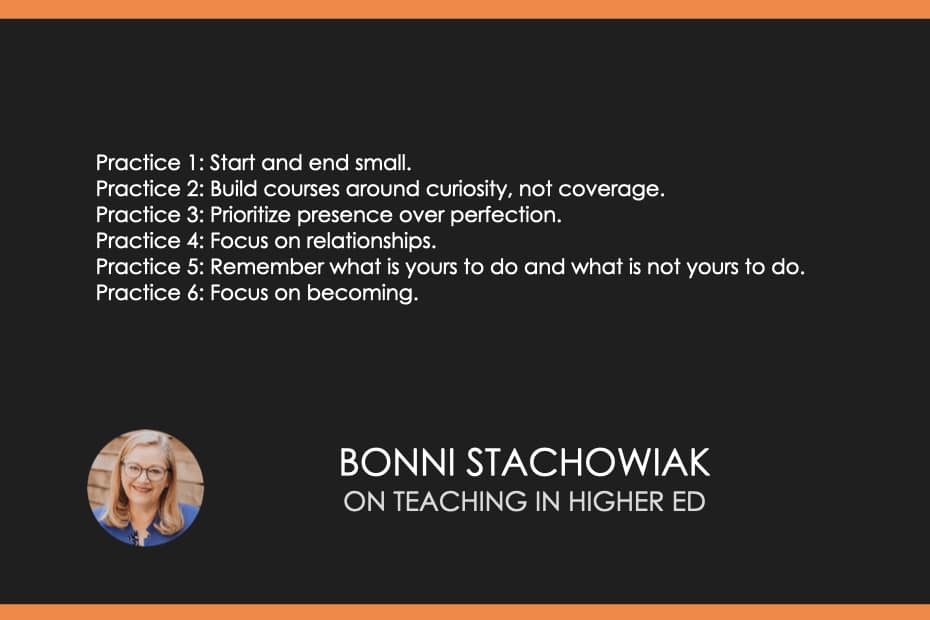
Practice 1: Start and end small. Practice 2: Build courses around curiosity, not coverage. Practice 3: Prioritize presence over perfection. Practice 4: Focus on relationships. Practice 5: Remember what is yours to do and what is not yours to do. Practice 6: Focus on becoming.

When we stop aiming for perfection, we allow ourselves to then be fully present for others.
-Bonni Stachowiak

Practice 1: Start and end small.
Practice 2: Build courses around curiosity, not coverage.
Practice 3: Prioritize presence over perfection.
Practice 4: Focus on relationships.
Practice 5: Remember what is yours to do and what is not yours to do.
Practice 6: Focus on becoming.
-Bonni Stachowiak

Resources

  • Episodes with James Lang
  • Small Teaching: Everyday Lessons from the Science of Learning, 2nd Edition, by James M. Lang
  • Episodes with Tracie Addy
  • Who’s in Class Form
  • Reach Everyone, Teach Everyone: Universal Design for Learning in Higher Education, by Thomas J. Tobin and Kirsten T. Behling
  • Episodes with Tolu Noah
  • Episode 404 – Annotation Is with Remi Kalir
  • Episodes with Mia Zamora and Alan Levine
  • Episode 577 – Teaching and Learning When Things Go Wrong with Jessamyn Neuhaus
  • Episodes with Jesse Stommel
  • Robert Talbert’s Intentional Academia
  • Episode 529 – Working the Gardens of Our Classrooms with James Lang
  • Relationship-Rich Education: How Human Connections Drive Success in College, by Peter Felten and Leo M. Lambert
  • Episode 331 – Relationship-Rich Education with Peter Felten and Leo Lambert
  • Episode 551 – Relationship-Rich Education at Scale with Peter Felten and Kassidy Puckett
  • Episodes with Karen Costa
  • Episode 454 – Mental Health and Well Being with Zainab Okolo
  • Episode 563 – Defy – The Power of Saying No in a World That Demands Yes with Sunita Suh
  • Episodes with Stephen Brookfield
  • Episodes with Kevin Gannon
  • Tripsy
  • Unsplash Wallpapers
  • Festivas
  • https://readwise.io/read

ARE YOU ENJOYING THE SHOW?

REVIEW THE SHOW
SEND FEEDBACK

ON THIS EPISODE

Man wearing glasses and a sports coat smiles warmly

Dave Stachowiak

Dave is the host and founder of Coaching for Leaders, a top-rated management podcast downloaded 25 million times. With more than 15 years of prior leadership at Dale Carnegie and a thriving, global leadership academy, he help leaders discover practical wisdom, build meaningful relationships, and create movement for genuine results. Apple Podcasts currently lists Coaching for Leaders as the #1 search result for management in the United States. He's also founder of the Coaching for Leaders Academy, an intensive, leadership development cohort. The Academy is an intimate group of managers, executives, and business owners who work personally with Dave and other participant leaders to develop their leadership excellence -- and empower each other through global relationship building. Dave's credentials include a doctoral degree in organizational leadership from Pepperdine University, several international business leadership awards from Dale Carnegie, and graduation from Coach U. He serves on the board of the Global Center for Women & Justice at Vanguard University and also co-hosts the Ending Human Trafficking podcast with longtime friend, Sandie Morgan. Like most people, he's never had it all figured out. He's been passed up for promotions, failed at launching his first business, and still fights through an occasional fear of speaking to people.

Bonni Stachowiak

Bonni Stachowiak is dean of teaching and learning and professor of business and management at Vanguard University. She hosts Teaching in Higher Ed, a weekly podcast on the art and science of teaching with over five million downloads. Bonni holds a doctorate in Organizational Leadership and speaks widely on teaching, curiosity, digital pedagogy, and leadership. She often joins her husband, Dave, on his Coaching for Leaders podcast.

RECOMMENDATIONS

Tripsy

Tripsy

RECOMMENDED BY:Bonni Stachowiak
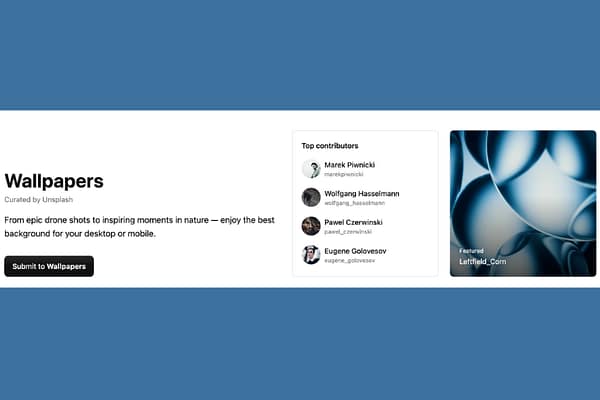
Unsplash Wallpapers

Unsplash Wallpapers

RECOMMENDED BY:Bonni Stachowiak
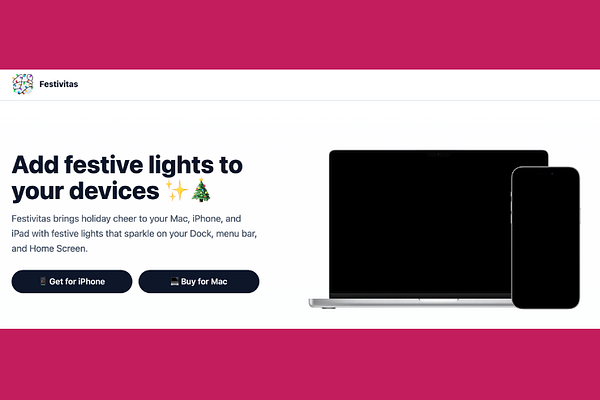
Festivitas

Festivitas

RECOMMENDED BY:Bonni Stachowiak
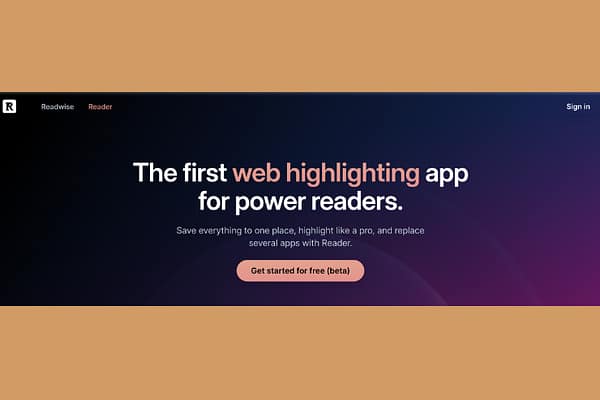
Readwise Reader

Readwise Reader

RECOMMENDED BY:Dave Stachowiak
Woman sits at a desk, holding a sign that reads: "Show up for the work."

GET CONNECTED

JOIN OVER 4,000 EDUCATORS

Subscribe to the weekly email update and receive the most recent episode's show notes, as well as some other bonus resources.

Please enter your name.
Please enter a valid email address.
JOIN
Something went wrong. Please check your entries and try again.

Related Episodes

  • EPISODE 381How to Use Podcasts in Teaching

    with Barbi Honeycutt

  • EPISODE 250One in a Million
    Man wearing glasses and a sports coat smiles warmly

    with Dave Stachowiak

  • EPISODE 363Evidence-Based Teaching Practices
    Phil Newton

    with Phil Newton

  • EPISODE 293Inclusive Practices Through Digital Accessibility

    with Christina Moore


EPISODE 600

6 Pedagogical Practices From 600 Episodes

DOWNLOAD TRANSCRIPT

Dave Stachowiak [00:00:00]:

Today on episode 600 of the Teaching in Higher Ed podcast, six pedagogical practices from 600 episodes. Production Credit: Produced by Innovate Learning, maximizing human potential.

Bonni Stachowiak [00:00:17]:

Welcome to this episode of Teaching in Higher Ed. I’m Bonni Stachowiak, and this is the space where we explore the art and science of being more effective and at facilitating learning. We also share ways to improve our productivity approaches so we can have more peace in our lives and be even more present for our students.

Dave Stachowiak [00:00:45]:

All right, Bonni, here we are, episode 600. It has been weekly since 2014. You have been going on this pretty extraordinary. There is still so much more to talk about. And knowing all of my conversations I’ve had with you in, well, I don’t know, the last 20 some years, you still have so much more to say and so much more to contribute to the show. So this is very much a milestone today, but lots to come.

Bonni Stachowiak [00:01:11]:

I asked our kids if either of them wanted to help celebrate, and the answer was a big no in terms of content. But our daughter did want to go get those noisemakers and blow it. And I told her she practically, like, took a year off my ability to hear the last time. So there. There will be no noisemakers to celebrate this particular milestone. But I’m excited to revisit six pedagogical principles from the last 600 episodes.

Dave Stachowiak [00:01:38]:

As you listen, I hope you’ll think of one thing that you’ve taken from the show that has shaped your teaching. Whether you’ve listened just to maybe a couple episodes or perhaps you’ve been listening all along, we love to hear it. So take a moment to drop us a line or certainly if you post something on social media, tag Bonni or tag the show We Would Love to is coming up for you. And we’re going to take a look at these six practices. And the first one is to start and end small. And whenever the word small comes up in the context of the podcast, Bonni, I know exactly where we’re starting and which guest we’re starting with.

Bonni Stachowiak [00:02:13]:

I’m taking this course on artificial intelligence and how it works, the prediction part of it. And so I’m imagining if you categorized all the times that the word small has been used in all of the transcripts. Yeah, James Lang’s name is going to show up a lot. And we always give our new faculty copy of Small Teaching when they begin. And so it was most recently in this last August that I revisited the very first chapter where he looks at something called small ball. And neither Dave or I are big sports people. But we certainly can relate to starting small and doing something habitually and getting practice at some of the basics.

Bonni Stachowiak [00:02:52]:

And almost everything can be broken down to these basic ideas, these fundamental skills. And sometimes we can overwhelm ourselves. I certainly know I can relate to that feeling of overwhelm and boy, it makes it so much more manageable, more doable. I can have so much hope when my hope can be oriented toward action. That is something that can be done in just a small practice and a small commitment.

Dave Stachowiak [00:03:20]:

You’ve talked before about how the small ball practices you were just mentioning can build upon themselves in some surprising ways. Could you tell me about the experimentations with Tracie Addy’s work and her collaborators in the who’s in Class survey?

Bonni Stachowiak [00:03:36]:

It’s been so fun revisiting some of the metrics. And Dave, we’ve had off air conversations about how messy the metrics can be. But let me just note that my conversations with Tracie Addy have really shown up high in the charts. A lot of you enjoy listening to her and learning from her. And one of the things that she mentioned on episode was her and her colleagues survey. It’s called the who’s in Class Survey. And speaking of small ball, Dave and some small thing we can do is adopt a practice that other people have done, a research based one. And I’ve been doing this for a long time.

Bonni Stachowiak [00:04:17]:

My colleague Naomi told me that within our Microsoft Office license and we have a pretty bare bones one I should add, there is a version of Copilot available to us. And I now discovered that when students fill out the who’s in Class survey, I can then go chat with the spreadsheet essentially of that survey and find out even more information in more helpful real time ways. And it’s just so fun to think about how these small practices that we commit to and practice like those small ball approaches, they can actually build on themselves almost like Lego pieces that eventually add up to be really transformative.

Dave Stachowiak [00:05:02]:

It’s often helpful to put language to practices as you’re building habits. Tell me about the concepts of MVP and plus one that have come up on the show before.

Bonni Stachowiak [00:05:11]:

This is a cultural reference within the division that I lead, the Division of Teaching and Learning. And sometimes there is a fairly substantial group of us that really likes pursuing excellence and that in fact on the CliftonStrengths instrument, Dave, I score highly of a strength called maximizer. And one of the descriptions by someone who’s actually been on your podcast before, Lisa Cummings. She’s got that wonderful website lead through strengths. And I have this memorized, Dave, because it so describes me. Someone who might score highly in maximizer might wonder if something isn’t going to be done. Excellent. Why would you do it at all? And the number of times I think about that.

Bonni Stachowiak [00:06:00]:

So we just have this code language within our group where someone will start saying mvp, which of course stands for minimally viable product that comes out of the marketing world prototyping, that kind of a thing. And then plus one. And that plus one idea comes from a book by Tom Tobin and Kirsten Behling, Reach Everyone, Teach Everyone Universal Design for Learning in Higher Education. And what we can take from their work is, for example, if you realize that you could do for some improvements around Universal Design for Learning in your classes, this is not the time to burn it all to the ground. Instead they encourage us to just say plus one. What is the one thing you could implement for this coming term or this coming semester to pursue that broader goal? And it makes it that much more manageable. So we’re just regularly kind of not shouting at each other in a mean way, but in a playful way. MVP or plus one.

Bonni Stachowiak [00:07:02]:

And that’s code for is this good enough? And you add up enough good enoughs and you actually are going to get to excellence.

Dave Stachowiak [00:07:11]:

The second practice is building courses around curiosity, not coverage, which is a fun distinction. Could you explore that a bit?

Bonni Stachowiak [00:07:21]:

Yes. There are so many episodes that come to mind. We could just be talking for hours, but I know that that is not really a listenable length for an episode. But a few names that come to mind. Tolu Noah came on. She did an episode on QR codes and I’m still thinking about it today, Dave. In fact, I should go back and re listen because she had so many great approaches and she also did one on micro lectures, little short videos which of course we recognize are going to be a lot more likely to be watched, particularly with video consumption habits of today. And I think back to my conversations with Remi Kalir about annotation and still to this day I don’t even know if you realize this, Dave.

Bonni Stachowiak [00:08:03]:

We have on our bathtub in our primary bathroom there is a label for which of the faucets is hot and which one is cold. Because I could never for the life in me remember, oh, I tore them off a couple months ago.

Dave Stachowiak [00:08:23]:

Sorry.

Bonni Stachowiak [00:08:24]:

Well, thanks for ruining the example of annotation in real time. How am I ever going to know? I realize you’re going to say because you never take baths. That’s one of the things.

Dave Stachowiak [00:08:34]:

Well, also, you hadn’t noticed I’d taken them off. I think it was like six months ago. I don’t know. The stickers, I was like, why have these stickers been here so long? I think we know at this point.

Bonni Stachowiak [00:08:42]:

It’S really funny, but on our door is annotation home of the foxes.

Dave Stachowiak [00:08:48]:

Or fox den home of the parents, whatever our kids put up there.

Bonni Stachowiak [00:08:54]:

Anyway, the idea that annotation is all around us or continues in our imagination even when it’s not. I really get inspired from his work and particularly his invitation for us to annotate our syllabi. And then finally in this category, and I will say, Dave, so hard to narrow this down, but I draw so much inspiration from Mia Zamora and Alan Levine. And they developed this course that they co taught and rather than think about really, really tightly fixed content, they developed coarse spines. And you picture looking at a bookshelf and what you could see from the bookshelf, the different titles that were on the spines. And what Mia Zamora taught me so much is how do you leave room in your teaching for what emerges while not confusing the heck out of students because it’s too messy. So how do you create these frameworks that help it be manageable, easy to navigate, but still sparking curiosity?

Dave Stachowiak [00:09:57]:

Practice 3 Prioritize presence over perfection. Not always the easiest one for us to do.

Bonni Stachowiak [00:10:05]:

Oh gosh, absolutely. I loved a very recent conversation with Jessamyn Neuhaus, episode 507 1977. And it’s about her book Snafu Edu Teaching and Learning when things go wrong and how many of us can relate to pretty much every page of her book where she describes the potential for things to go wrong and she provides a sense of normalcy for it and then real practical approaches for what we might then do. And sometimes people ask me for a favorite episode, Dave. And of course with 600, there’s no way I could ever pick a favorite one that comes to mind though for me that is just holds a real tender place in my heart was a conversation with Jesse Stommel and it was during the early years of the COVID pandemic and just thinking through all the loss and grief. And he was so vulnerable in that conversation. And we talked about being together online and how challenging that is, but those connections are everything.

Bonni Stachowiak [00:11:12]:

And so when we stop aiming for perfection, we allow ourselves to then be fully present for others. And that includes the people we’re so fortunate to be able to facilitate learning.

Dave Stachowiak [00:11:25]:

For one of the topics. That’s been a undercurrent of the show since it started, and it’s always been an interest of yours and mine is personal productivity. And in fact, you even mention a little bit of that in the introduction every time too. I’m wondering how that has evolved for you over the last 11 and a half years now that you’ve been doing the podcast. And how do you think about it today that’s different than when you thought about it when you started?

Bonni Stachowiak [00:11:54]:

It’s probably going to sound like an exaggeration, but it’s quite literally a matter of life and death. The problem with talking about productivity is that it can become so much just a conversation about what are you producing. And if you aren’t able to produce to the level that you once were, or maybe you have some off days or whatever, some health challenges, it becomes where you treat people like products or like in service of your products. And it can get really bad, really inappropriate. But in the spirit with which someone that I admire so much, Robert Talbert, in his writing and his work, talking about intentional, and he doesn’t even call it productivity, he’s doing a bunch of blog posts around intentional academia. I believe that will eventually be turned into a book. I don’t have a date on that yet, but I believe he has said that that will be the case. And a lot of it is being able to show up for what matters.

Bonni Stachowiak [00:12:54]:

And Robert writes so much about his health challenges. I don’t want to get specific because I know it had. I think it was a heart attack that he had. And I mean, just talk about what it is like to live with a more vivid appreciation for one’s finitude and then to be able to talk about the way that he uses these different approaches and really enabled to be able to show up for his life in more profound and with more presence. And another person who has similarly written about their own health challenges and come on the show and talked about it as well is James Lange with his stroke and writing about really what he learned about teaching through quite literally needing to relearn how to speak, relearn how to write. And that when we think about when things. What does it mean to be productive? You know, what does it mean to prioritize that presence? Well, how can we ever really be present? Well, it’s very difficult to be present when our minds are just swimming with this just morass of commitments and tensions and stress. And when we can tap into some of these approaches, it allows us to be that much more present and be confident that we’ve done the work to know what’s important in that very moment.

Dave Stachowiak [00:14:27]:

Practice four is the invitation to focus on relationships.

Bonni Stachowiak [00:14:31]:

Tell me about this one person who has researched so much about relationships is Peter Felton. I got to have a conversation with him on episode number 331 with his co author joining him, Leo Lambert. And they talked about their book Relationship Rich Education: How Human Connections Drive Success in College. And then I also was able to have a conversation with him and a student researcher, Kassidy Pucket, looking at this. Sometimes this is considered a dirty word in higher ed scale. You know, when we talk about doing things at scale, that can sometimes make people bristle. Back to my earlier comments about productivity, but truly, how can we make relationships where it doesn’t all come down to just us as some hero? Jessamine Newhouse writes about this too. The myth of the superhero.

Bonni Stachowiak [00:15:25]:

And so how do we distribute that load more effectively? And a lot of what they helped to describe is just the power of even being transparent with students and helping students understand how much relationships matter for their learning, their well-being and ultimately their success. And there’s a great piece that he wrote. Peter Felton wrote Relationship Rich: Education at Scale, otherwise known as the too many bodies problem. And I certainly have felt that at differing points in my teaching because I sometimes will put so much of that load on myself and it can be really empowering and liberating when you realize the power, when again, those, those actions get more evenly distributed because students understand the power of those relationships and can exercise more of their own agency and create more self-direction around those pursuits.

Dave Stachowiak [00:16:28]:

The fifth practice is a hard but important one. Remember what is yours to do and what is not yours to do.

Bonni Stachowiak [00:16:36]:

This is quite literally a daily question for me too. And one person who has spoke, has been on the podcast many times and has spoke to so many of us through her writing and her workshop facilitation is Karen Costa. And she drew from the medical professions the idea of a scope of practice for a medical professional. And what might that look like if we did that in our roles as teachers? Another guest who really helps illustrate this was when Zainab Okolo came on and talked about mental health. And at the end of that episode in the recommendations segment, she had four prescriptions for us. And boy, these are so good for us just to think about really again on a daily basis. So making sure that we move, we connect, we reflect and we rest. I want to also mention the wonderful book Defy: The Power of Saying No in a World that Demands Yes.

Bonni Stachowiak [00:17:38]:

And, Dave, this is one of the few times that we actually both had the same guest. When I. Is this the only time or just one of the.

Dave Stachowiak [00:17:46]:

Oh, no, it’s not the only time.

Bonni Stachowiak [00:17:47]:

Okay.

Dave Stachowiak [00:17:48]:

We’ve had, oh, gosh, a whole bunch of guests that have been shared. Not a bunch, but definitely a few over the years.

Bonni Stachowiak [00:17:54]:

Jose Bowen is another one.

Dave Stachowiak [00:17:56]:

Jose Bowen, and, oh, I’m totally blanking his name. The Sift framework I talk about all the time. Mike Caulfield, of course.

Bonni Stachowiak [00:18:03]:

Of course. Getting to read Sunita Sa’s book and hear her on your episode and as well as get to interview her. Dave, there’s really talk about a practice that can absolutely pay off in terms of our ability to answer this question. When we’re able to say no in healthy, bold ways, we’re able to say yes to the things that really matter. I was also so grateful recently to get to have a conversation with Rissa Sorenson Unruh and her sister, Christy Albright, talking about teaching, learning, and the lessons of grief. Grief is one of those things that we think we can. Well, at least other people can try to get us to think that you just get over it. And it works in a linear way.

Bonni Stachowiak [00:18:51]:

But when we think about our what’s mine to do and what’s not mine to do, there are definitely going to be times in which we are experiencing grief. And they both gave such powerful reflections and a way to look differently about grief. And I think that was really such a helpful conversation. And all of these ones that blend together and help us identify what’s ours to do and what’s not ours to do are so important in terms of our teaching.

Dave Stachowiak [00:19:21]:

And that brings us to the final one, number six, you invite us to focus on becoming. Tell us about that.

Bonni Stachowiak [00:19:28]:

This comes from the work of Stephen Brookfield, and he’s written over 30 books about teaching in higher education. And he. I mean, I think about, my gosh, what would that look like to have written that many books and have so many people consider you an expert? And yet when he speaks about his own work, he speaks about it in terms of him still becoming as a teacher. And I recently went through a workshop with Harold Jarkey. It’s his personal knowledge mastery workshop. And Dave, it was so wonderful to have that same sense. I’ve never blogged that much. I certainly didn’t have to do this.

Bonni Stachowiak [00:20:08]:

He doesn’t have a requirement do this. But I really wanted to squeeze all of the value that I could out of it. So I blogged three times a week over the course of the six to eight week is six week workshop, but then you had a couple weeks to catch up if you needed it. And just that ongoing practice of committing to writing and reflecting in that way was so helpful. And I loved how those topics blended with things that were easier for me to embrace. One of the things that came up was systems thinking. That was something that you and I learned way back when we were getting our master’s degrees and fun to revisit. But yet there were some parts of the workshop that I still could barely explain at a kindergarten level and really look forward to continuing to learn more about.

Bonni Stachowiak [00:20:54]:

And it isn’t just learning for knowledge acquisition’s case, but it’s also learning for transformation. I’m very inspired by a quote from Ruha Benjamin’s book Imagination a Manifesto. She talks about imagination this way “Remember to imagine and craft the worlds you cannot live without, just as you dismantle the ones you cannot live within.” And finally, as we close this part of the episode, I wanted to share about Kevin Gannon. Way back on episode 304 he said “hope is embodied in practice.” He talks about, and I’m quoting him here, “because I have hope. I cannot abide by the status quo because I know what could be and not just what should be.”

Bonni Stachowiak [00:21:53]:

And Dave, as we finish out this part of the episode, we have some words of thanks we’d like to share.

Dave Stachowiak [00:21:59]:

Indeed, a thank you to a few of our contributors and part of our team. Those of you who have listened to the show for a long time hear two names at the end of every episode, Andrew Kroeger and Sierra Priest. They have been our production team for both of our podcasts for many years now and we are having one of those folks transition coming up here.

Bonni Stachowiak [00:22:23]:

Yes, after eight years of working so creatively, such a great communicator, so consistent, Sierra is going to focus on her teaching career and the other parts of her life. And we’re so grateful for her being such a huge part of our life. Before she was our podcast production support person. She also took care of our kids at such young ages and took them on all these adventures. And so Sierra will miss having you as a part of the podcast, but we’re so looking forward to hearing updates on what’s going on in your life and your own teaching gifts and strengths as you continue becoming a teacher.

Dave Stachowiak [00:23:01]:

And she was on the podcast before as well too. And I just happened across a photo yesterday of her with our kids when they were really young of making silly faces on adventures they went on together. She’s just been such a wonderful part of our lives and will continue to be. And we’re excited for you in this new season. Sierra, thank you for all the years of support you’ve given to us and to our listeners.

Bonni Stachowiak [00:23:22]:

And while I was unsuccessful, I didn’t try that hard but at getting the kids to celebrate episode 600. We certainly celebrate them and how their curiosity continues to spark our individual and collective curiosity as a family. We are so grateful for each of you and for your pursuits of learning and how you get us just excited about what’s next in your learning and help us get curious about new things we may want to learn as well.

Dave Stachowiak [00:23:50]:

And we have an invitation to you as a rsult, if there is an episode that has shaped your teaching, I hope that you would send it to a colleague, one of the ways that folks find podcasts these days that are most meaningful and most impactful is when someone reccomends an episode to someone else. So if you’ve found something from a past episode helpful, I hope you’ll take a moment to pass it along to someone. If you have an epsidoe that has It’s a great compliment to Bonni and her work. And also take a moment to share on social media. If you found something that’d be helpful. Tag Bonni, tag the show.

Dave Stachowiak [00:24:24]:

That’s a wonderful way for us to stay connected and to keep going.

Bonni Stachowiak [00:24:28]:

This is the time in the show where we each get to share our recommendations. And I don’t typically do a lot of travel, but recently I’ve been doing more travel than is, quote, normal for me. And I discovered it wasn’t. I mean, I didn’t discover it, but I rediscovered a wonderful app that goes so well with an app that I recommended previously. And Dave has two called Flighty. So there is a wonderful app called Tripsy. And Tripsy is Mac specific. So if you’re a Windows user, we would highly recommend the service that I’ve shared previously called tripit. But if you are on a Mac or on an iPhone Tripsy is wonderful. It is very similar to TripIt in the way that you can take emails and just forward them to a special email address and it automatically groups everything together in one place. Airline tickets. Hotel reservations.

Bonni Stachowiak [00:25:02]:

Dave When I went to Michigan recently, I would even put in there, you’re going to drive from the airport to the car rental place- but every little leg of the trip, when I put it all in one place, just causes so much more ease for me on the trip and I can really focus on being present for what emerges in the moment. I found it so helpful if I started to feel stressed at all in traveling, be like, okay, you’ve got your one go to place that has all the information that you need. And I just loved that I could just trust on that being available to me. And then I wanted to also say this is kind of this episode’s gonna air toward the end of the calendar year.

Bonni Stachowiak [00:26:11]:

And while I know people celebrate different holidays, if there is a holiday coming up that you might be celebrating in, I wanted to suggest sprucing up your tech for the holidays. So one way that you might do that is to go to the website called Unsplash and you can do a search for wallpapers and then you could go find your particular holiday that you might be celebrating and find a way on your computer or on your phone that you may want to just change out what’s there and kind of enjoy the season. And a Mac specific but fun one for me I just want to briefly mention is called Festivas and it’s just a really fun way to put on your Mac Christmas lights across the top if you’d like, or on the bottom. Or you could now this is new. This year you can have snow falling. And it’s just the app developer is so great because you have all these customizations where how fast or slow do you want the snow falling? How big or small do you want the flakes to be? Do you want the flakes to show up in front of the windows or behind? It’s just so much fun. And they made an iPhone/iPad app this year as well. So I’ve just been having fun having my tech remind me that it’s a season for celebrating holidays.

Bonni Stachowiak [00:27:27]:

And it just, I don’t know, it’s just something fun. Between the practicality of Tripsy and the whimsy of Unsplash wallpapers and apps that help us celebrate, it’s just kind of a fun thing that I’m enjoying experimenting with.

Dave Stachowiak [00:27:41]:

My reccomendation is a new app that I’ve been playing with. And this is a service I think we have mentioned before. I am always sort of looking for an app that will help me organmize everything coming in- newlsetters, things on RSS, blogs, YouTube videos, I just have a collection of all that in one place. But there aren’t a lot of great apps that- there are apps that do individual ones well, but not all of them together. And Readwise is a service that I think many people have heard of where you can coordinate your highlights from Amazon Kindle and some other servives. I used to use it long ago. Do you still use it, Bonni?

Dave Stachowiak [00:28:31]:

And she’s nodding yes. And the. Because it’s not. You’re not going to be able to see you’re nodding. And. And they came out with maybe two years ago, three years ago, Readwise Reader, which is an app. It’s both on the web and it’s also an app you can download on devices. And when I first tried it a couple years ago, it was pretty buggy.

Dave Stachowiak [00:28:51]:

It was new, I think might be I even got a beta version originally and I dismissed it pretty quickly. But I heard a couple people talk about it recently and came back to it and it is so much better than it used to be. And I’ve actually turned it over to be my primary app for capturing videos and newsletters and all kinds of things. And it’s been working out really great. So Readwise Reader is worth a look, especially if you already use Readwise. You might want to add that to your workflow.

Bonni Stachowiak [00:29:16]:

My one feature request is my one thing that keeps me from switching over to it, and that is that the app that I use allows me, when I’m looking at it on a phone or on an iPad, to swipe with my thumb to get out of the stories and back to just the headlines. And I can tap to get in and swipe to get out. And I have a blog post that I wrote that said something like, who has two thumbs and can control the app with just the thumbs? It’s just like so when I’m laying in bed at night reading, I don’t have to go to the upper left hand corner to get out of whatever it is I’m looking at like an animal. And so I just keep hoping that more apps will adop to that sort of thumb swipe sort of navigation.

Dave Stachowiak [00:30:05]:

It’s so hard to move one’s hand 4 inches across the screen to the other side. But in fairness, I also missed that feature on the app I used to use unread, which I still have, so it’s a miss. There’s no app that’s perfect for everything, is there?

Bonni Stachowiak [00:30:20]:

Yeah. No, there isn’t. I mean, except for Tripsy and Flighty.

Dave Stachowiak [00:30:23]:

But maybe Flighty might be perfect.

Bonni Stachowiak [00:30:29]:

Today’s episode was produced by me, Bonni Stachowiak. It was edited by the ever talented Andrew Kroeger Podcast. Production support was provided by the amazing Sierra Priest. If you’ve been listening for a while and haven’t signed up for the weekly updates, head on over to teachinginhighered.com/subscribe. You’ll receive the most recent episodes Show Notes, as well as some other goodies that don’t show up in the show notes Notes. Thank you so much for listening. Whether it’s all 600 episodes or today’s your first one, and I’ll see you next time on Teaching in Higher Ed.

Teaching in Higher Ed transcripts are created using a combination of an automated transcription service and human beings. This text likely will not represent the precise, word-for-word conversation that was had. The accuracy of the transcripts will vary. The authoritative record of the Teaching in Higher Ed podcasts is contained in the audio file.

Expand Transcript Text

TOOLS

  • Blog
  • Podcast
  • Community
  • Weekly Update

RESOURCES

  • Recommendations
  • EdTech Essentials Guide
  • The Productive Online Professor
  • How to Listen to Podcasts

Subscribe to Podcast

Apple PodcastsSpotifyAndroidby EmailRSSMore Subscribe Options

ABOUT

  • Bonni Stachowiak
  • Speaking + Workshops
  • Podcast FAQs
  • Media Kit
  • Lilly Conferences Partnership

CONTACT

  • Get in Touch
  • Support the Podcast
  • Sponsorship
  • Privacy Policy

CONNECT

  • LinkedIn
  • Instagram
  • RSS

CC BY-NC-SA 4.0 Teaching in Higher Ed | Designed by Anchored Design