Follow the Teaching in Higher Ed Podcast
About this Episode
Tracie Addy talks about what inclusive instructors do on episode 394 of the Teaching in Higher Ed podcast.
Inclusive teaching is being responsive to the diversity of our class and designing learning environments that include all of our students.
Tracie Addy
On episode 394 of Teaching in Higher Ed
Voices on this Episode


Show Notes + Resources
- BOOK: What Inclusive Instructors Do
- VIDEO: Tracie Addy on Getting to Know Your Students
- BLOG: What Inclusive Instructors Do: Q&A With Tracie Addy
- RESOURCE: Tracie Addy’s Who’s In Class? Form
- ARTICLE: A Tool to Advance Inclusive Teaching Efforts: The “Who’s in Class?” Form, by Tracie Marcella Addy, Khadijah A. Mitchell, Derek Dube
- INFO: Tara J. Yosso on Wikipedia
Recommendations from this Episode
Resource
Canadian Journal of Disability Studies
Book
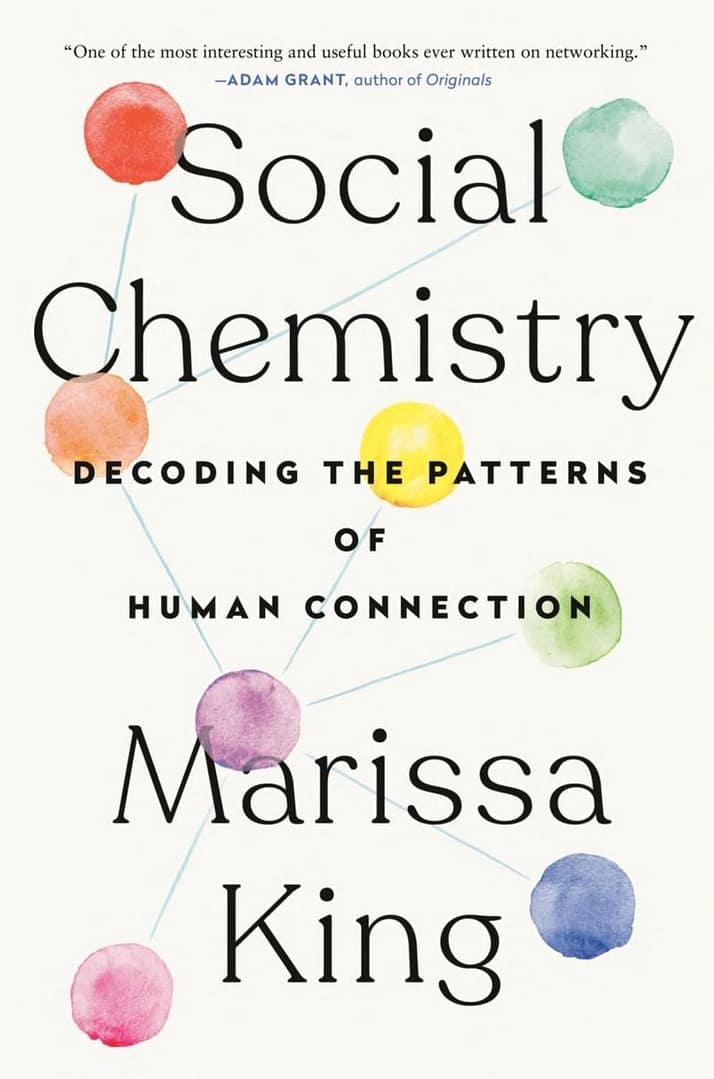
Social Chemistry: Decoding the Patterns of Human Connection by Marissa King
Book
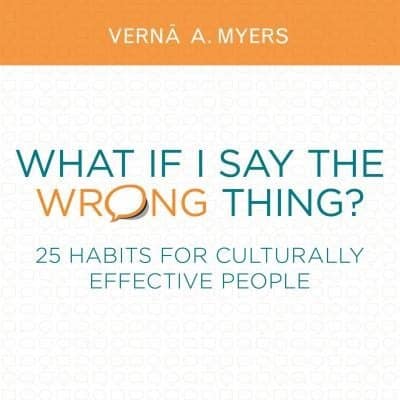
What If I Say the Wrong Thing?: 25 Habits for Culturally Effective People by Verna A. Myers
Resource
Online resources for Academic Ableism
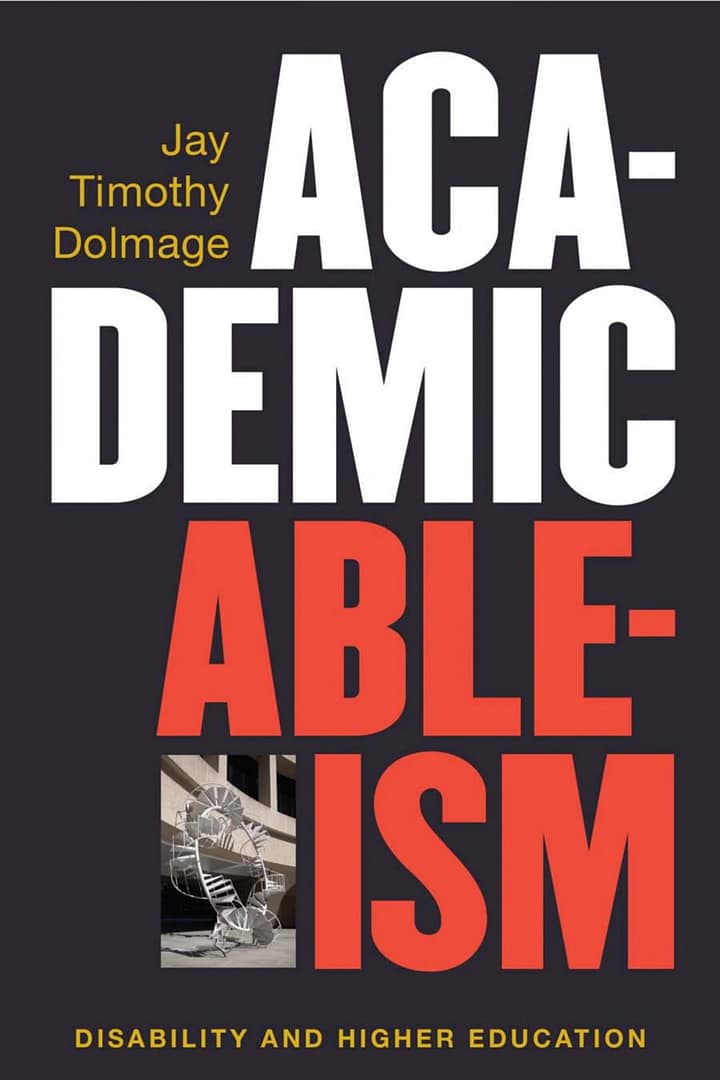
Book
Academic Ableism: Disability and Higher Education by Jay T. Dolmage
Transcript
[00:00:00] Bonni Stachowiak: Today on episode number 394 of the Teaching in Higher Ed podcast, Tracie Addy joins me to talk about what inclusive instructors do.
[00:00:13] Production Credit: Produced by Innovate Learning, maximizing human potential.
[music]
[00:00:22] Bonni: Welcome to this episode of Teaching in Higher Ed. I’m Bonni Stachowiak and this is the space where we explore the art and science of being more effective at facilitating learning. We also share ways to improve our productivity approaches so we can have more peace in our lives and be even more present for our students.
[music]
[00:00:50] Bonni: Dr. Tracie Addy is the associate dean of teaching and learning and director of the Center for the Integration of Teaching, Learning, and Scholarship at Lafayette College in Easton, Pennsylvania, where she works with instructors across all divisions and ranks to develop and administer programming related to the teacher-scholar model. She’s the co-author of What Inclusive Instructors Do: Principles and Practices for Excellence in College Teaching.
Today’s guest was introduced to me through my partnership with the Association of College and University Educators or ACUE. ACUE’s certificate programs equip educators with evidence-based teaching practices to improve student outcomes and create inclusive, equitable learning environments. For more than five years, ACUE has connected me with experts and faculty developers who are featured in ACUE’s courses as well as certified faculty to share their work on Teaching in Higher Ed. Tracie Addy, welcome to Teaching in Higher Ed.
[00:02:01] Dr. Tracie Addy: It’s my pleasure to be here. Thank you for inviting me to be a guest today, Bonni.
[00:02:05] Bonni: Can you take us back in time and tell us about your experience in education before you yourself were actually a part of education?
[00:02:14] Dr. Addy: Definitely. I come from a family of educators. My parents, both in K-12 teaching environments. I also have a variety of other aunts, uncles, et cetera, that have really played a profound role in my thoughts around teaching and learning, seeing them teach in their environments or hearing lots of different stories about the classroom and just the role model that they were in inspiring students in their classes.
Early on, I will say that I was always a very inquisitive child, loved learning, loved exploring new things. I still am that way. I like very much to explore new things. That curiosity has not changed. In my settings, I became really interested, I think, by the time I was in high school with this idea of, how do people learn in teaching and things like that? I used to admire my teachers too and just the ability that they had to be able to help us be able to learn all these interesting and important concepts.
I would say very early on, I got the bug, I guess, around teaching and learning. I also like to tutor my classmates as well in schooling. I was definitely a student that liked school and I liked to be really engaged and just learn many different things. That was early on when I was in high school. Earlier when I got to college, I did decide to major in the STEM discipline. I did also fall in love with many of the sciences, especially biology, so I ended up majoring in biology.
I did really still have a real interest and desire in teaching and learning and those types of environments. In fact, many of my peers would also say, “Oh, you should go on teaching and learning,” just because it emanated for me so much in my day-to-day and the things that I did, the activities that I did. Eventually, I went to graduate school for my discipline in science. Still, I had these moments, I guess, where I was just trying to figure out, how do I grapple with my interests so strong in teaching and learning and these other interests that I have in science and other types of disciplines?
I did go to graduate school. I got my master’s degree and I decided I actually was going to stop and teach. I was like, “I’m going to teach at different levels of education.” I went all the way from K-12, community college, various types of institutions. I also went to universities. I just wanted to explore and try to figure out how I could grapple with this idea. I eventually did get a full-time position in that time period at a community college, which I really enjoyed. I loved and enjoyed that environment.
My husband moved. We moved because the family moved. I actually went back to school to get my doctorate in science education. I thought that would be a great way to try to grapple and reconcile my teaching. I also had a mentor, a sponsor, who actually encouraged me to do that, “You should try to see what else is out there around this teaching and learning. I think you’ll really enjoy it.” I decided to do that and I got my doctorate in science education. I went there into that program.
I was like, “Wow, this is really what I was looking for.” This is the teaching and learning, the research around it, the ideas around it. I also taught at the time as well. I also worked with a center for teaching and learning when I was there and I was exposed to that. It was a really profound time. I decided to keep teaching for a while after that period of time and then make the jump to a center for teaching and learning and that’s where I am right now. Of course, I have more story there, but that’s basically my overall journey into where I’m at now.
[00:06:18] Bonni: I have been someone who has been fascinated with teaching from a very young age like you, although I don’t remember wondering as much about how people learn. I can still recall being five or six years old and having the teachers’ editions of the books. I think at my time, I don’t want to put too much on myself. I probably thought of teaching as we have a book and it has the right answers and then these other people don’t know the right answers.
We have to check and make sure that they have the right answers. I think my idea about what teaching and learning is, of course, has evolved so much. What is a way that your own early paradigms– and you’re wondering your curiosity about how people learn. What’s one profound way that you’ve seen it change in terms of a model that you carry with you today that looks very different from the one you carry as you began to be curious about this back in high school?
[00:07:17] Dr. Addy: Yes, I think that’s a really good question. I think back then, I used to be very curious about why certain concepts, and when I learned them or I could grasp them really quickly at certain ones, it took me a while. Why did this come quickly? Why did this not? I didn’t really have any kind of background on it. I knew good study practices. I tried to be a good student and all of that stuff, [laughs] but I really didn’t know deeply why.
I think then, I used to just think I’d go in, try to just memorize things, and go from there over time and especially with getting more training and thinking about teaching and learning and education and how people learn in these settings. I think I became more acutely aware of the nuances, all involved in the whole, entire learning process. For example, your prior knowledge can have a huge impact on being able to learn certain materials.
If I was exposed to it before, I probably would do better. Before, as a student, I wouldn’t really think about that as much, although I’d be probably thinking, “Oh, well, I’ve seen this before,” et cetera, but not like as deeply or, for example, I know I got from some of my teachers. One of my teachers in particular in high school used to say, “Well, you should keep practicing. Keep quizzing yourself and whatnot.” I was like, “Okay.” The teacher had all of these questions. We had to answer hundreds of questions.
I remember thinking then, “Why is he making us answer this question so many times?” This is for an AAP class. I was like, “I’d do it.” I know my teacher has my best interest. This teacher has my best interest in mind. Later, knowing that retrieval practice is really important in learning, and so later, I could solidify some of those things that I was exposed to or have disjointed knowledge of like, why does it work? How does it work? I think those are a few examples that would highlight my very early knowledge of thinking about teaching and learning, how learning works, and then now, later knowledge.
[00:09:33] Bonni: A lot of prior guests have spoken about their passion for learning new things. I always get curious about that. Are there any things that come to mind for you right now that you’re working on learning at this present moment?
[00:09:46] Dr. Addy: At this present moment, let’s see. What am I learning that’s new? I’m always reading different books and things like that. I’m pretty much very interested in general in just developing new knowledge in the field and in teaching and learning, et cetera. There’s not one thing I’m really focused on right now in learning. More broadly, I’m always open to different things. I think, later, I’ll talk a little bit in the recommendation section about some things that I’ve been learning and thinking about.
[00:10:21] Bonni: A friend of mine just got me excited about this new podcast that’s about the Supreme Court. I’ll put this in the show notes by the way. It’s not in my official– I’m not ready to officially recommend it because I’ve only listened to one episode, but it’s called Strict Scrutiny about the Supreme Court. I just listened to part of my first episode today and it was really fun, but I started getting fascinated with the idea of if I could memorize all of the amendments to the Constitution and know them right off the bat, either way like, “Oh, that one is the Second Amendment or that one.” I think we know some of the harder ones.
Some of the harder ones, I thought, would be fascinating for me to try to do, but I have things like that come up all the time in my mind where I’m like, “That’d be cool to learn,” but then I don’t always follow through on it. If I look at my past year of reading, which you and I are recording this episode toward the end of the year 2021 and, definitely, you and I have in common, this reading books about teaching and learning because I’m looking at all the books that I’ve read. I’m trying to achieve my goal. I have one book left to finish and I will have achieved my reading goal for the year. There are certainly a lot of them. I have enjoyed reading about teaching and learning. It’s fun to have that in common with you.
[00:11:31] Dr. Addy: Definitely.
[00:11:32] Bonni: All right. For today, we are going to speak specifically about an aspect of teaching and that is inclusive teaching. What can you tell us about, first, what it is and why it is important?
[00:11:46] Dr. Addy: Inclusive teaching, we can define in various ways. We took the stance in our book to capture the voices of instructors who do it and try to summarize them in a theme of what we could define it as. If I take from what we talked about in the book, I will say that inclusive teaching has a couple of different components. First, it is being responsive to the diversity of our class and designing learning environments that include all of our students so that students are engaged in an equitable learning environment where it’s equitable, and then also the students feel a sense of belonging.
The students also feel as if they’re members of the community, they’re not excluded from the community, and that it was developed basically with them in mind first. That’s inclusive teaching. Why is it so important? Well, it’s always been important. It’s something that I’ve always said, but I would say that there’s been a lot of increased emphasis on different aspects of inclusive teaching over time. That’s because we have diversity in the students that we teach.
We need to be responsive to that diversity and to really think about who’s in our classrooms and to really be able to teach the students that are there so that they grow and develop in their educational experiences. Now, various schools as well, we see this in higher education just diversifying in general. Some students from backgrounds, identities that have been historically excluded from education now in increasing numbers are actually able to go to college and be able to attend. We’re also seeing that increased diversity because, now, they have more access. We have more capability to be able to go to college as well.
That also makes us need to be more aware of who’s there and how do we need to help them and serve them and support them while they’re at the institution so that they do get a good education while they’re there. Inclusive teaching is really important because of who our learners are, because of what they bring to the classroom, because of what we know about belonging. We know that it’s so critical to learning.
Even though we think about the content of our courses is important and the skills and all that the students develop, they also need to feel like they can be there, that they actually should be there because that’s going to actually hinder or help, depending on where we’re going, which direction their ability to succeed in our classes and to seek help and to be able to do well academically, emotionally, mentally, all of the different ways that students need to go through college. Those are some really big reasons why inclusive teaching is really critical. It’s excellent teaching. It should be part of all of our teaching ideas. When we think about our teaching, we should be thinking about, first and foremost, how do we be inclusive to them?
[00:14:54] Bonni: A big part as you mentioned is about a sense of being welcoming and a sense of belonging. You also stressed that it isn’t just something I can add on to my course just right on the top or sadly at the bottom sometimes. I think sometimes when we start speaking about these things and for people that are less familiar with it, we can try to add it on. Then other times, people less familiar with it might look at it in what can I think their desire is to be helpful, but sometimes it comes across as more of a paternalistic framework for things.
You mentioned helping. That’s an important aspect that so many of us find meaning in our teaching, but I’d love to have you speak a little bit about how we could also continue to evolve our thinking about having more diversity in our classroom also from an asset-based mindset versus a deficit model. Could you speak a little bit more about that being a helpful paradigm to us?
[00:15:57] Dr. Addy: Sure, yes. I think the deficit model has been prevalent in higher education in many different settings. It’s still present. We still see it today. That model is, basically, the fact that, “Oh, students, they’re coming in with all of these deficits.” They’re coming in with things that they can’t do, et cetera. We’re focusing on the negative things, the things that they are not able to do.
That deficit model also creates a lot of assumptions about students that might not even be true. It’s not a very helpful way to really think about our education system. With regards to more of an asset-based model, we start to think about all the things that the students actually bring to the class, including a willingness to learn. Why would they go to college as well? They’re there for a reason.
We can think about our students in terms of the different strengths that they bring to the classroom and also inform those strengths and support those strengths and encourage them in those strengths as well. Now, they’re there to learn, so there will be things that they will and degrow in. By starting in that framework, it’s going to be a much better experience and a much better philosophical stance around thinking about, how do we design classroom environments for students so that they can grow and grow in ways that build upon their already existing strengths as well?
[00:17:39] Bonni: I think sometimes that can transition a feeling of paternalism to actually taking a little bit of pressure off of the teacher. I don’t have to feel like I could ever understand every culture, every person’s unique sense of intersectional identities as they come in. It releases me from a feeling like I have to have all those bases covered but really does evolve our idea of the role of what a teacher is. Would you speak a bit about how you have seen your own idea of what the role of the teacher is and how it’s shifted all the time that you’ve been teaching and also what you would encourage some of those of us that are not as far along as you in terms of our evolution of thinking of what that role is?
[00:18:26] Dr. Addy: Yes, so I did a lot of work when I was in graduate school around this idea of student-centered environments, instructor-centered. I actually studied beliefs about teaching of instructors, and so that was basically the work of my dissertation and looking at those different beliefs and whatnot that were espoused. I would say that when I think about my own evolution of thinking about teaching, early on, I would say the more traditional models where we’re thinking about lecture dissemination of information, students just absorb it, and then they learn.
Those types of models, I definitely, very early on, thought that those were teaching models, right? Then at the same time, there was some conflict in my mind around that because I did see from my experiences, not only just teaching but also with my family and education, how the relational aspect of teaching is so big and so important in being able to connect with students in meaningful ways that go beyond just delivering material.
I would say that one of my ways that evolved over time is definitely the importance of the student-teacher relationship and understanding learners. That definitely happened over time in building relationships with students and how critical that was to the actual teaching and learning processes. Another thing that I also have been really interested in and have also explored ever since graduate school is active learning.
I knew very early on that, actually, I don’t prefer to be only lectured at in my classroom settings. I really loved classes that had a lot of active involvement. I also, myself as an instructor, did a lot of active learning, do a lot of active learning in my courses. That also was another idea that I think evolved even more that you could actually help students learn more over time by having them engage more actively in the material itself.
I think those were probably two big ideas that really shaped the relationship building and also the engagement in learning in various ways that students could basically engage in, in a classroom setting. Those were a couple, I would say, that have been important. Maybe another one. I could say another one. [laughs] I will say that in my particular scenario, my family members, they mostly taught in urban settings in K-12 education.
I grew up mostly in predominantly White settings, K-12 as well as later. I had a lot of experiences as a Black female and as a student and also later in different aspects of my profession and my career that had a profound impact on me. One of them with regards to teaching and learning was having– I’ve had negative experiences for sure, but I’ve also had some positive experiences that have really seeded my ideas.
For example, teachers presenting things to me and saying, “Try this or do this opportunity,” or reaching out in those types of ways. That also has had a profound effect on me as well in thinking about teaching and learning and how to support all students, having the diversity students in my class, seeing the assets that they bring, and even connecting them with opportunities that will actually help them grow beyond the classroom. That would be, I think, a third one.
[00:22:23] Bonni: I want to go back a little bit and talk about active learning because you’ve done so much of that yourself, and then also then modeling that for other teachers who are going to try to do that. What do you see as a common mistake that some of us run into when we begin to try to go down this path of making the learning that we’re facilitating more active? Is there any common mistake or set of challenges that maybe hold people back from being able to realize the power of active learning?
[00:22:56] Dr. Addy: That’s a good question. One of my big things in active learning has been case studies. I like to publish them and use them in classrooms. Students are doing group work. They’re solving problems that go beyond the course material, but it allows them to apply it in interesting ways. I like to do it in creative and different ways. I will say that working also in a lot of the case-based learning, but also other types of active learning, one of the things that I think is a big challenge is knowing how much time it takes [laughs] to do every part and to allow students to have time to work in groups and to talk through things.
Just the process of it, I think, is the hardest thing in the beginning and how to monitor that. I definitely see like, “Oh, I wanted to try this activity in working with instructors as well.” I want to try this activity, but one part took the whole class. [laughs] I was expecting to get through the whole thing. I think that aspect of like, how do I balance all of these activities that are active in my class and still allow students to learn, but I still have goals to accomplish? I still want my students to learn. They have certain learning objectives, learning outcomes as well. That, I would say, is a big one.
I think in general though, the first time we do these types of activities, it’s always having to be flexible and to learn. We’re always learning as teachers. We also just have to learn what to do and what it looks like, what things to cut, or how to modify it so that it still can work in our setting. That’s probably the biggest one I have seen in addition to just worry. I just don’t want to try this in my class because I’m not certain it will go well. I’d rather just lecture, so it’s in a confined space in the class and I can get everything I want to cross. That would be just another kind of barrier even precluding that.
[00:24:59] Bonni: We’re doing a class design institute. I forgot the word I’m thinking of. When things are squished together– Oh, intensive. That’s the word I’m looking for. We’re doing a class design-intensive and I’m learning so much. Speaking of facilitating active learning, I’m learning so much. I got to have the group that it’s their second time through this experience, and so there’s even that much more shared learning going on.
One of my colleagues is so good about being super, super organized. He’s got a whole spreadsheet where he’s got all of the things there. It’s easier for him to equate and estimate course workload and things like that. You’re reminding me a little bit of that. My natural tendency would be to go in and just see– It’s funny because I’m a planned person. At the same time, I guess the spirit of the teaching is to come in and see what happens, that kind of thing.
I have found with active learning, a lot of people I admire greatly, the more structured we can be, this is going to take this long, this is going to take this long. Like you, most of the time, the errors that I make and the others I work with is not realizing how long things will take. I do think it’s worth us taking just a couple of minutes to, yes, on occasion, it can go the other way.
Most of the challenges I see with myself and others, we think it’s going to take less time than it actually ends up taking, but then there is a possibility of not attending to it and allowing things to go on and on and on. How do you think of that other end of things? How do we know when we’re done? How could we make sure that we don’t leave too much room for something and not have the kind of structure that might be most helpful?
[00:26:45] Dr. Addy: To your first point about the time, I think it’s really important to actually delineate the time just as you mentioned. I think there’s a lot we can learn from K-12 education in lesson planning. How long will each part of the lesson take to that point? It sounds like you’re mentioning– so sometimes we could give it some time to keep going so that the students could continue to engage in these activities in an active way, but when do we stop? Is that the question you’re asking?
[00:27:15] Bonni: One thing I’ve seen on occasion would be waiting until every single group is completely done. There might be one group that, for whatever reason really, was challenged to finish it. That’s not necessarily going to be helpful in most instances to wait until that very, very last one is done to– As we break these segments up, how do we make sure that we don’t end up with five hours later in the class– [laughs]
[00:27:44] Dr. Addy: We’ll always have that way. We’ll have the students that work really quick like the groups that got done fast and the students that over time and then the students that will take a longer time. I think that’s a good question. A lot of active learning is a lot of facilitation on behalf of the instructor. Going around and seeing what each group is doing and where they’re progressing, I think, is really important.
I definitely agree if there’s a group that’s taking a little longer, I think it’s important to really think about what point they’ve made it to with regards to the learning goals that they had set for them. Because if it’s just a few things left that they’ll still get the gist of it, I think it’s also important to be able to move on in the class. I think we have to often do that, right? It’s just the constraints of a class schedule and working within time bounds and whatnot.
I would say just being keenly aware of where students are and where the different groups are and just making sure that they’re able to accomplish, at least the majority of what we hope for them to do. Sometimes you do it for later, do it individually for homework just so you can go back and look at it or maybe we’re regrouping as a class and we’re discussing it. I definitely agree that it’s important to have that.
Sometimes also just, again, in an active learning setting, sometimes setting warnings for the students like, “Oh, try to wrap up,” and just encouraging them to move along, so the groups might be taking a little bit of a longer time for many reasons. Maybe they’re carefully doing it. They’re trying to really answer it well and get to the meat of it, et cetera, but also just giving them, I think, those continual warnings, “Oh, let’s wrap up in just a few minutes” or “See where you get to,” I think can also encourage them along.
[00:29:36] Bonni: Something that I have admitted to in the past but still is a challenge for me and know how important it is to have the instructions somewhere visually. That could be on a presentation on a projector, in a classroom, or it could be on the web-based just having up there for everybody, but that just can make such a huge difference in terms of that they know, as you said, Tracie, that this is the outcome, this is the goal, and then if I can have some kind of a timer too, whether I’m the one literally typing into the breakout rooms.
You have X minutes left, but that’ll help, as you said, create a good, healthy sense of urgency of, “I know how far I need to get. Now, I know how long I have to get there.” That’s really helpful. Well, before we get to the recommendation segment, I did want to have you share about another tool that is called “Who’s in Class?” What can you tell us about this tool and how it can help us have more inclusive teaching?
[00:30:29] Dr. Addy: Sure. Well, we’ve always wanted to, my collaborators and I worked on this tool together, think about ways that we could do some kind of, just in time, inclusive teaching. Knowing that every class is different, who comes to class, who’s in the class, and thinking about ways in which we can capture that earlier, sometimes it’s like you get to know the students, but it’s later in the course. How can we capture just certain things very early on and we can actually tweak our course a bit?
We’re not going to redesign it right at this point to actually incorporate that information so that it’s very much so responsive again. I use that word a lot, but to the class that we’re teaching. The “Who’s in Class?” Form was a tool that was basically developed with that in mind and with that goal to help instructors be more inclusive in their teaching by learning early on more about their students in a way that felt a little bit safer for students.
We did get a lot of student feedback on the form. We got, before actually using it, faculty, staff, et cetera. We had all of them comment upon it. We asked questions about identity, about how much do they work, what does an inclusive classroom mean to them. An article that I know is going to go in the show notes just came out on our article, a small tips-and-tools article that gives some of the feedback that we got when we did this when we implemented this tool with the research study aspect of it.
That’s basically what the “Who’s in Class?” Form is. Now, the “Who’s in Class?” Form we did make it anonymous so that students feel comfortable. That’s based on feedback from students because of some of the questions. Not every instructor uses that form only though because they might not want to know some things that are not anonymous right about out their class. Absolutely, that makes perfect sense.
This particular form because of the questions, we kept it as anonymous. The students will complete it at the beginning. It’s an online kind of survey. It’s put online. They’ll complete it at the beginning of the course and then the instructor will look at the results in aggregate. Our students told us we look at them in aggregate because we don’t want to be identified yet for these things. Some students will disclose later, which we did find as well.
Then what happens is this is a good partnership with the center for teaching and learning as well. We would also be able to talk to instructors about what are some things you’re learning about your students and what are some things that you can do in response to that for your course to make small changes, just small ones, that would allow it to be more inclusive for your students.
There’s this process after using the form, looking at the results, reflecting on the results as well than actually going in and doing those things. They came up with plans for how they would do that as well. We did a study on it so that we could have an evidence-based tool and that’s our goal. We want tools that we recommend to work and we know there’s evidence that they do work.
We did a study on it and we did capture what changes the instructors made in their courses. Then later in the semester at the very end, we both asked the professors and the students what they felt about the form. The students, “Did you feel comfortable using this form? Did it really help you share things that you normally wouldn’t have shared with your professor?” This article that has come out captures that.
You’ll see a lot of positive results for the students with regards to the benefits of the form and their instructor using it. Most of the instructors really appreciated also using the form. Sometimes what would happen is some of the instructors thought, “Oh, there’s not a lot of diversity in my class because of what’s on the form.” That’s what comes up a lot in certain types of settings.
What we do is we dig deeper too in those and say, “Oh, but look at this.” Sometimes that level of reflection is helpful because all of our students are different, right? We’re not the same. There’s things that we can really think about and that can usually come out some way in the form itself, but we see the whole diversity of range of class makeups. That’s why the beauty of having a form like that because it’s going to give you that information. A lot of the students really felt like their instructors really cared to know that information.
They really appreciated it. They did think they acted upon it as well because there’s one thing to survey the students and to ask and not act upon it. We did tell the instructors to be very intentional and to say, “What are you doing to change your class?” so that the students are understanding and seeing that. That was also encouraged to also communicate that as well. That’s the “Who’s in Class?” Form tool. We do have it in the book, What Inclusive Instructors Do. It’s also in that article, a supplemental material, so anyone is welcome to download the tool.
[00:35:36] Bonni: Before we talk about our recommendations, I wanted to ask just about one of the items from the “Who’s in Class?” and that is the question– I suppose it’s too technically speaking, but they go together. That’s the item that asks I work on or off-campus and then that’s a yes-no answer and then the number of hours that I work per week is, and then a fill-in-the-blank. Would you speak a bit about what you discovered, both in terms of what kind of information that a faculty member might get from that, and then two or three examples of what someone might do with that information in their teaching?
[00:36:10] Dr. Addy: That’s a good question, Bonni, because that’s a question that actually surprises a lot of instructors as to how many hours their students work. The second part of that, they’re really surprised about that. This is going to be a question that’s going to change, depending on the institution, depending on the students because I can see some schools, maybe some students are commuting more. They’re working in different places, environments, and whatnot, or residential college. They tend to be on campus more.
With regards to this, what we’ve seen the most actionable thing is when students are working more or long hours or they communicate some information about that. The instructor is thinking about also the workload of the class and also the timing of deadlines and that nature and how that factors in the students’ lives as well. Being a more holistic approach to students with regards to their outside responsibilities and what they can do, but still having the expectations of the course and upholding those but still being very cognizant of those.
Some of the things to think about for that, some of the professors will be a little bit more flexible with maybe having some flexibility built into their syllabus with regards to due dates, which is a good practice anyway, or assignments like maybe they can drop one assignment, that type of thing. Those types of things definitely did come up as more actionable. I think a big thing about that one though is a lot of awareness like, “Oh, they’re doing all of these other things.”
Just requiring them to do a lot of external types of things if they’re working a lot outside of class, group work, a lot of that in a class that is sharing that we work a lot outside of class, that’s going to be hard. They also thought carefully about those aspects of our course design. Is this the best design for these students right now? Are there other ways that we can do these types of assignments?
Those were some of the things that have come out of that, but I would say even the biggest thing is like, “Wow, my students do a lot outside of my class.” I think that’s actually really important for instructors to know because sometimes it’s like my class is the only class and the only thing in their lives, but it’s not. I think that awareness in itself is actually very valuable for instructors.
[00:38:40] Bonni: To me, it can be so helpful because like you said, I echo what you said about the awareness element of it in terms of if this was different than what I experienced when I was in school. That’s a really helpful thing. Wow, this is not the same thing because too many times in my early, early teaching days would be people would ascribe that to laziness or [laughs] all kinds of ugly biases that can come out of something like lack of awareness.
The second thing is if it is in parallel to what that professor experienced for them to share their stories can be incredibly helpful too of, “Hey, when I was in school, I did this and this.” I’m not able to share stories like that, but students are often surprised to ever learn that I wasn’t a straight-A student. [laughs] That’s always like a funny thing to have yourself appear more human. Whatever it is that you do to be connecting of like, “No, this is–” [laughs]
[00:39:36] Dr. Addy: Definitely.
[00:39:37] Bonni: Wherever we have those things where we might be able to come across as more empathetic and, therefore, approachable people back to the– circling way back to the sense of belonging, that can be helpful.
[00:39:48] Dr. Addy: Just to piggyback off of that, the “Who’s in Class?” Form, many professors will use it as a tool for that. They’ll see things in their class and they’ll share about it. For example, they see students who are first-generation in their class. They’ll share about their first-generation experiences as first-generation students and stories and things like that. That does happen a lot where also the professor will share more about themselves. I think that opens the door to it a little bit more too, which is really nice, I think, in building-belonging and fostering-belonging as you mentioned.
[00:40:20] Bonni: Well, this is the time in the show where we each get to share our recommendations. I’d like to start out with a book that I read. It was actually the first time I can recall reading a book both in audio form and in written form. I would go back and forth. I’m doing the dishes and I go to switch to the audio form or if I was driving or what have you. That was really nice.
The technology today can let you know where you left off and that was incredibly convenient to me. The topic was incredibly beneficial. The book is called Academic Ableism: Disability and Higher Education by Jay T. Dolmage, and really, really enjoyed the book. It’s not the author who narrates the audiobook. I can’t recall his name and I didn’t note it that down, but he was a tremendously good narrator, kept my attention completely, and I learned so much.
I also want to recommend the associated online resources for Academic Ableism. It was almost like a whole another book in a good way in terms of, really, if you want to take this your learning and really apply it even more, specific things around the syllabus, specific things around the way the class is designed. Ironically, Tracie, a lot of the things that we talked about today are coming out there specific with regard to disability.
Then another thing that I came across in this reading and building of community is the Canadian Journal of Disability Studies, and that’s an open-access journal. These are just really good resources if you would like to be expanding your learning about ableism and specifically in a higher education context. Tracie, I’m going to pass it over to you for your recommendations.
[00:42:01] Dr. Addy: Sure. Those sound like wonderful resources, by the way, Bonni. I have to check them out. I have two books that I’d like to recommend. The first one is called Social Chemistry: Decoding the Patterns of Human Connection by Marissa King. This is a really interesting book that I read with a colleague. We talked about various types of networks. That’s what the book is about, and your networks and how that can actually impact your success, but also you need certain networks at different times in your life.
It’s based on these research-supported principles around networks and networking. I definitely could see the applications in many aspects of my life. For example, I saw the aspects as an educational developer in building a center, or I also saw them with faculty new to an institution, what networks do you have or in your discipline? It was a really neat book. I was also able to meet the author and talk a little bit about it, so that was really neat. That’s Social Chemistry.
The second recommendation I have is the book What If I Say the Wrong Thing?: 25 Habits for Culturally Effective People by Myers. I really like this little handy-dandy book. It’s also a small guidebook. It’s actually a book that our consortium where I’m at, schools, they ran a book group around this particular book. What I really love about this book is, oftentimes, when we think about inclusive teaching or other types of diversity, types of initiatives, and whatnot, we think about, “Oh, my goodness, what if I do the wrong thing and what if I say the wrong thing? Where am I at? How do I check where I’m at?”
This book really gives a lot of really interesting examples and a lot of good recommendations for different types of scenarios, how you can improve your thoughts around inclusivity in general, and what you should know about yourself. How do you not say the wrong things and whatnot? It’s a really interesting book that I’d also recommend.
[00:44:08] Bonni: Oh, these both seem so good. I want to read both of them right now.
[laughter]
[00:44:11] Bonni: My list always gets longer. Thank you so much, Tracie, for coming on the podcast and sharing about your book, inclusive teaching, as well as your co-authors as well on that project. For all of that you were able to share, including these great recommendations, I so appreciate being connected with you and look forward to that continuing.
[00:44:30] Dr. Addy: My pleasure. Thank you again, Bonni, for inviting me on the show.
[music]
[00:44:36] Bonni: Thanks once again to Dr. Tracie Addy for joining me on today’s episode of Teaching in Higher Ed. If you would like to see the show notes for today’s episode, you can head on over to teachinginhighered.com/394. You can also subscribe to the weekly update and receive each episode’s show notes in your email, along with other quotable words, recommendations, and resources that don’t show up on the main episode. Head on over to teachinginhighered.com/subscribe to sign up for the weekly update. Thank you so much for listening. I’ll see you next time.
[music]
The transcript of this episode has been made possible through a financial contribution by the Association of College and University Educators (ACUE). ACUE is on a mission to ensure student success through quality instruction. In partnership with institutions of higher education nationwide, ACUE supports and credentials faculty members in the use of evidence-based teaching practices that drive student engagement, retention, and learning.
Teaching in Higher Ed transcripts are created using a combination of an automated transcription service and human beings. This text likely will not represent the precise, word-for-word conversation that was had. The accuracy of the transcripts will vary. The authoritative record of the Teaching in Higher Ed podcasts is contained in the audio file.