Follow the Teaching in Higher Ed Podcast
About this Episode
Pooja Agarwal discusses the science of retrieval practice on episode 184 of the Teaching in Higher Ed podcast.
It's important that we don't stop just because it doesn't seem like the retrieval practice is working, initially.
Pooja Agarwal
On episode 184 of Teaching in Higher Ed
Voices on this Episode


Show Notes + Resources
- Lyle, K. B., & Crawford, N. A. (2011). Retrieving essential material at the end of lectures improves performance on statistics exams. Teaching of Psychology, 38(2), 94-97.
- Roediger III, H. L., & Karpicke, J. D. (2006). Test-enhanced learning: Taking memory tests improves long-term retention. Psychological science, 17(3), 249-255.
- Kromann, C. B., Bohnstedt, C., Jensen, M. L., & Ringsted, C. (2010). The testing effect on skills learning might last 6 months. Advances in health sciences education, 15(3), 395-401.
- Roediger III, H. L., Agarwal, P. K., McDaniel, M. A., & McDermott, K. B. (2011). Test-enhanced learning in the classroom: long-term improvements from quizzing. Journal of Experimental Psychology: Applied, 17(4), 382.
- Agarwal, P. K., Karpicke, J. D., Kang, S. H., Roediger, H. L., & McDermott, K. B. (2008). Examining the testing effect with open‐and closed‐book tests. Applied cognitive psychology, 22(7), 861-876.
- Retrieval Practice website
Recommendations from this Episode



Transcript
Bonni: [00:00:00] Today on episode number 184 of the Teaching in Higher Ed podcast Pooja Agarwal discusses the science of retrieval practice.
Production Credit: [00:00:11] Produced by Innovate Learning, maximizing human potential.
Bonni: [00:00:20] Welcome to this episode of Teaching in Higher Ed. I’m Bonni Stachowiak and this is the space where we explore the art and science of being more effective at facilitating learning. We also share ways to improve our personal productivity so we can have more peace in our lives and be even more present for our students.
Bonni: [00:00:49] Today I get to welcome back to the show a friend and former guest of the podcast Pooja Agarwal. She is a Ph.D. and is an expert in the field of cognitive science she’s back today to share some recent and not so recent studies that can help inform our teaching practice.
Bonni: [00:01:07] She’s conducted learning and memory research in a variety of classroom settings. For more than 10 years and some of which she’ll get to hear about on today’s episode she is passionate about evidence-based education and she has extensive teaching experience in K through 12 public schools and expertise in education policy at state and national levels.
Bonni: [00:01:30] Currently she’s an assistant professor at the Berklee College of Music and Boston teaching in Psychological Science. Two exceptional undergraduate musicians. Pooja’s research is supported by grants from the National Science Foundation and the U.S. Department of Education. In addition Pooja’s work has been featured in The New York Times Education Week and Scientific American as well as academic journals books and podcasts to advance the use of scientifically based learning strategies. Pooja recently founded retrievalpractice.org which is a wonderful place to visit for cognitive science research resources and tips for educators.
Bonni: [00:02:13] Pooja, welcome back to Teaching in Higher Ed.
Pooja: [00:02:16] Thanks for having me.
Bonni: [00:02:17] I am still so grateful to James Lang for connecting us originally when you came on the show the first time he had suggested that you’d be a great person to talk to about retrieval practice. And ever since we’ve been talking to each other about all sorts of us and I’m grateful for the connection and now the friendship.
Bonni: [00:02:36] And I wanted to take you back a little bit in your memory to your undergrad days and have you share a little bit about your early discoveries that something called retrieval practice even exists in the world.
Pooja: [00:02:49] Oh boy let me go back to my own memory. So in undergrad I was majoring in elementary education and getting my certificate to teach elementary and then at the same time I was taking psychology courses majoring in combined interdisciplinary neuroscience program at Washington University in St. Louis.
Pooja: [00:03:13] And as part of my senior honors thesis I want to combine the two. I was learning about all of this really neat memory research and I was learning about all this need education and how to teach in the classroom and so it made sense to me to combine them.
Pooja: [00:03:30] And when I decided to do an honors thesis I decided to approach the chair of the department Henry Roediger and I asked him I said you know I’m interested in doing an honors thesis on memory but related to education and what do you think about some strategies like speccing and spacings.
Pooja: [00:03:54] Basic strategy is literally spacing things out instead of students cramming teachers cramming in one concept. And at the time I saw remember Roddie as chair having this really intimidating office lined with books floor to ceiling.
Pooja: [00:04:13] And he kind of pondered for a little bit and said genome research right now is really taking this thing called retrieval. Just thinking about bringing to mind remembering what you’ve learned. And that really solidifies memory is that okay great.
Pooja: [00:04:30] So I’m going to do my own honor’s thesis on retrieval and I again combining the two was currently at that prime doing my practice in an elementary classroom. I kept paying attention to what retrieval looked like in the classroom.
Pooja: [00:04:48] And one thing that was apparent to me was that students were engaging in sort of an open book kinds of retrieval. They might have this book open and they were completing a worksheet as opposed to a closed book retrieval which from my perspective as an undergrad was most of what you were talking about in terms of research and so long story short on my honest thesis I decided to look at open book retrieval closed book retrieval which hadn’t really been looked at before. So that’s kind of how it all started.
Bonni: [00:05:25] And do you remember as you were discovering the names for some of these things like I can certainly remember being an undergrad. Don’t Cramm don’t cram you know that that was said so often. But as you were learning the more formal names for these things and as you were learning that there was a whole body of research or I should say an emerging body of research Tabac some of these practices up did you find yourself changing anything about your own habits.
Pooja: [00:05:56] No.
Bonni: [00:05:58] That’s kind of like that like we’re supposed to sleep more and then we don’t sleep.
Pooja: [00:06:05] Well I do think for me it is a bit circumstantial because I finished up my coursework for another day. I wasn’t studying in internationals.
Bonni: [00:06:13] Did you find yourself wishing then you had known about these things.
Pooja: [00:06:17] Oh yeah. Oh yeah. And then in graduate school of course I tried as best I could to at least retrieve on my own study. But I think it’s once you develop those habits. To break them of course.
Bonni: [00:06:30] Well we are tackling a huge challenge today. You and I we have decided that teaching and I should say I decided that Teaching in Higher Ed could use a little bit of an infusion of some of the rigorous science behind these things we do tend to talk a lot about approaches and the approaches that we talk about on the show are so much often drawn from research but then we share them more in terms of personal experience.
Bonni: [00:07:01] And so today we’re sort of flipping that where we’re going to talk about some peer reviewed journal articles and sort of flip this a little bit and talk about the research and then a little bit about how that might inform our own teaching. And we’re going to try to do five articles. We’ll see if we can do this.
Bonni: [00:07:19] And then at the end of the show as usual we will have the recommendations and we thought we might begin in the college classroom. The many of the studies are done in K through 12. Many of the studies are done in college classrooms many of them are done in labs.
Bonni: [00:07:33] So you have selected for us a mix of these different research contacts and let’s start with this study. In 2000 11 retrieving a central material at the end of lectures improves performance on statistics exams. I feel like I just gave it away. Hashtags spoiler alert. So what did this study find. Sorry. Tell us about this Lyle study.
Pooja: [00:07:57] Yeah. So this is Keith Lyle and Nicole Crawford at University of Louisville. And they of course the spoiler alert at the title does give it a feel sick. Was that they had two classes of scenes both taking statistics and one class engaged in retrievals so thinking about what they had learned. They just had questions that were shown on PowerPoint slides at the end for about five to 10 minutes the end of the lecture. And this isn’t a lecture hall with 70 some students.
Pooja: [00:08:34] So one class section got these five-minute retrieval questions just asking about basic concepts and they were all short answers. So right down to the definition of teach us or write down what a powerhouse’s the other class section didn’t get any of these purply short answer questions.
Pooja: [00:09:00] That was it. That was pretty much the very basic experiment in their actual classes teaching statistics.
Pooja: [00:09:08] And so looking at how students performed they had four exams throughout the semester and looking at how students performed in those exams there was almost a 10 percent difference between the class action that received these five to 10 minute short and short answers her questions versus the class section that didn’t get those questions.
Bonni: [00:09:33] One of the ways that I see this and for me in our work and our approaches is this tension that we so often feel of trying to get the content in to the class and that if given a forced choice of spending time doing retrieval practice or spending time catching up filling their heads with more content this would seem to indicate that everyone’s time will be better spent on retrieval practice.
Pooja: [00:10:06] Yeah I agree. I do. We understand there’s a trade off an and onto that same trade off in my own classroom teaching intro psychology. I do feel though that while you retrieval scientifically especially knowing that the whose love for learning improves lunchroom attention to me I have decided to make that trade off instead of into more content that students aren’t fewer a number at all.
Bonni: [00:10:36] The other thing that I noticed that some people not as familiar with these practices is thinking that we aren’t teaching when we are having students engage in retrieval practice but assessment as part of the learning process is really vital in thinking about our time.
Pooja: [00:10:57] Yeah I think there are different ways to engage that rich free will that make it feel less less like assessment and more and more like flips learning or learning or a lot of different.
Bonni: [00:11:13] The next study that we’re going to look at actually really does. I was about to ruin the next study. I’m going to do it.
Bonni: [00:11:21] The results of this next study are yet another benefit that can often be forgotten when performing retrieval practice that I think has a lot to tell us says teacher. So why don’t you tell us about this 2006 a study which in the context of this one by the way for the listeners this one took place in a lab.
Pooja: [00:11:45] In this 2006 study by my colleagues Roddy Roediger and Jeff Karpicke they looked at a very basic experiment conducted in a laboratory with college students from Washington University in St. Louis with 180-ish college students.
Pooja: [00:12:06] In this study with two experiments college students did a few different things. They either read some very brief passages that were pretty simple and straightforward like a passage about sea otters.
Pooja: [00:12:22] See this is a laboratory experiment and students either would read these passages about sea otters or the way to somewhere it and then they would engage in some tests or retrieval juts within a minute or they would just reread the passage over and over.
Pooja: [00:12:40] And these tests that we traditionally call for recall and laboratory experiments the researchers just gave students a blank sheet of paper and asked them to write down everything they could remember from the passage they just read and in one experiment students read the same passage four times.
Pooja: [00:13:03] Or they read the passage three times and engaged in this free recall once writing down everything they could lumber or they read a passage once and they engaged in free recall three times.
Pooja: [00:13:17] So in other words all the students participated in these kind of four periods whether they restudy the passage or they tested in rubdown one day to remember and for us from a laboratory perspective that’s really important to make sure that students find the exact same amount of time whether they were really studying a passage or resetting and taking tests because one concern like in that Lyle and Crawford study is well those humans have five to 10 minutes where they were retrieving and so they had extra exposure.
Pooja: [00:13:53] It was more novel compared to the class that didn’t. So these laboratory experiments it’s much easier to control lab and Rodney and Jeff then looked at how students performed on a final exam which again was to just write down how much they could remember. And they looked at performance for that after five minutes.
Pooja: [00:14:14] So right after reading and testing or after one week and what they found was that after five minutes and this isn’t really that much of a surprise especially to students after five minutes the students who re read the passage over and over again performed much better.
Pooja: [00:14:33] So they performed at about 83 percent whereas students who read the passive ones engaged in this retrieval practice for three quizzes they had 10 percent. Their performance was 10 percent lower after five minutes but after one week there is this really what we call a crossover effect where it dramatically switches.
Pooja: [00:14:57] So after one week when students engaged in that retrieval practice they’re now 20 percent above the students who just re-read. So after that one week, students who engaged in retrieval performed about 61 percent correct as opposed to when students re-read passages, their performance was only 40 percent.
Bonni: [00:15:21] Is some of this getting that maybe not directly in the study but is some of this getting not what I believe is called desirable difficulty that that initial exposure to retrieval practice I might perceive as a student being very difficult.
Bonni: [00:15:37] I may not necessarily like it because also I may fail sometimes get questions wrong. And so there’s the there’s just the more challenging aspect of gosh in this class setting I really need to be alert and engaged and I may sometimes feel like wow I am not getting this very well.
Bonni: [00:15:57] But then when we go forward a week or in my case with so many students like they graduate and that there really are able to hold so much more in their heads.
Bonni: [00:16:08] So I’m at some point I’m going to form this into a question. [laughing] You’re nodding your head. I can see on video or connecting via Skype today, so we can see each other.
Bonni: [00:16:17] I again I know that’s not the centerpiece of this study but it is reminding me just of that aspect of that that sometimes the retrieval practice types of exercises will be a little bit more challenging. But boy this long-term retention really can be a big payoff.
Pooja: [00:16:36] Yes and I know that with desirable difficulties it actually is a large part of this study. Pretty much the rest of research on retrieval practice and I find that desirable difficulties plays into not only students study strategies.
Pooja: [00:16:53] So when students try to engage in retrieval it’s difficult it seems like it doesn’t work. So they abandoned it just like looking at this Roediger and Karpicke study. But I also have found that the same thing applies as instructors and teachers.
Pooja: [00:17:12] So if we can use retrieval in our classroom it might seem like it doesn’t work or it might seem like students are really struggling. So retrievals not working as instructors. I find that it’s really important that we don’t stop just because it doesn’t seem like it’s working initially desirable difficulties is desirable. It may not feel or look like it’s working. But then over time it really makes a difference.
Bonni: [00:17:43] Anything else you want to say about this one because I know we’ve got a few more to talk about but this you mentioned was really a pinnacle study for ritual practice.
Pooja: [00:17:52] The retrieval practice literature there’s been research that was published in the early 90s. Hundreds there’s some great quotes from early philosophers about this very intuitive idea – that thinking about what you know or role playing or teaching someone else are all forms of retrieval.
Pooja: [00:18:14] So we’ve known this for a long time. It’s not a novel concept or a new strategy. And all this research on it was [originally] published more than a hundred years ago – with this Roediger and Karpicke study in 2006, it sort of sparked and renewed interest in all of this research.
Pooja: [00:18:35] We see these huge whopping effects in terms of how learning works and how we can improve it with students and so that’s why this became one of the landmark studies more than 10 years ago.
Bonni: [00:18:48] Our next study is entitled – and I hope I don’t actually am going to give it away. The next study – actually no in this case I know you’re going to talk about a series of studies that were done with different effect sizes and one of the things that I know is important for you to talk a little bit about is just that that’s a realistic thing to expect when you’re doing this kind of research given the complexity of it.
Bonni: [00:19:11] But what can you tell us about the testing effect on skills learning. And then if you want to share a little bit about some of the other studies here too that would be great.
Pooja: [00:19:21] Where do I begin?
Bonni: [00:19:24] I’m laughing as I’m asking you this question because it’s like we said five articles. But really now it’s like 8 articles.
Bonni: [00:19:30] Actually if you just want to focus on this one and the testing effect on skills learning might last six months then we can also just mention that there’ll be links in the show notes to other ones that this particular researcher did.
Pooja: [00:19:42] In this study with skills learning. This was a series of studies that are published by researchers in Denmark. In medical school classrooms and something I find fascinating and I’m so excited about that this research is really catching on in medical exclusion in these series of studies.
Pooja: [00:20:04] The researchers looked at how medical students learn CPR skills. So something we can all relate to something pretty straightforward for medical students and in these three or four different research studies medical students were either in were all in courses teaching CPR skills.
Pooja: [00:20:27] But some had this training in CPR and then spent five minutes or less actually practicing on CPR dummy or a mannequin. As opposed to some medical students who received the training in the form of lectures, but they never practiced on a mannequin super simple and what they’ve shown is that even just this five to 10 minutes of practicing on a CPR dummy made a 10 percent difference in students being able to remember the key steps of providing CPR.
Bonni: [00:21:05] And one of the things that you wanted to caution us on is that statistically speaking the significance here in this particular study isn’t quite as profound as some of the other research that’s been done. Anything you want to share about that before we talk about our next one?
Pooja: [00:21:19] I think some of the effects can be very profound. But they vary depending on all of the things that I find make applied research really. So and love scientifically rigorous research. But admittedly I love applied research even more humans are messy. And so with these medical studies or a series of studies I’ve done in case. Well sometimes we get really refined robust effects and sometimes we don’t.
Bonni: [00:21:48] I am talking to one of the authors of this next study. This one is called Test-enhanced learning in the classroom: Long term improvements from quizzing. The context of this study is K-12 and it was published in 2011 in the Journal of Experimental Psychology. So you shared that this is an applied study again speaking of that complexity what can you tell us about this one?
Pooja: [00:22:16] In this series of experiments my colleagues and I did research in a 6th grade social studies show and we in our first experiment we pretty much replicated that study by Roediger and Karpinski in 2006. So students sometimes received quizzes and we use clickers and a lot of our research in K12.
Pooja: [00:22:41] So some students are sometimes students received clicker quizzes on information they were learning for instance about Ancient Egypt and other times they didn’t receive their quizzes and the teacher just continued with her lesson.
Pooja: [00:22:55] So in our first experiment we found and replicated this great basic finding three short brief clicker quizzes boosted student learning much more than not having quizzes and the teacher who is continuing with them in our second experiment we did what I had mentioned as well where we controlled for time and exposure.
Pooja: [00:23:19] So in this second experiment students got clicker quizzes returns. They saw the questions and answers three times, but they didn’t click in and then. Or the teacher continued with her lesson without the clickers or the restudy through the clever software. And again, we replicated the same effect.
Pooja: [00:23:41] And so now we’ve controlled for timing. And then the third experiment we wanted to look at students self-directed learning. So if students quiz themselves online will we still see that benefit from retrieval ads especially when it comes to applied research student quizzing online outside of school can get even messier especially with sixth grade students.
Pooja: [00:24:07] But it was really exciting. Then again we replicated the same result even with just placing the retrieval as a responsibility of students outside of class.
Bonni: [00:24:18] It’s too bad that we’ve really conditioned so many of our learners to think of these quizzes outside of our classes as punitive or because so much of the time they’re graded higher stakes that kind of thing. And so as opposed to just the benefits that come from doing that.
Bonni: [00:24:36] And I’ve found that there does need to be some sort of stake in it or they might not take advantage of whatever tool it is that you’re offering but having too high of stakes can sometimes open up the opportunity for people to not necessarily want to just engage in the test enhance learning opportunity that you’re trying to instill during a given time frame.
Bonni: [00:24:58] So well these are such interesting studies I don’t want to miss the opportunity to ask you about your 2008 article and this is a little bit of follow up on Open Book Versus Closed Book: Retrieval Practice and I’m super interested to hearing what you were studying here and then what your findings were.
Pooja: [00:25:16] This study is actually it goes back to the story we started with this study from 2000 it was actually my senior honors these and so this was the research I was doing in college.
Pooja: [00:25:29] And what we looked at was open looking phone book retrieval where students read passages. These were quite a bit longer. And they either engaged in a short answer tests with without having the passage available so as a closed book quiz or they can have the passage next to them while they filled out the short answer quiz.
Pooja: [00:25:51] And what we found was that students benefited from both open and closed book cuisine compared to just rereading the passage. So again retrieval was still more powerful even if students had that passage with them. But another finding that was interesting was that students predicted the exact opposite.
Bonni: [00:26:13] Yeah. Yeah.
Pooja: [00:26:15] And this was actually the case in the Roediger and Karpicke 76 study as well is that when we asked teens in which condition are you going to remember more and into retrieval condition the study students almost always say the restudy the reread condition is what’s going to lead to longer term learning. And it almost never does.
Bonni: [00:26:37] And we can say, “Haha, students aren’t very smart are they?” Or we can say we all have a tendency to miss some of these counter-intuitive aspects to teaching and learning. It’s really complex and rather than see such a great distance between our learners and ourselves we could see that we all have the potential to predict wrongly about the effects of our actions.
Bonni: [00:27:05] I’m so glad that you’ve come today to share some of these articles and research so that we can all just be getting better at what it is that we do and be I don’t know just be a little bit more thinking critically about what’s really going to work what’s the best use of our time in a classroom outside a classroom as we design classes.
Bonni: [00:27:26] Before we get to the recommendations segment we did just go through five articles. I’m going to stop just for a minute and say anything else you want to make sure just to emphasize any last themes before we do make that transition.
Pooja: [00:27:38] I would two things that I want to add. One is that I have summaries a lot of these research studies available on my Web site retrieval practice.org. You can subscribe for e-mail aesthetes where I continue to summarize research.
Pooja: [00:27:55] But also providing tips and recommendations based directly on that research in the field of cognitive science and the second thing I’d like to mention is just about the true rigor of science that happens in fields. It’s really nice to have that confidence that these are strategies that people have experienced and they work well.
Pooja: [00:28:23] It’s not just surveys with students but experimental miracle research that shows this works. That being said we set a long way to go. There’s a lot of research we still need to do on different student populations different content areas different types of retrieval. So I think the field is moving in a really exciting direction.
Bonni: [00:28:46] Thank you so much. And I can just you know that I do this regularly, but I cannot say enough good things about the retrieval practice website it is just a go to source that has both the rigor. If you want to dig in and see the types of research that’s been done but also then makes it so accessible to us to be able to put into action. Really, I think you’ve done a tremendous job on that resource.
Bonni: [00:29:09] This is the point in the show where we each get to make some recommendations and the other day I went off to work and I came home to a completely transformed pantry.
Bonni: [00:29:24] It is so funny that you would think that a pantry would bring me such joy, but it totally did. There is a new in our community there’s a new Facebook group which is designed for people who need help. First stuff around the house that they feel stupid to ask someone to help with so it’ll be like, “I feel dumb asking for someone to come fold my laundry for two hours but that’s what I need,” and so it’s just kind of like a shameless Facebook group where people can go. This is what I need. I just need someone to come wash some dishes or whatever when people get too overwhelmed.
Bonni: [00:29:59] And in this case someone needed help with some organizing and so they linked over to a professional organizers website. And oh my gosh she’s super cost effective. I’m by the way not recommending her because she’s only here in Orange County and I don’t even know if I’ll share her name even if you are in Orange County because I want her all to myself. She was wonderful but what I am going to recommend today are a couple of things.
Bonni: [00:30:23] One is just the power of outsourcing something in your life. We have someone come to clean our house one time a month and for some people that’s just an expense that is outside of what they’re able to do. But if you are able to do something like that, oh my goodness it makes such a difference just to have that one less thing to try to worry about.
Bonni: [00:30:45] If you don’t necessarily have the money to hire someone to come organize a pantry for you then insource the job and whether you’d get it done through someone else or you’re able to do it yourself of course. I’ll give you a brief 15 second lesson and organization. You take everything out you put it in three categories get rid of donate or keeping and then you put like things together.
Bonni: [00:31:12] And I love this because she was bold she just got rid of a ton of stuff that we didn’t. There were some crafts stuff in there and rather than say like do you want this do you not want this. Like there was very little when we came back in terms of she was pretty assertive about getting rid of stuff that just not piles up after time and it left us a little bit of room to grow.
Bonni: [00:31:34] And it really is helping us rediscover what we have. One tiny, tiny, thing that she did which is adorable: She labeled everything so at the kid level there’s grab and go snacks and there’s two baskets down there with grab and go snacks and my kids are getting such a kick out of the. But they can’t… They don’t know the expression grab and go so my 3 year olds like grab so go like she doesn’t quite get the phrase right but they’re just so they’ve got things at their level they’ve got autonomy to go in there and grab some goldfishes – super fun! That was a really, really, long recommendation then.
Bonni: [00:32:06] I’m not sure people can take action on that, but it was the first thing that came to my mind when I thought about what was bringing me joy this week. So, you know outsource insource rediscover what it is that you have and Pooja. I’m going to pass it over to you to make a recommendation.
Pooja: [00:32:22] Can I make two recommendations?
Bonni: [00:32:24] Yes, of course.
Pooja: [00:32:26] So one is that I love to travel and I’ve been trying to figure out where I might go in March during my spring break because of course as teachers and instructors, we get a spring break as well even though we probably need to work since interns are trying to decide where I want to go. I was thinking a lot of my past favorite experience experiences and traveling and one book I cannot recommend enough is a book called Waiting for Snow in Havana.
Pooja: [00:33:02] It was fortunate to go to Cuba last year and I read this book. Even if you’re not going to Cuba, because I know right now access is difficult. I can’t recommend the book enough. There’s just no way the author sending a story about his childhood and his experiences and I don’t typically read fiction but I loved this book.
Pooja: [00:33:25] And another past experience I loved and I miss dearly my very first international trip sort of on my own was to Uruguay and I chose Uruguay because tourists and Americans don’t go there. Part of the reason why I went there is literally because I happened upon a blog and everyone has to go to Uruguay and everyone should check out the law before they do it’s called GuruGuay.com.
Bonni: [00:33:56] We are going to spell this. I’m typing.
Pooja: [00:33:59] GuruGuay.com
Bonni: [00:34:09] What a clever name.
Pooja: [00:34:12] And Karen and I have become good friends as well. I think she’s that so much helpful advice. And I really would encourage people to go to Uruguay when they can.
Bonni: [00:34:23] What a fun set of recommendations. Is that both of yours?
Pooja: [00:34:26] I can make one more.
Bonni: [00:34:27] Sure I was going to say that really is like one. Travel okay. And then you got one more.
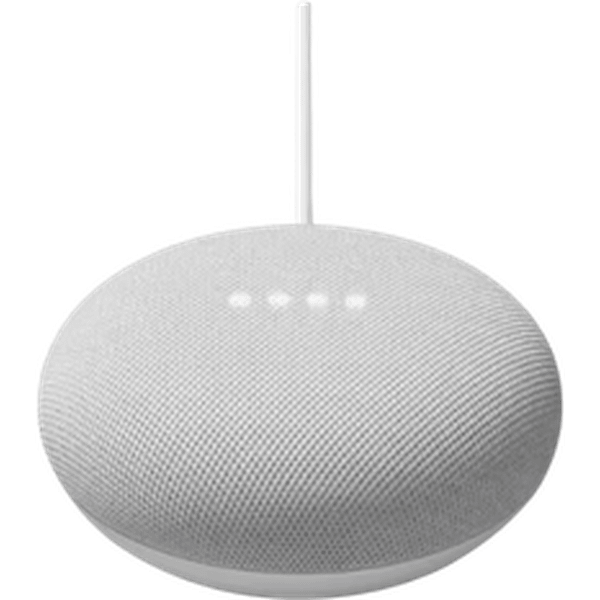
Pooja: [00:34:33] And it’s something I’m still playing around with… Me and my husband have started buying up way too many Google Home Minis. So like the Google home in the Google home speaker things and he recently put one in the bathroom and I swear I’m not brown-nosing, Bonni, but I was getting ready and then said I don’t know if I want one of these in the bathroom but I’m going to try it.
Pooja: [00:35:01] I said, “Hey Google: Play the Teaching in Higher Ed podcast.” I really wanted to see how far this could go. And it said, “Now playing the most recent episode of Teaching in Higher Ed.”
Bonni: [00:35:20] No way! I’m totally getting a kick out of it.
Bonni: [00:35:20] That is not where I thought you were going.
Bonni: [00:35:24] Wow. I did not. I wonder. We have. I’m so hesitant to even say that we have any of these devices because we do have a number of past guests who get very concerned about the privacy implications of such devices.
Bonni: [00:35:38] But let’s just say hypothetically we had one let’s say it’s not a Google home. I think I’m going to try this later and see if it works on ours and I’ll email you and no one will ever know. It will be our little secret. I totally love it.
Bonni: [00:35:54] Well thank you so much for coming on the show and sharing these great, eclectic recommendations and for these great articles that help inform our teaching practice. I so enjoy these conversations with you and know that we’ll be having another one down the road to whether it’s on the phone or whether we actually record that one just to appreciate your relationship with you and just how you inform my own teaching.
Pooja: [00:36:16] Thank you so much.
Bonni: [00:36:19] Thanks to Pooja Agarwal for coming back on Teaching in Higher Ed for today’s episode number 184. And thanks to all of you for listening. If you would like some regular updates by regular I mean once a week an update from me with the links of the most recent show notes and also an article written about teaching or productivity.
Bonni: [00:36:41] You can subscribe to the weekly update at teachinginhighered.com/subscribe. And as mentioned in the episode if you want to learn more about retrieval practice I know of no better place to visit than retrieval practice dot org. Thanks so much for listening and I’ll see you next time.
Teaching in Higher Ed transcripts are created using a combination of an automated transcription service and human beings. This text likely will not represent the precise, word-for-word conversation that was had. The accuracy of the transcripts will vary. The authoritative record of the Teaching in Higher Ed podcasts is contained in the audio file.