Follow the Teaching in Higher Ed Podcast
About this Episode
Kris Shaffer shares what we should know about APIs on episode 162 of the Teaching in Higher Ed podcast.
APIs are how computers talk to each other.
Kris Shaffer
On episode 162 of Teaching in Higher Ed
Voices on this Episode


Show Notes + Resources
- Episode #074: The Public and Private of Scholarship
- Part 1: What is an API?
- Part 2: Why use an API?
- Part 3: Retrieving Data Through APIs
- Part 4: Posting to Medium with APIs
- Data for Democracy
- Data for Democracy on Medium
- Mike Caulfield’s blog
- Mike Caulfield on Episode #138: Digital Literacy, But Which One?
- Citizenfour
Recommendations from this Episode

Article
API Evangelist Blog by Kin Lane

Article
Data Literacies Track at Digital Pedagogy Lab
Book
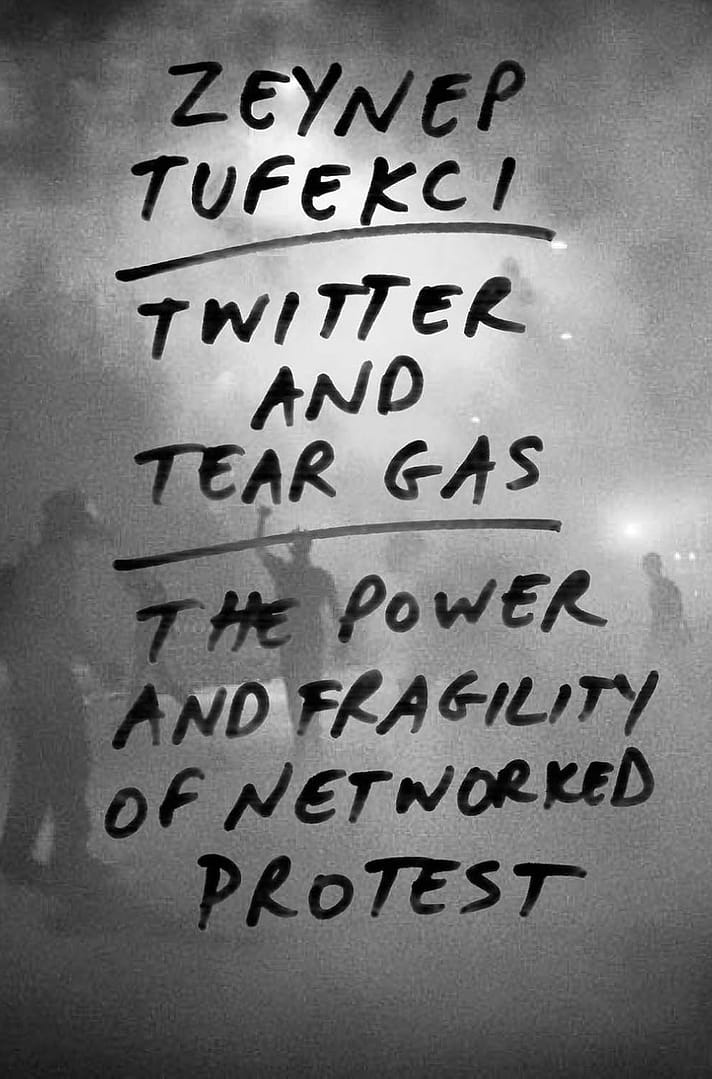
Twitter and Tear Gas, the Power and Fragility of Networked Protest by Zeynep Tufekci

Video
John Oliver talks Government Surveillance on Last Week Tonight

Podcast
Pod Save the People Interview with Edward Snowden
Transcript
Bonni: [00:00:00] Today on episode number 162 of the Teaching in Higher Ed podcast, Kris Shaffer joins us once again this time to talk about what we should know about APIs.
Production Credit: [00:00:14] Produced by Innovate Learning, maximizing human potential.
Bonni: [00:00:23] Welcome to this episode of Teaching in Higher Ed. I’m Bonni Stachowiak and this is the space where we explore the art and science of being more effective at facilitating learning. We also share ways to improve our productivity so we can have more peace on our lives and be even more present for our students.
Bonni: [00:00:50] I’m thrilled to be welcoming back to the show today, Dr. Kris Shaffer. He was back on episode number 74 and he talked to then about “The Public and Private of Scholarship”. We tried to – I should say I tried to cram a lot into that, a lot of topics in there and he very artfully followed me on trying to talk about so much of our aspects of scholarship including he shared about his open textbook on music theory, which I think is really worth going back to listen to episode 74, if you’re interested in that and want to learn more.
Bonni: [00:01:27] And this time we’re going to talk about APIs. And in case you haven’t been listening since back on episode 74 or aren’t otherwise familiar with Kris in other ways, I’ll share a little bit about him before bringing him on into the interview.
Bonni: [00:01:41] Chris has a Ph.D. from Yale University. He’s an Instructional Technology Specialist and Adjunct Instructor of Computer Science at the University of Mary Washington. He is also a contributing editor for “Hybrid Pedagogy” and a volunteer researcher for Data Democracy, which we’ll talk a little bit about during the episode. Kris, welcome back to Teaching in Higher Ed.
Kris: [00:02:06] Thank you! It’s good to be back.
Bonni: [00:02:08] It feels like forever since we’ve had a chance to talk in person, but I’ve been following your work and learning so much from you and since you were on the show, you have had a pretty big move. I know it happened a year ago, but maybe if people haven’t heard from you since then, you want to talk a little bit about your – I’m putting it in air quotes people – your “new job,” even though you just celebrated a year?
Kris: [00:02:30] Yeah, actually yesterday it was a year since we moved into our new house here in Virginia. I took a position in the Division of Teaching and Learning Technologies at the University of Mary Washington. So I’m doing instructional technology and a little bit of teaching in computer science digital studies but mainly helping faculty with technology in their classes and collaborating with my team. We oversee the domain of one’s own initiative here at UMW and we’re doing a lot of cool things around that.
Kris: [00:02:59] And the digital liberal arts are becoming more and more of a thing here. They’ve always been a thing here but – at least it feels that way – but really trying to push that forward. So a lot of cool projects and a lot of fun and and working with- well they’re all my friends now- but some of them were my friends beforehand, so it was nice to join Jesse and Lee and the others here.
Bonni: [00:03:20] I was going to say, I really do admire your work so much and I admire their work too. What is it like to work around people that think that way? Or are just constantly challenging our brains?
Kris: [00:03:33] Yeah it’s really cool because we get to go through that conversation right from the beginning to the end. Jesse and I had a little bit of that hybrid pedagogy but not nearly as much as being in person together. And it’s great to be alongside Lee and Nigel and Jess and Martha Burtis in the next division over. We just have a lot of great conversations.
Kris: [00:03:59] I mean so many cool things coming from people who are really forward thinking and the way I describe it is that in academia in the past with me, I’ve been in departments where we all studied or taught the same content but came from different angles on it. And here we’re all specialists in different areas but we’re coming at it from more or less the same philosophical perspective. And I think that really adds a dynamic to the collaboration that can happen because we’re all on the same page about what we want to do. But we’re bringing different things to the table and can really help each other out in that way.
Bonni: [00:04:39] The title of today’s episode has the acronym API and I’m gonna guess a pretty decent population – a pretty decent percentage of our population is not going to know what that abreviation even means so they’re listening right now because they know who you are and they know that you’re really smart and we have a lot we can learn from you.
Bonni: [00:05:01] Or they’ve been listening to the podcast for a while and they figure they have a really decent chance of getting a great interview. But before we even sort of dive into what it is, tell us what it is but at the same time tell us why we should know about it even if we’re not going to dive deep into it?
Kris: [00:05:19] Right. So an API stands for “Application Programming Interface” and it’s essentially the language that computers use to talk to each other on the Internet. So the really short explanation I usually give is that when a server has data information on it that a human wants, the server serves it up in the form of a website and that’s the human interface and the way that humans interact with that data. When they serve it up to another computer, they use an API.
Kris: [00:05:49] So we can talk a little bit more detail about what that is but it’s essentially how computers talk to each other and the Internet. And the reason that’s so important is that everything that we do is being built on APIs right now. So if you’re using Twitter, your Twitter app is using an API to talk to Twitter’s servers. If you’re using WordPress, you’re probably using an API in one of its plug ins to automatically tweet when you post something.
Kris: [00:06:14] Or if you’re importing data from your blog into medium you’re using an API. So many services out there today use this and it’s becoming you know the core of what the Internet is doing alongside Html and CSS, these languages that we often start with when we learn how to do stuff technically on the internet. API’s really are the the bones of the Internet these days, in terms of how our apps work, how our websites work, how our data is passed around the Internet and comes back to us in different ways.
Bonni: [00:06:46] You said that most sites – most services are being built using APIs. It seems like to me it used to be more closed than it is today. If someone was going to build a Twitter back in the day, they would have built Twitter to talk to Twitter. But now so much of APIs are being built not just to talk to its own self, whatever system or tool is being built, but for this interaction that you talked a little bit -can you talk a little bit about any shifts that you have noticed there and maybe where you see it heading?
Kris: [00:07:22] Yeah. So Twitter is a really interesting example because their API started out a lot more open than it is now. They opened it up to get third party developers to develop really cool tools that kind of did a lot of the R&D for them and a lot of startups do that and sometimes they stay that way. It’s really cool because they’re contributing to a wider more open ecosystem that has a lot of interoperability and people can choose the tools they want and still relate to other people with different tools through the same standard. Right.
Kris: [00:07:54] But once those things started to take off and Twitter’s user base got big enough, they got rid of RSS or Real Simple Syndication, how most people subscribe to a podcast or a blog. That’s a kind of API. They get rid of that. They cut back their API access to third party developers and some of the features that used to be available to third party developers via the API so that they could gain more control themselves of what people were doing on their platform. They could be the ones that had the apps and therefore, serve the ads and things that were going to monetize their work.
Kris: [00:08:28] And it’s really interesting to see how these different services offer different levels of openness and different directionalities – at least the last time I looked – medium does not allow you to pull content from a post out of medium via their API.
Kris: [00:08:42] But they do allow you to push it in because they want all the content to get it there and everyone to read it their. Instagram, on the other hand, won’t pull pictures in from anywhere else, but once you’ve put the picture there, their API will let you get it out to a wide variety of places.
Kris: [00:08:56] And so it’s interesting to kind of read through those possibilities even if you’re not programming, just to see what kind of idiology might be underlying that service or what might be their motivation for a change that they make. Even if you’re not a programmer, to say, “Well, why can I make my pictures on Instagram and then go to “known” but not go from “known” to Instagram?”
Kris: [00:09:16] And how does that compare to flicker and Snapchat and these other services that do and don’t allow that openness because that’s going to determine what tools we choose to use in the long run. It’s going to tell us what in a couple of years we might not be able to do anymore with our content, with our data, with our posts or our images or videos and if we want to post the same content easily on multiple platforms using things like plug ins, it’ll tell us what plugins might or might not be available.
Kris: [00:09:47] If I want to post my images somewhere and then share them out, I can only start on Instagram if I want them to end up on Instagram or I have to double post. So it’s the API that’s the background of that. That’s where those connections are made.
Kris: [00:10:00] So whether you’re a developer writing software or writing plugins or just a user trying to decide how you’re going to reach your audience in the simplest way with the content that you produce as a creative individual, the API is going to determine a lot of that.
Bonni: [00:10:16] I’ll be posting a bunch of links to your articles that you’ve written about API. And just so people listening know one of the examples that Kris uses is Medium. Medium is a blogging platform that is – I actually it’s funny because I read your posts and thought that I could get content out of Medium and I remember thinking at the time, “Oh, how interesting it turns out I must’ve not had good reading comprehension on that fourth or fifth post in the series”.
Bonni: [00:10:45] But you walk us through how we could take advantage of Medium’s API and the kinds of things we can and now I’m finding out things you can’t do with Medium’s API. But another big source on API is a blog called from Kin Lane who has API Evangelist as one of his blogs and he talks about a few other web sites that have APIs just to kind of get our minds thinking and I’m going to read off this list and then kind of let you chat about any others that you didn’t get a chance to talk about.
Bonni: [00:11:14] So there is Slack, which we’ve talked about before on the show. Slack is kind of like a combination if instant messaging had a baby with file sharing is the best way that I first explain. There’s Pay Pal, Spotify, Fitbit, Dropbox, YouTube, Pinboard which is a bookmarking service, Facebook, Google, and the example there was using Google Calendar, Snapchat and you already mentioned Instagram, WordPress, and LinkedIn. So are there any examples that you want to draw out from those that you think, gosh it’s worth talking about?
Kris: [00:11:50] Yeah, well I think the WordPress one is worth talking about because they’ve recently made some significant changes to how that works and a lot of people are running WordPress. Actually, let me throw in one thing about Medium first. Medium, you can’t get content out via the API but you can for your own account download an archive, much like you can with Twitter and Facebook, and then, you have that content and you can upload it to your Website.
Kris: [00:12:14] Now if you’ve looked at the code that you get with it, there’s a lot of formatting built into it that makes it difficult to then transfer that somewhere else in a really seamless way. So again, they’re trying to make it easy for you to own your content but hard to use a competitor, so to speak, once once they’ve got you.
Bonni: [00:12:33] They want us to live on their site. So with Medium, they want us to go there, they want us to follow other people who are writing on medium, they want to keep drawing us back to them. And with APIs, sometimes what we’re trying to do is have our own little hub of things that we’re interested in and things we want to interact with. So it’s sort of this tension between those things.
Kris: [00:12:55] Yeah yeah. And Medium is such an interesting case because they’re their big selling point is their writing environment. It’s one of the nicest out there to use. You open it up. It’s clean, you type and it’s really easy to import images and make things look good really quickly.
Kris: [00:13:13] And at the same time it’s hard to get your content out once you’ve used their editor so the idea of using their editor and then using that to push your content elsewhere, which is what I would want to do. I’d want to write there and then push it out everywhere. You can’t do that.
Kris: [00:13:27] So I’ve played around with some open source code that mimics how Medium works and have like built some tools on that. That are still in beta. Yeah it’s a really – And then you can start to see so what’s their business model? What’s their game? What are they going for? They want all the content there. They want it to be easy to import, they want it to be the place that you want to write, and they want it to be hard to automatically get it out and then, you can start to ask, OK so they’re not just a blogging platform.
Kris: [00:13:54] They’re a content silo. They want to hold everything. So what are they going to do in five years when everybody is there? And how are they going to monetize that? What is my data going to contribute to their business model and how am I going to be hurt by the fact that I might only have something there and not somewhere else?
Kris: [00:14:13] So that’s something I’m always thinking about as I’m writing on Medium making sure that I’m writing it on my blog first and then importing it or kind of using their editor. But then copy and paste one at a time when it’s not a big deal. So that I know that I have my content ready to go, if and when something changes on their platform.
Bonni: [00:14:30] Before we go back and talk a little bit about WordPress- because I know you had something to add there- I kind of wanted to selfishly go on a rabbit trail and since you just gave me a door that you opened without realizing it, I am curious with Medium: do you post unique content there and then write about different things on your blog. And then I know you write for Hybrid pPedagogy sometimes and other sites or do you ever replicate the same blog post in multiple places?
Kris: [00:15:00] I do replicate. I don’t do that all the time. I’m trying to be conscious of that. One group that I’ve been working with, Data for Democracy, which is like a volunteer collective of data scientists and coders trying to do work in the public interest. We write on Medium and often actually were writing in Google Docs collaboratively because you can’t collaborate on Medium very well and then copying and pasting into a Medium post.
Kris: [00:15:27] And the nice thing about that is I can have it living on my media account and in their publication and both you URLs point to the same place. The stats get unified but also my content is still mine. I could delete it from the publication if I want and if they delete it, mine is still there. So that’s nice, that’s part of my archive but I always have that google doc.
Kris: [00:15:46] Sometimes, I’ll write it on my blog and then I’ll talk to the editor of the Data for Democracy blog and say, “Are you interested in crossposting?” “Oh Yeah OK.” And then I just – Medium makes it easy to import. So yeah, I am trying to keep things in multiple places if it’s on something that I don’t ultimately control. Now I read my articles for Hybrid Pedagogy.
Kris: [00:16:05] That’s a pretty stable publication it’s going to be around I’m part of the board. I know I probably should start duplicating those on my website as the archive gets bigger but it’s – I’m less worried there. Same with our department blog here at Mary Washington. But you know when it’s something like that, where it’s a corporate platform that I don’t have any control over, I always want to make sure I’ve got a copy of it somewhere else that’s in my control.
Bonni: [00:16:30] Oh that’s so interesting that you answered the question that way because first of all, our university just redesigned their Website and the intent was that it could be simpler to navigate and so what happened is a lot of pages got deleted. I realized oh man, I had this thing I had written up there and it took me an extensive amount of time because I researched about some of the legal implications of students asking for references.
Bonni: [00:17:00] So I had linked to all these things about here’s how to request one and here’s you need to give me permission to share your academic work. And I thought oh gosh, I think that may be gone and perhaps they have an archive setting somewhere that I can go grab at.
Bonni: [00:17:13] But yeah you answered the question of we should be thinking about that as we write. Will whatever it is we have written be available to us? And if we’re writing using other people’s services or writing for other entities, then you are right to think about that we’ve got to retain that.
Bonni: [00:17:29] But I was more thinking about it in terms of – I mean I’m just thinking of it on the personal level. Some people, every single picture that they post on Instagram is the same exact picture that they always post on Facebook and I think I when I’m scrolling I go like why couldn’t you just post some of the pictures on Instagram and maybe we don’t have to have a one to one ratio because then why do I need to be connected with you both places? Shouldn’t I just disconnect from one of those places?
Bonni: [00:17:55] And I guess that sounds – I don’t know if that makes any sense to you, but I like that you are thinking critically about where and why you were posting as opposed to let me just put everything out there in every possible place I could put it with a bunch of copy paste it seems to really reduce the value of someone like you in terms of what you have to offer as a thinker and a writer and a teacher.
Kris: [00:18:17] Well yeah I mean there are a lot of implications to that. For example, Medium has an algorithmic feed. Facebook has an algorithmic feed. Instagram right and so if you post the same thing in multiple places, you’re going to reach a wider audience but you’re also going to reduce how many people engage with it on each platform.
Kris: [00:18:37] And that could actually bring down your credibility, for lack of a better term to the Medium algorithm. The Facebook algorithm and then you’ll start appearing in front of less people on those platforms. So I saw that happen to me as I was cross-posting all my blog post to Medium and I shared my blog first because that’s where I wanted people going first and then I’d share it on Medium and it had such a small audience on Medium after I shared it on my blog that my audience got smaller and smaller on Medium because less people were seeing it because the algorithm didn’t like my posts because they didn’t get read very much.
Kris: [00:19:09] So that’s also another thing to think about that this process in terms of crossposting in an algorithmic environment, it maybe really easy facilitated by APIs or even just copy and paste.
Kris: [00:19:21] But it also could end up backfiring in the long run because of the way the algorithms work. So again, it’s media literacy these days is not just, “Do I know how to use WordPress? Do I have a domain of my own and am I writing on it and sharing it with the world?” You also have to know how the algorithms work, how the APIs work, so that you can game the system in the right ways.
Kris: [00:19:45] So that that you’re not hurting yourself in ways that you think are actually going to help you reach a wider audience or reach the right audience. You’re able to think very carefully about why you post where and when and at what intervals and where you direct people to with your social media posts. Things like that.
Bonni: [00:20:03] And you talk about understanding the algorithms but if I’m remembering correctly is it true that we can really only make logical assumptions about services like Facebook’s algorithm? We don’t really know how they work because they keep those things hidden they’re not transparent is that an accurate statement?
Kris: [00:20:24] Yes, somewhat. I mean the thing about machine learning algorithms – also the topic of the podcast – but…
Bonni: [00:20:32] We have to do it at least once or twice or 10 times. Come on.
Kris: [00:20:35] I mean there’s a black box to them for both the consumer and the data scientist who’s putting it into operation. And well, the data scientist is going to know more about the math that’s being used in it, especially if it’s a proprietary algorithm or just a proprietary use of standard algorithms which is more likely the case. What’s going to happen is the important thing about the algorithm is the relationship of input to output.
Kris: [00:21:04] And so if we know the input and we knew the output, we can start to figure out what the logic of the system is because that’s how the system works. The system learns based on: this is the input I want this is the output I want. Figure out the system that will perform that logic. On this other data set that I don’t know the output yet. Right.
Kris: [00:21:21] And so if we know the input in the sense of what we’re writing, where we’re posting it, how often, when, in front of what audiences who we’re tagging; and we know the output in terms of how many people are seeing it, how many people are sharing it, liking it, engaging in it, sending us job offers or you know conference invitations as a result of it. We can start to figure out a logic from that in the same way that the data scientists are figuring out the logic on a much larger scale with a lot more data using that algorithm.
Bonni: [00:21:52] Because I read articles just about trying to put more pressure on the Facebook and the Twitters of this world to be more transparent with our algorithms. And certainly there was in the case of the Levalley election, where we had – there were some human curators working for Facebook that were curating news. And then it turned out that they were accused of posting more progressive posts than they were conservative posts.
Bonni: [00:22:20] And then they no longer had that team anymore and we see how wonderful that the computer algorithms did for us in that instance, so I think that has circled back around now and they’ve committed to putting more of a human element in to try to fight some of the fake news. And I realize that now we’re really going outside of the scope to talk but I’m still having fun with the conversation.
Kris: [00:22:42] Yeah. I mean the real quick response to that is read Mike Caulfield’s stuff on…
Bonni: [00:22:48] Yes, yes.
Kris: [00:22:48] …Facebook Algorithm. I mean like. Or have him on the podcast. He’s great.
Bonni: [00:22:53] He’s been on, but we didn’t talk about Facebook specifically.
Kris: [00:22:57] Yeah. I mean because you can’t blame the computers because the computers are programmed by people too. And they’re actually, in that case, programmed by people who are more expert and higher paid and better compensated and better educated than the people who they had slogging through all this stuff and judging: “Yes”, “No”, “Block”, “Don’t block”, and “Flag for law enforcement”. Things like that. And those people don’t stay long in those jobs because they’re horrible jobs.
Kris: [00:23:23] And so you know I want to cut the data scientist a break because I am one but also just kind of say like the computers are doing what people told them to do. And so it’s still the human or Facebook’s fault if it goes wrong.
Kris: [00:23:37] But also there are people gaming the system because there’s there’s something other than just algorithms versus humans in play. You’ve got an advertising based media platform on Facebook where they want to maximize your engagement on the platform and the way they do that is by showing you links of content to go elsewhere. As soon as you go elsewhere, they lose you as a monetary source at least until you come back.
Kris: [00:23:59] So they want to keep you on the site and they keep you on the site by giving you an engaging version of that post, but discouraging you from actually clicking on it. So now the sites have to game the click game in order to get you to actually click on it to go to their site.
Kris: [00:24:12] And so that has led to certain kinds of pieces getting more likes, getting more shares, and getting more clicks. Certain kinds of characterizations of pieces and summaries of pieces being the things that people see and that has drastically changed faster than any data scientist or political scientist or media specialists could keep up with what people were seeing in that context as Facebook as a platform and company were fighting against the advertisers that they were also trying to get business from.
Kris: [00:24:41] And the same with their users. There are just so many moving pieces that people are just now kind of catching their breath and figuring out what exactly happened and how we can do something about it.
Bonni: [00:24:51] You wanted to say something about WordPress and APIs and I took you down this track.
Kris: [00:24:58] Yeah I just want to say some about WordPress and APIs. A very recent upgrade of WordPress has incorporated, instead as a plug in an actual part of the core functionality of WordPress, an open API for every website. And by default, a lot of information from the site is available via API to anyone who knows how to get at that data and it’s a pretty simple way for a coder or a plugin writer to do that.
Kris: [00:25:27] And so it makes somethings really really easy. Like if you have a class full of students that are blogging on WordPress sites on their other domains and you want to aggregate that content into one course web site. Personally, I like the students having their own domains and then going there so we can see their layout, their design, their choices.
Kris: [00:25:46] But a lot of faculty do this in order – or even if its just to link out to their domains with previews of their content. The API makes it really easy to do that much easier than the old way which would be through RSS, which is very imperfect.
Kris: [00:25:59] And so its superior in that way but it also means that it would be really easy for someone to just steal the content of another site, which is exactly what aggregation is. If you don’t have permission and the API by default, opens up a lot more data, and I think a lot of people might be comfortable with.
Kris: [00:26:16] Now, that’s the way the Internet works is that what I’m looking at your website, I’m actually I have a copy of that page of your website on my computer. It’s just the browser is going to delete it when I leave or delete most of it and I’m not going to do anything with it.
Kris: [00:26:27] But the API makes it really easy to download everything really quickly from a lot of places and then do stuff with it. So some people are using it to do data analysis of the Websites that are created by students and faculty at their institution.
Kris: [00:26:41] In fact, someone just yesterday was giving a presentation at the domain’s conference about doing that and you can do some really cool things with that. You can use that to build plugins that will allow you to share content across multiple sources. It can be really good for the writers, who have platforms.
Kris: [00:26:56] But it also is something that is good to be aware of because it’s a change that most users, even if they saw the announcement of it, they wouldn’t have necessarily known what that meant when they saw “W.P.. Capital letters rest API” like updates. That doesn’t sound like something that most people want to worry about. They’re not going to read that update and are likely unable to understand it if they see it.
Kris: [00:27:20] In fact that’s one of the reasons I wrote the blog post and APIs that I did. A lot of the documentation on APIs are aimed at people who already know what they are. And so it’s really hard to get your head around that.
Kris: [00:27:30] And yet it has a big impact on everyone writing because I think a lot of like our students won’t necessarily know that the default configuration on WordPress is to have all that stuff available to anyone who would then just put their Website into their code and then go after the API and pull it down and do whatever they’re going to do with it.
Bonni: [00:27:51] One of the other areas that I encountered, of course it piqued my curiosity and that’s the learning management system Canvas because we just switched to it last year so that I was intrigued by. Canvas has and other learning management systems have a way of letting applications talk to them called an LTI but I was sort of intrigued by the API mentioned and I wondered if you had anything to share about just API and learning management systems in general.
Kris: [00:28:21] So then LTI is I think the Learning Tools Interoperability, if I remember right? No. Is that right?
Bonni: [00:28:28] That’s sure sounds right to me.
Kris: [00:28:31] Yeah yeah I’ve got some Google results. My colleague is the Canvas administrator. I mean LTI is a form of API it’s a standard. It’s a standard form of using APIs between an LMS and something else. Right. So an API isn’t enough to – like just having an API doesn’t mean that two apps can talk to each other and understand each other. Right. Any more than having microphones and speakers and Skype.
Kris: [00:29:00] I mean we can understand each other. We have to also speak English. We have to know when you say LMS or Learning Management System and Canvas like I know what that is. You know WordPress is – like we have to have that shared language. And so that’s LTI essentially is a kind of API. It’s got some standards that allow you know normal kinds of things that you would expect in the learning management system and in apps that integrate with it to have.
Kris: [00:29:23] So things like quizzes and assignments and modules and grade grades and grade books and students. As well as, hopefully keeping an eye on student data privacy and things like that. And so it’s got some standards for how those apps will talk to each other and yes, we have Canvas here and so I’ve worked a little bit with my colleague who’s the Canvas administrator on various kinds of tools that can integrate with. Faculty have a lot of things that they would like us to integrate or help them integrate in their courses.
Kris: [00:29:54] So it’s really cool they have that kind of thing that that makes them work together in a way that would be much harder if you were an app developer and had to write a new version of your app for Canvas and another one for Blackboard, another one for D2L and another one for Moodle and so on. But to have some standard really really helps.
Bonni: [00:30:15] And before we go..
Kris: [00:30:15] Of course it has limits to it because as you know, once you limit it, there are things that one platform will say, “Hey we’ve got this cool new thing”, but not every platform has it. And that’s part of what makes them special. But then it makes it hard for the standard integration to work with that new thing.
Kris: [00:30:33] So Canvas also has the Canvas API that allows you to do more involved things. I’m sure the other LMSs have that as well. To try to get the unique features there but then that’s always going to be a tradeoff for a developer to say like well, I have no skin in the game of Canvas versus Blackboard. In fact, I want my app to work in both really well.
Kris: [00:30:52] So they’re going to go for standards and to try to make the standards progress, whereas the app developers might have an interest in being the only team to do such and such and and to have some cool apps that plug into that. So there’s always going to be a fight and a tradeoff in those kind of scenarios.
Bonni: [00:31:09] This is the point in the show where Kris and I get to make some recommendations and I haven’t done this before, Kris, but since you are coming back on the show I have a confession to make to you. When you were on the show last time you recommended a documentary about Edward Snowden called Citizenfour and I haven’t done my homework yet so I’m going to have to watch it before he comes on. And then somehow today came and here we are and I didn’t watch it.
Bonni: [00:31:37] And then since then they came out with an Oliver Stone movie also on Snowden and you said you didn’t watch that one. So I know that you don’t have necessarily a preference but are you still standing strong on your recommendation. Do I need to do my homework and go back and watch that?
Kris: [00:31:52] Yeah definitely. We had a krypto party here, a couple of months ago at Mary Washington where we invited students and faculty and staff to come and learn about safety, security, and privacy on the Internet. And we watched Citizenfour, had some pizza and then, got to work on a digital privacy and identity.
Kris: [00:32:14] And yeah watching that again and watching it in the current political climate and having been doing some work related to that at the same time, I was actually researching some propaganda disinformation campaigns at the time. I was slacking with some of my colleagues doing that while watching Citizenfour and it was chilling.
Kris: [00:32:34] It was just like even – I think that was probably the third time I saw it and it was still just like – it was viscerally impacting me because I’ve now seen even more since then. What these things can do to people and how important these issues are. So yeah, I definitely, definitely recommend that.
Bonni: [00:32:54] He has really been a figure that is the opposite of having 15 minutes of fame. It’s really been interesting just to watch from a distance on how perceptions have changed and how he’s continued to really be a critical voice and helping us think through things.
Bonni: [00:33:10] There was a John Oliver- very humorous interview that he did with Snowden. I’ll put a link to it in the show notes. I may have actually mentioned it on a past episode, but it’s so worth mentioning now, if anyone hasn’t seen it. Because to me it is the best job that anyone has ever done of you know, “Oh I have nothing to hide”. When I don’t have to be concerned about privacy I’ve nothing to hide and he does it in such a way. And this is a family friendly show so I will not say the phrase repeating over and over again but really produces a compelling reason why we may want to rethink our lack of concern over over one’s privacy and maintaining that right.
Bonni: [00:33:45] And then there was a recent episode with DeRay McKesson, he is a very involved member in the Black Lives Matter movement. And he started a podcast about a month ago called “Pod Save the People” and I’ll link it to the show notes. He interviewed Snowden and that was another really fascinating conversation for me to listen to, so I’m just glad that that is continuing.
Bonni: [00:34:10] And it’s been one of those issues that I don’t have a really – it’s complex I guess I can’t just say, “He’s absolutely right about everything” or just I love what it does in terms of making me really think critically about some of the challenges we have there.
Bonni: [00:34:25] And then the last thing I’ll recommend is Kin Lane, who is known as the API evangelist, we spoke about him earlier in the episode. He wrote a really intriguing piece to me about APIs and he was trying to define API awareness and I thought he did a really nice job of capturing what are some of the things all of us should know about APIs even if we’re not going to go as far as Kris has gone and start to code and actually build our own APIs. I was just really interested in sort of that attempt to say what should we all know at a minimum about APIs and I’ll link to that in the show notes. Kris, what do you have to recommend to us today?
Kris: [00:35:02] Well two things: First, is kind of selfish but I’m teaching a track on Data Literacies at this summer’s Digital Pedagogy Lab. It’s a partnership between University of Mary Washington and hybrid pedagogy and it’s a weeklong Institute.
Kris: [00:35:18] Lots of great stuff. We have some amazing keynote speakers and different people teaching tracks there and it was just announced last week that I’m going to be able to teach an extra one because we had enough people sign up that we wanted to – It was looking like we were going to overfill a little bit. And so it’s going to be great. We’re going to delve into these kinds of things in a lot more detail and there are also some other great tracks for instructional designers and faculty and even students.
Kris: [00:35:44] The other thing I’d like to plug is I just finished up Zeynep Tufekci’s book and I know I’m saying her name wrong so apologies. But her book “Twitter and Tear Gas, the Power and Fragility of Networked Protest”, it’s really really good. You mentioned Snowden’s documentary and some of the issues that he raises there. She brings a lot of nuance and a lot of detail looking at protests around the globe and how digital technology has changed. I’m going to use it as one of the textbooks for my class on the Internet this summer. Because it’s not just about protests and activism but the way that media has changed and the way that has changed the way we do activism, the way governments respond to it, the way the attention economy has changed, how we think about censorship and information literacy and things. Just a lot of really really good stuff in there.
Kris: [00:36:38] It’s inexpensive and accessible and I believe there’s even an open access version of the text. I highly recommend, if you can that you buy the print book, which will enable more people to follow that funding model with her publisher.
Bonni: [00:36:51] Oh thank you so much. I have seen that be referenced in Twitter but hadn’t heard anyone talk about it in as broad of a way as you have. You made me even more intrigued to get going on that. There’s so much to read – every time I talk to you Kris or I – it’s not even when we get a chance to talk but on Twitter you’re such a great person to follow.
Bonni: [00:37:07] Speaking of which, the show notes will be posted at teachinginhighered.com/162 so go up there, and if you’re on Twitter, get connected with Kris that way or subscribe to his blog. Just such a really valuable resource and thanks for coming back on the show. I hope we don’t wait this long next time to have you come back on and share even more because I know we just got started.
Kris: [00:37:27] Yeah thanks. Thanks for having me. It was. It was fun. And maybe next time we can actually talk more about API or algorithms.
Bonni: [00:37:36] I love it. Thanks so much.
Bonni: [00:37:39] Kris thanks once again for coming back on Teaching in Higher Ed. And joining me on today’s episode I know we just skimmed the surface on APIs. But next time we’ll have even more to talk about. So just an excuse to have you back on the show. Really appreciate your ongoing contributions in this and so many other communities and I’m really inspired by you and thanks to all of you for listening to the day’s episode of Teaching in Higher Ed.
Bonni: [00:38:04] If you’d like to get in touch with suggestions about future guests or episodes, you’re welcome to do that at teachinginhighered.com/feedback. And if you want to join our Slack channel and have a little bit more of a closed conversation, that’s something that everyone sees like Twitter but you’re welcome to join that community or find out more at teachinginhighered.com/Slack. Thanks so much for listening and I’ll see you next time on Teaching in Higher Ed.
Teaching in Higher Ed transcripts are created using a combination of an automated transcription service and human beings. This text likely will not represent the precise, word-for-word conversation that was had. The accuracy of the transcripts will vary. The authoritative record of the Teaching in Higher Ed podcasts is contained in the audio file.