• Skip to primary navigation
  • Skip to main content
  • Skip to footer

Teaching in Higher Ed

  • Podcast
  • Blog
  • SPEAKING
  • Media
  • Recommendations
  • About
  • Contact
EPISODE 601

The AI Grief Cycle

with Christopher Ostro

| December 18, 2025 | XFacebookLinkedInEmail

https://media.blubrry.com/teaching_in_higher_ed_faculty/content.blubrry.com/teaching_in_higher_ed_faculty/TIHE601.mp3

Podcast (tihe_podcast):

Play in new window | Download | Transcript

Subscribe: Apple Podcasts | Spotify | RSS | How do I listen to a podcast?

Christopher Ostro discusses the AI grief cycle on episode 601 of the Teaching in Higher Ed podcast.

Quotes from the episode
The fact is there are things we're grieving. Our job has profoundly changed in huge ways in a very short period of time.

The fact is there are things we're grieving. Our job has profoundly changed in huge ways in a very short period of time.
-Christopher Ostro

Our traditional assessments suddenly are not working effectively like we used to think that they did.
-Christopher Ostro

I want my students to view me as a resource and as someone that they can trust.
-Christopher Ostro

When something makes me uncomfortable, I want to lean in and understand it better.
-Christopher Ostro

Resources

  • AI Grief Cycle Talk for CU, by Christoper Ostro
  • Slides for Chris’ AI Grief Cycle Talk
  • Mosaic Approach Docs from Christopher Ostro
  • Swiss Cheese (or Roumy Cheese) Model for Assessment/Assignments
  • Swiss Cheese Analogy for COVID-19 – Rumi Cheese Analogy for Inclusive Education, by Maha Bali
  • Daniel Stanford’s LinkedIn Post
  • Kristen Howerton
  • Bonni’s Go Somewhere AI Resources and Episodes
  • Chris’ AI Literacy Assignments
  • Goblin.Tools
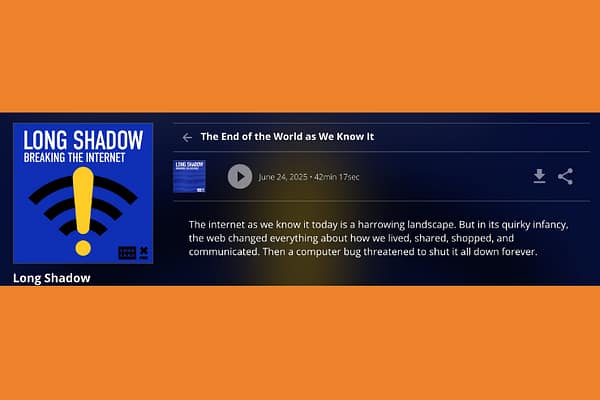
  • Long Shadow: Breaking the Internet – The End of the World as We Know It
  • What AI Companions Are Missing, by Adam Grant
  • Chris’ CU AI Reading Group Reading List

ARE YOU ENJOYING THE SHOW?

REVIEW THE SHOW
SEND FEEDBACK

ON THIS EPISODE

Christopher Ostro

Assistant Teaching Professor and Affiliate Course Designer

I love teaching and I consider it a core part of my identity. I have taught at the University of Colorado since 2011 in some way, first as a grad student in the Classics program, then as an adjunct in the Program for Writing and Rhetoric, and now as an Assistant Teaching Professor for the division of Continuing Education (teaching Writing Courses). I've also tutored a variety of topics since 2008. My passion for course design initially started as a necessity; adjuncts live and die off of reviews and wanted to make my courses as polished as possible.  In addition, a bigger variety of classes in my quiver would help guarantee stable course loads!  Little by little I began doing more course design work with the Learning Design Group in Continuing Education, and I love the work I get to do.  I help them run a month-long introduction to online pedagogy, I give talks for them regularly (including the one that got me invited here), and I do a lot of 1-on-1 mentorship with new faculty.  Pure joy. In the Spring 2023 semester I noticed AI suddenly show up in my classroom and cause tons of issues.  I started trying to update my courses to respond to this new technology. However, due to my unique role as both faculty and staff, I was able to observe how this tech impacted various facets of the university and have gotten involved in a variety of ways, including vetting products, discussing policy, and leading trainings.

Bonni Stachowiak

Bonni Stachowiak is dean of teaching and learning and professor of business and management at Vanguard University. She hosts Teaching in Higher Ed, a weekly podcast on the art and science of teaching with over five million downloads. Bonni holds a doctorate in Organizational Leadership and speaks widely on teaching, curiosity, digital pedagogy, and leadership. She often joins her husband, Dave, on his Coaching for Leaders podcast.

RECOMMENDATIONS

Long Shadow - The End of the World as We Know It

Long Shadow - The End of the World as We Know It

RECOMMENDED BY:Bonni Stachowiak
What AI Companions Are Missing, by Adam Grant

What AI Companions Are Missing, by Adam Grant

RECOMMENDED BY:Bonni Stachowiak
Build Community

Build Community

RECOMMENDED BY:Christopher Ostro
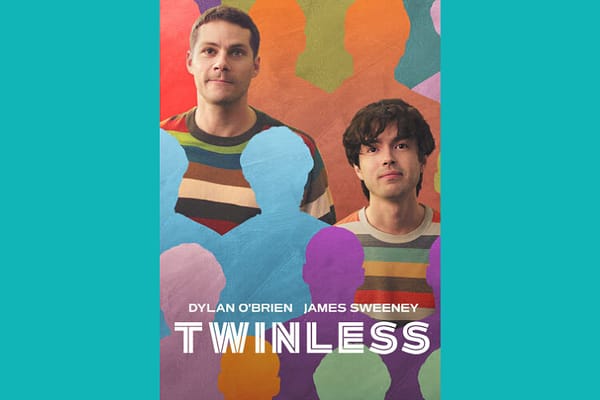
Twinless

Twinless

RECOMMENDED BY:Christopher Ostro
Woman sits at a desk, holding a sign that reads: "Show up for the work."

GET CONNECTED

JOIN OVER 4,000 EDUCATORS

Subscribe to the weekly email update and receive the most recent episode's show notes, as well as some other bonus resources.

Please enter your name.
Please enter a valid email address.
JOIN
Something went wrong. Please check your entries and try again.

Related Episodes

  • EPISODE 407Unpacking Resilience & Grief

    with , Chinasa Elue, Laura Howard, Este Jordan

  • EPISODE 596Teaching, Learning, and the Lessons of Grief

    with , Clarissa Sorensen-Unruh, Christy Albright

  • EPISODE 289Syllabus Resources
    Angela Jenks

    with Angela Jenks

  • EPISODE 183Open Education Inspiration
    Robin DeRosa

    with Robin DeRosa


EPISODE 601

The AI Grief Cycle

DOWNLOAD TRANSCRIPT

Bonni Stachowiak [00:00:00]:

Today on episode number 601 of the Teaching in Higher Ed podcast, the AI Grief Cycle with Christopher Ostro. Production Credit: Produced by Innovate Learning, maximizing human potential.

Bonni Stachowiak [00:00:19]:

Welcome to this episode of Teaching in Higher Ed. I’m Bonni Stachowiak, and this is the space where we explore the art and science of being more effective at facilitating learning. We also share ways to improve our productivity approaches so we can have more peace in our lives and be even more present for our students. What if the biggest challenge with artificial intelligence and higher education right now isn’t the technology, but the grief? In the past few years, the way we write, assess, and even define academic work have shifted and many of us are still catching our breath after the changes brought on by the pandemic. Traditional assignments don’t function the same way, at least not the same way we thought they did. Students are navigating new pressures and we’re being asked to become experts in a landscape that keeps moving around us. So what are we mourning? What have we actually lost? Today I talk with Christopher Ostro from the University of Colorado about the AI Grief cycle, how denial, anger, bargaining, depression and acceptance are showing up in our teaching, in our policies, and even in our sense of identity.

Bonni Stachowiak [00:01:39]:

And we’ll explore what it looks like to move through that grief together instead of staying stuck. Christopher Ostro, welcome back to Teaching in Higher Ed.

Christopher Ostro [00:01:49]:

Yeah, happy to be here.

Bonni Stachowiak [00:01:51]:

I’m glad to have you back. We’re gonna have one of those moments, like a record scratching sort of moments, because I’m gonna go from polite chat to tell me all the things we’ve lost. What are we grieving? Chris, I realize it’s rather abrupt to begin with that question, but we gotta get into it or we’re never gonna get out the other side.

Christopher Ostro [00:02:10]:

Hey, Chris, welcome to the show. Can you really bum everyone out?

Bonni Stachowiak [00:02:12]:

Yes. Yes. Do you have any tissues with you? I mean, I know this is in all. I know these are things you’ve grieved as well, for sure.

Christopher Ostro [00:02:19]:

I mean, the thing. The fact is there are things we’re grieving, right? So the most basic thing is our job has just profoundly changed in huge ways in a very short period of time. And you know, that sudden change is something. Could be something as basic as just the writing process itself. This thing we learned when we were youngins and have built whole careers around having it have one correct way suddenly has changed.

Bonni Stachowiak [00:02:43]:

I’m hearing so much from faculty talking about just the. All the sense of urgency around just this mountain of things that we now need to be experts in, in addition to navigating all the other things. And add to that, by the way, it changes all the time. So even if you knew it yesterday, it’s probably going to look a little bit different today. And we’re just going to couple on top of that that our traditional assessments suddenly are not working effectively like we used to think that they did.

Christopher Ostro [00:03:12]:

Yeah, I mean, we like to tell ourselves that. But also the timing couldn’t be worse, right? I mean, literally all of this change, all of this happened right after a pandemic that also taxed all of us, exhausted all of us took a ton of our own time, energy, resources, well being. And then now we’re really seeing the consequences of that. You know, how the pandemic affected learning for students in that era. So I mean, the whole thing is just messy. There are real things to grief here.

Bonni Stachowiak [00:03:37]:

Elizabeth Kubler Ross introduced so many of us to the stages of grief. And whenever I see people mentioning grief and specifically what we’re losing, what we’ve lost. With regard to the continued emergence of specifically chat based large language models, I saw a post from Daniel Stanford talking about him asking an auditorium full of community college instructors, and I’m quoting from him here. He asked them to tell me which stages, which stage of grief resonated most when they thought about their relationship with AI. Here’s what they said. 7% denial. AI is overrated. I’ll just wait it out.

Bonni Stachowiak [00:04:21]:

15% anger. AI is running amok and undermines critical thinking. 38% bargaining. By the way, the 38% is tied. The top two are bargaining and acceptance. So we’re back to bargaining now. I would learn more about AI if I wasn’t so darn busy. Only 3% depression.

Bonni Stachowiak [00:04:45]:

What I love about teaching is slipping away. I have to tell you, I wonder how self aware people are because I see a lot of depression going on and maybe things have changed since then. And this particular day he did the survey and 38% acceptance. I’m ready. Where is my AI teaching assistant? I know you’ve been talking about grief with faculty where you teach and work. What are you hearing when you ask them about where they are in their AI grief?

Christopher Ostro [00:05:15]:

Yeah, and this is one of those annoying questions where I wish I could give you a quick answer, but I really think it depends on what type of teacher this is, how long they’ve been teaching, what they’re teaching, what the institution they’re at is, et cetera. But I could say, generally speaking, I work a lot with faculty who are maybe earlier in their career or adjuncts and are teaching these classes that are huge enrollments and are often required courses. And I think in that situation I’m seeing a lot more anger through depression, right? Because I also think that the difficulties that they’re facing are different than in other classrooms. Whereas if I’m talking with someone who is maybe a tenure track faculty who teaches smaller upper level classes, maybe even like graduate courses where students who are there have self selected for that interest, you know, no one takes a six person class on Aristotle unless they really like Aristotle or at least are somewhat interested. And I think in those rooms and with those faculty, I see a lot more of that acceptance. People are really excited because I see this as, hey, my students already have buy in. How can I use these tools to augment that? Or I would, maybe this is a cynical take. I would also argue, I see some denial.

Christopher Ostro [00:06:19]:

I think that those teachers, those classrooms often haven’t been pushed to really actually see how AI could be impacting the student learning yet. But yeah, I mean, I think for a lot of faculty that I’m working with, it’s somewhere between that anger and bargaining. And the bargaining can also look a lot like trying to come up with course policies. That’s, you know, hopefully I, hopefully if I give this to students and allow them to use it in these ways, they won’t. In these ways. And you know, bargaining comes in a bunch of different flavors. But the other thing I keep seeing where I see the most anger and depression actually is this question I keep having come up. And you know, I’m running this AI ambassador program where we’re trying to teach faculty about AI so they can take it to their departments and teach in discipline trainings.

Christopher Ostro [00:06:55]:

And one thing that keeps coming up there is this discussion of why do I need to justify why what I’m doing is important suddenly, you know, and that didn’t really used to be a thing as much. When I was a student, no one ever really sat me down and was like, Chris, here’s why learning how to write is going to be important. Right. I just sort of seemed self evident to me. And you know, I grew up in that era where I could really rest assured that just getting a college degree and being good at one or two things would get me a job and that maybe that was enough for me to never question that value. But the fact is we, we do have to justify that value to our students. Now they are coming in many of them, maybe because of the pandemic are coming in, not really seeing the value of some classes. Again, not every class by any stretch.

Christopher Ostro [00:07:35]:

And I think there are so many faculty who get so personally frustrated and offended to a degree of, like, I can’t believe I have to explain why what I’m doing matters. And on the one hand, I totally get that. And it, it upsets me too, to be blunt. But also on another hand, if I don’t do that, all I’m doing is putting my pride over helping my students. Right. Like, there’s a lot of things my students don’t see the value of that if I. I guess if I don’t answer that question, they’ll literally never see the value of it. And that maybe even reinforces that it doesn’t have value, which I don’t want.

Christopher Ostro [00:08:04]:

So I don’t know. I think that’s one of the unique things I’ve been running into a lot recently.

Bonni Stachowiak [00:08:08]:

So many times when we look at the challenges that are coming up with regard to artificial intelligence aren’t new, they just may be exasperating existing challenges. And as you were saying that it was reminding me of all those things that bump up against our sense of identity. And I can remember having students who cheated on exams and all that, and that it used to feel so much to me, like, this was a personal affront. They cheated on me, not just on my exam, but it was a per. Like they had it out for me, you know, and I would really internalize that in very personal, and I would argue even somewhat defensive, perhaps even offensive ways. That’s two decades ago. I’m not saying that I’ve completely achieved the mastery of depersonalizing those things. Certainly I still have a sense of identity, and I still have insecurities, et cetera, et cetera.

Bonni Stachowiak [00:09:03]:

I am more able to look at things with more of a nuanced lens and centering students and their pressures, their needs, their scars, etc, and making myself less at the, you know, as the. The hero in. In their movies of their own lives. Like, that’s not actually the way that that works. I’m slightly better able to do it today. But yes, of course, you catch me on a bad day, and I am gonna, you know, we get tender. We get. We get.

Bonni Stachowiak [00:09:33]:

And we have to, you know, be. Be continually asking where is it that we’re finding meaning and significance in our teaching? And if it’s about control and that’s where we’re finding meaning and significance in our teaching, boy, oh boy, is this just going to be a tough. A tough go for you.

Christopher Ostro [00:09:51]:

And it gets really close to these questions of identity, too. I can’t tell you how many faculty I know, they study the thing they studied and became experts in because it is something that’s personally important to them. I mean, look, I’m sitting here doing this podcast record dressed in a toga because I used to be a Latin teacher. It’s also Halloween, but, you know, like, this is part of my identity, as stupid as that is. I have more than once in my life referred to the Romans as we. And I’ve had to then be like, oh, no, maybe I don’t want to own all of that. But, you know, I mean, it’s silly, but I think so many, many, many, many academics I know have a deep personal connection to the content that they study. And so all of a sudden, being in a room where they can’t get students to care at all, or it feels that way, I totally get how that can be.

Christopher Ostro [00:10:29]:

Again, infuriating, to be blunt. But also, like, with a child. Like, if you’re raising a child and they’re not listening to you, the more you yell at them, the kind of less actual respect you’re going to get, and the less that might, in that very one moment, help. But long term, that is terrible for that relationship. I would argue that’s kind of a moment we’re in with our students right now. Me yelling at my students to get them to care about writing. Maybe I can scare them to caring for that one class meeting, but it’s a pretty corrosive thing to try to do long term.

Bonni Stachowiak [00:10:54]:

I’m cracking up right now because I’m not sure if listeners will be familiar with this meme, but there was a meme going around for a while about how men will think about the Roman Empire on average, once per day. I cannot resist asking Chris, does that. Is that true for you? You thinking about it once a day.

Christopher Ostro [00:11:10]:

It felt like they were lowballing it. That meme was a real joke in our house. I mean, it also feels unfair. I’m a former Latin teacher. I think about this all the. I still teach a small cohort of homeschoolers Latin three days a week or something like that, you know? Yeah, it’s probably. Probably think about it more than is healthy. I’ll own that.

Christopher Ostro [00:11:25]:

That’s fine.

Bonni Stachowiak [00:11:27]:

Chris, we’ve been talking about faculty. Let’s bring students into the conversation. Where are you seeing students come into the mix? What do they need from us, and what do they ultimately need from themselves?

Christopher Ostro [00:11:39]:

Yeah, I mean, that’s A that’s a great question. So at CU, and obviously every institution is different. Like far be it for me to generalize all college students, but at least the students that I’m seeing at CU, you know, traditional four year big research, State University, we actually just did a survey where we actually interviewed 10% of CU students. And kind of the findings in that survey were pretty clear. First of all, buy in on AI is pretty high. Already 80% of students are using AI at least weekly. You know, when you’re looking at daily, that’s still somewhere around 2/3. And that’s a lot.

Christopher Ostro [00:12:08]:

That’s too much that I can’t just tell them, don’t do this. Beyond that though, it’s really clear that there are better and worse ways to use these tools. I think this is something that Bonni Stachowiak et al. And Kesten et al really hit that. Like there are ways that doing these, you know, studying with these tools can actually really help retention. But there’s also so many ways where it’s deleterious. And then lastly though, and this was something that shocked me, almost 70 to 80% of students at CU said they wanted more training with AI and, and they didn’t want it in its own class. They wanted it built into the classes that they’re already teaching or that they’re already taking.

Christopher Ostro [00:12:41]:

Sorry. Because they wanted to see AI in each discipline. And how rare is it to have a moment where my students are clamoring for more teaching? Right. In my 15 years teaching, it’s pretty rare. I come across that.

Bonni Stachowiak [00:12:54]:

I think that both you and I, when we’ve talked together without being recorded and also conversing in social media, neither one of us wants to come across as if we have all the right answers because there isn’t such a thing as right answers. Context does matter. And where we come at this does matter. You mentioned abstinence only education and really how that. I mean, unless you’ve really gone in and done some serious deep dives, this can be controversial for people because I think many people who I talk to or read their work, they don’t want to make it as if AI is inevitable or I think we have to be careful that we talk about it in nuanced ways. But I did want to share a quick anecdote related to what you shared and you’re hearing from students. It really seems like they want to be doing this with us or without us. I mean, so if we’re not gonna, if we’re not going, if we’re going to just say Abstinence only.

Bonni Stachowiak [00:13:52]:

You can never use it. It is gonna bring up some challenges. When we choose to come alongside and learn with them and explore with them, that certainly can be a really scary thing. So I just wanted to share that there’s a writer who, who I’ve followed her work actually for decades now. Her name is Kristen Howerton. And I remember so specifically her talking about on social media that if she’s ever in doubt whether she should let her children watch a movie or a television show, that for her, if she, she was kind of wasn’t sure, you know, is this really a good choice? She would err on the side of yes. But here was the deal the kids had to make with her. We’re watching it together and we’re gonna talk about it afterward.

Bonni Stachowiak [00:14:41]:

And that has really been something that I’ve found to be really helpful as especially we’ve got a 11 year old and a 13 year old. And so especially for the 13 year old, he’ll still ask us, you know, is it okay if I subscribe to this YouTube channel or can I, can I watch this or whatever. And there’s sometimes where we’ll end up watching now. Cause we’ve, I’ve said yes, that we’ll end up watching the same clips of some of the late night talk shows. And sometimes they’ll, they’ll say some things where I’m like, I don’t, I don’t know. And so I’ll have that same deal. A lot of times we might be waiting for his sister to get done with, with a rehearsal for the musical that she’s in or whatever. So if we’re watching that together in the car waiting for her to come out from rehearsal, it’s like we’re gonna talk about those things.

Bonni Stachowiak [00:15:26]:

But one of the large ones just came out with where you can generate. And I’m not even going to say the word because I don’t want it to show up in the transcripts, but let’s just say you can make your own movies of people that maybe don’t have all their clothing on that kind of a thing. And that, you know, that I’m not saying, by the way, we sit down with our students and make those sorts of videos.

Christopher Ostro [00:16:07]:

Yeah, that’s an interesting lesson plan.

Bonni Stachowiak [00:16:09]:

Let’s not go that direction. But I just think having the uncomfortable having the open conversations together where we’re asking more questions and not thinking we have all the answers, to me, seems an uncomfortable route to go, but seems to be the way that I want to go with my own sense of identity of what I feel like I’m supposed to do as a teacher. I want to be a curious learner as a teacher, and I want to spark curiosity and learning in other people.

Christopher Ostro [00:16:37]:

Well, in going to that, thinking back to the whole, we can watch this, but we have to watch it together, I think that’s such a better approach than what my family did. So when I was a kid, my dad, his policy was he would pre listen to any music I bought. I’d buy a cd and he’d listen to the whole thing. And then he would just tell me, like, you can listen to this, you can’t listen to track four. And that’s it. That’s the only guardrail I get. And, you know, of course I skipped track four the first few times. But inevitably, even by accident, sometimes it takes so much awareness to like, be doing homework and just be like, oh, wait, the fourth track’s coming.

Christopher Ostro [00:17:06]:

Now I want my students to view me as a resource and someone that they can trust, not as a we’re not playing cops and robbers.

Christopher Ostro [00:17:30]:

And I think that’s the real problem with abstinence only education with AI, I can tell my students over and over to not do a thing a certain way, but I have no actionable way to enforce that. Right.

Christopher Ostro [00:18:23]:

Unless I’m like peeping through their windows, watching them write a paper, which I should not be doing, which I also can’t do, you know, like, I can’t actually have an impact there.

Bonni Stachowiak [00:18:32]:

We’ve now kind of talked through a lot of reasons why we might be grieving. By the way, the stages of grief, they’re not linear, so we might be popping. You and I easily can have this bump up into our own sense of purpose and identity and we can get hurt and angry on any day. Both you and I agree though, we need to move, we need to go somewhere, we need to not just sit and do nothing. So give us some advice as we close out this part of the episode. Where should we go?

Christopher Ostro [00:19:00]:

Yeah, I mean, ultimately, one of the reasons I think about the grief process so much here is that it is a process. It is not ideally a new permanent state of being. If, if you know, anyone listening to this is a faculty member right now who is just perpetually angry about this, I totally get that. But also in a very real sense, that isn’t great for you and it’s definitely not great for your students, you know, and I encourage you to sort of start working through things, actually do some that reflective writing. What am I grieving? What specific things make me upset? And maybe what are the ways I can start trying to work through some of this? Because I really do keep encountering faculty who’ve just been miserably unhappy for two years. And I get it, like I have not been always happy either. There are lots of things I’m frustrated by, but at least I’m moving between those frustrations and trying to resolve them rather than just the dwelling. So I think that’s just generally a big piece of advice.

Christopher Ostro [00:19:47]:

Beyond that, I would give a lot of feedback. I mean, a big piece of advice I’d give would be to find community. Right. One of the things we did at CU that has went really well is we opened up this AI reading group and it’s about half people from CU, half people I schmooze from LinkedIn into joining, but it’s been great. And you know, you have a few teaching faculty in the room, you have a few AI researchers, you, a few tech bros, a few tech researchers, a few people who work in the private industry. We have a neuro, you know, flux from previous episodes in there, providing the neuro angle. But ultimately it’s really great because we have a room of about 15 to 20 people, 25 in the total group. But we never get everyone, of course, because we’re all people who are juggling everything.

Christopher Ostro [00:20:26]:

But you know, it’s nice to have these people in the room who are all concerned in different ways, bringing those different lenses and kind of helping to see this problem from so many different sides. I don’t know, I don’t act like I have all the problems or. Sorry, I don’t act like I have all the solutions. I wish I did. But for me, I’m the sort of person who when something makes me uncomfortable, I want to lean in and understand it better. That is for me, the cure for that anxiety. I’m not. Even if I can’t fix it, if I understand what explicitly is causing the tensions and the issues, hopefully I can start working towards a solution.

Christopher Ostro [00:20:54]:

And I would encourage people to try to take that proactive approach as much as possible. Maybe feel free to DM me if you’re interested in trying to join this reading group, but also try starting one at your own university. I really think that can go really well. And if nothing else, build community. When a new browser comes out that has agentic AI features that totally undoes, hypothetically, a ton of our security measures for assessments. Yeah, just theoretically, it’s nice that I’m not sitting alone in my room screaming. I was at least sitting with two or three people on Zoom screaming. And you know that we, we all process that pretty quickly.

Christopher Ostro [00:21:26]:

But by the end of that hour long Zoom meeting, we were really focusing on like, okay, what are potential ways we can start doing something about this? And I just think that’s a healthier emotional place.

Bonni Stachowiak [00:21:36]:

When you talk about healthier emotional places, to what extent do you find any opportunities to root yourselves in the idea of trusting students?

Christopher Ostro [00:21:47]:

Yeah, I mean, we’ve talked about this before. I want to trust my students and I do, but, you know, same with my house. When I leave, I trust my neighbors, but I’m still locking my door. The way that the student teacher relationship works and has always worked for literally that. We have examples in ancient Greece of students cheating on homework. Right. Like this is not some new thing. The point of Teaching and education has always been this power balance between teachers and students.

Christopher Ostro [00:22:09]:

Ideally, you can trust them and you don’t have to, but every now and then you know they’re gonna cut corners because they’re young people and they have other things in life that they want to do. Competing for their job, you know, their time at CU, a thing we’re seeing is just the average student. The amount of time they’re spending working is going up every week. They have these other competing, like investments of their time. And as much as I trust my students, I also know that I’ve cut corners at work before. I get it right. I’m not here to judge. If I also catch a student cutting some corners, I’m not making it into this big, deeply moral, personal failure thing.

Christopher Ostro [00:22:41]:

It’s a learning moment. Here is what you did. Here is why that wasn’t acceptable. Let’s talk about a way to kind of take a restorative angle to this now. But also, I’d never start any conversation with my students on the assumption that they’re cheaters or that they’re like mustache twirling villains just trying to ruin my day. They’re not. They’re just people trying to learn at best, at worst, they’re people trying to pass my class who hate the content. But I hope they like it.

Christopher Ostro [00:23:03]:

But, you know, they’re human beings and I just want to see them as people and treat them as people.

Bonni Stachowiak [00:23:07]:

I see so many times that we as faculty can be assuming that we’ve earned the trust to just have us be credible sources for how assessment takes place. And I don’t think we’re collectively very credible sources. As if a student couldn’t question. Why are you having me do this? You talked about that earlier in the conversation. We’re not very good. We’re not very credible. I mean, I wouldn’t even. I say for my own teaching, as hard as I spend, I cannot leave classes well enough alone.

Bonni Stachowiak [00:23:39]:

I change them every semester. I just don’t know any other way of being. And yet I still, every time I look at it, I’ll come back to, oh, you could. Have you really given them an opportunity to fail, get feedback, try again. Are you actually implementing deeper learning like that? And no, I’m not. So that natural resistance. Talk more about what you discovered through that survey and other areas where students may question us as the assessors of their learning or the assigners of, of meaningful assignments that are actually going to matter to them.

Christopher Ostro [00:24:11]:

So some of the things that came through in that survey also were, I mean, there’s huge anxiety on the student end about where all this is going, right? I mean, especially also if you’re looking at some of the recent articles. Brynjolfsson et al is a big one. But you know, Husseini and Massoum I believe is the other one. Sorry, Hussein and Lichtinger is the other one. But these two huge articles came out in the past two months that were looking at AI’s impact on the job market. And you know, in some fields you’ve seen a retraction of 22% of entry level jobs already, right? Like if you were a student, put yourself listener, please, like put yourself in the shoes of being like a 20 or 21 year old in a college classroom right now who is for the last four years had a plan that maybe since the pandemic, you helped plan this with your high school counselor and your parents and then you went to college and you were all excited. And then just like that field, a quarter of the entry level jobs just dissipate. There is extreme anxiety that students are feeling about that.

Christopher Ostro [00:25:04]:

And then on a real way that does filter back to us. I don’t like to think of college as necessarily just professional training. I think there should be and is so much more to it. But that is part of the gig, right? Like, as much as I want to push against that, it is part of it. I am ultimately trying to teach them some skills that will make them more successful professionally. And I don’t know if our students take that for granted now. I don’t know if they should also, you know, there are multiple fields where if we don’t know what that field looks like in 10 years, how much do students trust that we actually know what we’re teaching towards then? Like, I think a lot of the checked outness that I hear faculty venting about right now is a result of that. Right? If you were in a classroom that you were forced into being into, that you’re not convinced that the actual content is going to help you at any point in your life, would you be checked in? Right.

Christopher Ostro [00:25:51]:

How many professional development seminars, as a professor myself, how many professional development trainings have I been sent to that within five minutes I was like, this person has no idea what they’re talking about. And then I just screwed around on my phone or on my laptop or something. It’s cynical to admit that, but I think it’s also important if we’re going to give it to our students that they’re human beings and they’re imperfect and everyone Makes mistakes. So are we right? And we need to make some space for that.

Bonni Stachowiak [00:26:13]:

Yeah. And I mean, not to push it too far, but perhaps they’re just perfect. Perhaps they’re really, really good at what is going to matter. Perhaps they are able to really focus on in that moment all the priorities and things that they’re juggling. Perhaps those are the very skills and the very qualities that have helped them be able to get into college, be able to navigate multiple jobs, be able to navigate food and housing insecurity, et cetera, et cetera. I mean, I don’t think we’re always able to see it in as nuanced ways. We’ve been talking about the, both you and I, some resistance to an abstinence only type of approach to artificial intelligence. I’d love to have you, as we close out this part of the episode, have you share a little bit more specifically about what would it look like for us to engage with artificial intelligence as part of a course.

Bonni Stachowiak [00:27:03]:

What are some ideas that you’re hearing and you’re trying?

Christopher Ostro [00:27:06]:

This is like such a perfect question. So you had just mentioned earlier that you spent way too much time tinkering with your classes. Wouldn’t you know that that’s also something I do. I hate it and I need to do less of it. But I literally this summer I got really fed up. I was waiting for some guidance on AI literacy in like the writing classroom. And you know, there’s a few articles here and there, but I just, eventually I just got sick of waiting and so I TORE the first 10 weeks out of my 15 week class. I, you know, I rebalanced the last five weeks because that’s still like a hand holding how to write your first research paper.

Christopher Ostro [00:27:41]:

I modernized that. I added some AI lecture and components into that. But I redid the entire first 10 weeks of that course full of AI literacy components. Right. My students just got done doing a group project where they had to make advertisements, you know, fake. They finished a rhetoric unit and they had to make some small advertising storyboards, pitches. And one of them had to be entirely self-made pen and paper, old school. Another one had to be entirely AI-made where they were not allowed to edit the output.

Christopher Ostro [00:28:11]:

And the third one had to be a hybrid and that, I mean, we had in class time because I wanted to be able to go group to group and actually work with them on this. And it was funny because actually bringing AI into the classroom made them hate it. Like they were furious at how terrible and how hard it was to Work with this tool because again, it’s super easy to have it generate something and then you put some effort and some elbow grease and making it better. But when I tell them you cannot edit the output and part of the submission is you giving me the chat, so I will see if you’ve edited the output. They really had a hard time with that. And so suddenly our conversations pivoted and instead of it being me playing cops and robbers with them, it was me helping them deal with their own frustration over AI and help them figure out paths of okay, what is this good at? How could you have used this to me brainstorm? How could you have used this to help with some light editing versus what is the stuff your brain just does quicker, right? Hey, you already have this idea in mind. Sucks that you had to use AI for this, right? What if you had just written this by hand and then had AI help you polish it a little, then you went back and edited it more. Suddenly my students and I were having these really collaborative, meaningful conversations about like metacognition and the way that they’re thinking about their own thinking when they’re using these tools, things like that.

Christopher Ostro [00:29:19]:

And I’ve been trying to cut assignments like that in the entire semester. Basically, every other week there is some small in-class activity where we’re playing with AI together. And one of the ones, I had them have it generate student experiences, write a one-page experience of a college student with all these variables. And I had the students fiddle with the variables. What if they change the student’s race, socioeconomic bracket, whatever? And very quickly they started noticing troubling patterns there, right? Wouldn’t you know it, every time they said they were a student athlete, ChatGPT assumed they were darker skinned. Every time they said their hypothetical student was Hispanic, ChatGPT went really hard on how motivated by family they were. And this ended up being a real interesting discussion with my students about the limitations of these tools.

Christopher Ostro [00:29:59]:

And instead of it being like some out of touch teacher just telling them what not to do, I was leading them through the actual issues with this. And by the end of it, I had students stay after 20 minutes after class just so they could ask me more questions about their own AI use. One of the ones that made me laugh was, oh no, I’ve been using this for all of my cover letters. Are my cover letters racist? You know, and like, it’s a silly question, but also the fact that I am now being consulted by them as someone they trust to guide them on this. I’m back to teaching. I’m back to actually being engaged with my students and helping and that feels great. So more than anything, you know, I have. I will give you a link to put in the show notes.

Christopher Ostro [00:30:37]:

I still have that same folder I had last time where I’ve just been adding AI literacy assignments to it. Please, if any listeners want to go, feel free to just go grab and steal anything from there. Use as your own starting point. But I would really encourage you to actually start opening these conversations with your students because many of them are thirsty for guidance and you have the opportunity here to actually like that door is open if you are interested and knowledgeable to actually have some influence.

Bonni Stachowiak [00:30:59]:

Most of the time these days I’m teaching classes that are either asynchronous or hybrid, meaning they can choose an asynchronous route or they can choose to come online. And I am going with the Swiss cheese approach and trying to add in a layer that I can better check in with them. And so the class is called Personal Leadership and Productivity. So I just made up an assignment, Personal Leadership Learning Labs. And what that meant is they had to sign up to come with a small group of students. They could come on campus if they reside there or otherwise going to be there. They could come to our library and meet me there, or they could come on Zoom. But it was.

Bonni Stachowiak [00:31:38]:

They did need to schedule a time and they did need to carve out. So it’s taking asynchronous entirely. And yes, that I’m giving you tons of times to choose from, but you are going to need to meet me. And speaking of trusting students, I found it to be so helpful because some people would call this an oral exam. I tried to have it be as low pressure as it possibly could. I said, come with two or three things that you’re doing from this class and experimenting with or struggling with in your life, putting into practice. And we’re just going to have a conversation about it. And because I think the oral exams, you put that much pressure on students.

Bonni Stachowiak [00:32:16]:

You think, oh, I’m going to catch you cheating this way. I just don’t know that that’s really what I’m up for. And it was so nice because I think then it, it helps them carve out. I was kind of the reason I did it was a little bit out of frustration because I’d get these course evaluations which were really good, but they’d be like, oh, if only I’d had a chance to meet with you, you know, And I’m thinking you mean the constant me telling you that I was available wasn’t enough? So it just kind of puts a little bit more accountability to take advantage of office hours. But I didn’t call them office hours. I called it an assignment name. But it’s been lovely. I will say one funny thing, though, is I had scheduled three of them in a 15.

Bonni Stachowiak [00:32:55]:

I quickly realized that’s too much for everyone, so I cut.

Christopher Ostro [00:32:59]:

That’s ambitious.

Bonni Stachowiak [00:33:00]:

Yes. I deleted the second one. So it’s just once toward the beginning and once toward the end, and I’m finding it so delightful. You were mentioning earlier about wanting students to know when there’s not, you know, it may not be worth their time to use AI. And I really enjoy those times where I can clearly see that we’ve built up enough trust to know I’m not trying to sort them. And if they have a typo, I don’t care. This is not a published paper. I’m just really enjoying seeing some raw, real writing in response to things because I am making it relatively easy to do.

Bonni Stachowiak [00:33:31]:

I’m not having them jump through tons of hoops and that sort of thing. Small practices, observable, that sort of thing. It’s just been lovely. But I’ve so enjoyed that. I was also gonna mention that at the end of those conversations, because it’s a class where they’re learning about how to manage email in a workplace context, how to navigate calendars and those sorts of things. I am introducing them to some AI tools. There’s one called Goblin Tools. We’ve mentioned it before on the show, but in case somebody missed it, that’s really excellent, especially for people who may have ADHD or they may have other things.

Bonni Stachowiak [00:34:08]:

It’s one of those things, Chris, where I just sort of assumed everyone can take a large project and break it into little pieces that I’ve realized in prior years of my life. Oh, that is not the case. And it’s wonderful because you can put something like their, you know, plan my graduation party or whatever, and it’ll give you a good project plan. But if you want to even break it down even more on one of those steps, because you’ve never done X, Y, or Z, you can click a little expand button, and it’ll get even more granular and help you with that. So they. They really enjoyed that. But, yeah, one of the young men, I told him that I was glad we weren’t recorded, but that I have these conversations a lot. And this young man, he’s.

Bonni Stachowiak [00:34:47]:

I mean, he was very angry, but in the best ways possible. Because he was saying, oh, I’ve got this professor. And this professor says no chances you if you show up up on Turnitin as having, as having used AI, you’re failing this assignment. I’m reporting you like, no questions asked. And he’s like, but I know that it’s Turnitin that’s using artificial intelligence to identify whether or not he really had very a keen understanding of the critiques that he very justifiably should have as a student. And I had wished that there would have been us getting recorded just because he was so succinct and so good and so angry and justifiably so.

Christopher Ostro [00:35:30]:

Yeah. And I actually one last recommendation I want to throw in there just because something you said just reminded me of this. I also, we were asking about how to have some of these conversations with students in these classes and I think this works. Asynchronous or synchronous classes. I have started leading almost all of my classes with some sort of small group project. Actually, I don’t even think it matters what the project is. I mean some are better or worse than others. But what I’ve really learned is at very early in the class where my students are still maybe building trust in me, they’re not sure if I am playing cops and robbers and just trying to get them to self-incriminate or whatever.

Christopher Ostro [00:35:59]:

If you put four like college sophomores in a group and tell them hey, I need a presentation, you, you are all working on a presentation on these things. They as a group have to self like they have to discuss and self police ideas. Right? Like they, the four of them will almost surely have different ideas of what they think is appropriate. And I have witnessed it in every class I’ve done this the first one of the first things they do, inevitably on the first day there’s someone in their group who pulls up chatgpt and starts asking like okay, so what are some good ways to organize this? And immediately other people in the group are like, well, okay, well I, I don’t think there’s anything wrong with using it for quick outlining. But we, where are we drawing the line? Right? And all of a sudden they are having these ethics conversations without me having to lecture, right? And it actually oftentimes they’re having some pretty interesting nuanced conversations that give me a launching off point for that next discussion anyway. And again, I think you can do this in an asynchronous class too. I do this in all my asynchronous courses. You know, people hate group work, but also that’s part of school.

Christopher Ostro [00:36:52]:

I don’t know. And even these asynchronous courses, as long as what I found is as long as you give a long enough window. So this project is open for a week and a half rather than a week or something, right? Giving them additional time and all that, you will see some really profoundly nuanced discussions students are having about the ethics of these things. Because again, students aren’t dumb like they are smart people. They are trying to figure out these lines too. And if you can have them self discuss these things with each other first and then have that be sort of a precursor for your conversation about ethics with these things, I think that goes really well.

Bonni Stachowiak [00:37:22]:

This is the time in the show where we each get to share our recommendations. I would like to apologize to listeners in advance. I am going to recommend a podcast episode. I know that all of our podcast cues are so full, but this one is is so worth it. I’d like to thank Wes Fryer, who on Mastodon recommended this one. So the podcast is called the Long Shadow Podcast and the series specifically is called Breaking the Internet. And the episode I would like to recommend is called the End of the World as We Know It. And yes, if you do start humming it’s the End of the World as We Know It, I will be joining you in song.

Bonni Stachowiak [00:38:00]:

And what I loved about this podcast was it’s going back to essentially what broke the Internet and it retraces 30 years of web history. I was having so many flashbacks to things like when the Internet first became more of a graphical user interface. Things like GIFs and blogs and apps. On pets.com, i mean, it’s just having all these different flashbacks. I really think it’s well worth a listen. I’m looking forward to listening to the entire series. And Chris was nodding quite a bit when I mentioned the Long Shadow podcast. So I’m guessing there’s tons of other goodness beside just this particular series for us to go and explore.

Bonni Stachowiak [00:38:41]:

I also want to recommend an article by Adam Grant. It’s called what AI Companions Are Missing. Meaningful relationships are about giving, not only receiving. I’ll read just briefly the intro, he says. I was stunned to learn recently that 72% of teens have used AI companions and nearly a third find them as satisfying or more satisfying than human interaction. It’s not hard to figure out why AI chatbots have already surpassed the average human at offering empathy. Critics have sounded the alarm about what can go wrong when AI chatbots shower teens with praise and validation, but we’re overlooking a more fatal flaw in their design. The biggest problem with AI companions is not that they’re sycophants, it’s that the interactions they manufacture are one sided.

Bonni Stachowiak [00:39:41]:

I really enjoy getting to read about the things only humans can do to be reminded about the things only humans can do. And I thought Adam Grant did a nice nuanced way of looking at the data that’s available and just reminding us of what makes us uniquely human. And I’m going to pass it over to you, Chris, for whatever you’d like to recommend.

Christopher Ostro [00:40:02]:

I love that, by the way. It’s important to remember that we are also complex emerging machines. Right? Like we’re not made of wires and fiber and all that, but we are still also as a machine, coming into our own and figuring out how all of our own stuff works. I love that. That’s a good reminder. So for mine I’m going to recommend two things, one of which I already did way earlier, which was again that discussion of if you are feeling bad about AI stuff just generally in your pedagogy. Right now I really want to encourage people to build community. Right.

Christopher Ostro [00:40:30]:

Whatever that means. Right. For me, at cu, that has been a lot of like, you know, CU is the type of college where there are multiple silos of excellence, where there’s different offices that do great work, that don’t interact a lot. For me, a big part of it has been making those offices interact more, but also looking outwards and finding other people who are experts in different ways that help make all of this seem more manageable or more approachable people. I really cannot encourage that enough. And then the other thing kind of a little more just different thing entirely. You know, my. Over the last year my wife and I have been trying to see a ton of movies.

Christopher Ostro [00:41:00]:

And one of the ones that really blew us away last month was the movie Twinless. And I just wanted to recommend that. I don’t know if anyone hears, I don’t know if you’re familiar, but Twinless is, is this really great, you know, it’s a really great kind of dark comedy that gets at some really classic, you know, some of the stuff we’re talking about today.

Christopher Ostro [00:41:24]:

Basically it’s an entire story about these two twins, both of whom have lost their other twin, who meet in a support group. And the entire comedy is this dark comedy exploring grief and this very specific type of grief, but also putting some humor in and some grace and kindness. Right. No one’s perfect. They have these awkward moments where they’re trying to help each other, but also awkward moments where one of them might need more help than the other and where they’re leaning on each other in ways that, sure, it’s easy to make fun of, but ultimately us humans got to get through grief one way or another. And I just thought after our whole conversation about the AI grief cycle, I thought this was a good dark comedy that hits on a lot of similar themes and also was just an underappreciated gem. I think this was the only, the only five star movie for me on Letterboxd this year that wasn’t like that. Made under $2 million in box office.

Christopher Ostro [00:42:11]:

It was just this totally small gem that I love. So I just really wanted to recommend Twinless.

Bonni Stachowiak [00:42:16]:

Are you on letterboxd, by the way?

Christopher Ostro [00:42:18]:

I am, yeah.

Bonni Stachowiak [00:42:19]:

And is it like a public thing that we can go check out? Cause I only just recently. I’ve heard of Letterboxd before, but I only just recently discovered a friend who takes his profile very seriously and his reviews very seriously. And I’m enjoying following his profile there. I’ll put it in the show notes as well.

Christopher Ostro [00:42:34]:

Yeah, I’ll drop the link in the chat and you can throw it in the show notes. I’d love. If any interested AI and higher ed people are curious, feel free to follow along. Don’t judge me for my top movies. It’s fine that it’s Smile, the substance, twin lists and Bratz. Don’t overthink that and let’s all just have fun.

Bonni Stachowiak [00:42:51]:

It’s always so hard when you have those top lists and then you’re like, don’t. Don’t judge me.

Christopher Ostro [00:42:56]:

Well, secretly my wife and I both also love bad movies. Like, there’s something so fun about a movie where you can, you can see what they’re trying to go for and it doesn’t quite get there or something that’s kind of dumb in a fun way. And you know that is in a world that is increasingly complicated and sad, sometimes it’s nice to have a movie I can just throw on and laugh.

Bonni Stachowiak [00:43:13]:

I’m delighted to have talked to you today, Bonni.

Christopher Ostro [00:43:29]:

I always love when I get the chance to talk with you. Thank you so much for having me.

Bonni Stachowiak [00:43:34]:

Today’s episode was produced by me, Bonni Stachowiak. It was edited by the evertaleneted Andrew Kroeger. Podcast production support was provided by the amazing Sierra Priest. Thanks to each of you for listening. I’d love to have you add yourself to the weekly Teaching in Higher Ed update. That will get you the most recent episode’s show notes, some divussion questions, and other reccomendations above and beyond the episode. Head over to teachinginhighered.com/subscribe to get yourself signed up. And I’ll see you next time on Teaching in Higher Ed.

Teaching in Higher Ed transcripts are created using a combination of an automated transcription service and human beings. This text likely will not represent the precise, word-for-word conversation that was had. The accuracy of the transcripts will vary. The authoritative record of the Teaching in Higher Ed podcasts is contained in the audio file.

Expand Transcript Text

TOOLS

  • Blog
  • Podcast
  • Community
  • Weekly Update

RESOURCES

  • Recommendations
  • EdTech Essentials Guide
  • The Productive Online Professor
  • How to Listen to Podcasts

Subscribe to Podcast

Apple PodcastsSpotifyAndroidby EmailRSSMore Subscribe Options

ABOUT

  • Bonni Stachowiak
  • Speaking + Workshops
  • Podcast FAQs
  • Media Kit
  • Lilly Conferences Partnership

CONTACT

  • Get in Touch
  • Support the Podcast
  • Sponsorship
  • Privacy Policy

CONNECT

  • LinkedIn
  • Instagram
  • RSS

CC BY-NC-SA 4.0 Teaching in Higher Ed | Designed by Anchored Design