Follow the Teaching in Higher Ed Podcast
About this Episode
Isis Artze-Vega and Oscar Miranda Tapia discuss Connections Are Everything on episode 482 of the Teaching in Higher Ed podcast.
If it's not working for you and you can't maintain a certain level of wellness, then it's not working, because it cannot happen at the cost of your wellness.
Isis Artze-Vega
On episode 482 of Teaching in Higher Ed
Voices on this Episode



Show Notes + Resources
Recommendations from this Episode
Transcript
Bonni Stachowiak [00:00:00]:
Today, on episode number 482, Connections are Everything with Isis Artze-Vega and Oscar Miranda Tapia. Welcome to this episode of Teaching in Higher Ed. I’m Bonnie Stachowiak, and this is the space where we explore the art and science of being more effective at facilitating learning. We also share ways to improve our productivity approaches so we can have more peace in our lives and be even more present for our students. I am thrilled today to have 2 of the 4 co authors of the book connections are everything. A college student’s guide to relationship rich education. The authors of that book in total are Peter Felton, Leo Lambert, and today’s guests. Isis Artze-Vega and Oscar Miranda Tapia. To learn a little bit more about each of our guests, Isis Artze-Vega serves as college provost and vice president for academic affairs at Valencia College in Binaural Florida. a Hispanic serving institution that serves around 70,000 students annually and has been long regarded as one of the nation’s best community colleges. She provides strategic leadership for Valencia’s 7 campuses and the areas of curriculum assessment, faculty development, distance learning, and educational partnerships prior to joining Valencia, Isis served as assistant vice president for teaching and learning at Florida International University. Latinx such efforts as a gateway course project, a hybrid course initiative, and the comprehensive redesign of teaching evaluation. Prior to joining FIU, she taught English composition and enrollment management at the University of Miami. He sees as the lead author and editor of the Norton Guide to Equity minded teaching and is a co-author of Connections are Everything: A College Students Guide to Relationship Rich Education, which of course we’re talking about today. Oscar Miranda Tapia, is a research associate at the Belk Center for Community College Leadership And Research and a graduate assistant at the William and Ida Friday Institute for education innovation. He is also a PhD student and provost Felton at North Carolina State University, pursuing his degree in educational leadership, policy, and human development with a concentration in higher education opportunity, equity, and justice. Before pursuing his degree, Oscar created and led 1st generation initiatives at Felton University, Oscar’s research interests include college access and success and students with DACA, undocumented, 1st generation and Latin X identities. Oscar holds a BA in psychology from Felton University and a masters in education with a concentration in higher education from Harvard University. Oscar and Isis, welcome to Teaching in Higher Ed.
Oscar Miranda Tapia [00:03:36]:
Oh, hello.
Bonni Stachowiak [00:03:37]:
Thanks for having us. So glad to have you each here, and I’m going to invite you to take us back in time. Actually, really any of your educational experiences, what is a story, Oscar, that you think of in terms of the importance of or the lack of an emphasis on relationships and any educational experience in your past.
Oscar Miranda Tapia [00:03:59]:
Yeah. So, I mean, there’s a number of relationships that have influenced the directory of my college experience, my life in general, but one, I always, like, think about is a relationship that I had with My scholarship adviser. this is someone who I referred to commonly as, like, my university mother, someone who was There to sit me down and have honest conversations provide that tough love. someone who I could share about my struggles and challenges and where I wanted to be in life. And I also had the opportunity to, like, learn about her. So It was through her that I was able to get connected to different kinds of leadership opportunities on campus, and she Leader recommended, I applied to an internship program. Got connected there and found my left for higher education. And since then have gone on to get a master’s that she served as one of she wrote one of my letters of recommendation for, and the rest has just kind of been 3, but she was just someone that I aspire to to be like. She was someone that was supporting students that come from similar backgrounds like myself, 1st generation, low income, and, you know, I’m just kinda followed in into this hired space, and I loved it loved it since.
Bonni Stachowiak [00:05:21]:
I see so much beauty in that story, in that so many times we tend to lack nuance in our thinking and approaches to stuff in higher education. We think, oh, if we’re too supportive or too soft or we’re too challenging, we’re too Latinx, and we don’t show compassion for people in the context that they draw from or could potentially draw from. And so what a beautiful story. This expression of tough love, which I suspect we all have our own interpretations of that. particular characterization, but you I mean, the word love, empathy care, but caring enough to not leave any any of us where we Artze. Education is about transformation and what a beautiful story that is to come to mind. E. C. Do you have a a similarly positive, or do you have any stories to tell us about what it looks like when those relationships aren’t foundational in our educational experiences?
Isis Artze-Vega [00:06:15]:
Well, I I went to school for a while, so I have a a little bit of everything, but I’ll just share one quick story. And you said we could go way back I’m gonna go to my very beginning as it were. When I realized that my parents were actually going to leave me in North Carolina in a strange state where I knew no one by myself. And it dawned on me, of course, the day that they were leaving and had moved me in and leaving me in a dorm where I was sleep in a room with a stranger. And I was absolutely in shock. And I I looked over to this person, and I thought, Okay. Like, this is a person that I have been connected to. Something in the the universe, some administrative algorithm formula has connected me to this person, and I I could never have known at that moment what it would mean to have a a rock as it were. she became my family. And in the absence of my extremely caring, nurturing, supportive family, There was a void that I frankly had not anticipated, and certainly, right, I don’t don’t wanna suggest that I put pressure on her, but she became my family. And to this day, several decades later, this is a person who’s still very close in my life and who without whom I can’t imagine having survived my college experience or having been successful.
Bonni Stachowiak [00:07:35]:
Oh, there’s such beauty in your story as well. Thank you. for sharing it. One thing that came to mind while you were talking was something that when I hear stories like this brings me a little bit of a sense of peace. let me let me explain. I tend to sometimes feel like that so much of it is is on me. And in that classroom, the weight of because I care so deeply about students and I care so deeply about teaching well, because sometimes I’ll forget that your story is not about what we would typically think about a teacher, although, of course, this person clearly taught you so much. But but it’s more about this this larger frame for what happens when we are in solidarity with one another both within our institutions, but I even like to just imagine around the globe. I may have an opportunity to sometimes be in conversation with people from all around the world. And you go, wow, that Just to just to imagine the transformation that is possible when when we see education and transformation as larger than me as one person attempting to do this thing feebly of teaching, but also then our institution and then tutions with an s and then around the world. So I don’t know. I I I actually, I do know some of that. You you’ve shared a bit about that feeling of solidarity How how can we draw peace from not thinking that it all has to be on us?
Isis Artze-Vega [00:09:00]:
I I love your reflections, Bonni. And and what a great question in in Oscar’s case of someone who, right, like so many of our colleagues are employed at our institution and not necessarily teaching. And because the the job of teaching can be so consuming, right, for all the best reasons. Right? We love our disciplines. We love our students. We wanna do right by them. We we wanna design our courses, refine them, give feedback, practice, etcetera. And, we can forget. that their college experience exists in this broader context with so many other players. And I hope that that faculty take get a little piece from that. that they realized, oh my goodness, it’s not all Bonni me. We have seen it particularly over the last few years, faculty just assume so much responsibility for student success. They have been extraordinary and so much has happened because of this. And and by the same token we’re hearing, I’m hearing it. Am I in We’re hearing nationally. The faculty are tired, and they don’t know if they can keep it up. And and I what I always say to to our faculty and to others is if it’s not working for you and and you can’t maintain a certain level of wellness, it’s not working no matter what you’re seeing happen in your students because it cannot happen at the cost of your wellness. So part of what you drew from my experience and and part of what Oscar and I and Peter and Leo heard from so many students when we talk to them, 4 connections are everything. It was the the impact that that faculty, yes, but also their peers staff members, even trustees at their institutions that that that there was this beautiful network of relationships. And so I hope again that our that faculty say, okay. Okay. I am part of it, and I’m a crucial part. And yet there are all of these other connections that can fill those, needs that students really have
Bonni Stachowiak [00:10:49]:
Oscar, what comes to mind for you as you think about the sometimes ways that we put so much pressure on ourselves as human beings? And and some of the what you’ve drawn from your research and collaboration here that might bring us a sense of peace or or practicality.
Oscar Miranda Tapia [00:11:05]:
Yeah. So, I mean, I think, certainly, this work can be a lot to take on. certainly, when we’re already tasked with doing so much already, I mean, faculty staff, as well. And something that gives you peace of mind is knowing that just that the relationship that you have with someone does not have to be this long sustained, always impactful kind of relationship. that you could have that one short conversation with a student after class, before class, and that may be the the words, the sentence that they need to hear that day. And I think faculty can remind themselves, right, that students are listening to what to what they have to say. And in those critical moments when a student needs to hear that one motivating message, like, it really helps to have a faculty member in their corner to be that that person that believes in them, that encourages them that sees them. So, again, it’s it’s about us being aware that It doesn’t have to be this this this long thing, this this big thing that those short moments matter as well. So let’s be mindful of those also. interactions with students.
Bonni Stachowiak [00:12:26]:
I I feel on both, related to teaching, but also just in my life, this is something that I wanna drink in, and I can’t always I can’t always soak it in. I put so much pressure on myself that it has to be. Whether, again, a coworker, a friend, a student, that it has to be that if I if I can’t have an hour or a 2 long conversation, then it would seem disrespectful And because then the other thing is it seems like it may not be as meaningful because then you go, well, that’s not one motivating message. How would I possibly know what the one motivating message is? So I think what you just said in terms of we’re not gonna know, but better to have said something encouraging, Do either one of you, does this come up for you too? Do you do you ever have that where you just how do you get in and get out? with, like, how how do you navigate those more, smaller sustained over time interactions? And it, again, it could be in a classroom context. It could be student mentoring, coaching, and that kind of thing. Do you have tips that you’ve found helpful for yourself to to sort of taken off some of that pressure? You both have very big jobs. So I I can’t be alone in this. Right? does that does that make sense?
Isis Artze-Vega [00:13:38]:
I think that that my point of reference is not one that we about, but I think about the guidance given to parents, and I am a parent. And they’ll say, talk about being around your kids. It’s about being present. So that’s the bar that I set for myself when someone is is in front of me or on the other end of the phone. Am I really being fully present or even if it’s a a couple of minutes, even if that’s all I can allocate, try to give myself grace there. You’re right. My job asks a lot of me and leaves very little time. So I also will acknowledge that upfront. And I think that that helps me to say, like, I am so sorry, and I wish we could have all of these hours. But today, I have about 5 minutes, and then I try to make sure that for those, however many minutes that I can be, that I’m really there, that I’m listening And and certainly, if I hear something that warrants, right, my attention, my immediate attention, or someone really needs my help then I will adjust my schedule and and become more available. But it isn’t a a reality that I’ve created, and I think that if we are being pulled in directions that are helping us be the best versions of our self and to realize our kind of life purpose and mission, then this is something we’re gonna have to we’re gonna have to deal with
Bonni Stachowiak [00:14:50]:
Like you, I I wanna be cautious to draw too many parallels to parenting, but what you just said felt so healing to me and really very both practical, but also just comforting. And so I’m thinking that one one thing I heard you say is to set the expectations. It can be a little bit more helpful to be like, we just have a few minutes together. So and and to kinda center on that to set the expectation. One thing that I do, not all of us have this, but but I’ve got an Apple Watch. So I’ll set a timer in advance so that I because I don’t like to I really do like to be present. That’s part of why this is both so energizing for me to have kinds of conversations, but then I don’t have to constantly feel like I’m looking at a clock. I have this technological device that gives me a very Felton Tapia, and then I can say we just have more minutes. Is there anything else, you know, to to be like warning them that this conversation is ending? And then I know for me, sometimes it kinda depends. sometimes working with people who are neurodiverse or other kinds of things. I might even physically need to stand up and get us sort of moving toward a door, which seems rude as the words are coming out of my mouth, but little practical things where it’s just kind of like, I just love what you said about being fully, fully present is the gift we can give. It’s not the quantity, the quality, which I realize may sound super cliche as those words come out of my mouth Oscar, has anything come to mind for you around strategies that you might use?
Oscar Miranda Tapia [00:16:12]:
Yeah. So one thing that I wanted to emphasize is that These conversations, these moments don’t always have to happen in a, like, a one to one relationship. something that I when I’ve worked in student affairs, meeting with students 1 on 1, there’s not enough Minutes in the day to be able to meet with all the students. And so something that I found, like, very helpful is meeting with multiple students at the same time. What I love about this is is not just an opportunity to be able to get to meet multiple students and build some of those relationships it also provides an opportunity for students to be able to connect with 1 another. So you’re creating that space for students then to be able to develop and foster these relationships with one another Bonni top of the relationship that you’re then also establishing with them on one on one level and costume, whatever it may be.
Isis Artze-Vega [00:17:08]:
I I love that so much, Oscar, and it reminds me that so many of the students that we spoke to had either an implicit or an explicit fear of faculty or an intimidation factor, or I don’t wanna bother them. They’re so busy when they’re in their office hours. And one of the bits of guidance that we share with students is to say, like, you don’t have to go by yourself. You can go visit your professors, office hours, student hours with a friend, with someone from class, and and that might, you know, kind of lower that that fear factor a bit. but I also appreciate that kind of Espino that you took, Oscar, which is encouraging that inviting and using it also as a way to make your life more doable. I taught English composition for many years writing, and those writing conferences were essential. I heard some of my colleagues started to invite students to have writing consultations in groups. And I thought, what a what a wonderful idea, right, that that we we feel so much is at stake that that a power imbalance that can be there in the room when there’s a professor and a student 1 on 1. So so I I just wanna echo that
Bonni Stachowiak [00:18:15]:
I have been teaching in a higher education context for 2 decades now, and I still like to think of myself as super approachable and it turns out, that power imbalance is real. I kinda doesn’t matter what I do, but it’s still gonna be there. So just this idea that Oscar love drawing from the sis that actually if we set up opportunities for them, to be collaborating, getting to know each other, building those relationships, we’re actually doing far more than if we ever attempted to carry it on. So that’s such a good thing to draw from and then recognizing the power imbalance. So whether we’re facilitating opportunities for the group collaboration, that kind of thing connections, but also getting outside of our offices and going and sitting in common spaces and having invitations open to just drop by and all that. I love what we’re where we live and wear our campuses. There’s a beautiful walk by a body of water, and I can think of nothing better than to go for a walk with a student. they and it’s kinda speaking of parenting, I’m gonna do it again, but they talk about some of the best conversations in the car, not with the intense eye contact that it can just be a little less heavy, and we might reveal some things that we otherwise might not share. And I find the same thing with colleagues and students alike. So that’s really helpful. So we’ve been talking a bit about the idea of having empathy for ourselves. I’m seeing some self kindness in what you’re saying and also for our students. we’ve been talking about the stressing the ways in which we’re in solidarity with one another. And, you know, hopefully with our students, you know, wanting to have live up to the values of education being a trans formational experience. We’ve talked about a few practical things that we can do in terms of coming in and out of conversations, looking at mentoring and coaching that it doesn’t always have to be this huge, very formal, very scheduled, very time intensive kind of thing. Before we transition to the recommendation segment, I would love to have you share anything that comes to mind from your research and collaboration on this project or others that are some of the practical things that we might not think of as actually making a difference that don’t have to be such a heavy weight that are just small things that we can do to better help with students having these kinds of connections.
Isis Artze-Vega [00:20:35]:
I’ll start with one that came via, a faculty member, right, as many great ideas often do. which is we have collaborated on a book that is for students and helping them connect with their professors, with staff, with others on campus with one another. And, faculty member said, I always ask them to connect with me. I try to be approachable. And so I’m going one step further, and I am assigning the part of the book on connecting with your professors. It’s available for free. So I can very easily link it in my course and say, Here, it’s not just me. There are these people who did research and they found that students can get a lot out of connecting. So trying to break the ice even with having the an explicit conversation with their students and sharing this resource with them in the hopes that that will, again, complement all of their other efforts to getting their students to to come and take them up on those offers for connection. So I have so appreciated that, really practical use of a very, very small reading selection.
Bonni Stachowiak [00:21:38]:
Yeah. And I’ll absolutely be sure to link to that in the show notes. because I think how wonderful we can we can really be growing from collective bodies of knowledge. And so I don’t have to reinvent these invitations Artze trying to set some norms for how to engage with me as a faculty member. I can use this tool that’s comes from very, very rooted in students and their needs, helping them understand how to navigate these relationships and really be able to draw strength from them. Oscar, how about for you? Does anything come to mind that’s that’s some of these smaller, more practical things we might be able to do?
Oscar Miranda Tapia [00:22:15]:
Sure. I mean, beyond the the the try this in sections in the book that we recommend to students, I think one of the things that faculty can really try to share with students is trying to make the connection between how relationship can lead to blank. A relationship in the classroom can lead to not just a good grade, but also, positive relationship with a professor that then can be that person that writes you a letter recommendation for that graduate school that you want to apply down the road, you know, So I think oftentimes students don’t realize the importance of relationships and It doesn’t matter how often we tell students, hey. I would love for you to connect with me or or whatever it may be. I think until students realize that that connection, that relationship that it can grow into something that is very meaningful and can lead to many other positive outcomes in their lives. You know, it won’t be helpful until until we do that. So if faculty were to talk about the impact relationships with the fact on their lives and explain to students, you know, why it is that you I I want you all connect with each other and and, group work. Why it is that I’m hoping that we’ll connect during office hours and the importance of office hours you know, having other previous students talk about meaningful relationships that they’ve had with that professor. I just it it I am hearing more and more from folks that I’m talking to about this book, especially like alums, and I hear them say things like, I wish I would have known about this book at the beginning of my college experience. And, unfortunately, for many students, we we don’t realize the power of connections and Felton — ships until the very end. And the boy, do I, like, wish that they had known about this a whole lot sooner? So they can be more intentional and more practical about creating these relationships and Latinx that’s one of the big powers that, faculty have to be able to talk to students about this, especially 1st year seminar faculty.
Bonni Stachowiak [00:24:25]:
What I love about the story that you just shared is it’s emblematic of what you’ve really been guiding us through this entire conversation. It doesn’t have to be that every relationship I’m going to have in college is going to forever change my life, and I’m going to have a relationship with them until I am no longer that’s earth that it I mean, something very practical, a letter of recommendation. And if I have never had even the hopes I I I was not a 1st generation college student, but no one in my family had ever gotten a master’s or a doctorate. So in in that way, like, I would never have had any idea that I would never be in a need for a letter of recommendation. Now in my case, I had been in the business world for 10 years. So I ended up asking a business, the president of our organization, to write it for me, but I I would’ve had Absolutely. That that would even ever be anything I would ever need in my life would never have occurred to me.
Isis Artze-Vega [00:25:22]:
Same for me, Bonni. I had to send my college professor a picture of me with an with a letter in the hopes that he would remember me enough to be able to write something. So I thought that in a very pronounced way. I just wanted to share that with you. Oh, thank you. We’re we’re a good company, I think.
Bonni Stachowiak [00:25:38]:
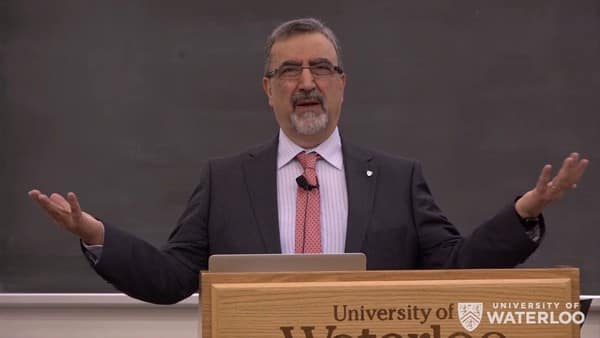
Yeah. I have a thing that I wrote up, which actually came out of past guests who have similar things on on the web for, like, teaching students how to request for a letter recommendation. And so, yes, we need them to tell us the logistical thing. Who does this letter get sent to? We sometimes need to explain things and educate just about you are going to often be asked to sign away. your right to see any information I would provide, that those kinds of logistics. But I do say at the end, and again, it was modeled from people who’ve come on the podcast before of, like, It is generally customary to send a letter thanking the person who wrote you this letter and is a especially powerful if that letter includes, oh, I did get into grad school, or I did get that job, and that actually you’re helping the person because we’re all expected to basically write our own letters of recommendation when we go up for promotion or post 10 year review, that kind of thing. And it it often doesn’t occur to them that actually they could rather than feel guilty and like, oh my gosh, here’s a picture of me. Do you remember me? This is so awkward to be like, yes. I’d be I would love to give you this gift. And, actually, you could give me a gift back to help me in my career. And that it just makes it and I don’t wanna sound like it’s quid pro quo sort of thing, but it is teaching these norms that they don’t have to feel so terribly awkward that there actually is a way that they could engage in this yes, power differential relationship, but that she could be a help and of service to this person that you’re asking. So that’s so helpful. And thank you for sharing that. That was like, yeah, some And if it weren’t for these little kind of just clues that came along the way, but it it’s so much where this, pulls it all together and can explain in small and big ways. about the power of relationships, connections are everything. Thank you so much for all those stories. I’m so glad to know and meet each of you and look forward to hopefully this these connections, you know, getting to extend Latinx had Peter on this show before and Leo, it’s such a pleasure to have conversation. And I’m excited now to transition us into the recommendations segment. I’d like to share, a recommendation to watch a video of one of your collaborators, and that is Peter Felton. I speak and write and think and act a lot, very curious about curiosity. And I am preparing to do some workshops in the coming weeks all around wonder and curiosity and the power of those things. And I had the the happened upon a video from him in 2018 talking to Winnipeg, a university in Winnipeg. His title of his talk is can we teach curiosity? And I’ll be linking to that Can we teach video. And Oscar earlier, you were talking about The power of faculty telling stories about how relationships have had a transformative impact in their lives and their education And Peter does a similar thing in that he really encourages us as faculty to be talking about we we we need to not just have the failures and the struggles and the challenges in our own disciplinary I mean, because a lot of it, you really think about it really is curiosity. We have these hypotheses, and we and we and we study these things and all that, but that so much of that happens hidden from view of students that that is one of the many ways he talks about that holds them back from being able to realize A lot of our disciplinary lives come through questions, not from answers. And I’m not give any specifics about what I’m about to say because I would be afraid I would flood it up. But I Felton this woman on Instagram, and she has been tracing in recent days as of this recording, a little bit of a media story about someone whose research may have been falsified over a long period in her career. And again, I’m not mentioning any Tucson’s names or this person’s name, etcetera. But it got me to thinking that’s if if it’s true, by the way, I don’t know. But if if it turns out to be to be to be true, and it seems like it probably is based on the evidence that is unfolding and the the forgot the word, the hearings that have been held at this this prestigious university, etcetera. Probably it’s true. what house sad though that maybe this person or multiple people felt like you couldn’t bring that in to, like, a a classroom learning space. You had to always hide those things. And so I just I’ve really felt encouraged by Peter to say, you know, when we bring our failures, when we bring what we wrestle with, the that we have, we actually give a lot more gifts than any sort of certainty to act as if our disciplines are so cut and dry. There’s never any question. You know, empathy, emphasizing causality in disciplines where that is absolutely not warranted, that kind of thing. So he’s got me thinking he got me curious. I was such a it’s a wonderfully edited video too because he has them do a lot of conversations together. but they edit that out. So you can just kinda think about it in your own mind, but the conversation continues on. Lots of great research. Lots of great studies. I was taking pictures with my phone while I watched it and taking all these notes and, Felton very full. with even more curiosity about curiosity that I had before I watched this video. So that’s my recommendation. Peter Felton video can we teach curiosity And I am gonna invite Oscar to give his recommendations next.
Oscar Miranda Tapia [00:31:09]:
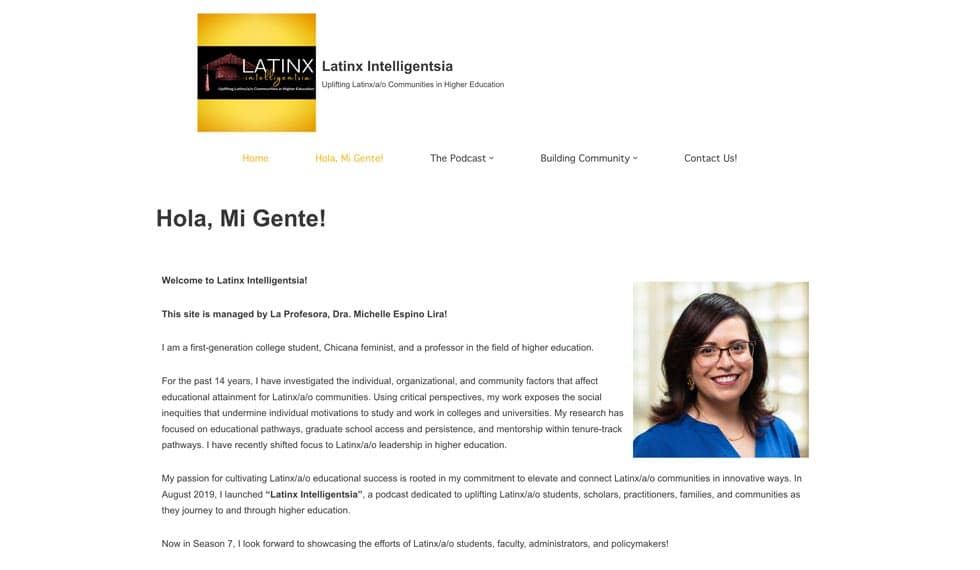
Sure. so I would like to recommend a podcast called Lana It’s hosted by La Provasotta Michelle Espino Lida, and it was just an amazing podcast that just, is uplifting Latinx, Latino, Atlantic Students, administrators, faculty, and stakeholders, and higher education. So from time to time, she’ll bring in a speaker, very similar to this in a higher ed and just talk about the research, what they’re doing, their work, their perspective. So I’ve really appreciated it just because it’s important to me to try to find other elanix faculty and peers’ colleagues that share that identity. So that is something I would recommend.
Bonni Stachowiak [00:31:52]:
Oh, thank you so much. It looks like a wonderful resource. Thank you, Oscar. And he says, what would you like to recommend?
Isis Artze-Vega [00:31:58]:
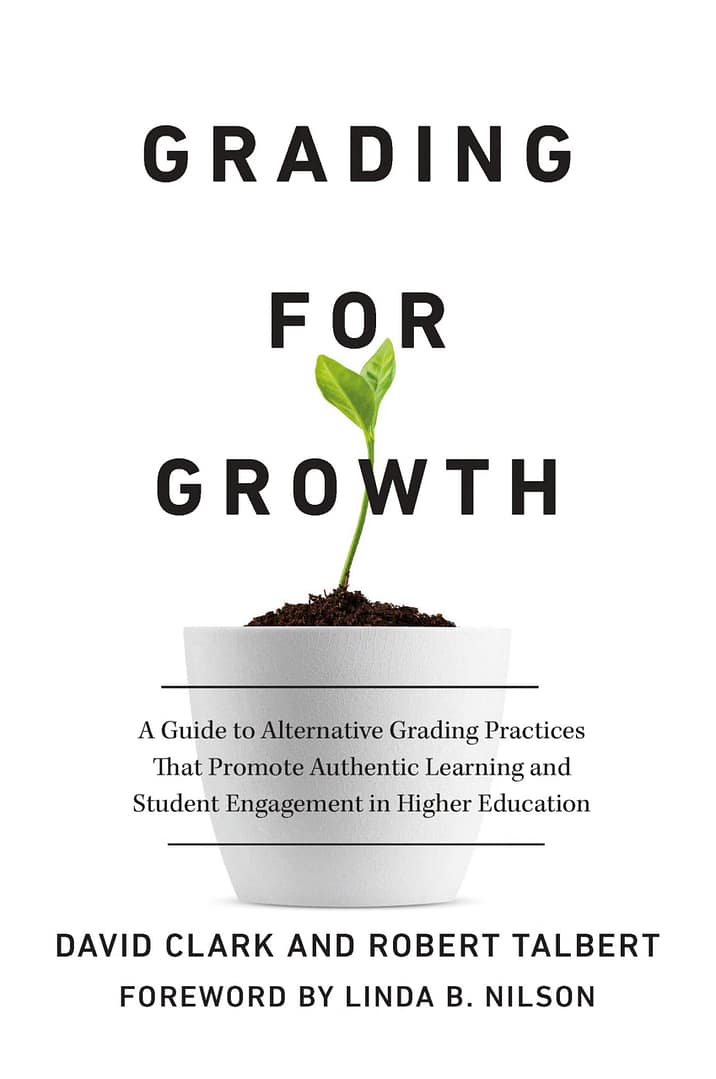
I’m gonna recommend 2 things. 1 less expected and 1 probably more boring, but the first comes from Reese, whether it’s cool, not for me. and I was reading an article where she recom someone asks her, how do you sleep if you have so much going on? And she says she listens to Binaural Beeps. And I had never heard of Binaural beats, but I did, and I think she’s right. They are she says they’re better than melatonin, better than any sleep You just hear these sounds, and they make you sleepy. And I recommend it because I am so concerned about wellness. And we apparently have an a real challenge in this country where we’re not getting enough sleep and we’re not getting high quality sleep. And, again, I see everyone around me working so hard I feel like I’m a a dead mother, and I’m I always want everyone to be well fed and have enough protein and be rested. And so any suggestion that I can share with the universe, that might help us get some sleep. let’s put it out there. Right? It’s it’s free. You can get the sounds on YouTube. And, apparently, if you have a good headset, that’s the way it works best. If you have a headset, on, like, a old fashioned headset covers your ears, and it loves you to loves those sounds low you to sleep. My my second recommendation is is the book and I’m fascinated with grading. Grading as a pedagogical practice is just so, so important to me and it is extremely consequential to students. So this one just came out. It is called grading for growth. a guide to alternative Latinx practices that promote authentic learning and student engagement and higher education by David Clark and Robert Talbert and they had this awesome kind of newsletter blog along the way that I’ve been listening and reading to their reading their suggestions on grading practices And I have experienced that faculty members can get really defensive about grading, and I get it. it somehow feels personal in a way that other parts of teaching don’t somehow. And so I I appreciate that the format of the book creates a a certain level of safety where Bonni looking at your grading scheme and asking you to share your students’ grades, but that you and the privacy of your wherever, favorite coffee shop home can read some new ideas about grading, as we look at students progression through higher ed and the students who are not progressing, so many of their outcomes go back to their GPA and their GPA comes from operating practices. So I I know it is a lot of responsibility, but it is something that we owe it to our students to get right. And I so appreciate this of different approaches to thinking about how we grade.
Bonni Stachowiak [00:34:34]:
Oh, I’m I’m loving how all three or 4 of our recommendations collectively There’s some commonality, right, in there. There’s the sort of being curiosity about people’s contacts and being curious about our own contact and being curious about sleep. And, being curious about grading and by curious in this case, I’m also sort of We I am and I said this earlier, have lost some of our sense of nuance on things, and that is one of the things I really admire a lot about Robert Talbert and David Clark. I’ve had them both on the show separately in the past, and I just the other day as of our recording saw that the book was out. It is is sitting there in the queue. I’ve got one other book I’m reading for the upcoming interview, but I’m like, it is I cannot wait to sit down because they really do. It’s not shame. It’s not guilt, but it is. Let’s ask ourselves some really important questions. And so that’s there. And now I can’t wait to try these binaural beats because it’s new to me. I ended up buying a lifetime membership to the meditation service called Calm. And there’s a guy on there, Elijah Goldstein, and it’s a 20 minute thing. And it’s so funny how he he can put me to sleep better than anyone ever met my entire life. And I think it’s just kind of our brains. I don’t I don’t understand how it works, but, like, That that can do it. Like, nothing else when I’m struggling with sleep, I’m like, hit, Elijah. I’m gonna need you here. So now maybe Binaural beats, I’ll have to try that out. That’s a great recommendation. And Oscar, thank you for for your recommendation as well. so important that we’re able to to connect with people who their backgrounds really resonate culture and that sense of community and collective action and and empathy. I love it. So thank you so much for both being on the podcast. and I’m so looking forward to discontinued times our paths may cross as well as with your 2 other collaborators. Thank you so much for generosity today.
Isis Artze-Vega [00:36:24]:
Hi, Bonnie. Thank you.
Oscar Miranda Tapia [00:36:25]:
Thank you.
Bonni Stachowiak [00:36:30]:
What a joy to have this conversation about connections are everything. Today’s episode was produced by me, Bonnie Bonni, It was edited by the amazing Andrew Kroger. podcast production support was provided by Sierra priest. Thanks to everyone for listening. If you have yet to sign up for the email updates, head over to teachinginhigher ed.com/subscribe, you’ll get in your inbox, the most recent show notes, but you’ll also receive some other resources and goodies that don’t show up in the regular show notes on the web page, things like quotable words, other related episodes, and recommendations that don’t show up on the regular shows. Thanks so much for listening, and I’ll see you next time on Teaching in Higher Ed.
Teaching in Higher Ed transcripts are created using a combination of an automated transcription service and human beings. This text likely will not represent the precise, word-for-word conversation that was had. The accuracy of the transcripts will vary. The authoritative record of the Teaching in Higher Ed podcasts is contained in the audio file.