Follow the Teaching in Higher Ed Podcast
About this Episode
Glen Warren answers the question: what’s love got to do with learning? on episode 540 of the Teaching in Higher Ed podcast.
“Begin with the endless in mind.”
Glen Warren
On episode 540 of Teaching in Higher Ed
Voices on this Episode



Show Notes + Resources
- Education for Love and Wisdom: Effective Teachers for Challenging Times, by Jeff Hittenberger, Pamela Tupy Scott, Andrew Ntzouras, Renee Rose, Alexander Lin, Jeffrey Kim, Joanne Van Boxtel, Megan Chaney, Rebecca Spady, Glen Warren, Christine Hittenberger-Corbin, Seon Chun-Burbank
- American Library Association
- Glen Warren on LinkedIn
- Laguna Beach Unified School District
- California Department of Education Resources for Media Literacy and Computer Science
- Education for Love and Wisdom Podcast
Recommendations from this Episode
Transcript
Bonni Stachowiak [00:00:00]:
Today on episode number 540 of the Teaching in Higher Ed podcast, what’s love got to do with learning with Glen Warren interviewed by Jeff Hittenberger. Podcast Production: Produced by Innovate Learning, Maximizing Human Potential.
Bonni Stachowiak [00:00:23]:
Welcome to this episode of Teaching in Higher Ed. I’m Bonnie Stachowiak, and this is the space where we explore the art and science of being more effective at facilitating learning. We also share ways to improve our productivity approaches, so we can have more peace in our lives and be even more present for our students. Every once in a while, I like to hand the interview reins over to someone besides myself for what can be a very special conversation, and today is no different. Glen Warren is being interviewed today by Jeff Hittenberger, one of my friends and colleagues, our dean of the School of Education at Vanguard University. Glen Warren is currently the teacher librarian for secondary at Laguna Beach Unified School District and an adjunct professor of educational technology in the classroom at Vanguard University. Glen is a recognized educational leader known for advancing the love of learning community of practice. He coauthored the California Model School Library Standards and the California Career Technical Education Standards for the information and communication technology sector.
Bonni Stachowiak [00:01:47]:
Glen is an Orange County teacher of the year and a California state teacher of the year semifinalist. He’s received multiple recognitions for educational innovation, literacy leadership, and learning centered practices. I’ll pass the reins over to doctor Jeff Hittenberger to conduct today’s podcast interview.
Jeff Hittenberger [00:02:10]:
Thank you, Bonni. I am delighted to host the podcast on your behalf today. Glen Warren, welcome to Teaching in Higher Education.
Glen Warren [00:02:18]:
What a joy to be here. Thank you for the invitation.
Jeff Hittenberger [00:02:21]:
Well, Glen, our topic today is love. My favorite topic. I know this is your favorite topic. Yeah. And we, are using the title for this episode, what’s love got to do with it.
Glen Warren [00:02:34]:
I think Tina Turner would be very proud. I really do.
Jeff Hittenberger [00:02:38]:
Higher education and love. Yes. Educational technology and love. How did you come as a person who is kind of a a library person, a technology person, a teacher? How did love come to be at the center of your philosophy of education?
Glen Warren [00:02:57]:
Well, rewind. Before I jumped into the educational pool, before that, I was I was a human being prior to becoming a teacher. Have you heard of that? Imagine that. Amazing. Yeah. And I had just, gotten married, and I that was a big learning curve. By the way, I’m happy to report that I’m now on my 34th year. Congratulations.
Glen Warren [00:03:20]:
Coming up on 35th this this month. Lovely. Same person, by the way, not cumulative. Right. Right. But, anyway, yeah, I mean, in that journey, when you ask that question in the context of a of of a relationship, a marriage, what’s love got to do with it, seems like that’s almost offensive Mhmm. Because it’s got everything to do with it. And so and, also, I had a there was a bit of work that needed to be done Mhmm.
Glen Warren [00:03:45]:
And still. But, it’s a journey of of how do you love each other. And and and and I what I saw as I got into education, the relationship with learning is very much like a love relationship with a human being, especially someone you’re committed to. I mean, think about these these statements we throw out there Mhmm. That are just have throwbacks to a love relationship. Like, for example, we want somebody to be a lifelong learner. Mhmm. But when I got married, we were I was expecting that to be a lifelong commitment.
Jeff Hittenberger [00:04:19]:
Right.
Glen Warren [00:04:19]:
Okay. So there’s a real connection there. Right? Yeah. And, also, there’s this this idea, like, language we use, like lifelong or engagement. When I say I getting I got engaged, most of the world gets really excited. Mhmm. Like, oh, you found somebody you, you know, you have a promise of a a relationship with for the rest of your life. When we talk about engagement and education, we’ve really dumbed that down badly.
Glen Warren [00:04:45]:
Wouldn’t it be neat if the word engagement actually meant in education that the promise Yeah. Of a lifelong connection relationship with this thing called learning?
Jeff Hittenberger [00:04:56]:
Mhmm.
Glen Warren [00:04:57]:
See, to me, it’s a love thing right from the get go. Mhmm. So and then when I when I started in education as, you know, being paid for it Mhmm. No child left behind was the thing. Mhmm. And and, of course, that’s a that’s irony, or maybe it’s some other literary term that talks about it’s funny because there were so many children left behind, which is what but the whole point of that was we’re gonna focus on getting these discrete set of standards done. Yeah. And we’re going to test on those this this very, very finite set of requirements, kinda like in I liken it to to in it, music, like, to scales.
Glen Warren [00:05:35]:
Mhmm. Like, where you need to know how to play scales. You need to know how to play chords. You need and that’s true. I mean, as as a musician, you need to those are those are skills you need to have. But at some point, you gotta play a song. Right? Mhmm. And what I was noticing in education in my classroom early on was students being judged by these discrete set of capacities that could you can you do this? Yeah.
Glen Warren [00:05:59]:
And then then this equation came. Oh, well, this must be reflective of who you are Mhmm. As a human being. And and you know what I figured out is there’s a lot more to a human being than those standards. Mhmm. So that was that was beginning to really get into my soul. And the other part, it was I wanted kids to enjoy and want to come to school.
Jeff Hittenberger [00:06:19]:
I
Glen Warren [00:06:19]:
wanted it to be a joy for them. I wanted them to love it. Yes. And, the way I did that as I or since my whole life was got them to laugh, got them to you know, my my classroom was constantly full of laughter. I’m sure that may not come as a shock to you. Yeah. And, anyway but when people were laughing and having a good time and and and having almost having fun, you know, the f word in education, fun. We don’t use that word.
Glen Warren [00:06:47]:
It’s not professional. But having fun made such a difference. And so then that was where the beginning of that the the idea of, well, okay, what makes a student want to come to school? Mhmm. Well, one, are they valued? And we use that the way we throw that word around. Mhmm. But when we say valued, it’s like, what do we mean by that? Like, well, we have to find out what matters to them. Mhmm. And I was taking all kinds of data, but not finding out in those days, I wasn’t finding out anything about my students.
Glen Warren [00:07:16]:
Like, what matters to you? Mhmm. And then I realized early on that what mattered to our students, that that large pool, that large sea of infinite curiosity mattered Mhmm. In the classroom. And that’s where what what’s love got to do with it, what began right there.
Jeff Hittenberger [00:07:33]:
So you you’re in school situations where you’re seeing lots of emphasis on standards and standardized testing and data collection and data driven solutions and and so on. And in the midst of that, it’s feeling like the students’ love for learning, which they come with from day 1.
Glen Warren [00:07:55]:
Right? Yes. The kindergartner would tell you that’s true.
Jeff Hittenberger [00:07:59]:
Totally. But over time, you started seeing that diminishing.
Glen Warren [00:08:04]:
Yes.
Jeff Hittenberger [00:08:04]:
As the students get older and are in this system that has so many of these important but challenging dimensions to it, that love for learning over time can start diminishing.
Glen Warren [00:08:19]:
Oh, it does start to diminish. And and there’s some instance there’s been some good shifts that maybe we can circle back around and talk about. Like, for example, from the time in No Child Left Behind to where we are today, there’s been there’s there’s been some good steps. Like, there’s been this project based learning thing that’s come through PBL. By the way, I I prefer PBJ, which is passion based journeys. Why should your learning be based on a project? But we’ll talk about that another time. Mhmm. But but that’s a step in the right direction.
Glen Warren [00:08:45]:
And we’ve seen also this learner centered, student centered, student ownership of their learning. We’ve seen these types of things start to emerge and be respected.
Jeff Hittenberger [00:08:56]:
Mhmm.
Glen Warren [00:08:57]:
We’ve also seen social emotional learning advance. So there’s been a lot of things that have happened from the time I was talking about back in the late nineties to now that have been improvements in the right direction. However Mhmm. And that’s a big however Mhmm. Even with the recognition of those important concepts or important beliefs, I’m not sure what title to put on what I just talked about, but that was the perspective, maybe. Yep. We’re still seeing data that’s coming back from Gallup, coming back from researchers that have asked certain questions and done longitudinal studies about students asking their own questions or their divergent thinking like what George Land did back years ago. And we see that divergent thinking drops, horribly.
Jeff Hittenberger [00:09:45]:
Over time in school.
Glen Warren [00:09:46]:
Yeah. It hasn’t changed. And then you see you still see this drop in students formulating their own questions. Mhmm. And then we talk about ownership of learning, and yet we’re not that there’s still there I’m gonna say that if students are formulating their own questions, they’re not owning their own learning. So you’re it’s it’s already red it’s a red flag on the play. It’s a red card. It’s we’re not even started.
Glen Warren [00:10:08]:
And then also this idea of just loving it. You know? You look at the Gallup poll that was nearly a 1000000 students. I think it was 2017, right about there. We saw students, when asked, do you get to do what you do best every day at school? The highest level was around 5th grade. It was, like, 30 something percent, and it drops to 12. Can you imagine going to a job every day where you don’t get to do what you do best every day? Mhmm. You’d be looking for a different job. Mhmm.
Glen Warren [00:10:32]:
And that’s the context we’re putting our students in.
Jeff Hittenberger [00:10:35]:
Yeah. And in your chapter in the Education for Love and Wisdom book, Love, Wisdom and Educational Technology, you share some of that data that shows those declines over time of curiosity, of engagement, of
Glen Warren [00:10:47]:
Of divergent thinking.
Jeff Hittenberger [00:10:48]:
Of divergent thinking and creativity. Right. Exactly. And so these have led you to a kind of a set of understandings and principles that then have permeated your educational philosophy. One of those you’ve alluded to earlier, what matters to you matters.
Glen Warren [00:11:07]:
Talk about that. Well, often what happens for the student experience when they come to school is we send the absolute opposite message. What matters to you does not matter. Mhmm. Because when you walk into your even your kindergarten through their elementary experience, you might say, and then for their middle school and high school experience, it it gets narrow and narrow. But even even in the elementary, we’re now going to do social studies, and this is what matters. And now we’re going to do math. And now this is what matters.
Glen Warren [00:11:36]:
Now we’re gonna do science. And we’re gonna do, you know, STEM. And that’s what matters. And now we’re gonna do coding. And that’s what matters. What happens if for that student, and there’s quite a few of them, that those things don’t resonate? Mhmm. And they have this world that they are living in that does matter to them, and it’s not welcome to the table. Mhmm.
Glen Warren [00:11:57]:
Well, think about the incredible, you know, the incredible possibilities, the incredible discoveries Yeah. Of learning we could make by allowing I’m I’m gonna use the word allow. Allowing Mhmm. Their infinite interests
Jeff Hittenberger [00:12:12]:
Mhmm.
Glen Warren [00:12:12]:
To find their way to the table in the required learning. The way I I framed it is, to connect the required learning. Because somebody’s gonna argue, well, Glen, we just can’t, you know, the kids can’t play all day. I I find that hilarious that people would even say such a thing. Oh, Glen, are you suggesting we’re 3 oh my goodness. My gosh. You know, it’s I’m talking about putting the emphasis on the right syllables. Mhmm.
Glen Warren [00:12:37]:
Because we’re not talking about getting rid of the word. We’re talking about putting the emphasis in the right place.
Jeff Hittenberger [00:12:41]:
Mhmm.
Glen Warren [00:12:42]:
So when a student comes and says, hey. Look. I’ve got all this interest, and it’s not relevant to my personal this this what I have to learn that does required learning is not connecting to my desired learning Yeah. Which is my personal interest, the desired Right. We are eroding the student’s perception of the relevance of school Mhmm. Because day after day, this isn’t relevant
Jeff Hittenberger [00:13:09]:
to me. Yeah. And oftentimes, when they ask the relevancy question, you say, well, someday, you’re gonna need to take a test to go to college. You get
Glen Warren [00:13:17]:
to go to higher ed. You’re gonna go to higher ed. Higher ed is the great savior. What we’ve done to students in secular education.
Jeff Hittenberger [00:13:23]:
10 years from now, Or even when you’re when you have a career, then, you know, you’ll know how this is important.
Glen Warren [00:13:30]:
Unless that career you went to was all for the wrong reasons, and you wish to God you had never gotten down that track.
Jeff Hittenberger [00:13:35]:
Give an example. What’s something that a student really cares about that school typically is saying, that doesn’t matter here. Do your math. And but you see a real connection between that student interest and the actual subject matter they’re supposed to be studying.
Glen Warren [00:13:51]:
Well okay. So for example, if you have let’s go young, and we’ll go older. So we’ll start with kindergarten. Alright. Let’s go with the kindergartner who’s also maybe autistic. Mhmm. That happens. Mhmm.
Glen Warren [00:14:02]:
I know that from personal experience. And oftentimes, these students are fixated on a particular thing that really matters most to them. And we’ll just take the most common example, dinosaurs, which by the way, to this day, is real popular. Yeah. So you have the student that’s really excited about dinosaurs. And so in kindergarten, we have show and tell. Mhmm. Really, I we should not be calling it show and tell.
Glen Warren [00:14:24]:
We should be calling it bait and switch because we tell students, hey. Look. What matters to you does matter to school. It’s just for the the the 0 only, maybe. Yeah. And then after You
Jeff Hittenberger [00:14:34]:
got 3 minutes.
Glen Warren [00:14:35]:
We got 3 minutes, and we’re done with that. And so, anyway, the student just has this tremendous connection or interest with dinosaurs. Well well, now we need to move on to these more important. Well, you tell me. Is is there any connection there with, I don’t know, English language arts with dinosaurs? I don’t know about you, but I think there might be some reading potentially involved there. Mhmm. Is there any science? Yeah. I’m wondering.
Glen Warren [00:14:59]:
Is there any is there any STEM issues or the next generation science standards in in there? I think the answer is yes. Alright? Mhmm. Oh, is there any history there? Oh, no. There’s no history there at all. No. And so by the time you go down and what about social studies? I mean, the whole idea of history, social science is does that have any relevance? The answer is, well, yes. Mhmm. So so here’s another one.
Glen Warren [00:15:21]:
A kid who plays an instrument. This drives me crazy. And it also shows where we’ve got to make some huge changes. Mhmm. And that is okay. I’m a musician. I’m a musician. I’m not a math person.
Glen Warren [00:15:33]:
That should blow everybody’s mind that a person can say those words, and everybody seems to be fine with it. Mhmm. Because I don’t I say, well, what’s that on the page there? Well, that’s an 8th note. I’m not sure about you, but that sounds like we’re talking about some math principles here. Mhmm. So the fact that those
Jeff Hittenberger [00:15:47]:
two things can’t connect.
Glen Warren [00:15:48]:
Just recently, in the high school where I’ve been supporting, in Laguna Beach Unified School District, there was a class of students at the high school that were learning how to factor polynomials. Now I have to admit to you, I have long since forgotten how to factor polynomials. And so the students had finished factoring polynomials. And and they all did a great pretty good job. They all everybody was pretty solid in terms of having the knowledge that they had to have. Mhmm. And the teacher asked this question. Okay.
Glen Warren [00:16:20]:
What questions now do you have about polynomials? Now that we’re done, And we’re not doing more with this moving on. But what questions now as a result from us learning? Mhmm. What questions do you have? And I gotta tell you, these these these juniors, sophomores, sim seniors said, we don’t have any questions. And I gotta tell you, that right there is is a that’s that’s a that’s a red flag. Mhmm. Because we think that questions only are about, well, you didn’t understand it. Mhmm. What now that you do understand it, what questions do you have? And this isn’t even this isn’t happening Yes.
Glen Warren [00:16:54]:
At all. So then the next question for the students at the same day so it was crickets. Yeah. It’s just crickets. The cricket that’s a metaphor for nobody was saying anything.
Jeff Hittenberger [00:17:04]:
Right. And so a teacher could feel like, oh, that’s a good thing. They understand it. They’re not asking any questions.
Glen Warren [00:17:08]:
That’s I think Right? Goodness. Yes. That’s right. So and the teacher was on board with me that that, yeah, we wanted to see this, but we knew that that we’re just not doing anything about it. Okay. So then she asked the other question, which was, okay. Now how are factoring polynomials relevant to your life? Mhmm. Well, now even the crickets stopped.
Glen Warren [00:17:27]:
The crickets were done. We didn’t even hear crickets. The crickets were gonna they were off board on that. Right? So there’s nothing. And so we knew that was gonna be the response. Mhmm. So, we brought up the AI thing in the room and and put it on the screen Yeah. And just said, hey.
Glen Warren [00:17:44]:
Look. What are you into? We knew one of the students was really into surfing. He was the president of this the, surfing club. And we asked, hey. What how do you see factoring polynomials relevant to surfing? Guys, they’re not. Mhmm. So we asked a question. And we put it together in the AI saying, well, how are, factoring polynomials relevant to someone who loves surfing and also is the president of the the surfing club? And and it did its thing.
Glen Warren [00:18:13]:
And I had to tell you, I didn’t understand what it was saying. But the the surf guy did. He was eyes bugged out of his head. It didn’t even dawn on him Yeah. That that what he had just studied for that last 3, 4 weeks. Yeah. Had that level of relevance to things that matter to him. Yeah.
Glen Warren [00:18:32]:
And this are these moments that are missing every single day
Jeff Hittenberger [00:18:37]:
Yeah.
Glen Warren [00:18:37]:
In education because, that doesn’t happen. And in all fairness to our teachers Yeah. Let’s be very clear. They’ve got to focus on what they’ve got to focus on. Sure. They’ve got to focus on learning that. Yeah.
Jeff Hittenberger [00:18:50]:
That’s the responsibility. That standards.
Glen Warren [00:18:53]:
So so what made this really work is they had something called a teacher librarian Mhmm. Which is me. Mhmm. And I was able to now partner with that teacher and dive into the student’s personal interest and start making those connections and help build relevance, something they didn’t have time for. We actually got to a place where we’re actually personalizing lessons for every single student on specific concepts with multiple choices of directions, like choose your own adventure. Mhmm. And it was I it was really amazing to see students give me emails, seniors now Yeah. Give me emails saying, if they had if I am so happy about this experience.
Glen Warren [00:19:35]:
If I had had this experience my whole school life, I would have had far better grades than I do now. And I’ve got that kind of feedback.
Jeff Hittenberger [00:19:42]:
So so you’re suggesting that if we operate from an understanding or principle that what matters to you matters, you give students access to the things they’re supposed to be learning through the passions that they bring, the experiences, the things that they care about. Those become open doorways into the things that we want them to learn as a part of, you know, our systems and and a way of functioning in our society with things the society deemed important. And that this love for learning, love of learning
Glen Warren [00:20:20]:
Yes.
Jeff Hittenberger [00:20:20]:
Can be strengthened, enhanced, sustained over time instead of diminishing over time.
Glen Warren [00:20:27]:
Yeah. Because there’s a synergy. I wouldn’t say that it goes it’s a one way street. I wouldn’t say it goes from my interest to the required or the it goes both ways. Mhmm. Because those required pieces of learning can actually trigger other things in the area of your interest or things you didn’t even know you were interested in. Mhmm. So they it’s it’s a relationship.
Glen Warren [00:20:45]:
It’s a beautiful relationship between the desired learning and the required learning. Mhmm. And that bridge is either out or shaky. Mhmm. And I gotta tell you, higher ed, it seems to me Yep. That what folks are looking for in higher ed is the students enter into their freshman year or apply to the universities. They’re looking for for a student not only who’s got those required learnings mastered for the most part, but they’re also looking for somebody who’s on fire about something that matters something matters to them. Yes.
Glen Warren [00:21:16]:
Rather than I’m just trying to please you. It reminds me that was it coming to America with Eddie Murphy when he was he was which would he was trying to get married. They were trying to marry him off. And one one one of the possibilities was was a date that only gave him only what he wanted to hear. And the other one was not doing that, and he fell in love with the other. And I feel in some ways, we’re treat creating students that are just giving higher ed what they wanna hear rather than this is really this is who I am, and here’s what matters to me. And this is what I wanna pursue, and I need your help to get there. Big difference.
Jeff Hittenberger [00:21:49]:
Let’s pursue that a little bit with the higher ed application. So higher ed kind of has this major idea. Right? The idea that what really matters to you, we’re gonna make the focus of your college experience with your your major is gonna be the topic that you have decided. You wanna pursue the field you wanna pursue. So we’ve got that going for us in higher education.
Glen Warren [00:22:12]:
For sure.
Jeff Hittenberger [00:22:12]:
A lot of the complaints come about general education. Why do I have to do this? Can general ed core curriculum tap into what you’re talking about? And if so, how? So that we get kind of general ed subjects connected to students’ passions and what matters to them?
Glen Warren [00:22:34]:
Well, the DNA of that, the, the OS of that, the operating system of that is is exactly what I’m talking about in k 12. Anytime where you have a required piece of learning like, for example, you’re talking about the general ed aspect. That’s another way of saying this is required. Yes. So let’s just call it for what it is. Mhmm. It’s required learning. Anytime where you have required learning, which there is, there is required learning.
Glen Warren [00:22:59]:
We all I’m we’ll still engage with required learning. I mean, I was married for 34 years. I wanna be married for 35. I gotta tell you, there is required learning. Okay? So, anyway, the point being is that anytime you have required learning, for one to only focus on the required learning and not call in the beauty of the desired learning of the student, we’re missing we’re missing the opportunity. Think of it this way. You have I don’t know if you remember albums. I love Mhmm.
Glen Warren [00:23:27]:
I love the side a’s, IV, the kind of, like, you know Yep. Long play. LPs. Somebody had no idea what that is. Anyway, on one side of the album of the edge for an educator is the ideas beginning with the end in mind. Mhmm. And that’s an important side of the album. Here’s the learning they have to have, and I’m gonna backwards map to Mhmm.
Glen Warren [00:23:46]:
How I get there. That sad part about this is it required learn in in general ed, for example, they’re typically only playing that one side of the album. Mhmm. When you flip the album to the the other side, the most unplayed side Yeah. Is to begin with the endless in mind. Yeah. This is a term that I’ve comically used to offset the other side of the album.
Jeff Hittenberger [00:24:07]:
Mhmm.
Glen Warren [00:24:07]:
And to begin with the endless in mind is you don’t know what that is.
Jeff Hittenberger [00:24:11]:
Mhmm.
Glen Warren [00:24:11]:
The only way you can find what that endless is is to find out what is mattering to your students. Yeah. And you have to come from a a faith or a belief that all learning is interdependent anyway. Mhmm. It’s like, you name anything. Yeah. And I’ll tell you how these core these these required learnings, whatever they are. So
Jeff Hittenberger [00:24:32]:
let’s say let’s say intro to biology.
Glen Warren [00:24:34]:
Okay.
Jeff Hittenberger [00:24:35]:
I gotta take a science as part of my general ed. Yeah. One can imagine that intro to biology would connect with potentially Yes. Almost anything a student would bring as as their interest, passion, or even their major, right, if it’s a completely different field. Yeah. For sure. So creating the opportunities for them to make those connections to do inquiry and pose questions
Glen Warren [00:25:00]:
How is this connected?
Jeff Hittenberger [00:25:01]:
Right. So makes a lot of sense.
Glen Warren [00:25:04]:
I wanna I wanna put a put a put a disclaimer in here. Yeah. Because I can imagine right now Yeah. Someone hearing this would go the teacher or a professor would be overwhelmed Yeah. With with what they just heard.
Jeff Hittenberger [00:25:18]:
How can I do that? Well, let me let let 50 students. With a 100 students.
Glen Warren [00:25:22]:
With 200 students. Yeah. 500 students.
Jeff Hittenberger [00:25:24]:
I got What?
Glen Warren [00:25:24]:
Yeah. The student the answer to that is you can’t. Mhmm. So then why am I talking about it? Because we’re talking about an expected skill set that we want to see in the student. It used to be make us nervous, Nelly, so to speak, where where we have to prove to the students the relevance of our content. How is this ever gonna matter to me? And and the teacher it was on the teacher to answer that question. Imagine if we set a educational context where it was expected from the earliest of ages back in in in k 12 education going right into to higher ed, wouldn’t it be amazing if our students not only had that skill set but had a very strong practiced skill set in discovering relevance and bringing it forward, discovering their questions and bringing it forward, you know, being clear that their interests do matter and having a conviction because their teachers had that same conviction.
Jeff Hittenberger [00:26:22]:
So the students are generating the connections, generating the questions. It’s not that the professor No. Has to come up with 200 ways this applies No. To your particular interest.
Glen Warren [00:26:33]:
That’s right. So I know.
Jeff Hittenberger [00:26:34]:
Students are learning the practice. This is what you guys are doing in Laguna Beach. Yeah. This other side of the equation,
Glen Warren [00:26:39]:
the the professor’s job or the teacher’s job is to value that. Yes. To allow that. To to to praise that. If you think about, like, what is it? When we talk about math mathematical learning, one of the scourges in learning math is just is the answer. Yep. Just give me to the answer. And we’ve learned that just getting to the answer doesn’t really get us the mathematical thinking.
Glen Warren [00:27:04]:
Mhmm. So the answer has become the problem. Not that we don’t want them to have the answer because there that there’s multiple ways to get to that answer, etcetera, etcetera. So it’s sort of this idea of how can we stay longer in the question in mathematics. This is where we need to value the question Yes. More than we are valuing the answer. Mhmm. And I gotta tell you, in a society that has become so amazingly judgmental and this is let me be clear.
Glen Warren [00:27:32]:
This is not one side, another side, a middle side. This is for everybody listening. We’ve all become way the heck too judgmental. Thank you. Mhmm. Everybody’s guilty. I know nobody wants to hear that, but we’re all guilty. What’s the opposite of being judgmental It’s being curious.
Glen Warren [00:27:49]:
Mhmm. The higher the judgmental level, the lower the curiosity level. Mhmm. And we’ve got to reverse this. And and many people get con concerned that me taking the time to understand Mhmm. Means also I agree with you. Mhmm. And so what’s happened is, like, even with our students, we we have this idea.
Glen Warren [00:28:07]:
You make a claim. You’re gonna go tell us what your position is. Mhmm. We’re asking kids to make a position right away. Mhmm. Oh, and now go find the evidence to support it. Oh, and then leave your reasoning for last. Mhmm.
Glen Warren [00:28:19]:
I don’t know about you, but this is exactly the this is great for a paper, but it’s horrible for thinking. So the valuing the idea of of the process what are the skills that we wanna see in our students? I would like to hope that we’d like to see their interests valued Mhmm. Their questions valued
Jeff Hittenberger [00:28:38]:
Yep.
Glen Warren [00:28:38]:
And the divergent thinking valued and the expectation. How are you going to connect this required learning with your desired learning and expect to see that in your work? I’m gonna tell you, teachers will be thrilled with what they see. Yeah. Because it really you can tell the passion comes through to the students.
Jeff Hittenberger [00:28:55]:
That list you just gave brings me back to your definition of love because
Glen Warren [00:29:00]:
I was hoping to get
Jeff Hittenberger [00:29:01]:
to that. You have you have a definition of love that kinda pulls those pieces together.
Glen Warren [00:29:05]:
I do. Love when I use the word love, people just you know, I’m not sure what they’re thinking. But when I think of when the when I use the word love, l o v e, is learning opportunities, valuing everyone. Mhmm. To me, god, it doesn’t sound delicious. I’m just who would who would say, yeah, I don’t want we won’t be connecting. But that sounds delicious to me. You’re like, that learning opportunities, valuing everyone.
Glen Warren [00:29:34]:
Yeah. Think about what the context we’re in right now. Is that really what’s happening? And think about the negatives that have come as a result of not doing that. Yep. So when we talk about valuing everyone, this is if if a if a teacher is thinking or a professor is thinking about, hey. Your your background, your things you matter are relevant in my class, you’re basically saying, I’m gonna be allowing Yeah. For learning opportunities that value all of my students. Right.
Glen Warren [00:30:02]:
Well, now just think about the whole equity conversations that’s been going on and Yeah. And and, you know, the identity conversations that have been going on. You know, if we were doing this from the beginning, we would have been there.
Jeff Hittenberger [00:30:14]:
Well, and the other big conversation right now in higher ed is about retention.
Glen Warren [00:30:18]:
Oh, boy.
Jeff Hittenberger [00:30:19]:
And a lot of students hit college and start with general ed and think, I don’t see any relevance there to the thing that I’m interested in. I’m gonna wait 2 years to really get into my major. This but what if you were working from a place of learning opportunities, valuing everyone in every class so that from day 1, student recognizes, hey. Everything that I bring is valued, and I and I’m welcome to to bring that into my learning, I think retention becomes a very different conversation at that point.
Glen Warren [00:30:56]:
Oh, you just sparked some things with saying that. So one is there yes. I agree. There’s one place in the k twelve system that has always been hard baked and deeply rooted in our system that reflects what you just said, and it it it has maintained the it’s it’s conviction the whole time, and that’s the school library. Mhmm. And yet I don’t think k twelve we fully understand how critically important school libraries are and more importantly, school teacher librarians are because what you just described is their job description. Mhmm. It’s the one place where students can come in, and now they own
Jeff Hittenberger [00:31:39]:
Mhmm.
Glen Warren [00:31:39]:
Their choices. They own their thinking. I just came back from the ALA conference, which is the American association of American Association oh, no. American Library Association. You would think I would know those 2 letters to me. Yeah. ALA is so much easier. Yeah.
Glen Warren [00:31:54]:
So yeah. American American Library Association. There it is again. Mhmm. Alright. And so anyway, while I was there, I was
Jeff Hittenberger [00:32:01]:
And this is this is k 12
Glen Warren [00:32:03]:
Oh my gosh. Here. Actually, actually, very few very few k 12 librarians are there.
Jeff Hittenberger [00:32:08]:
Mostly university.
Glen Warren [00:32:10]:
Mostly academic librarians. Yeah. And so from universities. And it was I I was being schooled by one of them Mhmm. Which is fantastic. I was at a poster session. And they were saying the the the data she was sharing with me that that they of her research and others was that the higher the use of the university library by a student Mhmm. The higher the retention of that student.
Glen Warren [00:32:34]:
Wow. And I asked the question, okay. Is that associative or or causational? Yeah. And she goes, well, it’s associative. I go, okay. Great. Well Mhmm. Alright.
Glen Warren [00:32:43]:
But but so it’s not, like, causational. So we can’t claim
Jeff Hittenberger [00:32:47]:
Yeah.
Glen Warren [00:32:47]:
That. But wait a minute. Just because you can’t claim that Yeah. I mean, a a thermometer doesn’t tell me what my disease is. Mhmm. But we know we should be paying attention if I’ve got a 103 degree fever. Mhmm. But if you’re at the university and you see the the student not using the school library and the university library, that might be an indicator to say, hey.
Glen Warren [00:33:11]:
Are you making connections with the things that matter to you? And interestingly enough, the university librarian staff would actually be willing to listen to the student and say, what does matter to
Jeff Hittenberger [00:33:22]:
you?
Glen Warren [00:33:22]:
And then go go hunt and gather or give them the skills to go get that information or where what would be the factual information that they could gain all the more important now than ever. So imagine if that was happening, I think we we create the conditions to bridge the distance between the desired and required.
Jeff Hittenberger [00:33:39]:
So the library becomes the curiosity center. It becomes the inquiry center, and which it always has been in a way, but it’s been perceived as kind of the book center. So books are going away, so we don’t need a instead of seeing this as the center of the learning opportunities valuing everyone for this learning community.
Glen Warren [00:34:00]:
Think about those three things. And it’s really anybody listening to this, it’s the three things. These are three things I think really matter, and that is the students’ the students’ interest or identities, the students’ curiosity or questions, and the students’ divergent thinking or creativity. And if you think about it at a university library as as well as at a as a school library, you have people coming in from different grade levels. You have a senior and a freshman. You have people that are taking wildly different topics. You also have that university. You have people coming in from science.
Glen Warren [00:34:30]:
You have people coming in from humanities. You have people from different disciplines and different focuses in the same place. This is a petri dish of possibility where divergent connections could be made. Yeah. And interest can be honored, and questions are valued.
Jeff Hittenberger [00:34:48]:
Mhmm.
Glen Warren [00:34:49]:
We gotta fire that engine up more now than ever, I believe.
Jeff Hittenberger [00:34:52]:
That’s that’s exciting stuff. And I’ve got just really one more question, and it has to do with something you alluded to earlier on, and that is how AI can be a partner in generating this kind of curiosity. If we think about you’ve given a couple of examples. One that comes to mind is an undergraduate in US history, general ed course who has to do something about the progressive era. They’re a varsity athlete, and they go to AI and say, how does the progressive era relate to my sport? Right? And then you boom. You’re gonna get a whole bunch of suggestions off of AI about ways in which you can pursue inquiry into this, you know, historical era through the lens that you really care about, which is your sport. So there are fun ways to make connections between what matters to me and what matters in this class. Right.
Jeff Hittenberger [00:35:48]:
But and and I’m sure at ALA, in fact, you even mentioned to me there was a lot of talk about AI and what it can do. But here’s what I’m there was you might have heard an NPR story recently about increases in numbers of people using AI as a confidant, a therapist Yes. A friend Yeah. A a job coach
Glen Warren [00:36:13]:
Yeah.
Jeff Hittenberger [00:36:13]:
In ways that were very meaningful to them. But the question that was posed in the story is, is this gonna further intensify the sense of loneliness that we see among young people when your time is being spent making the AI connections instead of learning to make the deeper human connections?
Glen Warren [00:36:32]:
Well, Yeah. I there’s so much to say about that. It’s a
Jeff Hittenberger [00:36:37]:
complex question. And
Glen Warren [00:36:38]:
but I’m gonna I’m gonna dumb it down a bit. Yeah. I think the question is it’s I don’t the answer to your question is I don’t know. Mhmm. So there’s there’s that question. I don’t I don’t know the answer to that question. But what I take away from your question is not the answer you’re looking for. Mhmm.
Glen Warren [00:36:54]:
It’s the fact you’re you’re asking it. Mhmm. What I mean by that is we have students using AI as a confidant. You have students using AI where they feel safe to be able to ask any question they want. Mhmm. I’m wondering if this is not an this is not this is not an indictment against AI. This is more of an indictment about the context in which our students are living Mhmm. Where they feel they don’t they can’t trust you to ask that question.
Glen Warren [00:37:20]:
Right. This is not we keep blaming everybody else but ourselves. Yeah. AI is now the new naughty person on the block. By the way, I like the new naughty person by the way. I love new I like naughty people. Always have. Bring them in.
Glen Warren [00:37:33]:
Let’s talk. Let’s go to therapy together. I think it’d be great. So AI’s got a lot of incredible potential. By the way, if you think about how long it takes for the average person to read about 300 words a minute, how long would it take for them to read the Internet? I can tell you the answer is about a trillion plus trillion years. Yeah. I don’t have a trillion years. Yeah.
Glen Warren [00:37:52]:
So we need new, more powerful tools to be able to go through the well beyond any human being’s lifetime to to find where what’s relevant out there and hopefully use it for a good cause and move it towards in a right direction. So the AI tool, I think is timely, and I think it’s needed. Yes, it’s powerful. And yes, there is a huge dark side of this as well as a bright side of this. So yes, the angel and devil is on the shoulder here. But I think instead of diving into that question, what created the conditions for our students to be in a place where the questions were valued, their interests weren’t valued, and their their creativity wasn’t valued? I think we need to I would rather have my student be talking to me, and I’d be a safe place too. And the whole academic community be that incredible place for them to go. In fact, we started something at the high school called ask our librarians, AOL.
Glen Warren [00:38:49]:
I thought it was hilarious. Nobody understands the joke. I didn’t do it for them. I I did it for me. I I it wasn’t for them. And you know what was amazing is that, when we started it, we had students didn’t even understand what it was. And this thus just this last year, the 1st year using it, we had over a 1,000 questions come from our students. And because whatever question they they asked mattered.
Glen Warren [00:39:13]:
What was really interesting was to try to get it going. I went into classrooms and teachers at the high school and say, hey. Look. Would you mind re asking or requiring the students to use this tool? But with the caveat that they can only use it if they formulated their own questions first. And so I would work with the teacher, and the students would be guaranteed that the questions they were asking were theirs, not from the teacher, but from them. And those 2 questions came in. Well, about, 60% of the questions came from assigned an assignment the teacher gave. However, on the form, the student could choose, is this for an assignment, or is this for personal interest, or for both? Do you know that over half of the assigned minutes the teachers gave half of the the ones that were assigned called it both.
Glen Warren [00:40:03]:
Mhmm. They said this is for personal interest and for an assignment. Yeah. Which is my first data evidence of bridging the gap between required and desired learning.
Jeff Hittenberger [00:40:15]:
Yeah. And the students wanna do that.
Glen Warren [00:40:17]:
They want to.
Jeff Hittenberger [00:40:18]:
What what strikes me in your response about AI is that in the ways in which AI is being used in the cases that I just cited from the NPR story, what AI is saying to those people is what matters to you matters.
Glen Warren [00:40:32]:
That’s right. We were the orig we were supposed to be the original of this.
Jeff Hittenberger [00:40:36]:
And and what I
Glen Warren [00:40:37]:
also hear providing learning opportunities to value Yeah. Everyone.
Jeff Hittenberger [00:40:41]:
And so in in a sense, what I hear you saying is instead of blaming AI Right. For saying what matters to you matters, Why don’t we say that what matters to you matters? And then both we and AI
Glen Warren [00:40:53]:
Oh, yeah.
Jeff Hittenberger [00:40:54]:
Can be saying what matters to
Glen Warren [00:40:55]:
you matters in a
Jeff Hittenberger [00:40:56]:
way that students are really unleashed Yes. To explore their the their passion for learning, to connect it to their academic pursuits Yep. And really to love learning.
Glen Warren [00:41:10]:
Yeah.
Jeff Hittenberger [00:41:11]:
And that is it’s a beautiful vision. I see you putting it into practice.
Glen Warren [00:41:15]:
We’re we’re only at the beginning. And I gotta tell you, it’s been wonderful to work with I mean, I’ve been working I’m creating a love of learning community. I’m like the the I’m trying to build this love of learning community, which invites pretty much everyone. The three things that matter are the their interests, what matters to you, the the questions they’re asking. You know, it’s amazing to get around a group of really smart people and get them to disclose what they don’t know. Mhmm. That is so fun. Because nobody wants to admit to know what they don’t know.
Glen Warren [00:41:45]:
But but that the funny thing is that’s where the joy is. Yes. Finding out what we don’t know. Right? And then also then making these divergent connections. Right.
Jeff Hittenberger [00:41:53]:
One of
Glen Warren [00:41:53]:
the ways we do that for for teachers is this idea of getting away from thinking constantly about best practice. Mhmm. Oh my. So much to say about that. Mhmm. I’m not really interested in what somebody’s best practice is. What I’m interested in, and we all should be interested in, is what is your next practice, which is a practice you’re currently not doing. Mhmm.
Glen Warren [00:42:14]:
And you would never have found it if you hadn’t collaborated with someone else. Mhmm. And we we we used a little framing called give 1, get 1. Everybody knows about that one. But we we modified it, and it’s I I think it’s original. Give 1, get 1, create 1. Mhmm. And I gotta tell you, there’s so much beauty that’s coming from that.
Glen Warren [00:42:35]:
I’m gonna give you one story before we Yeah. Close this out, and it’s an important one. It’s about my dad. Mhmm. My dad was, interestingly enough, was served in World War 2. Mhmm. And he, was a mechanic and for the air force, and then he they found he was smart. And so he became a librarian for the air force during World War 2.
Glen Warren [00:42:55]:
I don’t know how that works. And then they found out he was a great guitar player, which he was. Great guitar player. And so he played guitar for the USO throughout World War 2. When he came back, he got the GI Bill, and he was able to go to college. And it was first in his family for generations that ever went to higher ed in rural Georgia. And he wanted to invent an instrument that could play almost any sound. This was in 1946.
Glen Warren [00:43:20]:
We would know that as a synthesizer today. Mhmm. And so he was wondering which topic do I need to take in order to get there? And they said, well, physics. So he he became he went into the physics program, which is pretty deep pretty deep well. Mhmm. So as he was taking physics at University of Georgia, he realized it was way in over his head. And what he did is he started combining his love for music with physics. And one of the first things he did was he showed a popular song on a on a graph 4 quadrant graph, and he put the the old transparencies down.
Glen Warren [00:43:54]:
And he put the notes, like, the the each part of the the quadrants was like a music staff. So the the top part was like the treble clef, and the bottom was like the bass clef. So he put a famous song, and he played the notes of the famous song. And go, oh, yeah. We recognize that song. And then he took the transparency, and he flipped it over to the other quadrant. It became a different song that everybody knew.
Jeff Hittenberger [00:44:18]:
And he
Glen Warren [00:44:18]:
flipped it down to the bottom quadrant. It become another song everybody knew. There were 3 different songs, same notes, just in different quadrants. And he flipped it over to the last quadrant, and nobody had ever heard that song before. My dad brought together what one would think. Mhmm. They don’t go together. Mhmm.
Glen Warren [00:44:35]:
Jazz, guitar, and physics. Mhmm. But that same guy end up being hired by RCA, and he created the first spy satellite for our country. He created in cassette video recording for RCA, which felt there was no market for it, and they sold it to Sony and Batusa, otherwise known as VHS. He created a camcorder and so many other things that he did for RCA. This guy was the most creative, amazing person. But I can’t help but thinking he allowed himself Yeah. To bring his desired learning Mhmm.
Glen Warren [00:45:03]:
Together with the required learning. And in his own small way, he helped change the world.
Jeff Hittenberger [00:45:08]:
Beautiful. Modeled it for you.
Glen Warren [00:45:10]:
Yeah. I’m just plagiarizing his life.
Jeff Hittenberger [00:45:13]:
You’re carrying it forward. Yeah. Well, Glen, this has been such a fun conversation. We have one more thing that we do on this podcast. Bonni always asks her guests for a recommendation, and then she gives one. So
Glen Warren [00:45:27]:
Okay.
Jeff Hittenberger [00:45:27]:
Do you have something that you would recommend that has recently just gotten your attention, gotten you excited? You’ve already mentioned a couple of those things, but anything else you’d like to highlight as a recommendation for the listeners?
Glen Warren [00:45:39]:
Yeah. I think, first of all, just the the simplicity of the the three things. You know? And and Laguna, we came up with this thing called EAR, empowered and relevant learning. And and I I looked at the word learn. And you know what? In the middle of learn guess what’s the middle of learn? Ear. Just write it down. It’ll make sense when you see it. It’s right there.
Glen Warren [00:45:59]:
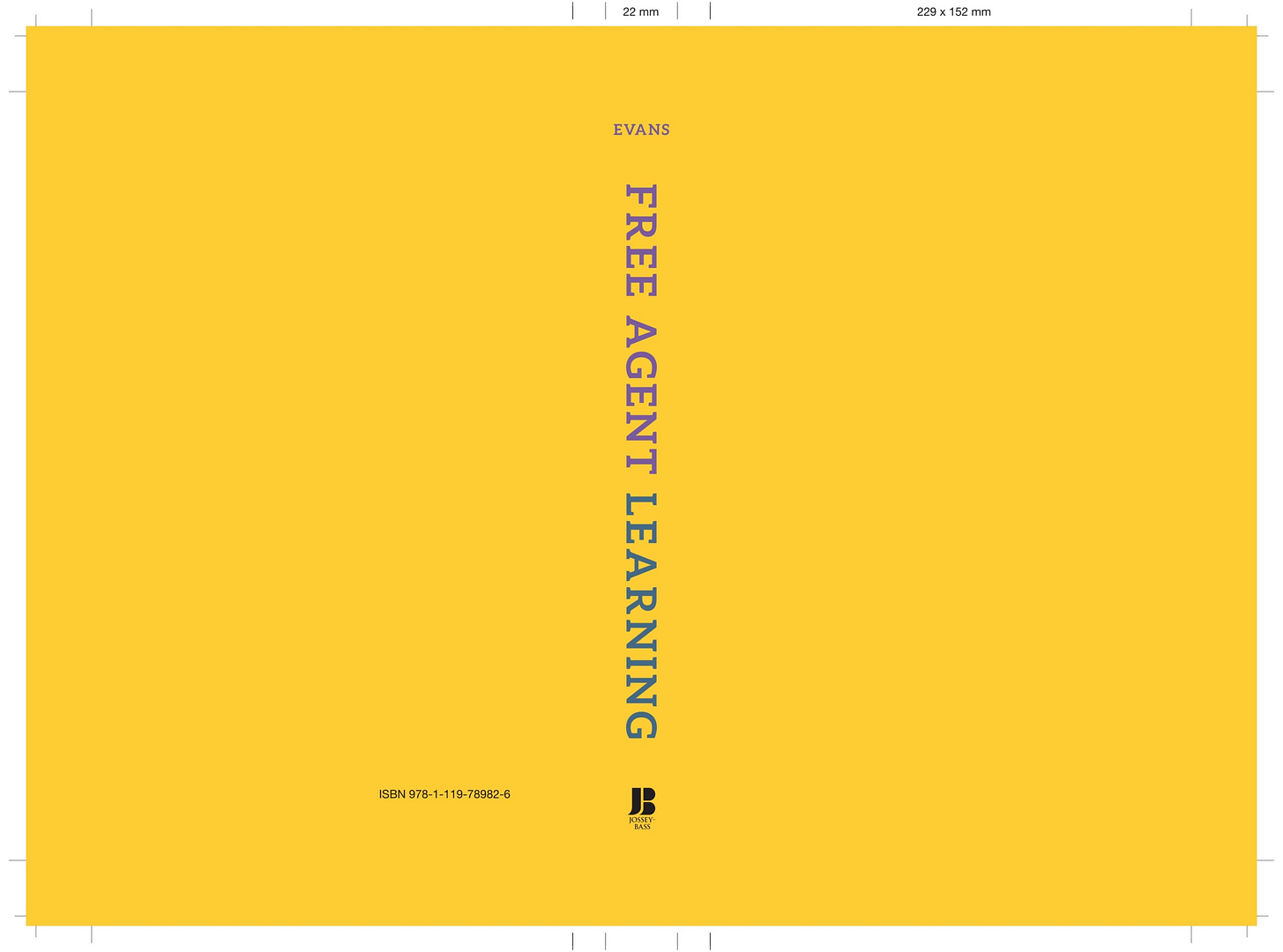
Yep. Amazing. It’s how can we lead learning if we’re not listening. Right? So that ear is right there in the middle. And we’ve been using it in in Laguna. It’s been Mike Morrison helped take my rantings and make them more digestible for people to accept. Thank god. But I think when it comes to, like, a book recommendation maybe, free agent learning by Julie Evans.
Glen Warren [00:46:22]:
Really this was pre the AI deal. Mhmm. Just just before. Yeah. Just kinda, like, COVID ish right around there. Yeah. Perfect time for a book to come out, I guess. Yeah.
Glen Warren [00:46:33]:
But she did she’s she’s the one who led project tomorrow, which has been for over Yes. Well over a decade getting data from the voice of students. By the way, kudos to her for putting students first and getting that data collection, wanting to hear their voice. She’s been doing it the whole time. Yes. She’s a real deal. She’s not a Johnny come lately on this thing. Yeah.
Glen Warren [00:46:51]:
But she, you know, put together this book called free agent learning, and it really unpacks a lot of the stuff that we just just talked about in really practical ways. Not that what we said wasn’t practical, but but but I think it would be really engaging for someone who cares about these things to pay attention to that. Free agent learning sounds great.
Jeff Hittenberger [00:47:09]:
I’m going to go back to 4th July. My wife and I went to the Grand Canyon. I think every time I’m on the show with Bonni and she asks for a recommendation, I mention the Grand Canyon because
Glen Warren [00:47:21]:
it’s like my favorite place
Jeff Hittenberger [00:47:22]:
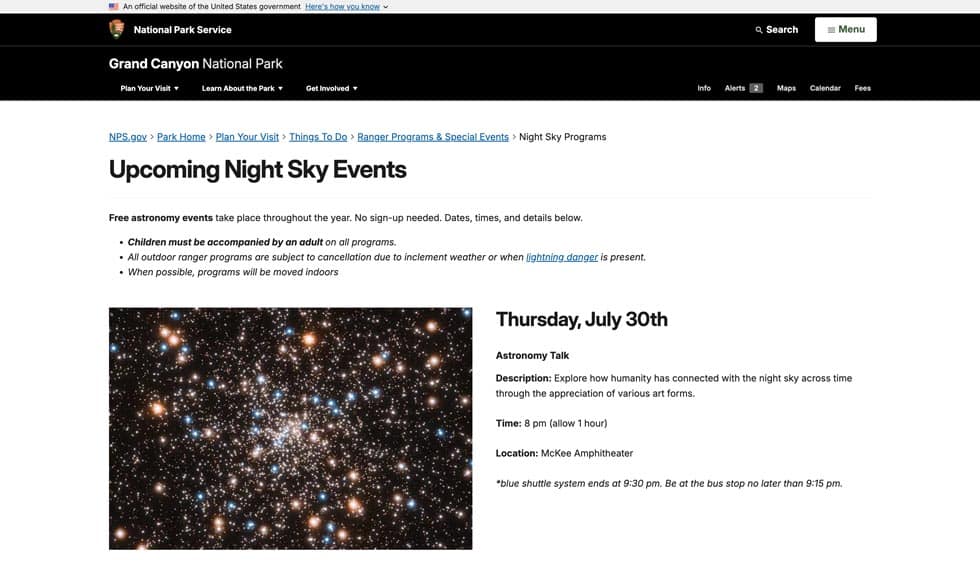
in the world. But on 4th July, when it got dark at the Grand Canyon, there was an astronomy gathering.
Glen Warren [00:47:29]:
Oh, wow.
Jeff Hittenberger [00:47:30]:
And there were several volunteer astronomers with their telescopes set up, and there were bunches of us, bunches of families that were just gathered. And then the sky over the Grand Canyon is unobstructed by city light and so on, and it was staggeringly Beautiful. Beautiful. So if you are ever in a place where you can go to Grand Canyon on 4th July and may have the astronomy, when the sun goes down, it’s one of the most extraordinary reminders of the amazing world in which we live and spurs curiosity. They had Nebula and all kinds of things that I had never seen before, so it’s a great time and a great time with the family. Awesome.
Glen Warren [00:48:17]:
Well, next time I if I’m invited back, I will give you a pizza place recommendation.
Jeff Hittenberger [00:48:23]:
That sounds good too. Thank you, Glen Warren, for joining us on Teaching in Higher Education. My pleasure.
Glen Warren [00:48:29]:
Thank you.
Jeff Hittenberger [00:48:30]:
Back over to you, Bonni.
Bonni Stachowiak [00:48:34]:
Thanks once again to Jeff Hittenberger for serving as the podcast host for today’s episode, and thanks also to Glen Warren for joining the Teaching in Higher Ed podcast. Today’s episode was produced by me, Bonni Stachowiak. It was edited by the ever talented Andrew Kroeger. Podcast production support was provided by the incredible Sierra Priest. Thanks so much to each of you for listening. If you’ve yet to sign up for the weekly update from Teaching in Higher Ed, you could be receiving the most recent episodes, show notes, as well as some other resources that don’t show up on the regular show notes. Head over to teachinginhighered.com/subscribe to receive those emails. Thank you so much for listening and being a part of the Teaching in Higher Ed community.
Bonni Stachowiak [00:49:27]:
I’ll see you next time.
Teaching in Higher Ed transcripts are created using a combination of an automated transcription service and human beings. This text likely will not represent the precise, word-for-word conversation that was had. The accuracy of the transcripts will vary. The authoritative record of the Teaching in Higher Ed podcasts is contained in the audio file.