Follow the Teaching in Higher Ed Podcast
About this Episode
Stephen Bloch-Schulman talks about teaching through experiences on episode 491 of the Teaching in Higher Ed podcast.
When students tell me what they think their beliefs are, what I'm hearing is what they wish they believe, not what they believe.
Stephen Bloch-Schulman
On episode 491 of Teaching in Higher Ed
Voices on this Episode


Show Notes + Resources
- Verified: How to Think Straight, Get Duped Less, and Make Better Decisions about What to Believe Online, by Mike Caulfield and Sam Wineburg
- You’re Doing it Wrong
- Schitt’s Creek Boop
- A critique of methods in the Scholarship of Teaching and Learning in Philosophy, by Stephen Bloch-Schulman
- Teaching through experiences – Interview with Stephen Bloch-Schulman
- Eric Schwitzgebel – Intellectualism about beliefs
- Eric Schwitzgebel’s scholarship
Recommendations from this Episode

Music
Los Pleneros de la Cresta
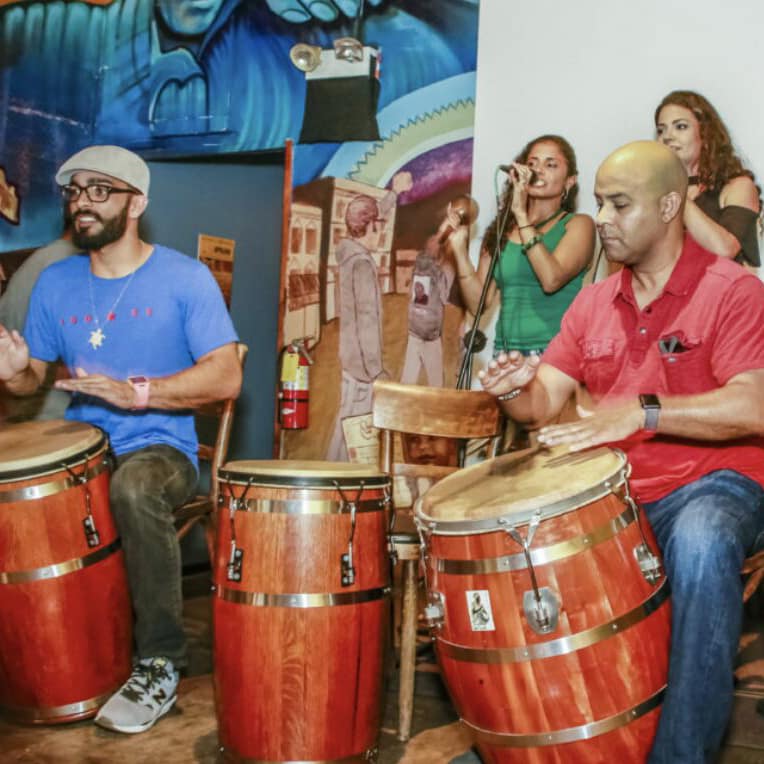
Music
Plena music

Person
Danielle Allen

Idea
Have Final Projects That Are Public

Resource
The Runaway Dinner
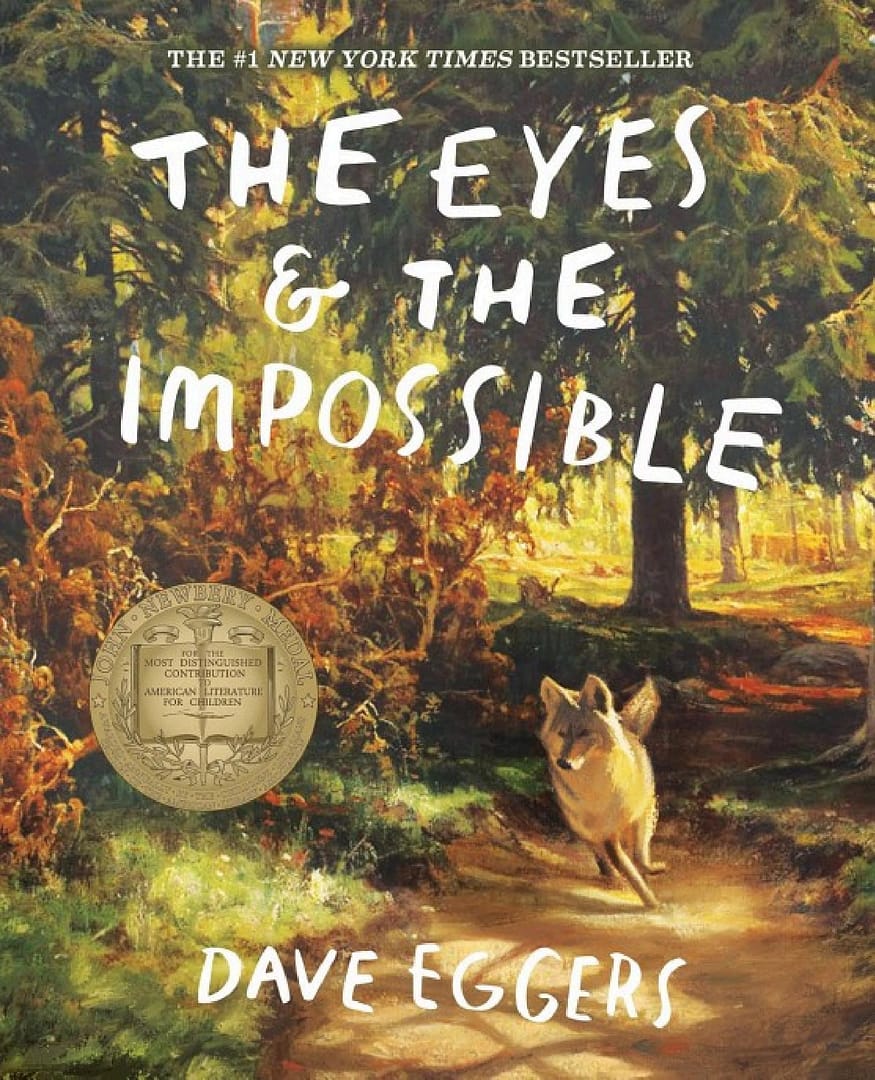
Book
The Eyes and the Impossible by Dave Eggers
Transcript
Bonni Stachowiak [00:00:00]:
Today on episode number 491 of the Teaching in Higher Ed podcast, teaching through experiences with Stephen Bloch-Schulman. Welcome to this episode of Teaching in Higher Ed. I’m Bonni Stachowiak, and this is the space where we explore the art and science of being more at facilitating learning. We also share ways to improve our productivity approaches so we can have more peace in our lives and be even more present for our students. I’m delighted today to be welcoming to the show, Stephen Bloch-Schulman. He’s a professor and chair of philosophy at Elon University, and he works at the intersection of political philosophy and the scholarship of teaching and learning. He was the inaugural winner of the prize for excellence in philosophy teaching awarded by the American Philosophical Association, the American Association of Philosophy Teachers, and the Teaching Philosophy Association. He twice won the Mark Lendlynsen prize awarded by the American Association of Philosophy Teachers for the best article in philosophy pedagogy for a 2 year period.
Bonni Stachowiak [00:01:27]:
He is coauthor with Anthony Weston of Thinking Through Questions, a concise invitation to critical, expansive and philosophical inquiry. He is currently working on a new book, Philosophy for the Rest of Us. Stephen, welcome to Teaching in Higher Ed.
Stephen Bloch-Schulman [00:01:47]:
Oh, thank you so much for having me.
Bonni Stachowiak [00:01:49]:
I wanna start with a confession, but I can start with maybe an anti confession, and that is I’m excited and proud to be reading a book. It’s a book by Mike Caulfield and Sam Weinberg called Verified, how to think straight, get duped less, and make better decisions about what to believe online. And I know that you’re familiar with one of the authors works a little bit more than me and I’m familiar with one of the authors. So when we come together, we’re like those commercials from the seventies about Reese’s peanut butter cuffs. And so, I I am not through the book yet. I am loving it. And for listeners who are interested in this title or these authors works, I do have an interview already booked, so I’m excited about that. But one of the things I already know that I’ve I fall down on, that is a specific type of clickbait title that they’re I already know I’m gonna get warned against clickbait and all that.
Bonni Stachowiak [00:02:45]:
And it’s the title of articles that say you’re doing something wrong. So whether Stephen, whether I’m doing my dishwasher, I’ve been washing dishes wrong the whole my whole life where I’ve been doing my laundry wrong. If it if it says I’ve been doing something wrong, I’m like, boop. I’m gonna click on that. So I felt like as I came into your work and I read some of your articles and you were so gracious to write to me directly and just read and soak in your words, I thought I’ve been doing something wrong. And it’s not laundry and it’s not dishes, it’s much more important to me. And I suspect I’m not alone in that. So could you tell us a little bit about what some of us may have been doing wrong in our teaching as it has to do with belief.
Stephen Bloch-Schulman [00:03:31]:
Well, I’m happy to do my best. I wanna start by thanking you for having me And appreciating the sound that you make when you click things. It’s boop. Boop. Exactly. So how to how to think about beliefs? Well, I could I could start talking about this a couple of different ways. One is through the work of a philosopher named Eric Schwitzgebel, and he talks about what he calls intellectualism about beliefs. And intellectualism about beliefs is the idea that we know our own beliefs, that the way we capture our beliefs is by introspection.
Stephen Bloch-Schulman [00:04:15]:
So if I wanna know what I believe about the sound boop, What I do is I somehow look inside my own thinking and I If I’m being if I’m trying really hard, I take anything else out, and then I just get to my Utter enjoyment of the sound boop when it comes to how useful that sound is. And then if I were in a class or in a meeting or at some point and someone says, do you think about the sound boop? What I do is the same thing. I would look inside myself, inside my own mind, and there would be my feeling, My regard for my judgment of the sound boop, and then I would either honestly or not honestly report, But I would have access to it that I could then choose whether I wanna report it or not. Mhmm. And so intellectualism about belief is this Idea that we have access to our belief and we know what they are. It doesn’t mean we always report them accurately to other people. And and Schwitz Gabel and I both are really skeptical about this idea of belief. One way to think about it is often thinking about what what now everybody calls implicit bias, which is a person who swears that they don’t have a bias.
Stephen Bloch-Schulman [00:05:37]:
But then it becomes really clear in how they behave at other times that their bias comes through. Right. And so the what what I don’t hear is people saying, like, okay, well, if there is such a thing of if there is such a thing as implicit bias, What does it tell us about the nature of beliefs? And what it tells us is that we cannot introspect to gain our own beliefs. We if we wanna know what our beliefs are, we have to find other ways to gain access to our beliefs. And I think a lot about what I I’ve been calling revealed belief, which is not the belief anybody says about themselves, but rather Reverse engineering their set of beliefs from their behavior. So if you are always kind to your dogs And you treat them really well. It doesn’t matter if you say you like them or not. I, watching how you’re behaving with them, am gonna think you have real regard for your dog.
Stephen Bloch-Schulman [00:06:46]:
And so it’s not the what you say about yourself or your beliefs that tells us I think that tells us what our beliefs are. I think what our beliefs are, we could name it that, but I think that’s actually better understood as what we want to think of ourselves. That’s who I want to think of myself as. I wanna think of myself as a person who has no biases that treats all People regardless of what group membership they’re in or how they act or how I perceive them as equal And as full human beings. That’s how I want to think of myself. Right? And I think what we’re doing when we’re talking about beliefs is often just Naming how we wish we were. I really wish I treated everybody like that. So if I’m in a philosophy class and we’re talking about ethics, And the teacher says, should we treat everybody well? Should we treat some people different than others? I’m gonna you know, I’m willing to argue to the end of time.
Stephen Bloch-Schulman [00:07:46]:
Of course, we should treat everybody that way. I don’t think it’s because I believe it. At that point, it’s not clear what I believe. It’s because I wanna believe. Right. So I think the intel the the in the introspective move is a move towards what we want to think of ourselves. I wanna think of myself as a good person. I am white.
Stephen Bloch-Schulman [00:08:10]:
I wanna think of myself as a person who even though is white, is doing right by people of color in lots of different ways. As a teacher in my work in the community, I really want to Think of myself that way. And so if I’m asked, if I’m in a conversation, I’m absolutely gonna, Articulate the importance of, being that kind of a white person. And I’m gonna try, like, I’m gonna Pat myself on the back for doing it, but then try to make sure that I don’t see myself pat myself on the back, so it’s not like I gained the advantage. Right? Super complicated, but what’s not going on is what my what I really believe. What I really believe is not what I want To believe, but is how I act in the world, and we can reverse engineer it from the behaviors that I engage in. And so what I think we do in class so in philosophy class, we spend a lot of time asking people what their beliefs are and Why they have those beliefs and try to have them critically examine their own beliefs. In this really terrific paper, David Concepcion and Kate Thorson talk about 2 different ways of about learning, one is additive learning where, there’s stuff you just don’t know about and then you learn about it.
Stephen Bloch-Schulman [00:09:40]:
So I don’t know about much about astrophysics. Someone said the other day there is now evidence that the big bang didn’t happen, anything like that. I don’t know anything about it, so I could read about it. That would be additive for me, Because mostly, it’s just like adding new information. I have nothing at stake in the information. I’m just adding new stuff. They distinguish it from evaluative learning, and evaluative learning is where you have a close set of belief And you’re critically examining the beliefs you already have. And so much of philosophy is Examining the beliefs you already have.
Stephen Bloch-Schulman [00:10:18]:
We might read other people’s work, but so much of it is reading other people’s work because of how well they help us do evaluative work. So when when you read Foucault and he talks about the repressive hypothesis, It reveals to you your own set of assumptions about desire. When you read a rant On the nature of totalitarianism, it reveals to you your own understanding of human motivation And and calls those into question. And so in philosophy, but I think in lots and lots of disciplines, what we’re trying to do is Ask students to critically evaluate their own deeply held beliefs, or that’s what we think we’re doing.
Bonni Stachowiak [00:11:06]:
Yeah. Yeah.
Stephen Bloch-Schulman [00:11:07]:
And so we’re So we’re assigning work that we think is gonna push them to evaluate their own beliefs. We’re gonna ask them to defend their claims, which is a way of saying, like, okay. Now you have a belief. Now make that belief public and give reasons for the belief that you have. Right? So there’s all this work we have about beliefs in the humanities. Lots of it is That kind of evaluative work, but also in other fields, the assumption is that if you put it down on the test that you believe that that’s true, But not if that’s not how you opt. Right? So if you’re learning the limitations of Newtonian physics in your class and all of your answers on the exam recognize that you can use the language of a person who is Unconvinced by Newtonian physics or sees the limits of Newtonian physics. But then you walk outside and you act the way a person would act that believes in Newtonian physics, that’s the same problem.
Stephen Bloch-Schulman [00:12:14]:
Right? The same problem because what’s going on in class and what’s going on in your behavior in your out of class life. I mean, it’s also happening in class, but it’s out of the specific Framing of you as a student, that those are those are are different things and we ought to take seriously the beliefs That are revealed in action and have been guiding our actions. And so I do want students. So in some ways, I’m traditional in that. I want students to critically evaluate their beliefs. That’s like lots of philosophers want students to critically evaluate their beliefs. The difference is I don’t think asking them what their beliefs are is gonna tell me anything other than what they wish their beliefs were. And so in lots of classes, I don’t know that there are any that it doesn’t come up.
Stephen Bloch-Schulman [00:13:12]:
I’d have to think about that. I think we just get belief wrong. I think we we act as if, the ability to say back something or even to enact it in a laboratory or enact it in a classroom tells us, everything we need to know about what a student believes, and I think the opposite. I think it tells us very little. I I like to think of it I like to think of the classroom, So there are all of these assumptions about about that students bring to the classroom about that setting. So I often describe the classroom as a place where students tend to suspend disbelief. The work is not the real work. The work is like, oh, yeah.
Stephen Bloch-Schulman [00:13:59]:
I’m gonna, like, go through the motions here, but it remains distant. And I also like to think about it like it’s an ideas party, and it’s a fancy party. And so you’re not bringing All the stuff you do at other times, you’re not bringing that to your to the fancy party. You’re saving that for the times you’re not dressed up and going out To a fancy party. So what we’re what you’re seeing is not what the students think or even say they believe or think they believe any other time. But in the class, they bring the self they wanna show I should say, they wanna show A self that they have read to be the self that is acceptable to a different group of people and in different ways to different groups of people. So it might be a student who is really excited about the class, but if he shows that he’s excited, He’s worried that people will will think he’s not of a certain type that that he wants to be of that type, or A student will act like they do really like class and are really into it and then never think about it again. Right.
Stephen Bloch-Schulman [00:15:13]:
And and what I’m worried about when students tell me what they think their beliefs are is that I’ve know that What I’m hearing is what they wish they believe, not what they believe. And so what I feel like is necessary And I have been working for years to try to think through and learn how to facilitate our top our Pedagogies where students reveal their belief in ways they don’t even know that they’re revealing their beliefs. I’m not asking them what they believe about this thing. I’m asking them to participate in an activity, and Through the participation of the activity, they are revealing what their beliefs are, and then we get to ask After the activity is done, what were your beliefs that guided that activity? So one example is I often ask students in class to make a decision about some aspect of the syllabus. And it’s usually Not a huge aspect of it, but I make it an either or choice that they’ve got to make and they’ve gotta make it as a as a class. It’s either We’re gonna have 2 exam take home exams, or you’re gonna have 3 shorter essay. That and there’s no, Some people can do 1, some people can do the other. That’s what we’re gonna do.
Stephen Bloch-Schulman [00:16:39]:
You you don’t because I need to help you either Learn how to write essays well or learn how to take test well, we’ve got to do 1 or the other. Okay. So I say, it’s a choice that you all get to make, And I go and sit way in the back of the class because if I don’t do that, they are constantly making eye contact with me as if I As if they’re talking to me rather than talking to each other. So they start talking to each other. And every time I’ve done it, the same thing happens, which is this. There are between 3 5 comments. Someone takes one side, maybe a second person takes that side, but They’re not done. They know they’re not done until someone speaks for the other side.
Stephen Bloch-Schulman [00:17:22]:
Once they’ve got 3 to 5 comments, at least 1 on each side, someone calls to vote. And the way they call the vote is they just say, let’s vote. No one asks, is it the right time to vote? Do we need to hear from other people? They say, okay, let’s vote. The person who called the vote says, everybody who wants x, raise your hand. Everybody who wants y, raise your hand. And then this is so interesting. It always happens. They look at me.
Bonni Stachowiak [00:17:48]:
Wait. Oh, I wanna go back just ask a clarifying question, sure I’m understanding that.
Stephen Bloch-Schulman [00:17:52]:
So Yeah. Yeah. Yeah. Yeah.
Bonni Stachowiak [00:17:53]:
You said it goes the same way every single time someone speaks for the other side. So you and you don’t you don’t identify anyone to facilitate this conversation. You just say
Stephen Bloch-Schulman [00:18:01]:
Nope. No. No. No. Group Nope.
Bonni Stachowiak [00:18:03]:
You’re doing this. You go in the back, so there’s not the temptation for eye contact, and and always somebody speaks for the other side. That always happens a 100% of the time?
Stephen Bloch-Schulman [00:18:12]:
Yep. I have 3 to 5 3 to 5 comment. In those 3 to 5 comments, someone has to speak for both sides. If you don’t have someone speak for both sides
Bonni Stachowiak [00:18:21]:
You tell them. Yeah. That’s part of the instructions, or that just happens naturally?
Stephen Bloch-Schulman [00:18:25]:
No. No. No. No. No. I the I’ve the whole instructions are That’s it. Here’s a decision you all need to make, And I’m gonna go over into the back, and I will wait until you are done making the decision.
Bonni Stachowiak [00:18:35]:
Got it.
Stephen Bloch-Schulman [00:18:36]:
That is the entire day of the instruction. I haven’t told them Process, I haven’t told them what counts as making a decision, I’ve just let them go. Got it. I said, you need to make a decision as a group. And I’m gonna let you make a decision, and I’m gonna stand over there until you’re done. And what they have done is made it into a mini debate where There are 2 sides and 1 person will say something on one side. I always hear someone talk on the other side.
Bonni Stachowiak [00:19:02]:
Mhmm.
Stephen Bloch-Schulman [00:19:03]:
There are always Only 3 to 5 comments.
Bonni Stachowiak [00:19:06]:
And always the vote the decision making process that gets quote unquote naturally decided is voting as a method of Making This Decision.
Stephen Bloch-Schulman [00:19:15]:
Yep. Oh, yeah. Yeah. Yes. I no. I have said nothing about how they’re gonna make decisions. They always decide to vote. It always sounds like 1 student saying, we should vote.
Stephen Bloch-Schulman [00:19:27]:
That student then calls for a vote, the 2 choices, And then they turn to me and I’m sitting in the corner and they look at me and I just wait. And they look at me and I wait and then they say, we’ve made a decision. Now what they haven’t done is Anything having to do they haven’t talked about what how a vote matters. They haven’t talked about How much of a vote how the voting needs to go? Is a 50% plus 1 majority enough? Do you need a 2 thirds majority? Do you need consensus? Do we need how much discussion do we need? Is it enough discussion to really call a vote? What if someone is really pissed? Does the not just preference, but the depth of the feeling of preference matter. Right? So you can have a thing where it’s like, Everybody who feels strongly should vote. But if you don’t feel strongly, just, like, let’s just let the people who feel strongly vote Because if you don’t feel strongly, let’s let other people right? And so maybe it’s only 2 people who feels wrong. No. No.
Stephen Bloch-Schulman [00:20:34]:
No. None of those happen. What happens is 3 to 5 comments, Someone says, let’s take a vote. They vote one side or the other, and then they look at me as if that has solved it. Mhmm. What they haven’t done is any meta they haven’t done any meta commentary. They haven’t talked about the They haven’t in no way, like so it’s all just this what feels like an automatic, a Set of assumptions that they are all making together that this is how decisions get made. Mhmm.
Stephen Bloch-Schulman [00:21:09]:
And so they turn to me and say, okay. We have a decision, and I don’t say anything because I don’t think they have because they haven’t set up what it means to vote. And then they say, oh, yeah. Yeah. We we decided that, you know, that it’s gonna be exams and not What essays, whatever it is. And so they just revealed to me all of these assumptions that they have about the nature of collective decision making. That the way collective and about democracy. The way collective decision making works is we do have to hear from people who have Difference of opinion, but not very much.
Stephen Bloch-Schulman [00:21:49]:
We do take into account, feelings of How strongly, but only in the tone of the people who have decided to speak. We don’t have to talk about when enough there’s been enough talking. We don’t have to decide carefully about the meaning of voting and how much voting and whether it should be, public voting or or anonymous vote, like, all of these things are just assumed one after the other after the other after the other Ask the other. I haven’t I don’t think if I understand them what their beliefs are about democracy or about collective decision making that they mostly would have much to say at all. Like, I said, like, how do you think how how does collecting decision making work? They’re gonna look at me like I don’t even understand the question. But what’s clear is they have a script, And they are playing along with the script. And the fact that I’ve done this dozens of times and every time it turns out exactly according to script tells me something really important about their shared beliefs about the nature of democracy, of respect, of collective decision making and all of these things. And so now I have a chance to Ask them to think with me what their assumptions were.
Stephen Bloch-Schulman [00:23:20]:
So, okay, you’ve made the decision. Fine. That’s the decision we made. K. Now, let’s talk about the assumptions you made that nobody said anything about. Like, here are all the decisions you’ve made. No one said anything about any of them. What do they tell us about your understanding about collective decision making? What do they tell us about democracy? So we try to uncover together The revealed beliefs that they have that they’ve just shown in the behavior that they’ve done collectively.
Stephen Bloch-Schulman [00:23:50]:
And then So we have this long talk, we then end up reading all this stuff that ask questions about Collective decision making and democracy and respect and all of these things. And then I give them chances to do it again later in this semester so they’re gonna make decision. But I don’t say, like, oh, here’s this chance to show that you learned something early. I just say, Oh, you know what? We we’re not gonna have enough time for all the quizzes that that I had planned in the class because we had a couple of snow days or something that went wrong. So here are 2 choices about how we’re gonna deal with this. Either we’re gonna do this or we’re gonna do that. I’m gonna let you all make the decision. I’m gonna go stand in the corner And have you all decide.
Stephen Bloch-Schulman [00:24:36]:
And I get to watch if and whether that earlier work has had an impact on The behaviors, not that I’m asking them what do you believe about collective decision making, but I get to see them make a decision again and get to ask afterwards if you make it the same way. If you made it the same way, Was it because you thought the way we made it you made it the 1st time was a great way to do it or you just weren’t thinking about it as, Opportunity to show a different sense of how collective decision making works. And so Sometimes I even get a, like, a 3rd or 4th iteration in a class Mhmm. Where they’re making 3 or 4 decisions about the class. And each time we’re getting to ask, okay, did you make it the same way? What does that say about what your your Reveal beliefs are and what does it say about the conversation we’ve had in class. So that’s one example of how I think we can Elisit the beliefs, but not the beliefs that students self identify as their beliefs, but rather The beliefs through, an activity.
Bonni Stachowiak [00:25:55]:
I guess before we get to the recommendations segment, I might ask you to reflect a bit on what advice do you have for those of us who are gonna try these kinds of activities just knowing, like, the volatility that is not only possible, but I might even argue probable when you’re asking people to confront these parts of themselves that they probably are not accustomed to confronting.
Stephen Bloch-Schulman [00:26:21]:
Yeah. I I it’s so important in a way that asking them what their beliefs are and then believing what They say is just not because because they’re gonna tell you what they want to be seen as believing And they can protect themselves in ways that it’s hard to protect yourself if you’re not if you can’t filter and decide how you wanna show up in that space. I think that’s absolutely right. I would say, I try I think about this a lot and some of the things that I do, one, I am really clear About my own identity, and I talk about the fact that, about my own privilege. And not and not just, Like, I look like a white person, but that I was raised by, you know, in a family in a in a fancy town, in a really nice house. I went to a fancy school. Both of my parents had postgraduate degrees. I wanna be really clear about who I am.
Stephen Bloch-Schulman [00:27:34]:
I wanna be as much as possible, humble about what I don’t know. One of the ways I do that is I often Try to teach things that I don’t know very much about and I try to teach things that I don’t know much about, but I but I know students will know things about And so they we get to share our expertise rather than me being an expert. And and an example of this is I Oh, I teach a rap class. So as a as a as a white guy of a certain age, being the instructor for the rap class is a surprise for lots of students for good reason. And I know a lot about early rap, but I really don’t know much about rap after about 2000. And I teach it chronologically, so I give them I give them so much of the early history of that. And then we get to the later part and I’m, like, I have no idea who these people are. Mhmm.
Stephen Bloch-Schulman [00:28:36]:
Who do you like? Why do you like them? What’s going on today? What is the current scene like? I used to pay attention to, underground rap and know all of this stuff, and I haven’t in a lot a long long time, But it works best when there are serious rap fans in the class and it can really shift.
Bonni Stachowiak [00:28:58]:
Alright. This is the time where we each get to share our recommendations and I have one. And most of the reading that I do these days is digitally, but as soon as I saw this book, I knew that I wanted to have a copy of it. It is a book that is one of those that is designed to be for young adults that I think is also really great for old adults, and it is called The Eyes and the Impossible by Dave Eggers. Some people may
Stephen Bloch-Schulman [00:29:31]:
Oh, David. Yeah.
Bonni Stachowiak [00:29:32]:
I was gonna say some people may recognize Dave Eggers’ name. Where do you associate Dave Eggers from, Stephen?
Stephen Bloch-Schulman [00:29:40]:
Oh, just a whole set of his early books and the work he does at McSweeney’s.
Bonni Stachowiak [00:29:45]:
Yeah. I only knew I only knew him as McSweeney’s. Like, You say Dave Eggers. I say McSweeney’s. I’m embarrassed to say I didn’t even realize he was an author, which of course those of you that know his work are laughing at me right now. And it’s okay. There’s some things you don’t know too. People who are laughing at me.
Bonni Stachowiak [00:29:59]:
Anyway, so I’m gonna read the description of the book. It says, the eyes and the Impossible is the story of a dog named Johannes. Johannes is a free dog, a fast dog, such a fast dog. He lives in an urban park by the sea, and every day, he runs through the park seeing all, missing nothing, and reporting what he sees to the park’s 3 ancient bison, the keepers of equilibrium, but the equilibrium has been disrupted. Mysterious rectangles are hypnotizing, Johannes. Humans are erecting a strange new building, and an entirely new kind of animal has arrived in the park, and there are hundreds of them. Johannes must run faster, see better, and ultimately, do more than run and see. He must liberate those he loves.
Bonni Stachowiak [00:31:01]:
I’m not even skimming the surface of how special this book is because why I wanted to order it in the 1st place is it is not bound the way most of us might specked as a soft cover or a hard cover, it is actually bound by what to me feel like 2 pieces of wood. Someone may correct me and say that’s not actually wood, but they sure feel like wood in my hands. And the cover, the title of it is actually engraved such that you could poke your fingers through the holes of the letters and feel that cover page, you know, through the through the indentations in the cover. And then as if that wasn’t enough as it is, I mean, it’s an incredible book to hold in your hands. The pages are very very special. They’re very smooth. They’re very light and and feeling delicate as you read them. But the other thing that makes it really special is the illustrator.
Bonni Stachowiak [00:31:53]:
So Shawn Harris is the illustrator and what Shawn Harris has done is taken all of these beautiful paintings of landscapes that by my untrained eyes, I assumed were by the same artist. But as I got to the end of the book and read more about the illustrator, it turns out that the artistry is from multiple landscape artists, but Shawn Harris has put the character Johannes, the dog that we heard about earlier into each of the paintings. So it’s creating this thread of multiple artists. I mean, it’s just absolutely beautiful. I read it to our daughter, and that was a really nice bonding time. We do a lot of reading together, she and I, these days. And it was nice to move off of Nancy Drew. If you’ve been listening for a while, you know that’s all that she really wanted to read for a while.
Bonni Stachowiak [00:32:49]:
And now we are on to different kinds kinds of books, and I will probably be recommending some of the other books that she’s been reading with me lately too. But just such a special, special, special book makes a wonderful, wonderful gift, and you can get to that link for more information about it. But it’s really I don’t I can’t really think of many times where I’ve had a book that just feels this special to to to have for all these very, very, very unique reasons. People that have been listening for a while know we’ve been doing all these shows recently, and we’ll continue to have conversations about artificial intelligence. So I continue just to be intrigued about things that only humans could do, only a human, and a human as amazing as Dave Eggers and his illustrator, Johannes Shawn Harris. This is only something that humans could do, and just such a beautiful, beautiful work of art, work of beauty, really, really captivating story that gets us asking a lot of questions. So that’s my recommendation and, Stephen, I’ll pass it over to you for yours.
Stephen Bloch-Schulman [00:33:49]:
Oh, gosh. I I love it. So it’s very hard to pick 1. So I have 4.
Bonni Stachowiak [00:33:56]:
I’m ready.
Stephen Bloch-Schulman [00:33:57]:
I saw that I’m like I mentioned that I really like rap. Chakti called rap the CNN of the hood And there’s a an type of music that I just learned about called Plena music, and it is a Puerto Rican style of music played on flat drums that you can carry with you wherever you go, and so they Create the possibility for everybody to show up with their own drum at a event so it’s really participatory. Everybody gets to play, everybody gets to sing, and plan a is is called it’s referred to as the newspaper of the People. And the group, Los Pleneros de la Cresta, is just this amazing China group. There are lots of others, but that’s the one that I I just cannot listen to enough. So that’s thing 1. Thing 2 is Danielle Allen who is an author but so much more. Her written work is amazing.
Stephen Bloch-Schulman [00:35:12]:
Her lectures are amazing, but, also, he just is Going through life in a different way than other people. She’s just amazing. Some place to start is talking to strangers, anxieties of citizenship since Brown versus Board of Education, but because is Another excellent one, it’s about a cousin of hers who is incarcerated and she helped them while He was incarcerated and then he ended up coming out and having a violent death. And she looks at All of the ways things had gone wrong in this really profoundly humane and critical way that I think is often missing. I think it’s very easy to get the critical and not the humane In academic spaces. And it’s not really it’s not a super academic work, but Danielle Allen’s work and her, like, she’s just tremendous. My favorite book ever to read to children is called The Runaway Dinner, And I cannot express how much joy the words themselves and the order of the words has brought to my life. It’s just an unbelievable joy to read.
Stephen Bloch-Schulman [00:36:34]:
I read a lot of children’s books. It is alone In the writing style, it’s just it’s just so much fun, to read and to hear. So the runaway dinner, just terrific. And then a recommendation for those of us who teach is To have final projects that are public where, I I take it back. It doesn’t have to be final projects. I I also do what I call open classes. So in a regular in a regular course of a semester, There might be issues that I think other people on campus would really wanna talk about. And so I will we’ll change the class time and we’ll have class At night and invite whoever wants to come to talk about the thing that we’re talking about.
Stephen Bloch-Schulman [00:37:26]:
And then if we do it Three times. I usually mostly lead the first one. Students and I colead the 2nd, and the third one is mostly on the students to lead. And so they’re leading A conversation about the materials that we’ve done in class to a group of participants who often include faculty and staff and their friends. And then the final and then the final, I just there’s something incredibly powerful Not having a final project that shows up as a thing that students want to invite their friends to. And so I try to craft opportunities that students will Change into something that they then are interested in doing and wanna show off to their friends.
Bonni Stachowiak [00:38:21]:
Stephen, thank you so much for all of these challenging ways that you have helped us to sort of uncover where some of our existing approaches for teaching may not be getting us the results that we want. I really appreciate the way you’ve introduced a very healthy kind of cognitive dissonance for me or helped uncover that for me. And I feel so much hope and excitement to trying even more of these activities because I really do believe that these things can make a huge difference. So thank you so much for the connection. I hope this is just the first of many conversations, the ones we’ve had over email and this one and who knows, maybe even 1 on 1 someday beyond today. But just thank you so much for your time and generosity and the way that you really challenge us in great ways.
Stephen Bloch-Schulman [00:39:04]:
Well, thank you so much. It’s it’s just a pleasure. It’s really a pleasure to be with you.
Bonni Stachowiak [00:39:11]:
Thanks to Stephen Bloch-Schulman again for being a guest on Teaching in Higher Ed, and thanks to each of you for listening. If you’ve been listening for a while and you’ve yet to sign up for the email update that I send once a week, head on over to teachinginhighered.com/subscribe. You’ll receive the show notes for the most recent episode, and you’ll also receive a lot of resources that are not provided on the dedicated show notes pages. So head over to teachinginhighered.com/subscribe, thanks so much for listening, and I’ll see you next time on Teaching in Higher Ed.
Teaching in Higher Ed transcripts are created using a combination of an automated transcription service and human beings. This text likely will not represent the precise, word-for-word conversation that was had. The accuracy of the transcripts will vary. The authoritative record of the Teaching in Higher Ed podcasts is contained in the audio file.