Follow the Teaching in Higher Ed Podcast
About this Episode
Debbie Baff talks about surveying social and open learning on episode 248 of the Teaching in Higher Ed podcast.
The value of an open digital badge is not the badge itself — it’s the learning behind it.
Debbie Baff
On episode 248 of Teaching in Higher Ed
Voices on this Episode


Show Notes + Resources
- OER Wales Cymru
- OER15
- Catherine Cronin on Episode 152
- #LTHEchat
- Association of Learning Technology
- Virtually Connecting
- Mozilla backpack
- Sue Beckingham
- Chrissi Nerantzi
- Eleanor Beer
- Back of the Napkin: Solving Problems and Selling Ideas with Pictures, by Dan Roam*
- https://bryanmmathers.com/
- https://chrissinerantzi.wordpress.com/
- The Sketchnote Army
- The Sketchnote Handbook: The Illustrated Guide to Visual Note Taking, by Mike Rohde *
- Paper Fiftythree
- Procreate
- Adobe Sketch
- Sheila MacNeill
- Sue Beckingham reflects on #SocMedHE18
Recommendations from this Episode
Product
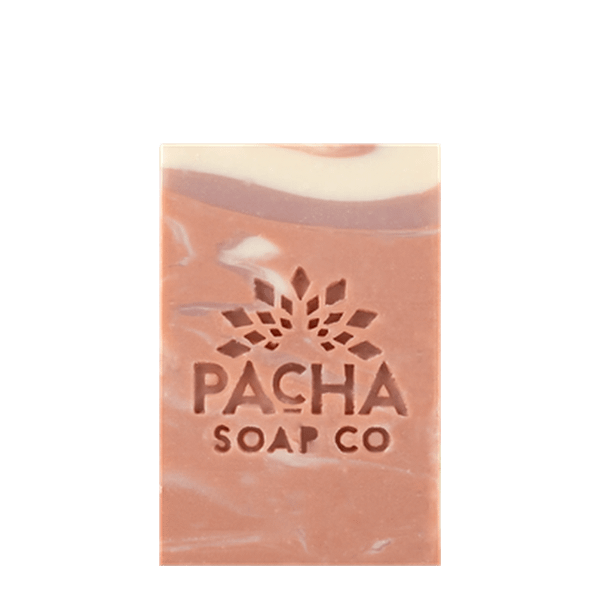
Pachasoap

Resource
LTHEchat

Resource
BYOD4learning

Resource
OER19

Product
31 Bits

Resource
Bryan Mathers
Product
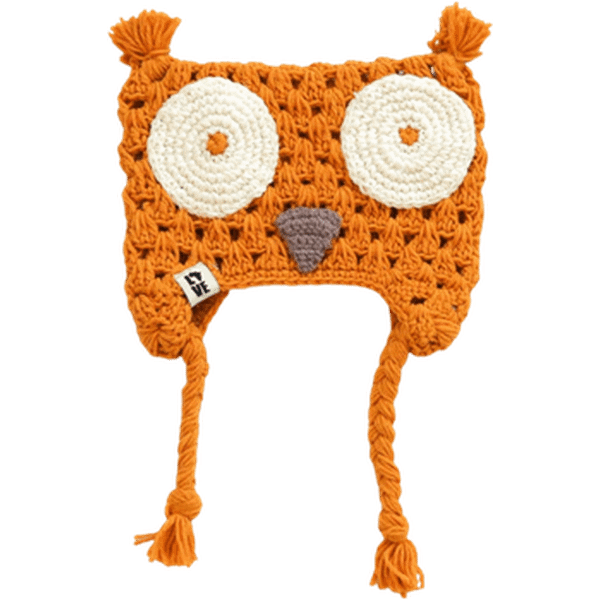
Krochet Kids
Transcript
Bonni [00:00:00] Today on episode number 248 of the Teaching in Higher Ed podcast I welcome to the show Debbie Baff to speak about surveying social and open learning.
Production Credit [00:00:13] Produced by Innovate Learning, maximizing human potential.
Bonni [00:00:23] Hello and welcome to this episode of Teaching in Higher Ed. I’m Bonni Stachowiak and this is the space where we explore the art and science of being more effective at facilitating and learning. We also share ways to improve our productivity approaches so we can have more peace in our lives and be even more present for our students.
Bonni [00:00:50] On today’s show I am welcoming Debbie Baff. She is a delight to speak with and I’ve actually been waiting to speak with her for more than a year now, we’ve been back and forth as you will hear. She’s a Senior Academic Developer at Swansea University in South Wales in the United Kingdom. She has been working in higher education for over 20 years and a number of different roles along the student life cycle. She is an advocate for open education and community learning and is a self confessed lifelong learner. She has always worked full time and studied part time. She has a Masters in Online and Distance Education, an MSc in Business Psychology, a professional certificate in Management, and B.Sc in Psychology. And in a previous life she was a fully qualified chartered surveyor, which if you don’t know what that is, in the episode you’ll find out right along with me. So her route into education is somewhat different. Her current obsession is studying for a part time online Ph.D. in E Research in Technology Enhanced Learning at Lancaster University. And she just started her third year. Her research interests are around the areas of open online and social learning. She’s also interested in the use of Digital Open Badges in education. And she is an enthusiastic amateur sketch noter. And on a personal note, she has a supportive husband, two wonderful children, two lazy cats a very energetic dog, and two sleepy hamsters. She also drives a bright pink car and loves anything pink and sparkly.
Bonni [00:02:31] Debbie Baff, welcome to Teaching in Higher Ed.
Debbie [00:02:33] Hi Bonni, it’s great to be here. Thank you.
Bonni [00:02:36] I’m so glad to finally be talking. My husband asked who I was going to be speaking to today and I was trying to remember when we first started. I said this has the longest invite ever. We had our own series of “yes, but not now” and then I thinkk we have been going on about a year now.
Debbie [00:02:54] I think so, it’s something like that. It’s really good to be here.
Bonni [00:02:57] And it is lovely having you here. You have been working in higher education for over 20 years and you’re also now in the role of student. Can you tell us where you are in that studenting? And what are some of the observations you’ve been having lately in that experience?
Debbie [00:03:14] Yes I’ve been studying for longer than I can remember now. I met a Ph.D. students in Lancaster University, a part time online distance based course. And I just got into my third year. So the Ph.D. is in E Research and Technology Enhanced Learning, which is kind of handy because it’s kind of related to what I do, although I am completely self funded. I should just get that in there. I started it with a great sense of trepidation really. But I’m hanging on by my fingertips so I’m still… It’s good fun.
Bonni [00:03:52] Yeah so much of that with formal education is just putting one foot in front of the other and checking off the next thing on the list and it can be hard because you’re also such a passionate lifelong learner and you pursue so many things that are outside of, perhaps I mean somehow related, but that can be a little challenging certainly with the funding as a real challenge as well.
Debbie [00:04:16] Yeah there is. Obviously with part time funding as well. That’s always a challenge. But it’s something that I’ve always enjoyed studying, I have always enjoyed learning. So it was something that I wanted to do and obviously I’ve got a very supportive hubby who kind of helps run everything when I got my head and a book or what have you.
Debbie [00:04:34] So yeah it was kind of something that I just I wanted to do. I thought I’m studying anyway, I’m kind of reseraching all this stuff anyway so might as well get something out of it, that was my plan. And I started on a doctoral program that was designed as a cohort which is unusual for a Ph.D. course. And I have got to say Lancaster University really got it. It’s on the money because in terms of the support I get from the other people in the cohort, it’s really tremendous. It’s a really good way of doing it. There’s lots of peer reviewing when doing assignments and things like that. There’s lots of WhatsApp groups going on. There’s lots of discussion forums. It’s a really good way of providing that support and backup for Ph.D. students. So I’m forever in awe of some of the people in my cohort, they are very clever people.
Bonni [00:05:22] Well there’s something else that came out in your bio that I didn’t know if it was like an American thing where we call them lawyers and then you call them barristers, because you said that in a previous life you were a fully qualified chartered surveyor. And that is not something that’s familiar to me and I don’t know if it’s just because of a lack of education about this or if there’s a cultural difference. Can you tell us what that is?
Debbie [00:05:46] Right. Sure. I think you might refer to it in the state as real estate.
Bonni [00:05:51] Oh yes yes yes.
Debbie [00:05:52] But like commercial real estate. So over here we refer to somebody that sells domestic housing as a as an estate agent and somebody that kind of puts a value on commercial property or there’s there’s various different versions of surveying, they could be building surveying or they could be land surveying, retail, industrial, that kind of thing. And there’s something called an estate management strand. So yeah I was at a chartered surveyer with an estate management firm. It basically meant that I worked to cross retail, industrial, commercial properties, residential lands, that kind of thing. And funny enough, I did all my surveying qualifications the hard way, part time and by distance in the days when we didn’t have the Internet, we didn’t have word processing so I literally was handwriting all of these assignments and sending them off. So I’ve gone through the elements of it as well. And I think if I’m honest, when I got made redundant in the recession it was about 1996, I think around then and having done all my qualifications part time, I really found that I missed the studying, which sounds really odd but I really missed it so I started studying with the Open University at that point just for something to do.
Debbie [00:07:10] And so I went to a summer school at the university. And it was at the University of Bath and I went there on a weeklong summer school and met a lady there who worked in student support. And I know very drawn out story but I I actually hurt my back while I was there so she came to kind of look after me. And as we got talking, I thought you know what I could do that. That’s really good. So I kind of started to think about changing and moving out of the surveying profession and going into education so that’s what kind of [?] Me to do something really.
Debbie [00:07:43] And as I was working for them, I literally rang them up and said “if you have any jobs going, can I come and work for you?” I wanted to do that. Can I be a student support adviser? And they would like “yeah right, you don’t know anything about student support but you can come and work in our post room.” So I went and literally stuffed envelopes for a year which was quite good fun. And I stayed there for quite a few years there and I kind of moved around within the open university.
Debbie [00:08:10] And obviously then while I was there as well I carried on studying with them. And a position came up there, a part time position as well as the full time role which was to be an associate lecturer in one of the first online courses they started running. It was only a little course but I kind of put myself forward for it and then they took me on for that element as well.
Debbie [00:08:30] And then I got interested in studying with the online side of things, so that’s when I started my Master’s in Online Distance Education. But the great thing about the OU is you can kind of put things down, you can kind of take a break and then you can go back and pick up your studies where you left.
Bonni [00:08:46] Oh that’s great.
Debbie [00:08:48] It’s really handy. I mean I think if you look at my bio, I think I originally started my Master’s in something like 2001 and I ended up not finishing it until like 2015. It took me all that time. But in the middle of all of that I got married, I had two children, I started and finished another Masters with another organization that I work with. So it all kind of worked out for the best. But yeah I think it’s funny how these things work out. And I find there’s a lot of people in learning technolgy I’ve kind of got that from such a weird route, we have all got different ways of ending up there. But in a very odd kind of way, all the different things that I’ve done have kind of led me to this place now where I am working as an architect developer trying to help people embed learning technology in their everyday life really. So I’ve kind of, I suppose, drawn upon actually studying as a student on that element and that has really really helped me.
Debbie [00:09:48] I really think it’s crucial that if you’re going to teach online you really need to experience it as well to kind of put yourself in the student’s position. So I’m quite strong believer in that really.
Bonni [00:10:00] One of the things I’m so excited to talk to you about today is a social learning. And I think we almost have to map it also to online learning too, because so much of that social learning takes place online. Would you speak a little bit about how you first became interested in social learning? And some of the ways it’s playing out for you today?
Debbie [00:10:19] Yeah sure. I mean I started as a project manager for a project called the OER Wales Cymru Project which was an open educational course initiative which is run on behalf of all the universities in Wales and I started that in 2014 and as part of that role my brief was to kind of promote open education resources on the state and open educational practice and really to kind of get in there and find out who was doing these and how to to promote it amongst the community in Wales. And as part of the program we developed a MOOC – a short pilot MOOC which was a student’s survival guide. I had to kind of just go out and find people who knew about these things and I don’t know if you’ve ever experienced this but it is not something that sees us just go into a list on a university website looking for somebody to say well how do I find the open education resources expert how do I find them? So it meant a lot of talking to people. Which, as you can tell, I quite enjoy talking to people, also.
Debbie [00:11:28] It was a great role but part of it as well. We organized the OER15 Conference in Wales and I think you had Cathering Cronin on your show not long ago.
Debbie [00:11:40] Catherine was the chair is going to be the charity she is conference so when I was involved with the OER15 in Wales that meant it so it’s a conference that gets organized by a volunteer committee. So from my point of view that was that was just such a gift because I’ve I got to meet so many people that were involved in the education world and as a part of that conference committee.
Debbie [00:12:04] There were certain people on there who kind of suggested that I take part in various activities, one of which was to take part in something called the Learning and Teaching in HE tweet chats. Which is a Twitter chat that happens on a Wednesday every week at 8:00 and that’s U.K. time and they said this was started by two who have now become great friends of mine. Which is Sue Beckingham and Chrissi Neranzi. You should get them when you show if you have’t had them already. They’re fabulous.
Bonni [00:12:35] I haven’t.
Debbie [00:12:36] I’m definitely going to put them in a recommendation. Honestly, you really should. I am I don’t say this lightly they will change my life really in terms of my trajectory of where I was going to go with my career. So these tweets chat – I started typical kind of community practice thing – I started on the periphery of it really quite in all of these people are having these conversations online and I started out just by silently observing I suppose what was happening in these teachers because these can be scary if you’ve never been involved in them before. You’re suddenly seeing people that maybe you’ve read you’ve read some of their work called you know about that sort of the things that they do it can be quite a scary thing to kind of put your toe in the water.
Debbie [00:13:20] This community is such an amazing community. It is really welcoming and really friendly and it’s a really great leveler because it really brings everybody in. And I find out so much from this community and as a result of that as being other things that have come off the back door I was kind of introduced to an online event called The Bring Your Own Device for Learning event that they’d also set up and as a result of my anticipation and that I gradually kind of got more and more involved and I helped facilitate a lot. Now I’ve also helped to organize some of the tweet chats on the learning and teaching in HE. All kind of all connects together really and it’s those sorts of things that have sparked off some interest for me in terms of myPh.D. in the kind of online social learning how people learn in terms of our own professional development. One of the things I’m interested in looking at research wise is how we connect online and how those connections become stronger.
Debbie [00:14:20] If you see what I mean. So I suppose you’re looking all the kind of weak tie and strong ties that kind of area work really but I haven’t quite nailed it down yet but that’s the sort of thing that I’m really interested in. So yeah intensive how or how I got involved that was really the main kind of catalyst for me really. And I’m I’m still involved in it now still involved in the conference committee. I do a lot with the Association of Learning Teachnology, as well. I suppose that’s where I first discover things like open digital badges which and then that opened my eyes to one to a whole different world. I just I just really like I like this kind of stuff. It’s really good.
Bonni [00:14:55] There are two themes I’m hearing actually a theme and then a question I want to dive deeper on. One is just this thing keeps coming into my head that instead of thinking of our roles as learners there’s this whole sense of imposter syndrome and you know all these other people know so much more than I do and then you realize how so many of us are just on this journey and so it’s this more this phrase comes into my mind as we are going and all of the learning that can take place if you think of it where we’re all going and some of us are further along that path than others and some have chosen different you know forks and the paths go down that we might as we’re going to stop thinking of it as we’re there and that that that’s really the goal. But the “as we are going” – – and then I did want to ask more about digital badges.
Bonni [00:15:41] So one of the things that really I suspect is not lost on you even though we are quite a distance from one another is that there was this sort of big huge fascination with digital badges. And everybody wanted to do it and then it kind of became one of those overused terms and maybe more seen as commoditized and not meaningful but you’ve really found it to be meaningful and I wonder if you could talk a little bit about what you see as the promise of open digital badges. What does that do for us as learners and as educators and and how do we avoid having that become just one of those real transactional things that don’t represent the kind of deep learning that we that we want to give ourselves and our students?
Debbie [00:16:24] Yeah, yeah. I know exactly what you mean. In my opinion, really, that the value of an open digital badge is not the badge itself. It’s the learning behind and it’s being able to convey to somebody your skills and accomplishments and what you’ve done. It actually conveys it. The analogy was always kind of to me that some of the opoen digital badges that I’ve earned, for example. I’ve had them for presenting at a conference. So on that particular digital badge I can display on my website on my blog and it would allow somebody to click on ads and then that would take them to an abstract of the presentation that I gave, or to the presentation, if it was video, to the conference link themselves so people could actually see what I was talking about and see the presentation at the time. The added value that some of the functionality that own digital badges have these days is that people can actually endorse the badge as well. So it could be that somebody had attended that conference presentation and had then used some of the ideas maybe that I presented about in their current practice and they could actually go on to that and endorse it and say oh I went to a presentation and I found it really helpful and I’ve now gone on and done something else with it.
Debbie [00:17:43] So you know the value of that it’s literally just the way that you’re able to portray things. I mean I did quite a lot with open digital badges a couple of years ago when we were trying to pilot them at Swanzea. At the moment, we’re kind of on hold – only because things kind of went a bit quiet in the open digital badges world. I was involved with a fabulous group of ladies who we helped to form a open digital badges conference in HE which we did – I think that’s 2016 we did that invest you Southampton. And we had about… I can’t remember now, but there were lots of people that came and shared their work about what it was doing. There was a big appetite for it at the time in terms of what people were doing with that and where people thought open digital badges could go.
Debbie [00:18:31] And obviously this is the difference between open digital watches and just digital badges. Because I remember myself I did a course once an online course and I thought oh this is great – this has got digital badges with it – with it but it was digital badges that were kind of locked behind the issuing platform. So I couldn’t do anything with that. So they’re now sitting somewhere I can’t remember the name of the place but they’re just sitting there. I can’t do anything with them. So I’ve always been quite careful since then to make sure that anything I’m looking at in relation to is that is open – an open digital age which means that it’s in my gift to be able to share it and share it with people display on various websites and what have you. So that was quite important. I mean in terms of where I think we’re going with there I think it will come around again in terms of how it’s going to be used – particularly obviously it’s very useful for this to demonstrate people’s. I suppose you call them soft skills you know that kind of thing.
Debbie [00:19:28] Collaborative work being able to work on a project kind of thing would be really really useful for students to be able to when they go to job interviews to be able to show these things. But also it’ll come with kind of really micro micro level credentials in terms of assessment really that kind of thing so you can really drill down into the various learning objectives. I guess that kind of thing it just is a visual way of displaying things but it’s not really the badge itself it’s that the learning that sits underneath there and what people actually gain from those experiences. That’s what I’m interested in really.
Bonni [00:20:03] You’ve already shared an application. I have not [been] super familiar with and that’s the given a presentation and receiving a badge and I can see how beneficial that would be, too, for that to then go to the abstract and especially of the whatever tool the event planners are using allow you to add your own presentation materials to that link how helpful that would be to really open up conferences to like the work that virtually connecting is trying to do to get more people to have conferences be accessible to them even if they can’t travel due to funding or other reasons, yeah. Would you talk a little bit then about the idea of a digital wallet? I mean you’ve implied it – but so we want whatever digital badges that we pursue to be open and not locked behind the issuing platform but could you talk a little bit about the idea of a digital wallet and how that helps us than actually be able to do something with those digital badges we earn?
Debbie [00:20:54] Yeah I mean I suppose yes funny you should mention Virtually Connecting. Yes I’ve been involved with that, as was, it’s a brilliant organization and yeah it could definitely help with things like that.
Debbie [00:21:03] In terms of the open digital badges one I was most involved with was the Mozilla backpac,k which literally is like an online backpack that you can kind of put your badges into and then it stores them in one place and all the data behind it is all sort of baked in behind it. So Doug Belshaw is one of the kind of evangelists from those digital badges and he would kind of describe it as as baking a cake. So as you bake cake you put various ingredients in it and then you end product. You couldn’t then pull out each of those ingredients after you’ve baked the cake. So that’s always. I mean I’m not a very technically minded person but that kind of mix makes a lot of sense to me. If you see what I mean. So with the Mozilla backpack. You know there’s various badges that I’ve attained that I’ve put onto that. I don’t think we’re there yet in terms of it they’re on this thing called the badges kind of infrastructure that means that you can share it across lots of different platforms. But I don’t think we’re there yet because there’s lots of them lots of different issuers and I’ve tried lots of different ones or try to kind of a batch passport type Mozilla. There’s a couple of different ones as well I can share some links if you’re interested in it but what I’ve ended up doing is I ended up actually having lots of them. And really it’s it then could become cumbersome you know. So I I don’t think we’re quite there yet but this is a great kind of wiki that we put together a few of us got together and there’s some really good information on that so I’ll share that with you when I find the link. And I would like to have that look.
Bonni [00:22:40] Oh I definitely would and I sort of feel a little bit better that you say it’s not all together because I felt a little bit like I might just be missing something I might not have needed to turn one more page and then all the magic that everyone else is experiencing is there – because it does feel a little a little discombobulated when my limited experience with it.
Debbie [00:22:59] Yeah. Well it could just be me maybe it’s together. I just haven’t got it. But yeah I think you know that’s my kind of personal opinion. Yeah I think but it will definitely come right. I would put money on it because obviously with all the kind of block chain stuff which is a whole mystery to me. I really don’t understand it. But you know you can definitely see that there are so many applications that people will will think of and obviously, once other organizations start embracing it. Some of the big corporate companies are embracing digital badges now so and so it really take off at some point.
Bonni [00:23:33] Well I don’t want to let this part of our conversation and without selfishly asking you about something that I have dabbled with and would love to know more about. And I know you call yourself an enthusiastic amateur but I’m still going to ask you. Can we talk about sketch notes but for people listening who may not know what sketch notes are and why don’t you start by just sharing what they are and then have a couple of questions I’d love to ask you.
Debbie [00:23:55] Oh wow. Yes. I call my little sketch notes that I do I called them scribbles – because in comparison to some of these really fabulous people that are out there mine are really baby sketch notes. I got involved with that by Twitter really there are lots of things on Twitter that I was noticing a kind of a common thread appearing on they… Some people call it graphic recording. Some people call it sketch noting. My take on that is the graphic recording is more of the big huge piece of paper that people use at like conferences and things where they kind of capture the story of the day with images and words and it was very big and colorful. And we had a graphic artist at the conference that I organized in Swansea. We’ve had her for the last couple of years. Also if you like as well her name’s Allen because she’s fabulous. And she came and did this. Great. I told her how it was about 6 foot by four foot big of paper and she captured the whole scene of the day in there and it was brilliant because she does. She did it live in front of the audience. And for some members of the audience they’ve never seen anything like this before and it really engage them.
Debbie [00:25:04] I’ve seen this at some other conferences that I’ve helped to organize with different people doing it and I’ve seen it done on a smaller scale and on a bigger scale and it’s slightly different. And obvioulsy with the sketch notes side of it…. They tend to be more for your own use. So you know what I would put on a sketch note is my own notes that I’m taking. So it kind of makes sense to me in the way that I’ve done it but I’m not necessarily sure that it would make sense to other people. But I do kind of share them as a reminder or a momento of something that I’ve done like going to a conference and what have you. And some people seem to like them and seem to find them useful, I think. But as I said they’re more just for me – in terms of just just to keep my brain occupied, as I’m trying to make notes. I like drawing and doodling and I wouldn’t call myself an artist by any sense of the word but I do quite like to scribble now and again. So I did some little scribbles at work one day and my boss got hold of one and sort of said can you do us one of these for our new CPD framework at Swansea. So that’s now on our webpage, which is cool. But as I said you know when I look at it you know when you look at something and you kind of inwardly cringe and you say well that’s not very good actually, but other people seemed seem to like it. But there’s there’s a whole load of a sketchnoting movement out there that if people want to see how it’s really done. You can see these really clever people doing it. Mike Rohde. So there’s other people… I’m going to give me some links as well. That’s so that people can go and this is something called a sketch note army as well. Yeah. If you come across that. Do you do any of yourself, Bonni?
Bonni [00:26:43] I do. Well to start I first became familiar with just the idea of stopping the PowerPoint overload with a 27 bullets on a page or whatever from a guy named Dan Roam and he wrote a book called the back of the Napkin: Solving problems and Selling Ideas with Pictures. And if you look at his stuff he’s got a wonderful book called The Back of the Napkin. It’s my five year old or a 6 year old 7 year old draws better than this I mean it so. But it just lowers the bar because it’s not about artists. It’s about not thinking and visualizing it. And when I do sketch noting at conferences I remember it’s so much better… But once… So here’s my biggest struggle though. I have trouble with pacing.
Bonni [00:27:32] It seemed – – when I look at other people sketch notes it looks like they knew exactly how much room each point needed to take. And here you hear these brilliant keynoter. It’s not like they stand up and say I have five points I’ll be sharing with you today and one will take approximately 10 minutes and the other will be five so that’s where I found myself. That’s the downfall to many of my sketch notes is I thought that I was going to need a lot more space or I didn’t leave enough space and so it’s – – how do you group the topics as they’re emerging organically? And then by the time you’re done like the whole thing looks full there’s no big empty white spaces and there’s no crowded ideas. Does this make any sense to you. Did you struggle with this, too?
Debbie [00:28:11] Yes definitely definitely. And this is an excellent book called The Sketch Note Handbook which is great because it’s really takes you through it step by step about how to build these things up. I kind of picked up some tips and tricks by what you know the people on some of the big graphic recording artists have a little wad of sticky notes as they’re doing it and they kind of capture a main idea or our main theme on a quick sticky note and then they pop it on the page and then they carry on doing what it is they were doing. So they kind of go back to it afterwards and finish it. But often in conferences, you are then going on to another session or you’re going to another keynote. So yeah exactly what you mean and I think that’s I’ve done it both ways I’ve done it with paper just with a felt tip pens and what have you and then I’ve also been using my iPad more recently to do it. And I quite like that because it means you can rub it out, which is quite good. I’ve been used in experimenting with a couple of different ones different apps you know things like Paper the old Paper 53 and Procreate and Adobe Sketchbook I think that one is called. So I’m still kind of haven’t settled on one. I’ve got lots of different sort of sketchbooks on my iPod. So I kind of jump from one to the other really depending. I think I get bored. But yeah definitely. It’s got potential for it because what I often find at conferences as well is that if I knew the session that I’m going to, I’ll actually put the dates and the conference title and the name of the speaker. You know and that kind of thing and if I know what they look like I’ll try and do a little quick drawing of them as well up on the on the iPod to start with. So that then at least I got some bits on there that I know what’s going to happen. But I know what you mean. You’re always going to get something where you literally you start it on one end and then you’ve ended up with a tiny little drawing because you thought you were going to have lots of other things to fit in. But the good thing about the iPad of course is that you can expand it and then it cut it and paste it which is really cool.
Bonni [00:30:15] All I’m hearing so many things here I’m hearing that it’s to do a little prep work in advance and then also to leave room that you’re not going to finish while you’re sitting in the session. So that’s probably part of my problem is thinking that they just do it during the 50 minutes and then they’re done.
Bonni [00:30:28] They tweeted often off they go so that there’s a little bit more to it than that. But I’m also laughing because you’re telling me I should read the books that I already own because I looked at the sketch handbook and then also the sketch workbook and I own both of these books and I have not read them. So I need to do that… Actually read the books that I already own. Yes. Yeah. That would be a good idea.
Debbie [00:30:49] I did a sketch note hang-out once. I forgot the lady’s name that did it. But it was literally a kind of 30 minute Google Hangout type thing. Oh dear me was that full on. You know what it was. It is quite kind of eye opening in terms of how people were able to do things so quickly. I only ever did one of them just felt that I was completely useless at it.
Bonni [00:31:09] I do think it’s so helpful for us to do things that we are completely useless at because that’s our student so many times. And if we don’t exercise a feeling of just wow I’m out of my I’m out of my league here then we’re not going to be very able to serve those students who have those same sorts of feelings as they enter into our learning spaces. So we just try to avoid it but it’s just it’s so good for us it’s like going to the dentist.
Debbie [00:31:39] I think you’re right I think it does help particularly it kind of helps you to be vulnerable from time to time, doesn’t it? You know and I think you kind of you learn from those things that you say you know learning is is messy. You know it can be scary. And I think you do learn a lot from those situations. I remember when I first started sketch those at conferences I was sat next to somebody and I was kind of just doodling away about myself and I she kind of peered over my shoulder and said What are you going to do we’ve got now? I so I don’t I’m just going to put it somewhere you know close the iPad. She said, well why don’t you tweet it? I said I can’t tweet this. Nobody’s going to want to see this. It’s rubbish. And so she encouraged me and I tweeted it. And that was somebody about you know really good friend of mine called Sheila McNeil. She’s actually a really good artist in her own right which I didn’t know at the time. I think had I known that, I might not have agreed to tweet it. So yeah and I tweeted it and people were lovely. They were really encouraging and really kind of, “we really like what you’ve done there. So that just – when I look back now and I can see the kind of progression of stuff when I started off you know and I can see that I have got better with practice you know and that’s quite encouraging as well to look back on things. So I’m not I didn’t get rid of some of those really early rubbishy ones.
Bonni [00:33:02] Absolutely. Before we get to the recommendations segment I wanted to thank today’s sponsor for the episode and that is TextExpander. TextExpander has been our longest sponsor and is one of those that I feel so good about because it’s something I was recommending long before they ever sponsored us. In fact they first heard about Teaching in Higher Ed through reading a blog post that I had written about how much I get good use out of TextExpander and so they know that I had been recommending it. And it’s something that’s always one of the first applications I install on a new computer or device. TextExpander works through what are called snippets sent a snippet is just a series of characters that you type in that expand into something longer or possibly something just to hard to remember like for me it’s always my work phone number. Since I don’t dial it, I don’t remember it. I only know what the shortcut is. And even if you don’t remember a shortcut or a snippet for what your text is, you can go up to the little menu bar. Sometimes I don’t remember what the snippet text is and I can just click up there and then it’ll insert the text. And you can get started really quick and start saving yourself time right away but you can’t even get a little bit more sophisticated. It’s not that hard. So where I can have the subject line of an e-mail get typed in and then automatically have the TAB TAB pressed so that it’s now in the subject line of an e-mail and that text can expand from typing a standard subject line and then having text in the body of it. And even within that body, I can have variables such as the person’s name if I’d like to greet them more personally, or a date or other kinds of special characters or text input that I might want to have. And what I like about TextExpander is that it frees me up from the monotonous stuff so that I can have the more meaningful communication and interactions that I so long for. And TextExpander is a great way to do that. And if you go to the link in the show notes to TextExpander, you’ll be able to access a special discount for our listeners. Make sure you indicate that you heard about them from Teaching in Higher Ed. Thanks so much for listening to this sponsor and thanks to TextExpander for sponsoring today’s episode.
Bonni [00:35:14] Well this is the time in the show where we each get to give our recommendations. And recently Rashida Crutchfield was on the show and she shared about some former students of hers that had created a planner called The Passion Planner. And I’m not going to recommend it today only because ours have been ordered but I haven’t received it yet. So of course I don’t like to recommend things I haven’t tried myself but it got me to thinking just of our students who go on to create such wonderful ventures, what are often called social enterprises. So the Passion Planner, if you go to their website they have where you buy a planner and then they give a planner away, I believed to a student but forgive me Passion Planner team if I’m getting your giveaway wrong.
Bonni [00:36:02] And so I recently got to do some speaking at Hastings College in Nebraska and they have a similar social enterprise there called Pachasoap. I suggest that people go check out their web site and look at their mission and just these wonderful former students of Hastings that are taking their entrepreneurial spirit and really making some money and also making a difference in the world.
Bonni [00:36:29] And then we have two at my institution where I teach, Vanguard University, social enterprises that actually one of them called Krochet Kids. When I taught one of my early early introduction to business classes, they wrote their business plan for this non-profit as their final project in that class. So it’s so fun to see them now and their products are sold all over. Lots of different places like Nordstrom is one that comes to mind. But lots of different avenues and you can also order from them online. And it used to be strictly products that were crocheted, but now they do other types of t shirts and things like that it’s a great organization and I just love seeing them show up in lots of different media. It’s just so fun to see how it’s grown and expanded.
Bonni [00:37:13] And then the other one is called 31 Bits. And this was a group of young women. I didn’t get to interact with them too much when they were at my institution. But it was around that same time early in my teaching. And they have gone on now and created such amazing- a business that has just grown and grown and grown. And again I see it all over the place that started out with them making- they went on a trip somewhere overseas and they learned how to make these little beads out of paper. And so it started with necklaces and bracelets. I mean you can’t tell the beads are made out of paper but when you first look at them but they’re so light when you pick them up then then you can figure they’re not made out of the traditional material that beads would be made out of. But they’ve really expanded too so it’s not just these paper made beads, that’s how they got their start but now they’ve got all different kinds of jewelry and fashion. And I keep wanting to order. Althought I have to wait until my daughter is maybe a tad bit older because they have a really neat jewelry making kit for kids that I saw on their website. And so I love that idea. And yet she’d just pour the whole thing if they all spill out onto the floor. Like well maybe we’ll wait it out. Yeah, kids jewelry kit yeah with all these different color beads were there and then they can make their own bracelets and necklaces and stuff. With all of the different paper beads.
Bonni [00:38:35] So my recommendation is to check out these social enterprises. I would love to hear from listeners if there are similar organizations that your former students have started. I’d love to feature some more of those on future episodes so please get in touch with me on the web site or on Twitter, I’d love to hear about more of these. And just I just think it’s so inspiring to think about our work as teachers and how it can turn into just these young people going on and doing amazing things in this world. So that’s my recommendation. And I get to pass it over to you, Deb.
Debbie [00:39:06] Oh wow. Thank you. Gosh it all sounds really really good. I can’t wait to have a look at those links that you share. Yeah. When you mentioned to me that obviously that recommendation bit is part of the show, I thought oh no, there’s so many things I want to recommend. So I might just be sneaky and email you with a few more.
Debbie [00:39:24] I mentioned two of them which is the Learning and Teaching in HE tweet chats. So I would recommend that people go and check that Web site type because that’s as I said happens once a week on a Wednesday at 8:00p.m. that’s U.K. time. And there’s all sorts of different things that we talk about that we have. We have guests kind of facilitators on there. We came up with a series of six different questions that we ask throughout the hour and it’s usually a quite frantic hour with the tweet chat but it’s always good fun and you always come away learning something. And as I said, I’ve met so many people and had so many opportunities through that particular tweet chat so I would really recommend that will have a look at. So that’s lthechat.com.
Debbie [00:40:17] And in the same vein as well, the bring your own devices for learning. I called it an online course but it’s more like an online event. And I’m helping along with them a couple of colleagues, Suzanne Faulkner and Sue Beckingham, we are helping to put together another community edition again this year. It’ll probably be around December time but we haven’t quite finalized that. But it’s a weeklong free open online event that helps people to literally do what it says on the [?], to bring your own device and and see how that you can use that in your learning and teaching. So we asked for some volunteers recently from the community to see if anybody wants to help organize it. So I can share that web site with you. At the moment it won’t have anything on there but the forthcoming ones but it will give you a flavor of what we have done in the past. So that’s bring your own device for learning, so that is BYOD4learning.com. So if people want to have a look at that that’s a really good site i recommend.
Debbie [00:41:21] I was going to sneak in a quick plug for the OER19 conference as well. Just to get that a plug. I’m really excited to go over Galway. I’ve been on the organizing committee so I’ve seen some of the abstracts and it looks of a really really good conference. So open education resources 19, OER19.
Debbie [00:41:38] And I was going to sneak in one more as well. Have you ever come across a chat called Bryan Mathers, Bonni?
Bonni [00:41:45] No.
Debbie [00:41:45] He’s fabulous. He helped us- we recently did a social media for learning in HE conference that we put together as a community conference which we held at Nottingham Trent basically, like the last couple of weeks or something. And Bryan helped us do some visual thinking, he basically kind of- we met him online and he helped us put our ideas into a visual display so I’ll share some of that because he’s just got a really really good way of kind of almost just like seeing what’s in your brain. It’s really really clever. And we came up with some stickers for the event and we came up with some branding for the event. And it’s all sort of the style of sketch notes. So I’ll share that. And he’s on Twitter. And he’s @BryanMathers. I really recommend if you like sketch notes and stuff like that you will really like Bryan’s work. And it’s all creative commons license work as well. And he has his own kind of company that he does consultancy work for people so we had him to look out for us. But yeah I really recommend taking a look at that. That’s great stuff on that. And he does things related to digital badges, as well.
Bonni [00:42:59] Oh I just I did find him on Twitter, it was relatively easy with Bryan with a Y. At some point, auto correct or you know guessed that that’s why I was looking for. And his header on Twitter, it’s phenomenal. Oh my gosh. I could get lost just in this one thing and I can only imagine when I go to his web site. There’s more. Yeah I did find him.
Debbie [00:43:19] You will love it. He’s great, Bryan. I’ve met him a couple of times and he’s really really tall. And I’ve got a great photograph on my Twitter somewhere if you have a look because I tried to take a selfie of myself with Bryan, all I’ve got is the top of his head. He’s such a lovely guy. He’s really really nice and he’d be a great person to have on your on your podcast as well.
Bonni [00:43:48] Oh we have so many great suggestions for me. I’m so glad that we finally got the chance to connect together after all this time. And it’s been absolutely delightful. I already knew it was going to be. But I have so many places I want to go explore now and learn so much more. And I’m just so glad to be connected with you and to have you on the show.
Debbie [00:44:06] Oh I really enjoyed it. I’m so excited to meet with you. And it was really good. I really really enjoyed it. Thanks so much.
Bonni [00:44:13] Oh absolutely. That was such a delight getting to speak with Debbie Baff today. Thank you so much for just this delightful conversation and for those great recommendations. And all the things that are going to show up in the show notes if you want to look at today’s show notes, go to teachinginhighered.com/248. They also show up in your podcast player too so you can just click right from there. Lots of great links to people to tools and to various resources to help us continue to grow our ability to serve our students well in their learning.
Bonni [00:44:50] And thanks to all of you for listening. If you’ve been listening for a while and haven’t shared the podcast with one of your colleagues please do. That’s often the best way to share about the podcast and get more people listening and engaged in the community. And if we have yet to connect on Twitter I’d love for you to do that. I’m @Bonni208. Thanks for listening and I’ll see you next time.
Teaching in Higher Ed transcripts are created using a combination of an automated transcription service and human beings. This text likely will not represent the precise, word-for-word conversation that was had. The accuracy of the transcripts will vary. The authoritative record of the Teaching in Higher Ed podcasts is contained in the audio file.