Follow the Teaching in Higher Ed Podcast
About this Episode
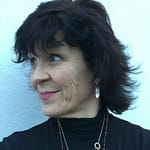
Catherine Cronin discusses open education on episode 152 of the Teaching in Higher Ed podcast.
One of my key roles is helping learners develop their voice and their agency.
Catherine Cronin
On episode 152 of Teaching in Higher Ed
Voices on this Episode

Show Notes + Resources
Catherine’s Philosophy:
I practice openness by intentionally using and reusing OER, creating and sharing my work openly (learning, teaching and research), and teaching and modeling these open educational practices (OEP). But that’s just the what. The how requires much thought and care.
I believe open educational practices can help to increase access to education, contribute towards democratising education, and help to prepare learners —in all contexts— for engaged citizenship in increasingly open, networked, and participatory culture.
- Martin Weller – open is both risky and vital
- Henry Jenkins
- danah boyd
- Mizuko Ito
- Surveillance Capitalism
- Personal Learning Network (PLN)
- Vivian Rolfe collaborated with Catherine on the GoOPEN wiki
- Degrees of Openness / Degrees of Ease
- Four adjectives that describe open:
- Complex
- Personal
- Contextual
- Continuously negotiated
- http://wikieducator.org/GoOPEN
- Digital Storytelling 106 (DS106) course origins
- Contrafabulists podcast episode #52: Marginalia, on which Audrey Watters shares her decision to un-annotate her blog and her considerations to potentially change her CC license on her site.
- Catherine also encourages us to work on de-centering our northern epistemology. There are people working openly on all six continents.
Recommendations from this Episode
Resource
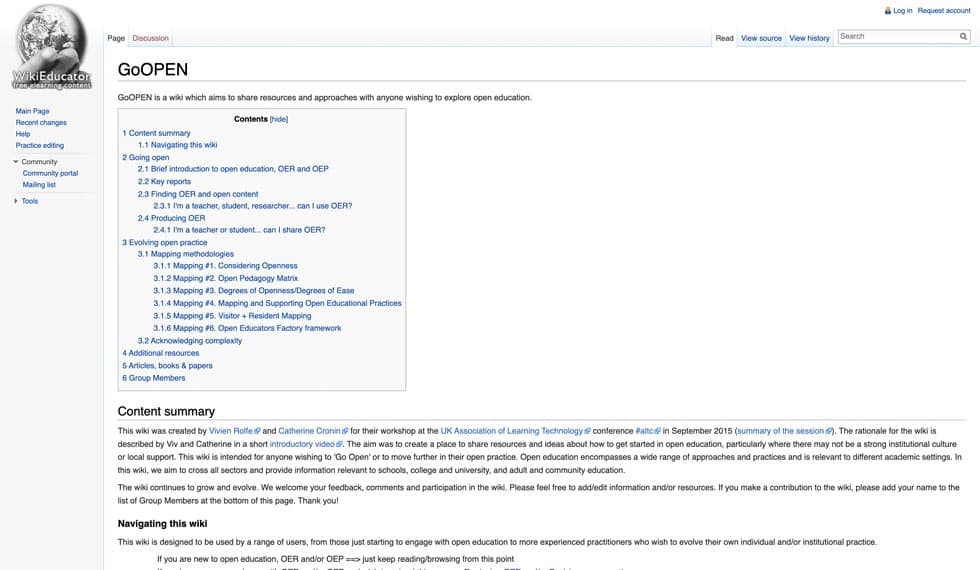
GoOPEN
Resource
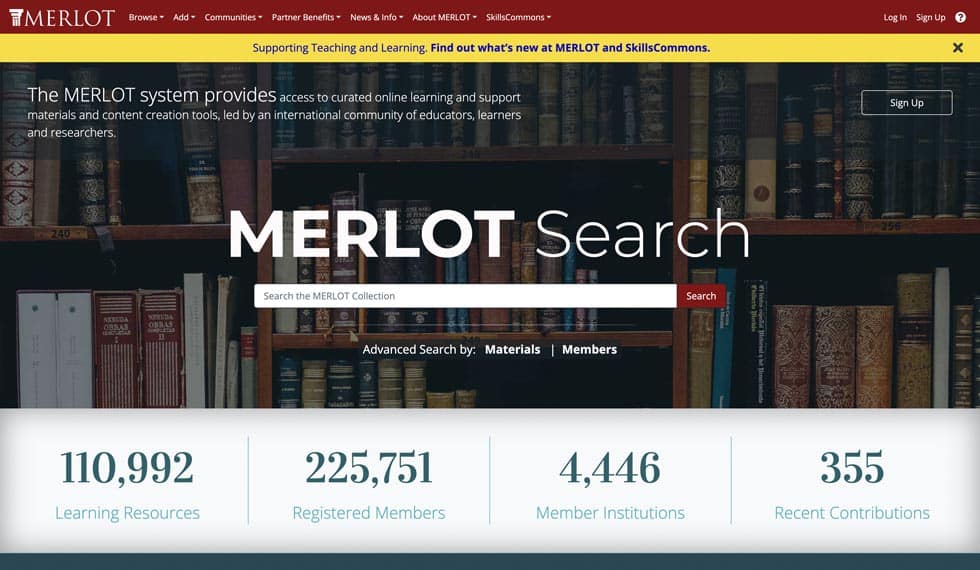
MERLOT II
Article
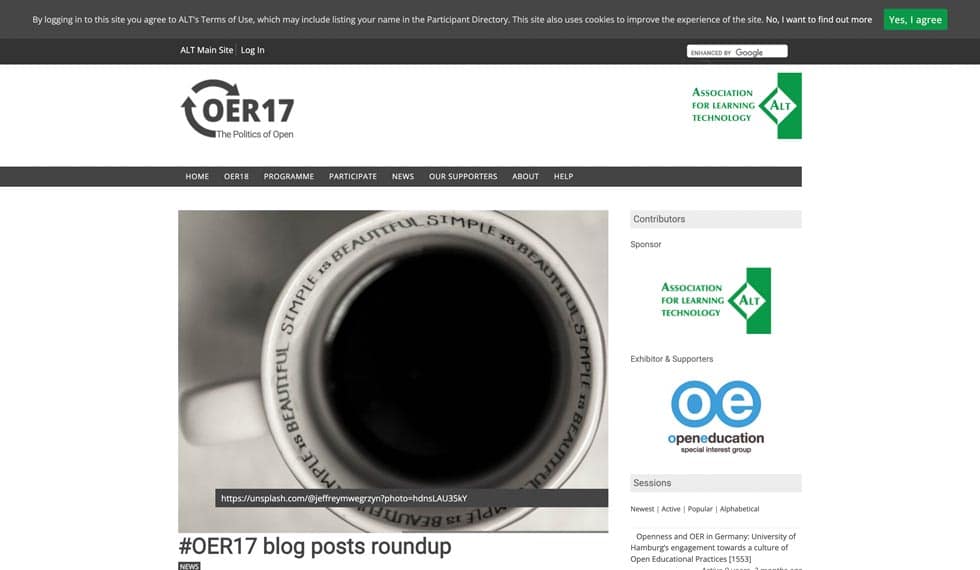
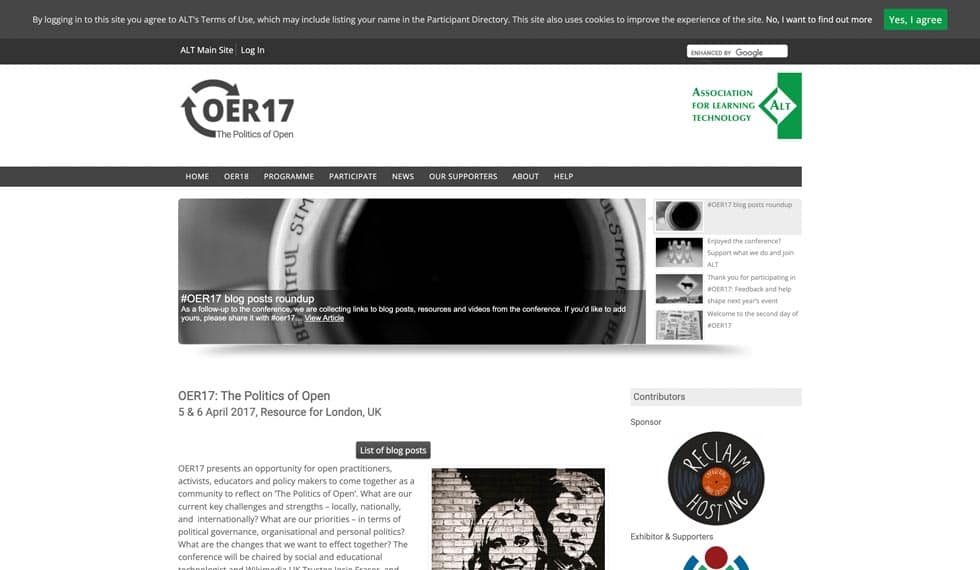
OER17: the politics of open
Resource
OER17: the politics of open
Video
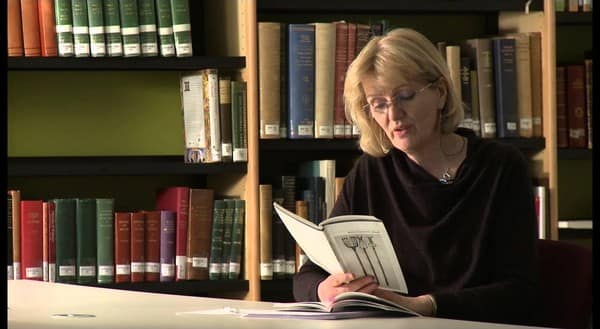
Moya Cannon reads her poem – Hands
Book
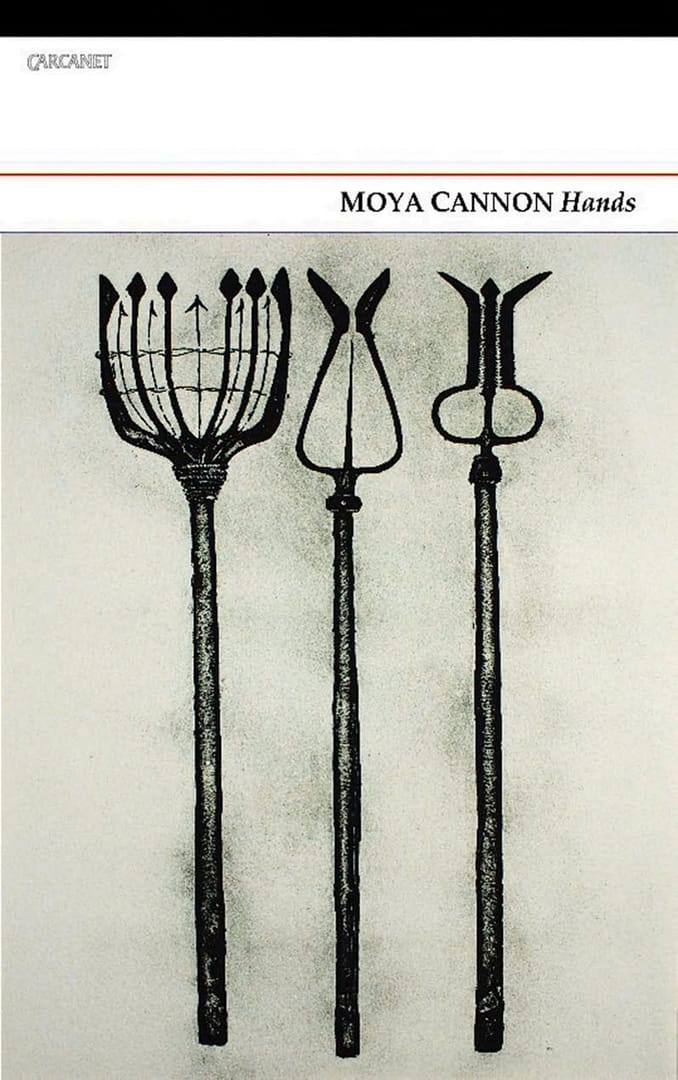
Hands by Moya Cannon
Transcript
Bonni: [00:00:00] Today on episode number 152 of the Teaching in Higher Ed podcast Catherine Cronin discusses open education practices.
Production Credit: [00:00:12] Produced by Innovate Learning, maximizing human potential.
Bonni: [00:00:22] Welcome to this episode of Teaching in Higher Ed. I’m Bonni Stachowiak and this is the space where we explored the art and science of being more effective at facilitating learning. We also share ways to improve our personal productivity so we can have more peace in our lives and be even more present for our students.
Bonni: [00:00:50] I’m so excited to be welcoming to the show today Catherine Cronin. Catherine is an educator researcher and Ph.D. candidate in the Center for Excellence in learning and teaching at the National University of Ireland Galway. Her work focuses on open education critical approaches to openness digital identity practices and exploring the interplay between formal and informal learning. And that should just be a good start as to why she is such a perfect guest to have on the show today. Years of open practices and her own teaching deepened Catherine’s desire to understand more fully the inter-dependent possibilities and risks of openness and education for learners, for teachers and for society. This formed the basis of her Ph.D. study exploring open educational practices in higher education and her background includes a degree in mechanical engineering a master’s in engineering systems engineering and a master’s in women’s studies gender and technology which is fascinating – those two things together – I think she may be the first person I’ve ever spoke to who has a master’s in women’s studies and both gender and technology.
Bonni: [00:02:14] And she was born and raised in New York City and says that she is proud of it and Catherine has worked and taught in the United States and in Scotland and also in Ireland in higher education adult education community initiatives and rural and urban women’s centers.
Bonni: [00:02:33] At heart, she is an activist and she’s not even close to tired yet. Catherine welcome to Teaching in Higher Ed.
Catherine: [00:02:42] Thank you so much Bonni. I’m delighted to talk to you today.
Bonni: [00:02:45] I certainly don’t want to take us on too many tangents but I do have to ask, “How are you not tired, yet (as an activist)?
Catherine: [00:02:54] Oh. As an activist. II’ve been an activist for my whole life and you know now we do it in digital ways. But I did it in lots of other ways like setting up a little rickety card tables in the rain and getting signatures on petitions for things you know before you could do that on line and marching. I’m still marching. And a lot of that translates into the work that I do. And I think it really motivates me in terms of my openness as well.
Bonni: [00:03:19] You know I’ve been I’ve never thought of myself as an activist and I think I would be an aspiring activist at best. And so much of now where my head just gets stuck is wondering if it will make any difference. And yet I can look back to recent history especially here in the states where I didn’t go and March and it actually made a difference. Now I’m trying to take little tiny steps but, have you ever had that in your life or did it does not matter to you if it made a difference just that you acted?
Catherine: [00:03:50] It’s really interesting I and I didn’t tend to tell the story but now that you raise it. I have sometimes talked about my beginnings as an activist and it was my parents and I grew up in kind of the late 60s and early 70s in New York City. And just one really glistening moment for me was my mother went down to Bobby Kennedy’s funeral. People could go down and view his body the night before the funeral and the public was there and there were thousands of people there are all kinds of people all ages from everywhere. And my mother came home and gathered us together we were three young children and was obviously so moved by the day she told us all about it and she said that we must always vote because that was our voice or how to change things.
Catherine: [00:04:38] And that was you know that moment is crystal clear in my in my soul. And so I’ve always been someone who thinks that your voice is important and my children will tell you because I have a I have a quote in my kitchen that had in every kitchen I’ve lived in probably for the past 30 years that Margaret Mead quote “Never doubt that a small group of thoughtful committed citizens can change the world. Indeed it is the only thing that ever has.”.
Catherine: [00:05:03] So that’s where I come from.
Bonni: [00:05:06] And now I’ve got goosebumps. Thank you so much for sharing that and bringing it back to not just your own activism but passing that on to others and of course as educators we need to be doing that as well. And I suspect this will not be the last time that we talk about activism and spreading that out to others. And let’s just begin then by by before we even talk about open education. Can you tell me what is open?
Catherine: [00:05:32] What a great question. I’m doing a little research lately about the history of open and open education. And it was perhaps comforting if also disconcerting to realize that people have been arguing about this forever. What is open what where is not open. And you know going back to the dictionary definition even the dictionary has has different classes of definition so open can be a descriptive adjective it can define something mean something like available or accessible or inceptive. So it’s kind of along a continuum or it can define a state binary state.
Catherine: [00:06:06] You know the doors open or the door is closed. So certainly in terms of open education where we’re talking about it as more of a continuum I believe and obviously we can talk more about that in terms of open education. That really is at its simplest just trying to increase access to learning and education. You know for all people in all situations that we’re trying to break down barriers.
Bonni: [00:06:32] You are earning your Ph.D. in this world ,or related world. And I’m curious if we could go back in time what’s the earliest you remember first discovering that not all of education was open?
Catherine: [00:06:47] My background in education is very varied. So I worked in industry for a few years after my my basic qualification is as an engineer. I have a couple of degrees in engineering and then I went back and got an MBA in women’s studies because I realized that lots of the things that I loved in life like literature and history and all those things I never studied them so I wanted to study them. And then I kind of put those two things together and I did research in the area of gender and technology. So I worked in higher education. I taught with the Open University. I did research at universities in Ireland and sorry in Scotland and now in Ireland. So it’s because I’ve been involved in distance education for quite some time certainly since the 1990s with the Open University. But in terms of openness I would have always been pushing against the door to try and you know move beyond the university being involved in community initiatives adult education initiatives.
Catherine: [00:07:44] So you know when social media and social bookmarking and those kinds of things started emerging in the mid 2000s I was very curious and I suppose I started using social bookmarking in about 10 years ago Delicious and reading people’s blogs and commenting on blogs. And then I started using Twitter in 2009 you know that was that was when the door exploded open I suppose. Because academic Twitter has you know has been a big part of my learning and my teaching.
Bonni: [00:08:17] It’s really so difficult to describe to people who have never quote unquote been there. But it’s really remarkable though those of us who have been had are learning touched in such a profound way by this tool. You could just talk about story after story and. And one of the things that my students I really treasure they compliment me on my teaching is that I give a lot of really current and real world examples. And now my my profession is moving more into faculty development and it’s that’s the number one way I can keep a pulse on what is happening and what’s most current and most relevant for our faculty is through Twitter. It’s just remarkable. But I think most of all and you’ve talked about this as well as just the connections that I’ve been able to make there.
Catherine: [00:09:04] Yes. And you know it’s it’s this tension you know. Martin Weller wrote a blog post a few months ago where he said I hope I quote him correctly now that he’s that has never been more risky to operate in the open and it’s never never been more vital to operate in the open and that I think is what a lot of us as open educators are coming to terms with and trying to teach and model is that you have this beautiful joyful things that can happen around connection and building relationships and enhancing scholarship. But then there are also risks around you know doing things in the public asking people students or staff to be in public thinking about you know power dynamics and those spaces things like surveillance capitalism and so on.
Catherine: [00:09:52] So for me being an open educator and open practitioner and open researcher is about you know navigating that tension both for myself and for the people that I work with you know just having conversations about those things as really important.
Bonni: [00:10:07] How has open education been most important to you and then as you look even to your broader community been most important to them?
Catherine: [00:10:18] Well I would see that we live in a culture that is increasingly open networked and participatory.
Catherine: [00:10:25] So you know drawing from a lot of the great work that Henry Jenkins and Danah Boyd and Mizuko Ito and others have done around participatory culture I think is a great place to start because that’s undeniable. That’s the context of whatever education sector we work in and participatory culture. You know the characteristics of that are things like the importance of social connection sharing and creating as well as consuming artistic expression civic engagement and the literacy is required for engaging in those ways are our multiple.
Catherine: [00:10:59] So you know multimedia multi-modal communication networking collaboration and cooperation agency and a key question that I have is to what extent are we in higher education in my case developing or helping her learners to develop those literacies. And in many cases the answer is you know not very well. So that’s kind of the motivating factor for me is you know I see myself as an educator. One of my key roles is helping learners to develop you know their voice and their agency so they can contribute to to the shared production of knowledge and culture basically.
Bonni: [00:11:41] When you talk about helping learners develop their agency and their voice do you find that you have to spend time helping them unlearn things that they have had become social norms for them and maybe don’t even realize it?
Catherine: [00:11:58] So the answer is yes. And I suppose I have gotten better at this. I’m sure I’m my first attempts were quite bumbling I might have said you know let’s use Twitter to be fun. It’ll be fun.
Catherine: [00:12:12] And of course you know by doing things you learn so much. And also I’ve learned so much from from being an open practitioner learning from other educators who try things and share their experiences. But basically what I do now when I teach is I very much have a precursor to any activities that I might invite students to take part in an open online spaces and those involve things like asking them questions about you know what what what tools and spaces they use now what ones they like. What do they use them for.
Catherine: [00:12:45] What tools might they want to use I don’t choose and say it’s death or it has to be Twitter or anything else. And we kind of you know come to an agreement and then really have an important conversation around digital identity. And again that’s based on questioning so I ask questions like what conversations do you want to be a part of. You know what kinds of conversations are happening and what do you want to be part of and how would you like to contribute to those conversations. And you know that’s just very interesting because I find the age group that you spoke about say that between 18 and 23 and older. But if you think about those students in particular many of them come into higher education with a pretty well formed social digital identity. But you know we have very few opportunities to develop their identities as scholars and researchers and soon to be professionals and even citizens in some cases.
Catherine: [00:13:42] So you know I think it’s really important that we help students have those have those experiences and you know navigate those waters with them in situations where we can deal with issues ask questions. Help one another and I think really in higher education we’re abdicating our responsibility if we don’t do that. You know what and something you know that I often say to students is you know at the end of their four years in the case of the courses that I’ve been teaching on you know they will leave with hopefully a degree or qualification of some kind and some friends and great memories hopefully but that they should also have a personal learning network so that from the day they leave they are engaged in that work so that they can continue learning. So helping them build that learn how to navigate different social media ecosystems and so on is part of our work.
Bonni: [00:14:37] Could you share a little bit about the GoOPEN Wiki and how we might be able to use it in our teaching?
Catherine: [00:14:45] Yes. And I have to shout out to Vivian Rolfe here because that was the coproduction. Vivian Rolphe has the wonderful open educator who lives in the UK and Viv and I decided to collaborate for the Association of learning technologies conference in 2015 and we thought well instead of just doing another presentation why don’t we create something that might be a bit more persistent you know and be a tool that can help people and also be open and interactive so kind of demonstrate our openness as well as talk about openness if you like.
Catherine: [00:15:18] So it was Viv’s idea for the name GoOPEN and about five weeks after we did that the GoOPEN initiative was announced in the U.S. about using open resources in schools which you really you might be familiar with. And anyway we’re another go open. But our motive was that we were coming across people who like us were identified as open practitioners in one way or another but we’re working in situations faculties or institutions or organizations where they weren’t able to push any further than what they were doing with their own students.
Catherine: [00:15:53] So we we wanted to assemble some some information together and some tools so that people could people could draw from those to maybe help further open policy open practice you know where they are working because that’s really the next frontier for many of us.
Bonni: [00:16:12] Just this idea that instead of me doing it within my one class or as you said maybe you have an opportunity to teach across the curriculum a bit more over the years but there’s still that step then to take it to the next level to more of an institutional level or even a departmental level?
Catherine: [00:16:27] Yes. And what often happens in a very organic way is if you are seen as someone who is open and you know people in your institution or other institutions see you doing that.
Catherine: [00:16:39] They might say oh could you please come and speak with you know our students or our staff or would you do a workshop or whatever. So these are some tools that you know people who might be doing that kind of work can draw from. And in that case the mapping section of the GoOPEN page is probably the most useful for people who might be doing that kind of work.
Catherine: [00:16:59] So there are few people who have created different kinds of matrices and tools that are really amenable to working with groups to kind of raise the visibility of what people’s own practices are what their institutional practices are and kind of opportunities for movement or change.
Bonni: [00:17:17] You talked earlier about open not being binary but it being a continuum. Can you describe for me maybe from one end of the continuum to the next and especially if I’ve got very little experience where I might start? And then if I’ve already got that down where I might be led to next?
Catherine: [00:17:36] Yeah that’s interesting that is the the number of the question that I started me on the path to do the Ph.D. I mean year 4 of the Ph.D.. Now in that continuum will say of openness. So it’s not a binary obviously it’s always situated. It’s it’s relational but I’ll answer the question two ways.
Catherine: [00:17:59] One is if I was giving an individual advice and that is really to start with what you’re comfortable with yourself. I mean if you’re wanting to be more open you can be more open as a learner. So you might decide to follow some people on Twitter or you might decide to follow some blogs you might decide to enroll in an open course.
Catherine: [00:18:18] Start building a network that way and talk to people around you ask questions and you can actually be quite – you don’t have to be open and vocal when you first start using open practices. You can learn a lot by peripheral participation by observing kind of the mores of different social media ecosystems for example.
Catherine: [00:18:39] And then usually what happens is people develop confidence from those practices and become emboldened to try things themselves. And very often then that leads to people wanting to teach more openly. But I would never recommend that someone use a particular tool or do things in a particular way because as I found in my own research ogen practices are characterized by four adjectives as as I found and that is that openness is always complex always personal always contextual and continuously negotiated.
Catherine: [00:19:16] So something that’s right for me to do as you know a woman on the West coast of Ireland working for a university here teaching you know X Y Z may not be even close to appropriate for someone who’s you know teaching someplace else and you know in a completely different context.
Bonni: [00:19:33] I wonder if you could walk us through an example of an open educational practice whether this is in your own teaching or one that is inspirational to you. And walk us through those four adjectives how it is both complex and personal. etc.
Catherine: [00:19:47] OK. Well I’ll come back to a complex issue that probably sums up the whole thing. Personal is interesting and if you’re operating within a learning management system or a virtual learning environment and you are identified as the instructor you are kind of cloaked in your role in the course. You you literally have certain privileges in that system like you do in the classroom. And so the minute that we step outside into open online spaces we create our own identities.
Catherine: [00:20:20] So whether that’s a Twitter identity or a blog or you know joining a forum for some open course you’re creating an identity you’re not identified by your role any longer but by this identity that you’ve created for yourself so that it’s up against a lot of the other aspects of your identity so you might have questions about well you know do I want to use the scene user name as I use for my personal activities or my community activities and so on. So there are a lot of decisions that needs to be negotiated there about who who I want to share with and who I want to share as.
Catherine: [00:20:54] So that’s the personal piece the contextual one I suppose is self-explanatory. I was teaching in IT and I’ve taught in education. And we might be able to do different things in terms of open practices then someone in social work or medical faculty where there are many different considerations about how open people can be. So you know context is important and it’s not just disciplinary context but really context at any level.
Catherine: [00:21:26] And then the continuously negotiated piece is very interesting. And I found in my research that there were certain things that people who had been open for some time and you may relate to this that you kind of have get figured out after a while. So you know you know how to use Twitter as you said it you may have a blog and so there are a lot of things that you can help. Perhaps people who are who are new to these practices you can help them navigate but they continuously negotiated peace about openness is something that we all deal with all the time and that is that. Moment before you press tweet or send you know any time that you’re thinking about sharing something where are you thinking you know will I share this.
Catherine: [00:22:06] You know will I share it with this hashtag? Will I like that? You know will I will I post this? So openness is always continuously negotiated it’s not a switch that we flick. It’s something that we that we negotiate that we practice that we create you know literally with every interaction and thus openness is complex.
Bonni: [00:22:29] And could you talk a little bit more about your Ph.D. research and specifically about your interviews with educators? Any surprises there or key insights that that you think are important to share?
Catherine: [00:22:42] Yeah I would be happy to. I was looking my research question was really whether why and how academic staff and students use open educational practices and I ended up spending a lot of time with the entities with academic staff because I found that the only students who had these opportunities for you know open network connected learning were those who were being met many of them were doing it informally on their own of course but the only people who were doing it in formal learning spaces were were students who were being taught by staff who themselves were open educators.
Catherine: [00:23:20] So I decided to do a very broad based interpretive study of interviewing academic staff across that whole spectrum of openness that we talked about. So academic staff who were not open at all and those who were pretty open because I thought we could learn a lot about openness from people who chose not to be open as much as those who did decide to be open.
Catherine: [00:23:46] So there it was very very interesting to me because as I described before as this kind of open education advocates as as I had become you know I was often asked to share stories of openness and I shared other people’s stories and my own stories. And when I lifted the lid on was just how complex it is and how personal it is and so that was a good awakening for me.
Catherine: [00:24:11] So for example I interviewed 19 members of academic staff three of those 19 for example had personal experiences of online kind of bullying and stalking with people in their family not with themselves. So you know to put it very bluntly no number of stories of openness would sway these individuals to decide to be open. I mean they were clear that they had very very good and clear reasons for for not wanting to use open practices.
Catherine: [00:24:41] So we need to really let people make their own decisions and hear people when they say you know that’s not for me instead of you know continually trying to convince people. I think Henry Jenkins does talk about this in his work where you know he says if we truly value participatory culture and openness we have to recognize the right of individuals to choose not to participate in open spaces or in public.
Catherine: [00:25:05] So you know really getting to write about that and to explore that was was really interesting for me because I think as an institution we need to provide all students with these opportunities. It doesn’t mean that every member of staff has to do this nor does it mean that every student has to do it. But we do need to provide support for staff and for students to explore this you know to the extent that they wish.
Bonni: [00:25:29] Next question. Or maybe series of questions. I want to ask you is still not quite entirely formulated in my mind so you may have to help me make this understandable for our listening audience. But there has been all sorts of debate and some would even argue vitriol on Twitter over a couple of different things that have come up one was around whether or not a very popular open source is truly open.
Bonni: [00:25:58] And then there was a second debate that’s been coming up around Audrey Watters who is among other things a writer and speaker and critic of educational technology and she recently disallowed what we’ve been talking about a little bit on the show social writing or social in using the tool called Hypothesis and she essentially coded her site that says if you try to access hypothesis which is this layer of comments – I’m not going to let you because this is my space. And she recently – I’m so glad she talked about it on her podcast recently because I loved hearing more of her choice in that and why she made that decision. But one thing that she said was that she thinking about changing her copyright. She she has a copyright on her site right now that I copied – haha. Which would be: “Yes, you can use this. You need to cite where it came from so a tribute you know back to who made it. But you can modify it.” So there’s this idea someone could download this podcast and break it into pieces and use it in their own teaching you know that kind of thing.
Bonni: [00:27:07] But that she’s now even wondered if she should do that. So somehow this is going to turn into a question at some point. I wonder in these debates and I know you get you know you read them as well. What do we need to be thinking about and learning then and where do we need to be sort of wrestling as a community around these debates?
Catherine: [00:27:27] Great question. I mean I think this this zeros right in on something that were that I heard you mentioned about the importance of critical approach to openness and a quote by Michael Apple that I have in front of me on my desk is that: “Education is inherently an ethical and political act.” So Michael Apple talks about it being we need to be critical of what exists and what exists is changing rapidly. So you know that criticality is something that we you know if we are educators engaged in these spaces we need to be prepared to address these questions every day. As I said this is this is a changing changing space so we need to be critical we need to point you know to different possible paths for dealing with with difficulties or issues. And we need to be willing to be criticized ourselves. That’s part of charting new territory.
Catherine: [00:28:24] So that characterization that I provided earlier about openness as personal contextual and continuously negotiated the two examples you just mentioned are perfect examples of that. You know as individuals and collectively we’re figuring this out because the terrain is changing so quickly. So I think we need to hear each other with with criticality but also with care. About different peoples choices and recognize that you know our own thinking will have all my thinking has evolved you know around Open’s over time. And I observe that in other people in this field and that’s OK. You know where we’re learning so you know drawing hard and fast lines and taking stands as part of each of us negotiating that.
Catherine: [00:29:14] And you know I think just listen, learn, and think deeply about you know about our own practices because sometimes people doing something can be quite provocative but it might cause us to you know to make maybe reflect a little more deeply than we have about what we’re doing ourselves.
Bonni: [00:29:29] What I was hoping your answer would have was really something very simple that one day we’ll all right the right answer. This no longer be an issue but if it is personal and it is contextual and it is continuously negotiated and complex – I am never going to get there am I?
Catherine: [00:29:47] And yet and I suppose the nub of this notion of a critical approach is just recognizing that sometimes openness can do the opposite of what we intended to do.
Catherine: [00:29:57] So it can further marginalize people or it can it can bias people who are already privileged and you know I know you’ve had some wonderful podcasts on your show already about you know that notion of privilege so you know this is all tied up with that. And as I said it’s just moving very quickly so having that personal learning network and being able to learn from each other is I think essential these days because we can we can learn you know. You know we’re learning in real time you know as we’re practicing this and so in a way it’s very exciting. You know this is this is this is all being determined. You know as we’re living it. So that gets back to a key point when I work with students who may have really prioritized their privacy and don’t wish to be open. I think those discussions around balancing privacy and openness are important because if we’re completely private principally don’t if we don’t get our boys out there at all. Not talking about comments but you know maybe our blogging for example then we don’t have a voice in the debates in the culture you know and all that’s happening. So that’s what I really try and support in in all the groups that I work with whether there’s a community group students fellow staff is you know how can how can we empower people to to preserve privacy to the extent that they wish however they define privacy. But you know benefit from openness so that they do have a voice in whatever way they wish to have it. Because if we all retreat from public spaces that’s not a good outcome either.
Bonni: [00:31:37] Yeah. Thank you so much. This is the time in the show where we each get to give some recommendations and I’m going to change my mind as to the recommendation I’m going to give as I’m reflecting on what you have said.
Bonni: [00:31:50] I’m going to recommend two things: One is that people go visit the GoOPEN site and we’ll have a link to that as well as everything else we’ve talked about at teachinginhighered.com/152 and just go explore go start. And it’s really wonderful how it’s laid out because it does really look at things like this continuum and so you can find a place to get started and that’s going to be my recommendation is find wherever you are in that continuum. One way that you could get started. And I guess one thing I want to recommend as far as getting started is if you haven’t used open resources in any of your classes you can go explore a little bit. And one place you could go explore is MERLOT which I never get the acronym right but multimedia educational resources somethin somethin somethin on that Web site I’ve linked to and it will allow you to go search in your discipline and there are volunteers who rate these open resources and you can go find something that you could make use of in your teaching and that’s kind of a nice way to dip your toe in before you wrap your head around how much you want to think about your own privacy versus openness. You could start using resources that are out there and eventually of course I hope we’ll be creating resource or resources of your own to share.
Bonni: [00:33:11] Catherine what do you have to recommend?
Catherine: [00:33:13] Can I break the rules and have two?
Bonni: [00:33:15] Oh well I just broke the rules and had two so we were both breaking rules today I love it.
Catherine: [00:33:22] Well I thought a little bit about it and I picked something quite similar to what you did which was the OER17 Web site there was recently the annual We are conference in the U.K. It took place in London and the theme this year was the politics of opening which opened the door to some wonderful work and some really provocative thinking around openness.
Catherine: [00:33:48] So you know rather than me giving you know a static page I would just invite anybody to just I mean literally you can just search for OER17 and you’ll get to the front page of the conference and there’s a button on that page that says blog posts and there’s a growing list of posts that people have written so there are some personal posts there’s some formal posts some videos you know and like you said you know people can just dip into whatever catches their interest.
Catherine: [00:34:15] But it’s the reason I chose that is because it’s kind of what people are thinking and writing about. Open openness and open education right now. And I think that’s important. And the second one is a little bit of a poem because I was debating between choosing something or an open education and choosing something from Ireland.
Catherine: [00:34:36] And I love poetry so this is just the last few lines of a poem called Hands by a poet called Moya Cannon. I am blessed to know her. I was first given a book of her poetry in 1990 I think it was her first collection. So I’ve read her for years and now I call her a friend. She wrote a beautiful poem called hands because I think although we’ve talked about the risks of open and the importance of being critical you know at at heart. I have a lot of hope around openness and you know I’m there and there can be joy. As you mentioned right open the start I wanted to kind of end on that note.
Catherine: [00:35:15] So just the last few lines here I’ll read: “I think of other hands which can hold our lives in the hands of the surgeon who whom I will meet again when I return home the hands of the intelligence black haired nurse who unwound the birth cord from my neck the soft hands of my mother the hands of those others who have loved me until it seems almost as though this is what a human life is to be passed from hand to hand to be born up in probably over an ocean.”
Catherine: [00:35:47] And that’s it.
Bonni: [00:35:47] Oh that is beautiful. That is absolutely beautiful. I will post a link to that in the show notes. And what a wonderful way to end. Thank you so much.
Catherine: [00:35:57] Thank you so much. And thank you for the wonderful podcast. I enjoy it so much.
Bonni: [00:36:01] I’m so grateful to have been connected with you and hope this is just the beginning of the connection. It’s fun how these things turn out in the end.
Catherine: [00:36:09] Yes.
Bonni: [00:36:09] Yeah. Thanks for your time today.
Catherine: [00:36:12] Thank you so much Bonni.
Bonni: [00:36:14] What a wonderful opportunity this has been to get to have a conversation with Catherine. And thanks to all of you for listening.
Bonni: [00:36:20] If you’d like to access the show notes for today’s episode. Those are going to be at teachinginhighered.com/152. If you don’t want to have to remember to go access those notes at teachinginhighered.com/152. You can sign up for a weekly email that comes in your inbox with all the show notes along with an article about teaching or productivity written by me. Most weeks when I am able to squeeze that writing time in at any rate we’ve got some great guests coming up. And if you want to give feedback on even more guest you’d like to see on the show you can always do that at red dot com slash feedback. I’d love to be connected with you on Twitter if we aren’t already established that great personal learning network that Catherine spoke about. I am @Bonni208. I look forward to connecting with you there or elsewhere and I’ll see you next time.
Teaching in Higher Ed transcripts are created using a combination of an automated transcription service and human beings. This text likely will not represent the precise, word-for-word conversation that was had. The accuracy of the transcripts will vary. The authoritative record of the Teaching in Higher Ed podcasts is contained in the audio file.