Follow the Teaching in Higher Ed Podcast
About this Episode
Autumm Caines shares about digital citizenship on episode 115 of Teaching in Higher Ed.
We have the technology to have conversations with diverse people.
Autumm Caines
On episode 115 of Teaching in Higher Ed
Voices on this Episode


Show Notes + Resources
- Tracy Clayton on Twitter https://twitter.com/brokeymcpoverty
- Another Round Podcast on Twitter https://twitter.com/AnotherRound
- Heben Nigatu on Twitter https://twitter.com/heavenrants
- Silence and respect episode of Reply All
- Annemarie Perez
- Tressie
Recommendations from this Episode
Podcast
Leading Lines podcast

Movie/TV
Zootopia

Music
Shakira’s song Try Everything

Resource
Rebecca Hogue Website

Podcast
Revisionist History
Person
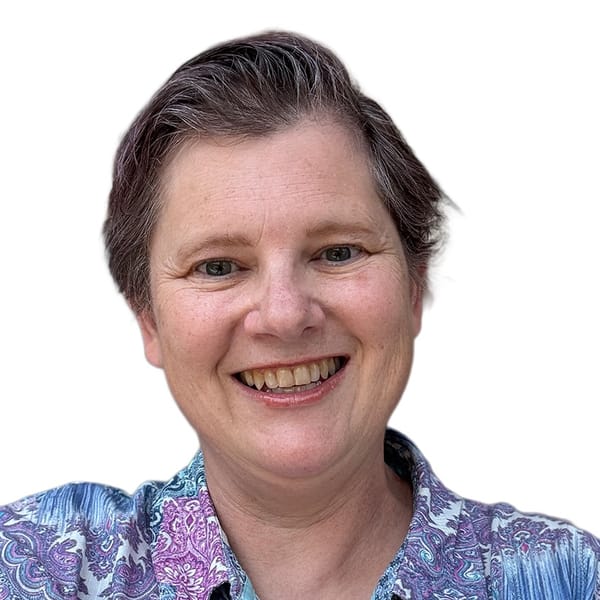
Rebecca Hogue
Person
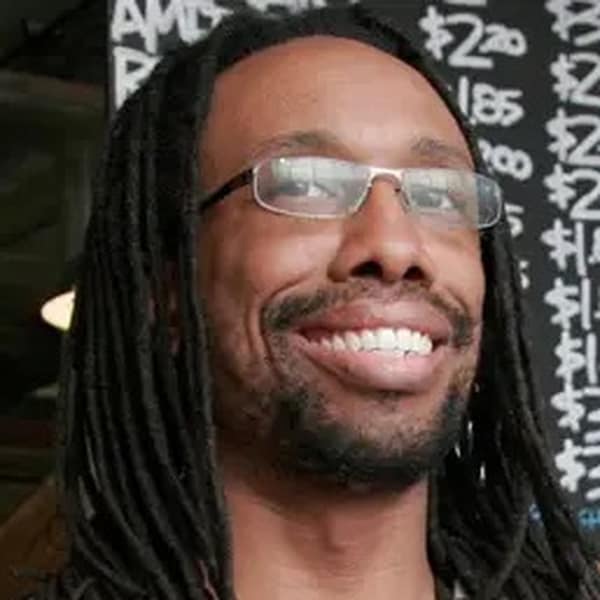
Chris G.

Resource
Chris G’s website to learn about security, privacy, and digital redlining
Transcript
Bonni: [00:00:00] Today on episode 115 of Teaching in Higher Ed, Autumm Caines shares about digital citizenship.
Production Credit: [00:00:09] Produced by Innovate Learning, maximizing human potential.
Bonni: [00:00:18] Welcome to this episode of Teaching in Higher Ed. I’m Bonni Stachowiak and this is the space where we explore the art and science of being more effective at facilitating learning. We also share ways to increase our personal productivity so we can have more peace in our lives and be even more present for our students.
Bonni: [00:00:45] I’ve had a chance to interact with today’s guest a few times now and I’m so glad to be welcoming her to the show today. Autumm Caines is a self-professed liminal space which she’ll talk about in just a moment. Part technologist part artist part manager part synthesizer. She’s passionate about the use of technology in education and the many differing facets of how technology impacts society and culture. She likes spending time at the place where differing disciplines intersect. Autumm is the associate director of academic technology in the Center for Excellence in learning and teaching at Capital University in Columbus Ohio and she just earned a master’s degree from the Ohio State University in educational technology. Autumn is deeply involved in a community which you’ll hear about in a moment. And you’ve also heard about before on the show virtually connecting. And she uses her work in that organization to explore questions of virtual presence conversation spontaneity in virtual environments networking and professional development. Autumm, welcome to Teaching in Higher Ed.
Autumm: [00:02:00] Hey thanks Bonni.
Bonni: [00:02:02] Well I know today we are talking about digital citizenship and you know I’m going to ask you to break it down so why don’t we just start with what does it mean to look at citizenship and then maybe maybe we can bake digital into that.
Autumm: [00:02:18] I think that’s a fair place to start. So I found out that a lot of people mean different things when they say digital citizenship. Right. For some people it is how to be nice online. Right. And etiquette and I think that’s a big part of it. Right. I think citizenship is where we belong in the world you know. So you’re born into a nation state of some kind and that becomes your you know you’re where you’re you know the type of citizen that you are. And the thing is that sometimes you don’t agree.
Autumm: [00:02:52] Right. sometimes you don’t agree with all of the laws or all of the ways of being but in the digital realm a lot of times we sign off on terms of service and we don’t necessarily agree with all of the terms that are in those terms of service either. So yeah I think it is it’s it basically comes down to being a person and then being a person in an environment and then how you interact with other persons in that environment what are the norms what are the accepted ways of behaving in different environments. And how do you define yourself as a person in specific environments.
Bonni: [00:03:32] I’m going to say something. But before I say it I have to preface it by indicating that I do always allow students to use anonymous handles anonymous user accounts for things like Twitter so that it doesn’t sound what I’m about to say doesn’t sound as bad as it might otherwise. I know I have to improve my own appreciation and my own empathy for people who really are just terrified. I teach a doctoral class a couple of times a year not at my institution but another institution and I work with a lot of educators and most of them don’t have very high digital literacy.
Bonni: [00:04:06] And so when we start talking about privacy and I know this is a very loaded term that many people don’t like but it’s since it’s a little bit more interesting this idea of a personal brand online that that sense of it. And for them they’re just so scared about putting anything online because of the ramifications. And I tend to not have the patience for it. I know it’s a it’s a weakness because I always think that’s not what this class is about. But it’s like you can’t expect people to blog if you’re not willing to start there. How do you talk to people that are unfamiliar that have only heard things about Twitter like the bullying that goes on on Twitter or that kind of thing how to how do you sort of help navigate toward the positive sides of going into this foreign place that you might become a citizen of.
Autumm: [00:04:57] OK well I think it’s really important to be aware of the dangers out there and I think it’s really important to be aware of the privacy and ownership pieces as well so we have to have those conversations. But I think you’re right those conversations sometimes dominate and sometimes they just scare people and they scare them away quite frankly and that’s unfortunate.
Autumm: [00:05:19] So you know I like to bring in some of the online communities that are productive suggest maybe specific people to follow that I know are responsive that are kind that are intelligent and try to guide people in that way sometimes they’ll just sit down with them you know in small group or even even just one on one and show them TweetDeck. Right.
Autumm: [00:05:45] And show them how there’s I think that’s another thing that that really scares people specifically about Twitter is that it’s so much information and it rolls so quickly if you just have that one time line rate you know show them the power of listing listing people out creating a list. That’s something that a lot of people don’t use but is extremely powerful because you can list somebody you don’t have to follow them.
Autumm: [00:06:07] So if you want to you know follow a specific conversation but you don’t necessarily want to you know follow these people or if you’re thinking about following them it’s a good way to kind of get a taste of the conversations that they’re having with other people out there. Just the other day I showed somebody how to see what a tweet looks like in context they didn’t realize if you just tap it again and you kind of pull it down on your phone you can see oh that was in reply to this whole thread. It’s a whole other conversation out there.
Autumm: [00:06:37] So I think some of it comes back to basic digital literacies but I think also a lot of it is living by example you know and so I’m on Twitter I’m on Twitter pretty regularly I take part in things like Twitter chats and I try to be an example of a good digital citizen.
Bonni: [00:06:54] I like that you mentioned the setting up lists one of the things that I’ve done for I’m sure I stumble is almost like the more that you teach the more you realize you don’t know but you’re learning along the way. I set up co-horts because the program is in a cohort model that I teach in. And so I’ll go back and show them. Here are the different cohorts that have gone through and then oh look this is when they went to China. These are all the pictures that they took and the exchanges that they had back when they were in China and you’re going to be going to D.C. Here’s another cohort and here’s when they went to D.C. And here’s some. And then that helps them visualize instead of me just talking about it hypothetically they can actually start to see what connections online look like and then like you said it doesn’t have to be quite as scary.
Autumm: [00:07:38] That’s so cool so you’re putting the co-horts into lists. Yeah yeah all of that’s really neat and then they use any hashtags within the co-horts.
Bonni: [00:07:46] They do have some hash tags when they go on those trips. They use the hash tags for the for the program overall yes they can connect beyond just their cohort.
Autumn: [00:07:56] I mean that’s just such a rich community. Right. That you have little local community right. And they probably know each other in some respect. And so to be able to see each other online and follow their travels and then be able to go on their own travels and share that. I mean that’s powerful.
Bonni: [00:08:11] I also did create a Getting Started list for that that so many of them are whether they’re aspiring to go into administration they might have been a teacher and that that might be their next step in their career. That’s why they’re looking to earn a doctorate degree. But but part of it for me I know this might be subverts them but I’d like them to expand their thinking that yes that is a path but wow look at all these other people that are doing these things where there’s the guy.
Bonni: [00:08:39] His name is Richard Byrne and he does free tech for teachers and he’s got I mean tens and tens of thousands how he spends his summer is going and doing workshops and I’m sure he makes more money doing his workshops than he does teaching high school or whatever it is that he teaches. So it’s nice to expand their vision of what might be possible when you really are embedded in a community beyond your geographic barriers.
Autumm: [00:09:04] Yeah yeah. And I think it is important to tie people to other people and give them these examples of other other folks that are doing good things on the web sharing good information that they’re going to you know get get benefit from.
Bonni: [00:09:20] I guess one of the things I also try to be cognisant of I am a Caucasian which most people who have listened know from having looked at the website but about half of the cohorts are African-American. And so I definitely don’t want to be speaking out of my own white privilege. How do you bring it. Because it looks like to me it might be Caucasian look like how do you break out and so that you’re not bringing the way oh everything’s safe here. Come on and play in my playground where I have privilege and you possibly won’t. How do you then bring that piece where people aren’t being good digital citizens.
Autumm: [00:09:57] Oh. That is a that’s that’s definitely a hard question and I’m going to go back to virtually connecting a little bit and I’m going to go back to being aware of who you’re following and being aware of the voices that you’re hearing. You know take a look. Take a look at your follower list. Take a look at who you’re following right. They all look the same are they all from the United States. You know and maybe you maybe you want to reach out a little bit more and dig a little bit deeper and listen a little bit closer to some people that are like you.
Autumm: [00:10:36] Some people of color and people who practice a different religion than you. Some people who are from different countries. So that would be the first thing. And then you know this actually came up digital pedagogy lab Institute we had a session on diverse voices. We had a session on international perspectives and we had people from all over the world. So I would just say you know we have the technology to have conversations with diverse people.
Autumm: [00:11:03] You know in that session we had people from Austria the United States Australia Egypt you know from around the world talking about what their perspectives are on a lot of different things. I mean gosh we talked about for profit prisons. We talked about a lot of different things during that session. And you know a lot of times it’s just a matter of showing up it’s just a matter of trying to create the state. So I think something like virtually connecting is really trying to create the space.
Autumm: [00:11:34] We’re very aware of you know I mean there’s even like that abayas of time zone there’s like a time zone bias right when most of these conferences are in the United States. You don’t have to stay up until 2 o’clock in the morning to take part in a conversation. But if you’re on the other side of the world you do and that can be a big thing. I mean it somebody who’s really dedicated who’s going to stay up till 2 o’clock in the morning to be a part of the conversation.
Autumm: [00:11:59] So I think that we need to show up. I think we need to create avenues to have those conversations whether that be you know participating in something like virtually connecting or creating your own way to have those conversations. And you know there’s a streaming video technology there’s blogging there’s Twitter there’s all kinds of ways that we can reach out and try to diversify and broaden our perspectives. Sometimes it’s just a matter of realizing that that’s something important that that’s something that we have to pay attention to and actually doing it.
Bonni: [00:12:35] I was telling Maha (Bali) when we were chatting back and forth on Twitter I was telling her I didn’t realize this but I sort of created inadvertently a built in diversity checker for me when I really designed the Teaching in Higher Ed Web site and if you go to the front page the most recent thumbnails of the pictures of the most recent five or six guests are on the first page. And if I look at that. And it’s all white men I go all. That’s not good.
Bonni: [00:13:03] And then if you go to the episodes page it’s twenty five episodes at a time and there’s something like six or so pages of twenty five episodes at a time. And I want to look at that. But I did I both want to and don’t want to all at the same time because we’re never going to achieve perfection at our aims because I don’t believe that I will but it’s always challenging me to say Are you really thinking about more the benefits of the inclusive conversations with people like you said that are not like me.
Bonni: [00:13:30] One of the things I didn’t mention about conferences by the way was that I got to go to a podcasting conference when I was at this conference I’ve talked about it on the prior episode as podcast movement but they really must have thought so deeply about diversity and it was almost hysterical I thought how do you bring together the most conservative of Christians with most of the former World World Wrestling champions with a very very deep group of people from the Black Lives Matter movement.
Bonni: [00:14:02] I mean it was pretty incredible and one of the people who spoke was from a podcast called another round. It was Tracy Clayton and then her co-host whose name I don’t have on my screen but they both spoke at the conference and now I started listening to another round podcast because if I looked at the podcast that I listened to they are predominantly podcasts from and forgive me NPR. I love NPR but they’re mostly I mean I think NPR knows that they have a problem. I mean you see them trying to cultivate greater diversity within their podcasting system and their radio presence as well. I don’t think I’m the first one to bring this to their attention. And I also don’t think they listen to this. So I’m probably OK.
Autumm: [00:14:46] Well I think especially if you’re you know if you enjoy privilege if you’re a white person if you’re if you’re male if you’re you know if you enjoy certain privileges it’s just something you have to constantly think about because it’s important you know and you’re going to be better for it. And the other thing that I would just mention is you know it’s it’s really is all about intersectionality because it’s you know we’re never just one thing we’re we’re multiple holes and we are complex creatures and so we’re all this you know there’s there’s so many intersections of these kind of things that we need to think about. And we need to respect people’s individual voices as well as just really find value in those those diverse perspectives.
Bonni: [00:15:32] When people first come into the conversation about digital citizenship as they become more self-aware of their own interactions within that broader system what do they typically recognize as some of their own faults of how they’ve been engaging that they want to change.
Autumm: [00:15:51] I think we just talked about one. I think that people especially when they start getting a taste of maybe not everybody but the people that I’ve had the pleasure of working with when they start to get a taste of that international perspective of those to those diverse voices it’s like a light bulb goes off. Well of course of course that makes sense. That’s the world you live in you know that’s your religion that’s your environment that’s your government that’s your that’s your world that’s your reality. Every single day. no matter what that is. Right.
Autumm: [00:16:27] And I think that it creates empathy in people and they start to understand why the world is sometimes the way that it is and it can be a really powerful experience.
Bonni: [00:16:44] I convinced a friend of mine I say I convince She listens to this podcast so I think the podcast convinced a friend that I work with to get on Twitter. And she she emails me and says Oh my goodness it had to be that my very first tweet was to Ken Bain who can Bain is just she admires and has admired him her whole career and all she had typed to him was just the symbol since read to convey this at all. And I wrote her back and said Don’t feel bad.
Bonni: [00:17:15] And I’m not going to go into super big specifics but when Ken Bain first got on Twitter about a year ago he was breaking all sorts of medical rules or maybe maybe never gets too broad. But Twitter he didn’t know the way that conversations happened. Like you said that is a definitely a barrier. Do you think that we’re going to be headed where some of these barriers come down or do we just have to as educators just be more prepared to educate people about entering this new culture.
Autumm: [00:17:44] Well I think as a society as a you know a digital society we do have to be a little more forgiving sometimes of people who are just starting off and getting it wrong. Because he I mean sometimes we can be and I’ve even done it myself. Is that why they all like. And then I’m like oh wait you know that they’ve only been on Twitter for a month. Right. So yeah I think that I think that we need to do a better job of that.
Autumm: [00:18:09] But as educators I think we need to just empower people to feel OK about making mistakes. You know that’s what learning is all about learning is all about making mistakes. But I mean you know if you’re doing this you’re communicating with people with real people who are on the other side of the screen somewhere in the world. And if you’re coming at that from a place of kindness and a place of curiosity you’re wanting to learn. You’re wanting to be productive. I think you’re going to be OK. You know you might say the wrong thing you might say something silly you might embarrass yourself a little bit but you know you got to have a little bit of a thick skin and get over that. And you know keep doing it keep keep pushing through.
Bonni: [00:18:47] When we talk about mistakes there definitely are the mistakes where are we. I mean I bet Ken Bain is still not thinking about the tweet that he got with the are wondering what it means you know relatively small ones in the grand scheme of things. But then there are there’s the woman and you might know who I’m talking about but there was the woman who tweeted she and her friend enjoyed tweeting out pictures of them in front of signs making a joke out of the sign.
Bonni: [00:19:13] And so this woman and her friend they liked to do that. And unfortunately they had something that was a very serious nature. They went to a military cemetery for our fallen soldiers and they took a picture of themselves in front of a sign that was at the military cemetery.
Bonni: [00:19:33] I don’t even remember what the joke was I just know she used to be on in PR on some political campaign I don’t remember which one it was and she took a flight from the United States to somewhere overseas Her flight was 10 or 11 hours and after tweeting that picture out she gets off the plane and her entire life has changed.
Bonni: [00:19:52] I don’t suspect she’ll ever be able to work in PR again. And by the way the joke it wasn’t funny it was not respect. I mean it was. But it’s like wow. One tweet and it’s over her life like she can’t work in her profession anymore and exploded. I don’t remember the number of times that was tweeted and retweeted and all of that but yeah that’s. So people hear a story like that and they think you say it’s easy. I think a little mistake. But what if i quote unquote accidentally did something like that.
Autumm: [00:20:23] So I’m going to reiterate what I said about coming from a place of kindness. I think that that’s important because you just said that what she said what she did wasn’t nice rain. And there’s a bit of a difference between niceness and kindness rate.
Autumm: [00:20:35] But also I mean trying to be I don’t want to say productive that’s it’s deeper than productive but wanting to you know thinking about our digital spaces whether it be your blog whether it be Twitter whether it be Facebook whatever as a big collective conversation and having a deep need to progress that conversation in a meaningful way that is going to take that collective conversation to a good place whether that be asking the right questions or you know sharing the right story or curating the right information reflecting upon it being really honest with yourself.
Autumm: [00:21:20] I mean yes sometimes we you know we’re not always that person but we need to be hyper aware of it when we’re in digital spaces because the reach is so far. We’re really speaking on a global stage and thinking about the context of that is something that can inspire context collapse and then it can just stagnate you. So that’s terrifying. The other thing that I’ll say about it is that I think there’s a huge difference in scale.
Autumm: [00:21:49] You said that this woman was working in PR and that she already had an established presence. I think when you’re first starting out because you don’t have as many people that are watching you don’t have as many people that are paying attention. So there there is something to be said for that. I mean it doesn’t protect you by any means. But I think there’s something to be said for that and realizing also when you start to get a little bit more of a following and if you’re only in the mid section you just kind of starting out and you’re just starting to get a couple of thousand followers or whatever. I think that you need to start thinking about things a little bit differently.
Bonni: [00:22:25] One of the things I’ve really enjoyed is I see a kind Twitter. I see a very kind Twitter. I have to be careful a little bit because sometimes if it’s a political thing. There was a very very big Twitter storm around I believe it was Hillary Clinton responding to something that Donald Trump had tweeted and she just replied delete your account. And I did. That was tweeted something like 40000 or 50000 times retweeted and I did chuckle and I may have even I don’t know that because of the Snark I don’t think I don’t think that I am being as good of a digital citizen as I would yearn to be if I fall for the trap of just the zinger the snark that kind of thing.
Bonni: [00:23:10] But most of what I see is that what I just mentioned that example is less than point zero one of my experience on Twitter most of that is but it’s beautiful because it’s not people being. I think Jesse’s Tama was talking about the difference between kindness and niceness and it’s not just that we’re being nice and nobody wants to step on anyone’s toes but people are really engaged in deep conversations. And so you do see people challenging one another and sometimes it will be what did you mean by that. And then they’ll go oh well this is what I meant I didn’t mean this sorry if it seemed that way. I mean so there’s room for a mis step in saying something that wasn’t quite phrased as sensitively as maybe the person would have wanted it to be. And then there’s room for correction I don’t know. That’s a very good word for that. But that’s exactly what I see happening like this. This molding of ideas into something better than just if the person had only been expressing their own ideas in the first place.
Autumm: [00:24:12] Yeah I have to agree with you. I see that as well and I know it’s out there. I know the the the really negative stuff is out there. I know the harassment is out there I know that doxing is out there and it’s something you need to be aware of. But I mean you know what. You’ve been there in the flesh lives like even in our face to face lives. There’s so many dangers in the world but we don’t not leave the house right. That when it got to.
Autumm: [00:24:38] We’ve got to go out there we’ve got to participate. We’ve got to be a part of that larger conversation. And it’s not a matter of just being nice sometimes it’s a matter of calling out injustice sometimes it’s a matter of speaking truth to power. But how do you do that in a way that protects yourself that advances the conversation that does so in a meaningful way. Some people are better at it than others. And if you are a person of minority status in some way you’re even more vulnerable and you have to take. You have to take all of that into consideration because it is a dangerous world out there both in the flesh and online.
Bonni: [00:25:16] Before we get to the recommendation segment I wonder if you would think of an example of someone or perhaps even a movement. I don’t know on Twitter who is someone we could admire someone we could look to who is speaking truth to power.
Autumm: [00:25:33] Oh wow I think Audrey Watters does a pretty good job of that. You know you’ve had her on the podcast before. I just got to meet Annemarie Perez at digital pedagogy lab Institute and I feel like I’ve seen some of that from her and I’m going to throw it back at you too Bonnie because that’s a really good question and I know that you get to talk to a lot of people through this podcast so what or who who do you see doing that.
Bonni: [00:26:02] You talked about following people that are not like us and that’s something that Peter Newbury also mentioned when he was on the show. And so I took that to heart back back. I think he was early 20s as far as how long the show’s been going on. And I really took that to heart to go and follow people that are not like me. And so the one that comes to mind is Tracy and I see her and I think that she must be vulnerable in some ways but yet she certainly has power to so it’s I think it’s kind of a mix for her but she I see her speak truth to power quite a bit.
Bonni: [00:26:37] Well this is the time in the show where we each get to recommend something. I usually only recommend one thing but I’m going to recommend a few so I’ll go fast I promise. The first one. Speaking of podcasts if anyone has not listened to Malcolm Gladwell’s new podcast called Revisionist History. It is excellent and the place that I would recommend that you start is his fourth episode. It was about education and is just a really challenging episode to listen to and it’s called Carlos Doesn’t Remember and you can find that in the show notes again at teachinginhighered.com/115. Or on your podcast Katcher whatever it is you use to listen if you search for Revisionist History. In fact just go to the top pod cast charts that’s going to be number one or number two. Whenever you go to look at it and that was episode number four.
Bonni: [00:27:28] Speaking of podcasts the lead by Derek Bruff out of Vanderbilt. Derek has also been on the show too by the way they just started a podcast called Leading Lines and that’s LeadingLinespod.com and they I love the mix that they have in turn is a focus on educational technology. And they had a big name for their first episode. It was George Siemens was on their first episode. But then the upcoming ones they’re going to be looking to leaders in educational technology at their own institution professors that are that we might not have heard of but that are doing really unique things. And so episode 2 was someone I had not heard of but boy it was just really I loved that we could go between somewhat of the more theoretical and contemplated conversation right till the very practical to what tools this woman is using in her classroom. And you can tell if you’ve been listening to this show for a while I embrace that because I think we need that theoretical heady stuff but we also need that. So what app do you use to take attendance you know. I feel like I need both.
Bonni: [00:28:33] And so that’s the bias here and I feel like they’re heading that bias really well. And then the last thing that I’ll recommend. My son took a dance class as one of his one week summer camp things and they taught him a little routine. I didn’t get to go watch him perform but my husband has he captured four videos and one of the cutest thing I’ve ever seen. But what I loved that it told me about teaching was how good of a teacher that this dance instructor must be because my son it was his first time anyone ever teaching him dance. And yes they had their recital.
Bonni: [00:29:06] But here we are about a week and a half later and the gal that watches our kids started playing this song this is from Shakira from the movie’s Zootopia. And first of all is just a great song. So you should listen to this song Shakira Try Everything.
Bonni: [00:29:39] I love the lyrics of the chorus it’s I won’t give up I won’t give and I’m going to try everything and I can’t remember the rest of the words but it’s just really motivational when you’re listening to it you’re just going to want to try and not give up and be persistent. And I’m planning on adding that to my playlist that all of the music I play before I start my classes everyday. So I think it’ll help me but I also help our students think about that too. At any rate my son he heard this song it’s not the same song that he danced to and he created his own variation of the dance routine so she texts me because she didn’t get to see it she says. Is this his dance routine because I’ve never seen him dance like this before.
Bonni: [00:30:18] And I love that that he was able to take what she taught him forward. And then it transformed right. It wasn’t the same dance. It wasn’t the same song and almost like Lego pieces he put it into something new. And I just think that’s when we’re at our best as teachers is when we’re enabling people to go out and create out of what they experienced in our classes so it’s just fun to see a four and a half year old get to experience that. And that motivated me in my teaching and I love that song. And now I’m passing it over to you for your recommendations. I know. I usually only do one I sorry to do this to you.
Autumm: [00:30:56] No that’s OK. I think I’m going to continue down the route that we were on before in terms of recommending people who are kind of challenging the status quo. So I’ve got a couple of more. Number one I want to recommend Rebecca Hogue. And so she is on Twitter as R.J. Hogue h o g u e. And Rebecca is co-director of virtually connecting with B but she is a cancer blogger and she’s working on a Ph.D. looking at people who’d log in the breast cancer survivor in the breast cancer world and she has just done a lot in helping me realize a lot of my privilege as an abled person. Oh and I want to say that Rebecca is blogging over at BC. But BCBecky.com.
Autumm: [00:31:42] And the other person that I want to recommend is Chris Gilliard who is hyper visible on Twitter and he’s having a lot of conversations about privacy and ownership as well as digital redlining which I’ll let you look at that on your own. But you can go to digital redlining dot com and you can take a look at reflection from digital pedagogy Ladd Institute from him.
Autumm: [00:32:10] And if you go on look at some of the links he also has an article on common sense about digital redlining.
Bonni: [00:32:19] Autumm thank you so much for your time both today and also this is not the first time and I know not the last time we’ll be connecting and I want to mention you are Autumn with two m’s.
Autumm: [00:32:30] Yeah. I am Autumm with two m’s.
Bonni: [00:32:31] And that’s important because autocorrect wants you to be Autumn with mn at the end and so I have to I have to train my computers to get that straight.
Bonni: [00:32:41] I have learned so much from you already in knowing you and I just thank you for your generous giving of all of your learning. And I’m looking forward by the way we didn’t mention this you’re teaching a digital citizenship class coming up here in the fall and I’m looking forward to reading more about what happens out of that.
Autumm: [00:32:58] Yeah I’m really excited about that. And it’s going to be a first year seminar so yeah we’re going to be doing a domain’s project with some first year students here at Capital University really excited about that.
Bonni: [00:33:08] We’ll keep our eyes and ears peeled for that. Thanks again.
Autumm: [00:33:11] Thank you so much Bonni.
Bonni: [00:33:13] It was great connecting with Autumm today. And as always I suggest if you have any suggestions of other great guests or ideas for them show you’re always welcome to provide those at teachinginhighered.com/feedback.
Bonni: [00:33:27] And if you have yet to subscribe to the weekly update what happens there is. Only once a week. You’ll get an e-mail in your inbox and it’ll have been one blog post about teaching our productivity which is written by me and also the show notes with the great lengths to everything that we talk about on the show. And you can do that at teachinginhighered.com/subscribe.
Bonni: [00:33:50] And if you’re interested in the channel that’s where all this community is coming together and having conversations around teaching in general around assessments around specs grading around. Adjuncts around promotion and tenure. There’s a lot of vibrance happening there and we’re even talking about campus up there had to have some help out recently on the communities so you can go on the home page and there’s information about how to get added to the SOC page. Thanks so much for listening. And I will see you next time.
Teaching in Higher Ed transcripts are created using a combination of an automated transcription service and human beings. This text likely will not represent the precise, word-for-word conversation that was had. The accuracy of the transcripts will vary. The authoritative record of the Teaching in Higher Ed podcasts is contained in the audio file.