Follow the Teaching in Higher Ed Podcast
About this Episode
On this week’s episode, James Lang shares about his book: Small Teaching on episode 92 of Teaching in Higher Ed.
I try to do framing activities to help the students realize the value of what we’re doing.
James Lang
On episode 92 of Teaching in Higher Ed
Voices on this Episode


Show Notes + Resources
Small Teaching: Small modifications in course design or communication with your students. These recommendations might not translate directly into 10-minute or one-time activities, but they also do not require a radical rethinking of your courses. They might inspire tweaks or small changes in the way you organize the daily schedule of your course, write your course description or assignment sheets, or respond to the writing of your students.
- Book: The Power of Habit* by Charles Duhigg
- Teaching in Higher Ed Episode 71 with Derek Bruff
- Video: How to be Alone
- Article: Boring but Important
- MERLOT Awards
Recommendations from this Episode
Resource
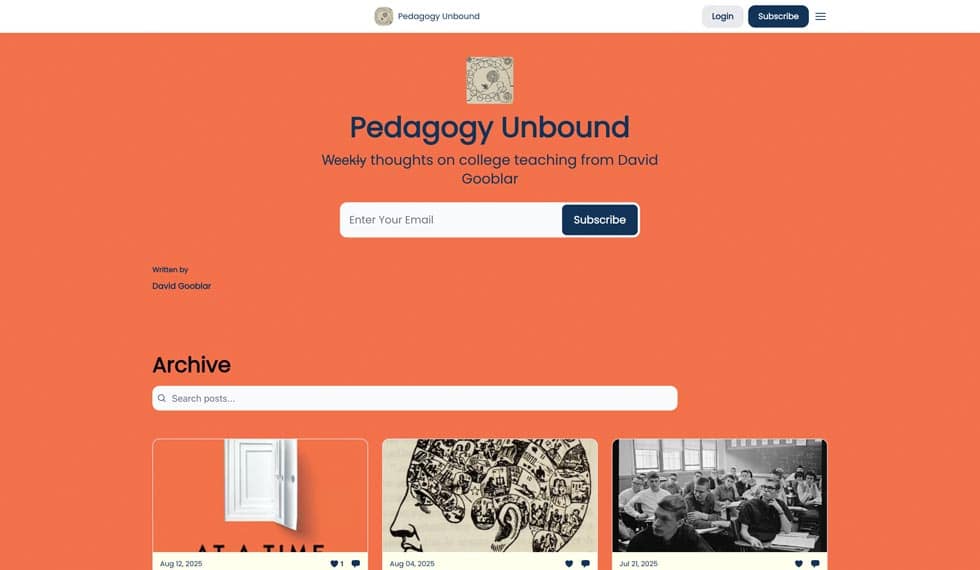
Pedagogy Unbound
Resource
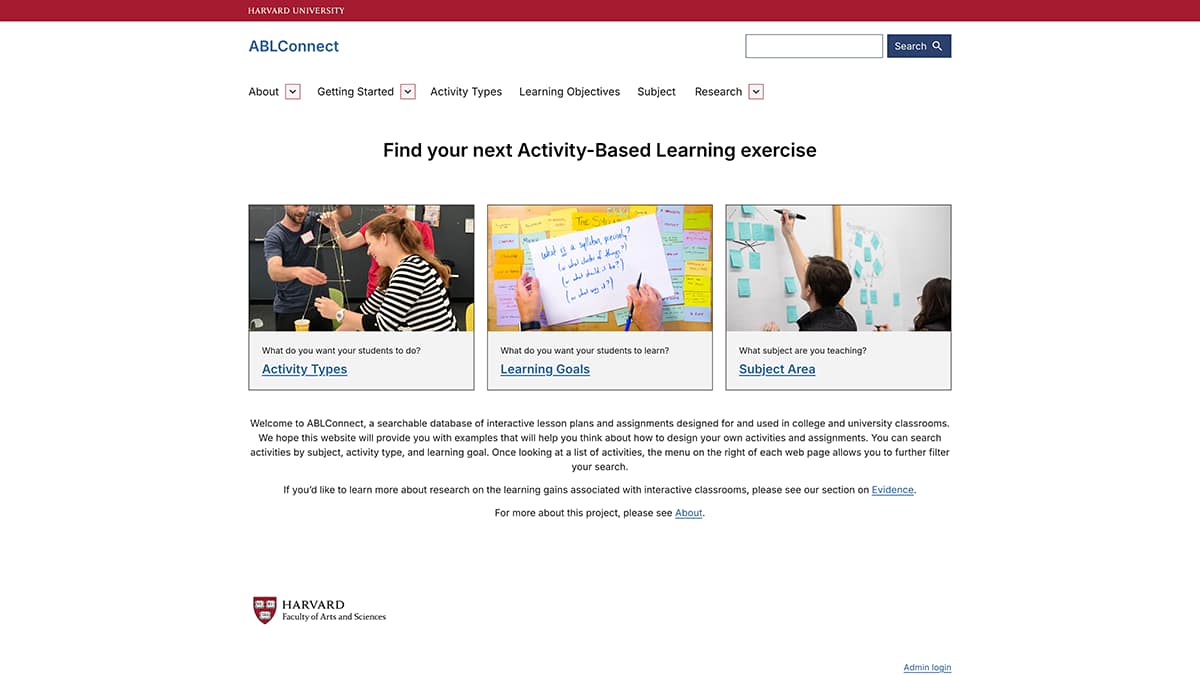
Harvard’s ABL Connect
Article
On Being Observed by David Gooblar in Chronicle Vitae

Technology
Tripit
Transcript
Bonni: [00:00:00] On today’s Teaching in Higher Ed episode 92, I get to speak with one of my favorite higher ed authors: James Lang.
Bonni: [00:00:11] Produced by Innovate Learning, maximizing human potential.
Bonni: [00:00:20] Welcome to this episode of Teaching in Higher Ed. This is the space where we explore the art and science of being more effective at facilitating learning. We also share ways to increase our personal productivity approaches so we can have more peace in our lives and be even more present for our students.
Bonni: [00:00:48] Today I welcome back to the show James Lang. He’s a professor of English and the Director of the Center for Teaching Excellence at Assumption College and what we’re going to be talking about today is his new book called Small Teaching.
Bonni: [00:01:05] And he’s had a couple of articles in The Chronicle recently that just give us a little bit of a taste of what we can expect in his book and this episode number 92 is going to be airing right as the book is made available. I would like to welcome back to the show Jim Lang. Jim, welcome back to Teaching in Higher Ed.
James: [00:01:26] Thanks. I’m glad to be back. I’ve been a devoted listener, so I’ve been really enjoying all the episodes since I was last on.
Bonni: [00:01:33] Well I’ve been having fun when you tweet about some of the episodes and of course that wonderful article you wrote in The Chronicle which I will forever treasure but it’s been fun to kind of get a sense of what you’re getting out of the episodes, so I can’t thank you enough for that.
James: [00:01:47] Yes. I feel like a real sort of community has continued to kind of spring up on Twitter and sort of gather around some of these topics and the podcast Twitter account actually has been in a sort of an important part of that so – think it’s been wonderful.
Bonni: [00:01:59] Yeah I can’t fathom the people that I’ve been introduced to and you’ve been so gracious in introducing me to many of them too. Speaking of introducing me to people as I began reading your book I couldn’t even get past the first few pages before I had questions for you. I would like to know who Katie, Madeline, Jillian, Lucy and Jack are.
James: [00:02:20] Yep, those are my five children. My oldest is now a junior in college and that’s Katie and Madeline enjoying the next two and then Jack and Lucy are the twins at the end who are in sixth grade.
James: [00:02:32] They have been a real blessing to me actually in terms of writing about teaching and learning because my wife is a teacher also so you know there’s a lot of teaching and learning in our careers and in our lives and having children to kind of be able to observe them go through these many different stages of school and learning has been really really helpful to me and it gives me the opportunity to use sort of you know a lot of everyday anecdotes and stuff in my writing. And in the new book as well.
Bonni: [00:02:59] I have two children quite a bit younger than yours. We’ve got a four year old and a two year old. And every day I’m blown away by what they’re teaching me. It’s kind of fun to look forward and just know that a lot of that will continue as they get older that we can still just keep learning about learning.
James: [00:03:16] Oh yeah, it’s great. I mean for me the really interesting thing it always started with language acquisition. I love to just watch how children acquire language. But it’s remained equally fascinating for me to watch my first child who is now in college and to sort of be able to take a parent’s perspective and hear from her what are the things that her professors do in class what are the things that are most important to her in college and what are the things that seem to really stick with her. The classes that seem to make a difference to her. Yeah I have a feeling this process is just going to keep continuing which is wonderful.
Bonni: [00:03:50] Where did the idea for small teaching come from?
James: [00:03:53] Yeah that kind of connects to the children actually. There’s actually three sort of threads here that go into the idea of small teaching. The first is that I have the opportunity to give faculty workshops at a lot of other institutions now.
James: [00:04:05] This is something I get invited to a lot. And when I first started to get these invitations I would go in and offer you know my thoughts about how faculty could sort of revamp their classes from scratch and try lots of new innovations.
James: [00:04:19] But you know oftentimes I would be in these places in like October and you know would be the middle of a semester and a faculty member who sits in a workshop or hears a lecture in October can’t really go back in and redo the class from scratch and then by the time January rolls around I’ve been gone three months and a lot of stuff has gone out the window.
James: [00:04:36] So I wanted to try and start to think about you know how can I when I have these opportunities how can I go and help faculty make a difference to their teaching tomorrow or next week or for the remainder of the semester or if I’m there in August to make some design tweaks that really will make a difference.
James: [00:04:54] And so that sent me back in to the literature on teaching and learning, which I always you know try to keep up with, to try and look for opportunities that are small changes that faculty can make that will make a big difference to learning in part. To my surprise I found a lot of those.
James: [00:05:11] So the book ultimately offers eight specific strategies or ways to think about how to make changes to our teaching that are small that are relatively manageable that can be implemented in the design of a class in your everyday classroom practice or in how you communicate with your students that we have really good evidence from the learning sciences can make a really positive difference to our students.
James: [00:05:34] So that’s the kind of theoretical background… The sort of actual frame of small teaching comes from baseball. And so if you’re a baseball fan you know that there’s something going approach that baseball teams can take which is called small ball. Small ball means attention to all the little things that a baseball team is supposed to do in order to win games.
James: [00:05:51] So we oftentimes think about sort of big dramatic like people hitting grand slams and the strikeout pitchers and stuff small ball means you do the little things for you. And again this will only maybe make sense for people in a little bit about baseball but you do things like you know lay down a bunt in the right situation or had a sacrifice fly to move a runner from one base to the next.
James: [00:06:11] It was interesting as I was reading the book a kind of small ball World Series was playing out in the fall of 2014 with the Kansas City Royals who were this smaller market team, who didn’t have this huge budget with the superstars on it, and they were doing really well by playing small ball and got themselves into the World Series that way.
James: [00:06:27] And then the last thread of this is actually the idea of putting small ball and teaching together came from my children which is watching my kids play softball or baseball every summer and so I spend a lot of time on these hard metal benches watching my children play softball and baseball games. And one of the things you notice when you watch you know like an 8 year old girls softball team is no one hitting Grand Slams.
James: [00:06:50] No one is throwing lots and lots and strikeouts. But some teams are better than others and what I started to notice was that the coaches that paid attention to these little things and just focused on small little fundamentals tended to do a lot better than the teams that didn’t.
James: [00:07:05] So that kind of just put this idea in my head. You know paying attention to some small things can really make a positive difference. So those three fads kind of came together and ultimately led me to the idea of small teaching.
Bonni: [00:07:18] I’m reading this book right now that I will actually be unpacking in a future episode a bit more, or at the very least recommending it in a future episode. I always have this thing that I don’t recommend something until I finish reading.
Bonni: [00:07:30] I think those last few pages could be horrible but so far it’s exceptionally good. It’s called The Power of Habit by Charles Duhigg I don’t know if you’ve read it yet.
James: [00:07:39] No I haven’t.
Bonni: [00:07:40] I don’t know if this is a spoiler alert. I don’t think it is but this won’t surprise you then to know that one of the things early on that he talks about is that with habits we start small. We don’t…
Bonni: [00:07:50] They did all this research on people that had made magnificent changes for themselves personally or people who quit smoking or lost a bunch of weight or they did it with organizations, too… Organizations that went through tremendous change.
Bonni: [00:08:04] And it does often come down to these small changes in terms or small habits in the case of this particular book. And that’s interesting that you’re picking up on a lot of those parallels, too. I find that a lot with having an expertise in educational technology that so many times faculty will just shut down.
Bonni: [00:08:21] And while I’m not I’m not good at technology so I’m not I’m done listening at this point. I don’t want to sound like it’s so negative.
James: [00:08:26] No, no. That’s exactly right. And you know it’s actually really somebody who invited me to speak in about Small Teaching and wanted to see an advance copy of the book, so I sent it to them and they wrote back to me with an analogy which I really wish I had thought about when I was writing the book.
James: [00:08:42] But they gave me the scientist who gave the example of evolution and pointed out you know what we got from like microscopic life to the human beings through a very tiny evolutionary changes right. These small changes really have sort of created all of life as we know it but they happen in very tiny increments you know gradually over the course of a long period of time.
James: [00:09:03] I really like that analogy, too, as another good way to think about it. Occasionally people will say to me, “Well, I think higher education needs bigger changes right now.” And I don’t disagree with that. But I think it’s much easier for people to think about starting with small changes.
James: [00:09:18] And what I have found is even when I work with faculty for example… If I can recommend a faculty member – I observer class and then I will speak… [because] I direct our Center for Teaching Excellence here on campus… If I observe a faculty members class and then afterwards I can say to them you know here’s three things that you could do a little bit differently that I think would make a difference to your students. And here’s two articles to read that sort of reflect that.
James: [00:09:39] You know that’s the faculty member who starts to come back to things and wants to know more and they make these small changes they see a positive effect and then they’re interested in continuing further.
James: [00:09:49] So the small change to me both really and the ones that I tried to focus on were ones I really do believe have the power to make a positive difference. But I also know they can be empowering the faculty member and can ultimately lead to better and bigger changes if people choose to go that direction.
Bonni: [00:10:06] Talk a little bit about why you believe in small changes and also about how it can be so intimidating for some of us faculty as we’re trying to change our teaching.
James: [00:10:17] You know faculty are incredibly pressed for time and that is especially true for so many of the faculty now who are adjunct, and contingent – going from campus to campus – who are teaching multiple classes in order to make their careers work.
James: [00:10:31] And for those faculty in particular I think it’s really difficult to envision doing something radically different. I’m a big believer in things like community service learning.
James: [00:10:39] But you have to have a lot of resources and you have to have a lot of time in order to be able to accomplish that kind of teaching. You know “Reacting to the Past” I think is another really wonderful approach to teaching.
James: [00:10:51] But it does require a pretty intensive upfront investment of time. Anyone who does “Reacting to the Past” will tell you that. So these things really can seem very intimidating to people that start at the start.
James: [00:11:03] And so you know well I think we want to do is try and sort of just crack open the window a little bit and say you know look let’s show you a few things here that are going to potentially make a difference to you and just know that if you keep going in this direction if you’re interested in going the other things are out there for you to explore ultimately.
James: [00:11:21] But the problem with the new sort of radical new approaches to teaching tends to be a really heavy investment of time upfront both in the design phase and also throughout the first sort of time or two that you do it. And it also can be very messy and I don’t mind messes and teaching but some people don’t like that.
James: [00:11:40] You know the first time it’s not going to work the way you think it’s going to. There’s always going to be problems and issues. And so I think those things are a barrier for people. They keep people from making any changes at all.
James: [00:11:52] I had worked one time with a faculty member who was very interested in these ideas and I would meet with her. I probably met with her five times over the course of several years and she kept saying I want to do. Can’t even remember what it was it was one of like problem-based learning or something like that.
James: [00:12:06] Can we talk about and I would give her the resources and I would tell her and in the next year she would be doing the exact same thing. And it kept going like this.
James: [00:12:14] And they just said look let’s just try can we try this one thing in class next semester. And suddenly now she is doing some really great stuff she hasn’t sort of quite gone to the full pace that she wanted to but she’s doing a lot of new interesting things as a result of just sort of trying to make a couple small things to start with.
Bonni: [00:12:32] One of the things you always do so well in all of your work is have it all be grounded in research.
Bonni: [00:12:39] And what can you tell us about the research you did for this book? Was there stuff that you kind of already knew but you just pulled together in a new way or were there any big surprises in terms of your findings?
James: [00:12:49] This was a great opportunity for me to kind of really start to delve more into the actual research and cognitive theory. I view my role as a translator of synthesizer. I try to look at the research from a particular field like my last book academic integrity and sort of say, “Alright. So what practical implications have for faculty? How can it help make a positive difference to our teaching or to a higher education?
James: [00:13:12] And this book led me deeper into the kind of primary research that I had done before, and I also rely to a certain extent on the work of people who are also translators but who are also the primary researchers like Dan Willingham or Henry Roediger.
James: [00:13:27] The work of those folks has been extremely helpful to me in just giving me the confidence to say that we can take some of these findings from the laboratory from sort of real world classroom experiments. I mean think about what the sort of practical implications of those are.
James: [00:13:43] Once I delved into that research a little bit more and especially started going into it some of the original journal articles and everything I was surprised to see how much good information we have actually about the kinds of learning strategies that can make a big difference for our students and how much we know about not only classroom techniques.
James: [00:14:02] But the study strategies that students engage in how much we know about how those how those work and why they work and how that connects what we know about the brain and learning and all that stuff.
James: [00:14:13] So I was actually quite surprised, and this was empowering for me because I just thought well you know this information is sitting here. It’s really easily applicable to I think most faculty members classes so that became for me the kind of motivator to try and separate how can I get this out in a way that’s going to be able to help the most possible faculty.
Bonni: [00:14:32] You mentioned that you’ve been talking with some different campuses about going out and doing workshops. In many ways Small Teaching probably began some time ago maybe even before you started writing it. I don’t know.
Bonni: [00:14:43] What do you think of as if somebody is listening that perhaps is just beginning their journey to trying to transform their teaching but maybe transforming is too intimidating of a word to use I mean what would be one pretty basic. I was going to use a baseball analogy but I’m terrible at baseball. What is that in baseball when you give a easy ball it’s called a softball?
James: [00:15:10] Yeah. Lob them a softball. Well we talk about that in terms of questions – asking people sort of – lobbing a softball.
Bonni: [00:15:14] So what is the lobbing the softball for my teaching?
James: [00:15:17] Yeah. So I’m a big believer actually in the opening and closing minutes of class and then the power of those moments in the classroom. I’m actually writing a series for The Chronicle right now. Actually, the most popular thing I’ve ever written for The Chronicle is an essay about the first five minutes of class which came out two months ago.
James: [00:15:33] And that article was shared on social media for you know thousands of times more than anything else I’ve ever written, which to me was a good hopeful sign that people are sort of amenable to this kind of approach.
James: [00:15:45] And I just submitted to The Chronicle The one in the last five minutes or so that will be out the same week as the book is out. So, this approach to me is thinking about how do you frame a learning experience and the opening five minutes and the closing five minutes to me have a lot of power.
James: [00:16:01] We know that when students come into class they’re distracted. You know if you walk into a classroom you see most students on their phones. Some students will be talking to each other. They’ve just come from lunch and everything.
James: [00:16:11] And we want to find ways to transition them into this learning that they’re going to be doing in the class. So how do we do that? How can we make deliberate use of those five minutes instead of just saying here’s what we did last time or some reminders about stuff – you know we want to do that?
James: [00:16:25] But how can we then sort of create a really powerful transition into the learning of the classroom and then the same thing at the end of the class? How can we take the last 5-10 minutes of class and say we’re going to do something here we’re going to engage your minds? We’re going to make you active in a way.
James: [00:16:41] Work with the material that we’ve been talking about here and seal up the learning that you have done over the past 45 or 50 or 70 minutes or whatever the case may be. So for me I really like as a starting point thinking about how do you open class and how do you close class. And I think those are really ripe opportunities for small teaching.
Bonni: [00:17:00] When Derek Bruff was on back in episode 71 – one of the things he talked about was creating “times for telling” and he was actually referencing someone else he was referencing Daniel Schwartz and John Bransford a 1998 article A Time for Telling and that’s linked to back in that show episode and you talk about the last five minutes of class I’ve been experimenting a little bit with that.
Bonni: [00:17:27] Because I know I was too locked in to the idea of your traditional flipped classes and the videos we would watch would be online and then we’d come talk about them in the class and he really convinced me to think differently about is that really the right pattern? Maybe that video should be shown in class.
James: [00:17:43] Right.
Bonni: [00:17:44] So it really has just challenged me. But I think I’ve failed the other day because we were talking about breaking social norms. There were a couple of really short videos that I think were powerful in the class, but I actually ended with something that was less about what was the content of the class and more about what I think would be the content of their lives.
Bonni: [00:18:04] And it is a phenomenal video called How to be Alone and I’ll link to it in the show notes. It’s this beautiful Canadian poet who tells a beautiful story about how you could learn more to break the social norm that says we’re not supposed to ever be alone.
Bonni: [00:18:20] And for many of my students the thought of something like going to dinner by themselves at a sit-down restaurant would be incredibly threatening for them to do or going to the movies by themselves.
Bonni: [00:18:30] There were some who said they’re very comfortable with that but it kind of depended. At any rate there’s so there’s this incredibly powerful video I have a 50-minute class and I decided to show it at the very end.
Bonni: [00:18:39] And as they were walking out the class I thought you just showed this incredibly powerful video. Good bye. I’ll see you next week. So I think I messed up. Can you set me straight, so I don’t do that again?
James: [00:18:55] Right. I mean I think the idea is you want to do something. I think those moments are pretty for engagement to get them actively doing something because I think what you really want to try and do those five and so just to give two quick examples.
James: [00:19:08] We know a lot about the power of retrieval practice so having students practice remembering things is one of the best things that we can do to help them remember things. So a lot of times we walk into class and say here’s what we did last time.
James: [00:19:23] One of the suggestions I make is walk into class instead and say, “OK. I’d like you to tell me what were the key points from last time? And keep your notebooks closed. I want you to try and remember what did we do last time?” Let’s try and reiterate that you know the three main points of class or you know my British literature survey class.
James: [00:19:42] And then we talked about four key historical events last time that influenced the literature of this period. What were those four events and the more times that the students have to do this the better they get at it and the better they’ll be equipped than when they have to sit down for the midterm exam and use one of those events to write an essay about how it influences the literature that time or the events will come much more quickly to them if they haven’t had the opportunity to practice remembering.
James: [00:20:08] So the beginning of class is an easy time that you can do that in writing. I often start with a writing exercise you know tell me write for five minutes about what you read last night and that is a centering activity as well a kind of gives takes people away from all the distractions and now all of a sudden they’re focused on the piece of paper in front of them and what they want to say about that.
James: [00:20:27] For the ending piece I really like the idea of having a connection exercise at the end. We have these connection notebooks that students have to fill in and once a week give them some kind of writing activity that requires them to think about how the course material connects to something in their lives something outside classroom and current events or whatever.
James: [00:20:49] So today for example we had finished reading a series of poems that were about religion and spirituality in British history and we have read a lot of these poems over the course of the first six or seven weeks of the semester. It puts you know I think eight titles up on the board.
James: [00:21:04] And I said pick the one that most represents your views of religion or spirituality and write me a paragraph about how close that gets to what you believe. And I said you know you don’t read out loud. You know I don’t have to read it but it’s five minutes again of the kind of closer understanding of one of the poems that we read over the course of the semester.
James: [00:21:21] So like I said these are just great sort of moments to do a little engaging piece that can introduce them to the day’s material open up their minds or that can kind of feel up and create connections between what we’ve done for that day.
Bonni: [00:21:38] You and I have been talking about “the other people” who have neglected to transform their teaching because it’s too intimidating.
Bonni: [00:21:47] I wonder if you have any stories that you reflected back on in your own teaching where small teaching would have served you far better than trying to reinvent the entire class?
Bonni: [00:21:56] And maybe if you were able to draw from some of your own failures in that area of trying to make teaching too big?
James: [00:22:02] I definitely have been one of these folks that has been kind of with a little bit of a little bit of skepticism kind of watching the whole idea that we should all be flipping our classrooms and that the flipped classroom is sort of going to be the savior of higher education.
James: [00:22:19] And part of that is because you know in my field we essentially have been doing what constitutes the flipped classroom all on which students read beforehand and they come into class and we discuss it.
James: [00:22:29] So I mean that that’s kind of typically the way a literature class works. But at the same time you know when I first started hearing about all this stuff first started to kind of look at some of these more radical ways of thinking about what goes on in the classroom and should I be putting my lectures on videotape before class.
James: [00:22:45] And I’m very open to those ideas. I think they can be very effective and you know more power to the people who are doing, and I think it’s wonderful. But for me those kinds of barriers of the kind of initial startup costs in terms of time I’m still kind of stayed in my way from making changes to my teaching.
James: [00:23:05] And still you know what I was primarily doing for most of the first part of my career was just sort of coming in and trying to have discussions and I didn’t really have a good understanding of like what was the purpose of those discussions?
James: [00:23:16] What kind of learning was expecting to come out of those discussions? I spent all my time just trying to think about ways to get students to talk without having a sort of a better understanding of what the purpose of that was how that talk could really turn into learning.
James: [00:23:32] And I had enough experiences where you know students would come in and talk in class because I’d done all this work to try and get everyone to speak as much as possible.
James: [00:23:41] And yet some students would be able to talk about the books without having read them because they were good at talking or they would talk well in class.
James: [00:23:48] But then just sort of do atrociously on the assessments because they know that they work. It wasn’t translating into anything. So for me it wasn’t really until I started looking at this literature that I kind of started to think much more deliberately about what is the function of this discussion.
James: [00:24:03] Why are we doing this? That doesn’t mean that you know everything has to be sort of lockstep down and craft for assessment. I don’t believe that either there’s value in just sort of conversation and creating a community in the classroom.
James: [00:24:16] But I do wish that I had thought much earlier in my career about the purpose of sort of discussions and conversation to class. And now I try to much more do these kinds of framing activities to help students recognize the value of what we’re doing that gives them concrete takeaways from the conversation that enable me to use the conversation to deepen their learning as much as possible.
Bonni: [00:24:41] Back in February I had the opportunity to speak at the Lilly Conference and I read a quote from Parker Palmer that talks about the joy of teaching and what I didn’t read (although I referenced it, but because I had gone back to to find the quote and such) was just how he writes about the pain of teaching and the grief of teaching and how hard it can really be.
Bonni: [00:25:02] And one of the areas where it can be so hard for those of us who care so deeply is in the area of inspiration… When we are just not able to create that kind of passion and inspiration. We wish we could. What is an area of small teaching where I could put into place in my teaching that would help me get better at that?
James: [00:25:21] Yeah, there’s a whole chapter actually on motivation in that – I say in the chapter you know this in some ways seems like the least likely candidate for small teaching. Like how do we motivate students to care about the class and about the learning?
James: [00:25:32] But one of the really interesting findings in that research is about the power of self-transcendence to inspire learning. Self-transcendence we can think about why people are motivated to do things and they can be sort of oriented toward the self that can be oriented towards some external reward they’re getting.
James: [00:25:49] But they can also be oriented toward engaging with learning because I believe it will help me make some positive contribution to the world. It’s going to help me in a career that’s going to it’s going to change the world for the better and so that I think is something that we all feel. We go into teaching because we do believe we can make a positive difference to the world – through our students.
James: [00:26:12] And one of the things this research showed to me was that our students actually are motivated by the same thing. They also can be really strongly motivated by a desire to make a positive difference to the world. There’s a really interesting study that came out in December of 2014 called “Boring but Important.”
James: [00:26:28] Which kind of explored how do you help students learn material that they might consider to be boring but that is important as fundamental to understanding the discipline or the course of whatever the case maybe and that study suggested actually that sort of tweaking students sort of motivation and reminding them about the self-transcendent possibilities of the discipline was actually a really effective strategy.
James: [00:26:50] And so this is something that I think we can continually think about is to say you know how can I again frame this material in such a way that reminds students that they can use this? This learning has the potential to make a difference to the world make a difference in their communities and their families in their lives in the future somehow.
James: [00:27:10] How can I instead of just thinking about how can I use this material to help my students get jobs or have careers or get a better salary? You want to do all those things but don’t leave out that piece of it as well.
James: [00:27:22] Because again if we just think about we know that we’re motivated by that like all of us on the faculty we want to make the world a better place by helping our students and our students are no different. They want to be able to make a positive difference in the world.
James: [00:27:35] And if we can find ways to frame the course frame assignments frame our communication with them in ways that give them little reminders about that. I think that can make a big difference in helping to motivate students.
Bonni: [00:27:47] What have I not asked you about small teaching I should be sure to before we give our recommendation?
James: [00:27:52] I mean the basic sort of frame of the book is set up in such a way that there’s three sections. The first section is really about kind of basic sort of cognitive stuff like how do we remember things? It looks at the strategies of retrieval prediction Huxley’s prediction activities are asking students to try things before they’re ready.
James: [00:28:12] So how do we open up and prepare students for learning. How do we design learning in such a way that we’re spacing it out and distributing it using the power of something called interleaving.
James: [00:28:22] The second section of the book is more about sort of developing deeper skills. So looking at practicing how do we get students to practice skills how we can use the power of self-explanation which is a really interesting learning phenomenon and how we can help students start to make connections between what we’re learning in their classes in the world outside of them.
James: [00:28:40] And then the third part really goes into these deeper issues, so it looks a motivation. What are some small changes we can make to the course design or to our classroom practice that will give students more motivated. It looks at mindset Carol Dweck theory of mindset how small things that we can do can help get our students a better and more positive attitude towards learning and intelligence.
James: [00:28:59] And then the last chapter actually looks at how faculty can continue to remain inspired themselves. So, what are the ways in which we can continue to grow and expand as teachers points to some avenues. I think of growth for faculty and some resources that are out there that I think can give back to the continuous opportunities to grow as teachers.
Bonni: [00:29:19] Thanks for the overview and I can’t wait to read the book. I’m looking forward to it. As you know we’re recording this before it goes out there for the public and we’re going to get it. Within a few days and I hope anyone listening will pick up your book and start to put it to use and you’ve made it so accessible for us.
Bonni: [00:29:36] Now I just want to say as an author I have just regarded you so highly and I appreciate you taking a risk on when our podcast was just getting started – taking a risk on this no name person to say yes to the invitation to share some with us. I just when I read your words I feel like you’re speaking and you just have such a deep care not just for your students but for all faculty – it’s sort of like for all students out there to have better teachers and it just really comes out in your writing – – you’re just so gifted.
James: [00:30:05] Thank you. It comes from a place… I really do believe in higher education. I believe that we can make a difference to the world. I believe higher education has the power to really change the world.
James: [00:30:15] So I believe in that and I think that you know we’re doing a lot of great stuff but as with most things we could do a little bit better. So small teaching is designed to kind of help give us one more way to think about how we can do some of these things a little bit better and just take advantage of the power that we have to improve the lives of our students.
Bonni: [00:30:34] It’s so great because it makes it where I don’t have to be perfect.
James: [00:30:38] Yes exactly.
Bonni: [00:30:39] One little tweak – makes a big difference. It’s a lever.
James: [00:30:43] Exactly. Yes, that’s a good way to think about it.
Bonni: [00:30:46] I actually have a couple of recommendations I want to quickly make. One of them is for a service called Tripit and for anyone doing traveling who is not aware of Tripit This is one of those big timesaver things.
Bonni: [00:30:58] What happens is Tripit when we go on a trip we have the ticket for the airline. We have the car rental information we have the hotel information it’s in all these different places trip up puts it all in one place and all in the same format.
Bonni: [00:31:11] So it’s easy to read and easy to access when you’re on the road. And when you receive your information from the airline if you buy a ticket or whatever you just forward it to your trip an e-mail address and it automatically puts all the information in. I’m going to be taking a trip in April out to the Online Learning Consortium Conference. The podcast actually won an award.
Bonni: [00:31:32] So we’re going to get out there and get to have it confirmed. And it’s really nice on the show notes. But anyway, so I got my ticket to go out to New Orleans and e-mail it out to trip. I got all the information from the hotel and everything and it’s all there for me in one place inside of their app. And it is a free service that has then paid upgrades where they’ll actually send you text messages if your flight changes or things like that but it’s one of those where the free version takes you pretty far. I would highly recommend Tripit.
Bonni: [00:31:59] Last thing just quickly the Chronicle had an article came out about being evaluated in your courses and if your chair is going to come or whoever is going to come watch you of course for all of us that can be a very nerve wracking experience and you might know this guy. It’s David. I don’t know how to pronounce his last name Gooblar
James: [00:32:21] Oh yeah. David Gooblar, yes.
Bonni: [00:32:21] Gooblar. It’s just wonderfully written and ironically, I’m about to be evaluated by my chair on Monday. Such good timing. And I really liked that he said just to know that it’s weird I mean I’m not super insecure about my teaching.
Bonni: [00:32:35] I mean I’ve had enough edifying words over the years to not think that he’s going to be horrified at what he sees, but it’s just weird. It’s weird to have someone come watch you so he shares about it that you can acknowledge that and acknowledge it with your students that yes there is a person here who is not normally a part of our community.
Bonni: [00:32:53] And instead of pretending like that person is not there because of course everyone’s going to know that they’re there to feel free to invite them into parts of the conversation as appropriate. So, I’m kind of looking forward to it because…
Bonni: [00:33:05] I already did… I enjoyed reading his article because I had already followed some of his advice in terms of what he says you should do because I did let the students know who was going to be there and what his role is and how important that even though I have tenure we should always be continuing to improve our teaching and getting feedback and all of that. But it’ll be neat when he’s there because I am planning on bringing him into the conversation.
Bonni: [00:33:24] He used to have. He has experience in the music industry and I’m doing a talk about the three different kinds of financial statements that businesses use and I’m going to try to find a song that will be a cue for the students of which one I’m referring to with the particular song so I’m having fun with music to figure that out.
James: [00:33:44] Yeah and I think that was a great column. And it’s you know reminds me also the teaching demonstration that job candidates have to do. It’s such an artificial situation. There’s nothing to do but sort of acknowledge that and we can expect those kinds of contacts to be you know these amazing pedagogical experiences. It is definitely different, and I think I’m now acknowledging that it is the way to go.
Bonni: [00:34:05] What do you have to recommend today?
James: [00:34:06] Well you know now that you’ve brought that up I’ll recommend two online resources. One is the Pedagogy Unbound site which gets referenced in Small Teaching because I think it’s a great place where you can go to look for lots and lots of tips and pedagogy and as a column for The Chronicle.
James: [00:34:22] But it’s also you know it’s own sort of Web database that David has created and that offers a searchable database of all kinds of techniques and strategies that people can use especially for kind of active engaging type teaching activities.
James: [00:34:36] A related one is ABL Connect which is from Harvard and all connected a very similar thing. It’s a database of teaching techniques and strategies and approaches that are either active learning or activity-based learning active learning just means sort of any small thing that you might do in class that sort of engages students and gets them actively doing something.
James: [00:34:57] Activity-based learning means that the learning in the course is built around some large scale activity even just a one-time classroom activity where the students are going to be completing some task or project or something like that and the learning is kind of oriented around that activity.
James: [00:35:12] So again it’s a searchable database by activity type of by discipline. That’s a really wonderful resource. I also cite some examples from the book.
Bonni: [00:35:22] I have a feeling I’m gonna be doing some web browsing pedagogy unbound one before but it had gone out of my mind. So it just brought it back into my attention and I’ve never heard of HBL connect. That sounds. It looks wonderful.
James: [00:35:35] Yeah, yeah. Check it out. It’s very good.
Bonni: [00:35:37] Yeah. Well Jim thank you so much for coming back on Teaching in Higher Ed and for all of your ongoing support through – gosh what has been almost two years now.
James: [00:35:45] Yeah. That’s right. Wow, yeah – and I’m very glad to be a part of the podcast. The history of the podcast because I think it is a really wonderful resource for people.
Bonni: [00:35:56] Well it is a wonderful resource because of people like you.
James: [00:36:00] Thank you.
Bonni: [00:36:01] Thanks to James Lang for being on Teaching in Higher Ed again and sharing small teaching with us and we would both love to hear from you about how you’re incorporating small teaching into your classes and you can make comments and give us feedback on today’s episode at teachinginhighered.com/92.
Bonni: [00:36:22] And if you have yet to sign up for that e-mail newsletter you don’t have to go remember to go to that link to get all of the great show notes and information about the episode and quotes that were out.
Bonni: [00:36:32] It’ll come right to your inbox just once a week along with an article about teaching or productivity most of the time that comes except for weeks when it gets a little too busy to do so.
Bonni: [00:36:44] And I always welcome your feedback on the show. I have so enjoyed hearing from so many of you. That’s a teachinginhighered.com/feedback. I think I may have told forgotten to tell you how to subscribe. That’s it. teachinginhighered.com/subscribe.
Bonni: [00:36:59] And I am Bonni Stachowiak and you can find me on Twitter at Bonni without an e 2 0 8, @Bonni208 and I hope we can connect soon.
Bonni: [00:37:10] It’s just so rewarding to be hearing from so many of you who are doing the hard work to make these small tweaks in your teaching and just keep getting better at what you do. Thanks so much for listening. I’ll see you next time.
Teaching in Higher Ed transcripts are created using a combination of an automated transcription service and human beings. This text likely will not represent the precise, word-for-word conversation that was had. The accuracy of the transcripts will vary. The authoritative record of the Teaching in Higher Ed podcasts is contained in the audio file.