Follow the Teaching in Higher Ed Podcast
About this Episode
Rebecca Pope Ruark discusses her book, Agile Faculty, on episode 219 of the Teaching in Higher Ed podcast.
The goal of articulating tasks is to break them down into reasonable chunks.
Rebecca Pope-Ruark
On episode 219 of Teaching in Higher Ed
Voices on this Episode

Show Notes + Resources
Recommendations from this Episode
Book
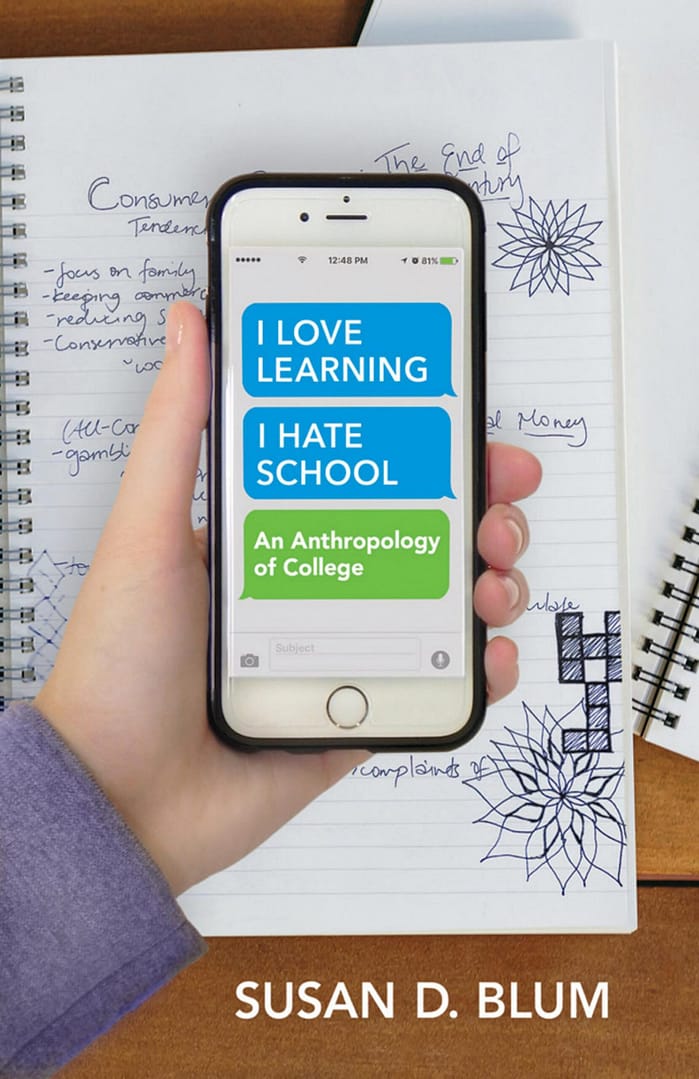
I Love Learning; I Hate School: An Anthropology of College by Susan D. Blum

Technology
Trello
Technology
Calm
Transcript
Bonni: [00:00:00] Today on episode number 219 of the Teaching and Higher Ed podcast, Dr Rebecca Pope-Ruark discusses her book, Agile Faculty.
Production Credit: [00:00:13] Produced by Innovate Learning, maximizing human potential.
Bonni: [00:00:22] Hello and welcome to this episode of Teaching in Higher Ed. I’m Bonni Stachowiak and this is the space where we explore the art and science of being more effective at facilitating learning. We also share ways to improve our productivity approaches so we can have more peace in our lives and be even more present for our students.
Bonni: [00:00:49] Joining me on today’s episode to talk about her book Agile Faculty is Dr. Rebecca Pope-Ruark. She is an Associate Professor of English specializing in Professional Writing and Rhetoric at Elon University in North Carolina. She teaches courses in Rhetorical Theory, Qualitative Research Methods for Writers, grant writing and publishing, and also coordinates Elon’s Experimental Design Thinking Studio, a Social Innovation Pilot Program. Her research interests include effective collaboration, project based service learning pedagogies, design thinking in higher education, and Scrum project management. A certified professional Scrum master, Rebecca has been teaching students and faculty to use Scrum for more effective project work for over eight years. She, as you will hear about today, is the author of Agile Faculty: Practical Strategies for Managing Research, Service, and teaching. Her book is available from the University of Chicago Press. Rebecca, welcome to Teaching in Higher Ed.
Rebecca: [00:01:55] Thank you so much for inviting me, Bonni.
Bonni: [00:01:57] The moment I heard about the title of your book, I was all in. As you know, it took me a little while to read it but that was only because I had other things quote on quote “I had to read,” but yours was a really fun one.
Bonni: [00:02:10] I think one of the things I’m really fascinated by as I’m learning more about the things that you wrote about. It’s just even this word “agile.” And I wonder if you would talk a little bit about agile- how you define it I’m sure which is rooted in how these approaches define it. And sort of what that means to you. Because it has to mean a lot for you to include in a title of your book.
Rebecca: [00:02:32] Yeah. And There is a debate in the software agile community about whether a kind of capital “A” Afgile or a lower case “a” agile. So if we look at the lower case version, obviously it’s just kind of flexibility, being able to kind of go with the flow and to be okay with some ambiguity or changes that they kind come up on the fly- which a lot of knowledge workers might have some challenges with. When You’re kind of one path, you kind of want to stick to it. But things change at a moment’s notice sometimes. And we know that from faculty work, things can change instantly. So agile a lower case a is really about just being open to changes and being flexible in that.
Rebecca: [00:03:09] With a capital A, it kind of represents more of a set of project management methodologies. Some folks in agile don’t like that word, but it really is a process, it’s a way of setting up a process. And it started from software development. When you think a kind of older version of software development, it was very “we’re going to spend six months planning and then the coders are going to get it and then the testers,” and they call that waterfall. It was very inefficient and it couldn’t respond to change. And in software, obviously, you really need to be able to respond to change. So the last 20 years or so, there’s been different ways of re-thinking that process so that you can be more flexible, that you can be more responsive to change and open to that. So that’s really about working in shorter cycles rather than in those long kind of “I’m going to spend nine months writing this book from the beginning to the end” kind of work.
Bonni: [00:03:55] I know that a lot of people listening will at least be familiar with the Learning Management System, Canvas, even if that’s not the one they use at their campus. But I know a lot of people also use it. And that is an example of a company that develops software, in this case, a learning management system that uses this approach. And for me, I think about some of the learning management systems that I used to use or still do it other institutions, and it’s exactly what you described, there are some that you might get updates one time per year.
Rebecca: [00:04:25] Exactly.
Bonni: [00:04:26] And it’s very different from canvas because every week- well- yeah I mean every week I get an e-mail and something is either going into beta and then they have this very rich, vibrant community that all gives feedback. And in fact, anything that they’re working on is voted on by this community that’s using it, teaching with it, and knows it well. And then things can get escalated up and then it goes into development and then you can test it out in beta. Get more input. And they’re regularly updating that. So they’re using this agile method. And where did you first get the idea for even just being interested in agile? And then also, this has got to be imbedded more in higher ed- or at least I shouldn’t say “got to.” Wouldn’t it be nice if it were more embedded in higher ed? Where did that first come up for you?
Rebecca: [00:05:17] It was kind of a two phase thing. I wrote during my PhD program at Iowa State I was teaching a lot of business communication and technical communication courses. And I was doing in collaborative projects, I was doing group projects in my classes, but they weren’t very successful at all. It was very clear that the students had slapped things together at the end, hadn’t read what the other people were doing, and that was really frustrating. And I wanted students to collaborate because it wasn’t something that I was comfortable with as a student. And I knew from going to work outside of academia that that was really important. So I wanted my students at least get some safe experience with that, to test it out.
Rebecca: [00:05:52] So when I started my job. I really wanted to focus on that. And at the same time, when we moved to North Carolina, my husband who is a software developer was working at a new company and he had just started this dinner table talk about how they were doing this new process and how they would meet every morning and answer a few questions and then how they would work in sprints. And he was just using all of this language and it finally kind of hit me that software developers aren’t great at collaboration either. And most of them will tell you that. But this is a process that helps them actually collaborate in a way that naturalizes it. It gives you the opportunity to share what you’re doing, to share where you’re stuck. And to do that more regularly than kind of being in your hole and not being willing to ask for help or not knowing how. So the more he talked about that, the more I started to read up and look at some of that classic texts. I started small. I started with a daily stand up. Which we can talk about in a little bit. But just helping students to report out to each other and ask for help. And then over the course of years, I built up to having whole entire 14 week classes built around the sprint cycle.
Bonni: [00:07:01] I think that’s an interesting example in terms of just what we’re working on. I don’t know if I am going to be able to find this to put in the show notes, if I can I will. But a lot of people started to in addition to having their regular blog- which we we often refer to as either working outloud or teaching outloud. I believe it was John Stepper who first coined this idea of working out loud and then some people have sort of said “teaching out loud.” I blog about my teaching evaluations or blog about the kinds of things I’m working on.
Bonni: [00:07:30] But then even just having a page on one’s domain that was here’s some projects I’m working on. And it would be like something.something. And there was this kind of flurry of posts where I thought this is so fun to see people from all over the world and the things that were going on. Than you can, like you say, you can- when you’re doing that more regularly and you have some rigor and that just can really improve the collaboration.
Bonni: [00:07:56] So before we go too much further, I didn’t want to bury people in vocabulary, but I think there are really three words we want to introduce. One we already did, which would be agile. And then the second one, tell us a little bit about Scrum. And then we’ll talk about sprints. And then let me know if there’s any others we need to fill in the gaps on.
Rebecca: [00:08:18] I think that’s a good basic line. So Scrum is not an acronym. A lot of people think it’s an acronym. But it’s really a reference to the rugby scrum, the move in rugby, which is really actually very violent so it’s probably metaphor. Everyone on those teams is all in one giant pile trying to get the ball and everyone had the specific role. Everyone knows exactly what their role is and they are all trying to achieve the same goal. They’re all trying to do that one thing. So that was a reference from a 1970 or 1980 article in the Harvard Business Journal about good teams.
Rebecca: [00:08:50] So Scrum is a process that falls under the agile umbrella of practices. Some people call it a method. I think it’s more of a framework. It’s a framework for doing work, for doing complex work, knowledge work, or kind of that “never ending work.” Like you were talking about Canvas, so they’re always updating. So it’s not that monolithic thing anymore where you get a CD every year with them updates. So they’re constantly trying to do things, and move things forward, and be responsive to customers, clients, students, (in our case). So Scrum is divided into sprints. So we can kind of define that term too. And a sprint is really just a time boxed amount of time that you or the team decide that they’re going to accomplish a specific set of goals.
Rebecca: [00:09:37] So if you’re in software development, the iconoclasts will say that is anywhere from two to four weeks. As a professor, or with my students, or with myself, you can do really whatever you want as long as you kind of define a timeframe and that’s your frame. So the process starts with a planning meeting. There are different roles that aren’t overly important I think for faculty right right now at the moment. But all members of the team and their are facilitators and their business liaisons get together and look at all of the things that need to get done on the software, on the project. And that list is prioritized by the business contact. And then the team works with them to decide how much can we get done in a sprint? We know how fast we move. We know the complexity of these things, how much can we get done?
Rebecca: [00:10:22] So they will then choose as many of those items as they they think they can finish. They will work that out. And then they’ll move into the actual sprint. So that is just kind of your day to day work. And every morning, if you’re an agile software development team, they have a meeting called Daily Scrum sometimes it’s referred to Stand Up because it is actually a stand up meeting. They usually meet in the same corner of the room. Everyone will stand up. And they answer three questions and only three questions. There’s no conversation. It’s more of an accountability meeting than a progress meeting.
Rebecca: [00:10:55] And the three questions are: what have I done since we last met? What am I planning to do today? Where might I need help or where am I blocked? And there’s no conversation with that. They will just go around and everyone gets to respond to that. And then when that meeting breaks everyone will go have a conversation about what maybe they want to do, or how they want to move forward, or how they want to help someone. And then as you go through that process, when you get to the last day of your sprint, there are two meetings. There’s a review meeting, which is basically a public demonstration of the work that you’ve created. So here’s the software we developed. Here’s how it works. We want your feedback. Anybody else who shows up, could be other teams, could be stakeholders, could be clients and customers, who ever kind of shows up to provide feedback to that team on the work that they’ve done.
Rebecca: [00:11:41] And a second meeting I think which I probably love the most of these meetings is called a retrospective meeting. And that’s just for the team. And that is a process meeting. If the review is really about here’s our product during our sprint, a retrospective is about how did we do as a group? Were we successful in how we collaborated? Where did we have some hiccups? What do we need to talk through to improve our collaboration next time? And there is a whole bunch of activities you can do for that. But the goal of that meeting is to really check in and say “are we collaborating well? Are we supporting each other? Where do we need personal professional development? What can we do better next time?” And they’ll pick one or two things from that discussion and commit to working on those as a team in terms of your process over the course of the next sprint within the planning.
Rebecca: [00:12:27] So the nice tidy little framework with a beginning and an end. But it’s still very iterative because all the feedback you get in the review and any retrospective goes back into that next planning meeting. And then things kind of start the process over.
Bonni: [00:12:38] There’s two themes that I’m hearing from you and also from having read the book. One is just thinking differently about timeframes.
Rebecca: [00:12:47] Yes.
Bonni: [00:12:48] I think so often about you know sitting in strategic planning meetings and all this. I mean it’s not like there isn’t a place for that. But the percentage of time I have spent in my life doing that versus the percentage of my life that would have been enriched by thinking in much much much shorter time frames.
Rebecca: [00:13:11] Right.
Bonni: [00:13:11] And then the second one specifically about some of these meetings is that we are not doing that at the expense of lacking the reflection on our own work and our process and our effectiveness. Because I think that would be thinking in two extremes of oh the strategic planning, the longer term stuff is all about that reflection and heady stuff and this is just get it done, Task Management. And it doesn’t have that reflection, but it’s built into the system.
Rebecca: [00:13:40] Yes. Scrum is kind of in the middle of all that. It’s not that you don’t have big goals. You do have kind of bigger longer term goals or strategic goals or objectives that you want to reach over a long period of time. But if you say here are our strategic goals you, have five years, go. Nothing’s going to happen until six months before it’s due and then everyone’s going to freak out. Just the panic because that’s just human nature. “Oh we have plenty of time. We’ll do it later.”
Rebecca: [00:14:05] But in reality, if you take those five year goals and you set much smaller ones over a period of time. And even take those down a little bit further… What are we going to do this month? What are we going to do this semester? And really break those down too then you can see progress. And you get feedback on it earlier. You can report out earlier to people who care or bring students in to listen to what’s going on. Or have them on the work teams who are developing these things. Oftentimes we might have a goal and that goal might shift over five years. Something dramatic could happen at your institution and you need to pivot. And maybe if you’re stuck in that cycle without kind of thinking in smaller terms toward those larger goals, you might get stuck or you might not be able to move forward. Or what’s worse is the work that you’ve done might not have been needed. No one wants to waste their time on work that ultimately ends up not being necessary.
Rebecca: [00:14:52] So the iteration cycle allows you to get things done faster and work toward your goals. But also to catch problems earlier, to get feedback much earlier, and to avoid some of those kind of panic moments. If you’ve kind of left things too long to get some stuff done.
Bonni: [00:15:09] At the start of every episode- which hasn’t changed in four years so I guess we haven’t been very agile. I haven’t been very agile. We talked this show is focused on teaching, the effective facilitation of learning. And then it also focuses on personal productivity so that we can have more peace in our lives and be more present for our students. So I’d like to talk just for a few minutes, this can sometimes when we hear things like this, we start thinking about how hard it would be to do this on a grand scale within our institution.
Bonni: [00:15:39] But you give a lot of very practical suggestions for how we could do this as individuals or even with the little slices of influence that we have within our institution. So could you talk about a few ways that we could just do this as individuals as faculty members. I know you’ve got great suggestions in the book about research, about even committees that we are part of. How could we take this and really narrow it down to just our individual work?
Rebecca: [00:16:06] I think probably the easiest place to start for an individual is with a Scrum board, which is really the simplest designed thing you’ve ever seen really. And it makes so much sense when you look at it. It’s a board that has three simple columns. There is a to do or a backlog of items that you wanted to do. The middle column is the work in progress column. And the end column is done, so that you can kind of celebrate what you have accomplished.
Rebecca: [00:16:32] So I think one of the easiest things you can do, whether you’re looking at your teaching or research or even your service, is to just start with a simple Scrum board. Usually that’s a white board or a wall. I’ve seen people do it just on the back of their office doors. It’s a simple three column structure.
Rebecca: [00:16:47] The first column is your backlog or your To Do list, the things that are in the queue that you want to do. There’s a work in progress column in the middle. And then their last column is just done. And when you draw it, you always draw the work in progress column a little bit narrower just to remind yourself that you can’t do everything at once. But there’s stuff in the backlog, it’s still going to be there, it’s not going anywhere. So let’s kind of focus on what we can do now. So in that backlog, you would list maybe some of what are the major projects that you’re working on? And it might be a class but I often use it more for research, and for service than for classes. Because classes move so fast and having to write a sticky note to put on there “develop Thursday’s lesson” is just going to kind of way some time that you could be doing actually writing that lesson.
Rebecca: [00:17:28] So for research and service, I’ll often put this article that I’m working on, or this data collection piece that I’m working on on one sticky note. I color code everything because I like things to be neatly organized in that sense. So one project about a retrospective article I’m writing my sticky note. And then I’ll have smaller sticky notes that list the different things that I need to do to finish that article at whatever stage that it is in.
Rebecca: [00:17:52] The goal of articulating those tasks is to break them down into reasonable chunks. When we think about our To Do lists, if you’re writing an article, you might have a check on your checklist or to do list that says “write let review.” But that is a really complicated thing to do. You’ve got to find the articles. You have got to read them. You’ve got to take notes. You’ve got to type them up. You’ve got to actually figure out what the structure is. That’s a really complex piece of work to do.
Rebecca: [00:18:21] So rather than just writing a sticky note for your board says “write lit review.” You could break that down into much smaller steps that you can actually accomplish. And the nice thing about breaking those things down that way is that you can move something into the work in progress column. And then hopefully it is a small enough chunk of time and work that you can pretty quickly move it into the done column. And you see progress.
Rebecca: [00:18:43] There is something oddly psychologically beneficial for taking one sticky note and walking it across the board into a work in progress and into done. When I do this with students, obviously if we’re in class, we don’t have a big white board or anything so we’ll use manela folders that they just use smaller sticky notes in for their columns. So I teach them how to set it up and they kind of make their backlog for what they know now about the project. And then they will inevitably write something of several silly sticky notes that are like create Scrum board, read the assignment, and they move those these things into done. And there’s always a little cheer of excitement that they’ve accomplished something. And every time they come back into class and they pull out their Scrum boards, they’re excited to see that they’ve accomplished something.
Rebecca: [00:19:23] But it’s also a signal too that if something is stuck in work in progress for a while, maybe that’s the ticket that was assigned to someone. And that person isn’t doing that particular sticky note, that’s a conversation that needs to happen sooner rather than later. It’s not just someone not showing up. There’s accountability built into that using the board. And when you to come back and talk about what you’re doing when you’re working in a group, but I find that to be accountable in my research too.
Rebecca: [00:19:46] If I’ve moved something into a work in progress and it’s sat there for a long time. I need to have a conversation with myself about what’s holding me up here? Am I waiting for someone else? Am I just really not into it? Is it too big and it’s frustrating me and I need to break it down further? So it’s kind of a accountability reminder like I’ve made this commitment. I’ve decided that this is important and this is my priority and I want to do this thing. Something isn’t working with that right now. What can I do to kind of look at that and see how I can fix that?
Rebecca: [00:20:17] And I think you could do this with committee work too. I have heard of no one who has tried it yet. So that chapter is pretty speculative, but we all hate just sitting in meetings. And you were talking about strategic planning earlier, those can be wonderful conversations but you have to have them kind of over a period of time and then they start spreading out and then they are just meetings. So how can we use goal oriented Scrum stories and Scrum notes to really move forward and feel like we’re doing something? Right.
Rebecca: [00:20:45] Oftentimes the committee work, you don’t necessarily see a product. Maybe in two years, there’s the task force report or something. But what other things can you be showing? It might be a written report, but it might be a discussion or focus group or something where you can get feedback earlier.
Rebecca: [00:21:00] I like Scrum because it divides work into workable chunks. It provides a little bit of accountability because you have defined what you think your priorities are. And if that’s not working out, then you have that conversation. And it’s just that little bit of extra language, Scrum and some of the different ways that you break up work is enough of a trigger to kind of break you out of your old kind of to do list mentalities and to think about how you’re doing your work in a different way. So just those little mindset shifts I think are are really useful and valuable.
Bonni: [00:21:29] I have not tried a Scrum board yet, although our conversation today, reading your book, and also hearing you on Katie Linders Research in Action podcast has motivated me to consider trying it. And I’ve got a perfect white board in my office that would work. Although I kind of work in different spaces, so I might sometimes even lean more toward the digital. But maybe even printing it out periodically and hanging it up so that- it says a lot what we choose to surround ourselves with.
Bonni: [00:21:56] What I have done is even just a list of current projects which would be in this case both a combination of a work in progress and a backlog. And to me, that regular review of just let’s get realistic. This has been sitting on here in an on hold thing. I mean that’s OK but what you what are you going to get done in this next period of time? And another thing that has been really helpful to me is Robert Talbert introduced me to what he calls trimesterly planning. And so there was a really popular book The 12 Week Year. And The 12 Week Year talks about planning in shorter increments than your typical annual planning. But 12 week periods, for most of us unless we teach in a quarter system, does not really make sense to us. So in his case, he thinks about the fall. He thinks about the spring. And he thinks about the summer. And those are really different seasons. And I used to just have annual planning. I’d have in my little task manager and plan goals for the year. By the time spring came, I thought who was that woman?
Rebecca: [00:23:00] But I suspect though that from what I’m taking away from your learning is that maybe even a semester for some work that we do would be too long. We could even think about five week and a five week and a five week. It would totally depend on what you were working on, but if you wanted to push yourself- that sense of urgency and “we’re really going to strive for this.” It could be if it’s something like a literature review, that certainly could be done in five weeks. It also could take 15.
Rebecca: [00:23:27] I think I left it really open in the book because I want people to choose the intervals that make the most sense to them. I still do semesterly planning. I’ll do spring, summer, fall panning. And these are some of the goals that I have. But then I’ll go in and ok for this month or for two weeks, this is how I’m going to get there. So I write all that out as well. And then I can decide what my priorities are and what I can actually do in those found moments or the ones that I’m going to block off on my calendar and not let anybody touch.
Rebecca: [00:23:57] You can also do it in groups. It’s really great for writing groups. You can have a Scrum board in your office and be accountable to yourself. And if you work well that way, that’s awesome. That works really well for me. But some people need another extra layer of accountability to have just a writing buddy, or a course development buddy or something like that. So if you all have, even not necessarily a shared board, but you have your board and then you report to each other every week. Here’s what I’ve done since we last met. Here’s what I’m doing now. Here’s where anything advice. That might be “can you look at my draft?” Things that you can just be a little accountable for.
Rebecca: [00:24:31] And it might be a writing group where you we’re all working on writing and sharing writing. Or it might just be these are my goals, you have goals too. Maybe get like a mid mid career of faculty group or something like that. Here’s where I’m going. Here’s where I might be stuck. And I would just like them advice from folks. So there’s that extra ways of making what seems like very individual work still kind of collaborative in the sense that you can share with people what you’re doing and get feedback on that as you go.
Bonni: [00:24:59] I had a recent question and answer show and someone asked about delegating to students, whether it’s a T.A. type of a situation, or they’re helping with research, that kind of thing. And as you were talking about this- I think it was part of the Daily Scrum Standup meeting with the three questions. Could you maybe talk about how we could use those three questions in a meeting that we had with students who were student researchers or students who were our TAs and how that made help with delegation and communication?
Rebecca: [00:25:29] Sure. A Daily Scrm has become a really good tool for students in my classes and undergraduate research students that I mentor. So again a stand up is a short meeting in software development. But it is a 3 question meeting. What have I done since we last met? What am I doing now? Where might I need some help or advice or suggestions? So when I do Scrum with larger scale service learning projects or collaborate projects of my students, I teach them how to do Daily Scrum and then they do it.
Rebecca: [00:26:00] I’m lucky in the sense that in those classes the projects are the content in a lot of ways. So I don’t have to cover a ton of stuff in a textbook, it is integrated into what they do collaboratively. So once they get kind of rolling, they come in to class and they get their little Scrum board folder and then they have a daily stand up meeting. And they know what they’re supposed to do. I don’t have to facilitate that they can just do it themselves. And I usually do have them stand up because the reason you stand up is because it’s awkward. No one wants to stand up for very long and talk to someone else. So the standing up discourages having a conversation rather than just answering the questions.
Rebecca: [00:26:36] I’ll have students do that and they kind of do it. And if I’ve got multiple teams I’m kind of walking around listening to see if there’s any place where they might need a little help a little bit later in the class period or where I see there’s a gap maybe across the groups where I need to do a little just in time teaching or send them some resources to help them kind of work through a challenge they might be having. But for students in that sense, it’s accountability but it’s also very much ownership and authority over what they’re doing and agency in their group throughout that process rather than just kind of typical that guys a slacker or that this person is taking over the group. They have that feedback constantly so the are constantly really talking about themselves so that they are working toward collaborating rather than just cooperating, which is really kind of what they do when they divide and conquer work like that.
Rebecca: [00:27:23] I’ve also worked with a lot of undergraduate research students who we’ve had develop their own board. And if they’re abroad for a semester, we’ll probably do that in a google doc that we share and kind of go back and forth that way. If I meet with them for their research time, we will kind of data stand up and have them report. Sometimes if what I’m working on is kind of close to what they’re doing, I will contribute to that as well so that there’s kind of a reciprocal “we’re both working on something” kind of back so they get to see how I work and how I approach research and how I approach writing and where I might be stuck which is kind of a new thing for some of them. You know when they’re realizing that as you research, you’re probably revealing more questions than you are answers. And that’s great. It’s kind of modeling that behavior. I think with students that can be really useful. So there’s there’s two instances where I’ve used the Daily Scrim model with students.
Bonni: [00:28:13] Before we get to the recommendation segment, I want to close with a final question. In the book, of course, you expand on this much more than we have time for today. But if you had to just pick one thing to think about for the broader university- because you’ve given lots of practical examples of how we can use this- which I think is most people listening. But if you wanted to inspire all of us to have a greater vision for our universities at large, what would be your advice of how we might think about using agile in?
Rebecca: [00:28:44] Oh goodness. That’s the big 20 million dollar question. Right.
Bonni: [00:28:49] It also could be a really small one in the sense that sometimes these small things can produce great results. So I don’t want to put too much pressure on you.
Rebecca: [00:28:57] I think maybe two things that I’ve been thinking about now is really actually trying it in committee work, really reinventing committee work in a lot of ways. I have a quote in the book from from an agile book that is basically just those all meetings suck. Noone likes to be in meetings all the time. But if we use meetings for the valuable work rather than just reporting out, then we’re going to feel more engaged. And we’re going to want to go to those meetings and and actually work for it.
Rebecca: [00:29:23] So if we think towards what are the goals of these committees? And they’re starting committees, promotion and tenure and curriculum, it’s not going to work very well. But there’s other task force oriented committees and things like that. I think you could use that structure and actually facilitate the work and feel like you’re getting the work done faster. But just as well, if not better, because you’re doing it over a period of time, and you really feel engaged with it, and you’re committed, and you’re accountable to everyone else in that process.
Rebecca: [00:29:50] Another thing that I’ve been really thinking about a lot lately is rethinking classes in general. We’ve got this kind of rigid- I teach in a 14 weeks semester, so it’s 14 weeks two classes a week. And it’s you know that old kind of Carnegie mentality of seat time equals learning. We know that’s not true at all. So I’ve been thinking about what if we create experiences rather than courses? A development process for whatever that ends up looking like. You could use Scrum to kind of innovate in that way and figure out what you could do and test things out.
Rebecca: [00:30:23] We are often very agile in how we develop programs. And a lot of times you’ll hear things like “well we need proof that this new program is going to work before we do it.” But how can you know if it’s going to work if you don’t try it? Right? So I think there are ways that we can start thinking about incubating experiences and being more open to trying things out and seeing what works and seeing what sticks and being okay if it doesn’t work. Now trying a program or a small section of courses or experiences and throwing students in there, having them help us develop it. And if it doesn’t work. Okay we learned something really interesting about what does and doesn’t work in terms of learning. So let’s try something else. Or let’s do some experimenting and rethinking the way we actually plan a semester when the students are taking four classes, and doing a million outside activities, and not really being able to see how all of that connects in some way. So how can we make it more interdisciplinary? But really think in terms of experiences, not just courses.
Bonni: [00:31:21] Thank you so much for both of those suggestions. I hope that we can all take some inspiration from it. And this is the point in the show where we each get to give our recommendations. And I wanted to recommend an app and also a service available on Androids and on iPhones. And it is called Calm. Calm is a really- in fact, it won a bunch of design awards from Apple in the most recent design awards that they had.
Bonni: [00:31:52] It is a meditation app, but it’s got music also available. It’s got meditation things it will take you through around- I started out with just a simple one 7 days of Calm. And now I’m onto the 20 days of Calm. And it’s also got tools to help you sleep. It’s got master classes. It’s just very rich. As an example, I had thought about investing in one of those music apps that someone had recommended on a prior show that is music specifically to help you focus. And I liked it but that was like oh another subscription, that kind of thing.
Bonni: [00:32:24] So this has that in there and I’m finding similar benefits that I found when I did that other trial. So a little tip for you, especially if you’re on an iPhone, it was a little bit pricey for a subscription for me. I do this so much so I really limit that. But if I went to the web site, I could get a discount because then I’m not buying it through Apple which takes 30 percent of the cut. I’m not begrudging Apple for taking their cut, but that is how that works. So I could get it less expensively if I went straight to Calm’s web site. And then once I’m a member, I can log in on whatever device it is I’m using and have access to that. So I’d really suggest checking it out. They have a seven day free trial. You could see if it was for you. And I’m really, really finding it extremely beneficial.
Bonni: [00:33:06] And one little tidbit too, they also have a little meditation for kids. And so my son was particularly squirrelly the other day, I’m going to try this out. And then he totally closed his eyes completely got into it. And he was really really funny. I particularly liked the woman’s voice who was on it. It’s the same woman on all the ones, at least the ones I’ve tried so far and she has a really great voice. And it’s just I’ve really found it compelling. And so my recommendation today is for people to check out the Calm app and also their associated service.
Rebecca: [00:33:40] I’ve definitely seen that coming up more and more so I’m going to check that out. So I have a few recommendations. I mentioned really really briefly earlier a program called Trello which is there’s a website version of it and there is an app version of it. And it is kind of a tas management/ project management system. But you make little sticky notes, little electric sticky notes and you can make a board and you can use it that way.
Rebecca: [00:34:00] So I know a lot of people who use that when they maybe either don’t want to use a physical board on a space for that or they travel like you said and they want to have it in one place. So Trello is easy, there’s not a big learning curve on that. So it’s an either a little software program that you can keep your boards with you.
Rebecca: [00:34:17] And a book I want to recommend, that I recently read- I’ve been reading a lot about kind of innovation and change in higher education lately and came across a book by Susan Blum from Notre Dame called I Love Learning; I Hate School: An Anthropology of College. And she did an anthropological study of her students at Notre Dame over a period of time. And it was really compelling to me and I really related to it in so many ways because she is honest about starting from the point of students are lazy why are they taking my course seriously? Why are they just throwing things together?
Rebecca: [00:34:48] But when she really started looking at it from that sociological perspective and what they were doing and what they were dealing with, it really rebuilds your empathy for students. And thinking about again that experience thing rather than just classes. One of the examples she gives is students devoting a ton of their time to extracurricular activities. But if you think about it, in those activities, if you’re on the newspaper or you’re captain of a team, you have mastery there, you have autonomy there. You know there’s action in those places so they’re learning a ton there. So how can we kind of use that in our educational practices as well? So she really helped me kind of reconnect with students as people and what they’re going through and how to think about how do we help our students learn rather than just play school. So I found that book very valuable.
Bonni: [00:35:35] Oh thank you so much for that suggestion. I’ve heard of it before. But I- the way that you just described it really makes me want to pick it up. I love anything that can increase empathy for our students- it is just vital for the work that we do. We need to regularly be infusing ourselves with things like that. I also really get a kick out of when people use their research methodologies in studying teaching and learning. It is just phenomenal and I can’t get enough of that. So thank you for that.
Bonni: [00:36:02] I was going to mention, you were talking about Trello. And I’ve been using it for a while but then now realized I didn’t use it at all to the extent to which it can be used. Because you can have these cards in there like you were mentioning. But cards can also have checklists associated with them. So you were talking about with the stickies on the wall. Having smaller sticky notes for the smaller tasks, you can do that on Trello as well. And if anyone likes to sort of tinker with automation, there’s the service called zapier, I’ll put a link to it and the show notes that would let you even connect maybe a google form then puts the information from the Google form into Trello. And if that sounds super complicated. I mean first, yes play with Trello. Just play with Trello. And but once you’ve got to know Trello, it is not too difficult to even create a form that could then go in. I mean I could see lots of opportunities for just making a little bit more efficiency. And I’ve been thinking about starting to store prospective guests for the podcasts in Trello because like you were talking about you can set different stages on it. And then I can just drag the cards over. And also I like having pictures of people. Because as anyone listening for awhile knows, I try to have diversity in every sense of the word. So then if I start to get to many similar looking faces or people from too similar disciplines or that kind of thing I mean I really try try to think from every perspective so that’s really helpful.
Bonni: [00:37:28] And color coding is super fun to do because I can color code if somebody recommended a guest. I take it more credence than if someone recommended a person then if I just thought of that on my own. You know I really really value the community that contributes ideas and stuff so lots of fun stuff you can do with Trello. And it’s not hard to learn at all like you said.
Rebecca: [00:37:48] Yeah.
Bonni: [00:37:48] Sorry to be like talking all about your- this was supposed to be your recommendation.
Rebecca: [00:37:54] I think. You sound like you use it more than I do.
Bonni: [00:37:57] So excited. I actually don’t use it more than you probably but it is so easy to learn. But then just like oh my gosh one little next and before you know it you’re able to be really making even more use out of it. I love tools that have easy immersion. And then it’s just easy to step up your game. I love that. Yeah. Yeah.
Bonni: [00:38:19] Well thank you so much for coming on the show. It’s really fun talking to you after having read your book and I took a lot away from it. Like you were talking about reading groups and stuff, it’s really fun to actually get to talk to the person who wrote it and share some ideas. I hope people will pick up your book for sure. And I just took a lot away and I feel like I still will continue to do so. I mean it’s one that I am going to keep revisiting in my mind and also I can easily go back to.
Rebecca: [00:38:42] Thank you so much. It’s very special to me. So thank you for having me.
Bonni: [00:38:48] Thanks once again to Dr. Rebecca Pope-Ruark for joining me on today’s episode of Teaching in Higher Ed number 219. And thanks to all of you for listening. If you have any colleagues who don’t listen to the podcast or don’t listen to really any podcasts, the biggest thing that holds them back is knowing how to subscribe to a show. Most of us have an app either already installed on our phones or just a couple of taps away because they’re available on all the platforms of phones these days. But helping someone subscribe is a big step you can take to getting them regular professional development like Teaching in Higher Ed offers. So next time you’re a little early to a faculty meeting or a committee meeting, see if your friends subscribed to any podcasts. Then show them how easy it is. And that would really help spread the word about the show. Thanks so much for listening. Thanks to Rebecca again and I’ll see you next time.
Teaching in Higher Ed transcripts are created using a combination of an automated transcription service and human beings. This text likely will not represent the precise, word-for-word conversation that was had. The accuracy of the transcripts will vary. The authoritative record of the Teaching in Higher Ed podcasts is contained in the audio file.